
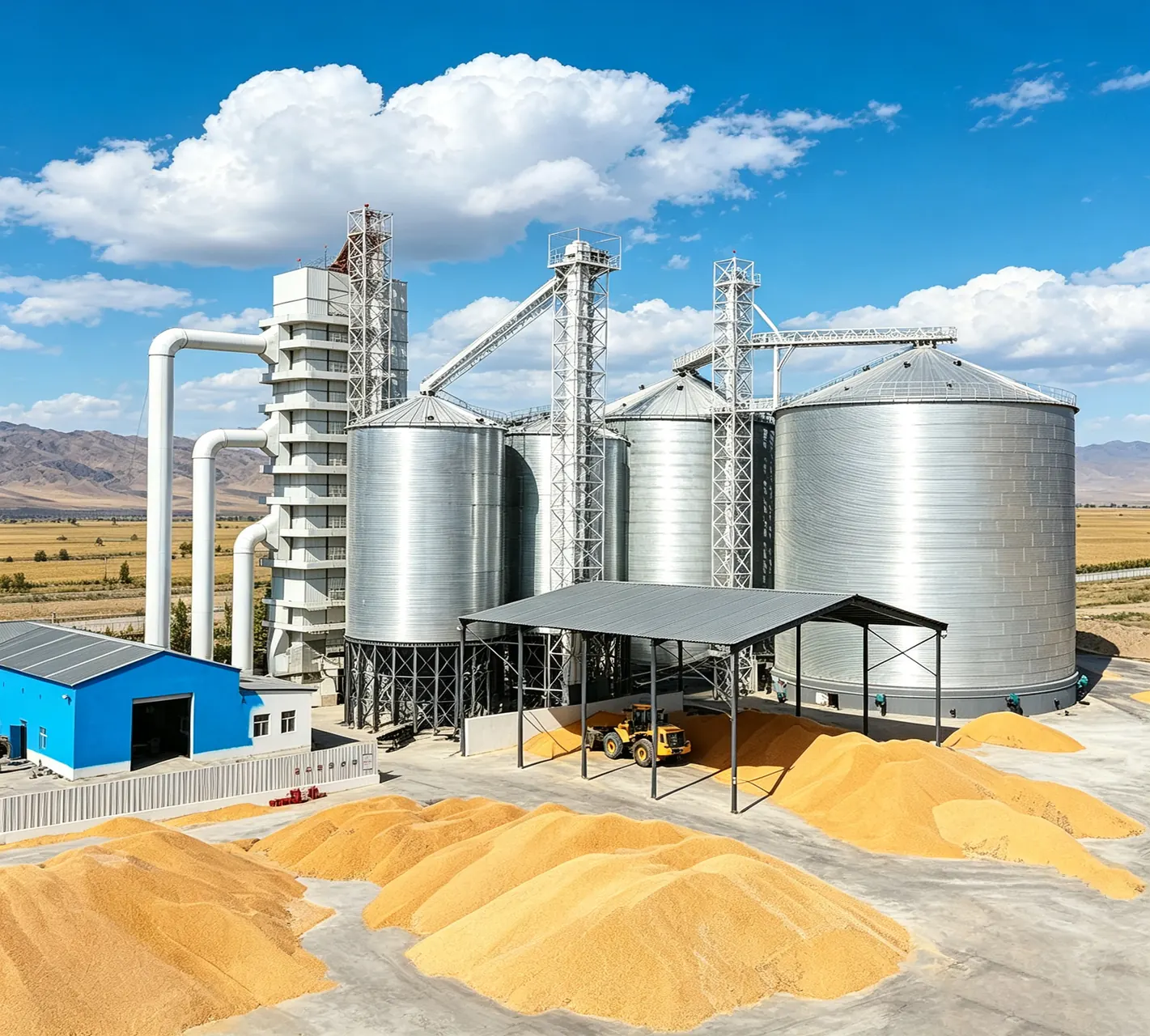
Dust Dust Explosion Prevention in Grain Storage Facilities: En... Prevention in Grain Storage Facilities: En... dryers represent one of the most critical capital investments in any grain storage operation. Proper maintenance of burners, fans, and sensors directly impacts drying efficiency, fuel consumption, grain quality, and equipment longevity. This comprehensive guide delivers actionable engineering insights to keep your drying systems operating at peak performance season after season.
Why Grain Dryer Maintenance Matters: Protecting Your Harvest and Equipment
Dust Dust Explosion Prevention in Grain Storage Facilities: En... Prevention in Grain Storage Facilities: En... drying is an energy-intensive process that subjects equipment to extreme thermal cycling, abrasive particulate exposure, and continuous mechanical stress. Without systematic maintenance, components degrade in ways that compound operational costs and compromise grain quality. A dryer operating with a miscalibrated sensor, for example, can over-dry grain by 2-3 percentage points, resulting in unnecessary weight loss and reduced market value across thousands of tonnes of production.
The financial implications extend beyond fuel and Dust Dust Explosion Prevention in Grain Storage Facilities: En... Prevention in Grain Storage Facilities: En... loss. Unplanned downtime during peak harvest windows creates bottlenecks that force operators to either delay harvesting — risking field losses — or store grain at unsafe moisture levels that invite spoilage, mycotoxin development, and bin structural risks. Maintenance is not merely a technical obligation; it is a strategic business practice that protects revenue, ensures food safety compliance, and maximizes return on invested capital.
Modern grain drying systems integrated with steel silo storage facilities demand coordinated care across the entire material handling chain. When dryers underperform, downstream equipment including conveyors, dust collectors, and storage silos bear the burden of handling improperly conditioned grain, accelerating wear throughout the facility.
Essuring Combustion Efficiency and Safety
The burner is the thermal heart of any grain dryer, converting fuel energy into the heated air stream that drives moisture evaporation. Maintaining optimal combustion efficiency requires attention to several interconnected subsystems.
Burner Nozzle and Electrode Inspection
Fuel nozzles experience progressive orifice wear that disrupts spray pattern geometry. Even minor deformation alters the fuel-air mixture, producing incomplete combustion characterized by elevated carbon monoxide emissions, soot accumulation, and wasted fuel. Inspect nozzles every 200 operating hours or at minimum once per drying season. Replace nozzles that show visible erosion, irregular spray patterns, or when CO emissions exceed manufacturer specifications by more than 10%.
Electrode gap distance directly affects ignition reliability. Thermal cycling causes electrode tips to erode and shift position. Verify gap spacing against manufacturer specifications using a feeler gauge during every maintenance interval. Proper spark generation demands clean, correctly positioned electrodes with intact ceramic insulation free from carbon tracking.
Fuel Supply System Maintenance
For liquid fuel systems, filters and strainers require regular replacement to prevent particulate contamination of precision fuel components. Water accumulation in fuel tanks promotes microbial growth that clogs filters and corrodes pumps. Drain water separator bowls daily during operation and install coalescing filters upstream of the burner assembly.
Natural gas and propane systems demand verification of regulator output pressure, gas valve operation integrity, and flexible hose condition. Perform leak detection using approved soap solution or electronic detectors at all fittings and connections before each seasonal startup. Gas pressure that deviates from rated specifications by more than 5% requires regulator adjustment or replacement.
Combustion Air and Flue Maintenance
Restricted combustion air supply is among the most common causes of inefficient burner operation. Clean air intake screens, verify damper operation, and confirm that fan inlet conditions meet design specifications. Inspect flue passages and heat exchanger surfaces for soot buildup, which acts as thermal insulation and reduces heat transfer efficiency. A 3mm layer of soot deposits can reduce thermal efficiency by 8-12%, directly increasing fuel consumption per tonne of water removed.
Fan and Airflow System Maintenance: Optimizing Drying Uniformity
Fans generate the pressure differential that forces heated air through the grain column. Airflow uniformity determines drying consistency across the grain mass, directly affecting final moisture variation, energy consumption, and grain quality preservation.
Centrifugal Fan Inspection and Balancing
Centrifugal fans operating in grain dryer environments accumulate material on blade surfaces, particularly on the leading edges. This buildup creates imbalance that accelerates bearing wear, increases vibration, and reduces volumetric output. Clean fan wheels thoroughly at the end of each drying season and inspect monthly during extended operation.
Bearing condition monitoring through vibration analysis or temperature measurement provides early detection of lubrication failure or fatigue damage. Bearings operating above 80°C or exhibiting vibration velocity exceeding 7.1 mm/s RMS warrant immediate replacement to prevent catastrophic failure and unplanned shutdown.
Belt Drive and Motor Maintenance
V-belt drives require periodic tension verification. Loose belts slip, reducing fan speed and airflow capacity while generating heat that accelerates belt deterioration. Over-tensioned belts impose excessive radial loads on motor and fan bearings. Use a belt tension gauge to maintain deflection force within manufacturer specifications. Replace belts as complete sets to ensure uniform load distribution across all grooves.
Electric motors driving fan assemblies should have insulation resistance tested annually using a megohmmeter. Values below 1 megohm indicate moisture ingress or insulation degradation requiring corrective action. Verify that motor amperage draw remains within nameplate ratings under full-load conditions, as elevated current may indicate mechanical binding, voltage imbalance, or winding deterioration.
Air Distribution System Integrity
Plenum chambers, grain columns, and air ducts must maintain structural integrity to prevent air leaks that bypass the grain mass. Inspect perforated screens for holes or excessive corrosion that create preferential airflow paths. Verify that grain distribution devices within the dryer create uniform column loading without channeling or bridging. Uneven grain distribution creates zones of over-drying and under-drying within the same batch, compromising overall quality.
Sensor Calibration and Care: The Key to Precision Moisture Control
Sensor technology provides the feedback signals that govern dryer operation. Temperature sensors, moisture sensors, and airflow instruments collectively determine when drying begins, when it ends, and how energy is applied throughout the process.
Temperature Sensor Calibration
Thermocouples and RTD elements drift over time due to thermal cycling, chemical attack, and mechanical stress. Compare sensor readings against a calibrated reference instrument at multiple temperature points spanning the operating range. Sensors deviating by more than ±2°C from reference values require recalibration or replacement. Pay particular attention to sensors positioned at the plenum inlet, plenum outlet, and exhaust stream, as these locations experience the most severe thermal exposure.
Moisture Sensor Accuracy
Capacitance-type and resistance-type moisture sensors positioned at the dryer discharge provide critical feedback for automatic control systems. Contaminated sensing surfaces produce erroneous readings that cause the controller to either terminate drying prematurely or continue operation unnecessarily. Clean sensing plates or probes weekly during operation using approved methods that avoid surface damage.
Validate moisture sensor accuracy by comparing sensor readings against oven-test reference samples collected at regular intervals. Establish a calibration curve that correlates sensor output with laboratory-determined moisture content across the expected operating range. Recalibrate whenever correlation coefficients fall below 0.95 or when sensor replacement occurs.
Pressure and Flow Instrument Maintenance
Differential pressure transmitters measuring plenum static pressure and grain column resistance require periodic zero verification and impulse line purging. Clogged impulse lines produce sluggish or frozen readings that misrepresent actual airflow conditions. Install condensate traps and sediment chambers at appropriate locations within impulse piping to prevent accumulation of moisture and particulate matter.
Integrating Smart Monitoring: Predictive Maintenance for Grain Dryers
Modern grain drying systems increasingly incorporate IoT-enabled monitoring platforms that transform maintenance from reactive to predictive. Continuous data collection from vibration sensors, thermal imaging cameras, and power quality analyzers enables early detection of developing faults before they manifest as operational failures.
Smart monitoring systems track burner combustion efficiency in real time by analyzing exhaust gas composition, flame characteristics, and fuel consumption rates. Deviations from baseline performance profiles trigger automated alerts that prompt inspection before efficiency degradation progresses to equipment damage. Similarly, fan bearing vibration signatures monitored continuously reveal developing mechanical faults weeks or months in advance of catastrophic failure.
Integration with centralized grain storage management platforms allows operators to correlate dryer performance data with silo storage conditions, ambient weather patterns, and grain quality metrics. This holistic visibility supports data-driven maintenance scheduling that aligns with actual equipment condition rather than arbitrary calendar intervals, optimizing both maintenance expenditure and operational reliability.
Seasonal Maintenance Checklist: Pre-Harvest vs. Post-Harvest Dryer Care
Structured seasonal maintenance programs ensure that dryers enter each harvest period in optimal condition and are properly preserved during idle periods.
Pre-Harvest Preparation (4-6 Weeks Before Harvest)
- Complete burner tune-up including nozzle replacement, electrode inspection, and combustion analysis
- Calibrate all temperature and moisture sensors against certified reference standards
- Inspect and clean fan assemblies, verifying bearing condition and belt tension
- Test all safety interlocks including high-temperature limits, flame detection, and airflow proving switches
- Verify fuel supply system integrity and regulator output pressure
- Inspect structural components including grain columns, plenum chambers, and access doors for corrosion or damage
- Confirm control system software updates and backup operational parameters
Post-Harvest Shutdown Procedures
- Thoroughly clean all interior surfaces to remove grain dust, chaff, and residue that attract moisture and pests
- Operate fans with ambient air for 30 minutes to cool internal components and remove residual moisture
- Disconnect and properly store fuel supply lines; cap open connections to prevent contamination
- Apply protective lubricant to exposed mechanical components and inspect all fasteners
- Document all maintenance activities, component replacements, and calibration results for historical tracking
- Cover air intakes and exhaust openings to prevent pest entry and weather exposure during storage
Supporting Equipment: Maintaining Conveyors and Dust Collectors for Dryer Efficiency
Grain dryer performance depends on the reliable operation of upstream and downstream material handling equipment. Conveyors feeding grain into the dryer must deliver consistent flow rates that match dryer capacity. Variable feed rates create moisture content fluctuations in dried output and impose thermal cycling stress on burner components.
Inspect conveyor belt tension, splice integrity, and alignment at regular intervals. Verify that bucket elevators operating in the dryer circuit maintain rated discharge speeds and that boot sections remain free of accumulated grain that promotes belt slippage and motor overload.
Dust collection systems serving grain dryers capture combustible particulate matter while maintaining proper airflow balance. Clogged filter media increase system resistance, reducing fan capacity and potentially creating hazardous dust accumulation within the dryer structure. Monitor differential pressure across filter elements and replace media when pressure drop exceeds manufacturer recommendations. Inspect hopper discharge mechanisms and rotary valves for proper operation to prevent material buildup that could restrict airflow or create fire hazards.
Troubleshooting Common Issues: Diagnosing Burner, Fan, and Sensor Faults
Systematic diagnostic approaches minimize downtime when dryer malfunctions occur during critical harvest operations.
| Symptom | Probable Cause | Diagnostic Action | Corrective Measure |
|---|---|---|---|
| Burner fails to ignite | Nozzle blockage, electrode gap error, gas valve failure | Verify spark presence, check gas pressure, inspect nozzle | Clean or replace nozzle, adjust electrode gap, test gas valve |
| Insufficient drying capacity | Reduced airflow, burner underperformance, sensor drift | Measure fan speed, check fuel rate, validate sensor readings | Clean fan wheel, tune burner, recalibrate sensors |
| Excessive moisture variation | Uneven airflow distribution, grain bridging, sensor contamination | Inspect grain column, check plenum pressure, clean sensors | Redistribute grain flow, clean sensing surfaces |
| Abnormal fan vibration | Wheel imbalance, bearing deterioration, structural looseness | Perform vibration analysis, inspect mounting hardware | Clean and balance wheel, replace bearings, tighten fasteners |
| Elevated fuel consumption | Soot buildup, air leaks, control system malfunction | Inspect heat exchanger, test for leaks, review control parameters | Clean flue passages, seal air leaks, recalibrate controls |
Maximizing ROI and Safety Through Proactive Dryer Maintenance
The economic case for comprehensive dryer maintenance extends across multiple dimensions. Fuel represents the single largest operating expense in grain drying, typically accounting for 60-70% of total drying cost. Maintenance activities that preserve combustion efficiency and heat transfer effectiveness deliver direct, measurable savings on every tonne of grain processed.
Equipment longevity represents another significant financial benefit. A well-maintained grain dryer delivers 15-20 years of reliable service, while neglected equipment may require major overhaul or replacement within 8-12 years. When amortized across total production volume, maintenance-driven life extension dramatically reduces per-tonne equipment cost.
Safety considerations demand equal attention. Grain dryer fires and explosions typically result from ignition of accumulated dust or grain particles in proximity with burner flames or hot surfaces. Regular cleaning, proper flame monitoring, and functional safety interlocks are essential protective measures. Combustible dust management within dryer structures, connected silos, and dust collection systems requires ongoing vigilance and adherence to applicable safety standards.
Frequently Asked Questions About Grain Dryer Maintenance
The primary limitation of sun drying rice is complete dependence on weather conditions. Inconsistent solar exposure, unexpected rainfall, and high ambient humidity create moisture content fluctuations that promote fungal growth and mycotoxin development. Sun drying also offers no precise moisture control, frequently resulting in either under-dried grain that deteriorates in storage or over-dried grain that suffers mechanical damage and weight loss. Mechanical drying systems eliminate these variables by providing controlled, repeatable moisture reduction regardless of ambient conditions.
Grain dryer cleaning should begin with complete equipment lockout and verification of zero energy state. Remove all residual grain from the column using sweep augers or manual extraction. Vacuum or sweep interior surfaces including plenum chambers, grain columns, and exhaust passages to remove dust, chaff, and debris. Clean burner components using approved solvents and compressed air. Inspect and clean fan blades, motor housings, and belt guards. Verify that all access doors and inspection ports are properly sealed after cleaning is complete. Document cleaning activities and any observed component wear requiring follow-up attention.
A sensor-controlled dryer that fails to adequately dry grain typically suffers from one or more of the following issues: contaminated moisture sensors producing falsely high readings that prematurely terminate the drying cycle, reduced airflow from clogged filters or fan problems limiting moisture removal capacity, burner underperformance from nozzle wear or fuel supply restrictions, or excessive feed rates that overwhelm the dryer's thermal capacity. Systematic diagnosis should begin with sensor validation against reference samples, followed by airflow measurement and burner performance verification.
Grain dryers can operate during rainfall provided that electrical enclosures maintain proper weather protection ratings and air intakes are positioned to prevent water ingestion. However, high ambient humidity associated with rain events reduces the drying air's moisture-holding capacity, decreasing drying efficiency and increasing fuel consumption per unit of water removed. Operators should anticipate reduced throughput during wet weather and adjust feed rates accordingly. More critically, ensure that grain being fed into the dryer has not absorbed excessive surface moisture from rainfall exposure, as this dramatically increases drying energy requirements and may exceed dryer design capacity.
Protect Your Investment with
Written by: Manxing Engineering Team
Reviewed by: Senior Engineer
Related Articles
The Definitive Silo Inspection Checklist: Protecting Your Grain Storage Investment
Silo Inspection Checklist: Complete Guide for Grain Storage Safety The Definitive Silo Inspection Checklist: Protecting Your Grain Storage Investment A comprehensive silo inspection checkl...
Read →
Preventive Maintenance: The Complete Guide for Grain Storage Systems
Preventive Maintenance for Grain Storage Systems | Manxing Preventive Maintenance: The Complete Guide for Grain Storage Systems Grain storage infrastructure represents one of the most signifi...
Read →
Understanding Grain Bridging & Crusting: Prevention and Solutions
Understanding Grain Bridging & Crusting: Prevention and Solutions Grain bridging and crusting represent two of the most persistent and dangerous challenges in bulk material storage. While a s...
Read →
Corrosion Prevention and Coating Maintenance for Steel Bins: A Complete Engineering Guide
Corrosion Prevention and Coating Maintenance for Steel Bins: A Complete Engineering Guide Corrosion remains the single greatest threat to the structural integrity and service life of steel grain bins...
Read →
Complete Seasonal Maintenance Checklist for Grain Storage Facilities
Complete Seasonal Maintenance Checklist for Grain Storage Facilities Grain preservation is a science that demands rigorous attention to detail and proactive equipment management. As a veteran engineer...
Read →Equipment Mentioned in This Guide
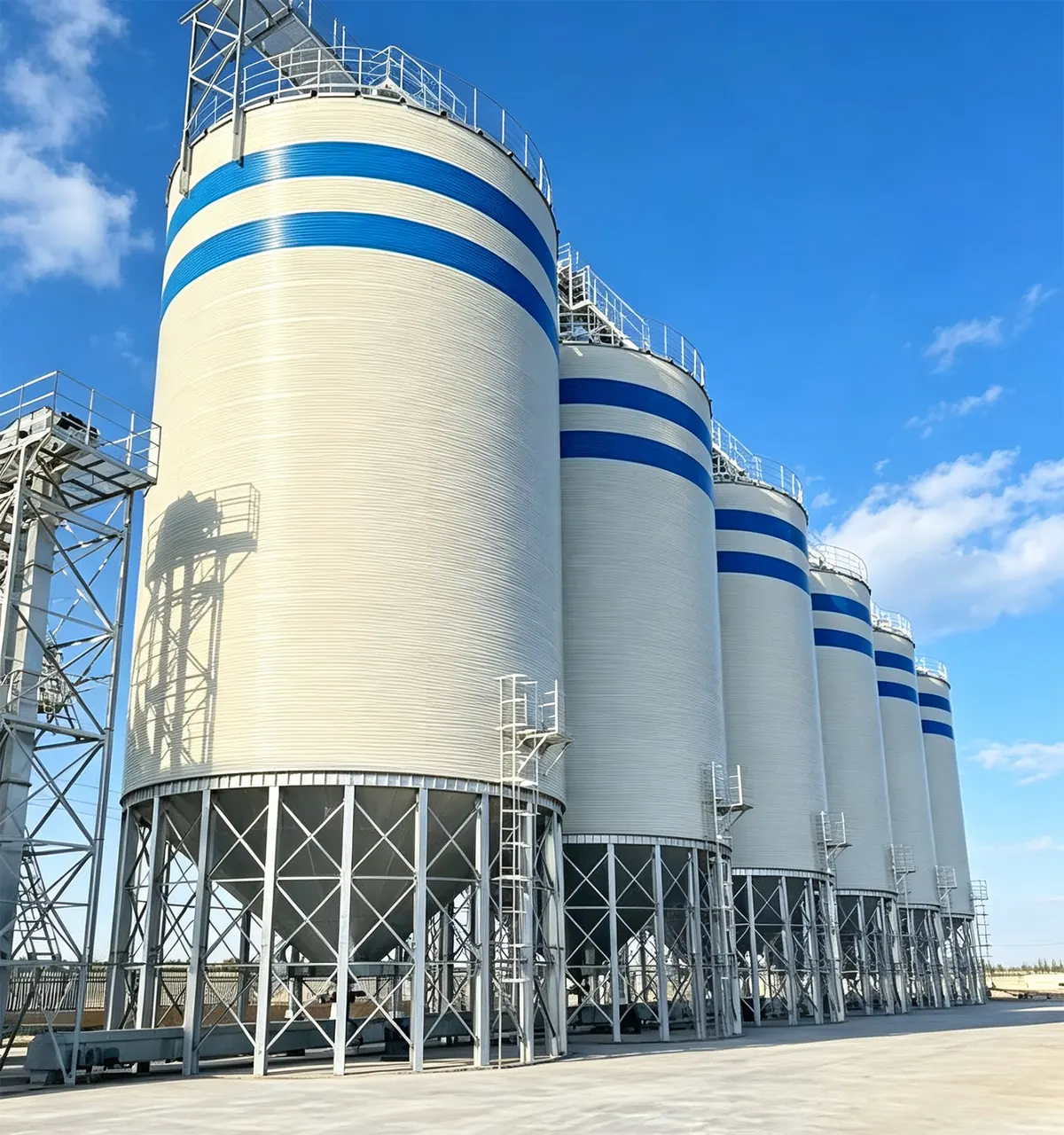
Wood Pellet Silo
Dust-controlled storage for biomass wood pellets
View Product →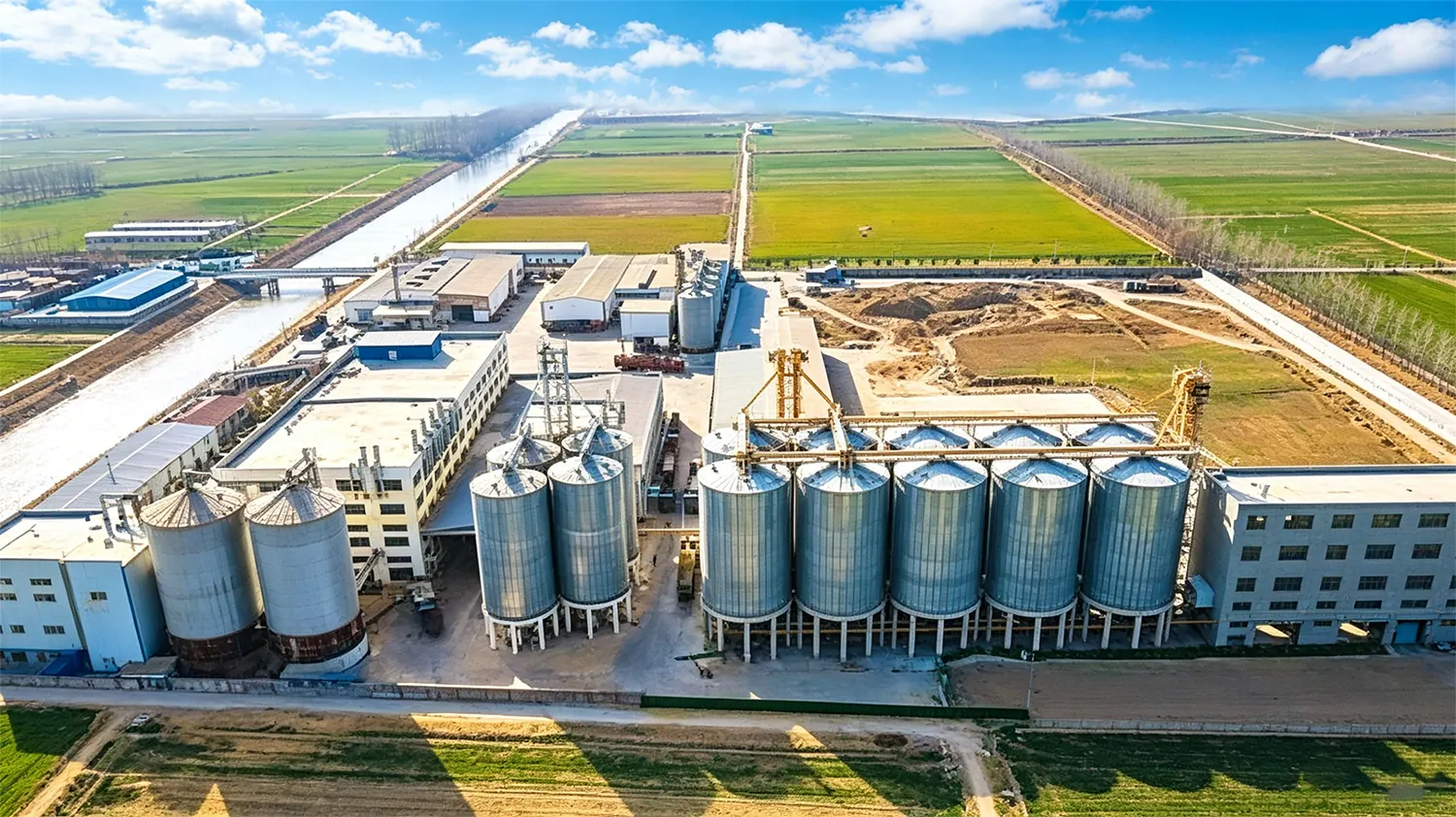
Commercial Silo
High-capacity storage for elevators, terminals and industrial users
View Product →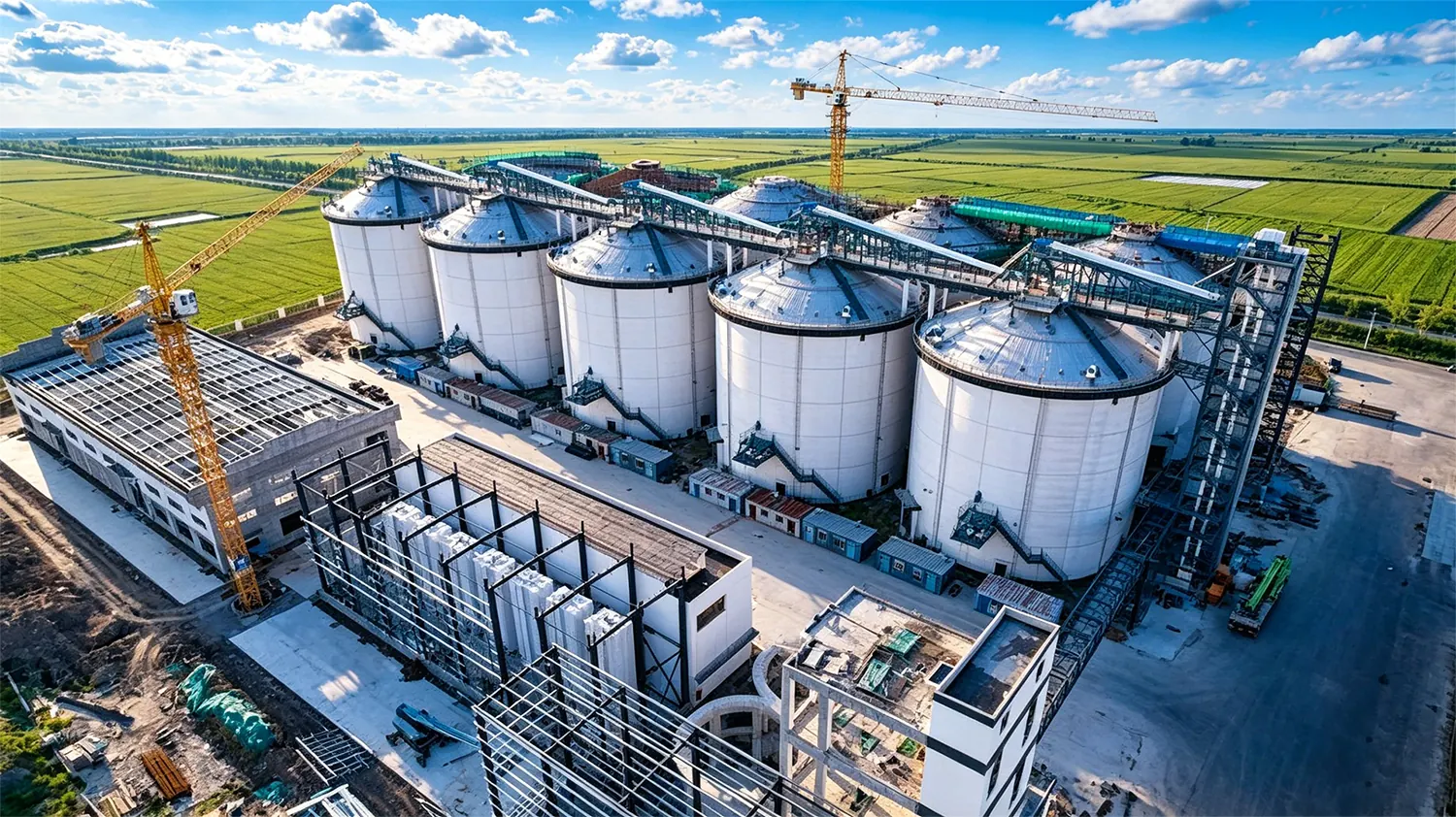
Feed Silo
Hygienic pellet & mash feed storage for feed mills and farms
View Product →Explore Storage Solutions
Corn Storage Solution
Complete storage systems for corn — from farm bins to export terminals
View Solution →
Wheat Storage Solution
Protect protein & milling quality with low-moisture storage
View Solution →Need help with maintaining grain dryers: essential burner, fan and sensor care?
Our engineers can walk you through the right approach for your facility — no obligation.
Talk to an Engineer Try the Calculator