
Seed Storage Solution
Protect germination with precise temperature & humidity control
What Is the Manxing Seed Storage Solution?
The Manxing Seed Storage Solution is a fully integrated system designed specifically for the preservation of viable seed stock across agricultural, horticultural, and research applications. Unlike conventional grain storage, which focuses primarily on maintaining commodity weight and preventing spoilage, seed storage demands a fundamentally different engineering approach. The biological imperative is clear: every seed must retain its capacity to germinate and produce a healthy plant when the time comes. This requires an environment of extraordinary stability, where temperature fluctuations are measured in fractions of a degree and relative humidity is controlled within razor-thin tolerances.
At its core, the solution combines high-capacity corrugated steel silos with purpose-built climate management systems. Each silo is engineered to handle seed volumes ranging from 50 metric tons for small research facilities up to 15,000 metric tons for large-scale commercial seed producers. Standard diameters span from 3.65 meters to 30.50 meters, with eave heights reaching 28.5 meters for the largest units. The internal environment is maintained through a combination of mechanical ventilation, desiccant dehumidification, and precision cooling modules that work in concert to hold conditions at the exact parameters required for each seed species.
Who Needs Specialized Seed Storage?
The Manxing Seed Storage Solution serves a diverse range of clients who cannot afford the genetic degradation that comes with improper storage conditions. Commercial seed companies producing hybrid corn, soybean, rice, and vegetable seeds require multi-year storage capacity that maintains germination rates above 95 percent from harvest through distribution. Government agricultural agencies and national seed banks need ultra-secure facilities capable of preserving genetic diversity for decades, often storing heritage and wild-relative varieties that represent irreplaceable genetic resources.
Research institutions and universities conducting plant breeding programs rely on seed storage to maintain the integrity of experimental lines across multiple growing cycles. These facilities often require smaller, highly flexible storage units that can accommodate dozens of different seed lots simultaneously, each potentially requiring unique storage conditions. Agricultural cooperatives and large farming operations that save and replant their own seed from year to year benefit from Manxing systems that prevent the gradual decline in vigor that occurs when seed is stored in uncontrolled warehouse environments.
The solution is equally critical for international seed exporters who must comply with phytosanitary regulations and maintain certification standards across long shipping durations. A soybean seed lot destined for overseas markets, for example, must arrive at its destination with germination rates that meet the importing country's legal minimums, often 80 to 85 percent depending on the jurisdiction. Without controlled storage at the point of origin and during transit, temperature spikes in tropical ports can destroy an entire shipment's viability within days.
Precise Temperature and Humidity Control
The relationship between storage temperature, seed moisture content, and longevity is governed by well-established biological principles that Manxing engineers have translated into precise mechanical specifications. For most orthodox seed species, the recommended storage temperature falls between 2°C and 10°C, with some long-term conservation applications requiring sub-zero conditions down to -18°C. The Manxing climate control system maintains these set points with an accuracy of ±0.5°C throughout the entire seed mass, eliminating the thermal gradients that plague less sophisticated systems.
Relative humidity control is equally critical. Seed moisture content must be held within a narrow band that varies by species but typically ranges from 5 to 8 percent on a wet basis. The Manxing dehumidification system maintains ambient relative humidity between 30 and 45 percent, ensuring that hygroscopic seeds neither absorb excess moisture from the air nor desiccate below their critical moisture threshold. The system employs rotary desiccant dryers with silica gel or molecular sieve rotors, capable of processing up to 15,000 cubic meters of air per hour in the largest installations.
Continuous monitoring is provided by a network of temperature cables suspended from the silo roof, with sensors spaced at 1.5-meter vertical intervals. Each cable contains up to 24 individual thermocouples, providing a three-dimensional thermal map of the stored seed mass. Humidity sensors are positioned at multiple heights and radial positions, feeding data to the central control system at 60-second intervals. When any sensor detects a deviation beyond the programmed tolerance, the system automatically adjusts ventilation fan speed, activates supplemental cooling, or triggers the dehumidification cycle.
Engineering Features That Protect Viability
Every component of the Manxing Seed Storage Solution is selected and configured to eliminate the stress factors that compromise seed vigor. The silo walls feature a minimum insulation value of R-25, achieved through a combination of 100-millimeter polyurethane foam panels and an outer steel skin that reflects solar radiation. This thermal barrier prevents the diurnal temperature cycling that causes condensation on interior surfaces, a primary cause of localized moisture accumulation and mold development.
The aeration system delivers conditioned air through a full-floor perforated duct network that ensures uniform airflow distribution across the entire seed bed. Airflow rates are calibrated to provide between 0.5 and 1.5 cubic feet per minute per bushel, sufficient for temperature equalization without causing excessive seed drying. The floor design incorporates a 15-degree conical slope with collection channels that facilitate complete emptying, preventing the accumulation of residual seed that can harbor insects or develop into a contamination source for subsequent lots.
Access and handling equipment is designed to minimize mechanical damage to seed kernels, which can create entry points for pathogens and reduce germination potential. Bucket elevators feature low-speed centrifugal discharge heads operating at tip speeds below 3.5 meters per second. Belt conveyors use cushioned idlers and skirt boards lined with 10-millimeter rubber to absorb impact. All product-contact surfaces are food-grade stainless steel or powder-coated carbon steel with no exposed threads, ledges, or crevices where seed or fines can accumulate.
Why Manxing Is the Right Partner
Manxing brings decades of specialized experience in controlled-atmosphere storage to every seed storage project. Our engineering team includes agricultural engineers, seed technologists, and climate control specialists who understand that seed storage is fundamentally a biological preservation challenge, not simply a materials handling problem. This expertise translates into system designs that account for the specific respiration characteristics, oil content, and hygroscopic behavior of each seed species our clients store.
Every Manxing installation is supported by a comprehensive commissioning protocol that includes thermal mapping, airflow verification, and calibration of all monitoring sensors against NIST-traceable standards. We provide detailed operating procedures tailored to each client's seed inventory, including recommended monitoring frequencies, alarm response protocols, and seasonal adjustment schedules that account for changing ambient conditions throughout the year.
Our after-sales support includes 24/7 remote monitoring capability through the Manxing SmartSilo platform, which provides real-time access to temperature and humidity data from any internet-connected device. Predictive maintenance algorithms analyze system performance trends and alert clients to developing issues before they threaten seed quality. With service centers positioned across major agricultural regions, Manxing can dispatch qualified technicians within 24 hours for any critical system event.
From initial consultation through decades of operational support, Manxing delivers the technical depth, engineering precision, and responsive service that seed producers, researchers, and conservation programs require to protect their most valuable biological assets.
Key Features
Safe moisture threshold
≤12% (varies by seed)
Recommended storage temp
5-10°C
Max safe storage
12+ months with control
Key requirement
Variety segregation
Recommended Equipment
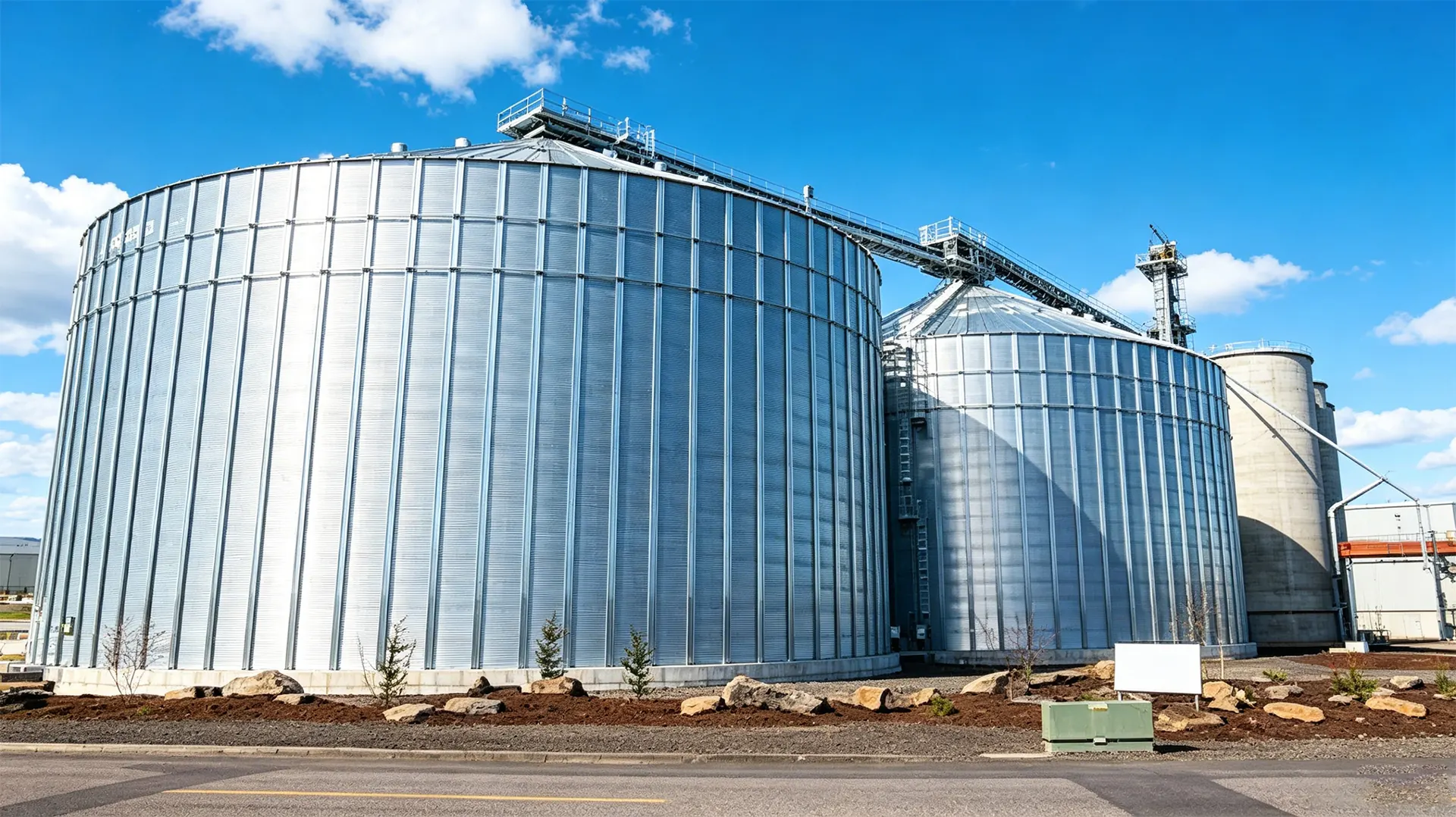
Typical system flow diagram — Seed Storage Solution
System Configurations
Use the Selection Tool to find your fit →
Industries Using This Solution
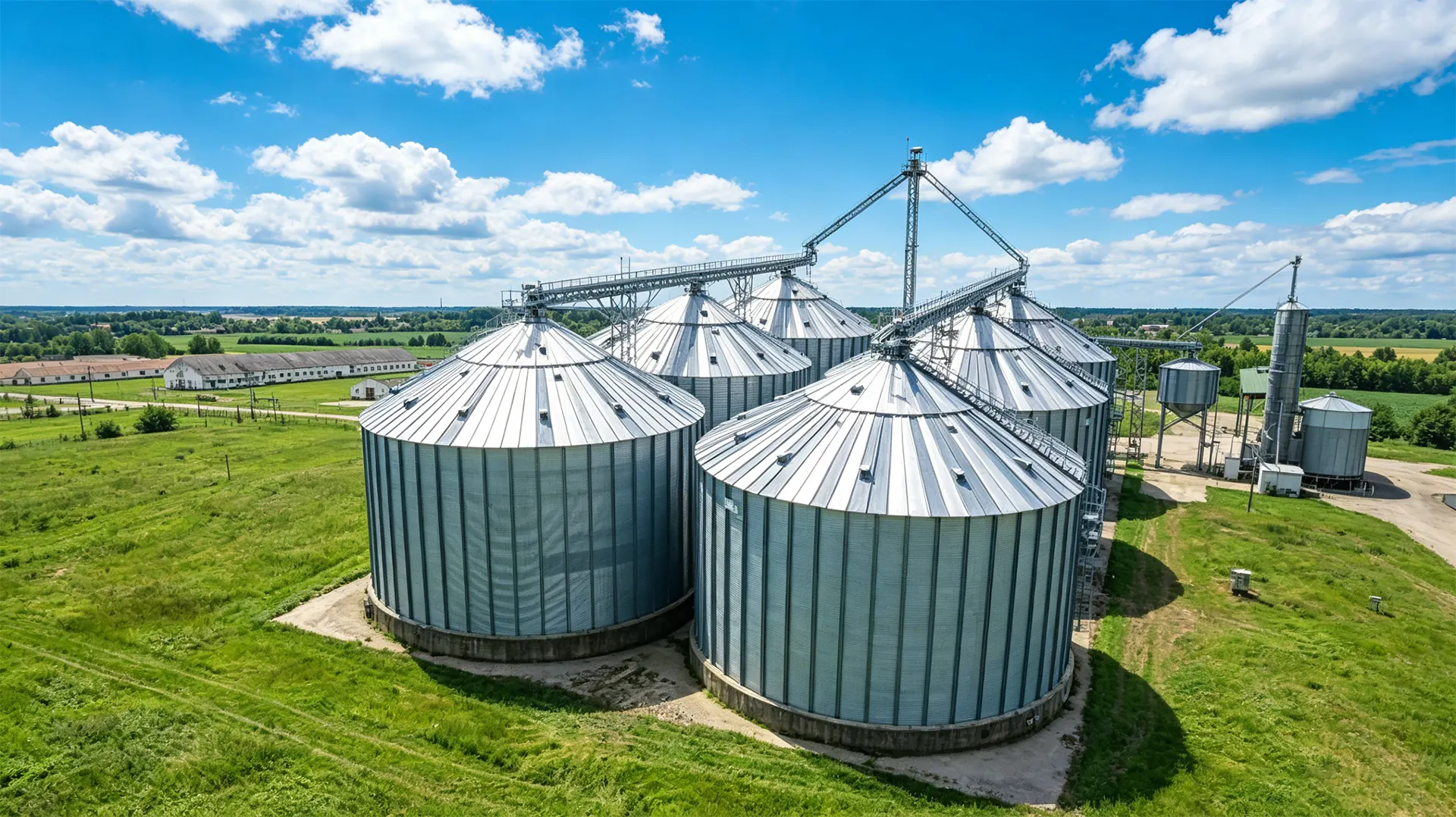
On-Farm Storage
Practical, cost-effective storage for growers
View Industry →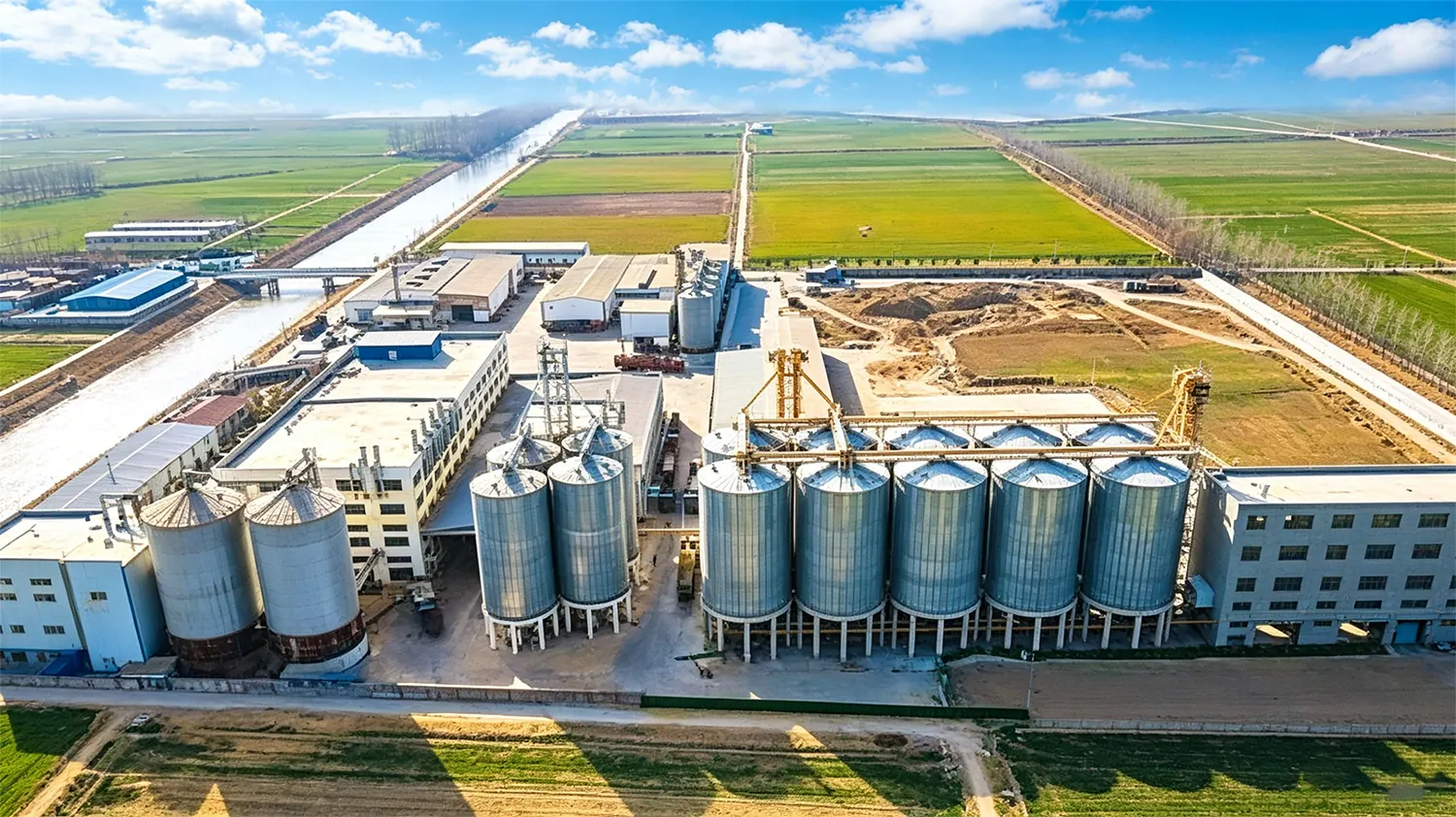
Commercial Grain Elevator
High-throughput storage for elevators and marketers
View Industry →Related Guides
Mastering Grain Bin Capacity Calculation: Precision Storage Formulas
Mastering Grain Bin Capacity Calculation: Precision Storage Formulas Mastering Grain Bin Capacity Calculation: Precision Storage Formulas Accurate grain bin...
Read Guide →
Foundation Design for Grain Bins: A Complete Engineering Guide
Foundation Design for Grain Bins: A Complete Engineering Guide When evaluating grain storage bins for sale, the structural integrity of the foundation is the most critical factor in ensuring long-term...
Read Guide →Seed Projects
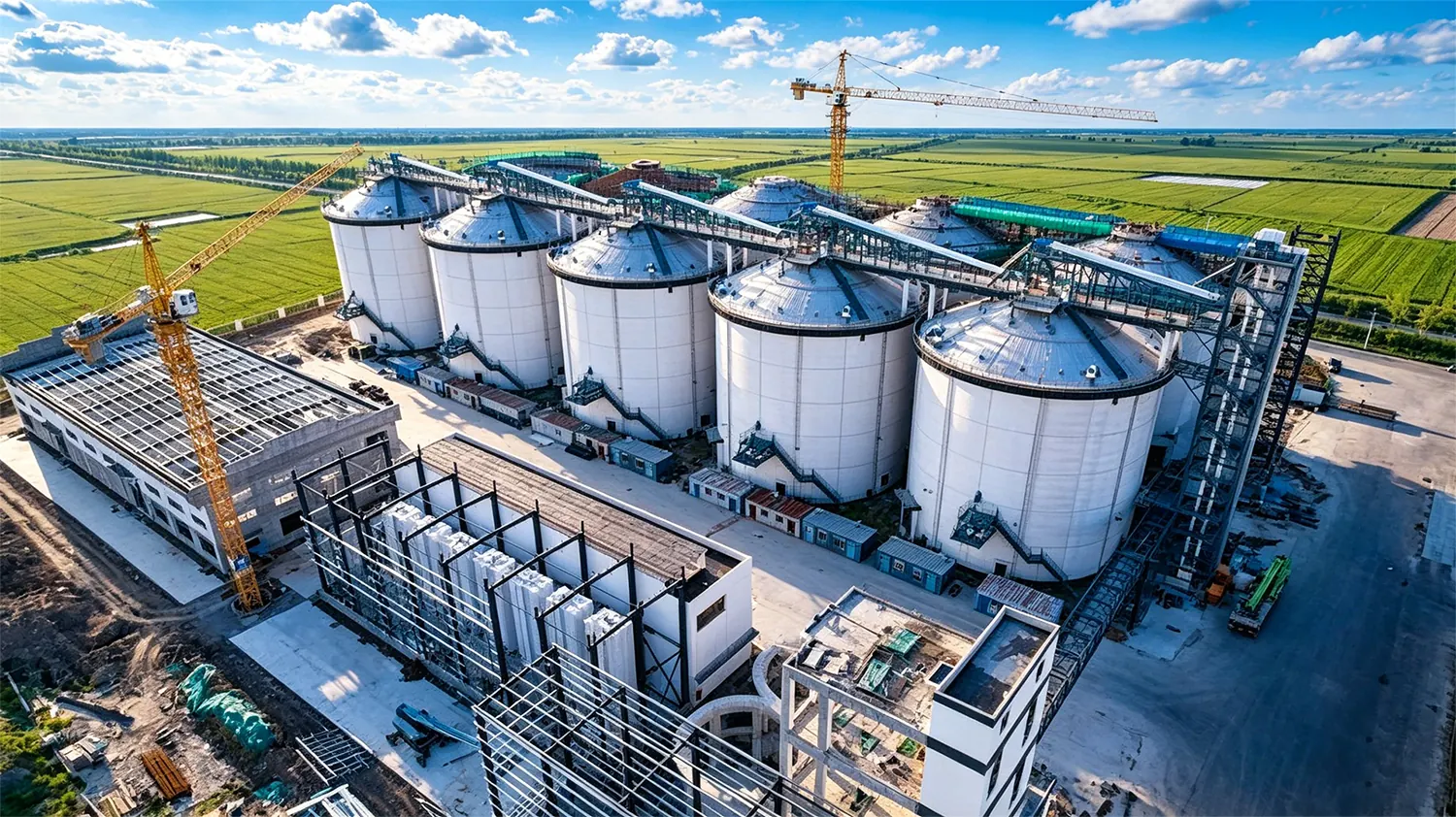
6×5000Ton Grain Storage for Grain Traders — Nigeria
Nigeria · Commercial Grain Depot
Read Case Study →
5×2000T Grain Silos Project — Philippines
Philippines · Agricultural Processing & Feed Production
Read Case Study →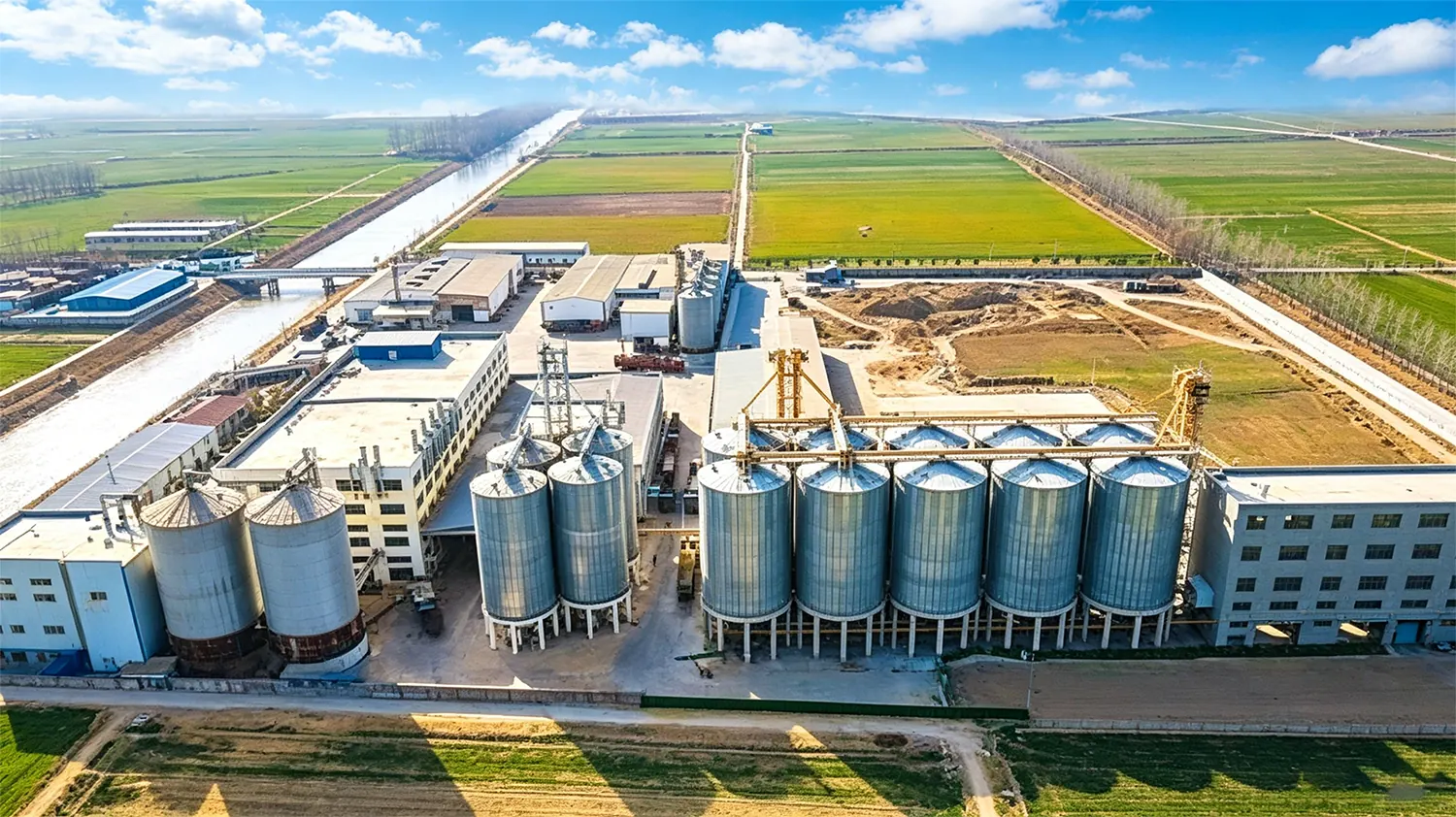
4×2500T High-Capacity Maize Grain Handling & Storage Facility — Rwanda
Eastern Province, Rwanda · Commercial Grain Elevator & Feed Mill
Read Case Study →Frequently Asked Questions
What is the recommended moisture content for safe long-term storage of Seed?
How do I determine the correct aeration airflow rate?
What is the typical installation timeline for a Manxing system?
Can Manxing bins withstand extreme weather and seismic events?
How does Manxing prevent spoilage and mycotoxin development?
What maintenance does a Manxing system require?
Can Manxing integrate with my existing grain handling equipment?
Related Solutions
Corn Storage Solution
Complete storage systems for corn — from farm bins to export terminals
View →
Wheat Storage Solution
Protect protein & milling quality with low-moisture storage
View →
Soybean Storage Solution
Manage the high oil content that makes soybeans heat-sensitive
View →
Rice Storage Solution
Hulled vs. paddy storage, moisture control & milling integration
View →
Farm-Scale Storage Solution
Budget-friendly bins, dryers & handling for the farm
View →
Commercial Elevator Solution
High-throughput bins, tower dryers & automated handling
View →
Export Terminal Solution
Very high throughput, multi-commodity handling & ship loading
View →Let's design your seed storage system
Get a tailored quote or talk to our engineering team.
Get Quote Talk to an Engineer