
The structural integrity of Dust Dust Explosion Prevention in Grain Storage Facilities: En... Prevention in Grain Storage Facilities: En... bins directly impacts operational safety, grain quality preservation, and long-term return on investment. This comprehensive guide examines the engineering fundamentals, material science, and digital technologies that define modern grain bin structural design — providing actionable insights for operators, engineers, and procurement professionals seeking to optimize their storage infrastructure.
Engineering Excellence: The Fundamentals of Grain Bin Structural Design
Structural design for Dust Dust Explosion Prevention in Grain Storage Facilities: En... Prevention in Grain Storage Facilities: En... bins represents a specialized discipline within agricultural engineering that demands rigorous attention to load calculations, material properties, and environmental factors. Unlike conventional building structures, grain bins function as pressure vessels containing thousands of tons of granular material that exert dynamic forces on walls, roofs, and foundations throughout the storage cycle.
The foundational engineering principles governing Dust Dust Explosion Prevention in Grain Storage Facilities: En... Prevention in Grain Storage Facilities: En... bin design trace back to Janssen's theory of lateral pressure in silos, first published in 1895. This mathematical model remains the cornerstone of modern silo design, calculating the distribution of vertical and horizontal pressures exerted by stored grain against bin walls. Engineers apply modified Janssen equations that account for grain type, moisture content, fill rate, and discharge patterns to determine wall thickness, stiffener placement, and bolt specifications.
Contemporary structural design for grain bins pdf resources typically encompass three critical design phases: conceptual engineering establishing capacity and configuration parameters, detailed engineering producing fabrication drawings and specifications, and construction engineering addressing foundation requirements and assembly sequences. Each phase requires coordination between structural engineers, geotechnical specialists, and material handling designers to ensure system-wide compatibility.

Decoding Load Dynamics: Hopper, Sidewall, and Environmental Forces in Grain Storage
Understanding load dynamics separates adequate grain bin design from exceptional engineering. Grain bins experience multiple simultaneous load categories that must be calculated individually and combined according to applicable design codes.
Grain Pressure and Flow-Induced Forces
Stored grain generates both static and dynamic pressures that vary dramatically during filling and discharge operations. During filling, grain exerts predictable lateral pressure against bin walls following Janssen's distribution model. However, during discharge — particularly mass flow discharge — pressure patterns shift dramatically, creating concentrated loads at flow channel boundaries and hopper transitions.
Engineers must calculate several grain load scenarios: symmetric filling, eccentric filling, symmetric discharge, eccentric discharge, and dynamic discharge surge loads. Each scenario produces different stress distributions in the shell wall, requiring careful analysis of hoop tension, axial compression, and bending moments. Simple structural design for grain bins approaches may only consider symmetric loading conditions, while comprehensive engineering addresses all potential load combinations.
Wind, Seismic, and Thermal Loading
Environmental loads often govern structural design in regions prone to extreme weather or seismic activity. Wind loading on cylindrical grain bins creates complex pressure distributions including external pressure on the windward side, suction on the leeward side, and localized vortex effects near the roof edge. These forces generate overturning moments that the foundation and anchor system must resist.
Seismic design requires calculation of the bin's natural frequency and response to ground acceleration. The stored grain mass participates in seismic response, creating hydrodynamic pressures analogous to liquid storage tank behavior. Engineers apply response spectrum analysis or time-history analysis depending on seismic zone classification and bin importance factor.
Thermal loading occurs when temperature differentials between the stored grain and ambient air cause grain expansion or contraction. In large-capacity bins, thermal ratcheting — repeated cycles of grain expansion pressing against walls followed by contraction — can generate pressures exceeding static grain loads by 30-50%. This phenomenon requires special consideration in regions with significant diurnal or seasonal temperature variation.
Beyond Blueprints: Leveraging FEA and 3D Modeling for Structural Optimization
Modern grain bin engineering has evolved far beyond hand calculations and simplified analytical methods. Finite Element Analysis (FEA) enables engineers to model complex geometries, material nonlinearities, and contact behaviors that traditional methods cannot capture accurately.
Advanced FEA modeling addresses critical design challenges including stress concentrations at stiffener-to-shell junctions, local buckling behavior of thin-walled corrugated shells, and the interaction between bolted connections and shell deformation. Three-dimensional solid element models capture bolt preload effects, gasket compression, and flange bending that significantly influence connection performance.
Leading engineering firms utilize parametric 3D modeling platforms that integrate structural analysis with fabrication detailing. This approach enables rapid design iteration — engineers can modify wall thickness, stiffener spacing, or bolt patterns and immediately evaluate the impact on stress distribution, deflection, and material weight. The result is optimized designs that minimize material consumption while maintaining adequate safety margins against all load combinations.
Silo design calculations with example PDF documentation typically include FEA validation reports demonstrating compliance with applicable standards such as AISC 360 for structural steel, ASME for pressure vessel components, and EN 1993-4-1 for European silo design. These reports provide transparent verification that the design meets required safety factors for strength, stability, and serviceability limit states.
Material Science in Grain Storage: Selecting High-Strength, Corrosion-Resistant Steel
Material selection fundamentally determines grain bin performance, longevity, and maintenance requirements. The structural design process must specify steel grades, coating systems, and corrosion allowances appropriate for the stored material and operating environment.
Structural Steel Specifications
Grain bin construction typically employs hot-rolled carbon steel plates conforming to grades such as Q235, Q345, or equivalent ASTM A36 and A572 specifications. Higher-strength grades enable thinner shell walls reducing material weight and cost, but require careful evaluation of buckling stability and fatigue performance under cyclic loading.
Corrugated wall panels provide exceptional strength-to-weight ratio through geometric stiffening. The corrugation profile — typically 68mm or 100mm pitch with 1.5-3.0mm thickness — creates axial stiffness that resists hoop tension from grain pressure while minimizing material usage. Engineers calculate effective shell properties accounting for corrugation geometry when performing structural analysis.
Corrosion Protection Systems
Grain storage environments present significant corrosion challenges from moisture, grain dust, and chemical preservatives. Hot-dip galvanizing provides the most reliable long-term protection, with zinc coating weights of 275-450g/m² delivering 25+ year service life in typical agricultural environments. The galvanized coating provides both barrier protection and sacrificial cathodic protection at cut edges and scratches.
For aggressive environments or specialty applications, additional protective measures include epoxy primer systems, polyurethane topcoats, and stainless steel components at critical connections. The silo design handbook pdf references typically include corrosion allowance tables specifying minimum additional thickness for various service conditions and design lives.
Grain Bin vs. Grain Silo: How Structural Design Dictates Your Storage Strategy
The terminology surrounding grain storage structures creates confusion that impacts procurement decisions and engineering specifications. Understanding the structural distinctions between grain bins and grain silos enables informed selection based on capacity requirements, throughput needs, and site constraints.
Grain bins typically refer to cylindrical steel structures with corrugated wall construction, bolt-together assembly, and capacities ranging from 1,000 to 20,000 bushels. Their structural design emphasizes modularity, field assembly, and cost-effectiveness for on-farm and small commercial applications. The bolted construction enables disassembly and relocation, providing operational flexibility.
Grain silos encompass larger-capacity structures — often exceeding 50,000 bushels — that may utilize welded or spiral-welded construction with integrated material handling systems. Silo design calculations for these structures address more complex loading conditions including higher fill rates, automated discharge systems, and integration with conveying infrastructure. The structural design for grain bins free download resources often focus on smaller bin configurations, while silo engineering requires project-specific analysis.
The selection between bin and silo configurations depends on multiple factors: required storage capacity, grain turnover rate, available site area, foundation conditions, and capital budget. Structural engineers evaluate these parameters to recommend the optimal configuration that balances initial cost, operating efficiency, and long-term durability.
The Smart Bin Revolution: Integrating IoT and Digital Twins into Structural Frameworks
The convergence of structural engineering and digital technology is transforming grain bin design and operation. IoT sensor networks embedded during construction create intelligent structures capable of monitoring their own health and performance throughout service life.
Strain gauges installed at critical structural locations measure actual stress levels during filling and discharge operations, providing real-time validation of design assumptions and early detection of abnormal loading conditions. Temperature sensors track thermal gradients that influence grain pressure distribution, enabling predictive models that adjust safety margins based on current conditions.
Digital twin technology creates virtual replicas of physical grain bins that evolve with operational data. These digital models integrate structural analysis, sensor readings, and environmental data to predict maintenance needs, optimize discharge sequences, and extend structural lifespan. The digital twin serves as both an operational tool and an engineering archive documenting the complete structural history of the asset.
Steel silo design increasingly incorporates provisions for sensor integration during the initial engineering phase. Conduit routing, mounting brackets, and communication infrastructure are specified in fabrication drawings, ensuring seamless technology deployment without compromising structural integrity or weather sealing.
From Foundation to : Best Practices for Grain Bin Installation and Commissioning
Even the most sophisticated structural design fails without proper installation execution. Foundation preparation, anchor bolt placement, and shell assembly require precision that directly influences long-term structural performance.
Foundation design must address soil bearing capacity, settlement tolerance, and drainage requirements specific to the site geotechnical conditions. Reinforced concrete ring foundations or slab foundations distribute bin loads to acceptable soil pressures while providing level support for shell assembly. Foundation levelness tolerance — typically ±3mm over the circumference — prevents shell distortion that creates stress concentrations and sealing problems.
Anchor bolt installation demands precise positioning to ensure proper alignment with base bolt holes. Post-installed anchor systems require pull-out testing to verify design capacity, while cast-in-place anchors need careful coordination with foundation construction schedules. The anchor system resists wind uplift, seismic overturning, and internal pressure forces — making it a critical structural component.
Shell assembly follows engineered erection sequences that maintain structural stability at each construction stage. Bolt tightening procedures specify torque values and patterns that achieve proper preload without overstressing connections. Quality documentation including bolt torque records, plumb measurements, and visual inspection reports provides verification that construction meets design requirements.
Proactive Preservation: Maintenance Strategies to Extend Structural Lifespan
Structural maintenance programs protect capital investment and prevent catastrophic failures. Systematic inspection protocols identify degradation mechanisms before they compromise structural integrity or create safety hazards.
Visual inspections should examine coating condition, connection integrity, and structural deformation on annual basis. Particular attention focuses on base connections where moisture accumulation accelerates corrosion, roof-to-shell junctions where thermal movement causes fatigue, and hopper transitions where concentrated loads create stress concentrations.
Non-destructive testing methods including ultrasonic thickness measurement, magnetic particle inspection, and acoustic emission monitoring provide quantitative assessment of structural condition. These techniques detect wall thinning, crack propagation, and bolt loosening that visual inspection cannot identify.
Maintenance records integrated with digital twin platforms enable predictive maintenance scheduling based on actual condition rather than arbitrary time intervals. This approach optimizes maintenance expenditure while ensuring that critical repairs occur before structural degradation progresses to failure.
Capitalizing on Durability: Cost Analysis and ROI of Engineered Grain Bins
Structural design decisions directly influence total cost of ownership through material selection, fabrication complexity, installation requirements, and maintenance demands. Comprehensive cost analysis evaluates these factors across the projected service life rather than focusing solely on initial capital expenditure.
Higher-strength steel grades reduce material weight and cost but may require more complex fabrication and quality control. Hot-dip galvanizing adds initial cost but eliminates repainting expenses and extends service life significantly. Enhanced structural design providing greater safety margins reduces insurance costs and downtime risk.
Return on investment calculations should quantify benefits including reduced grain loss from improved sealing, lower energy costs from optimized material handling integration, decreased maintenance expenditure from durable construction, and extended service life from corrosion protection. These factors often justify premium engineering and material specifications that increase initial cost by 10-20% while reducing lifecycle cost by 30-50%.
Choosing an EPC Partner: Evaluating Full-Chain Capabilities for Grain Storage Projects
Successful grain storage projects require engineering partners capable of delivering comprehensive solutions spanning design, procurement, construction, and commissioning. Evaluating EPC capabilities ensures seamless project execution and single-point accountability.
Full-chain EPC capability encompasses initial feasibility consulting establishing project requirements and constraints, customized engineering design optimizing structural configuration for specific site and operational conditions, manufacturing with quality-controlled fabrication processes, professional construction management ensuring installation meets design specifications, and commissioning with performance verification testing.
Vertically integrated manufacturing capability provides quality control advantages by maintaining direct oversight of material sourcing, fabrication processes, and coating application. This integration eliminates coordination gaps between separate suppliers and ensures that structural components meet engineering specifications without compromise.
Engineering capability should include advanced analysis tools such as 3D modeling, FEA simulation, and digital twin development. These technologies enable design optimization that balances structural performance, material efficiency, and constructability — delivering superior value compared to conventional design approaches.
Frequently Asked Questions About Grain Bin Structural Engineering
The installed cost for a 50,000 bushel grain bin typically ranges from $80,000 to $150,000 depending on structural specifications, foundation requirements, material handling integration, and regional labor costs. This estimate includes the bin structure, foundation, aeration system, and basic material handling equipment. Enhanced features such as advanced monitoring systems, specialized coating systems, or complex site preparation increase total project cost. Structural design optimization can reduce material consumption and installation time, providing significant cost savings while maintaining performance and safety requirements.
Grain bin construction follows a systematic sequence beginning with foundation preparation and anchor bolt installation. Corrugated wall panels are assembled in horizontal courses, with each panel bolted to adjacent panels and to the foundation ring beam. Vertical stiffeners attach to the exterior wall providing additional strength against hoop tension and axial compression. The roof structure assembles on the ground and lifts into position, connecting to the top wall course with sealed bolted connections. Construction quality control includes bolt torque verification, plumb measurements, and visual inspection of all connections and coatings.
Grain engulfment represents the leading cause of fatalities in grain storage structures. Flowing grain acts like quicksand — a person sinking in grain becomes trapped within seconds and suffocates under the grain pressure. Structural design contributes to safety through features including properly sized roof openings for bin entry, internal ladder systems with safety cages, and lockout/tagout provisions for material handling equipment. Operational safety protocols including atmospheric monitoring, entry permits, and trained spotters are essential complements to structural safety features.
Grain storage structures include flat-bottom bins for long-term storage with full aeration systems, hopper-bottom bins for gravity discharge and seed storage, corrugated steel bins for versatile on-farm applications, smooth-wall welded silos for large commercial operations, and concrete silos for high-capacity terminal facilities. Each type presents distinct structural design challenges related to load distribution, discharge dynamics, and material handling integration. Selection depends on capacity requirements, grain type, turnover rate, and site-specific conditions evaluated through comprehensive engineering analysis.
Written by: Manxing Engineering
Reviewed by: Dr. A. Chen
Related Articles
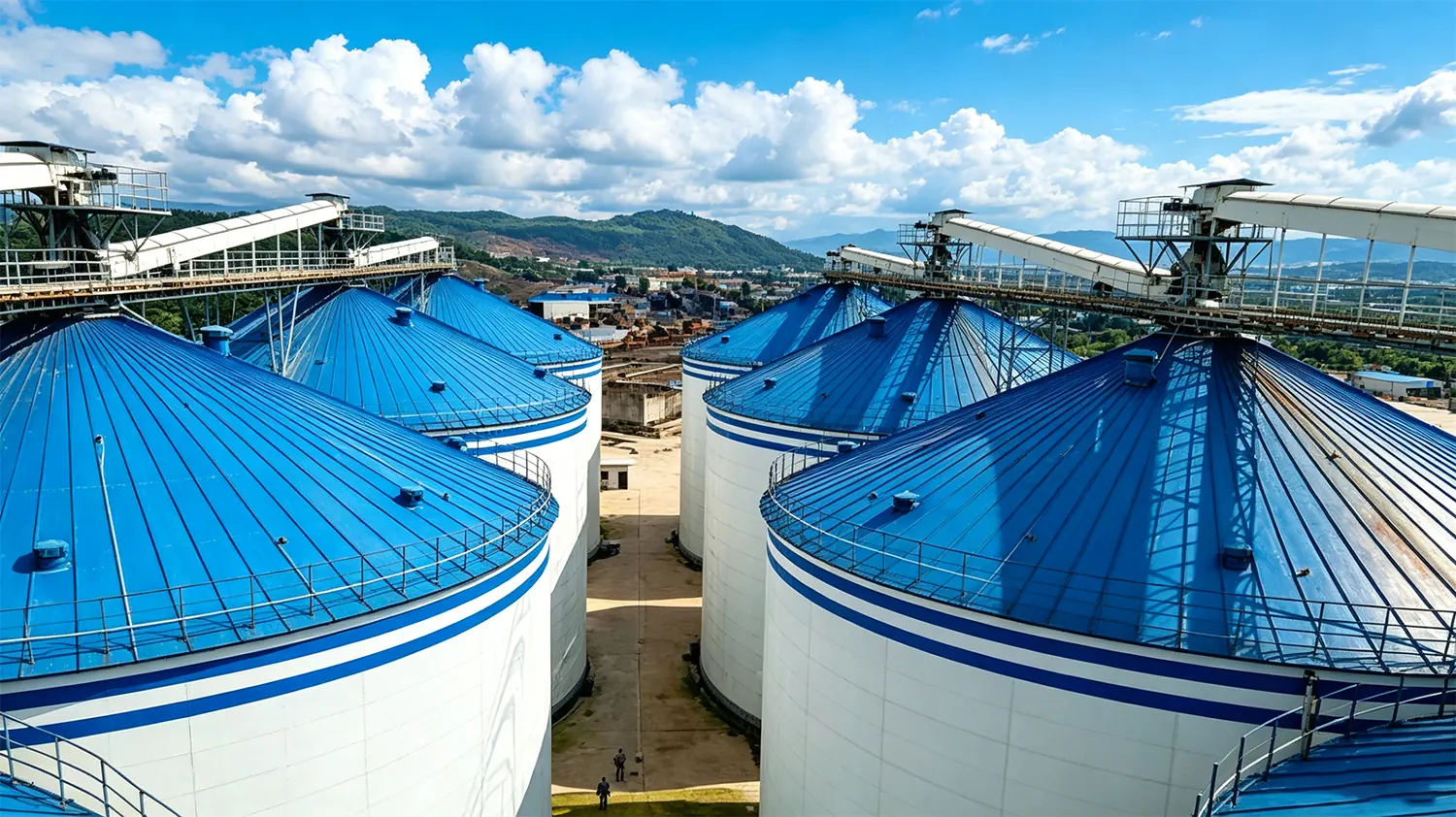
Mastering Grain Bin Capacity Calculation: Precision Storage Formulas
Mastering Grain Bin Capacity Calculation: Precision Storage Formulas Mastering Grain Bin Capacity Calculation: Precision Storage Formulas Accurate grain bin...
Read →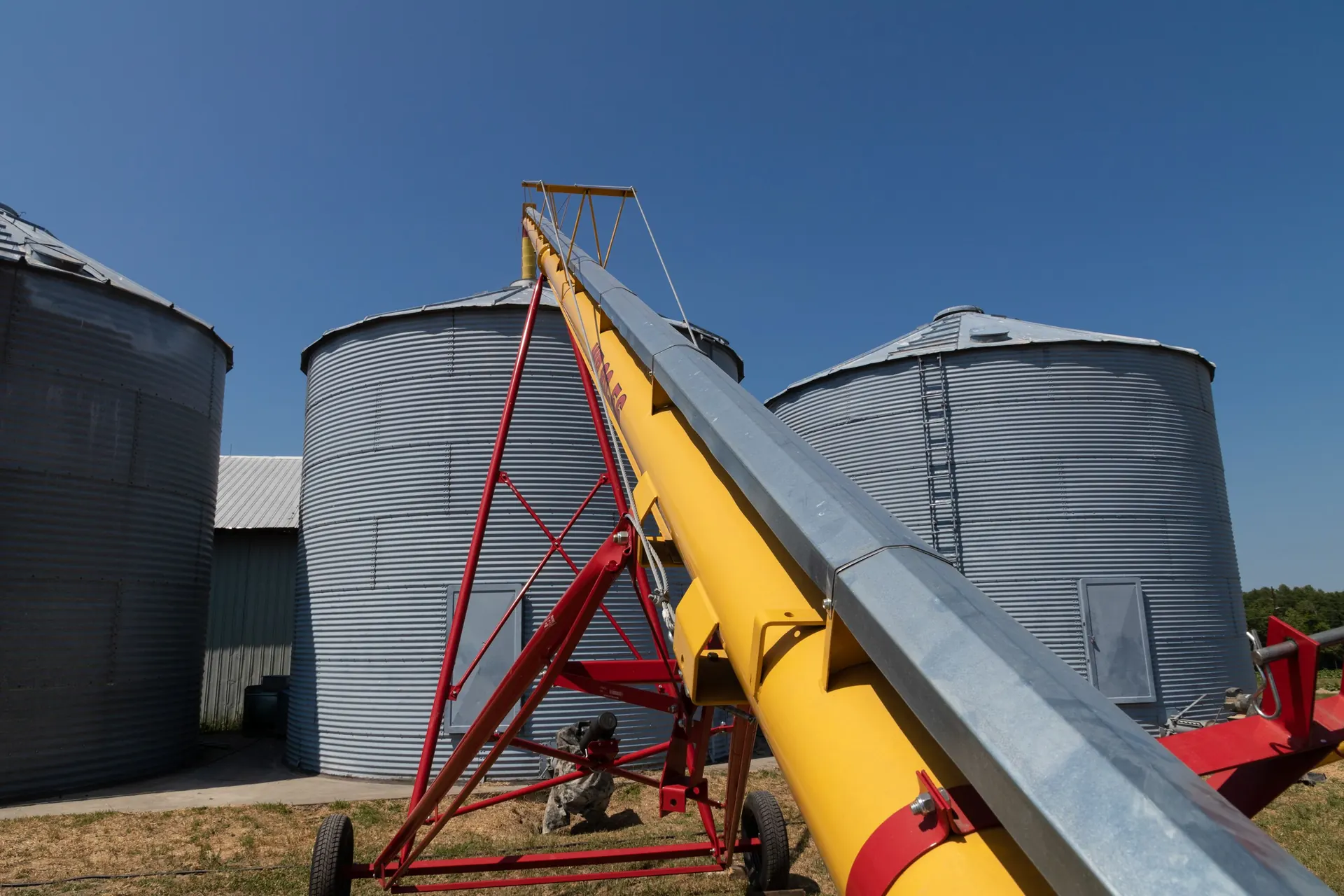
Foundation Design for Grain Bins: A Complete Engineering Guide
Foundation Design for Grain Bins: A Complete Engineering Guide When evaluating grain storage bins for sale, the structural integrity of the foundation is the most critical factor in ensuring long-term...
Read →
Wind & Snow Load Design: Engineering Grain Silos for Extreme Weather Resilience
Wind & Snow Load Design for Grain Silos: Engineering Guide | Manxing Wind & Snow Load Design: Engineering Grain Silos for Extreme Weather Resilience Grain storage silos represent signifi...
Read →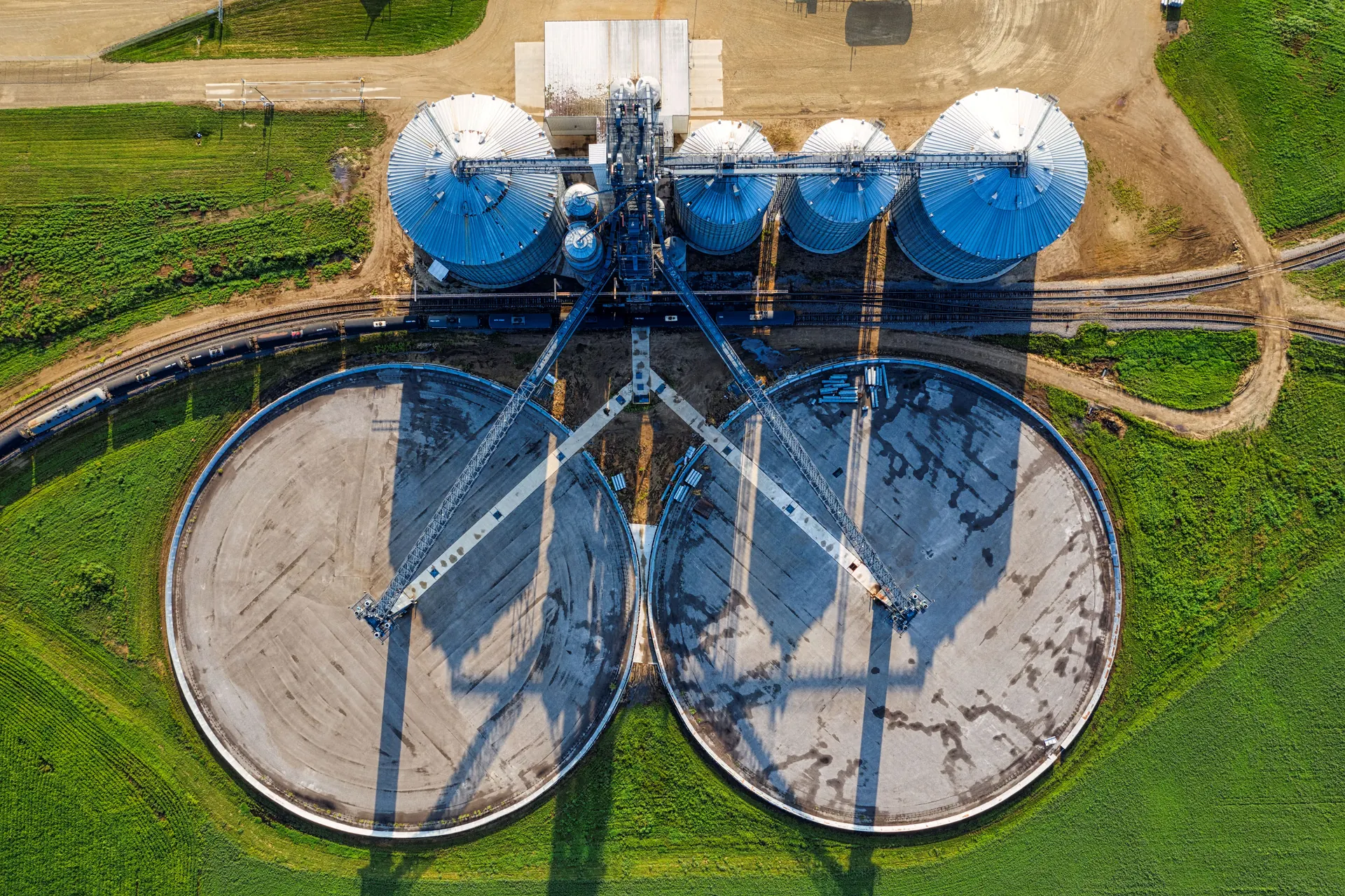
Selecting the Right Steel Grade for Grain Bin Construction
Selecting the Right Steel Grade for Grain Bin Construction Selecting the Right Steel Grade for Grain Bin Construction The steel grade you choose for grain bin construction direct...
Read →
Aeration Floor Design: Perforated Floors and Air Distribution
Aeration Floor Design: Perforated Floors and Air Distribution Effective grain preservation begins from the ground up. The aeration floor is the single most critical interface between stored grain and...
Read →Equipment Mentioned in This Guide
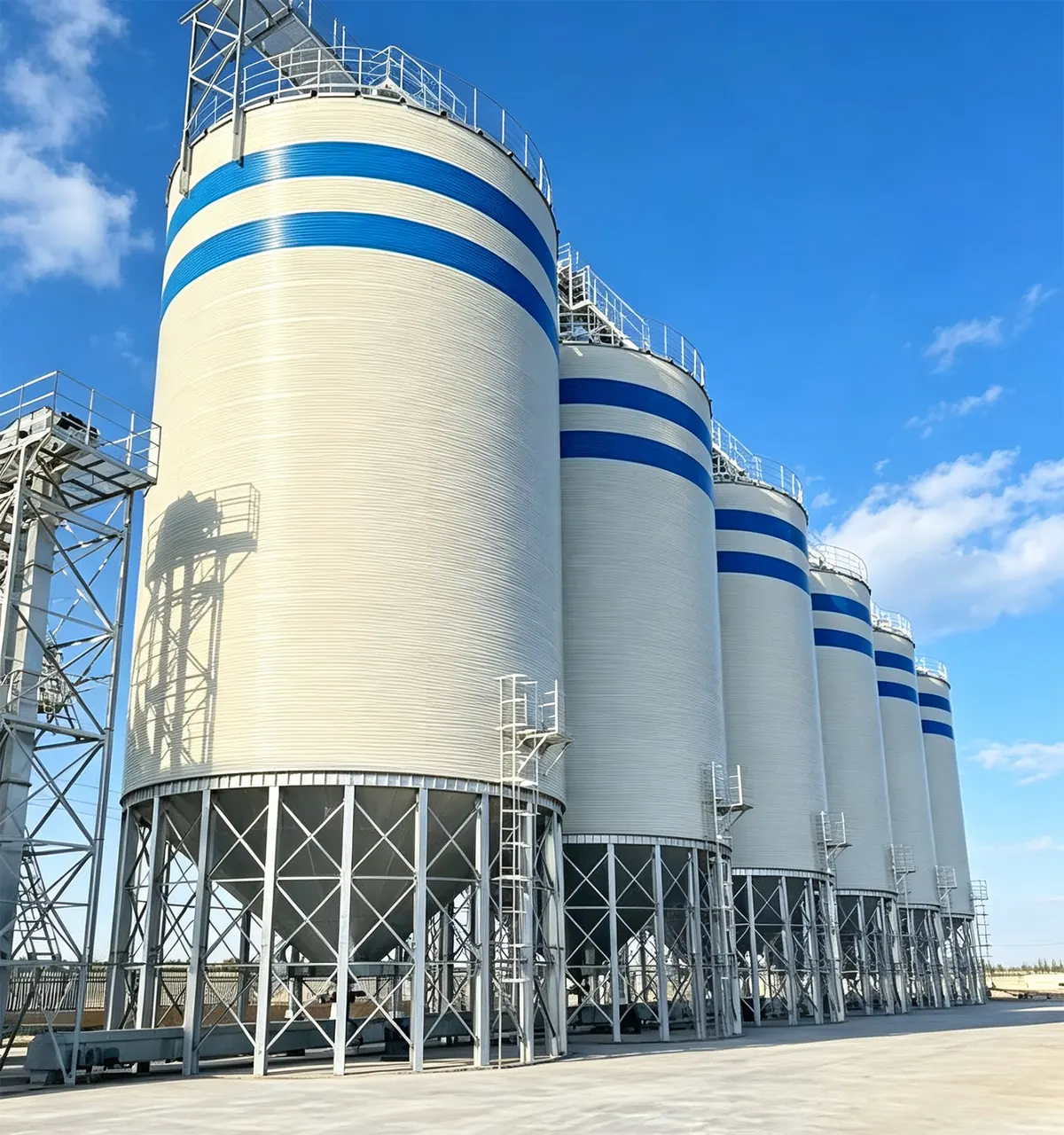
Wood Pellet Silo
Dust-controlled storage for biomass wood pellets
View Product →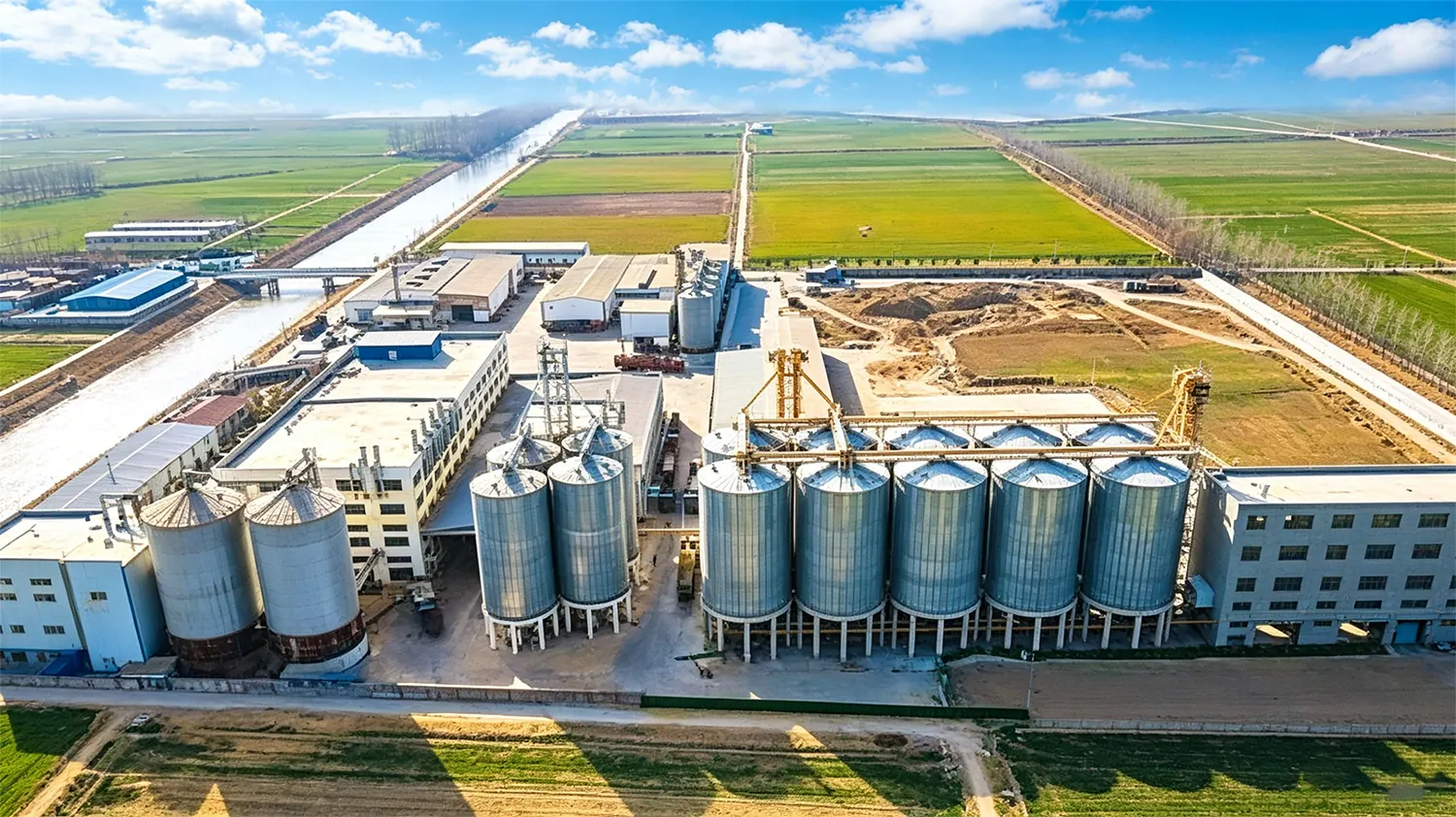
Commercial Silo
High-capacity storage for elevators, terminals and industrial users
View Product →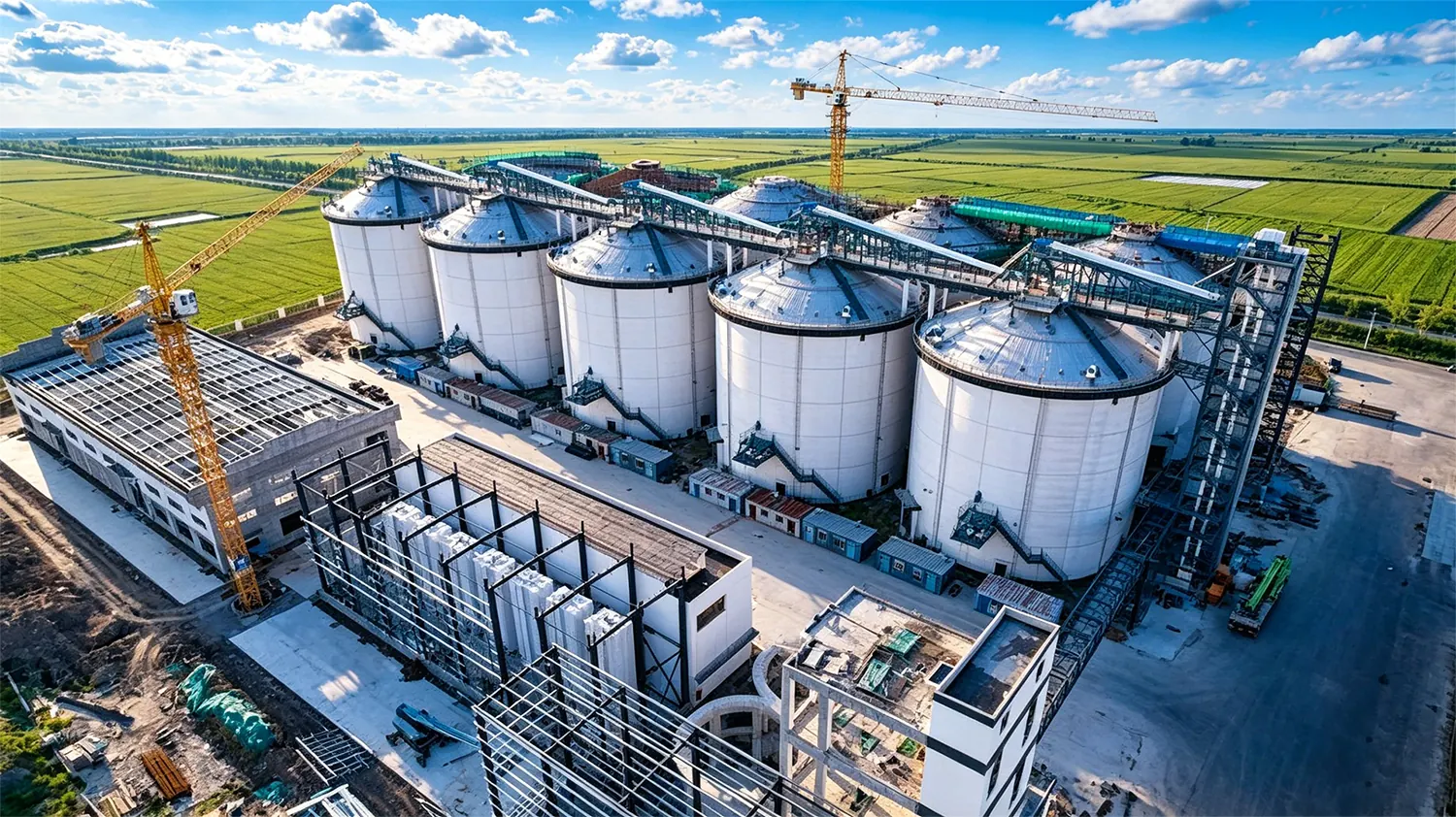
Feed Silo
Hygienic pellet & mash feed storage for feed mills and farms
View Product →Explore Storage Solutions
Corn Storage Solution
Complete storage systems for corn — from farm bins to export terminals
View Solution →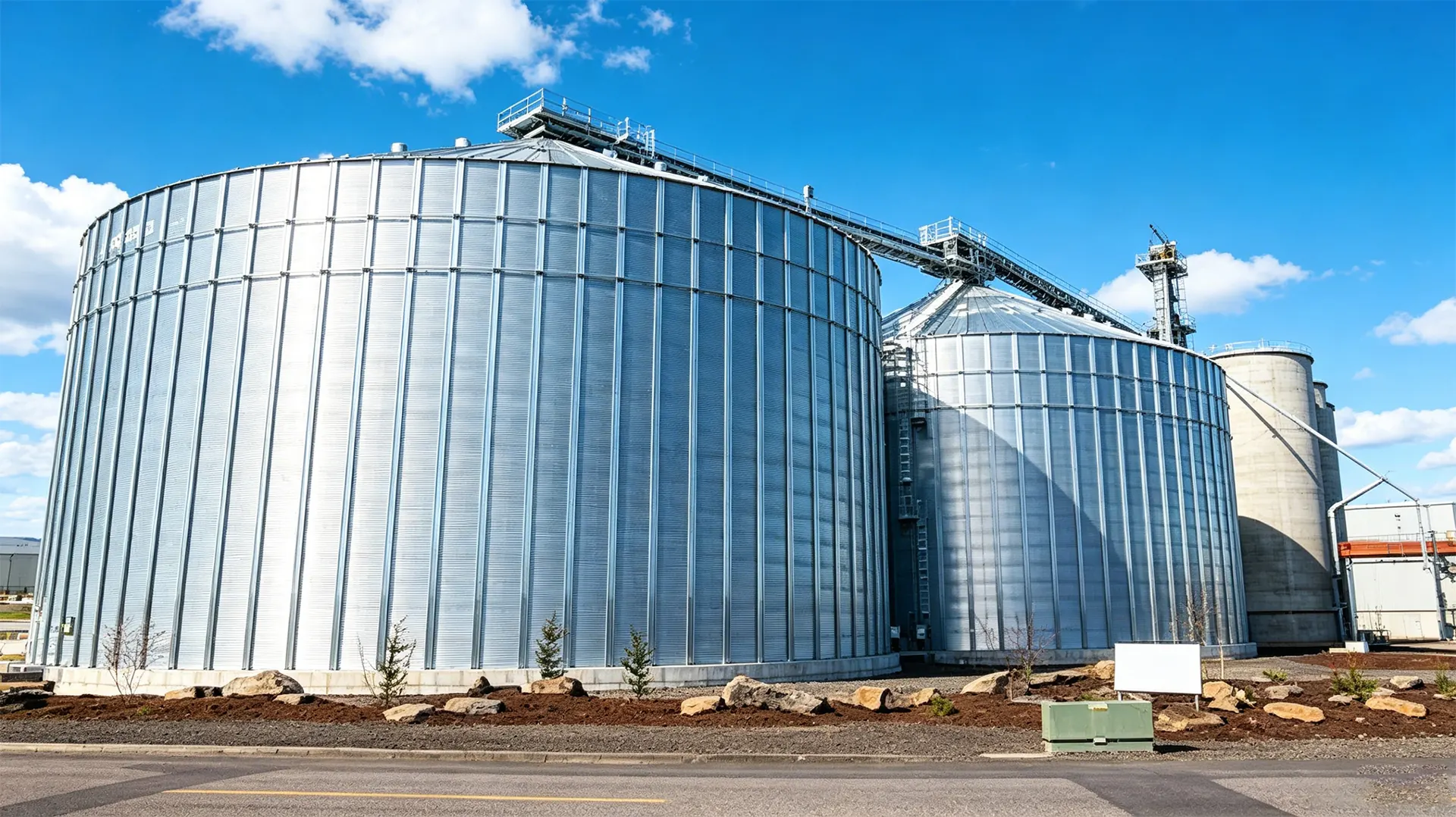
Wheat Storage Solution
Protect protein & milling quality with low-moisture storage
View Solution →Need help with structural design for grain bins: engineering principles for safe, efficient storage?
Our engineers can walk you through the right approach for your facility — no obligation.
Talk to an Engineer Try the CalculatorOn This Page
- Engineering Excellence: The Fundamentals of Grain Bin Structural Design
- Decoding Load Dynamics: Hopper, Sidewall, and Environmental Forces in Grain Storage
- Beyond Blueprints: Leveraging FEA and 3D Modeling for Structural Optimization
- Material Science in Grain Storage: Selecting High-Strength, Corrosion-Resistant Steel
- Grain Bin vs. Grain Silo: How Structural Design Dictates Your Storage Strategy
- The Smart Bin Revolution: Integrating IoT and Digital Twins into Structural Frameworks
- From Foundation to : Best Practices for Grain Bin Installation and Commissioning
- Proactive Preservation: Maintenance Strategies to Extend Structural Lifespan
- Capitalizing on Durability: Cost Analysis and ROI of Engineered Grain Bins
- Choosing an EPC Partner: Evaluating Full-Chain Capabilities for Grain Storage Projects
- Frequently Asked Questions About Grain Bin Structural Engineering