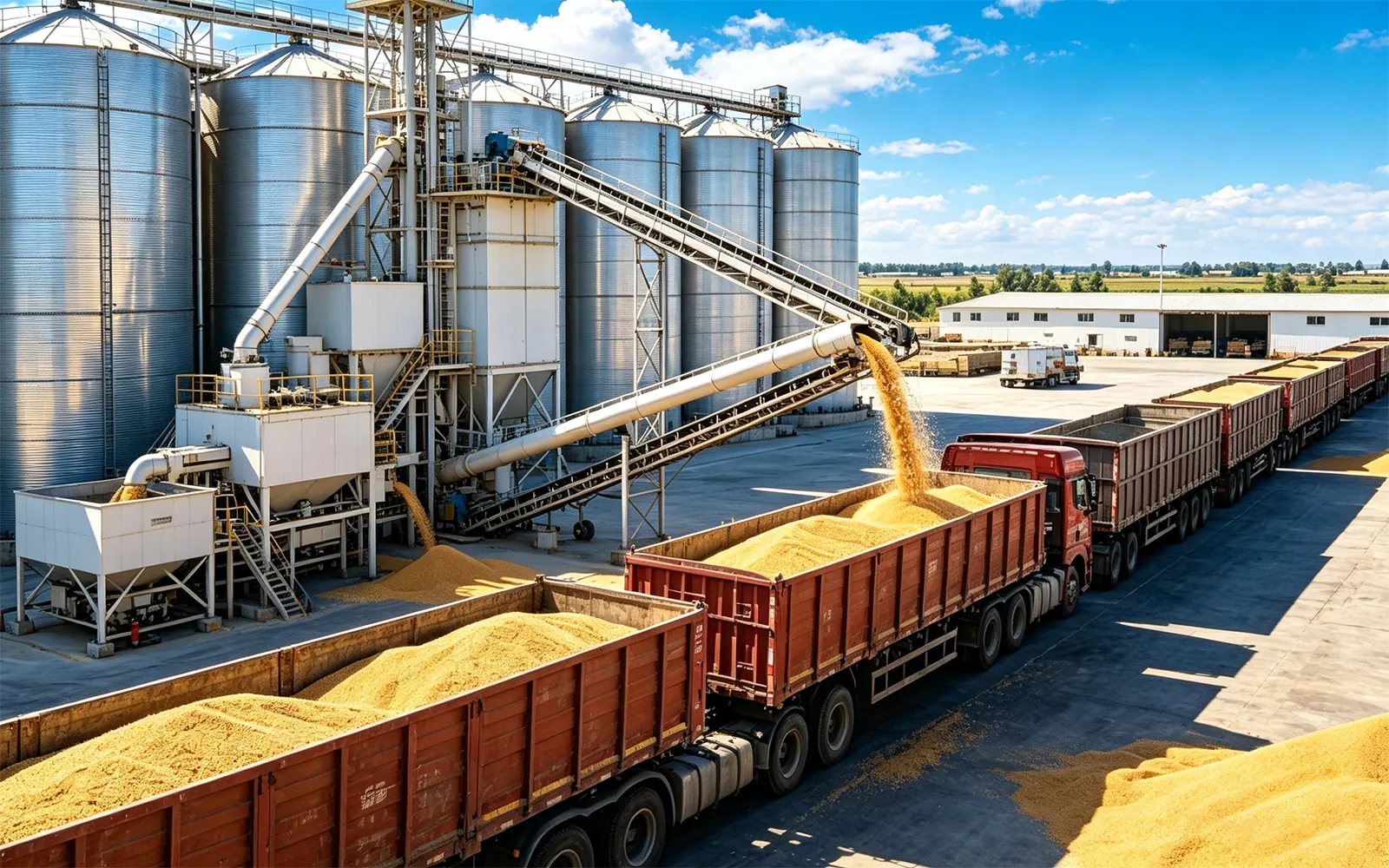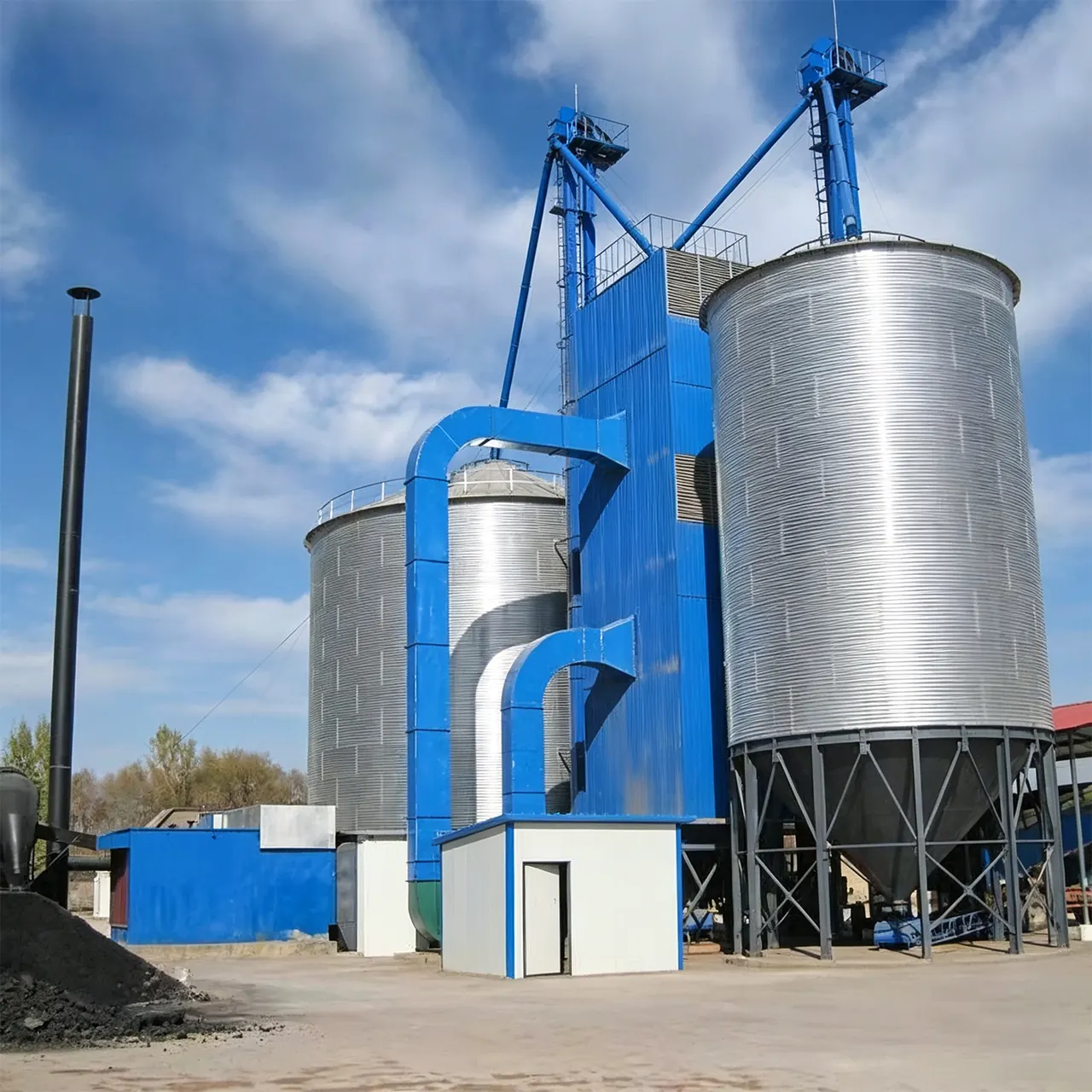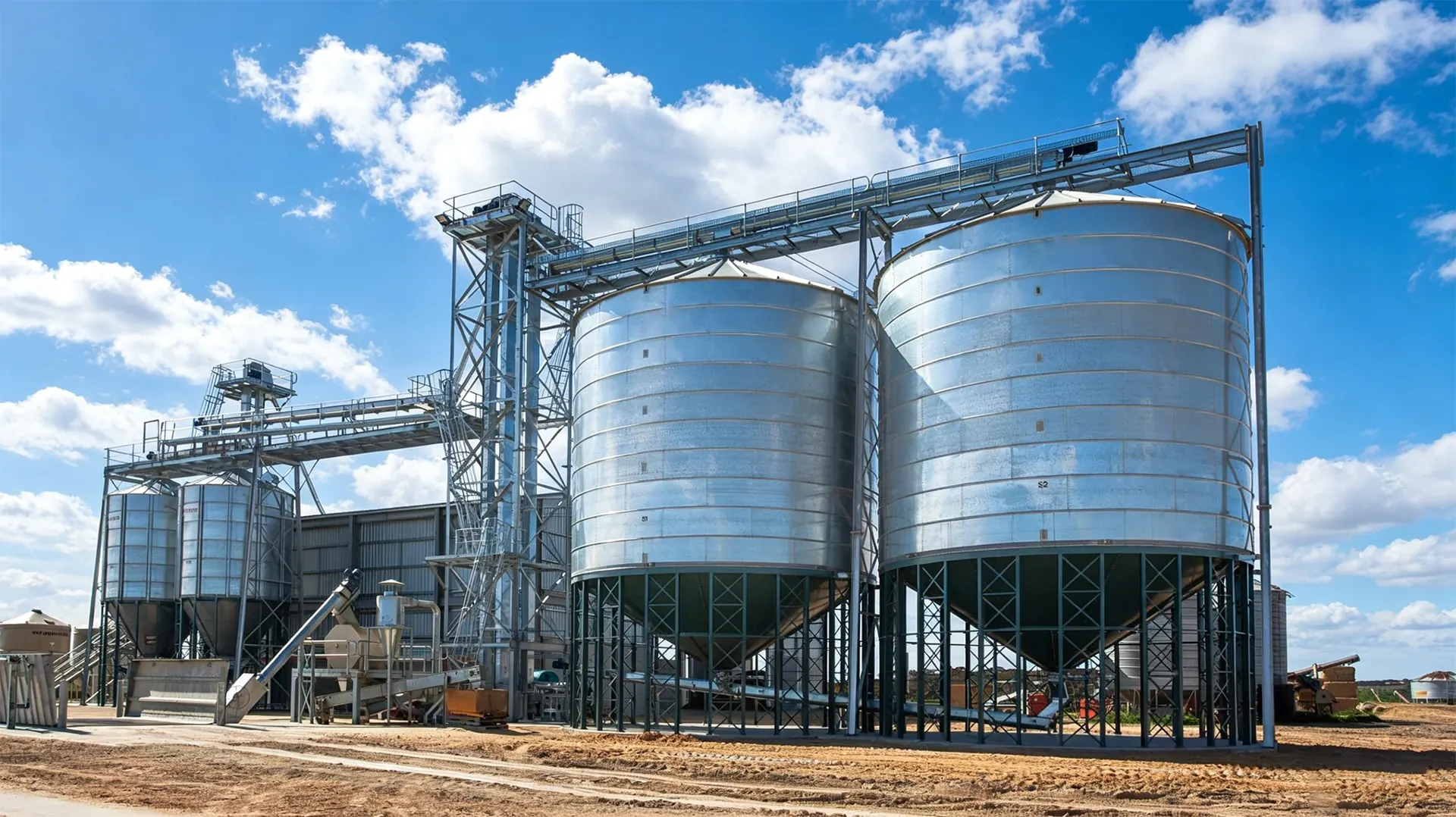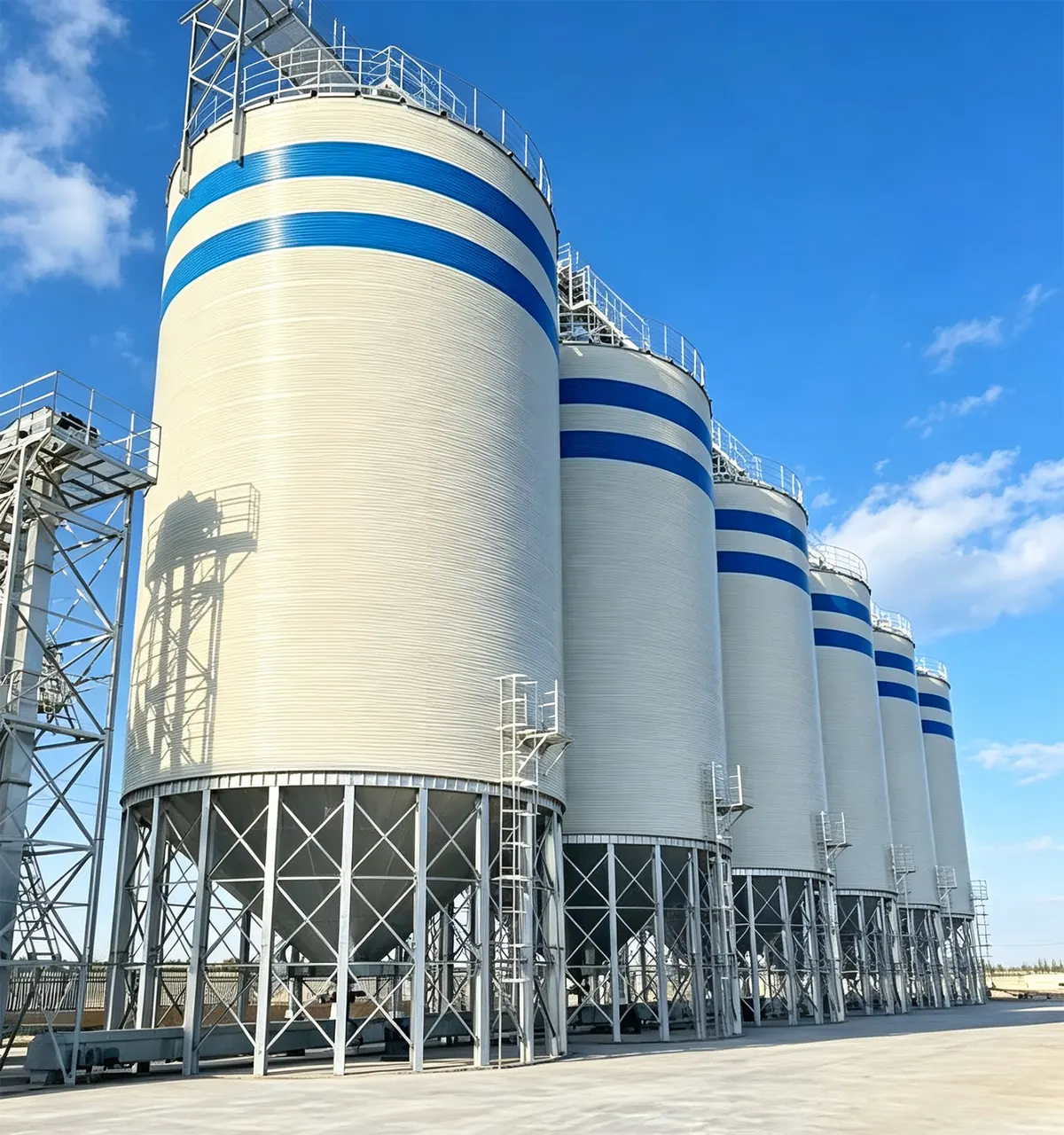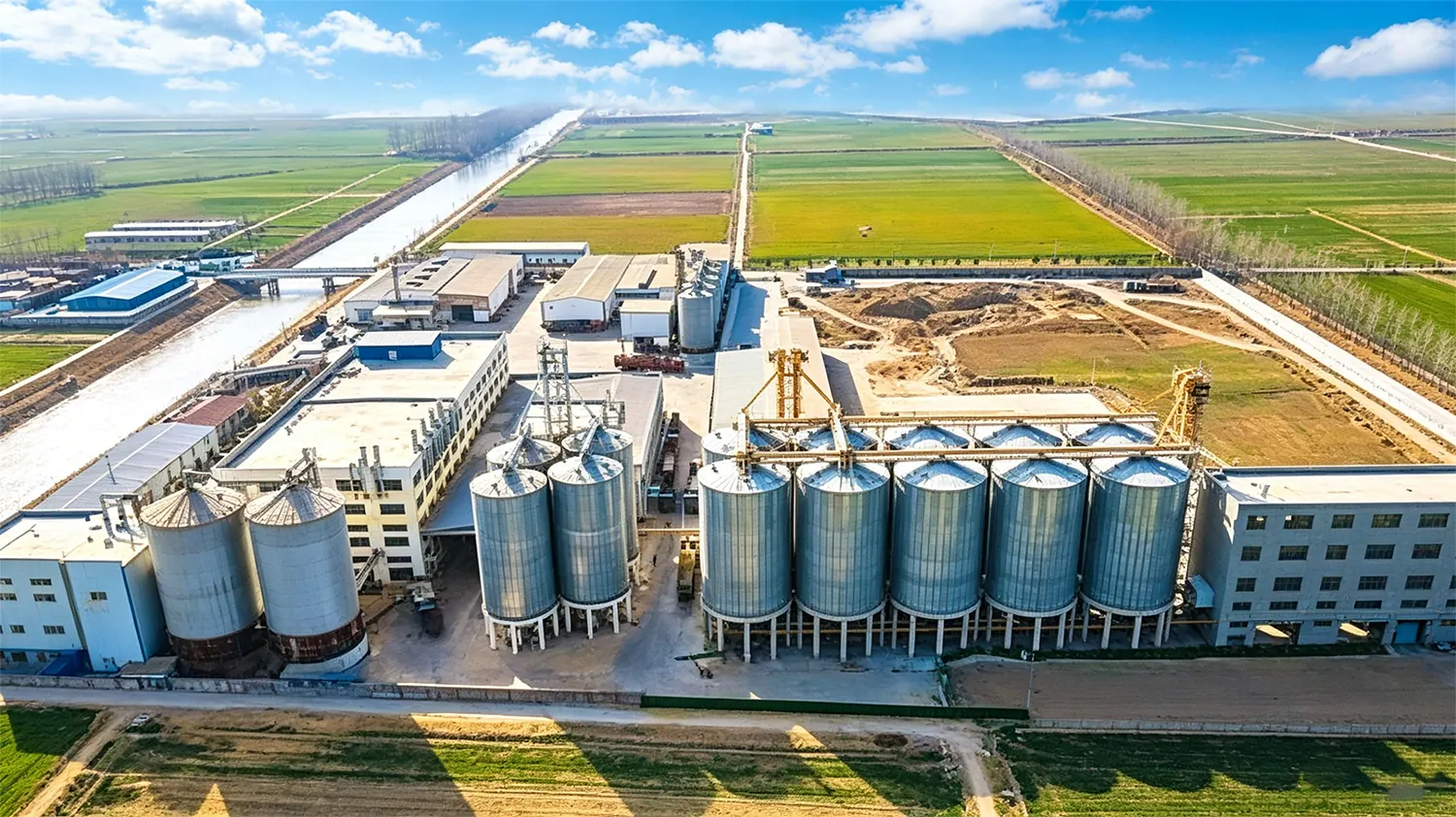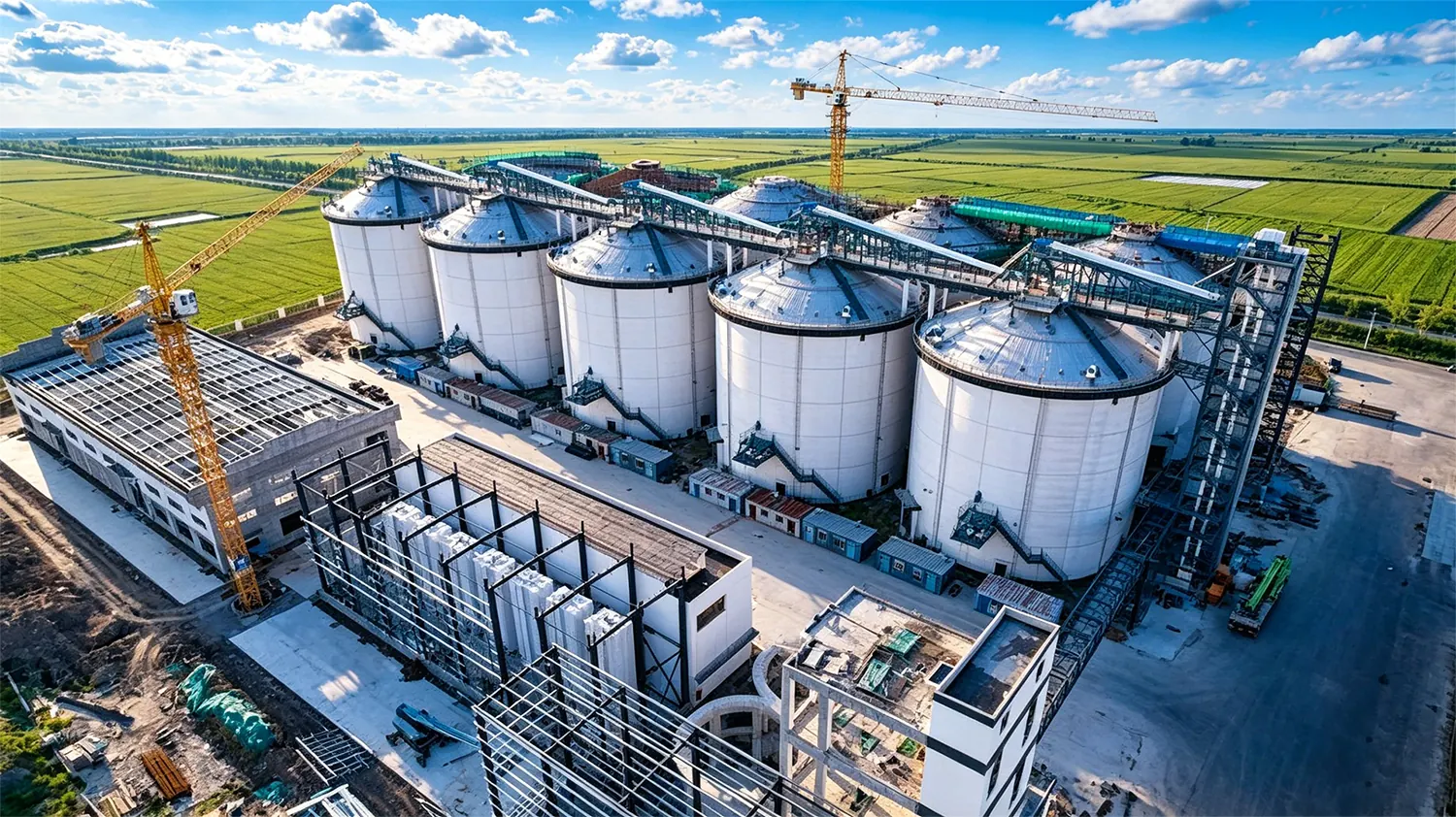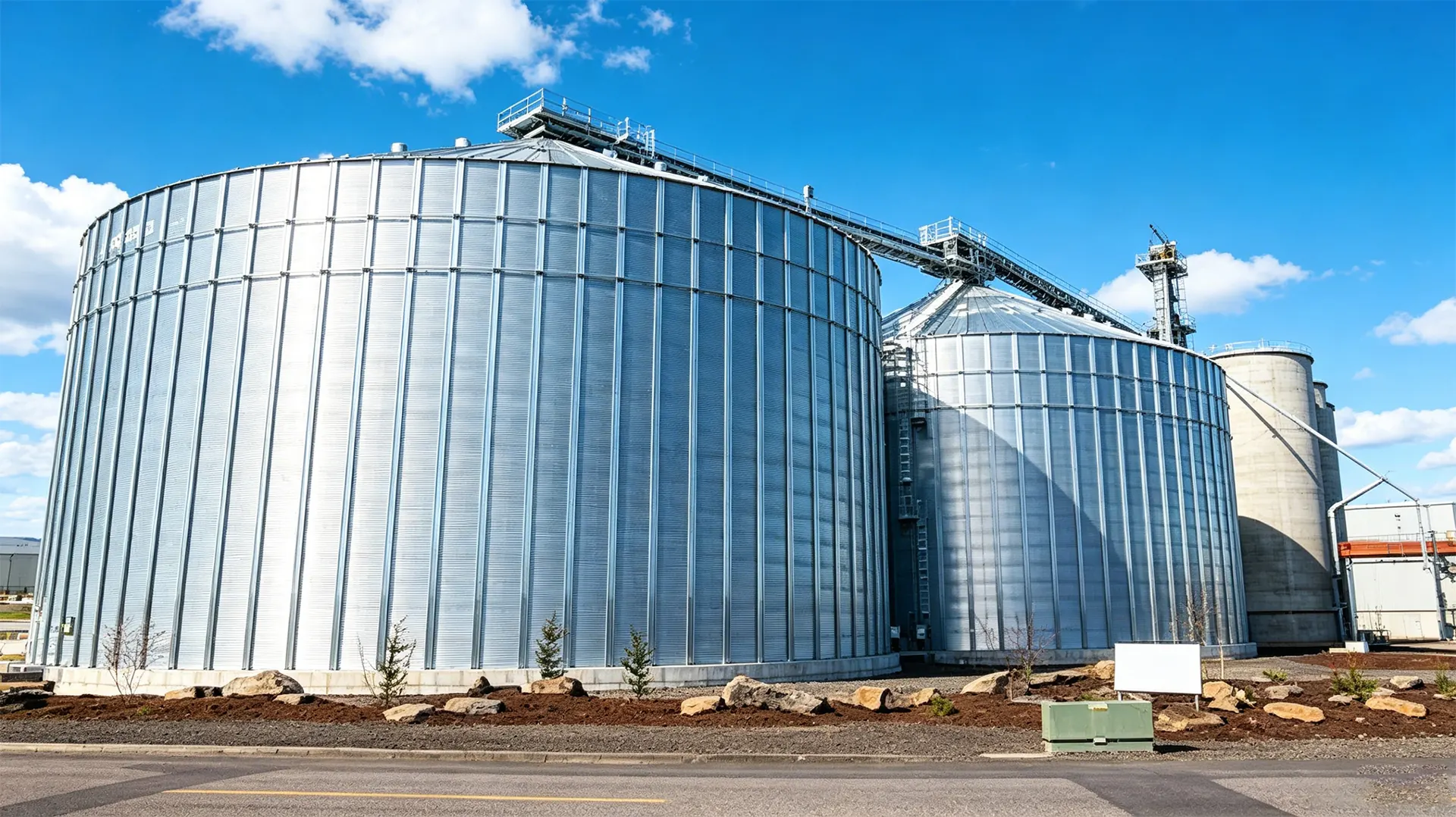
A Dust Explosion Prevention in Grain Storage Facilities: En... silo is only as reliable as the ground it stands on. Site preparation determines whether your structure settles evenly for forty years or cracks a floor slab in the first three harvests. This Purchase High-Quality Steel Silo: An Engineer's Guide walks through the geotechnical, civil, and logistical decisions that must be made before the first cubic metre of concrete is poured.
Site Preparation for Grain Silos: Why the Ground Beneath Decides the Life of the Structure
A grain silo is an unusual structure from a geotechnical perspective. It is extremely heavy relative to its footprint, it carries a load that is applied in cycles (fill, hold, discharge, repeat), and it concentrates that load in a narrow ring of Purchase High-Quality Steel Silo: An Engineer's Guide or concrete at the base. A 5,000-tonne flat-bottom silo with a 20-metre diameter transmits roughly 160 kPa (about 3,300 psf) through its ring wall to the soil beneath — comparable to the bearing pressure of a mid-rise building, but applied over a fraction of the area.
That combination produces three failure modes that site preparation exists to prevent:
- Uniform settlement — the whole silo drops. Tolerable in small amounts if services are flexible, but it breaks conveyors, spouting, and inlet connections.
- Differential settlement — one side of the ring settles more than the other. This tilts the silo, redistributes grain pressure unevenly, and is the leading cause of floor slab cracking and wall buckling in flat-bottom bins.
- Bearing capacity failure — the soil shears. Rare in properly designed installations, but catastrophic when it occurs, particularly where grain has been stored long enough to raise the load above the design assumption.
Every step that follows — soil testing, layout, foundation selection, compaction, drainage — is a control measure aimed at one or more of those three risks. Skipping a step does not eliminate the risk; it simply defers the cost to a future repair programme, usually at the worst possible time of year.
It is also worth stating plainly what site preparation is not. It is not a single event, and it is not complete when the concrete cures. Subgrade behaviour continues to evolve for years under a sustained grain load, and the drainage, grading, and monitoring decisions made during construction determine whether that evolution is a slow, predictable settling or a series of unpleasant surprises. The projects that perform best over decades are the ones where the earthworks contractor, the geotechnical engineer, and the silo supplier were all working from the same set of numbers before mobilisation.

Geotechnical Soil Testing: Reading Bearing Capacity, Water Table, and Settlement Risk Before You Break Ground
No competent engineer designs a silo foundation from a soil description typed into a quotation form. A proper geotechnical investigation for a grain silo involves boreholes or test pits taken to a depth of at least 1.5 to 2 times the foundation width, with at least one borehole at the centre of the silo footprint and three to four around the perimeter ring. On multi-silo sites, one borehole per silo plus shared boreholes between structures is the practical minimum.
What the Geotechnical Report Must Tell You
| Parameter | Why It Matters | Typical Acceptable Range |
|---|---|---|
| Allowable bearing capacity | Sizes the ring wall or mat slab footprint | 150–400 kPa (3,100–8,400 psf) for competent granular soils |
| SPT blow count (N-value) | Correlates with density and settlement potential | N > 20 preferred for direct footing support |
| Depth to groundwater | Drives dewatering cost and concrete placement method | Below foundation invert, ideally by 1 m or more |
| Soil classification (USCS) | Identifies expansive clays, silts, and organic material | GC, GM, SW, SP, GW, GP preferred; CH, MH, PT problematic |
| Consolidation / settlement estimate | Predicts long-term movement under sustained grain load | Total settlement < 25 mm, differential < 12 mm for flat-bottom bins |
| Corrosivity (sulphate, chloride, pH) | Sets concrete mix design and steel protection | Sulphate-resistant cement where SO₄ exceeds 0.2% in soil |
Reading the Numbers Like an Engineer, Not a Checklist
Two failure patterns