
A properly installed Dust Dust Explosion Prevention in Grain Storage Facilities: En... Prevention in Grain Storage Facilities: En... storage silo is the cornerstone of efficient post-harvest management. This comprehensive installation guide covers every critical phase—from foundation engineering and structural assembly to system integration and commissioning—drawing on decades of field experience to help you achieve optimal storage performance and long-term structural integrity.
According to industry data, over 60% of premature silo failures can be traced back to installation errors rather than design flaws or material defects. Following a rigorous installation guide template with documented procedures at every stage is essential for ensuring structural safety, Dust Dust Explosion Prevention in Grain Storage Facilities: En... Prevention in Grain Storage Facilities: En... protection, and operational efficiency throughout the facility's 25+ year service life.
Critical Pre-Installation Planning: Foundation Requirements and Site Assessment
Before any equipment arrives at the site, thorough pre-installation planning determines the success of the entire project. This phase involves geotechnical investigation, load calculation, and detailed construction scheduling that accounts for local climate conditions and Dust Dust Explosion Prevention in Grain Storage Facilities: En... Prevention in Grain Storage Facilities: En... flow requirements. Every effective grain silo installation guide begins with understanding what lies beneath the surface.
Geotechnical Survey and Soil Bearing Capacity
The foundation must safely transfer the total dead load and live load to the underlying soil. For a 5,000-ton capacity grain silo storing wheat (bulk density approximately 0.77 t/m³), the total structural load including the silo shell, roof equipment, and grain content can exceed 7,500 kN. Soil bearing capacity must be verified through standard penetration tests (SPT) or cone penetration tests (CPT) at multiple locations within the footprint.
Typical foundation requirements include minimum bearing capacities of 150 kPa for smaller farm silos on competent soils, increasing to 250 kPa or higher for large industrial installations. When soil conditions are poor, pile foundations or soil improvement techniques such as compaction grouting may be required, adding 15-25% to foundation costs.
Foundation Types: Ringwall vs. Slab-on-Grade
Flat bottom silos typically utilize reinforced concrete ringwall foundations that concentrate loads at the silo perimeter, while hopper bottom silos require either elevated concrete support structures or full slab-on-grade foundations depending on the discharge configuration. The foundation design must account for differential settlement limits—generally not exceeding 1:500 for bolted silos to prevent panel distortion and bolt shear failure.
Foundation Specification Reference — Grain Silo Installation Guide
Silo Structural Assembly: Step-by-Step Erection Procedures for Bolted and Welded Systems
The erection methodology varies significantly between bolted and welded silo systems. Bolted silos offer faster on-site assembly with no specialized welding equipment required, while welded silos provide superior airtightness for controlled atmosphere storage applications. This section of our installation guide details both approaches with measurable specifications.
Bolted Silo Erection Sequence
The complete installation sequence for bolted steel silos follows a meticulously planned progression. Equipment locating establishes reference points and anchor bolt positions. Silo wall forming involves rolling and corrugating galvanized steel sheets to the specified curvature. Panels are then lifted into position using hydraulic jacks or cranes, starting from the base ring and progressing vertically.
Roof installation proceeds after the final wall ring is secured, with rafters, center ring, and roof panels assembled at ground level then lifted as a complete assembly. The silo lifting and final positioning phase uses synchronized hydraulic jacks to raise the structure incrementally, allowing ring-by-ring assembly at ground level—a method that significantly improves
Written by: Manxing Installation Team
Reviewed by: P. Gomez
Related Articles
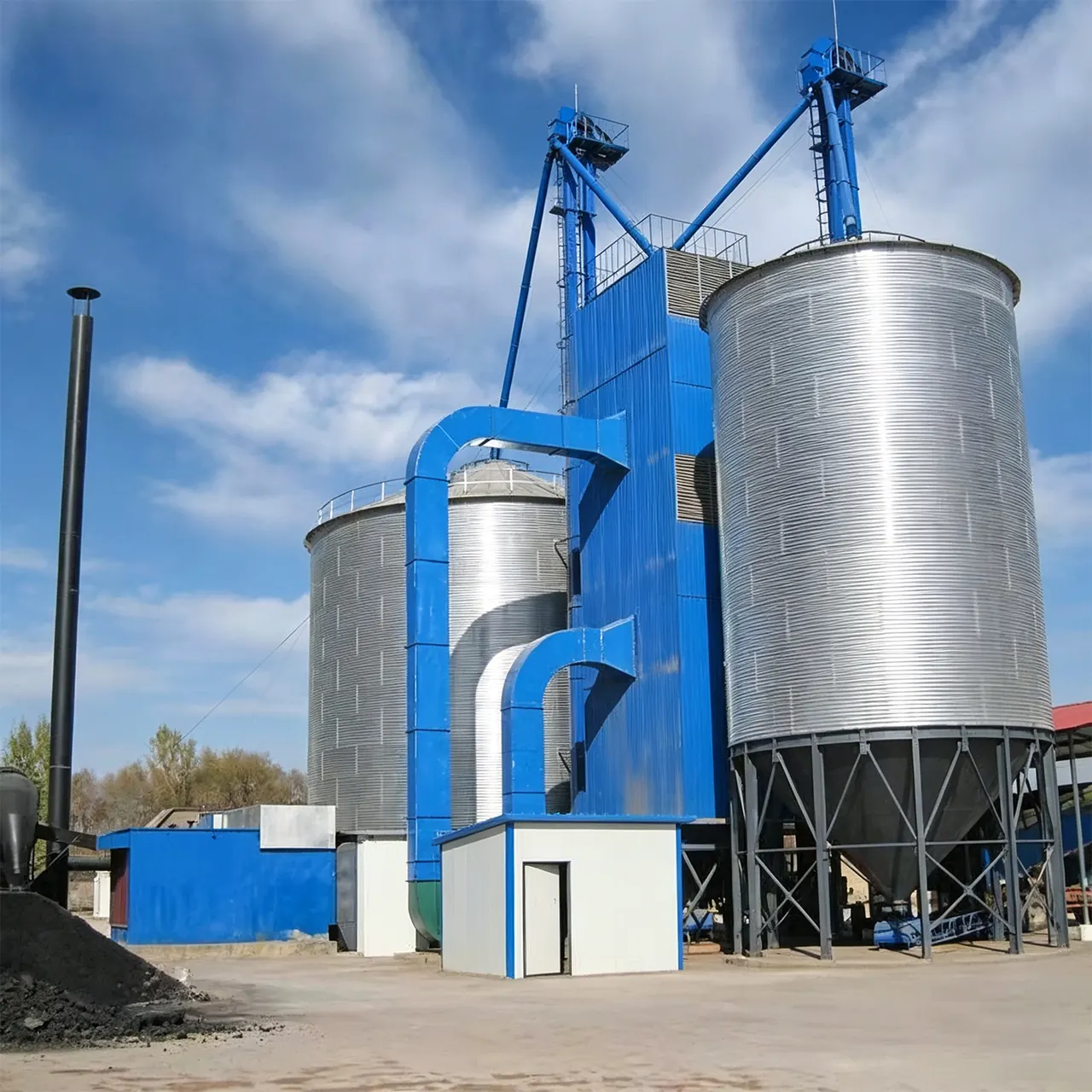
Comprehensive Silo Safety Checklist: Mitigating Hazards in Grain Storage Systems
Comprehensive Silo Safety Checklist: Mitigating Hazards in Grain Storage Systems Comprehensive Silo Safety Checklist: Mitigating Hazards in Grain Storage Systems Grain storage operations present...
Read →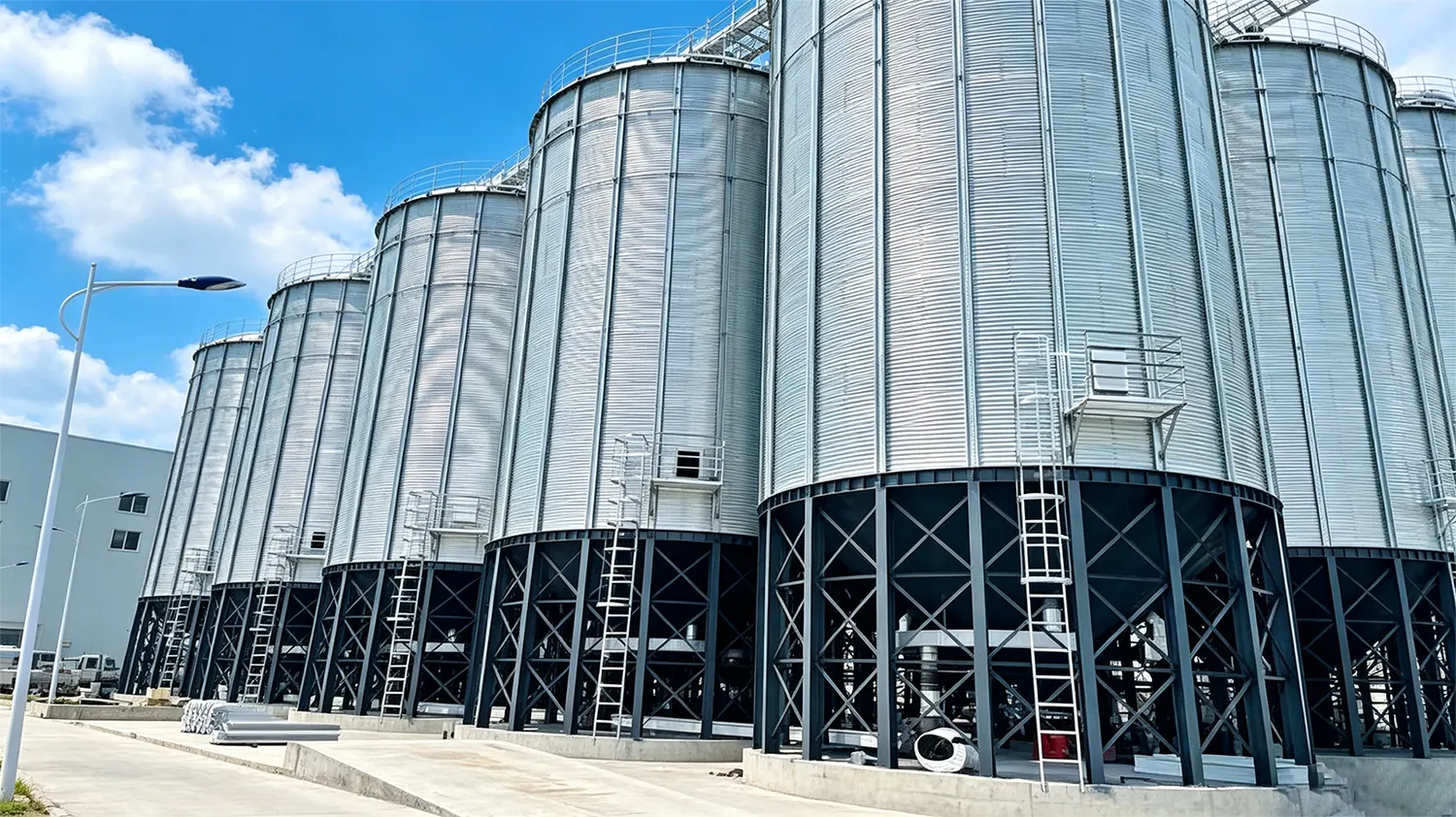
Erection Sequence of Steel Structure: Complete Spiral Silo Assembly Guide
Erection Sequence of Steel Structure: Complete Spiral Silo Assembly Guide Erection Sequence of Steel Structure: Complete Spiral Silo Assembly Guide The erection sequence of a spiral steel silo is...
Read →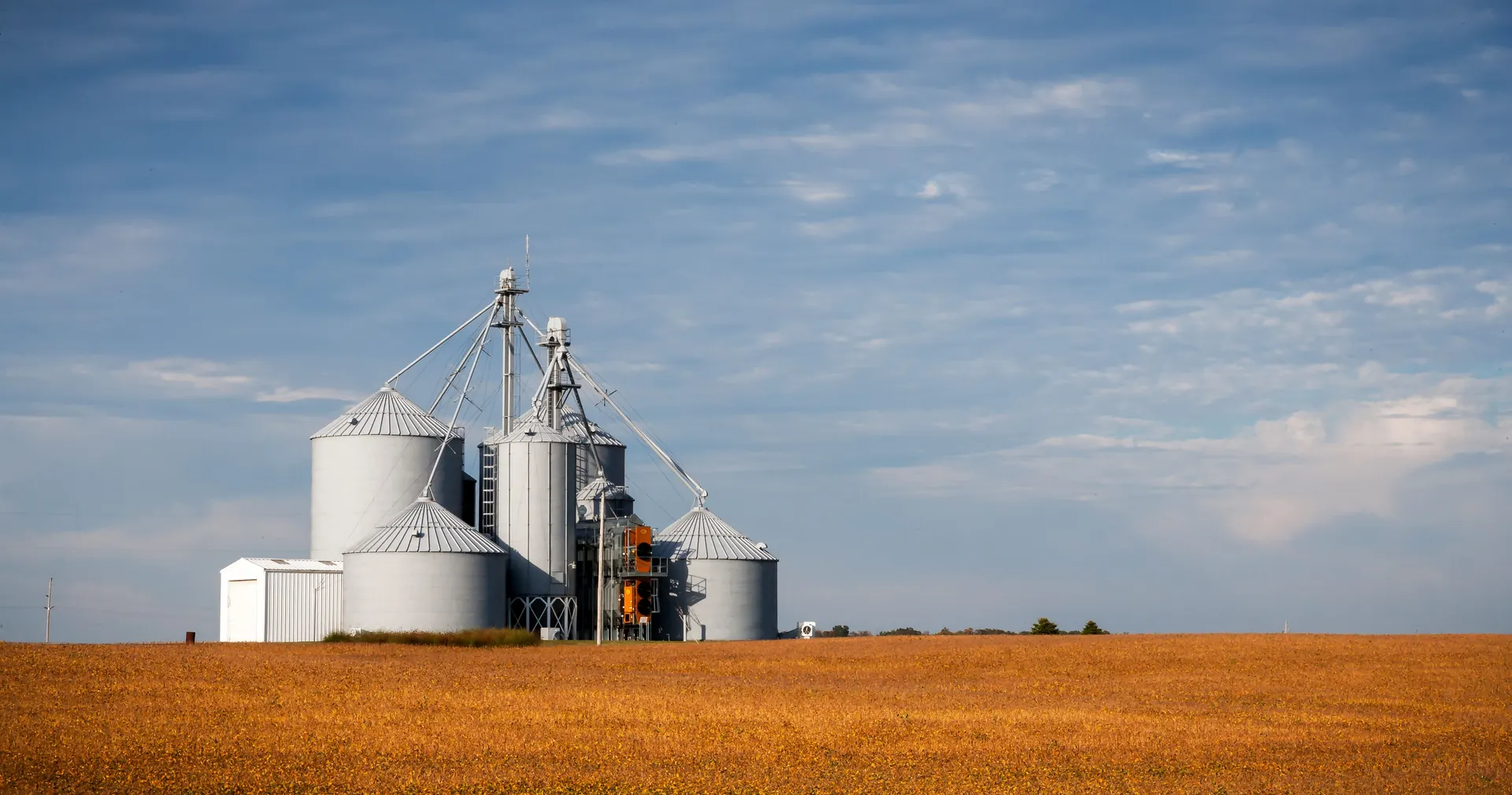
Grain Bin Foundation Construction: Concrete Ring and Pad Systems Explained
Grain Bin Foundation Construction: Concrete Ring and Pad | Expert Guide Grain Bin Foundation Construction: Concrete Ring and Pad Systems Explained A properly engineered grain bin foundation is...
Read →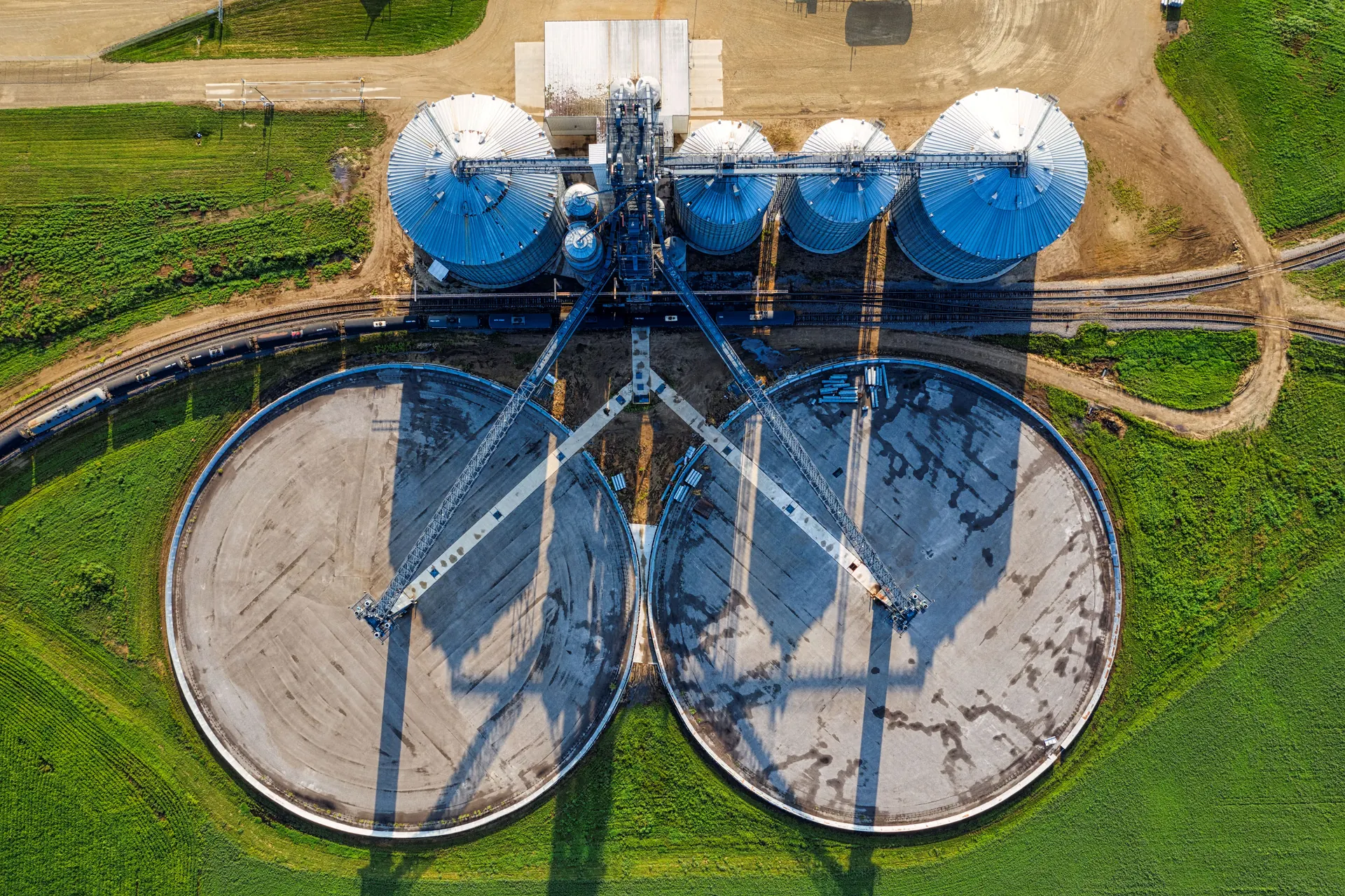
Installing Aeration Systems in Grain Bins: A Complete Engineering Guide
Installing Aeration Systems in Grain Bins | Manxing Grain Storage Installing Aeration Systems in Grain Bins: A Complete Engineering Guide Properly installing aeration systems in...
Read →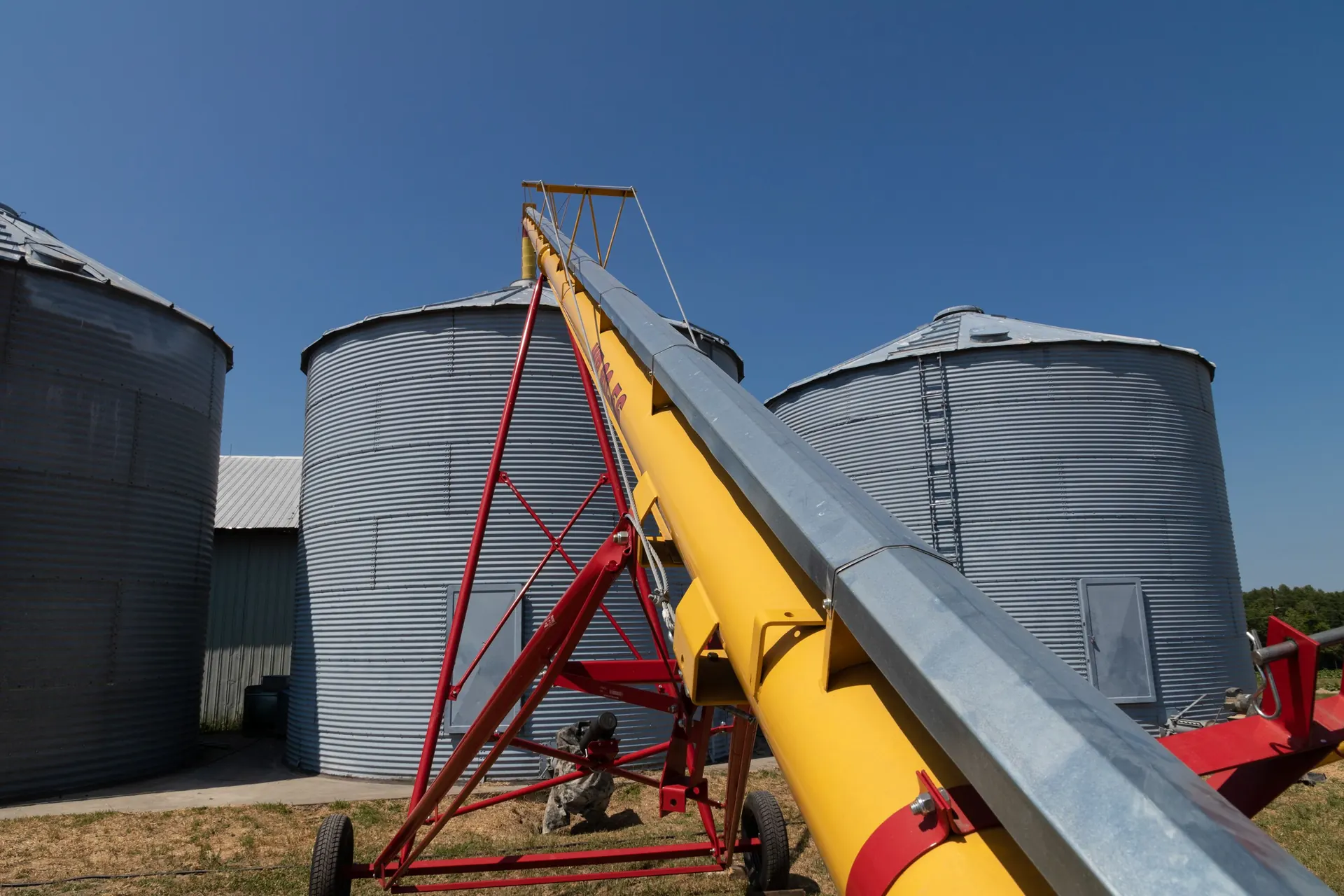
Tolerances and Alignment in Grain Bin Assembly: A Comprehensive Engineering Guide
Tolerances and Alignment in Grain Bin Assembly | Technical Guide Tolerances and Alignment in Grain Bin Assembly: A Comprehensive Engineering Guide Precision in grain bin assembly is not merely a...
Read →Equipment Mentioned in This Guide
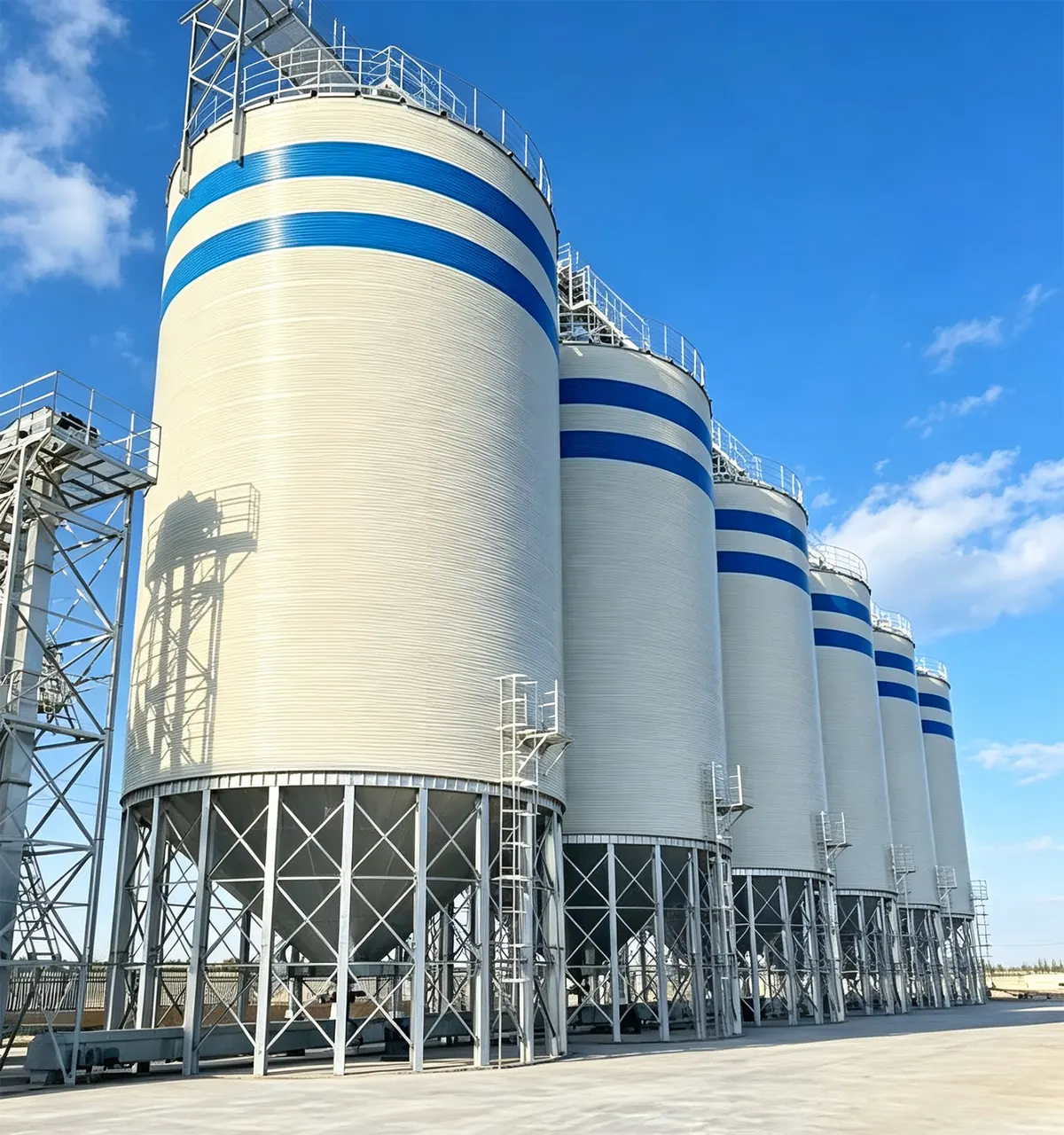
Wood Pellet Silo
Dust-controlled storage for biomass wood pellets
View Product →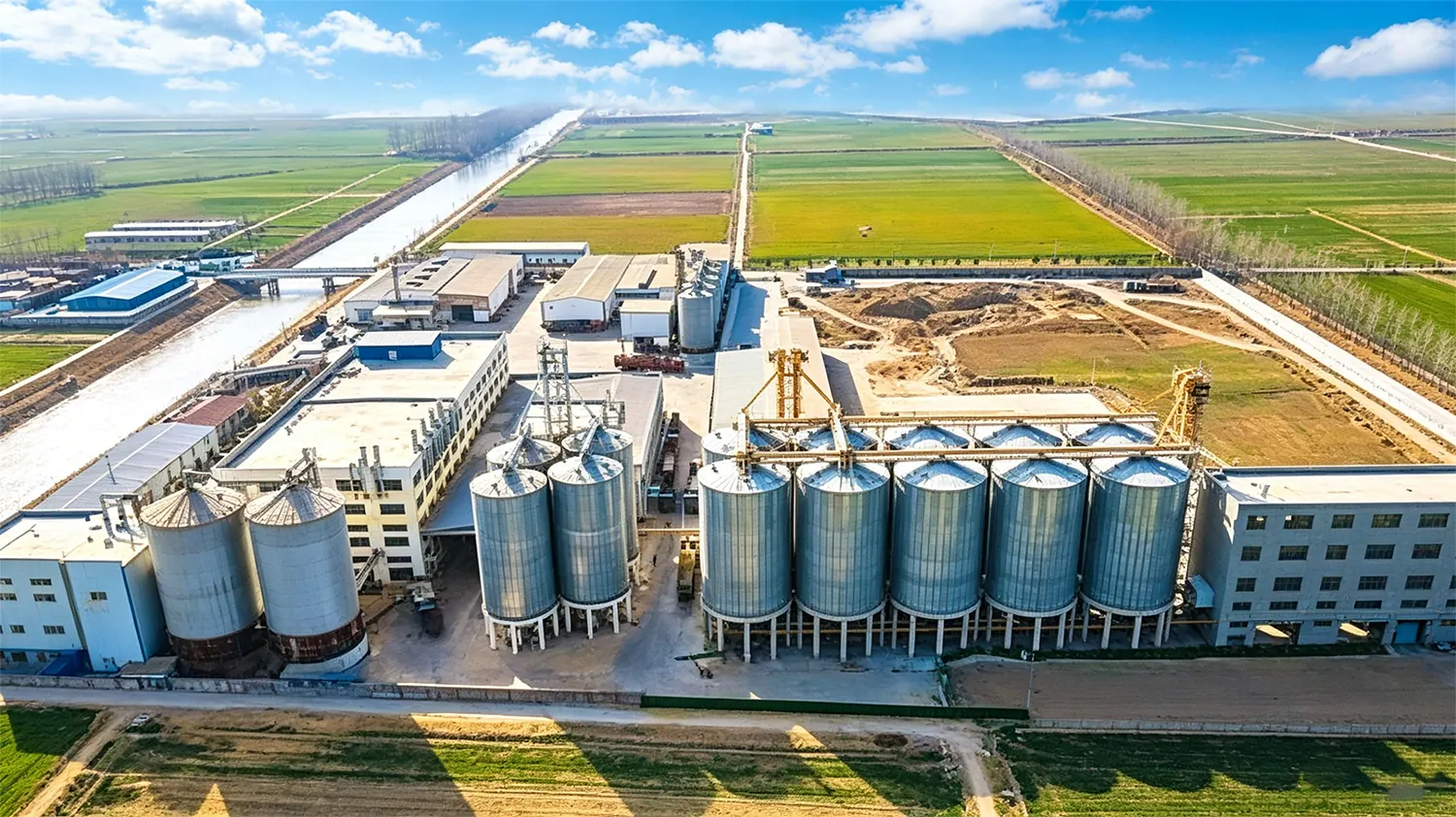
Commercial Silo
High-capacity storage for elevators, terminals and industrial users
View Product →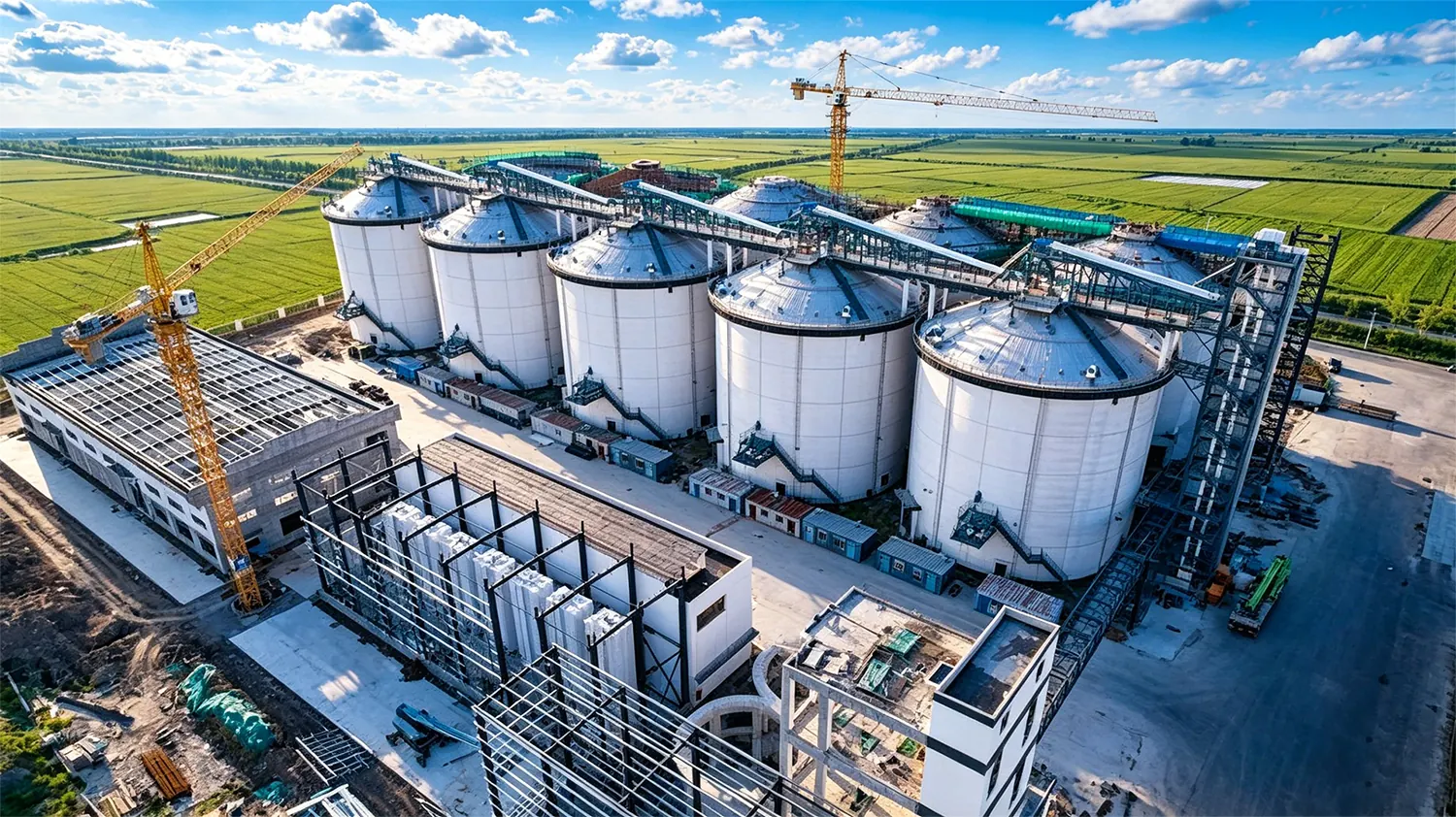
Feed Silo
Hygienic pellet & mash feed storage for feed mills and farms
View Product →Explore Storage Solutions
Corn Storage Solution
Complete storage systems for corn — from farm bins to export terminals
View Solution →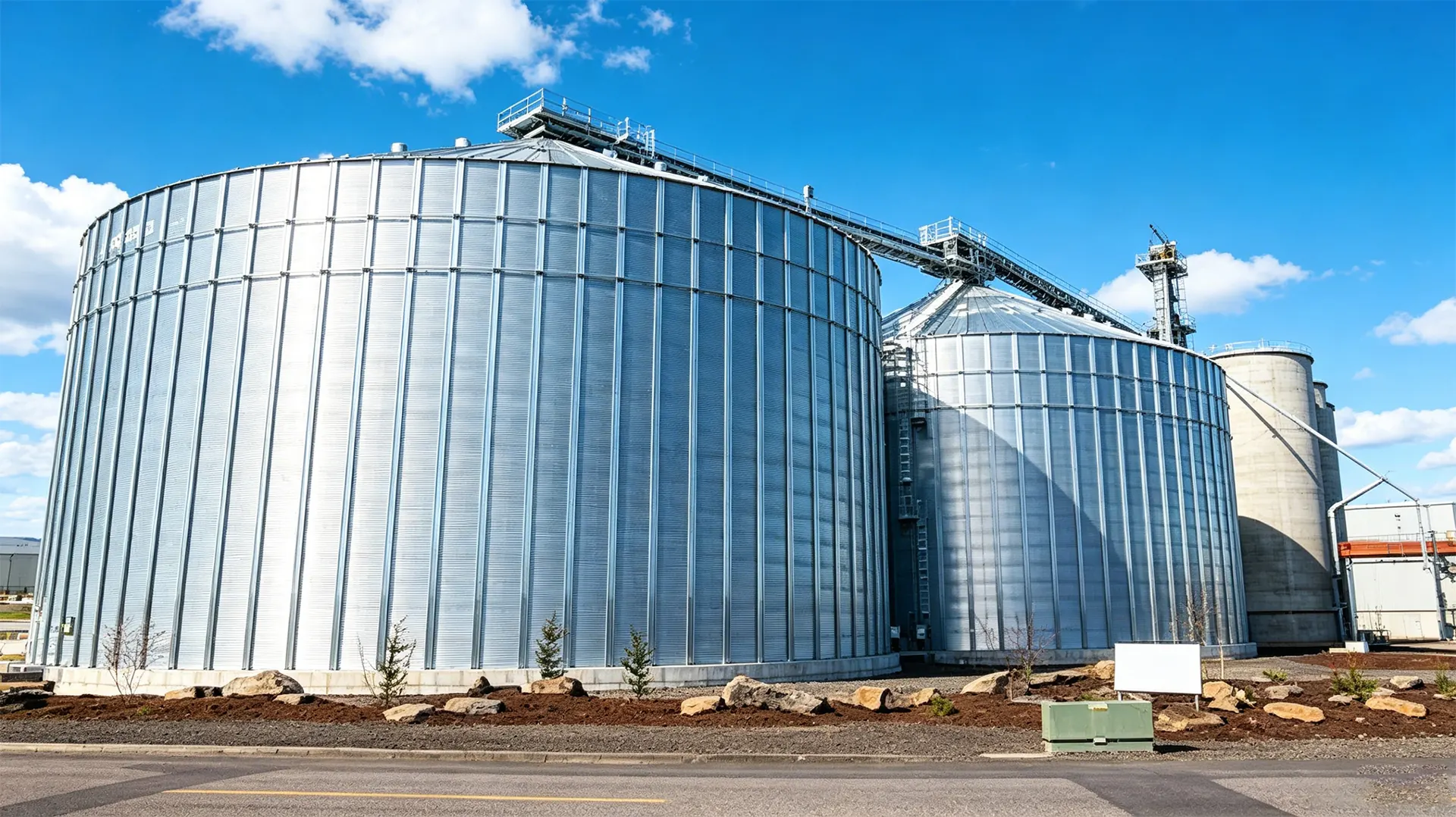
Wheat Storage Solution
Protect protein & milling quality with low-moisture storage
View Solution →Need help with complete grain silo installation guide: from site preparation to commissioning?
Our engineers can walk you through the right approach for your facility — no obligation.
Talk to an Engineer Try the Calculator