
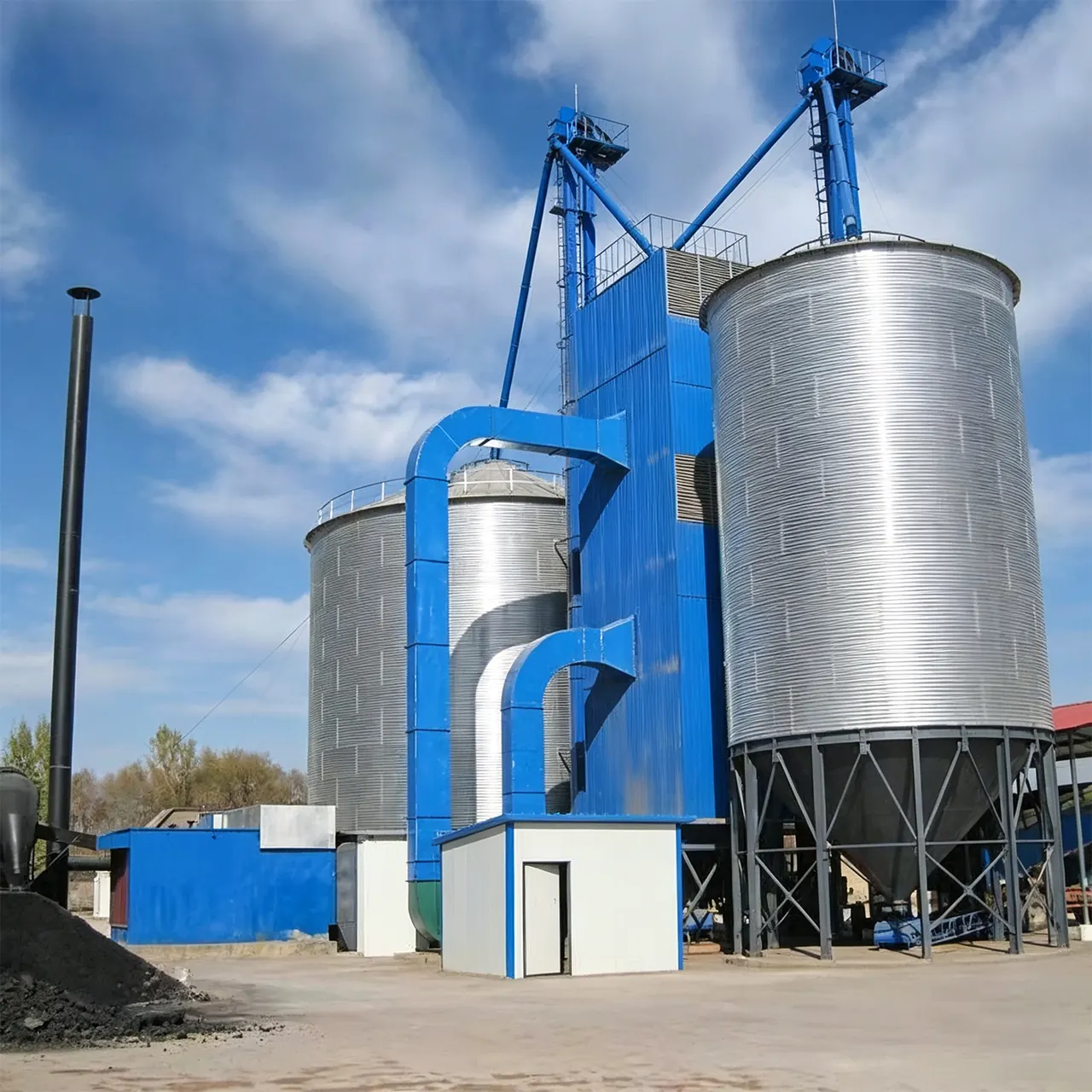
Dust Dust Explosion Prevention in Grain Storage Facilities: En... Prevention in Grain Storage Facilities: En... storage operations present unique industrial hazards that demand rigorous safety protocols, systematic inspection regimes, and engineering-driven risk mitigation strategies. This comprehensive Safety Checklist provides grain storage operators, agricultural engineers, and facility managers with actionable frameworks to protect personnel, preserve structural integrity, and ensure regulatory compliance across all silo operations.
Understanding Grain Storage Hazards: The Engineering Perspective
Before implementing any Safety Checklist, facility managers must understand the specific hazard categories inherent to Dust Dust Explosion Prevention in Grain Storage Facilities: En... Prevention in Grain Storage Facilities: En... storage environments. Unlike general industrial settings—where a Safety Checklist in hospital environments focuses on patient handling and biological hazards, or where a Safety checklist aviation protocol addresses flight operations—grain storage facilities confront a distinct combination of mechanical, chemical, and environmental risks.
The primary hazard categories in grain storage include engulfment and entrapment within flowing grain, dust Dust Dust Dust Explosion Prevention in Grain Storage Facilities: En... Prevention in Grain Storage Facilities: En... Prevention in Grain Storage Facilities: En... potential from combustible particulate matter, structural failure from improper loading or material degradation, falls from elevated platforms and silo roofs, and mechanical injuries from conveying equipment. Each category requires specific inspection points within your comprehensive Safety Checklist framework.
The Comprehensive Silo Safety Checklist Framework
A well-engineered Safety Checklist for grain storage must address every operational phase—from initial construction through daily operations to long-term maintenance. While operators in other industries may reference a Construction site safety Checklist PDF or an OSHA construction site safety Checklist PDF for building-phase compliance, grain storage facilities require ongoing operational checklists that extend far beyond the construction period.
Structural Integrity Inspections
Structural assessments form the foundation of any grain storage Safety Checklist. Manxing silos are engineered using China's mature slip-form (sliding form) construction method, with large-diameter silo construction completed on rigid radiant platforms to ensure construction quality. This engineering approach produces structures with clearly defined force distributions and well-proportioned dimensions that ensure long-term safety and stability.
Your structural inspection checklist should verify the following critical elements:
- Wall Condition Assessment: Inspect concrete or steel walls for cracking, corrosion, spalling, or deformation. Document any changes from baseline measurements established during commissioning.
- Foundation Integrity: Check for settlement indicators, cracking in foundation pads, and drainage system functionality. Uneven settlement creates asymmetric loading that compromises structural capacity.
- Roof Structure Verification: Examine roof panels, support trusses, and connection points for corrosion, fatigue, or weather damage. Manxing's simultaneous construction of silo roof structure and internal funnel significantly reduces circulating material input and shortens the construction period while maintaining structural coherence.
- Anchor Bolt and Connection Inspection: Verify torque specifications on all structural connections, particularly in high-wind or seismic zones.
- Hoppers and Discharge Systems: Inspect internal funnel structures for wear, blockages, or material buildup that could cause uneven flow patterns.
Dust Explosion Prevention Protocols
Dust explosions represent the most catastrophic hazard in grain storage environments. A single ignition source within a confined space containing combustible dust at sufficient concentration can generate devastating pressure waves. Your Safety Checklist must incorporate rigorous dust control measures aligned with NFPA 652 and NFPA 654 standards.
Manxing engineering integrates multiple layers of dust explosion prevention into silo design. Advanced dust suppression systems utilizing spray technology with optimized oil dosage significantly reduce airborne particulate concentrations. Ventilation and dust removal systems operate at optimal duct speeds of 15-17 m/s to capture and contain combustible particles effectively.
Critical dust explosion prevention checklist items include:
- Ignition Source Control: Verify all electrical equipment carries appropriate hazardous location ratings. Confirm hot work permits are current and properly authorized.
- Explosion Venting Systems: Test explosion-proof windows and vents for proper operation. Ensure vent areas are unobstructed and discharge to safe locations.
- Inert Gas Systems: For facilities utilizing nitrogen or other inert gas injection, verify gas supply levels, distribution system integrity, and automatic activation controls.
- Combustible Gas Detection: Calibrate detectors such as the GD2000 series according to manufacturer specifications. Document calibration dates and sensor response times.
- Housekeeping Standards: Establish and enforce dust accumulation thresholds. Surfaces should not exceed 1/32 inch of accumulated dust in operational areas.
- Lightning Protection: Inspect grounding systems, air terminals, and conductor connections annually. Verify resistance measurements meet NFPA 780 requirements.
Material Handling Equipment Safety
Conveyors, bucket elevators, and auger systems present significant mechanical hazards requiring systematic inspection protocols. Your Safety Checklist should address both operational safety devices and mechanical integrity verification.

Key material handling inspection points include:
- Bucket Elevator Alignment: Verify head and tail pulley alignment. Misalignment causes belt tracking issues, friction heating, and potential fire ignition sources.
- Belt Condition Assessment: Inspect conveyor belts for wear patterns, splice integrity, and proper tensioning. Replace belts showing exposed cords or edge damage.
- Guarding Verification: Confirm all rotating components—including shafts, couplings, sprockets, and chain drives—have proper guarding in place and secured.
- Emergency Stop Systems: Test pull cords, emergency stop buttons, and zero-speed switches. Document response times and verify automatic shutdown functionality.
- Bearing Temperature Monitoring: Establish baseline operating temperatures for critical bearings. Implement infrared thermographic surveys as part of preventive maintenance programs.
Confined Space Entry and Silo Cleaning Safety
Silo cleaning operations represent one of the highest-risk activities in grain storage facilities. The combination of confined space hazards, potential engulfment risks, and atmospheric dangers demands strict procedural controls. A Safety Checklist in construction site environments addresses similar confined space challenges, but grain silo entry presents unique engulfment hazards not found in typical construction confined spaces.
Manxing specifies strict cleaning protocols that must be incorporated into your operational Safety Checklist:
- Entry Authorization: Establish a formal permit system for all silo entry operations. No personnel shall enter without documented authorization and atmospheric testing.
- Isolation Procedures: Lock out and tag out all feed mechanisms, conveyors, and material flow controls. Physically isolate inlets to prevent accidental material introduction during entry operations.
- Atmospheric Monitoring: Test for oxygen concentration (19.5%–23.5%), combustible gas levels (below 10% LEL), and toxic gas presence before and during all entry operations.
- Personal Protective Equipment: Mandate anti-dust masks, safety goggles, safety shoes, and appropriate respiratory protection based on atmospheric conditions.
- Fall Protection: Secure all personnel with safety ropes and harness systems anchored to certified anchor points. Maintain continuous visual or communication contact with entry personnel.
- Prohibited Methods: Under no circumstances shall explosives or explosive materials be used for material removal or cleaning operations.
- Warning Signage: Post appropriate warning signs at all entry points and establish exclusion zones during cleaning operations.
Roof and Platform Safety Systems
Elevated work surfaces require engineered fall protection systems designed to meet applicable safety standards. Manxing designs and manufactures roof guardrails and steel platforms specifically for personnel safety during maintenance operations. These systems undergo rigorous engineering analysis to ensure they meet load requirements and prevent falls from elevation.
Roof and platform inspection checklist items include:
- Guardrail Integrity: Verify guardrail height (minimum 42 inches per OSHA standards), mid-rail placement, and toe board installation. Check for corrosion, loose fasteners, or structural damage.
- Platform Decking: Inspect steel grating or plate decking for secure attachment, corrosion, and load-bearing capacity. Replace sections showing excessive wear or deformation.
- Access Ladders: Check ladder rungs, cage guards, and landing platforms. Verify self-closing gates at ladder openings.
- Hatch and Opening Covers: Ensure all roof hatches have functioning covers, guardrails around openings, and warning signage.
- Anchor Points: Test certified anchor points used for fall protection systems. Verify load ratings and inspection certification dates.
Developing Your Safety Checklist Template
Creating an effective Safety Checklist Template for grain storage operations requires systematic documentation that captures all critical inspection points while remaining practical for field use. Many operators search for a Safety Checklist pdf or Safety Inspection Checklist PDF to establish baseline documentation—however, facility-specific customization is essential for operational relevance.
Your Safety Checklist Template should incorporate the following structural elements:
| Checklist Section | Inspection Frequency | Responsible Party | Documentation Method |
|---|---|---|---|
| Structural Integrity | Monthly / Post-Event | Facility Engineer | Digital Form with Photo |
| Dust Explosion Prevention | Weekly | Safety Officer | Checklist with Calibration Records |
| Material Handling Equipment | Daily / Weekly | Maintenance Technician | Equipment Log with Readings |
| Confined Space Entry | Per Entry Event | Entry Supervisor | Permit System with Atmospheric Data |
| Roof and Platform Safety | Monthly | Safety Officer | Inspection Form with Measurements |
| Fire Suppression Systems | Monthly / Annual | Fire Safety Contractor | Certified Inspection Report |
| Electrical Systems | Quarterly | Licensed Electrician | Thermographic Survey Report |
Regulatory Compliance Framework
Grain storage facilities operate under multiple regulatory frameworks including OSHA grain handling standard (29 CFR 1910.272), EPA regulations for air quality, and local building codes. Your Safety Checklist must align with applicable regulatory requirements while addressing facility-specific risk profiles.
OSHA's grain handling standard specifically requires employers to implement safety programs addressing hot work permits, entry into grain storage structures, and dust control measures. Facilities that develop comprehensive Safety Checklist documentation demonstrate due diligence in regulatory compliance and significantly reduce liability exposure.
Implementation Best Practices for Safety Checklists
Effective Safety Checklist implementation extends beyond documentation. Organizations must establish clear accountability structures, training programs, and continuous improvement processes. Consider these implementation strategies:
- Digital Documentation: Transition from paper-based checklists to digital platforms that enable real-time data capture, trend analysis, and automated scheduling.
- Training Integration: Ensure all personnel understand not just how to complete checklist items, but why each inspection point matters from an engineering and safety perspective.
- Corrective Action Tracking: Implement closed-loop systems that track identified deficiencies through resolution and verify effectiveness of corrective actions.
- Management Review: Conduct periodic management reviews of Safety Checklist findings to identify systemic issues requiring engineering or procedural interventions.
- Continuous Improvement: Update checklists based on incident investigations, near-miss reports, and evolving industry best practices.
Frequently Asked Questions
Engineering Excellence Through Systematic Safety Management
Safety in grain storage operations is not merely a compliance obligation—it is an engineering discipline that protects lives, preserves capital investments, and ensures operational continuity. Manxing Grain Storage Systems integrates safety engineering principles throughout the design, manufacturing, and commissioning process. From slip-form construction methods that ensure structural uniformity to comprehensive dust suppression systems engineered for optimal performance, every design decision prioritizes operational safety.
The comprehensive Safety Checklist framework presented in this article provides operators with the structured approach necessary to identify hazards, implement controls, and maintain safe operating conditions throughout the facility lifecycle. Whether you are developing your first Safety Inspection Checklist PDF or refining an existing Safety Checklist Template, the engineering principles and inspection protocols outlined here establish the foundation for effective safety management.
Remember that checklist effectiveness depends entirely on implementation discipline. The most comprehensive Safety Checklist pdf provides no value if inspections are incomplete, findings go unaddressed, or personnel lack training to identify hazards. Commit to systematic execution, continuous improvement, and engineering-driven safety management to achieve the incident-free operations that every grain storage facility should target.
Partner with Man
Written by: Manxing Installation Team
Related Articles
Complete Grain Silo Installation Guide: From Site Preparation to Commissioning
Complete Grain Silo Installation Guide: From Site Preparation to Commissioning | Manxing :root { -primary-color: #1a5276; -secondary-color: #2874a...
Read →
Erection Sequence of Steel Structure: Complete Spiral Silo Assembly Guide
Erection Sequence of Steel Structure: Complete Spiral Silo Assembly Guide Erection Sequence of Steel Structure: Complete Spiral Silo Assembly Guide The erection sequence of a spiral steel silo is...
Read →
Grain Bin Foundation Construction: Concrete Ring and Pad Systems Explained
Grain Bin Foundation Construction: Concrete Ring and Pad | Expert Guide Grain Bin Foundation Construction: Concrete Ring and Pad Systems Explained A properly engineered grain bin foundation is...
Read →
Installing Aeration Systems in Grain Bins: A Complete Engineering Guide
Installing Aeration Systems in Grain Bins | Manxing Grain Storage Installing Aeration Systems in Grain Bins: A Complete Engineering Guide Properly installing aeration systems in...
Read →
Tolerances and Alignment in Grain Bin Assembly: A Comprehensive Engineering Guide
Tolerances and Alignment in Grain Bin Assembly | Technical Guide Tolerances and Alignment in Grain Bin Assembly: A Comprehensive Engineering Guide Precision in grain bin assembly is not merely a...
Read →Equipment Mentioned in This Guide
Wood Pellet Silo
Dust-controlled storage for biomass wood pellets
View Product →
Commercial Silo
High-capacity storage for elevators, terminals and industrial users
View Product →
Feed Silo
Hygienic pellet & mash feed storage for feed mills and farms
View Product →Explore Storage Solutions
Corn Storage Solution
Complete storage systems for corn — from farm bins to export terminals
View Solution →
Wheat Storage Solution
Protect protein & milling quality with low-moisture storage
View Solution →Need help with comprehensive silo safety checklist: mitigating hazards in grain storage systems?
Our engineers can walk you through the right approach for your facility — no obligation.
Talk to an Engineer Try the Calculator