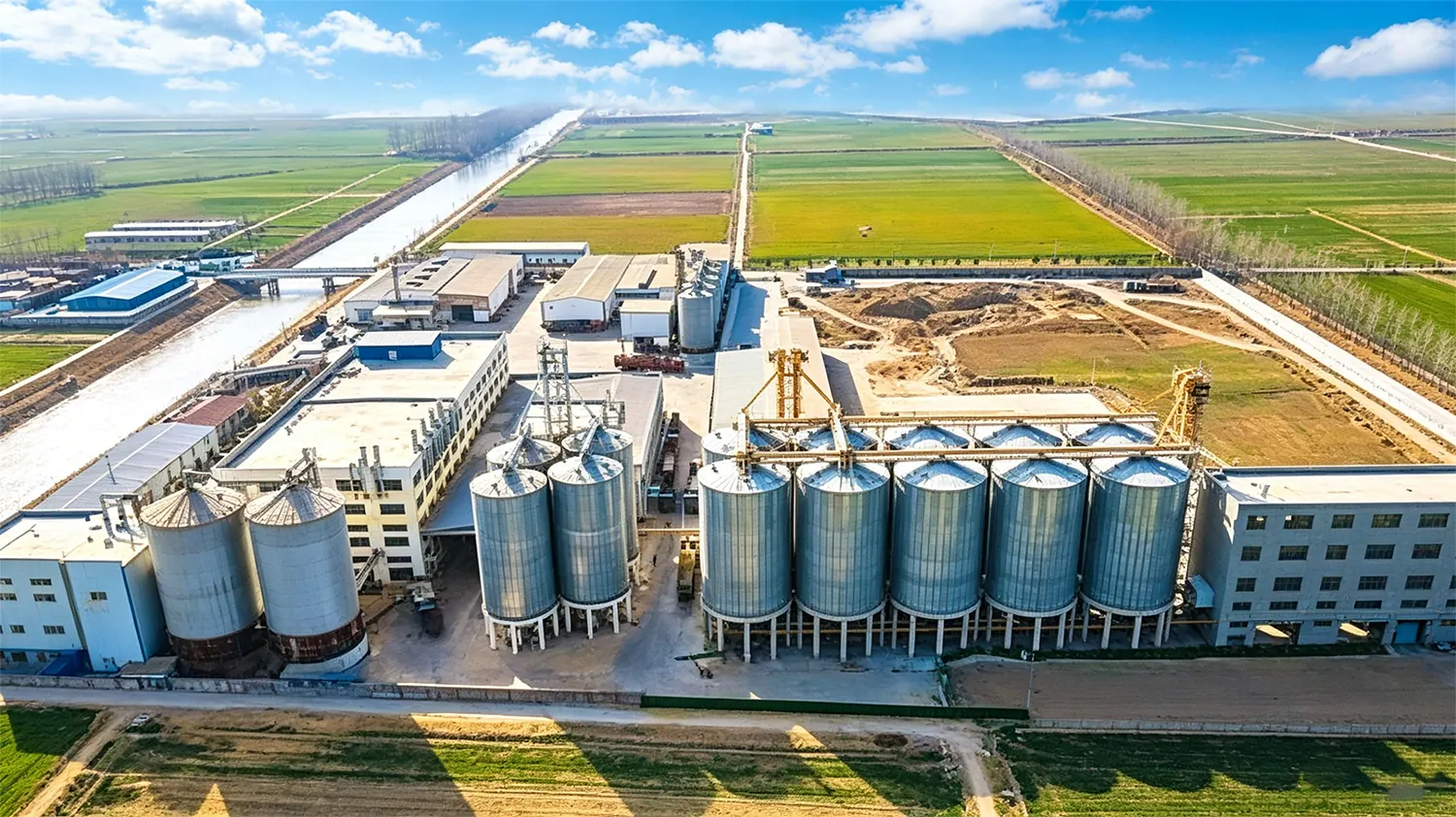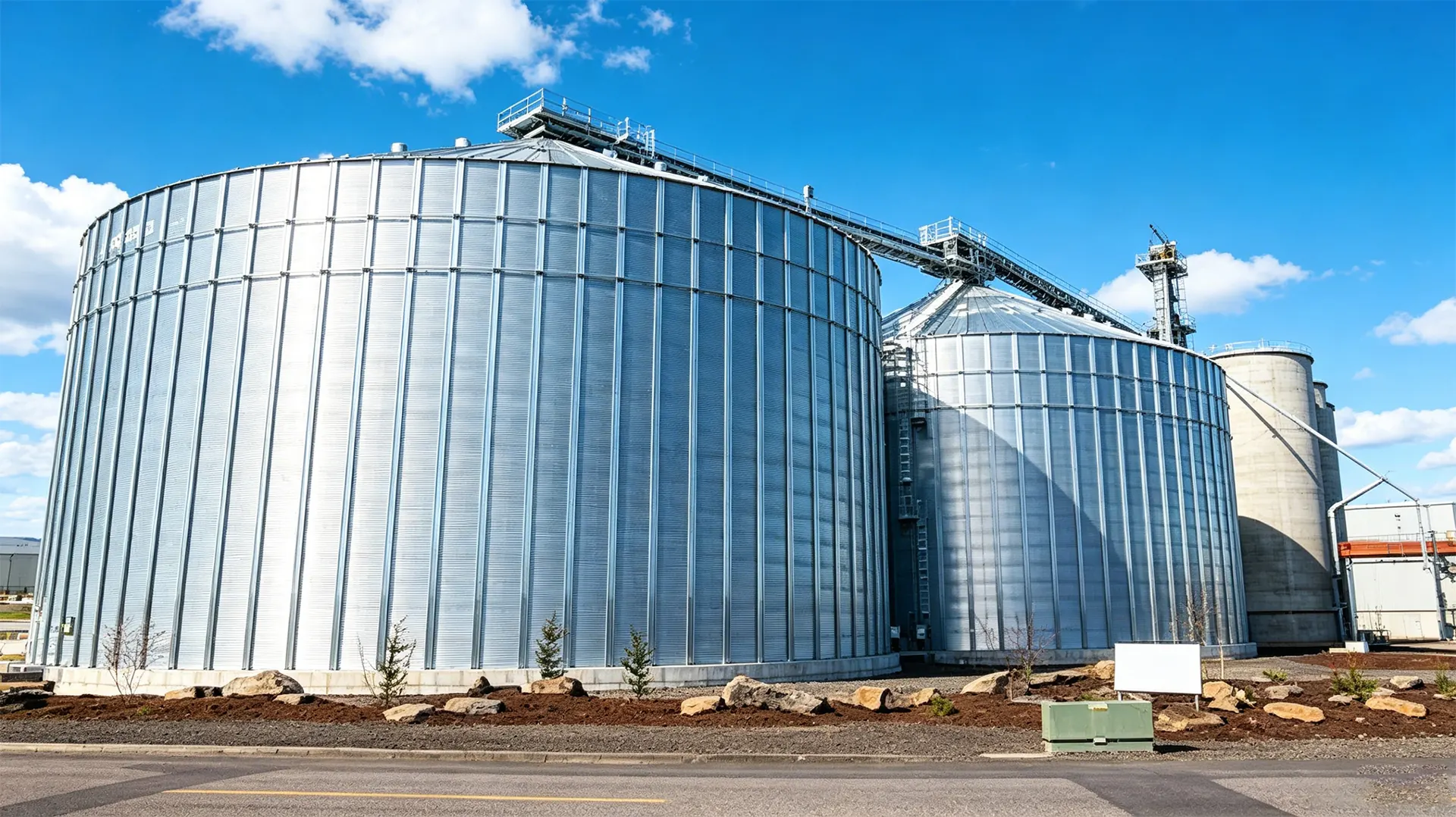
Ground limestone is one of the most forgiving minerals to quarry and one of the least forgiving to store. Between 5 and 100 microns of calcium carbonate will arch over an undersized outlet, cake solid against a cold silo wall, and drift out of grade specification without a single alarm sounding. This Purchase High-Quality Steel Silo: An Engineer's Guide sets out the engineering decisions that keep limestone powder free-flowing, on-spec, and profitable.
Limestone powder — ground calcium carbonate, or GCC — moves through an enormous range of industries: flue gas desulfurization reagent, plastic and paint filler, animal feed supplement, glass batch ingredient, agricultural soil amendment, and construction mineral. Each application imposes its own specification on particle size distribution, whiteness, moisture, and chemistry. What they share is a Dust Explosion Prevention in Grain Storage Facilities: En... problem: a fine, mildly cohesive, moisture-sensitive powder that behaves differently on day one than it does on day ninety.
Dust Explosion Prevention in Grain Storage Facilities: En... is usually the last item on a limestone processing project's agenda and the first to cause trouble in production. A silo is frequently sized by dividing annual tonnage by a bulk density figure lifted from a supplier datasheet, with a hopper angle copied from the last project and an outlet chosen to match the feeder flange. That approach works until the first cold snap, the first wet delivery, or the first week of holiday shutdown — and then the plant discovers that its silo has become a pressure vessel full of set mineral and its operators have become hammer-swinging labourers.
The financial stakes are higher than they first appear. A ratholed silo reduces live capacity, forcing more frequent deliveries and lost production time. Caked material that sloughs off a wall in a single mass can bury a feeder, damage a rotary valve, or injure an operator working at the discharge. Off-spec moisture from condensation can turn a premium 98% whiteness filler into a downgraded or rejected batch. Every one of these failure modes is preventable at the design stage, and this guide covers the decisions that matter: material characterization, mass-flow geometry, moisture and condensation control, dust and venting systems, discharge and conveying, and a maintenance regime that