
Industry Overview
Why Operators Choose ManXing
Engineered Throughput
Capacity matched to your daily intake and dispatch volume.
Grain Quality Protection
Aeration, monitoring and drying preserve moisture and grade.
Turnkey Delivery
Design, manufacture, ship, install and commission — one partner.
Global References
Proven across tropical, arid and cold-climate operations.
Detailed Application Notes
Agricultural Cooperatives: Engineering Storage Solutions for Collective Success
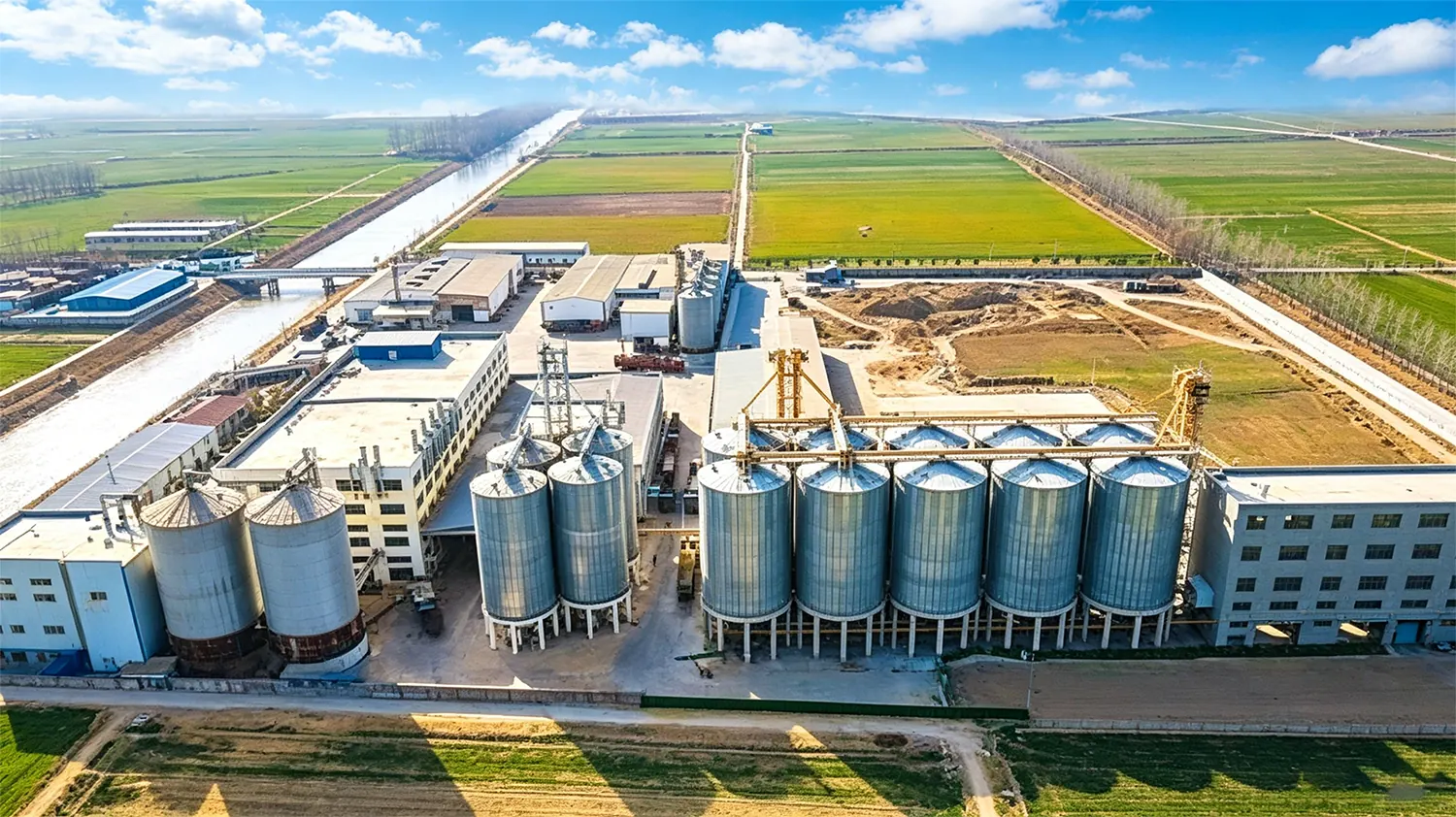
Agricultural cooperatives represent one of the most vital pillars of modern grain handling infrastructure. With over 20 years of experience designing and manufacturing grain storage and handling systems, Manxing has worked alongside cooperatives across diverse agricultural regions to develop solutions that address the unique operational demands of collective grain management. Cooperatives store grain for dozens, sometimes hundreds, of member farms — often handling multiple crop types, varying quality grades, and staggered delivery schedules within a single facility. This complexity demands more than standard storage; it requires engineered systems built for flexibility, traceability, and throughput.
The Cooperative Storage Landscape
Agricultural cooperatives typically aggregate grain from member farms spanning hundreds or thousands of acres. A mid-sized cooperative might receive 15,000 to 50,000 metric tons of grain during a concentrated harvest window of three to six weeks. Unlike commercial elevators that may specialize in a single commodity, cooperatives routinely handle corn, wheat, soybeans, rice, barley, and sometimes specialty crops like sunflower seeds or canola — all flowing through the same receiving, storage, and loadout infrastructure.
The diversity of grain arriving at a cooperative facility creates a fundamental engineering challenge: how to receive, segregate, store, condition, and ship multiple grain types and grades without cross-contamination, while maintaining throughput rates that prevent costly truck queues during peak harvest. Manxing's approach to cooperative facility design begins with understanding these real-world operational pressures and engineering every component — from intake pits to loadout spouts — to perform reliably under peak demand.
Specific Challenges Facing Agricultural Cooperatives
Multi-Crop Handling Under One Roof
When corn at 22% moisture, wheat at 13.5% moisture, and soybeans at 14% moisture arrive at the same facility within the same week, the storage system must accommodate dramatically different aeration requirements, angle-of-repose characteristics, and spoilage risk profiles. Corn stored above 15% moisture requires aggressive aeration with airflow rates of 0.5 to 1.0 CFM/bu to prevent hot spots, while wheat at safe storage moisture needs only 0.1 CFM/bu for temperature maintenance. Manxing designs dedicated aeration systems per bin, with variable-speed fans and automated temperature monitoring that adjusts airflow based on the specific crop stored in each silo.
Grade Segregation and Traceability
Cooperatives must keep grain segregated by grade, protein content, test weight, and sometimes by individual member lots for quality-based payment programs. A facility handling corn might need to maintain four or more separate quality streams simultaneously. This requires not just multiple bins, but a conveying and distribution system that can route grain to the correct destination without residual contamination. Manxing addresses this through dedicated bucket elevator legs, multi-outlet distributors, and sweep-auger-equipped bins that achieve 98-99% cleanout between crop changes.
Peak Harvest Throughput Demands
During harvest, a cooperative receiving area may process 200 to 400 truckloads per day. Each truck must be weighed, sampled, graded, unloaded, and released within 10 to 15 minutes to prevent bottlenecks that frustrate members and delay field operations. Manxing engineers intake systems with dual receiving pits, high-capacity leg systems rated for 15,000 to 20,000 BPH, and automated dust collection to maintain safe, efficient operations even during the most intense delivery periods.
Moisture Management Across Diverse Crops
Grain arriving at cooperatives frequently exceeds safe storage moisture. Corn at 20-22% moisture, soybeans at 15-16%, and wheat at 14-15% all require drying before long-term storage. Manxing integrates grain drying systems directly into the cooperative facility design, including continuous-flow dryers capable of removing 5 to 10 percentage points of moisture at rates of 1,000 to 5,000 BPH, with automated grain temperature and moisture monitoring to prevent over-drying and quality degradation.
Manxing Engineered Solutions for Cooperative Facilities
Multi-Bin Storage Configurations
Manxing designs cooperative storage facilities using bolted galvanized steel silos ranging from 500 to 15,000 metric tons per unit. For a typical cooperative handling 30,000 metric tons across four crop types, we commonly specify 8 to 12 individual bins, each equipped with:
- Dedicated aeration flooring — perforated or duct-type floors providing uniform airflow distribution with less than 10% variation across the grain mass
- Temperature monitoring cables — multi-point sensors spaced every 1.2 to 1.5 meters vertically, connected to central monitoring software
- Bin level indicators — continuous weight or capacitance-type sensors providing real-time inventory data
- Sweep augers — for complete bin emptying with less than 2% residual grain remaining
Each bin is assigned to a specific crop and grade category, with the conveying system designed to deliver grain to the correct bin without routing ambiguity. Manxing's structural engineers design bin foundations and wind reinforcement systems to meet local seismic and wind load requirements, with galvanized steel construction providing 25 to 30 years of service life with minimal maintenance.
Intake and Receiving Systems
Manxing intake systems for cooperatives are engineered for speed and reliability. A standard cooperative receiving installation includes:
- Dual drive-over receiving pits — each with 30 to 50 metric ton capacity and hydraulic tipping grates, allowing simultaneous unloading of two trucks
- High-capacity bucket elevators — rated for 15,000 to 25,000 BPH with heavy-duty cotton or rubber buckets, belt speeds optimized for gentle grain handling
- Pre-cleaning equipment — rotary or vibratory screens removing foreign material, broken kernels, and fines before grain enters storage
- Automated sampling systems — cross-cut samplers extracting representative samples at set intervals during each truck unloading cycle
Distribution and Handling Towers
The heart of a cooperative's ability to segregate grain lies in its distribution system. Manxing designs handling towers that house bucket elevators, distributors, and conveyor routing equipment in a single structural steel framework. Key components include:
- Rotary distributors — with 6 to 16 outlets, capable of directing grain flow to any bin within the facility via automated positioning
- Gravity spouting with diverter valves — for bins arranged in linear or cluster configurations
- Drag or belt conveyors — for horizontal grain transport between bin rows and loadout areas
- Dust collection systems — baghouse or cartridge-type collectors maintaining dust levels below 4 mg/m³ in all enclosed areas
Grain Drying and Conditioning
Manxing integrates drying systems that match the cooperative's throughput and moisture removal requirements. For cooperatives receiving high-moisture corn and soybeans, we specify:
- Continuous-flow column dryers — with capacities from 1,000 to 6,000 BPH, capable of 5 to 10 point moisture removal per pass
- Automated burner and airflow control — maintaining grain temperature below 60°C for commercial corn and below 43°C for seed or food-grade soybeans to preserve germination and protein integrity
- Grain cooling sections — integrated into the dryer design to reduce grain temperature from drying levels (40-50°C) to safe storage temperatures (below 20°C) before bin entry
- Energy recovery systems — capturing exhaust heat from dryers to pre-heat incoming combustion air, reducing fuel consumption by 15
Recommended Storage Solutions
Corn Storage Solution
Complete storage systems for corn — from farm bins to export terminals
View Solution →Wheat Storage Solution
Protect protein & milling quality with low-moisture storage
View Solution →Equipment Used in Agricultural Cooperative
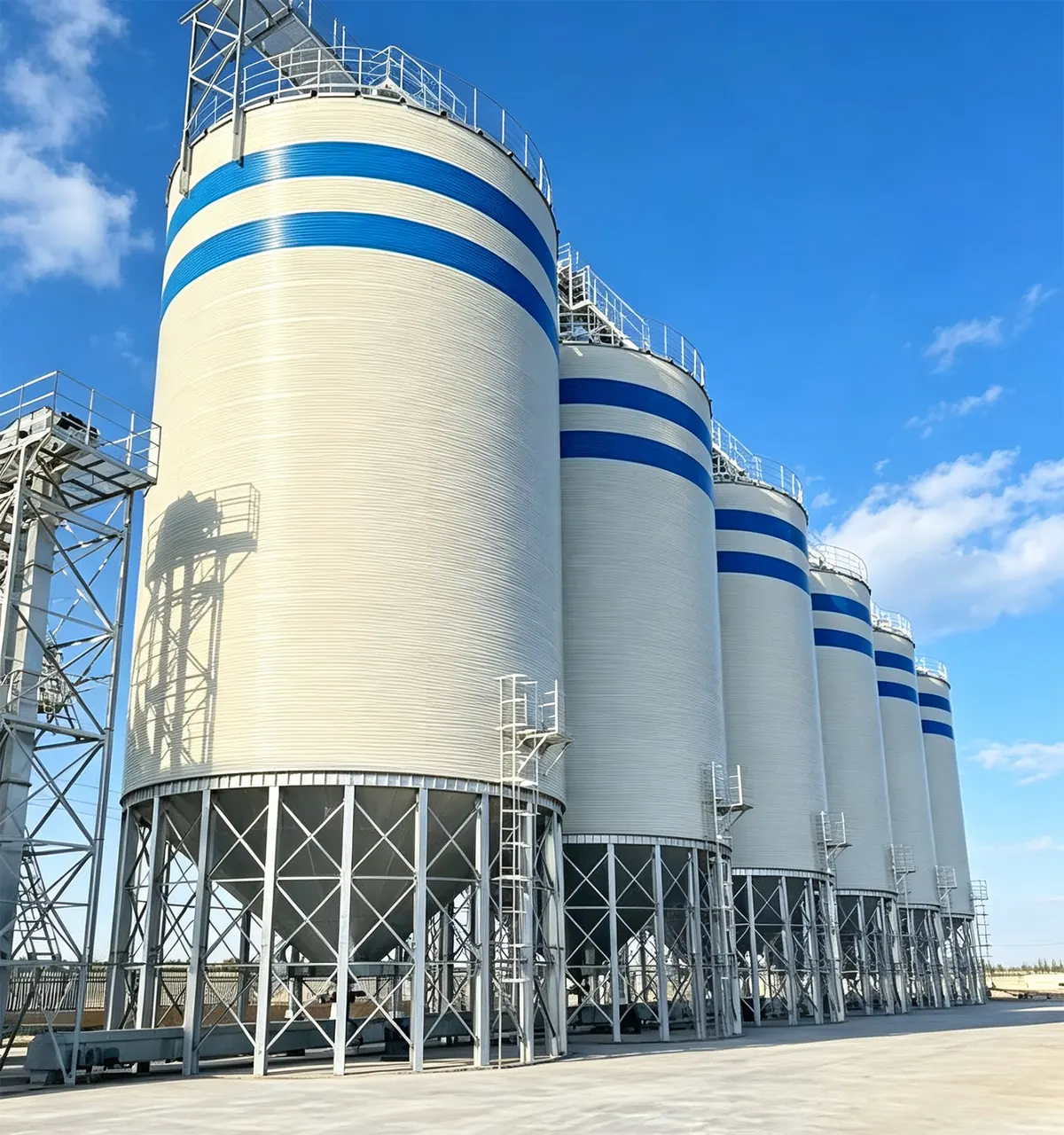
Wood Pellet Silo
Dust-controlled storage for biomass wood pellets
View Product →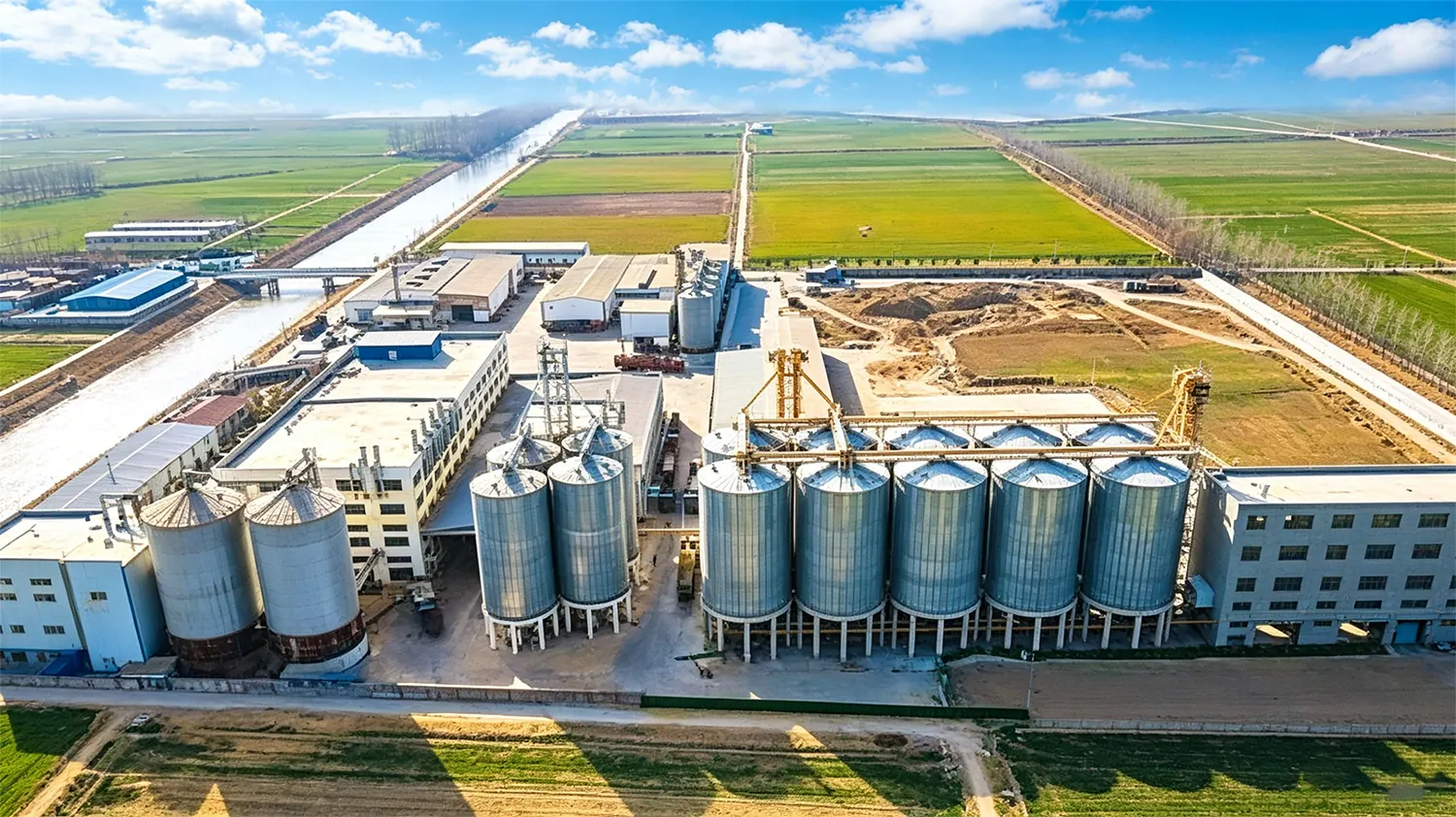
Commercial Silo
High-capacity storage for elevators, terminals and industrial users
View Product →
Feed Silo
Hygienic pellet & mash feed storage for feed mills and farms
View Product →Related Case Studies
6×5000Ton Grain Storage for Grain Traders — Nigeria
Nigeria · Commercial Grain Depot
Read Case Study →
5×2000T Grain Silos Project — Philippines
Philippines · Agricultural Processing & Feed Production
Read Case Study →
4×2500T High-Capacity Maize Grain Handling & Storage Facility — Rwanda
Eastern Province, Rwanda · Commercial Grain Elevator & Feed Mill
Read Case Study →Related Knowledge Articles
Mastering Grain Bin Capacity Calculation: Precision Storage Formulas
Mastering Grain Bin Capacity Calculation: Precision Storage Formulas Mastering Grain Bin Capacity Calculation: Precision Storage Formulas Accurate grain bin...
Read Article →Foundation Design for Grain Bins: A Complete Engineering Guide
Foundation Design for Grain Bins: A Complete Engineering Guide When evaluating grain storage bins for sale, the structural integrity of the foundation is the most critical factor in ensuring long-term...
Read Article →Solutions for Agricultural Cooperative
Let us help you design the right storage system for your operation.
Get a Quote Try the CalculatorOther Industries
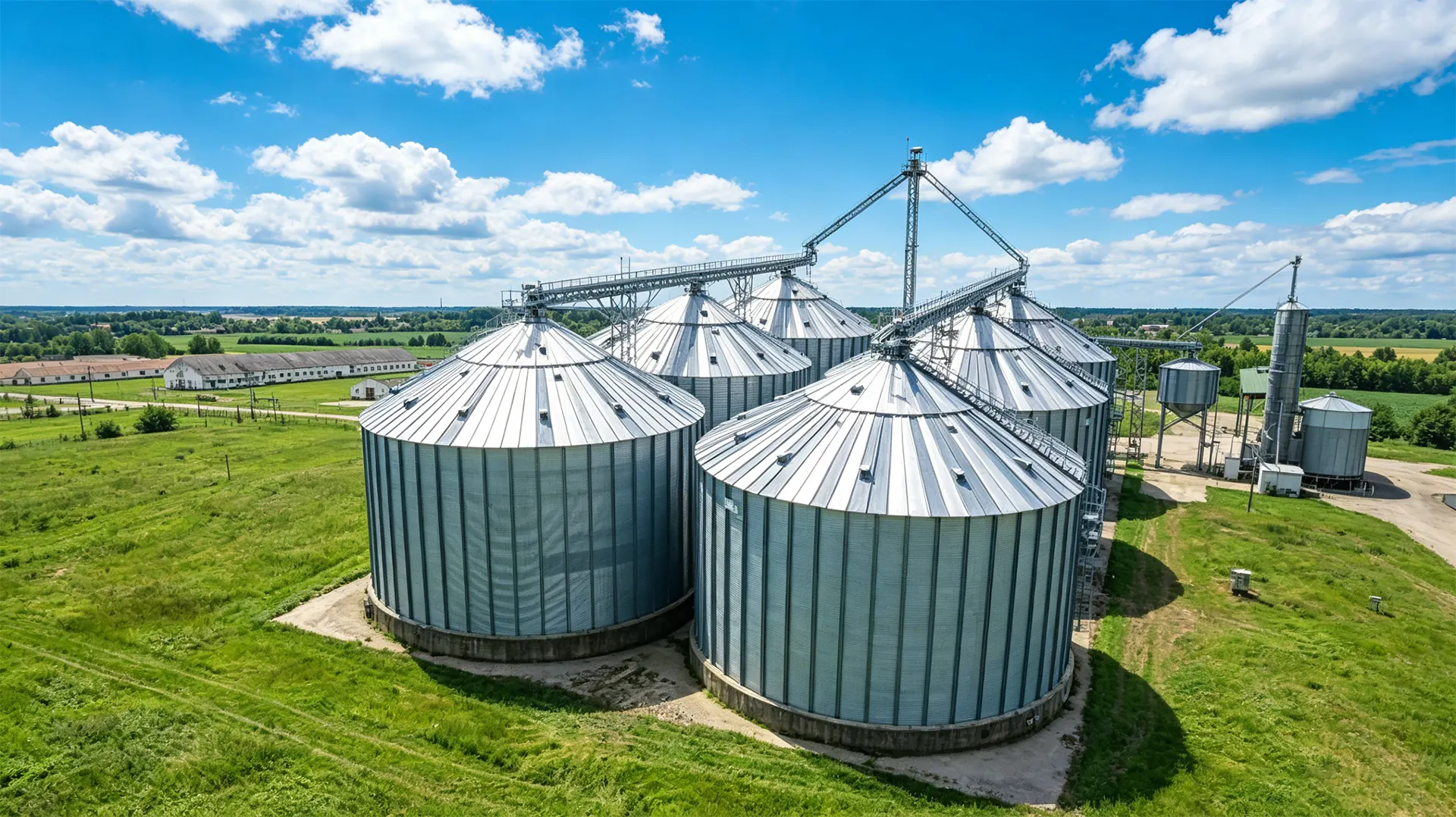
On-Farm Storage
Practical, cost-effective storage for growers
View Industry →
Commercial Grain Elevator
High-throughput storage for elevators and marketers
View Industry →
Export Terminal
Large-scale storage for bulk export markets
View Industry →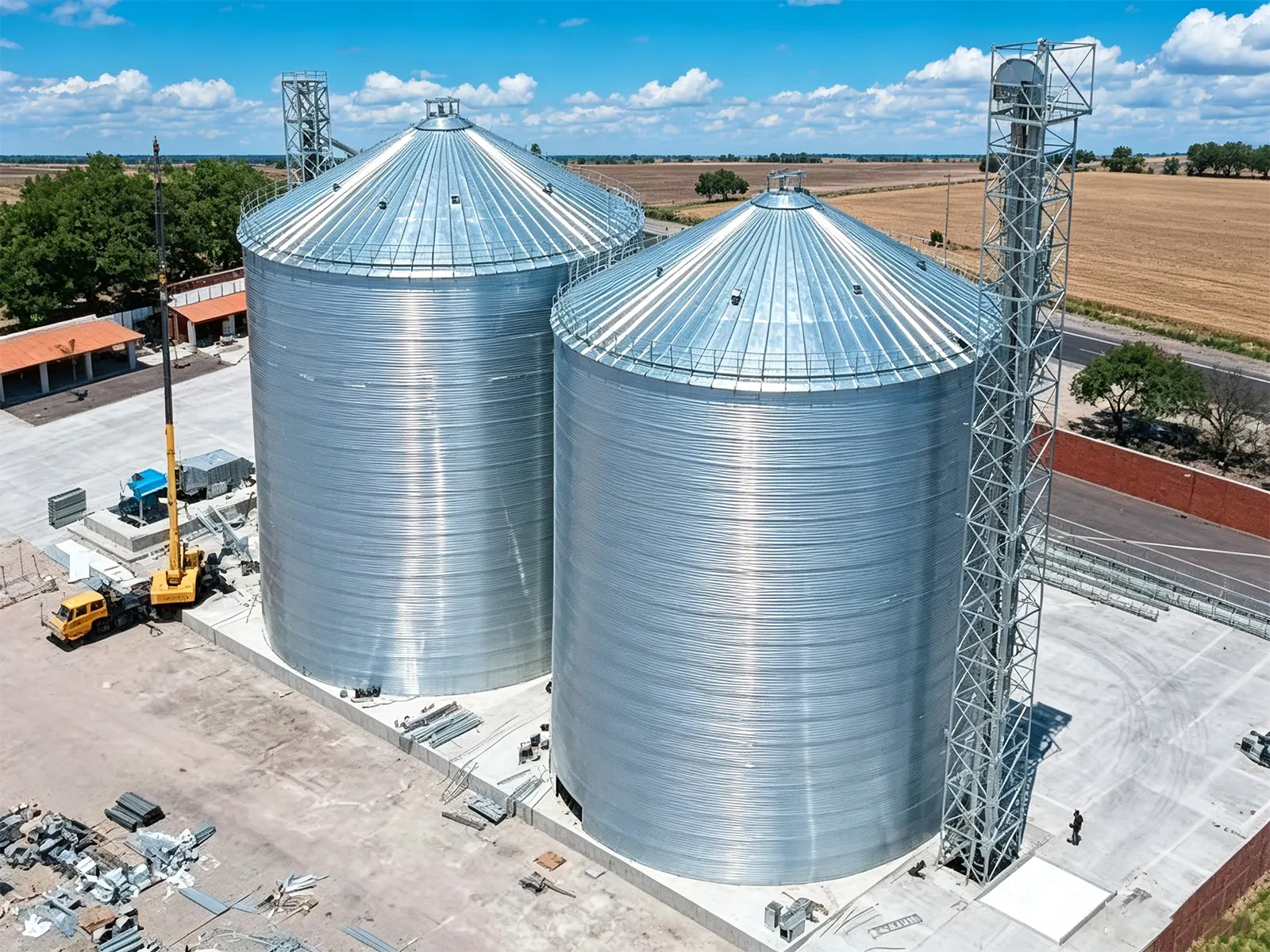
Food & Feed Processing
Clean, controlled storage for processors
View Industry →
Seed Storage
Precision storage that protects seed viability
View Industry →