
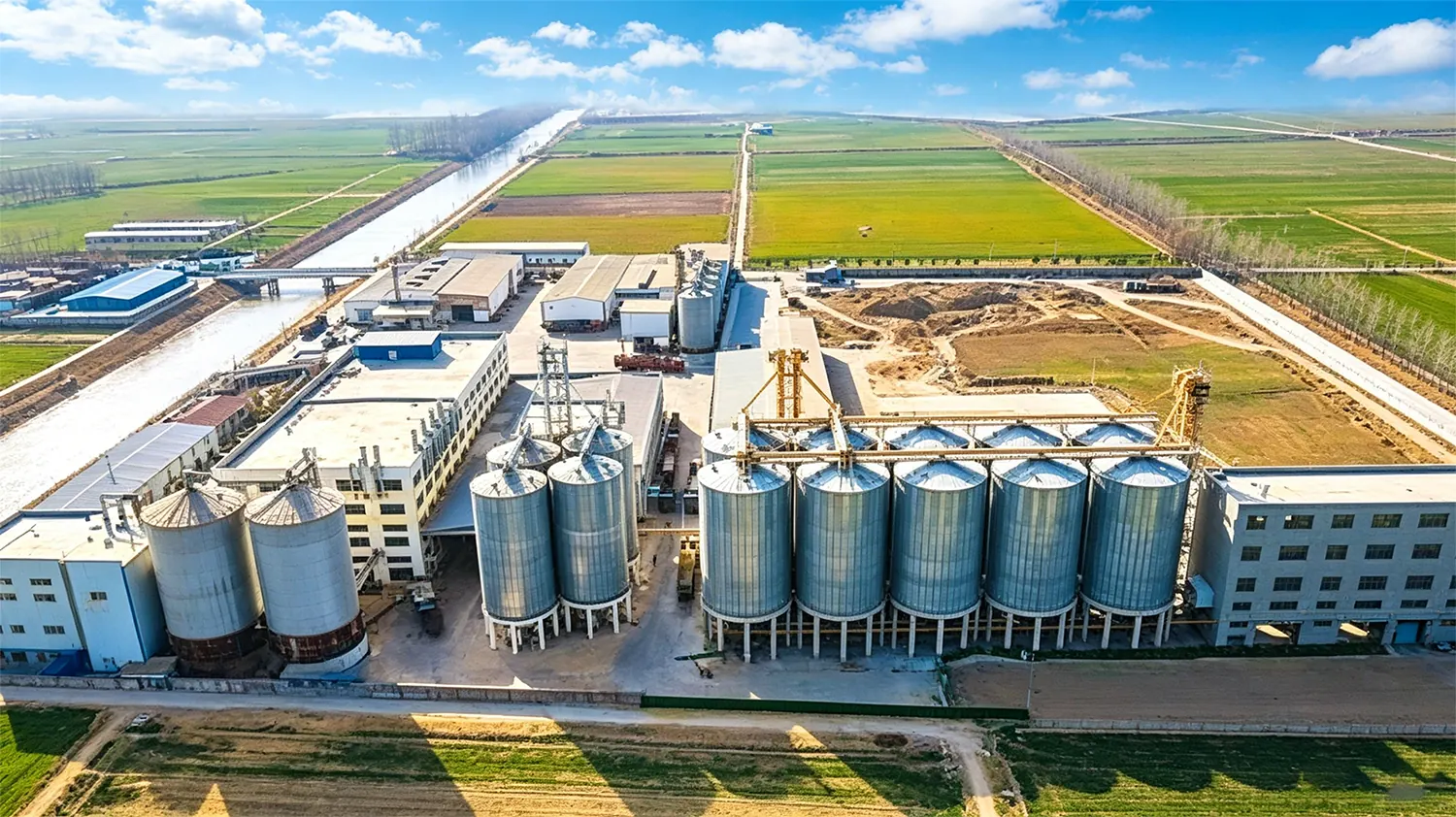
Industry Overview
Why Operators Choose ManXing
Engineered Throughput
Capacity matched to your daily intake and dispatch volume.
Grain Quality Protection
Aeration, monitoring and drying preserve moisture and grade.
Turnkey Delivery
Design, manufacture, ship, install and commission — one partner.
Global References
Proven across tropical, arid and cold-climate operations.
Detailed Application Notes
Export Terminal Grain Storage & Handling: Engineering for Global Trade
Export terminals represent the pinnacle of grain logistics infrastructure, serving as the critical nexus between domestic agricultural production and international commodity markets. These facilities must process, store, and load thousands of tonnes of grain daily while maintaining strict quality standards demanded by global buyers. With over 20 years of specialized experience in large-scale grain storage and handling systems, Manxing has developed comprehensive solutions engineered specifically for the unique demands of export terminal operations worldwide.
Industry Overview: The Scale of Export Terminal Operations
Modern export terminals operate at a scale that dwarfs typical commercial grain elevators. A single export terminal facility commonly handles between 50,000 and 200,000 tonnes of grain storage capacity, with daily throughput requirements ranging from 5,000 to 30,000 tonnes during peak shipping windows. These facilities must accommodate multiple grain types — including wheat, corn, soybeans, barley, and sorghum — often simultaneously, each with distinct storage requirements and quality parameters.
The operational rhythm of an export terminal is dictated by vessel scheduling, rail and truck delivery cycles, and harvest season surges. During peak harvest periods, intake rates can spike to 3,000–5,000 tonnes per hour as producers rush to deliver grain before quality deteriorates in field storage. The terminal must absorb these surges without bottlenecks, then sustain consistent loading rates of 2,000–4,000 tonnes per hour onto waiting vessels. Any disruption in this flow creates demurrage costs that can exceed $30,000–$80,000 per day for a single Panamax vessel.
Specific Challenges Facing Export Terminal Operators
Throughput and Receiving Efficiency
Export terminals face intense pressure during harvest windows when truck and rail deliveries arrive in concentrated waves. Truck dump pits must process 50–100 vehicles per hour, while rail receiving systems handle unit trains of 80–110 cars within tight 12–24 hour unloading windows. Any bottleneck at the receiving point cascades through the entire facility, creating truck queues that extend for kilometers and rail demurrage charges that erode margins rapidly.
Quality Preservation at Scale
Maintaining grain quality across storage volumes of 10,000–50,000 tonnes per bin presents significant engineering challenges. Temperature differentials within large flat-bottom bins can create convection currents that migrate moisture from hot spots to cooler zones, promoting mold growth and spoilage. For wheat stored at 12.5% moisture content, the safe storage window at 20°C is approximately 90 days — but at 30°C, that window shrinks to just 30 days. Export terminals must maintain grain temperatures below 15°C in tropical and subtropical environments to ensure quality preservation over the 60–120 day storage cycles typical of export operations.
Regulatory and Quality Compliance
International grain trade is governed by strict phytosanitary and quality standards. Export terminals must demonstrate traceability from intake through loading, maintain records of temperature monitoring, fumigation treatments, and quality testing. Many importing countries require grain temperatures not exceeding 25°C at the point of loading, moisture content within ±0.5% of contract specifications, and foreign matter content below 0.5–1.0% depending on grain type. Failure to meet these standards results in vessel rejection, costly re-handling, and reputational damage in competitive export markets.
Dust Management and Environmental Compliance
High-speed grain handling generates significant dust emissions that must meet increasingly stringent environmental regulations. Transfer points, conveyor loading zones, and ship loader discharge points require engineered dust collection systems capable of maintaining particulate emissions below 50 mg/m³. In port environments, dust control is not merely an environmental obligation — it is a community relations imperative, as neighboring residential and commercial areas demand zero visible dust plumes from terminal operations.
Manxing Solutions for Export Terminal Operations
Very Large Flat-Bottom Storage Bins
Manxing engineers and manufactures very large flat-bottom storage bins specifically designed for export terminal applications. Our bins are available in diameters ranging from 18 meters to 45 meters, with single-bin capacities from 3,000 tonnes to over 25,000 tonnes of wheat equivalent. These structures are designed to international building codes including AISC, Eurocode, and Australian Standards, with wind load ratings appropriate for coastal and cyclone-prone regions where many export terminals are located.
Our flat-bottom bins feature high-strength bolted construction using pre-galvanized steel sheets with minimum yield strength of 350 MPa. The bin floors incorporate aeration plenum systems designed for uniform air distribution across the entire grain mass, with air flow rates of 0.05–0.15 m³/min per tonne for aeration and 0.20–0.40 m³/min per tonne for cooling drying applications. This engineered aeration infrastructure ensures that grain temperatures can be maintained within 2–3°C of ambient air temperature, dramatically extending safe storage life.
High-Capacity Belt Conveyor Systems
Manxing designs and supplies belt conveyor systems engineered for the extreme throughput demands of export terminals. Our belt conveyors are available in widths from 800 mm to 2,000 mm, with capacities ranging from 500 to 5,000 tonnes per hour depending on belt speed and material characteristics. For export terminal applications, we recommend belt speeds of 3.5–5.0 m/s to achieve the high throughput rates required for vessel loading operations.
Our conveyor systems incorporate heavy-duty idlers with L10 bearing lives exceeding 60,000 hours, vulcanized belt splices rated to 100% of belt tensile strength, and automated belt tracking systems that maintain alignment under varying load conditions. Drive systems utilize variable frequency drives (VFDs) that allow soft-start capability and speed modulation, reducing mechanical stress during startup and enabling precise flow rate control during loading operations.
High-Speed Bucket Elevators
For vertical grain transport within export terminal facilities, Manxing supplies high-capacity bucket elevators designed for continuous 24/7 operation. Our centrifugal discharge elevators achieve capacities of 500–3,000 tonnes per hour with bucket speeds optimized for each grain type — typically 2.5–3.5 m/s for wheat and 2.0–2.8 m/s for soybeans to minimize mechanical damage. The elevator boots are designed with direct-drive configurations that eliminate chain and sprocket maintenance, while the heads feature abrasion-resistant liners that extend service life in high-wear applications.
Critical safety features include belt slip detection, alignment monitoring, and automatic shutdown systems that protect against catastrophic failures. All Manxing bucket elevators are equipped with explosion venting systems designed to NFPA 68 standards, with vent areas calculated based on bin volume and grain dust Kst values.
Automated Control and Stock Management Systems
Manxing provides fully integrated automation systems that coordinate all material handling and storage functions within the export terminal. Our control platform manages truck and rail receiving sequences, routes grain to designated storage bins based on grain type and quality parameters, and orchestrates reclaim and loading operations to maximize vessel loading rates.
The stock management system maintains real-time inventory records by bin, grain type, and quality grade, with automated tracking of intake dates, temperature histories, and fumigation status. This data is essential for first-in-first-out inventory rotation and for generating the quality documentation required by export customers. The system interfaces with terminal operating systems (TOS) and enterprise resource planning (ERP) platforms through standard communication protocols including OPC UA and Modbus TCP.
Comprehensive Aeration and Temperature Monitoring
Manxing's aeration systems for export terminals are designed to maintain grain quality across the full range of climatic conditions encountered in major grain exporting regions. Our systems utilize high-volume, low-pressure axial fans that deliver 5,000–50,000 m³/hr per bin at static pressures
Recommended Storage Solutions
Corn Storage Solution
Complete storage systems for corn — from farm bins to export terminals
View Solution →Wheat Storage Solution
Protect protein & milling quality with low-moisture storage
View Solution →Equipment Used in Export Terminal
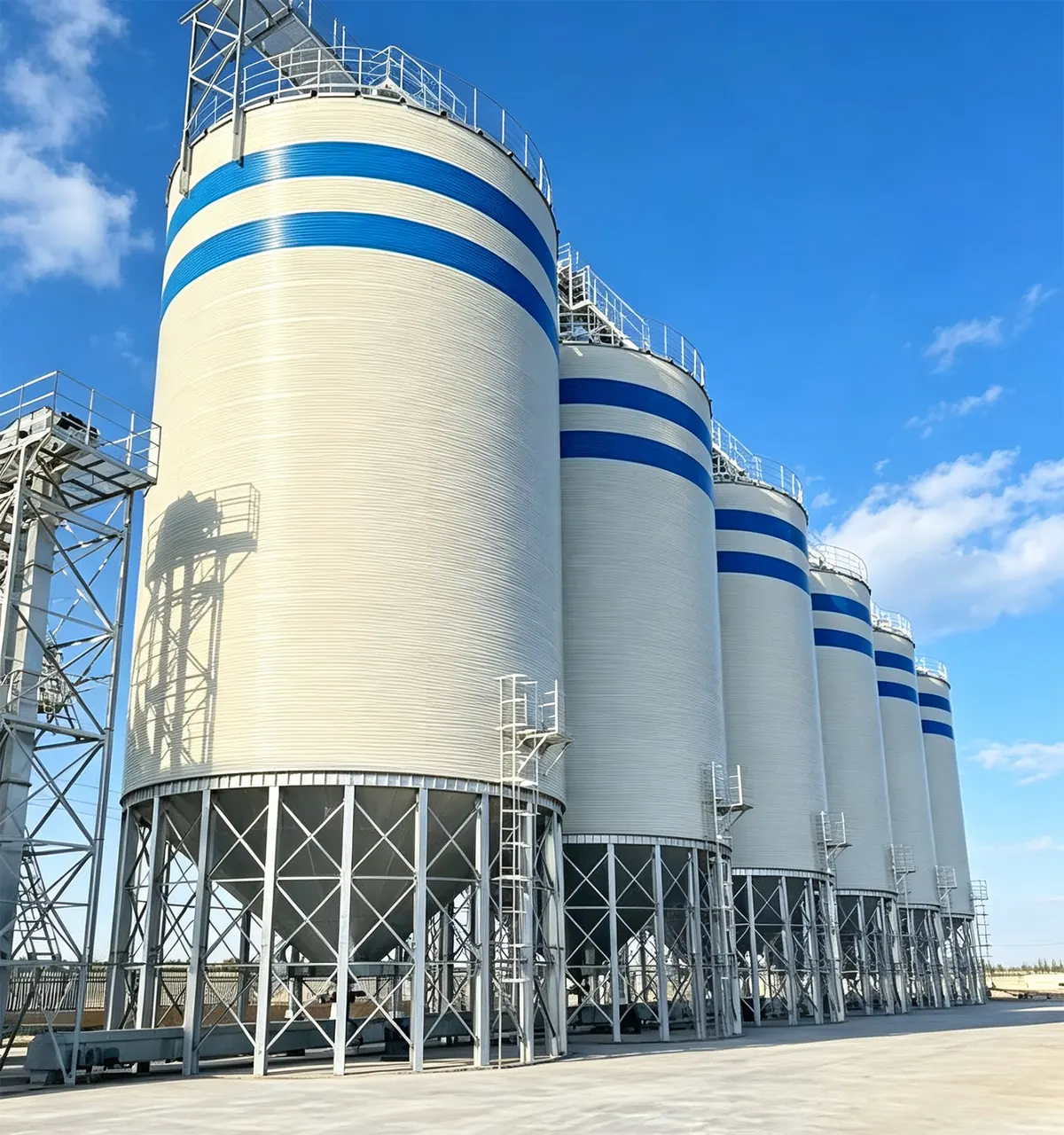
Wood Pellet Silo
Dust-controlled storage for biomass wood pellets
View Product →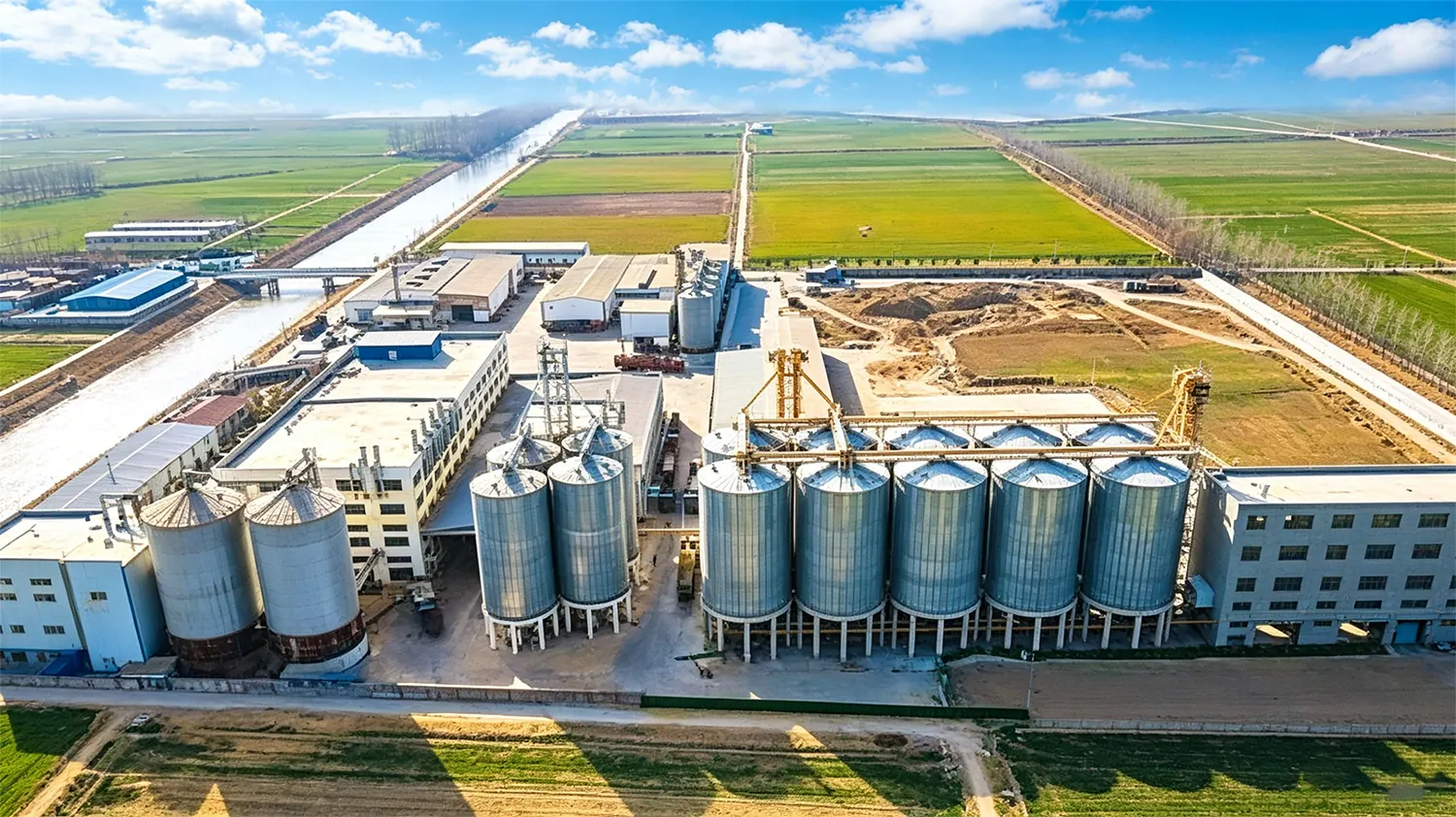
Commercial Silo
High-capacity storage for elevators, terminals and industrial users
View Product →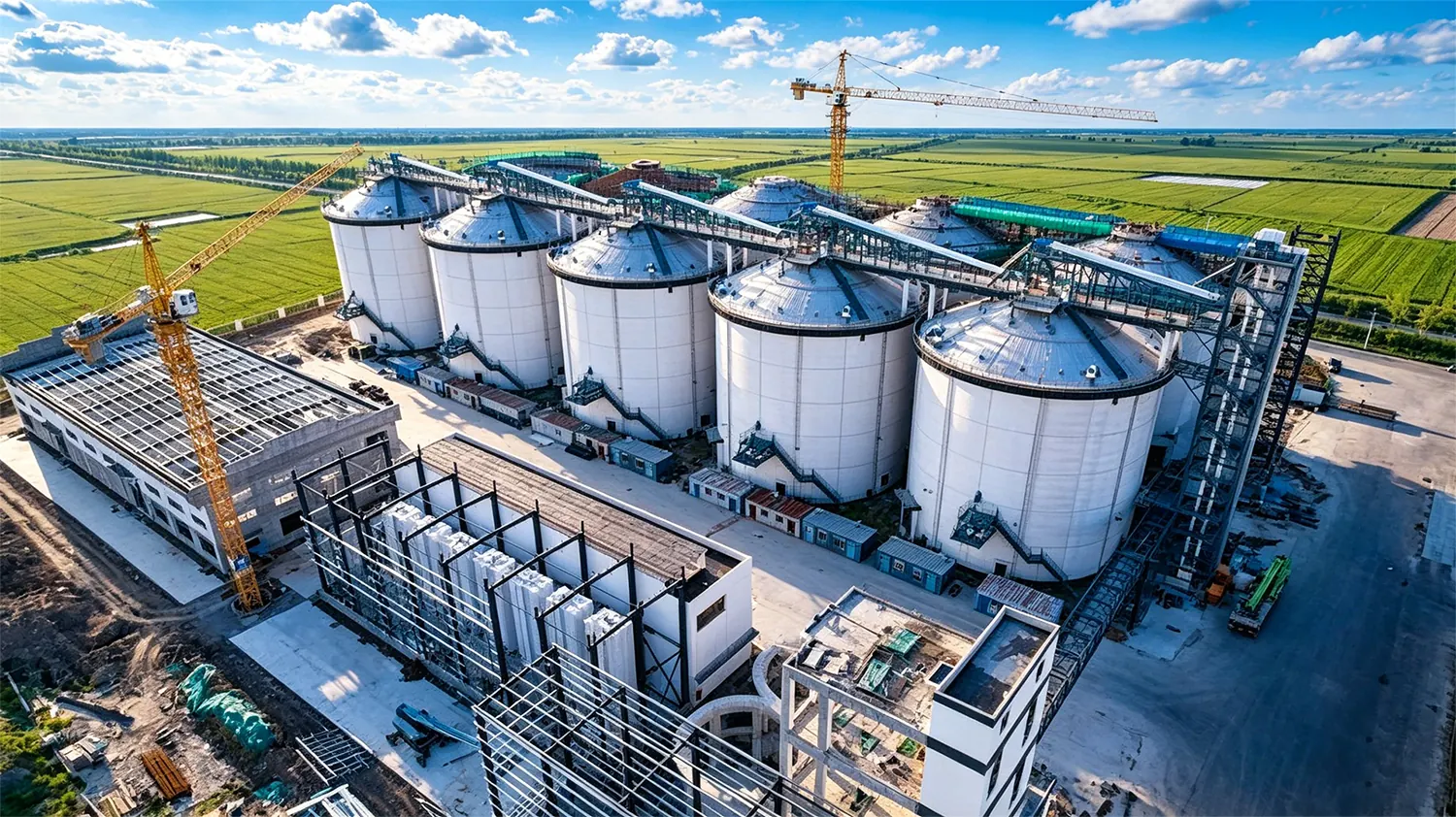
Feed Silo
Hygienic pellet & mash feed storage for feed mills and farms
View Product →Related Case Studies
6×5000Ton Grain Storage for Grain Traders — Nigeria
Nigeria · Commercial Grain Depot
Read Case Study →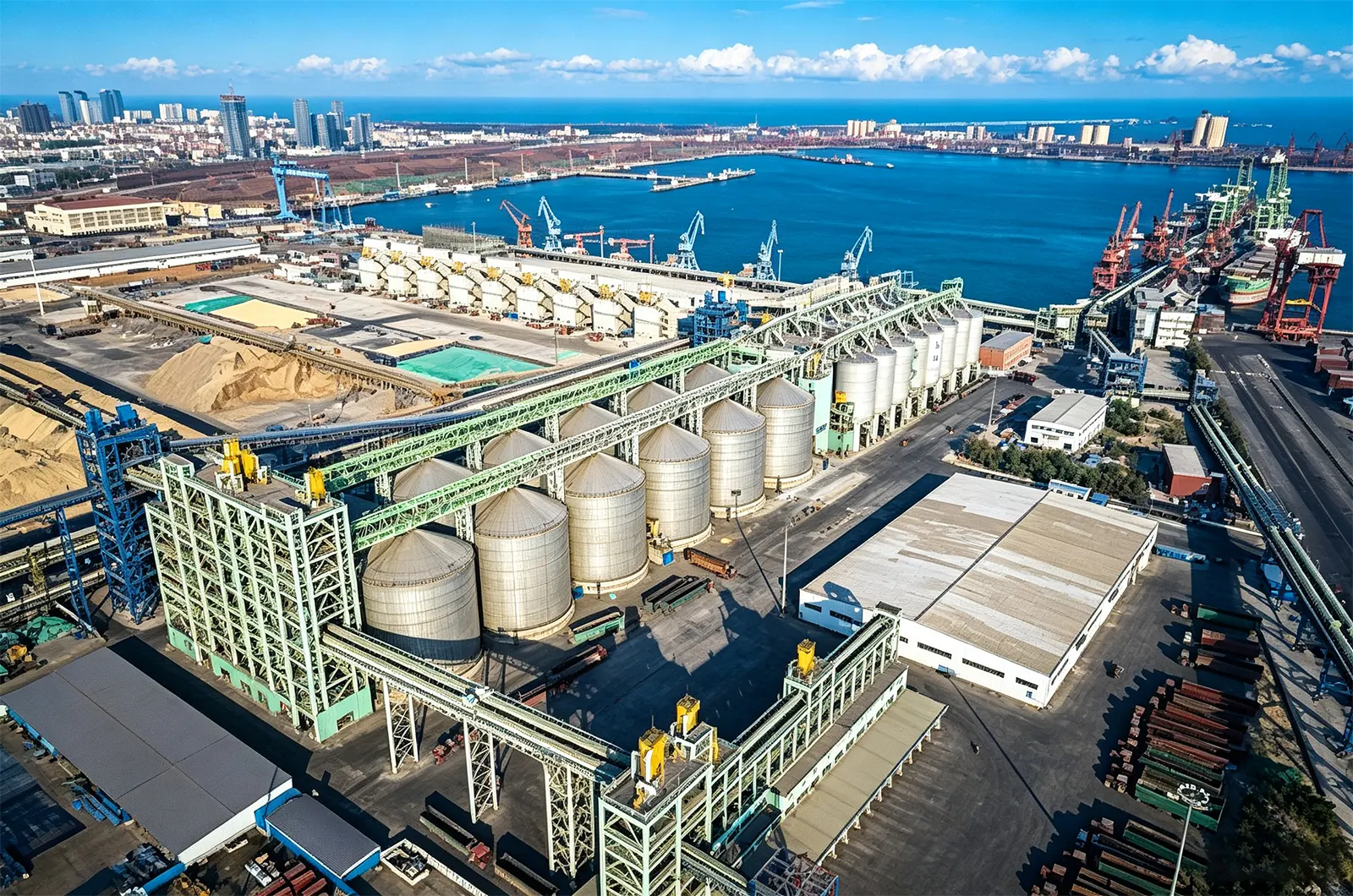
5×2000T Grain Silos Project — Philippines
Philippines · Agricultural Processing & Feed Production
Read Case Study →
4×2500T High-Capacity Maize Grain Handling & Storage Facility — Rwanda
Eastern Province, Rwanda · Commercial Grain Elevator & Feed Mill
Read Case Study →Related Knowledge Articles
Mastering Grain Bin Capacity Calculation: Precision Storage Formulas
Mastering Grain Bin Capacity Calculation: Precision Storage Formulas Mastering Grain Bin Capacity Calculation: Precision Storage Formulas Accurate grain bin...
Read Article →Foundation Design for Grain Bins: A Complete Engineering Guide
Foundation Design for Grain Bins: A Complete Engineering Guide When evaluating grain storage bins for sale, the structural integrity of the foundation is the most critical factor in ensuring long-term...
Read Article →Solutions for Export Terminal
Let us help you design the right storage system for your operation.
Get a Quote Try the CalculatorOther Industries
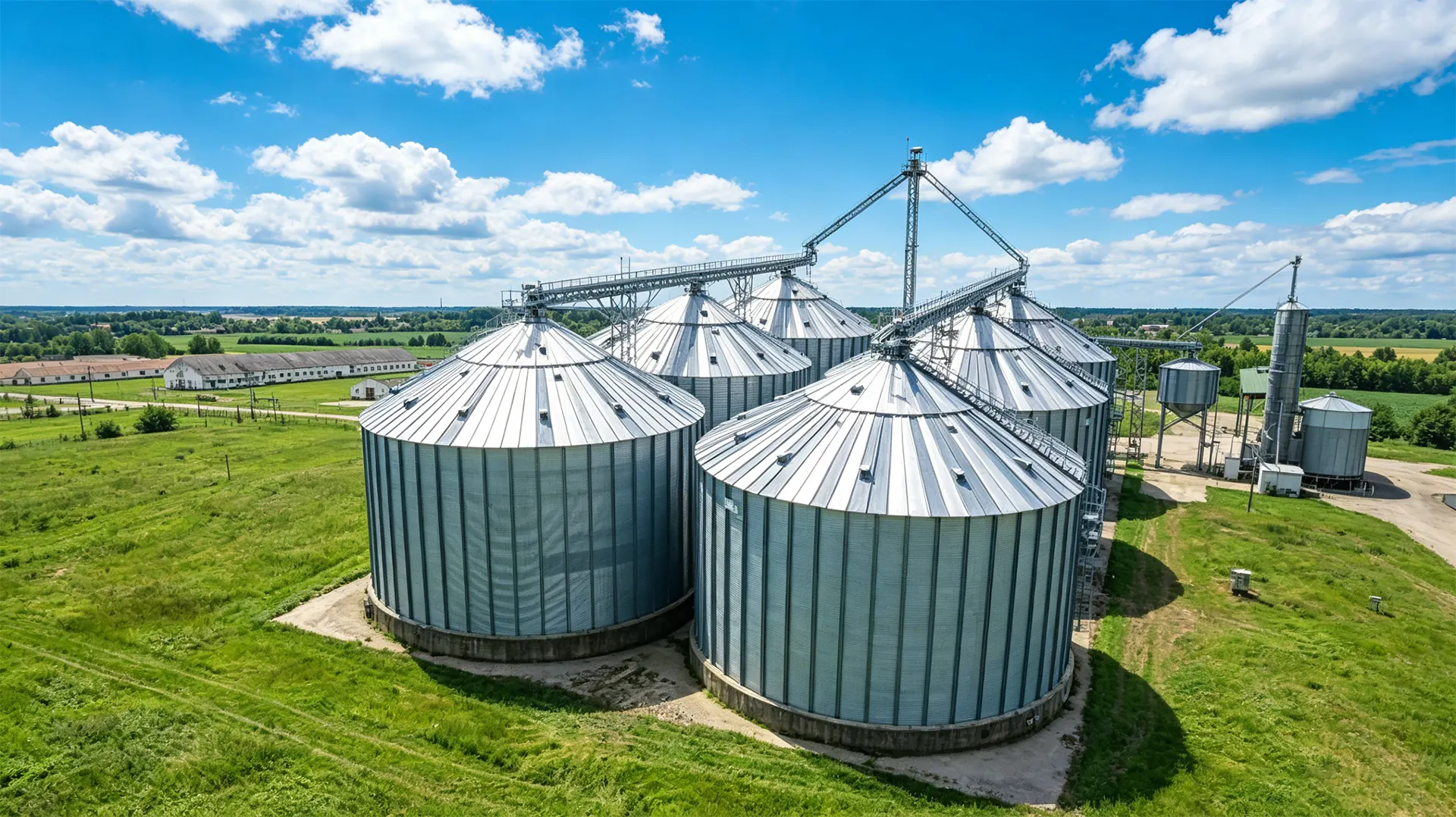
On-Farm Storage
Practical, cost-effective storage for growers
View Industry →
Commercial Grain Elevator
High-throughput storage for elevators and marketers
View Industry →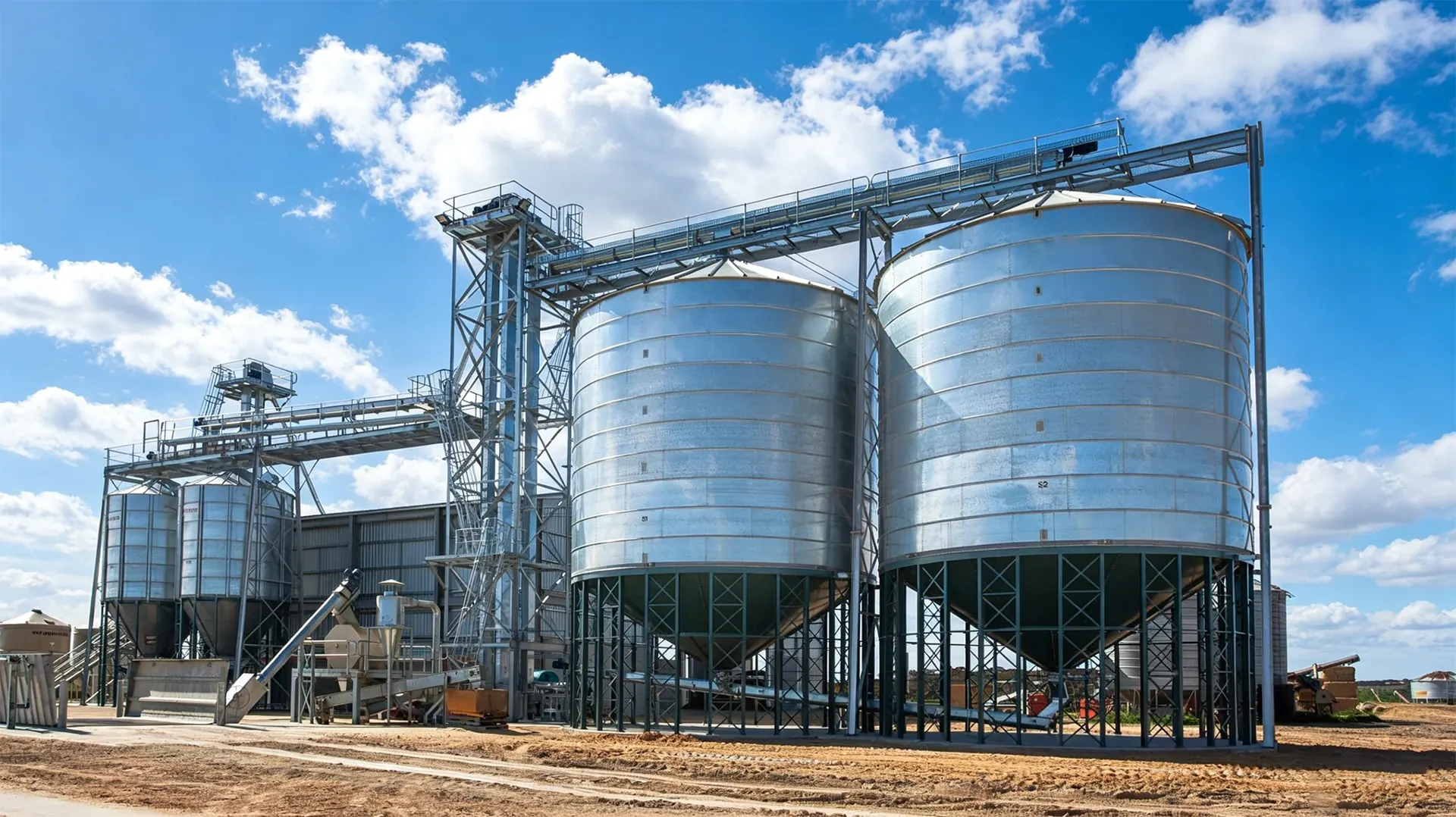
Agricultural Cooperative
Shared storage that serves many members
View Industry →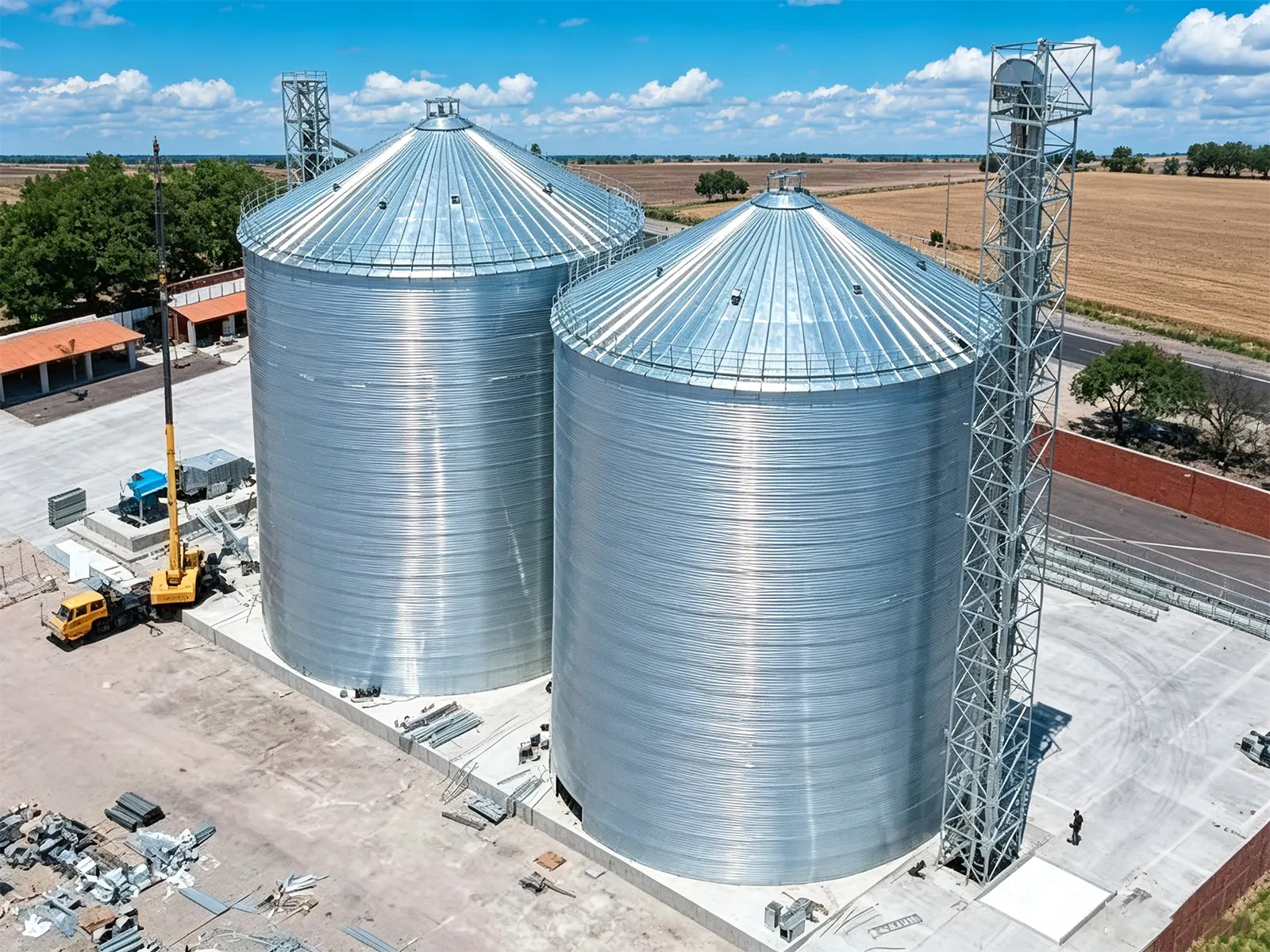
Food & Feed Processing
Clean, controlled storage for processors
View Industry →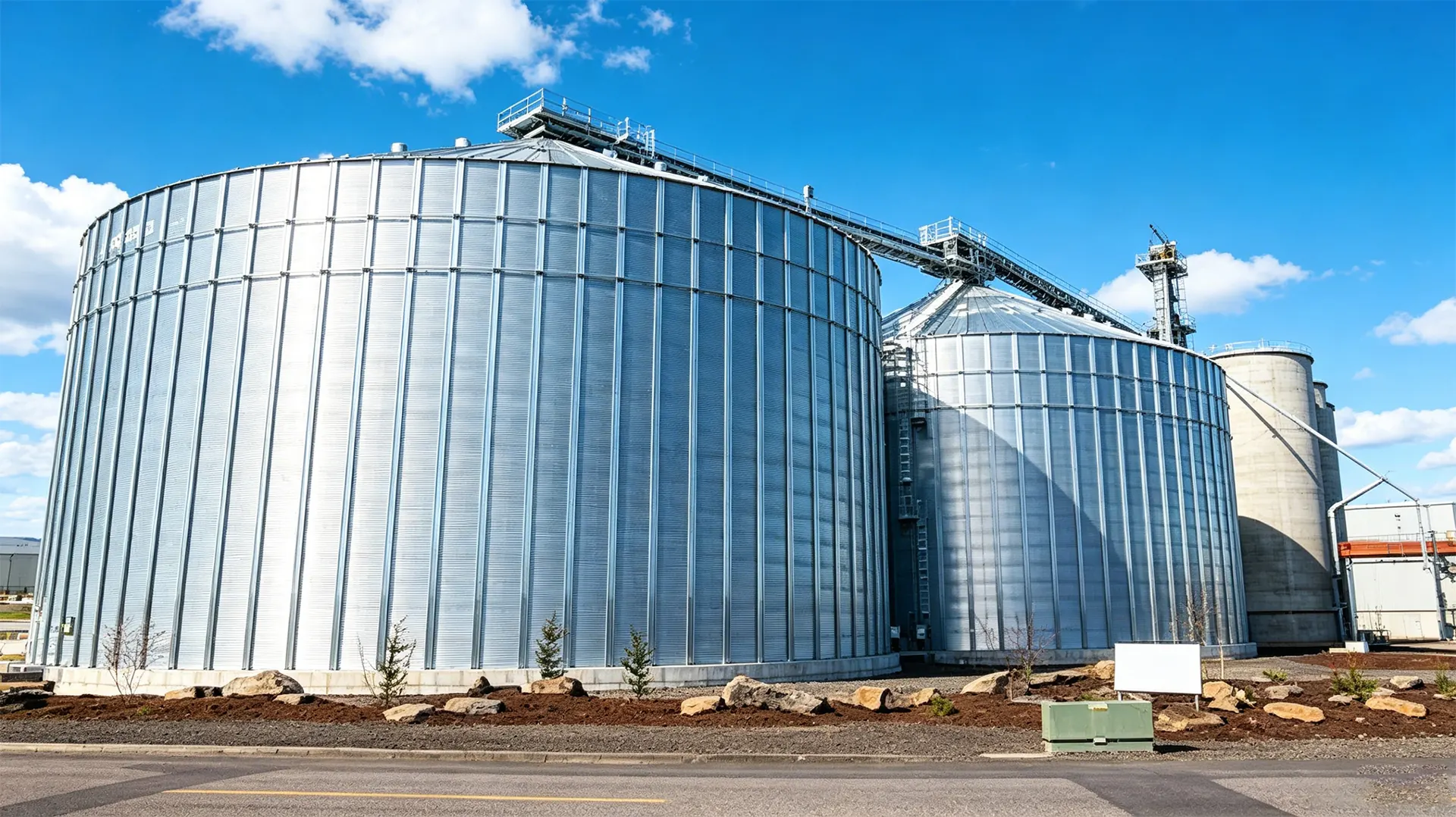
Seed Storage
Precision storage that protects seed viability
View Industry →