
Wheat Storage Solution
Protect protein & milling quality with low-moisture storage
Engineered Wheat Storage Solutions for Premium Grain Preservation
Manxing wheat storage systems are purpose-built to safeguard the protein content, milling quality, and germination viability of stored wheat from the moment of intake through to dispatch. With over two decades of specialized experience in grain storage engineering, Manxing delivers fully integrated solutions that address the unique biological and physical characteristics of wheat — a grain that is particularly sensitive to moisture migration, temperature fluctuations, insect infestation, and fungal contamination. Our systems are designed to maintain wheat at optimal storage conditions of 12.5% moisture content or below and temperatures under 15°C, ensuring that protein integrity and flour yield are preserved throughout the storage period.
Wheat presents distinct challenges compared to other cereal grains. Its relatively high protein content (typically 10–14% depending on variety and growing conditions) makes it more susceptible to quality degradation when exposed to elevated temperatures and humidity. The endosperm structure, which millers rely upon for consistent flour extraction rates, can be compromised by repeated moisture cycling or thermal stress. Manxing's wheat storage solutions are engineered specifically to mitigate these risks through precision aeration, intelligent temperature monitoring, sealed silo construction, and controlled atmosphere capabilities that collectively create a stable, protective environment for long-term wheat preservation.
Our solutions serve a diverse range of clients across the wheat value chain, including commercial grain elevators, flour milling operations, seed companies, agricultural cooperatives, government strategic reserve programs, and large-scale farming enterprises. Whether you require a 500-tonne on-farm storage system or a 50,000-tonne commercial terminal, Manxing provides scalable configurations that can be tailored to your specific throughput requirements, climate conditions, and quality management objectives. Every system is designed with modularity in mind, allowing for future expansion without disrupting existing operations.
What distinguishes Manxing as the preferred partner for wheat storage is our holistic approach to system design. We do not simply supply silos — we engineer complete storage ecosystems that integrate pre-cleaning, drying, temperature-controlled storage, aeration, fumigation, and discharge systems into a unified, operationally efficient whole. Our in-house engineering team conducts detailed site-specific analyses including climate data modeling, grain flow simulation, and structural load calculations to ensure that every installation delivers optimal performance. With manufacturing facilities equipped to produce bolted and welded steel silos, temperature monitoring systems, and material handling equipment to exacting international standards, Manxing provides end-to-end accountability from design through commissioning and after-sales support.
Key Features
Precision Aeration Control
Sealed Silo Construction
Multi-Point Temperature Monitoring
Integrated Pre-Cleaning and Drying
Modular Scalability
Corrosion-Resistant Materials
Automated Inventory Management
Recommended Equipment
Bolted Steel Silos (500–10,000 tonnes)
Digital Temperature Monitoring Cables
Centrifugal Aeration Fans
Vibrating Screen Pre-Cleaners
Cross-Flow Grain Dryers
Bucket Elevators and Conveyor Systems
Controlled Atmosphere Sealing Systems
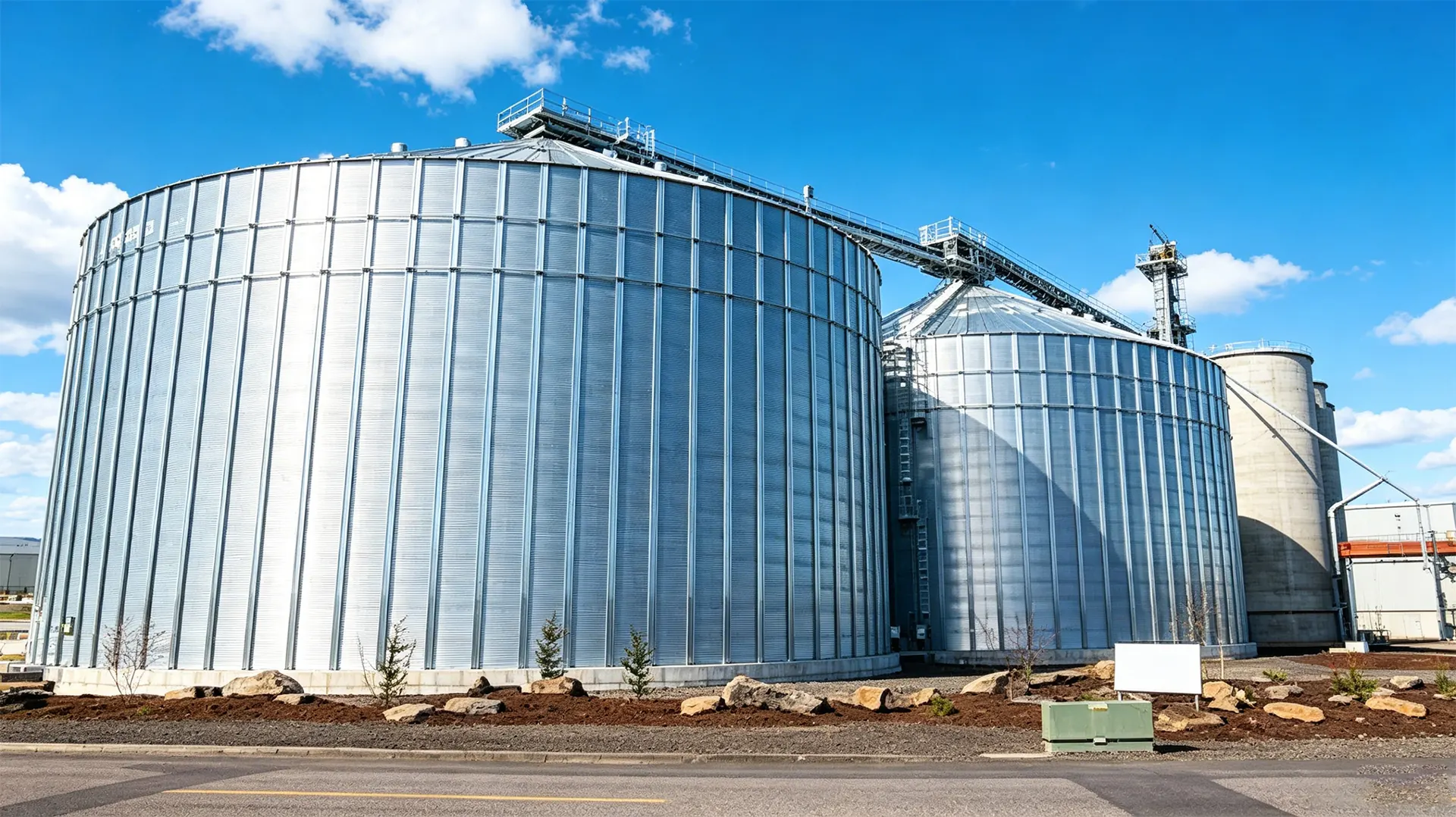
Typical system flow diagram — Wheat Storage Solution
System Configurations
Small Farm Configuration (500–2,000 tonnes)
Medium Commercial Configuration (2,000–10,000 tonnes)
Large Terminal Configuration (10,000–30,000 tonnes)
Seed Wheat Configuration (500–5,000 tonnes)
Flour Mill Intake Configuration (3,000–15,000 tonnes)
Government Strategic Reserve Configuration (20,000–50,000 tonnes)
Use the Selection Tool to find your fit →
Industries Using This Solution
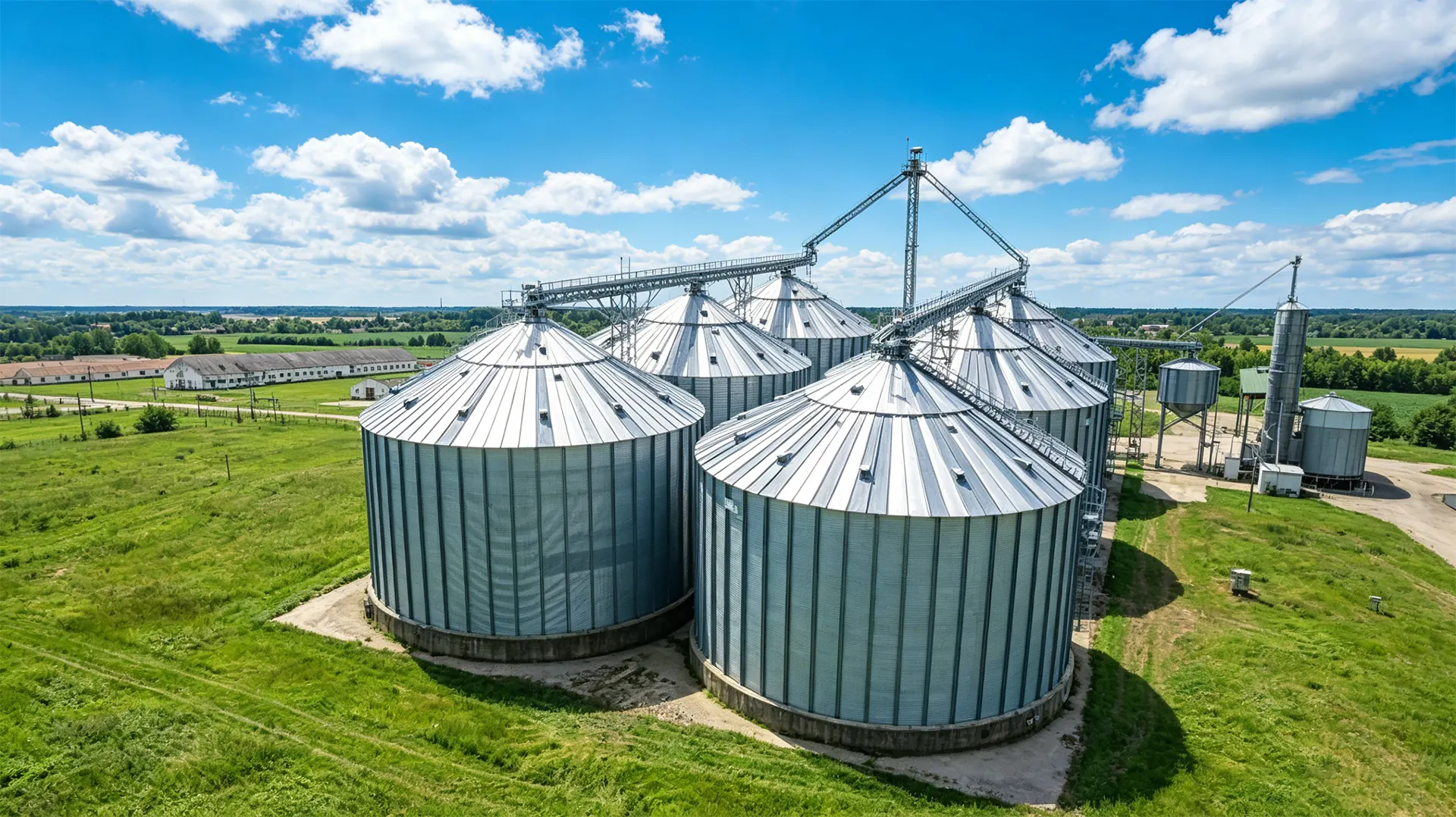
On-Farm Storage
Practical, cost-effective storage for growers
View Industry →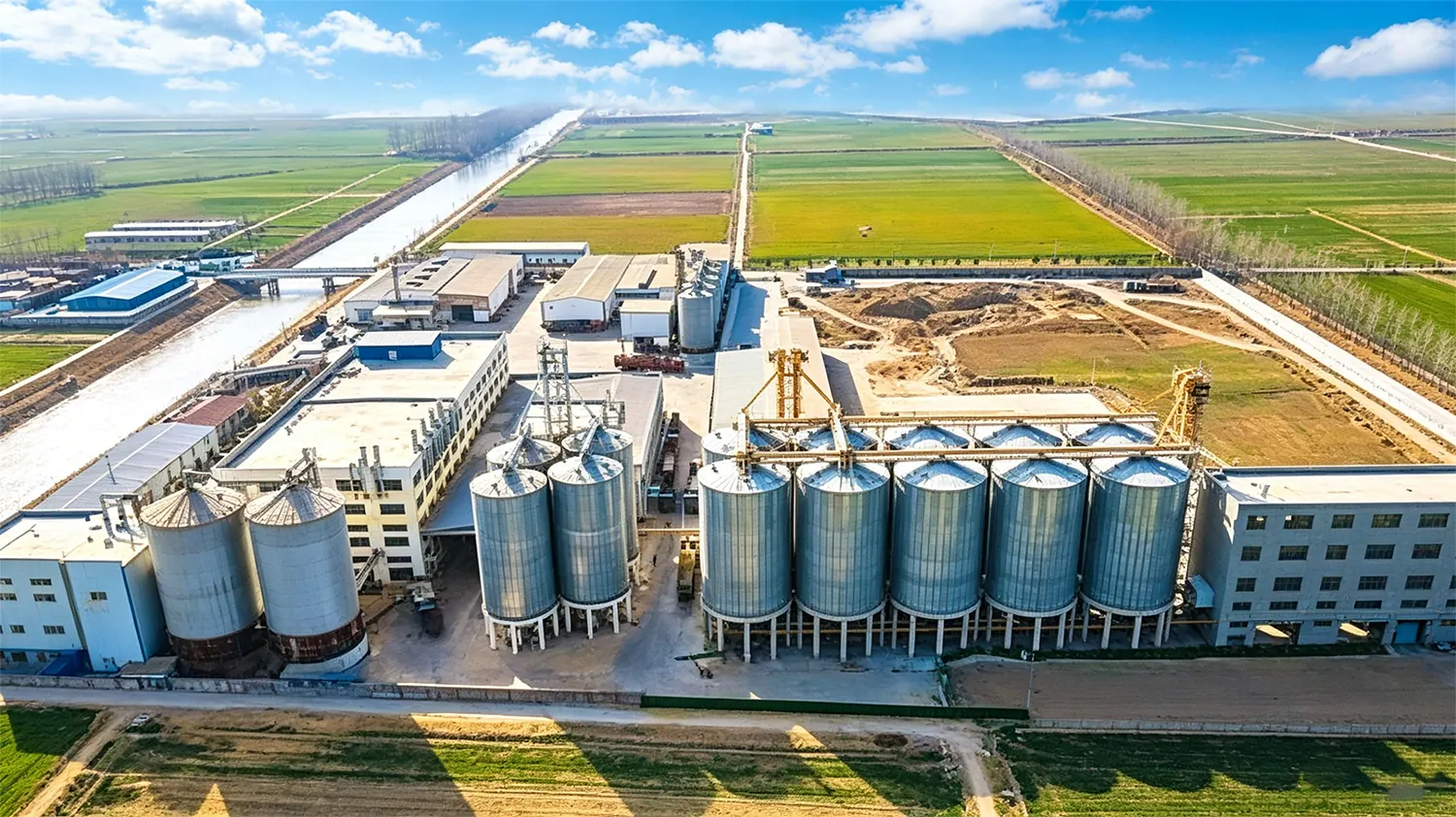
Commercial Grain Elevator
High-throughput storage for elevators and marketers
View Industry →Related Guides

Mastering Grain Bin Capacity Calculation: Precision Storage Formulas
Mastering Grain Bin Capacity Calculation: Precision Storage Formulas Mastering Grain Bin Capacity Calculation: Precision Storage Formulas Accurate grain bin...
Read Guide →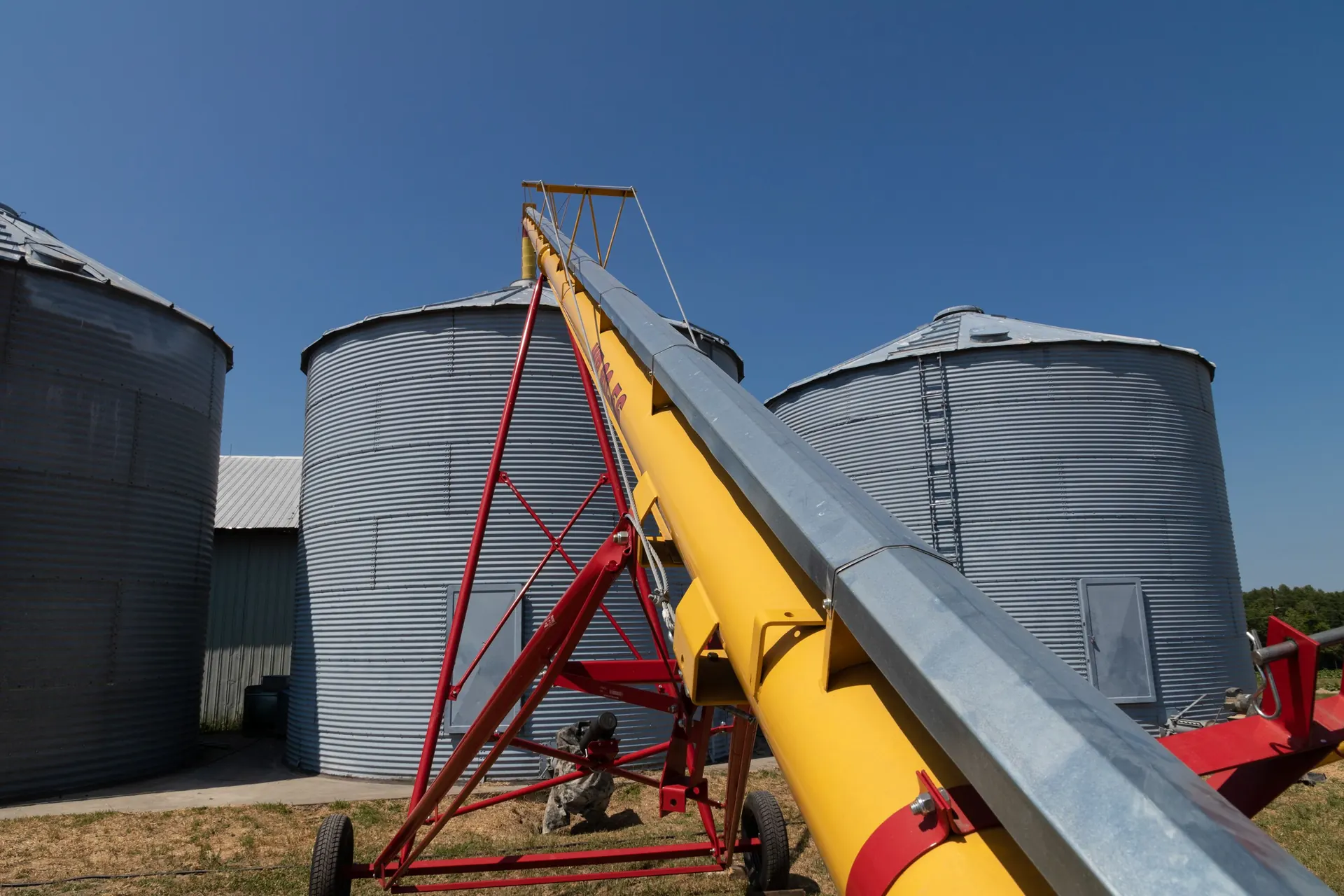
Foundation Design for Grain Bins: A Complete Engineering Guide
Foundation Design for Grain Bins: A Complete Engineering Guide When evaluating grain storage bins for sale, the structural integrity of the foundation is the most critical factor in ensuring long-term...
Read Guide →Wheat Projects

6×5000Ton Grain Storage for Grain Traders — Nigeria
Nigeria · Commercial Grain Depot
Read Case Study →
5×2000T Grain Silos Project — Philippines
Philippines · Agricultural Processing & Feed Production
Read Case Study →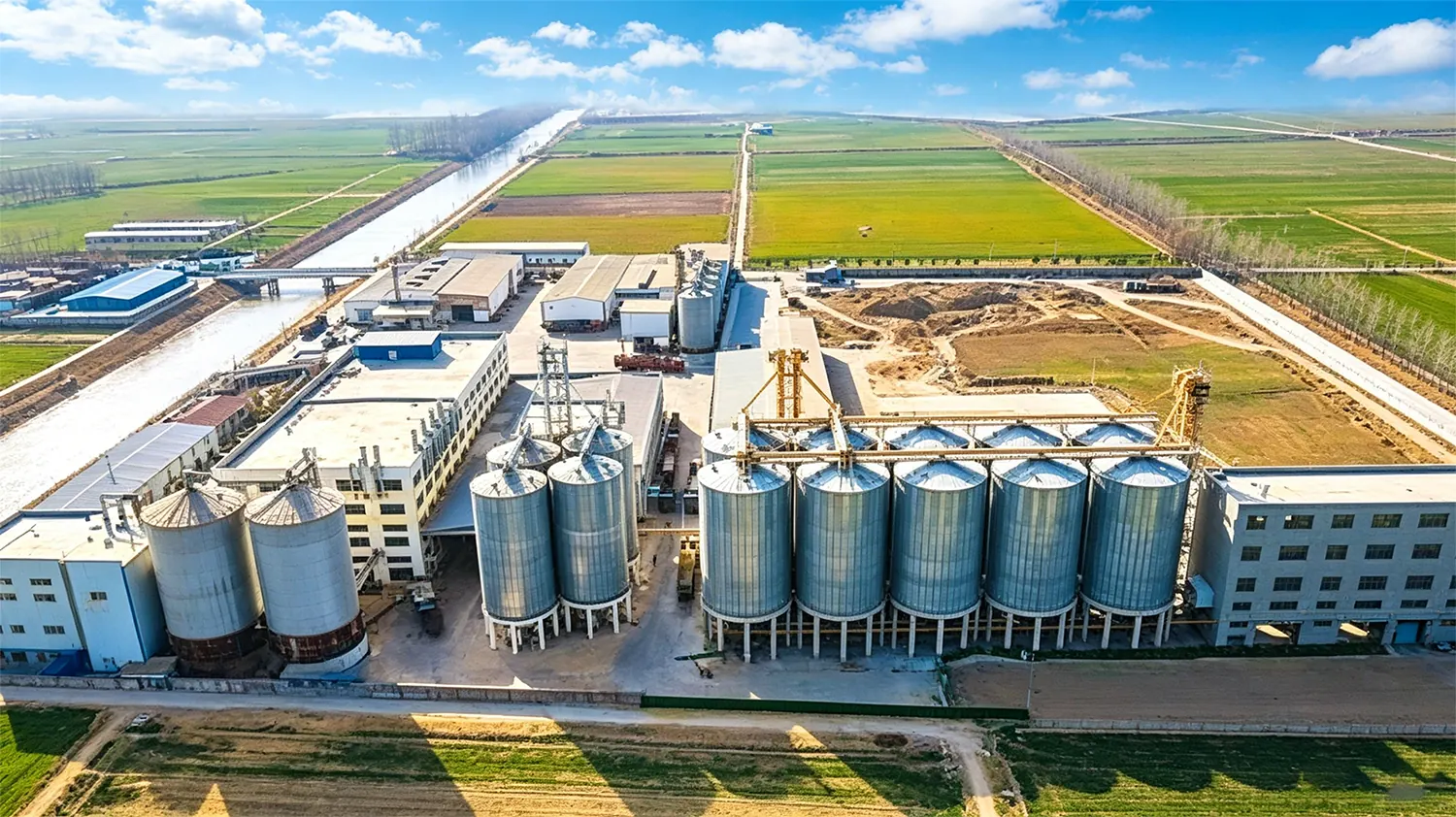
4×2500T High-Capacity Maize Grain Handling & Storage Facility — Rwanda
Eastern Province, Rwanda · Commercial Grain Elevator & Feed Mill
Read Case Study →Frequently Asked Questions
What is the maximum safe moisture content for long-term wheat storage in Manxing silos?
How does Manxing's aeration system prevent moisture migration in stored wheat?
Can Manxing silos be used for phosphine fumigation of stored wheat?
What is the typical energy consumption for aerating a 5,000-tonne wheat silo?
How quickly can a Manxing wheat storage system be installed on site?
What structural loads and environmental conditions can Manxing wheat silos withstand?
How does Manxing ensure wheat quality is maintained during discharge from storage?
Related Solutions
Corn Storage Solution
Complete storage systems for corn — from farm bins to export terminals
View →
Soybean Storage Solution
Manage the high oil content that makes soybeans heat-sensitive
View →
Rice Storage Solution
Hulled vs. paddy storage, moisture control & milling integration
View →
Farm-Scale Storage Solution
Budget-friendly bins, dryers & handling for the farm
View →
Commercial Elevator Solution
High-throughput bins, tower dryers & automated handling
View →
Export Terminal Solution
Very high throughput, multi-commodity handling & ship loading
View →
Seed Storage Solution
Protect germination with precise temperature & humidity control
View →Let's design your wheat storage system
Get a tailored quote or talk to our engineering team.
Get Quote Talk to an Engineer