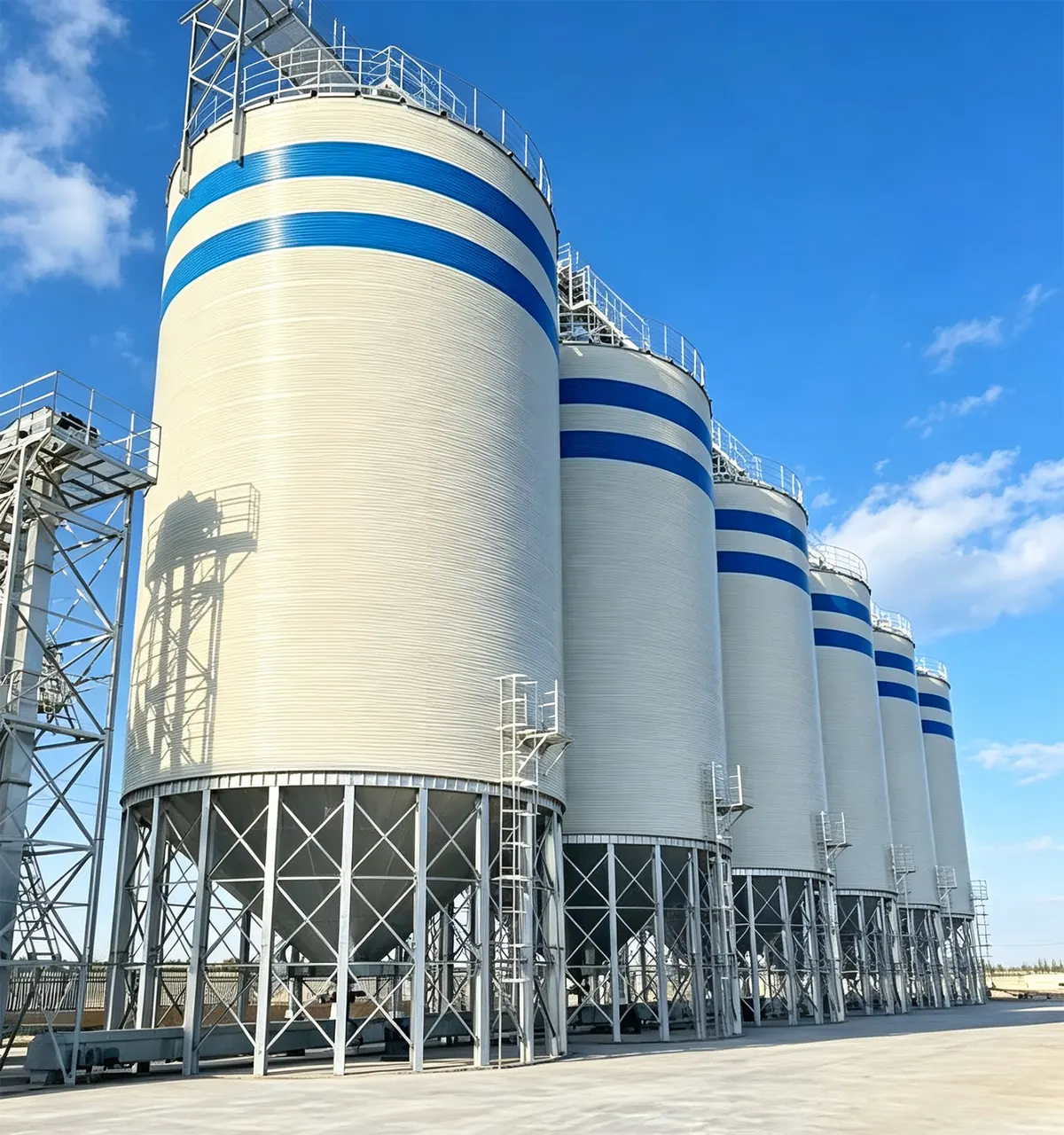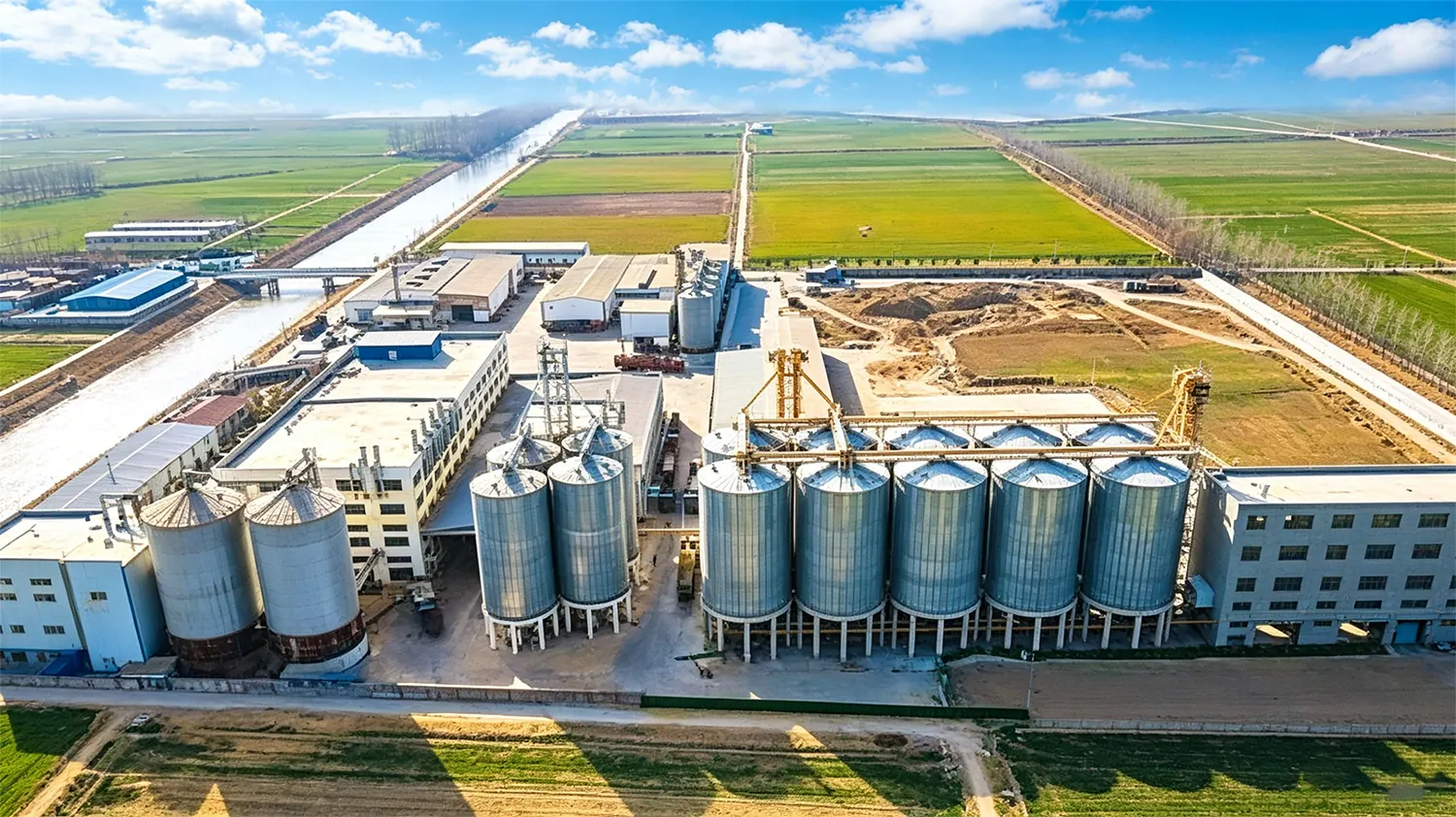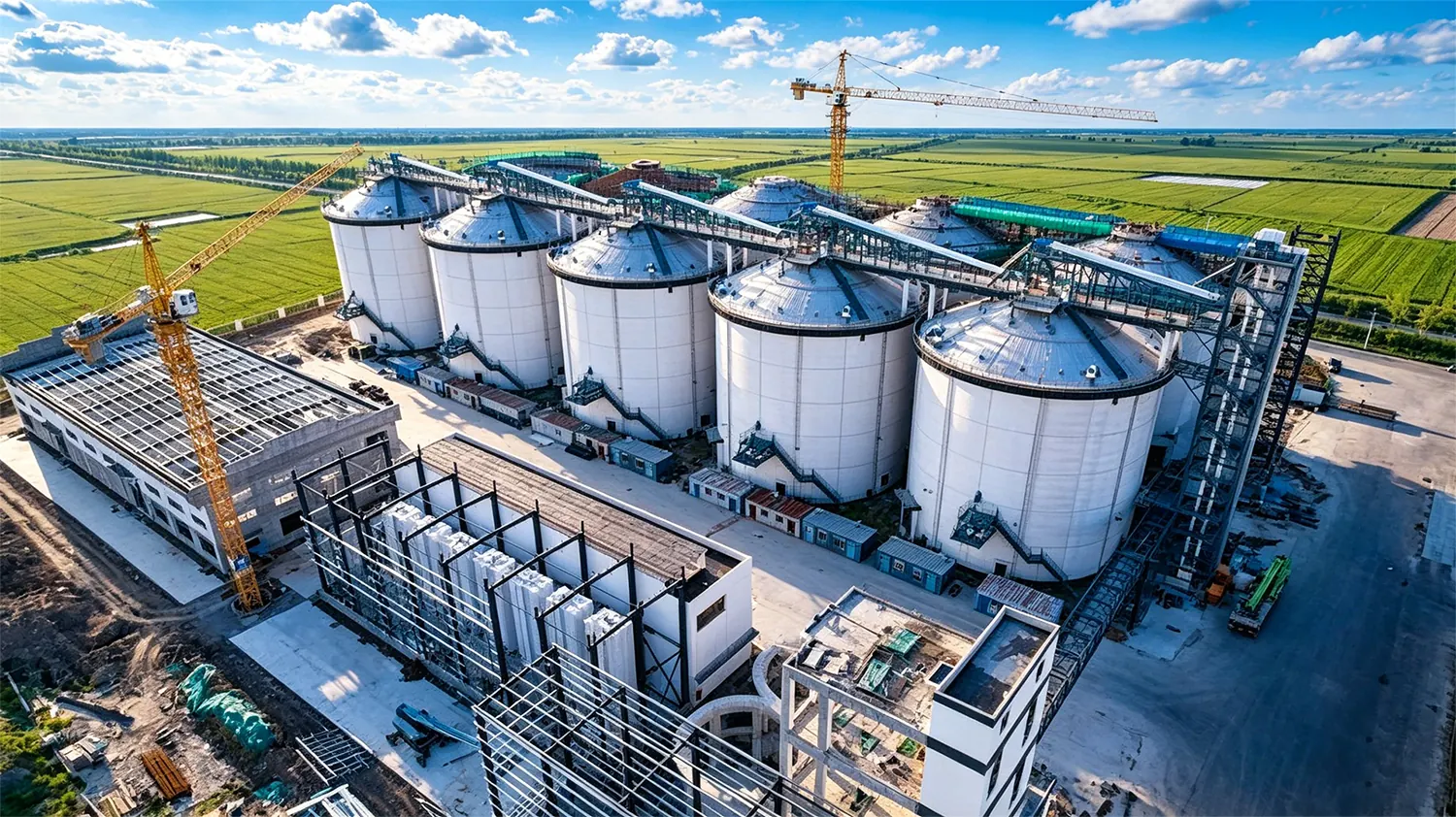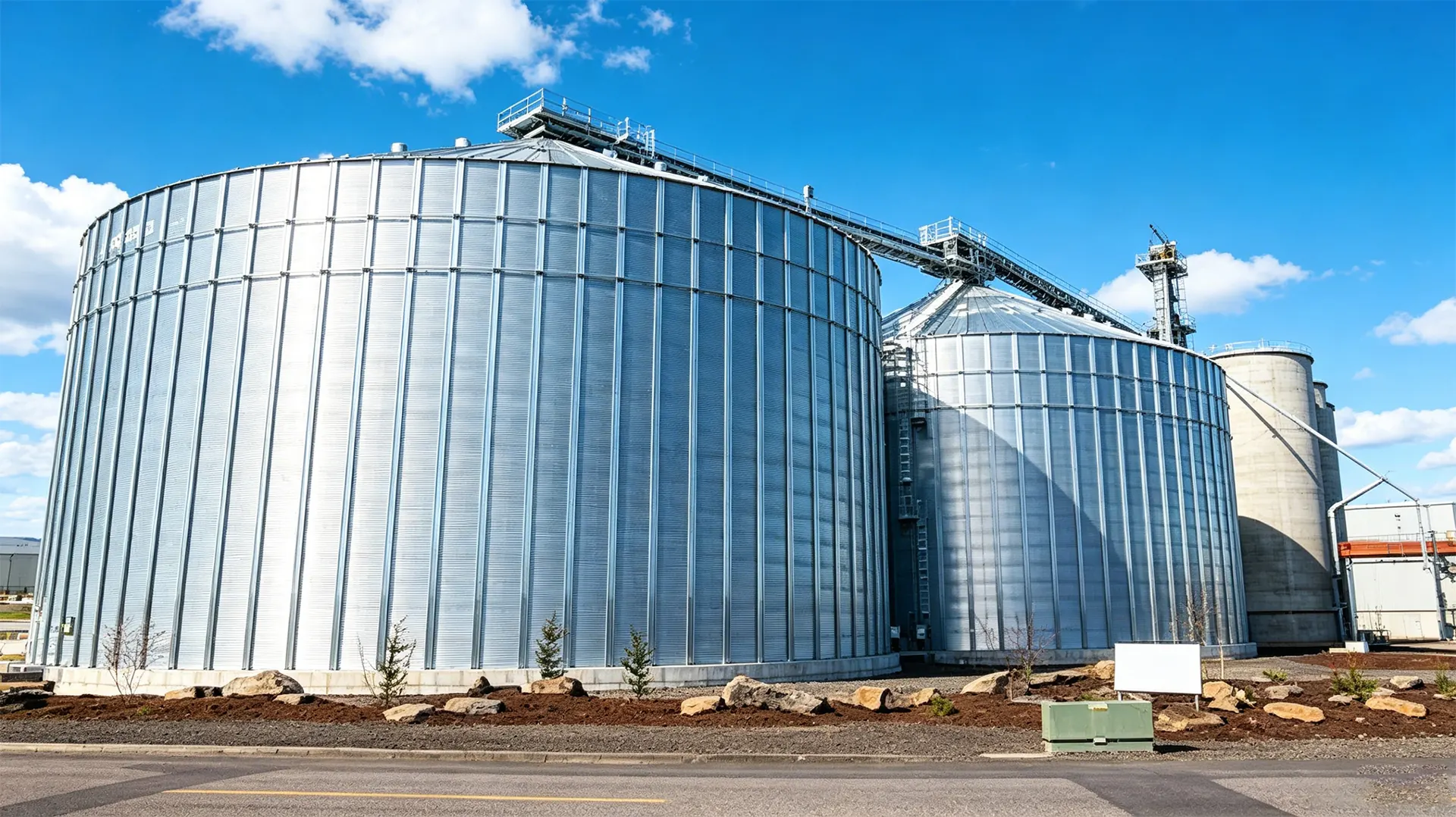
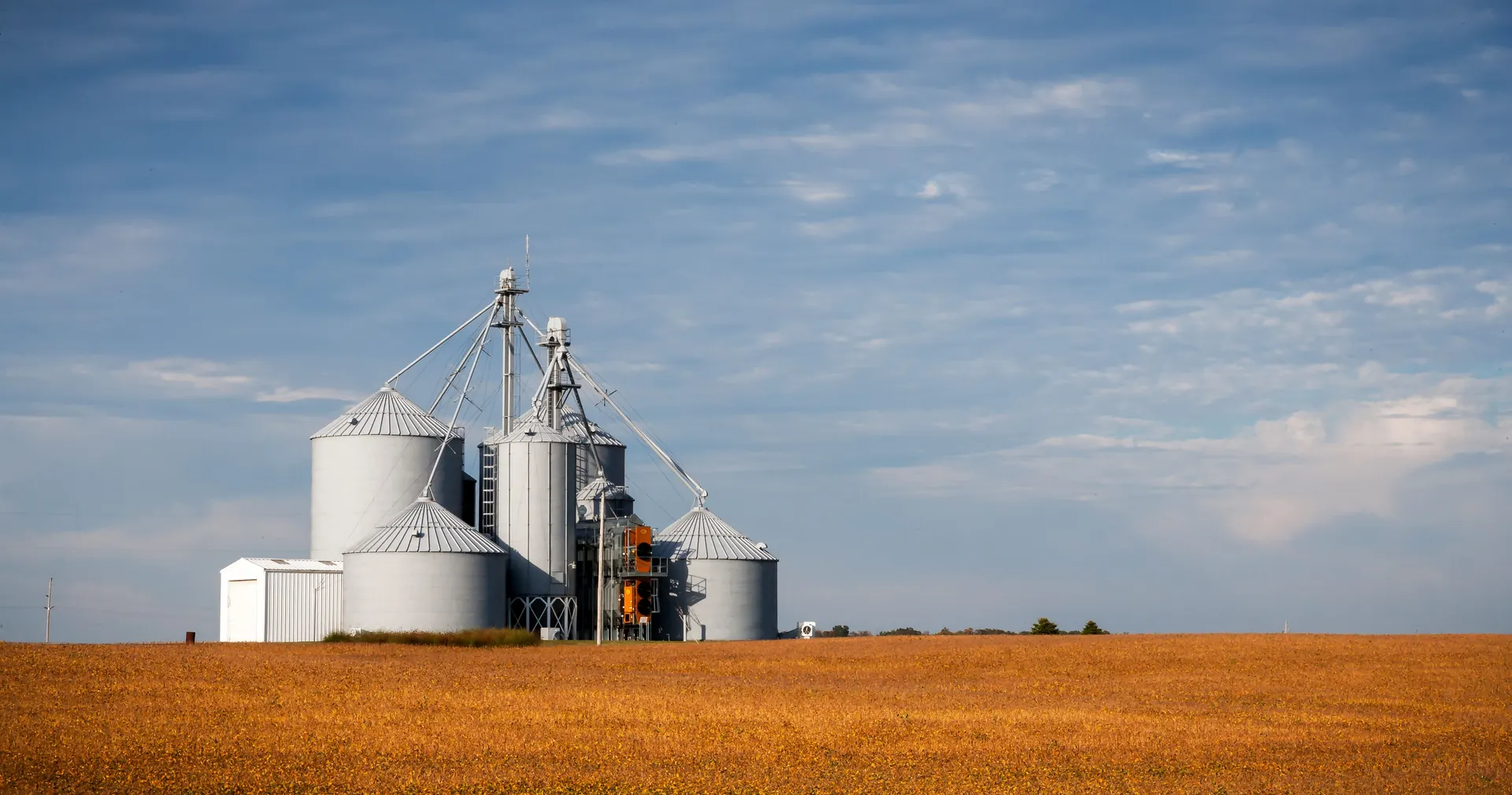
Selecting the appropriate Dust Dust Explosion Prevention in Grain Storage Facilities: En... Prevention in Grain Storage Facilities: En... bin size is a critical engineering and financial decision that directly impacts your operational efficiency, grain preservation capabilities, and long-term return on investment. As a veteran engineer with over two decades of experience designing comprehensive grain storage systems, I have witnessed firsthand how improper sizing leads to catastrophic grain spoilage, structural compromises, and unnecessary capital expenditure. This authoritative guide provides the technical depth and practical frameworks required to specify the exact grain bin dimensions and configurations tailored to your unique throughput and storage demands.
Calculating Your Grain Storage Capacity: Bushels, Tons, and Throughput
The foundational step in determining the correct Dust Dust Explosion Prevention in Grain Storage Facilities: En... Prevention in Grain Storage Facilities: En... bin size is translating your operational requirements into precise volumetric and weight metrics. Agricultural engineers typically rely on a free grain bin capacity calculator or a grain bin capacity Calculator app to perform these complex geometric and density computations rapidly. However, understanding the underlying mathematics is essential for verifying outputs and ensuring the tool accounts for your specific commodity.
The total gross volume of a cylindrical Dust Dust Explosion Prevention in Grain Storage Facilities: En... Prevention in Grain Storage Facilities: En... bin is calculated using the standard geometric formula for the volume of a cylinder: V = π × r² × H, where r is the radius and H is the vertical wall height. To this, you must add the volume of the peaked roof (if applicable) and subtract the volume occupied by internal equipment like augers and aeration ducts. Crucially, capacity must be expressed in both bushels and metric tons, as the test weight (bulk density) of grains varies significantly. For instance, a bin holding 50,000 bushels of corn (56 lbs/bu) holds substantially more tonnage than a bin holding 50,000 bushels of barley (48 lbs/bu).
When evaluating your throughput, you must calculate the peak hourly harvest rate and the total daily intake volume. If your combine fleet delivers 10,000 bushels of wheat per hour and your grain dryer can only process 5,000 bushels per hour, you require a wet holding bin capable of buffering a minimum of 5,000 bushels to prevent field equipment downtime. A grain bin size chart pdf provided by a reputable manufacturer will typically outline level versus heaped capacities, ensuring you account for the natural angle of repose of the grain against the bin walls.
Grain Bin vs. Grain Silo: Matching Structure to Your Operational Needs
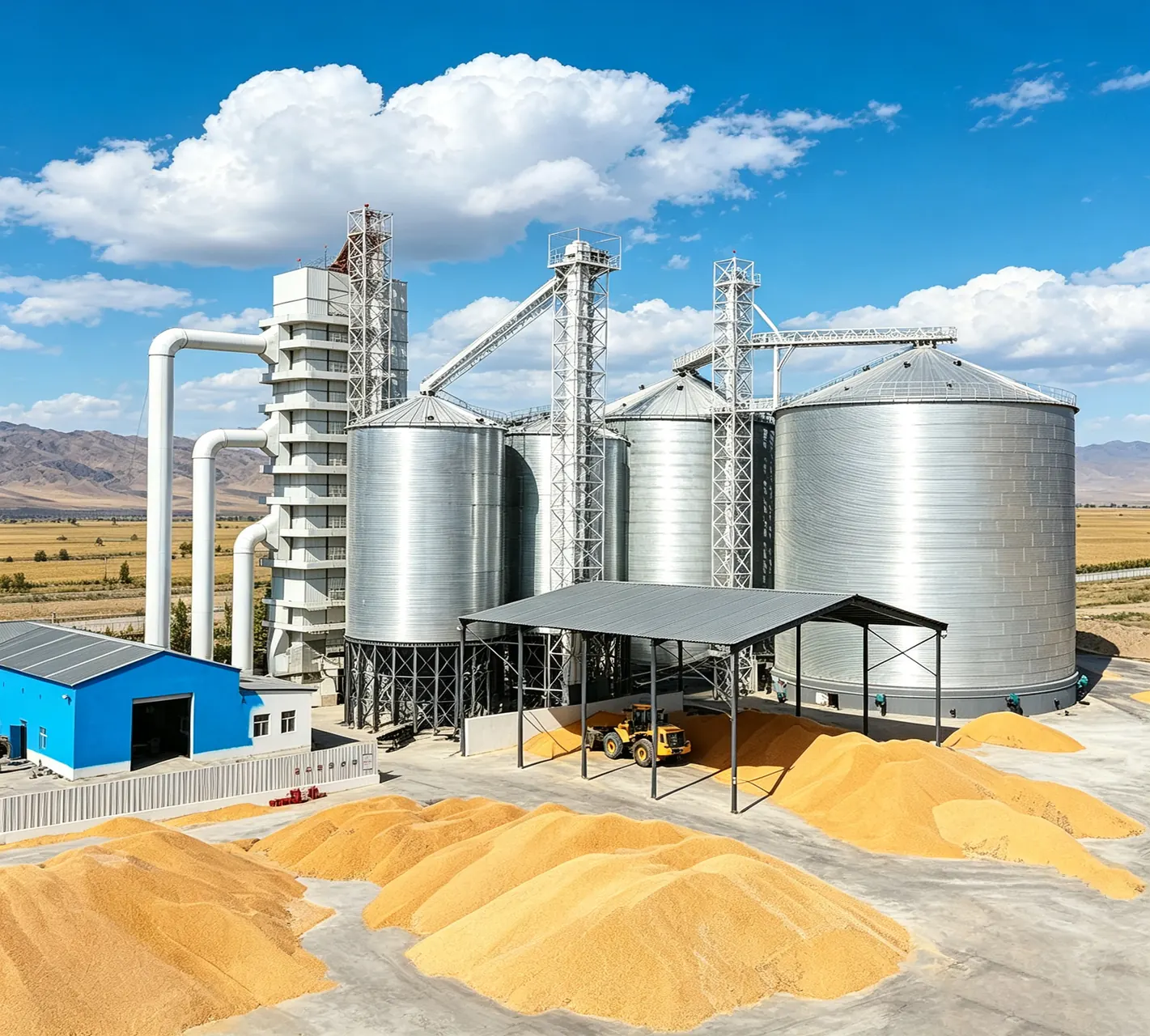
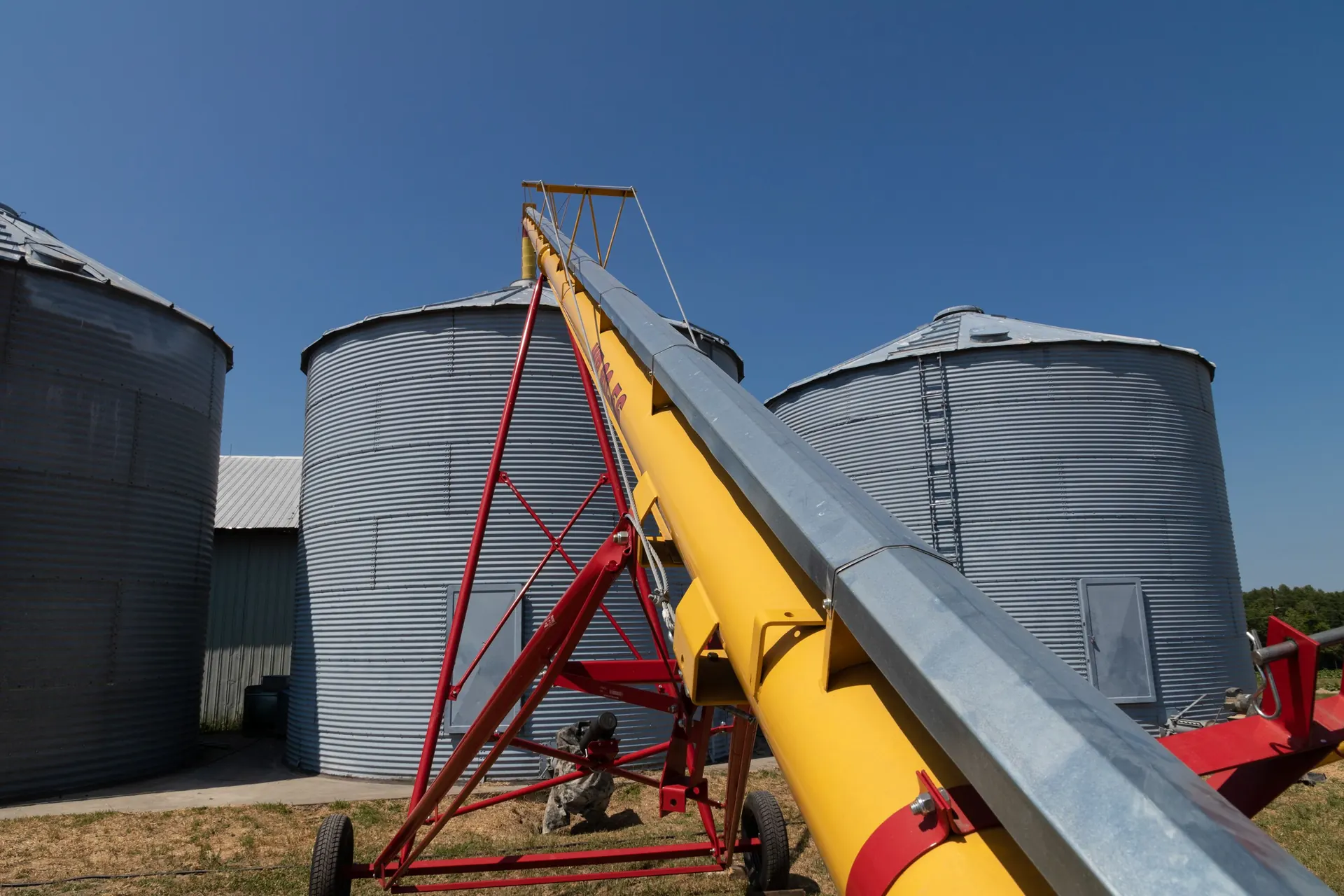
While the terms are frequently used interchangeably in casual conversation, distinct engineering and operational differences exist between a grain bin and a grain silo. Understanding these distinctions is vital when specifying your storage infrastructure. Generally, a grain silo refers to a tall, slender structure—often concrete or heavily reinforced steel—designed for massive, long-term commercial storage and high-flow-rate discharge. Conversely, a grain bin typically features a wider diameter and lower height-to-diameter ratio, constructed from corrugated, bolted steel, and is engineered for on-farm storage, flexible conditioning, and easier installation.
For the modern agricultural enterprise, steel grain bins offer unparalleled versatility. They are highly compatible with advanced aeration systems, temperature monitoring cables, and automated filling and unloading equipment. When determining how to choose grain bin size, you must evaluate whether your operation requires the massive buffer capacity of a central silo hub or the distributed storage flexibility of multiple grain bins. Distributed bin systems offer redundancy; if one bin requires maintenance or suffers a mechanical failure, the remaining bins continue to receive harvest, whereas a single massive silo represents a single point of failure that can halt entire harvest operations.
Commodity-Specific Sizing: How Grain Type Affects Volume
The physical properties of the commodity being stored dictate the structural and volumetric design of the grain bin. Bulk density, angle of repose, corrosiveness, and flow characteristics vary wildly between commodities. For example, storing rice husk presents unique engineering challenges. Steel grain bins are ideal for storing rice husk due to their resistance to pests, moisture, and fire, providing a controlled environment that preserves the quality of this low-density biomass for industrial or agricultural use. Because rice husk has a very low bulk density compared to cereal grains, a significantly larger volumetric capacity is required to store an equivalent tonnage.
Furthermore, commodities like sunflower seeds or oats are considered "slender" grains, which bridge and hang up more readily than spherical grains like soybeans. This requires steeper hopper bottoms or specialized flow promoters in the discharge system. When utilizing a grain bin size calculator, you must input the exact test weight and angle of repose of your specific commodity. Failing to do so will result in a bin that is structurally overloaded or incapable of emptying via gravity, requiring dangerous and costly manual entry to clear blockages.
Flat Bottom vs. Conical Bottom Bins: Sizing for Your Discharge System
The configuration of the bin bottom is a primary driver of both the total structural height and the discharge efficiency. Flat bottom grain bins are the industry standard for large-capacity, long-term storage. They utilize a sweeping auger floor system to evacuate residual grain after gravity flow ceases. Because flat bottom bins lack a deep conical hopper, their overall eave height is lower for a given volume, reducing the lift height required for loading conveyors and simplifying the foundation requirements.
Conical bottom bins (hopper bins) feature a steep, engineered hopper—typically 45, 60, or 77 degrees—that enables 100% gravity discharge. These are essential for commodities that do not flow well, for frequent batch mixing, or for installations where automated material handling requires a precise, metered feed rate. However, the conical hopper adds significant structural height and requires a heavy support structure to suspend the grain load high above the ground. When calculating how to choose grain bin size, remember that a conical bottom bin of the same diameter and eave height as a flat bottom bin will hold substantially less grain, as the hopper occupies volume that could otherwise be used for cylindrical storage.
Aeration and Drying System Integration: Sizing for Preservation
A grain bin is not merely a static container; it is an active preservation environment. The sizing of your grain bin must be inextricably linked to the capacity of your aeration and drying systems. Aeration—the forced movement of ambient air through the grain mass—is the primary tool for temperature and moisture management in storage. An undersized bin relative to your aeration fan capacity can result in excessive static pressure, leading to uneven airflow, moisture migration, and spoilage pockets.
The engineering standard dictates a specific cubic feet per minute (CFM) of airflow per bushel of stored grain, varying by commodity and climate zone. For example, corn stored in temperate regions typically requires 1/10 to 1/5 CFM per bushel for safe aeration, while oilseeds may require significantly higher rates. When sizing your bin, you must ensure the grain depth does not exceed the effective reach of your aeration floor. Excessive grain depth over a perforated floor creates a disproportionate pressure drop at the bottom layers, starving the upper grain mass of airflow. A grain bin size calculator that integrates aeration specifications will automatically limit the maximum fill height based on your fan's performance curve, preventing this critical design failure.
If your operation incorporates in-bin drying systems, the sizing constraints become even more stringent. In-bin drying requires substantially higher airflow rates—often 1 to 2 CFM per bushel—to drive the drying front through the grain mass within the available harvest window. Bins sized specifically for drying must have a plenum chamber and fan configuration capable of delivering uniform airflow across the entire cross-section. Plenum design, including the depth of the air distribution duct and the open area of the perforated floor, must be matched precisely to the bin diameter and the static pressure rating of the drying fans.
Structural and Foundation Considerations: Engineering for Safety
The physical dimensions of a grain bin dictate the structural loads imposed on both the bin shell and the foundation. Grain is a fluid-like material that exerts significant lateral wall pressure and vertical dead load. As bin diameter increases, the hoop tension in the corrugated steel walls increases proportionally, requiring thicker gauge steel or additional stiffener columns. A grain silo exceeding 30 meters in diameter requires sophisticated finite element analysis to model the complex stress distribution, particularly at the junction between the wall and the foundation ring.
The foundation must be engineered to support the total weight of the fully loaded bin, including the structural self-weight, the grain payload, and environmental loads such as wind and seismic forces. The bulk density of the stored commodity directly influences foundation design; a bin storing heavy grain like corn (56 lbs/bu) imposes a greater foundation load than a bin storing lightweight commodities like rice husk or oats. Soil bearing capacity surveys are mandatory before finalizing bin dimensions. Undersized foundations on large-diameter bins can lead to differential settlement, wall buckling, and catastrophic structural failure.
Furthermore, the height-to-diameter ratio affects wind load susceptibility. Tall, slender silos experience significant overturning moments during high-wind events, requiring deeper foundations and anchor bolt systems rated for substantial uplift forces. When evaluating how to choose grain bin size, consult local building codes and engage a structural engineer to verify that the selected dimensions comply with regional wind speed and seismic zone requirements.
Future Expansion and Scalability Planning
A well-designed grain storage facility anticipates future growth. When sizing your initial bin installation, consider the long-term trajectory of your operation. Expandable steel grain bins allow for capacity increases by adding additional ring sections to the existing structure, provided the foundation and base shell were originally engineered to accommodate the increased height. This forward-thinking approach avoids the costly mistake of installing a bin that cannot be economically expanded.
Material handling infrastructure—including bucket elevators, conveyor systems, and receiving pits—must also be sized with future capacity in mind. A bucket elevator rated only for current throughput will become a bottleneck when additional bins come online. Similarly, the electrical service and control systems should have sufficient capacity to power additional fans, augers, and monitoring equipment. When planning your facility layout, position initial bins with adequate spacing to allow for future additions without disrupting existing material flow patterns.
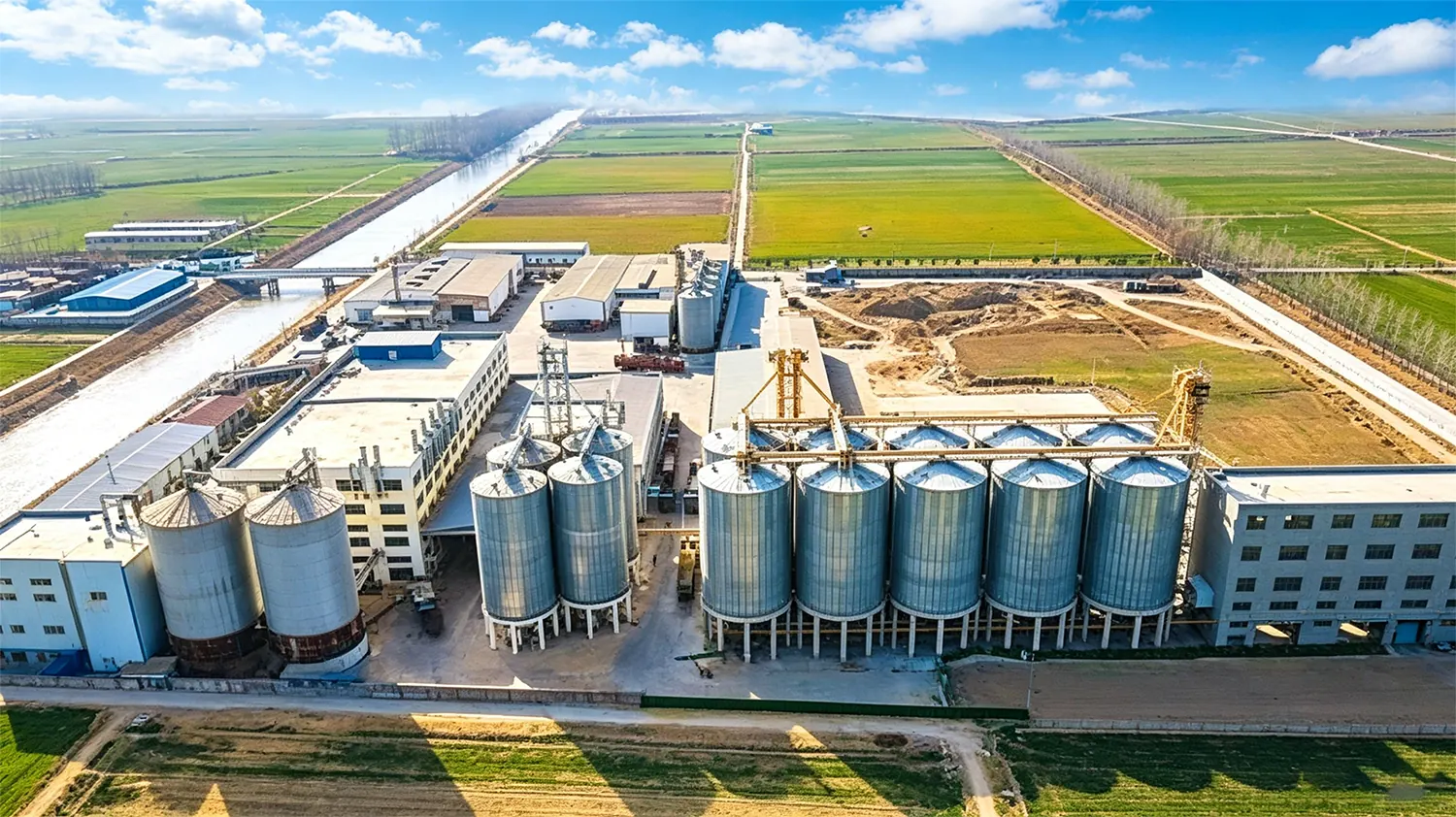
Modular storage systems offer the greatest scalability. By installing multiple smaller-diameter bins rather than a single massive unit, you gain the flexibility to incrementally add capacity as your operation grows. This distributed approach also provides operational redundancy, allowing you to segregate grain by variety, moisture content, or quality grade—a capability that becomes increasingly valuable as your operation diversifies.
Total Cost of Ownership: Beyond the Purchase Price
The initial purchase price of a grain bin represents only a fraction of the total cost of ownership. A comprehensive economic analysis must account for foundation costs, erection labor, material handling equipment, aeration systems, temperature monitoring infrastructure, and ongoing maintenance. Larger-diameter bins generally offer a lower cost per bushel of storage capacity due to economies of scale in steel usage and foundation engineering. However, this advantage must be weighed against the increased complexity and cost of the material handling systems required to fill and evacuate the larger structure.
Operating costs vary significantly with bin size and configuration. Flat bottom bins with sweeping augers consume more electrical energy during unloading than conical bottom bins that rely on gravity discharge. The energy required to operate aeration fans scales with the static pressure and the volume of grain being aerated. A bin sized to minimize grain depth will have lower static pressure requirements, reducing fan horsepower and energy consumption over the storage season.
Maintenance costs must also be factored into the sizing decision. Larger bins with greater surface area require more extensive corrosion protection and periodic recoating. The complexity of the discharge system—whether a simple center unload or a full sweep auger—affects both the initial cost and the long-term maintenance burden. When evaluating how to choose grain bin size, request a detailed lifecycle cost analysis from your manufacturer that projects total ownership costs over a 25- to 30-year service life.
Conclusion: A Systematic Approach to Grain Bin Sizing
Selecting the correct grain bin size is a multidimensional engineering challenge that demands rigorous analysis of throughput requirements, commodity characteristics, discharge methodology, aeration dynamics, structural constraints, and economic factors. There is no universal formula that applies to every operation; rather, the optimal solution emerges from a systematic evaluation of your specific conditions and objectives.
Begin by quantifying your peak harvest throughput and required storage duration with precision. Match your commodity's physical properties to the appropriate bin configuration—flat bottom for high-volume long-term storage, conical bottom for flow-critical applications. Integrate your aeration and drying system specifications into the sizing process from the outset, ensuring that airflow rates and fan capacities are compatible with the selected bin dimensions. Engage qualified structural engineers to verify foundation adequacy and compliance with local building codes. Finally, evaluate the total cost of ownership rather than focusing exclusively on the initial capital expenditure.
By applying the technical frameworks outlined in this guide and leveraging validated grain bin capacity calculator tools, you can specify a grain storage system that delivers optimal performance, preserves grain quality, and generates superior long-term returns on your capital investment. The cost of thorough engineering analysis is negligible compared to the financial consequences of a poorly sized storage facility.