Dust Dust Explosion Prevention in Grain Storage Facilities: En... Prevention in Grain Storage Facilities: En... storage losses due to insect infestation and pest contamination account for up to 20% of global post-harvest losses annually. Implementing robust integrated pest management strategies is not merely an operational preference—it is an engineering and economic imperative for every grain storage facility.
The Hidden Threat: How Pests and Insects Compromise Grain Storage Integrity
Stored-grain insects represent one of the most persistent threats to grain quality worldwide. Unlike visible structural damage, insect infestation often progresses undetected within the grain mass, making early identification and Dust Dust Dust Explosion Prevention in Grain Storage Facilities: En... Prevention in Grain Storage Facilities: En... Prevention in Grain Storage Facilities: En... critical engineering challenges. The primary insect pests—including the rice weevil (Sitophilus oryzae), lesser grain borer (Rhyzopertha dominica), and red flour beetle (Tribolium castaneum)—thrive in the warm, humid microclimates that develop within improperly managed silos.
Beyond direct consumption, insects introduce secondary complications: moisture migration through metabolic water production, fungal colonization facilitated by insect-generated heat, and contamination from cast skins, frass, and body fragments. These factors collectively degrade Dust Dust Explosion Prevention in Grain Storage Facilities: En... Prevention in Grain Storage Facilities: En... grade, potentially rendering entire shipments unsuitable for human consumption or industrial processing. Understanding the concept of integrated pest management begins with recognizing that no single intervention suffices—effective control demands a systematic, engineering-driven approach.
Integrated Pest Management (IPM) Strategies for Modern Silos
The concept of Integrated pest management represents a paradigm shift from reactive chemical treatment to proactive, ecologically grounded prevention. IPM combines biological, physical, cultural, and chemical methods into a cohesive decision-making framework. For grain storage facilities, this means establishing monitoring protocols, defining action thresholds, and deploying targeted interventions only when economic injury levels are approached.
Action Threshold in Pest Management: Defining Intervention Points
Establishing an action threshold in pest management is fundamental to IPM implementation. Rather than applying treatments on fixed schedules, operators monitor pest populations and environmental conditions to determine when intervention becomes economically justified. For stored-grain insects, common thresholds include detecting more than two live insects per kilogram of grain sample or observing temperature differentials exceeding 3°C within the grain mass—both indicators of active infestation. This data-driven approach minimizes chemical usage, reduces operational costs, and preserves grain quality.
5 Methods of Pest Control in Grain Storage
Effective integrated pest management methods encompass five core control strategies:
| Method | Application in Grain Storage | Effectiveness |
|---|---|---|
| Physical Control | Airtight silo construction, temperature manipulation, hermetic sealing | High (prevents entry and reproduction) |
| Cultural Control | Sanitation protocols, grain rotation, moisture management | High (eliminates food sources and habitats) |
| Biological Control | Beneficial predators, microbial insecticides, pheromone traps | Moderate to High (species-specific) |
| Chemical Control | Phosphine fumigation, contact insecticides, grain protectants | High (requires resistance management) |
| Mechanical Control | Grain cleaning, screening, aspiration systems | Moderate (removes existing populations) |
When these five methods of pest control are integrated into a unified strategy, facilities achieve superior protection compared to any single-method approach. Many operations document their protocols in an integrated pest management PDF or insect pest management PDF format, ensuring consistent execution across shifts and seasons.
Smart Silo Monitoring: Leveraging IoT and Big Data for Early Pest Detection
Modern grain storage has entered the era of intelligent management. The Smart Silo Storage Management System represents a transformative approach to pest prevention, integrating IoT sensor networks, cloud-based analytics, and automated control systems into a unified platform. This system continuously monitors temperature, humidity, and CO₂ levels throughout the grain mass—parameters that directly correlate with insect metabolic activity.
Real-Time Environmental Surveillance
Strategically positioned sensor cables within the silo detect thermal anomalies as small as 0.5°C, often identifying insect hotspots weeks before visual signs appear. When combined with moisture sensors and automated aeration controls, the system creates an environment fundamentally hostile to pest proliferation. The platform's big data analytics engine processes historical and real-time data to predict infestation risks, enabling preemptive action rather than reactive treatment.
Predictive Analytics and Decision Support
The Smart Silo platform's Material Management and Equipment Management modules provide operators with actionable intelligence. Automated alerts trigger when conditions approach critical thresholds, while trend analysis identifies recurring vulnerability patterns. This integration of pest management in agriculture with industrial IoT architecture represents the frontier of grain protection technology.
Silo Design and Construction: Engineering Barriers Against Infestation
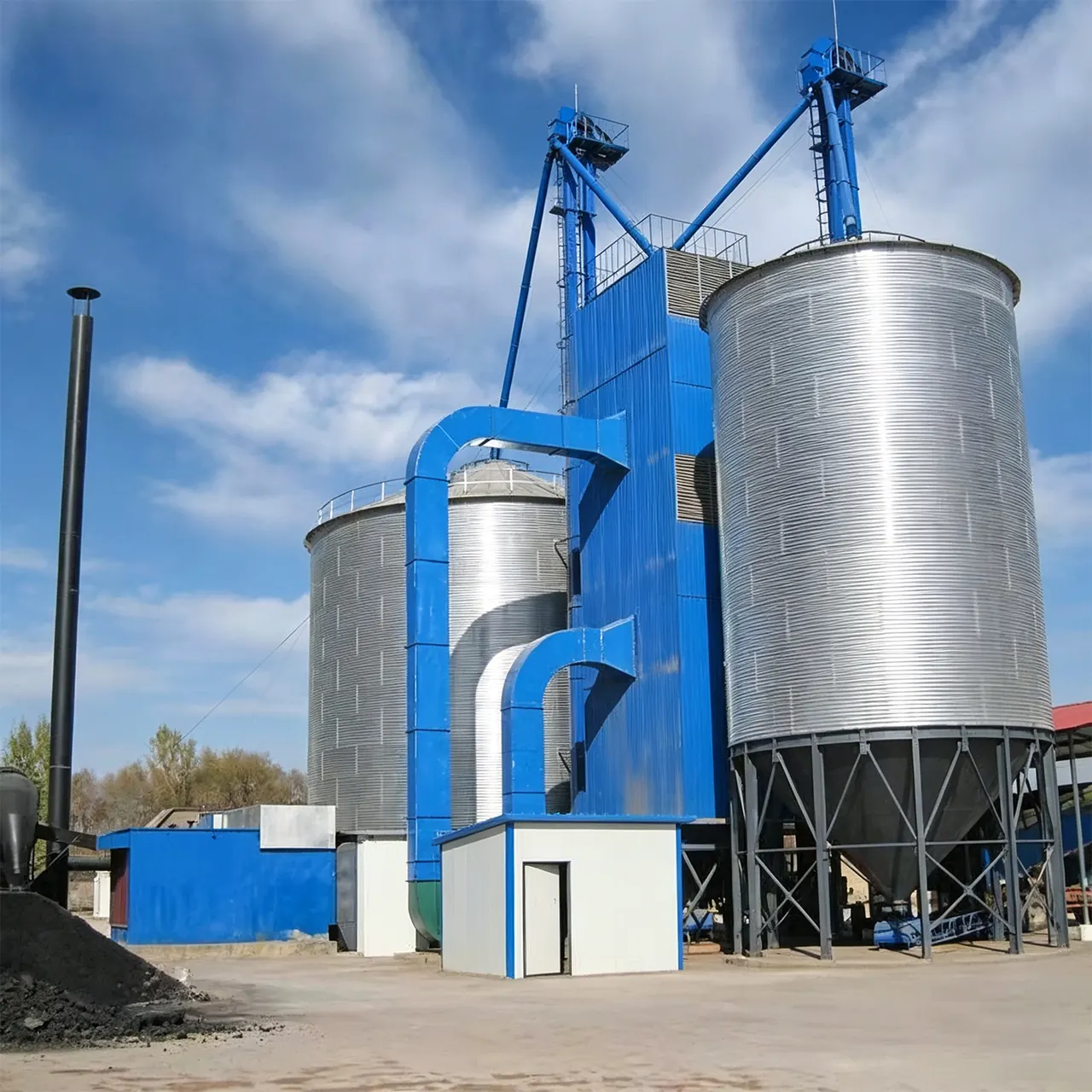
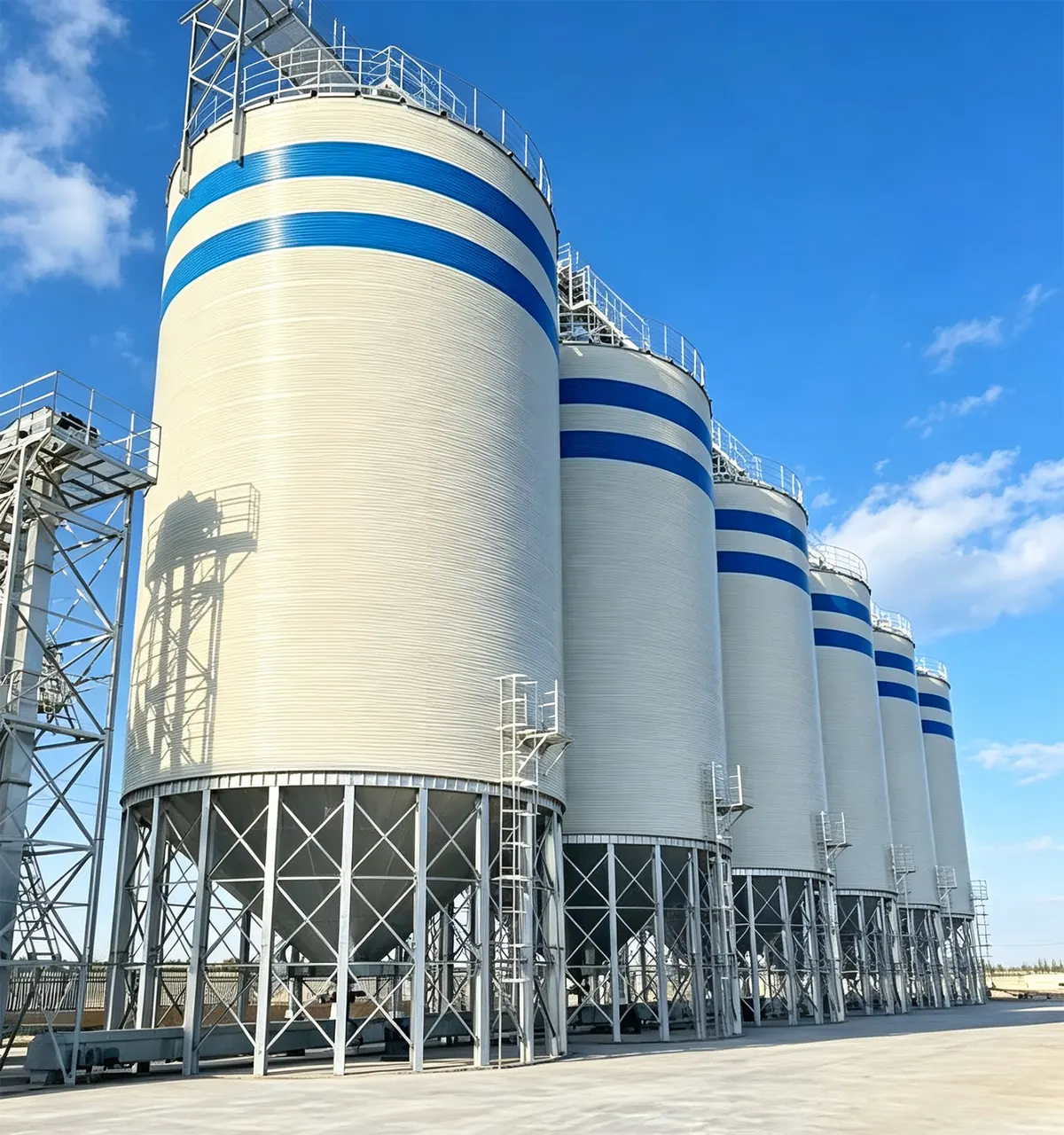
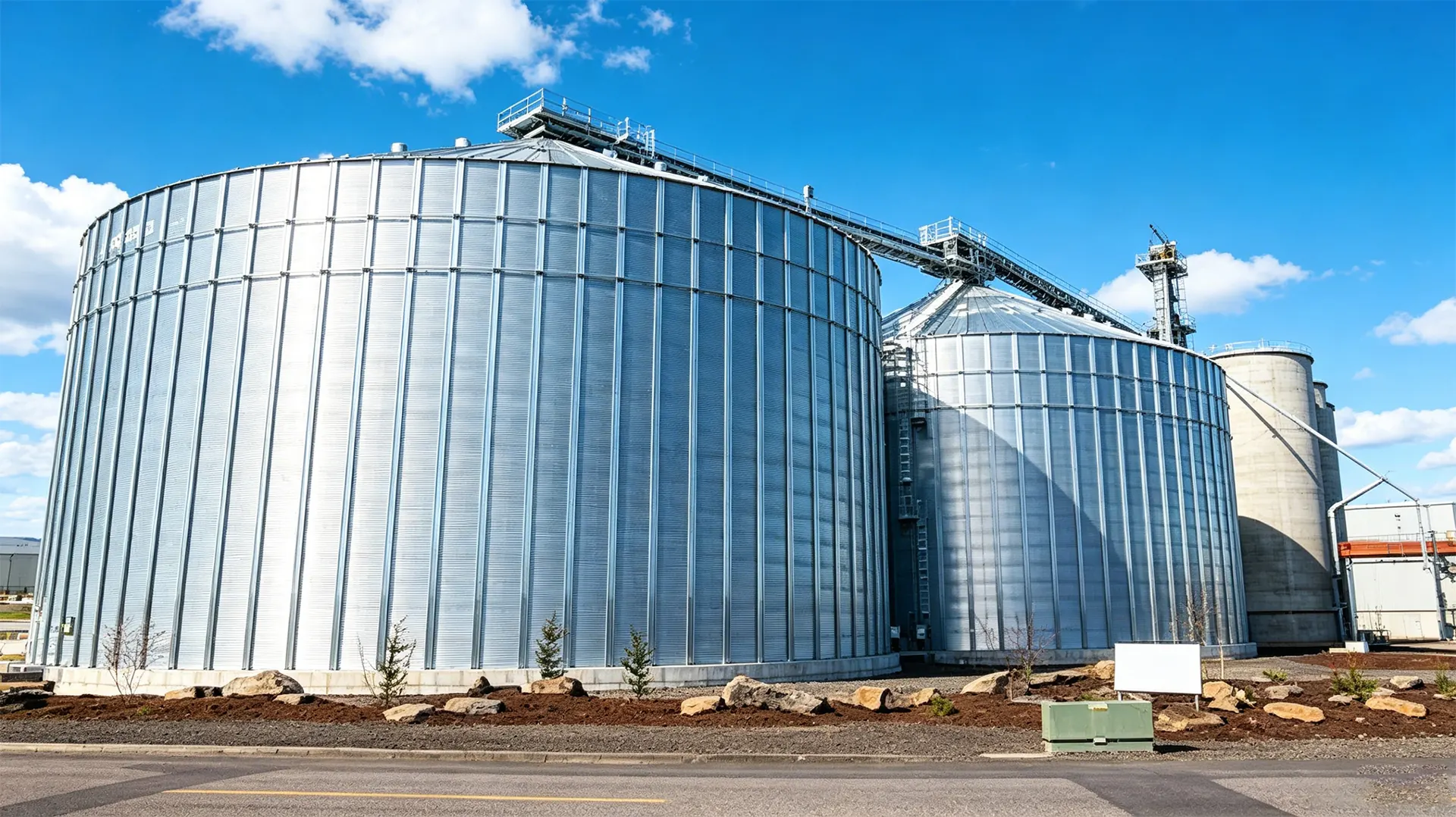
The foundation of effective pest management begins at the design stage. Metal grain silos offer inherent advantages over traditional storage methods, providing superior pest resistance through precision-engineered seams, gasketed access points, and smooth interior surfaces that eliminate insect harborage sites.
Airtight Construction Principles
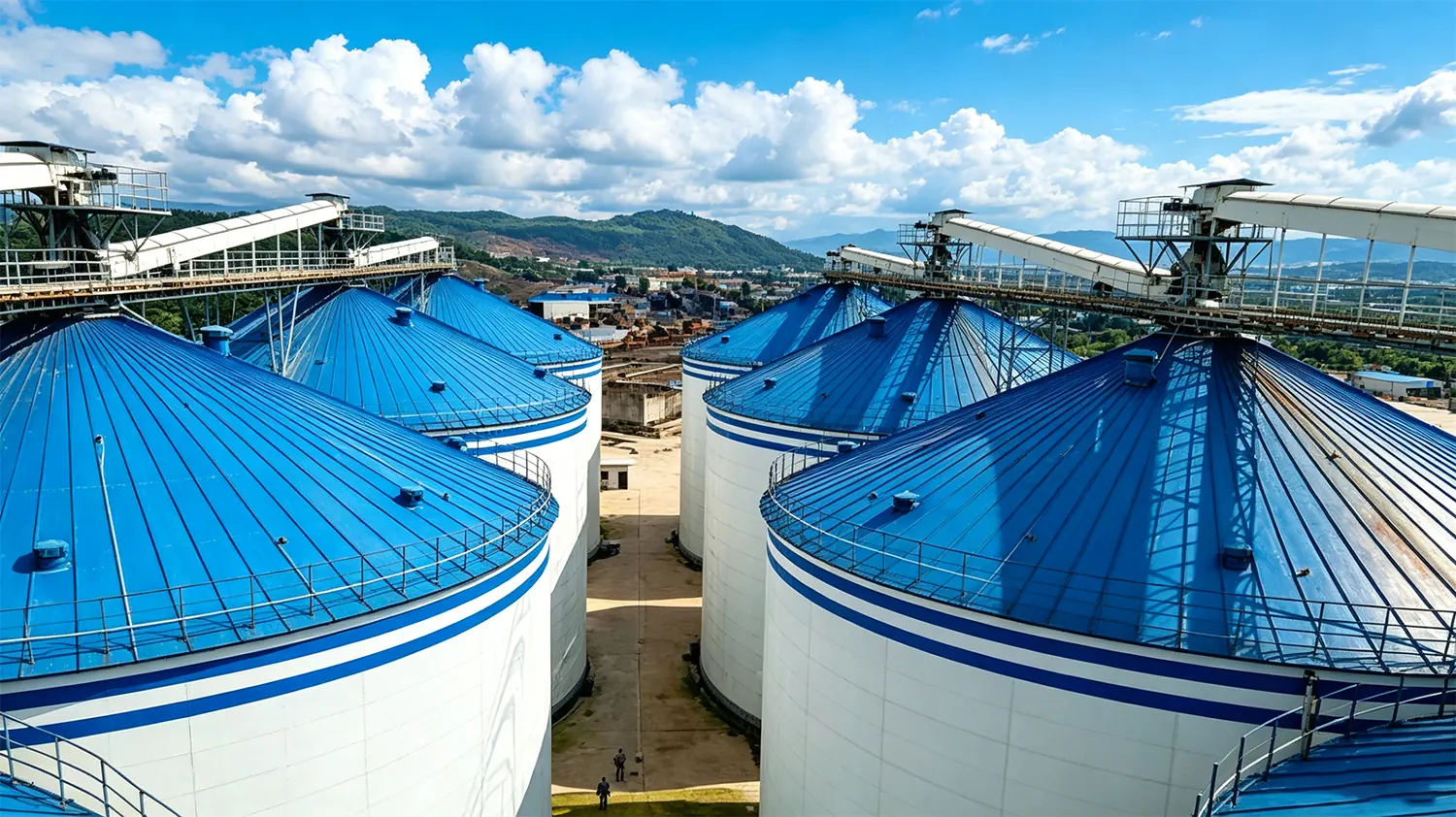
Modern silo engineering prioritizes hermetic sealing as a primary pest exclusion strategy. Continuous welds, compression gaskets on all access doors, and sealed cable entry points create a physical barrier that prevents insect entry and enables controlled atmosphere storage. The H-type cage configuration, designed for large-scale automation, provides enhanced environmental control compared to traditional A-type stepped designs, supporting higher precision in pest prevention protocols.
Foundation and Perimeter Sealing
Insect entry frequently occurs at the silo-foundation interface. Engineering specifications must include reinforced concrete foundations with integrated sealing channels, termite shields where applicable, and graded perimeters that prevent moisture accumulation. These design elements are critical components of integrated pest and disease management in permanent storage installations.
The Role of Aeration and Temperature Control in Pest Prevention
Temperature management represents one of the most effective non-chemical pest control strategies available. Most stored-product insects become reproductively active between 25°C and 35°C, with development ceasing below 15°C. Maintaining grain temperatures below this threshold through strategic aeration effectively suppresses insect populations without chemical intervention.
Optimized Aeration Protocols
Effective aeration design balances airflow rate, static pressure requirements, and operational scheduling. Winter cooling cycles should achieve grain temperatures below 13°C–15°C, with daily temperature fluctuations maintained under 10°C to prevent condensation. Summer operations require temperature-controlled ventilation with wind speeds exceeding 0.5 m/s through the grain mass to dissipate metabolic heat generated by any surviving insect populations.
Thermal Disinfection Methods
In cases of confirmed low-level infestation, controlled heating to 50°C–60°C for targeted durations can eliminate insect life stages without chemical residues. This approach, integrated with the Smart Silo monitoring system, enables precise thermal treatment that preserves grain viability while achieving complete disinfestation.
Advanced Fumigation and Chemical-Free Treatment Technologies
When pest populations exceed action thresholds despite preventive measures, targeted intervention becomes necessary. Modern fumigation technologies have evolved significantly, emphasizing operator safety, environmental responsibility, and treatment efficacy.
Phosphine Application Best Practices
Phosphine gas remains the most widely used grain fumigant globally, but its effectiveness depends entirely on proper application within sealed environments. Airtight silo construction is prerequisite for successful phosphine treatment, as gas concentration must be maintained above 200 ppm for minimum exposure periods calculated based on temperature and target pest species. The Smart Silo system's gas monitoring capabilities ensure concentration maintenance and verify treatment completion.
Emerging Non-Chemical Technologies
Research into alternative disinfestation methods continues to advance. Modified atmosphere treatments using nitrogen or carbon dioxide, diatomaceous earth applications, and cold plasma technologies offer effective pest control without chemical residues. These integrated pest management methods are particularly valuable for organic grain storage and export markets with strict maximum residue limits.
Material Selection: Chorosion-Resistant and Pest-Proof Silo Components
Material selection directly impacts long-term pest resistance. Galvanized steel panels with minimum Z275 coating provide decades of corrosion protection, maintaining the smooth, impervious surfaces that deny insects entry points and harborage sites. Stainless steel components in high-moisture zones prevent rust-induced surface degradation that could harbor pest populations.
Sealing Component Specifications
Gasket and seal materials must resist degradation from UV exposure, temperature cycling, and chemical contact. EPDM rubber and silicone compounds maintain compression set resistance over extended service lives, ensuring that access doors, roof panels, and cable penetrations remain pest-tight throughout the silo's operational lifespan.
Installation and Commissioning: Sealing the Envelope for Pest Exclusion
Even superior design and materials cannot compensate for installation deficiencies. Professional installation and commissioning protocols verify the integrity of every seam, penetration, and access point before grain introduction. Pressure testing, thermal imaging inspection, and smoke testing identify potential entry points that require remediation.
Commissioning Verification Protocol
Comprehensive commissioning includes verification of foundation seal continuity, door gasket compression uniformity, roof vent operation, and aeration system performance. Documentation of these verifications, often compiled in an integrated pest management PDF manual, establishes the baseline for ongoing maintenance and compliance auditing.
Proactive Maintenance: Routine Inspections and Sanitation Protocols
Sustained pest prevention requires disciplined maintenance programs. Residual grain, dust accumulations, and spilled material in and around silos provide food sources that sustain insect populations, enabling eventual migration into stored grain. Effective sanitation protocols address both the silo interior and the surrounding facility environment.
Structured Inspection Programs
Routine inspections should follow documented schedules, with frequency adjusted based on seasonal risk factors. Spring and summer inspections focus on detecting overwintering populations and verifying aeration system readiness. Autumn inspections prioritize grain temperature uniformity and moisture distribution. Winter inspections assess structural integrity and sealing effectiveness. Each inspection generates data that feeds into the facility's pest management in agriculture documentation system.
Calculating the ROI: Cost of Prevention vs. Cost of Grain Spoilage
Investment in pest prevention infrastructure delivers measurable financial returns. Consider a 10,000-tonne wheat silo: at current commodity values, even 5% losses represent hundreds of thousands of dollars in destroyed product. When quality discounts, transportation costs for segregated grain, and disposal expenses are included, the true cost of infestation multiplies substantially.
Prevention Investment Analysis
The capital cost of airtight construction, smart monitoring systems, and professional installation typically represents 8–12% of total project investment. Annual operating costs for monitoring, maintenance, and preventive treatments add 1–2% of grain value. Against potential losses of 5–25%, the return on pest prevention investment is compelling, with payback periods often measured in single storage seasons.
Selecting a Grain Storage Partner: Evaluating Integrated Pest Management Solutions
Choosing the right grain storage partner requires evaluating technical capability, manufacturing quality, and service comprehensiveness. A qualified partner delivers turnkey project management—from initial concept through civil construction, equipment manufacturing, installation, commissioning, and ongoing technical support.
Key Selection Criteria
Evaluate potential partners on their engineering expertise in pest-preventive design, manufacturing precision, integration of smart monitoring capabilities, and commitment to long-term technical service. The ideal partner provides not merely equipment, but a complete integrated pest management solution tailored to your specific commodity, climate, and operational requirements.
Frequently Asked Questions About Insect & Pest Management in Grain Silos
Protect Your Grain Investment with Engineered Pest Management Solutions
Every season of delayed action risks significant grain losses. Our engineering team specializes in designing, manufacturing, and commissioning grain storage systems with integrated pest management at their core. From airtight silo construction to Smart Silo monitoring platforms, we deliver the infrastructure and expertise your operation needs.
Contact our engineering team today to discuss your project requirements and discover how our integrated approach to pest prevention protects your grain quality and profitability.
Request a Technical Consultation