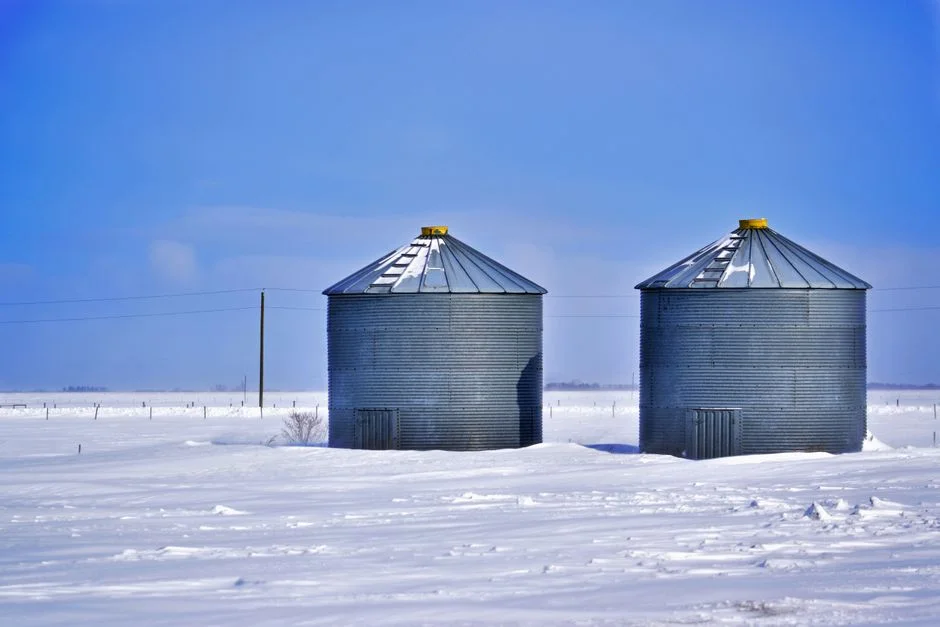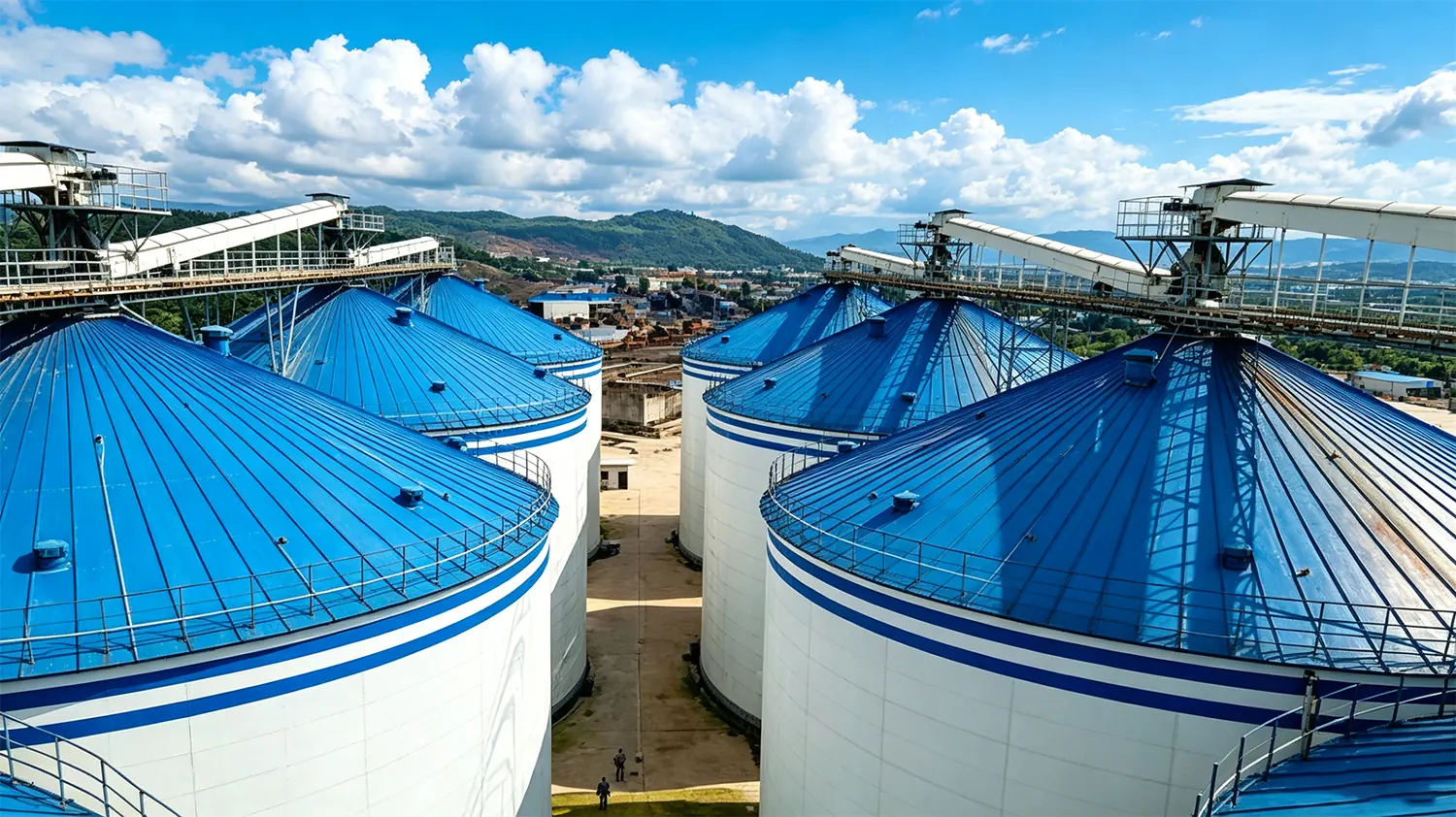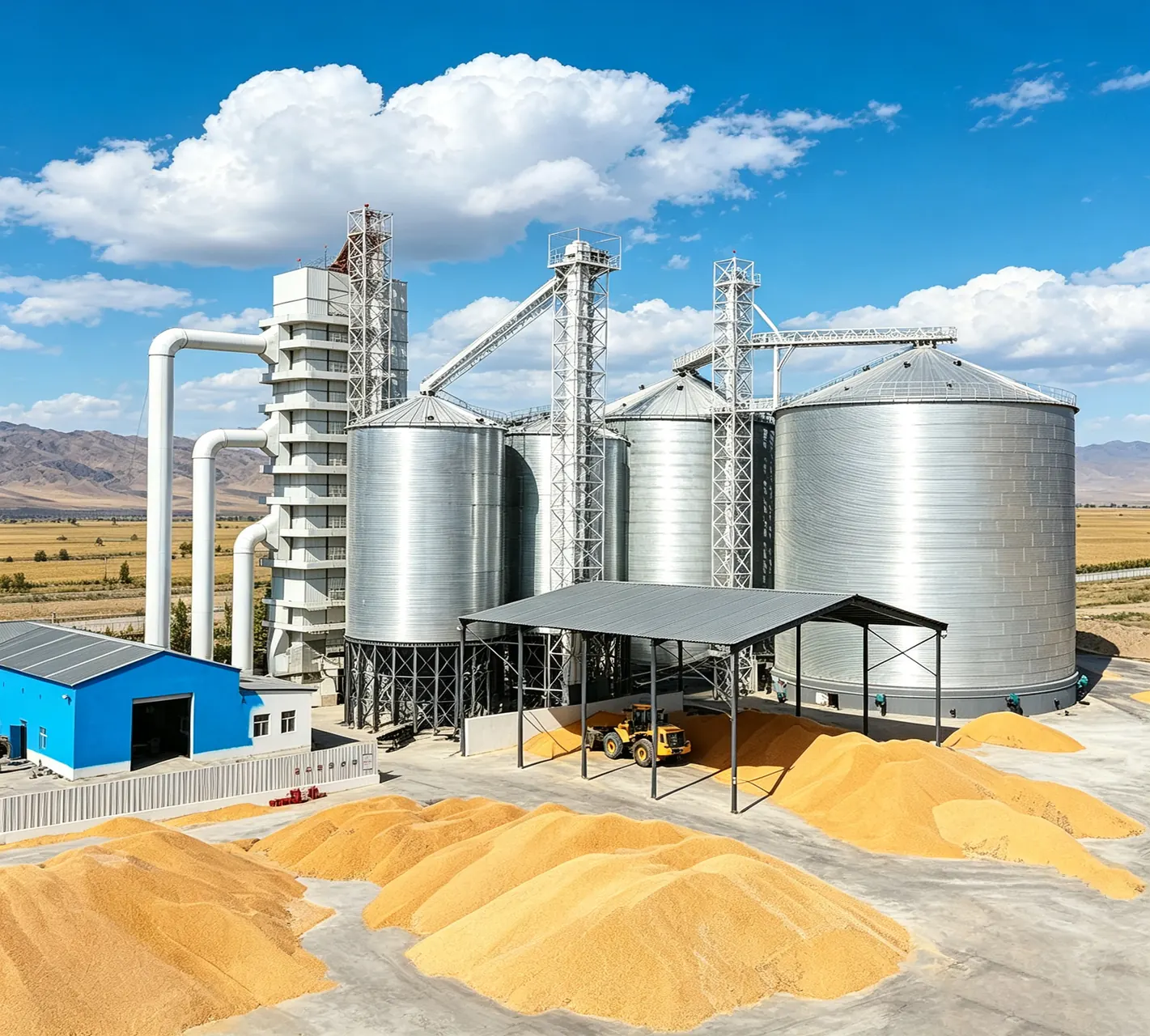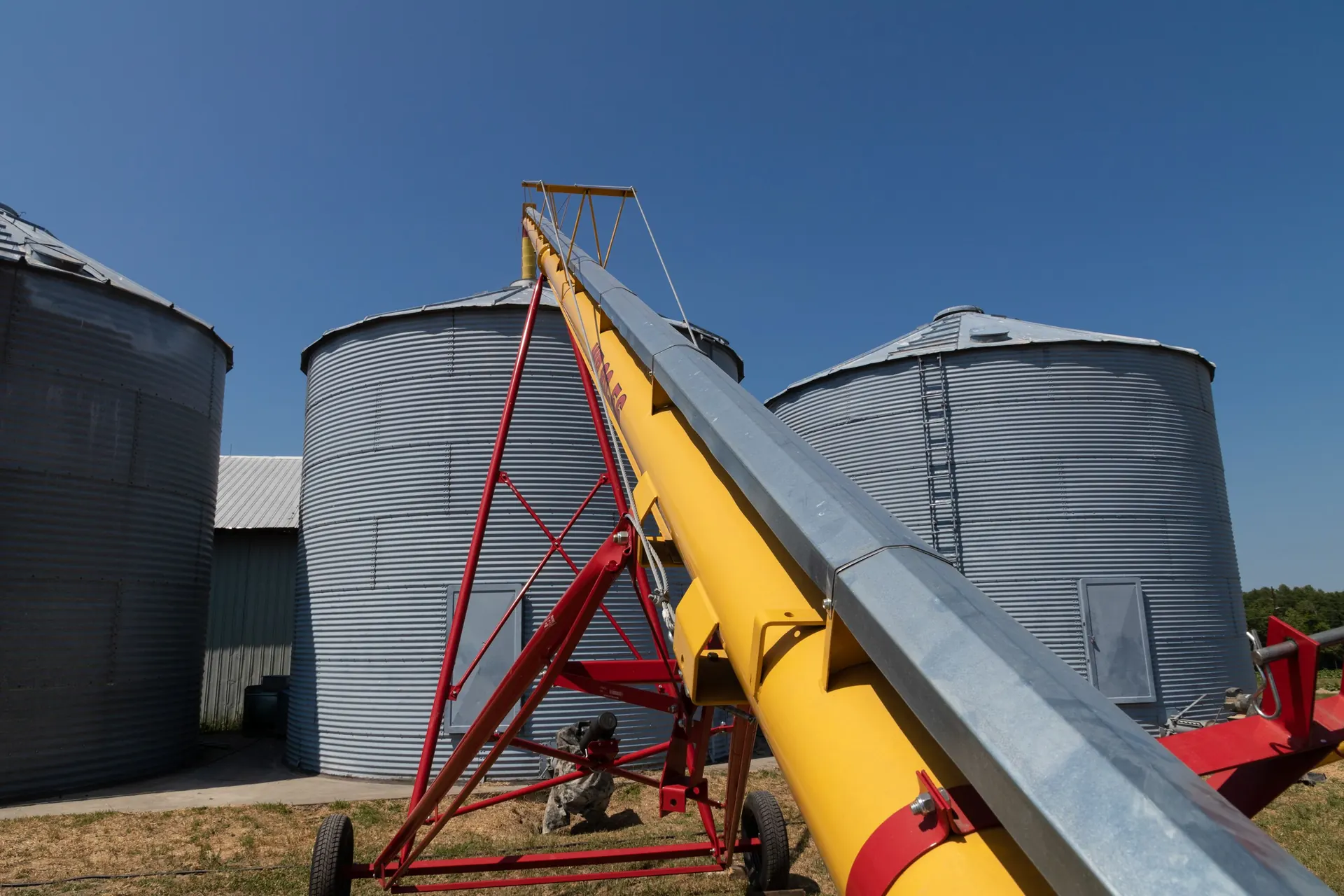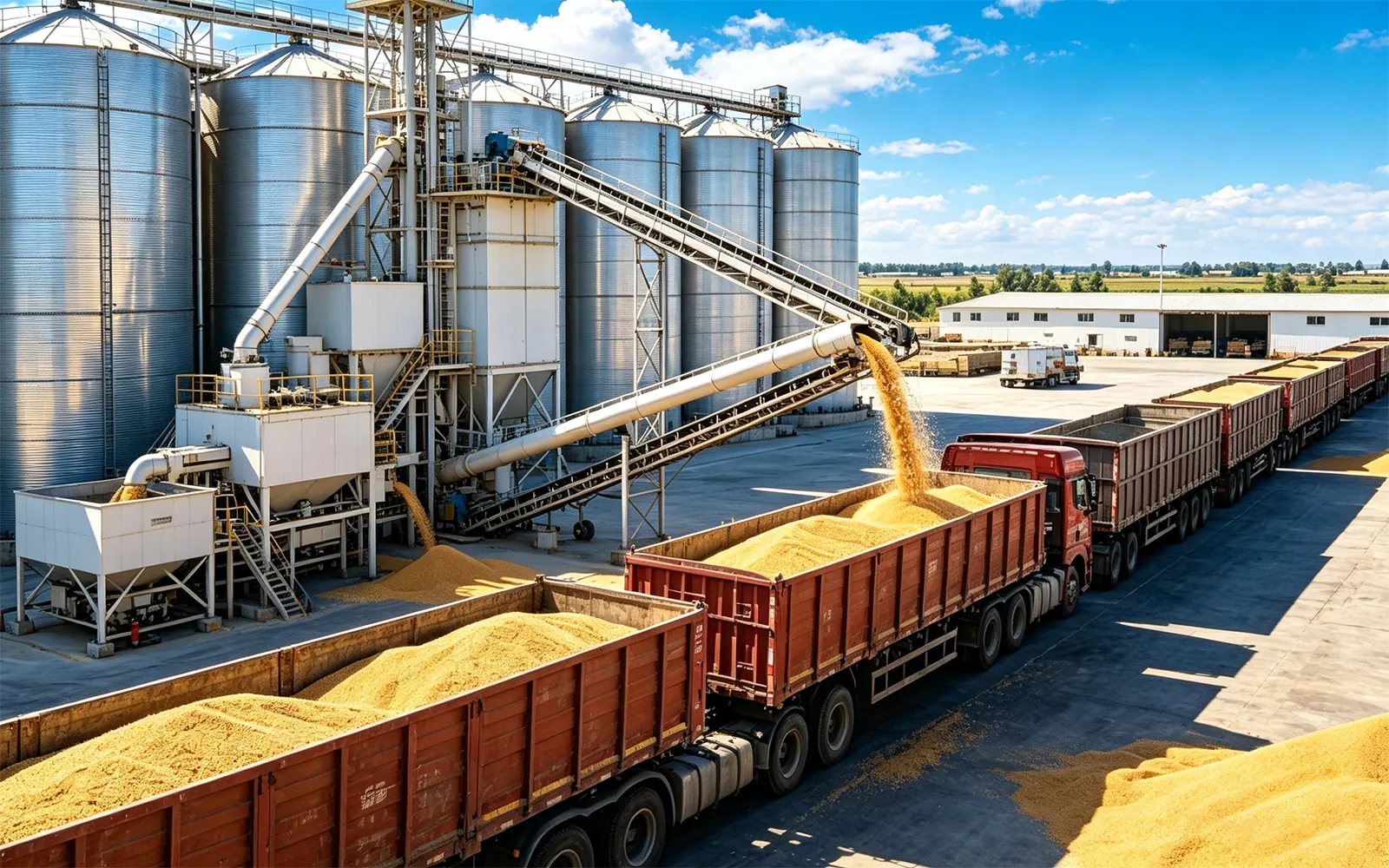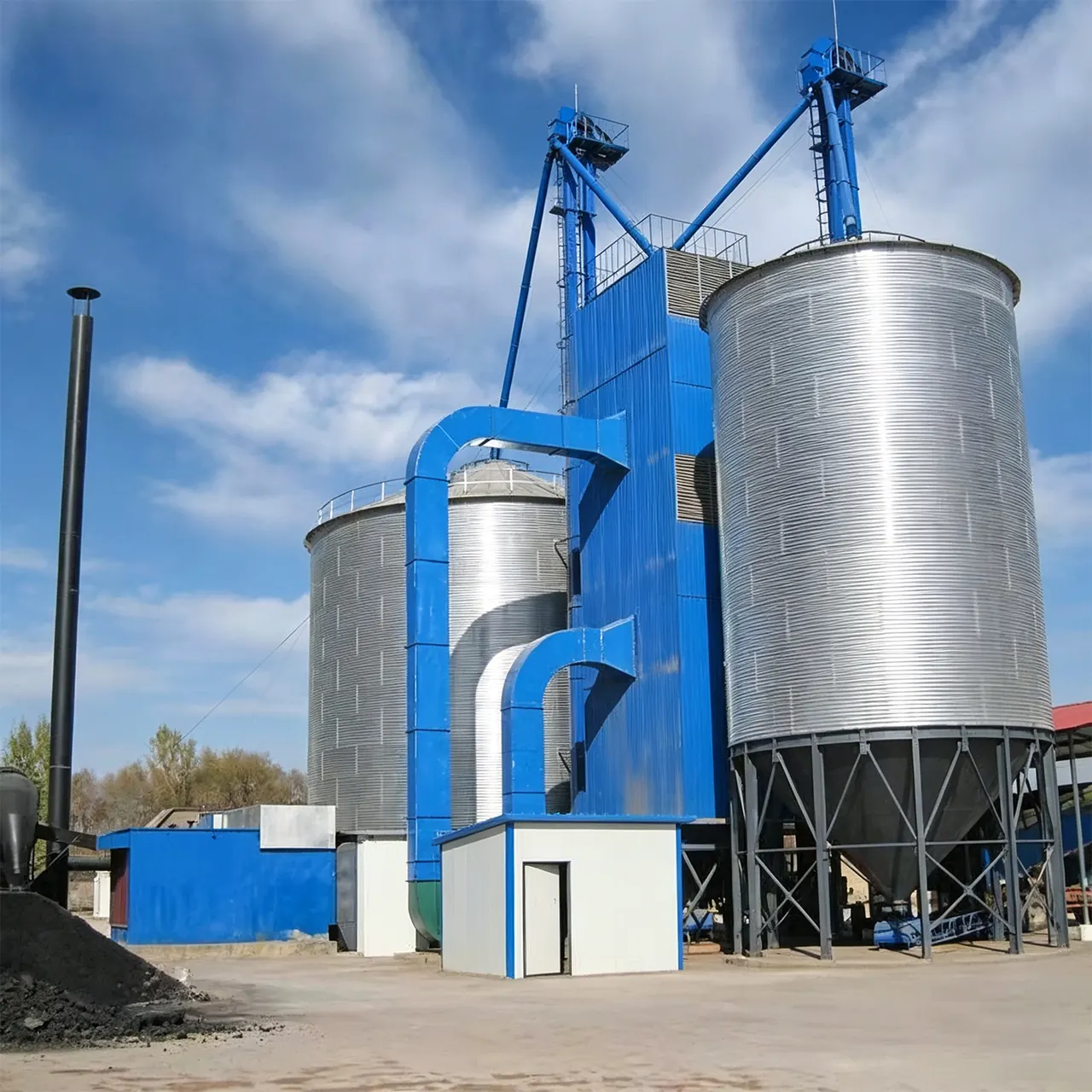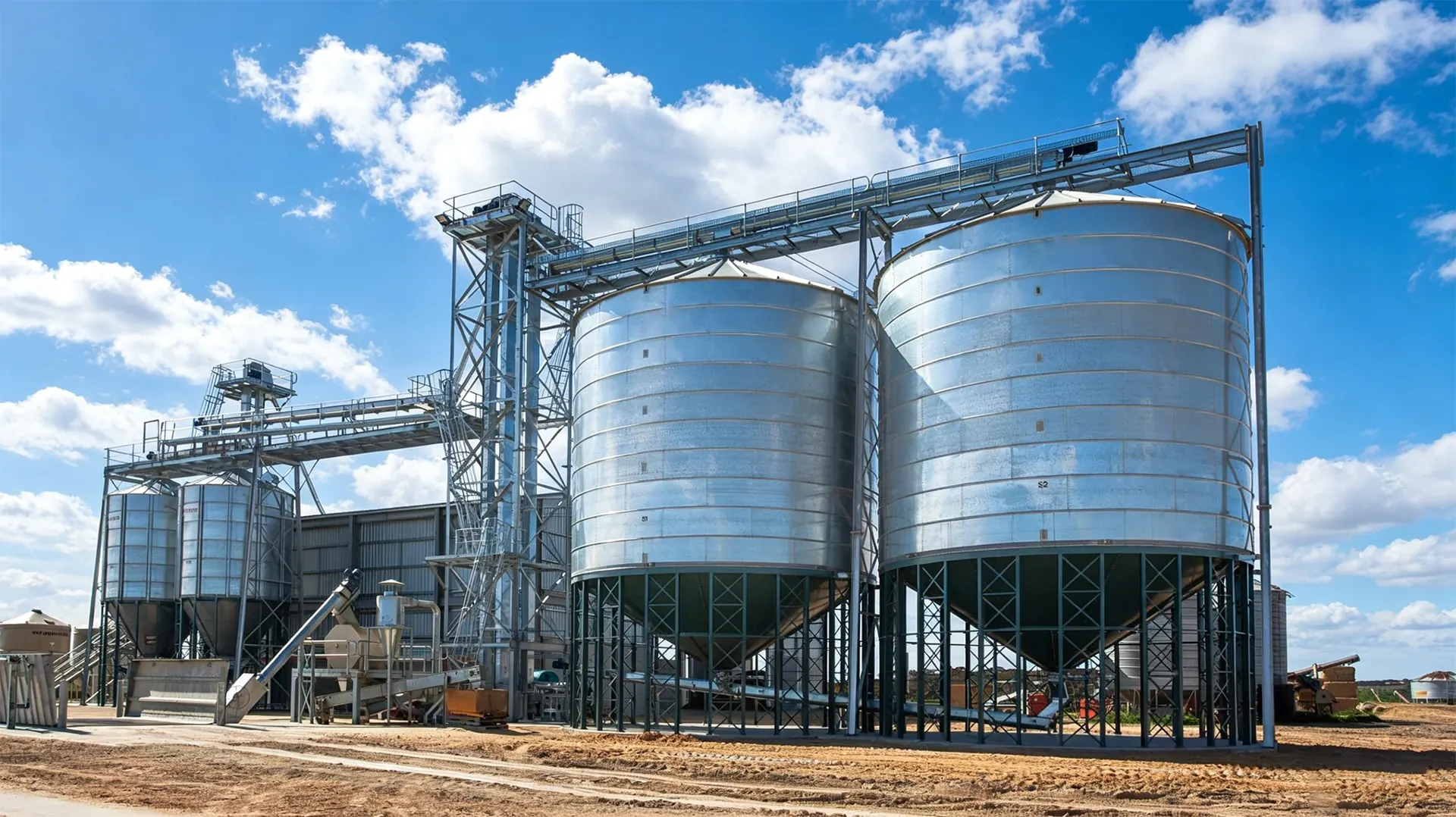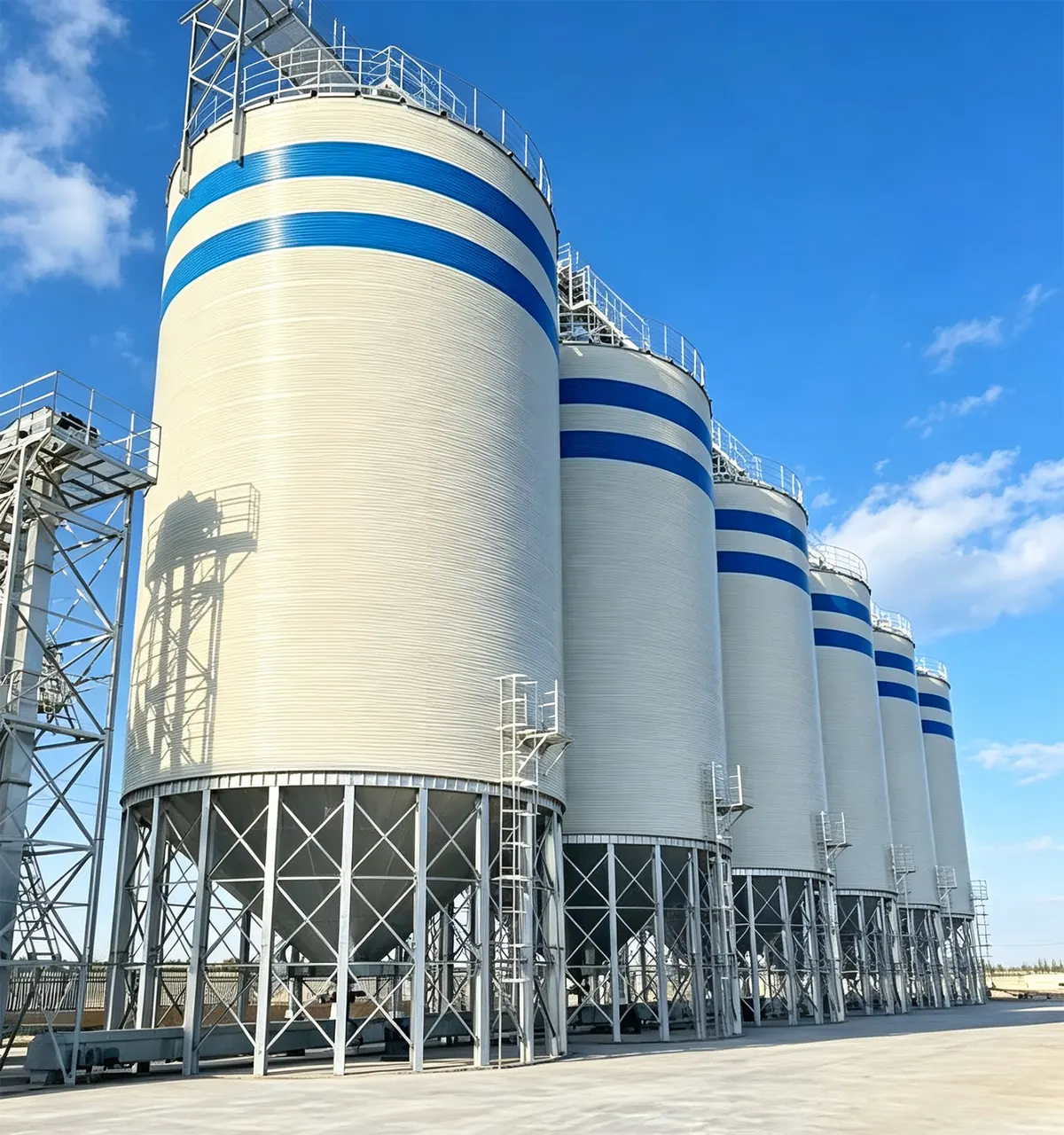
Cold weather installation is not a compromise on quality — it is a discipline. When a grain bin, dryer, or material handling system goes up between December and March, every decision shifts: Purchase High-Quality Steel Silo: An Engineer's Guide behaves differently, concrete cures differently, crews work differently, and the commissioning sequence must account for a bin shell that is 30°F colder than the grain about to enter it. This playbook covers what actually changes below freezing and how to build it right the first time.
What follows is written for the people who have to sign the erection plan: the operations manager scheduling a spring expansion, the project engineer specifying anchor bolts and Purchase High-Quality Steel Silo: An Engineer's Guide grades, and the superintendent who has to decide at 6:00 a.m. whether the crane can pick a 4,200-pound sidewall sheet in a 22 mph wind at 4°F. Every threshold, tolerance, and sequence described here is drawn from field practice on commercial grain storage, continuous-flow dryers, and the material handling Dry Method Cement Rotary Kiln Systems in Modern Cement Pl... that feed them.
Why Winter Builds Win: Off-Season Pricing, Crew Availability, and Faster Permit Timelines
Winter construction is a legitimate scheduling strategy, not a last resort. Between November and March, erection crews are available, crane and rigging contractors are not double-booked, and equipment lead times shorten dramatically. A commercial grain bin package that carries a 14-week lead time in June may ship in six weeks in January, and the installation crew that would normally be splitting attention across four sites can dedicate a full week to a single fan platform and catwalk package.
Permitting also moves faster. County zoning offices, building departments, and fire marshals process fewer agricultural applications in winter, and the civil review of a foundation plan often clears in days rather than weeks. For operations planning a spring harvest expansion, a winter install means the bin is commissioned and the first fill is complete before the planters roll.
The trade-off is real: productivity drops, weather days accumulate, and cold-weather precautions add cost. A realistic winter plan budgets 15–30% additional labor hours and a weather contingency of 20–25% of scheduled field days for northern latitudes. The offsetting savings in crane rates, crew premiums, and avoided harvest-season downtime typically exceed that premium.
There is also a technical advantage that rarely gets mentioned in scheduling meetings: winter ground is often the best ground. In late summer and early fall, a high water table can force dewatering, shoring, and expensive over-excavation on a bin pad. By January, the frost line has dried the upper profile in many regions, and excavation for a ring wall or mat foundation can proceed with stable sidewalls and predictable bearing conditions. The catch — covered in detail below — is that frozen soil must never be mistaken for competent soil.

Temperature Thresholds That Rewrite the Rulebook: What Changes Below 32°F, 10°F, and 0°F
Cold-weather installation planning should be organized around thresholds, not averages. Each threshold triggers a specific set of procedural changes that must be written into the method statement before mobilization.
| Ambient Threshold | What Changes | Required Action |
|---|---|---|
| Below 40°F (4°C) | Concrete curing slows; sealant cure windows extend; coatings skin over slowly | ACI 306 cold-weather concrete plan activated; heated enclosures and insulating blankets; low-temperature sealant grades only |
| Below 32°F (0°C) | Ice on walking surfaces and steel; moisture in air lines freezes; galvanized coatings become brittle to cold forming | Air-line dryers on impact tools; no field bending or cutting of galvanized sheet outdoors; daily ice removal program |
| Below 10°F (−12°C) | Notch toughness of standard structural steel becomes a design concern; hydraulic response slows; most tube sealants stop curing | Charpy V-notch rated steel specified for primary structure; synthetic hydraulic fluid or ISO VG 32; factory-applied gaskets instead of field sealant |
| Below 0°F (−18°C) | Brittle fracture risk on non-toughness-rated steel; propane vaporization fails; hydraulic pump cavitation; field welding requires preheat | Engineered lift and assembly plan required; propane vaporizers; preheat 150–400°F on any structural weld; restrict impact loading |
Below 0°F, the honest engineering answer for many components is to stop field work and shift fabrication indoors. A silo sheet that would flex harmlessly at 60°F can crack a galvanized coating or initiate a notch at −5°F when handled with a forklift tine or dropped a few inches onto a frozen pad.
One additional variable is routinely underestimated: wind. Ambient temperature governs material behavior, but wind chill governs crew behavior, tool performance, and the practical duration of any outdoor task. A 15°F day with a 25 mph wind produces an effective −5°F to −10°F working environment, which means propane torches lose efficiency, hydraulic hoses stiffen, and a 20-minute lift window can collapse to eight minutes. Build the daily plan around both numbers, and set a written wind-speed cut-off for crane picks — typically 20 mph sustained for large sidewall sheets, lower for roof panels with high sail area.
Low-Temperature Steel Behavior: Brittle Fracture Risk, Bolt Torque Limits, and Sealant Cure Windows
Brittle Fracture Risk in Bin Shells and Support Structures
Carbon steel does not become weaker in the cold — it becomes less tolerant of flaws, stress concentrations, and impact. Standard A36 plate and many commodity structural shapes have a nil-ductility transition temperature that can sit near or