
A properly engineered Dust Dust Explosion Prevention in Grain Storage Facilities: En... Prevention in Grain Bin Foundation Settlement: Prevention and Remediati... Storage Facilities: En... bin foundation is the single most critical investment in your storage infrastructure. This comprehensive guide examines concrete ringwall and full pad foundation systems, providing the technical depth needed to make informed decisions that protect your Grain Bin Foundation Settlement: Prevention and Remediati... assets for decades.
Why Concrete Ring and Pad Foundations Are Critical for Grain Bin Longevity
Dust Dust Explosion Prevention in Grain Storage Facilities: En... Prevention in Grain Storage Facilities: En... bins impose extraordinary loads on their supporting structures. A fully loaded 36-foot diameter bin storing corn can exert over 500,000 pounds of total weight, with lateral wind loads adding significant overturning forces. The foundation must resist vertical compression, lateral sliding, differential settlement, and cyclic loading from filling and emptying operations.
Concrete foundations provide the compressive strength, dimensional stability, and durability required for these demanding conditions. Unlike compacted earth or gravel bases alone, properly reinforced concrete distributes concentrated anchor bolt forces, resists moisture infiltration, and maintains geometric alignment throughout the structure's service life.
When evaluating grain bin foundation construction concrete ring and pad cost considerations, the initial investment represents only 8-12% of total project cost but determines 100% of the structure's long-term performance. Cutting corners on foundation engineering invariably leads to expensive corrections.
Ringwall vs. Full Pad: Selecting the Optimal Grain Bin Foundation System
The two predominant foundation types for grain bins each offer distinct advantages depending on bin diameter, soil conditions, and operational requirements.
Ringwall Foundation Configuration
A ringwall foundation consists of a reinforced concrete ring beam positioned directly beneath the bin wall, typically 16-24 inches wide and 18-36 inches deep. The interior area is filled with compacted gravel or sand, creating a stable base for the bin floor while the ringwall carries the structural loads to bearing soil.
Ringwall systems are most economical for bins exceeding 30 feet in diameter, where full pad concrete volumes become prohibitively expensive. The ringwall efficiently transfers vertical loads and resists overturning moments through its deep section and soil backfill interaction.
Full Concrete Pad Foundation
A full concrete pad extends beneath the entire bin footprint, typically 5-8 inches thick for smaller bins and 8-12 inches for larger installations. This configuration provides uniform support, eliminates interior settlement concerns, and creates a sealed surface that simplifies cleaning and pest management.
Full pad foundations are preferred for smaller diameter bins, portable installations, and sites with marginal soil bearing capacity. They also facilitate future bin relocation since the pad can be left in place or removed entirely.
Foundation Selection Criteria
| Factor | Ringwall | Full Pad |
|---|---|---|
| Bin Diameter Range | 30-105 ft | 15-48 ft |
| Concrete Volume | Lower (30-40% less) | Higher |
| Soil Bearing Requirement | 2,500+ psf | 1,500+ psf |
| Construction Complexity | Higher | Moderate |
| Interior Maintenance | Gravel management required | Sealed surface |
| Typical Cost Range | $8,000 - $35,000 | $5,000 - $25,000 |
Subgrade Preparation and Soil Mechanics for Grain Bin Foundations
Foundation performance begins below the concrete. Subgrade preparation directly influences load distribution, settlement behavior, and long-term stability.
Geotechnical Investigation
Before designing any foundation, a qualified geotechnical engineer should perform borehole testing to determine soil classification, bearing capacity, moisture content, and frost depth. These parameters dictate foundation depth, reinforcement requirements, and whether soil modification is necessary.
Grain bin foundation requirements typically specify minimum soil bearing capacity of 2,000 pounds per square foot for ringwall foundations and 1,500 psf for full pad systems. Sites with weaker soils require over-excavation and replacement with engineered fill, or deep foundation elements extending to competent strata.
Compaction Standards
Subgrade material should be compacted to at least 95% of maximum dry density as determined by Standard Proctor testing (ASTM D698). Compaction should be achieved in lifts not exceeding 8 inches, with moisture content maintained within 2% of optimum.
Proof rolling with heavy equipment identifies soft spots requiring additional treatment. Any yielding areas must be excavated and replaced with compacted granular material before proceeding with foundation construction.
Concrete Mix Design and Reinforcement Strategies for Ringwall Foundations
Concrete specifications for grain bin foundations exceed typical commercial construction requirements due to the sustained loading and environmental exposure conditions.
Mix Design Requirements
Minimum compressive strength of 4,000 psi at 28 days is standard for grain bin foundations, with some specifications requiring 5,000 psi for large-diameter bins. The mix should incorporate air entrainment (6% ± 1.5%) for freeze-thaw resistance, particularly in northern climates where foundations experience seasonal temperature cycling.
Water-cement ratio should not exceed 0.45 to ensure durability and minimize shrinkage cracking. Supplementary cementitious materials such as fly ash or slag can improve workability and reduce heat of hydration in mass concrete placements.
Reinforcement Detailing
Ringwall foundations typically require continuous horizontal reinforcement consisting of #4 or #5 bars at 12 inches on center, both inside and outside faces. Vertical stirrups at 12-inch spacing resist shear forces from anchor bolt tension and overturning moments.
For full pad foundations, welded wire fabric (6x6 - W2.9 x W2.9 minimum) or #4 bars at 12 inches each way provides adequate crack control and load distribution. Reinforcement should be positioned in the upper third of the slab thickness to resist tensile stresses from bin loading.
When using a concrete calculator for material estimation, add 8-10% waste factor for ringwall forms and 5-8% for full pad placements to account for spillage, over-excavation, and pump priming losses.
The Steel-Concrete Interface: Anchor Bolts and Base Angle Integration
The connection between steel bin wall and concrete foundation represents a critical structural interface that demands precise execution.
Anchor Bolt Design and Placement
Anchor bolts for grain bins are typically 3/4-inch to 1-inch diameter high-strength steel rods with embedded L or J-hooks. Bolt spacing, embedment length, and edge distance must conform to the bin manufacturer's engineering specifications, which account for wind uplift, seismic forces, and internal grain pressures.
Anchor bolt templates ensure accurate positioning during concrete placement. Bolts should be secured to formwork or reinforcing steel to prevent displacement during concrete vibration. Positional tolerance of ±1/8 inch is typically required to permit bin erection without field modification.
Base Angle and Sealant Systems
The bin base angle bears directly on the concrete foundation and must achieve uniform contact to prevent localized stress concentrations. Non-shrink grout is placed beneath the base angle after bin erection to fill any gaps and distribute loads evenly.
Flexible sealant applied at the base angle-to-concrete junction prevents moisture infiltration that could freeze and spall the foundation edge. This sealant must accommodate thermal movement while maintaining watertight integrity.
Managing Hydrostatic Pressure and Drainage Beneath Grain Bin Pads
Water management is arguably the most overlooked aspect of grain bin foundation design. Hydrostatic pressure, capillary rise, and surface water infiltration can undermine even well-constructed foundations.
Sub-Slope Drainage Systems
For full pad foundations, a perforated drain tile system installed beneath the gravel sub-base intercepts groundwater and redirects it away from the foundation. The drain tile should slope at minimum 1/8 inch per foot to positive daylight or a sump collection point.
The gravel sub-base beneath concrete pads serves dual purposes: it provides a stable working platform during construction and acts as a capillary break preventing moisture migration into the slab. A minimum 6-inch layer of 3/4-inch crushed gravel is standard practice.
Surface Water Diversion
Foundation crowns or slopes should direct surface water away from the bin. A 2% slope extending at least 6 feet beyond the bin perimeter prevents ponding that could saturate subgrade soils. In areas with high rainfall, additional swales or catch basins may be necessary to manage runoff volumes.
Step-by-Step Construction Process for Concrete Ring and Pad Foundations
Proper construction sequencing ensures quality outcomes and prevents costly rework.
Phase 1: Site Preparation
Clear all organic material, topsoil, and debris from the foundation area. Establish benchmark elevations and layout the foundation geometry using survey equipment. Excavate to required depth, accounting for gravel sub-base, concrete thickness, and any frost protection requirements.
Phase 2: Sub-Base Installation
Place and compact gravel sub-base in lifts, achieving specified density. Install any drain tile systems and verify slope continuity. Set grade stakes to control concrete thickness and surface elevation.
Phase 3: Formwork and Reinforcement
Erect formwork to design dimensions, ensuring plumb and level alignment. Grain bin concrete forms for sale from specialty suppliers provide the dimensional accuracy and reuse economy for production installations. Install reinforcing steel with proper cover and secure anchor bolt assemblies.
Phase 4: Concrete Placement and Finishing
Place concrete continuously, consolidating with mechanical vibrators to eliminate voids around reinforcement and anchor bolts. Strike off to grade and apply a broom or light broom finish for slip resistance. Avoid over-finishing, which can create a weak surface layer prone to scaling.
Quality Control, Curing, and Load Testing Best Practices
Rigorous quality control during construction prevents defects that compromise foundation performance.
Field Testing Requirements
Cast a minimum of four test cylinders for every 50 cubic yards of concrete placed, with additional sets for each day's production. Test cylinders at 7 days for early strength indication and at 28 days for acceptance. Slump tests and air content measurements should be performed for every truckload.
Curing Methods
Proper curing is essential for achieving design strength and minimizing shrinkage cracking. Apply curing compound immediately after final finishing, or maintain wet curing with burlap and water for minimum 7 days. In cold weather, protect concrete from freezing until it reaches 500 psi compressive strength.
Pre-Loading Verification
Before bin erection, verify concrete has achieved specified strength through cylinder break records or non-destructive testing. Premature loading can cause permanent damage to immature concrete, particularly around anchor bolt embedments.
Long-Term Maintenance and Structural Inspection of Bin Foundations
Foundation maintenance extends service life and prevents minor issues from becoming major structural problems.
Recommended Inspection Frequency
Conduct visual inspections quarterly, with detailed structural assessments annually. Document any cracking, spalling, settlement, or anchor bolt corrosion. Compare current conditions against baseline photographs taken at construction completion.
Common Defects and Repairs
Surface scaling from de-icing chemicals can be repaired with polymer-modified overlays. Structural cracks wider than 1/16 inch require epoxy injection to restore load transfer. Differential settlement may necessitate slab jacking or underpinning to restore level alignment.
Anchor bolt corrosion should be addressed immediately by cleaning and applying protective coating. Severely corroded bolts require replacement before structural failure occurs.
Cost Factors and ROI Analysis for Grain Bin Foundation Construction
Understanding cost drivers enables accurate budgeting and value engineering decisions.
Typical Cost Components
When analyzing grain bin foundation construction concrete ring and pad cost breakdowns, expect the following allocation: excavation and site work (15-20%), gravel sub-base (10-15%), concrete and reinforcement (35-45%), anchor bolts and embedments (10-15%), and labor (20-25%).
Regional variations in material costs, labor rates, and soil conditions can cause total foundation costs to range from $15 to $45 per square foot of bin footprint. Remote sites with limited access or challenging terrain may incur additional mobilization and logistics costs.
Return on Investment
A properly constructed foundation provides 40-50 years of service life with minimal maintenance. When amortized over the foundation's lifespan, annual cost represents less than 0.5% of the Dust Explosion Prevention in Grain Storage Facilities: En...-in-stored-grain-an-engineering-systems-approach">Mycotoxin Prevention in Stored Grain: An Engineering Syst... grain's value. This extraordinary ROI justifies investing in quality materials and workmanship rather than pursuing lowest-bid alternatives.
Foundation failures resulting in bin collapse or grain spoilage can generate losses exceeding $100,000 in a single incident. The incremental cost of proper foundation engineering and construction represents inexpensive insurance against these catastrophic outcomes.
Frequently Asked Questions
Full concrete pads for grain bins typically range from 5 to 8 inches in thickness for bins up to 36 feet in diameter, and 8 to 12 inches for larger installations. The exact thickness depends on soil bearing capacity, bin diameter, and stored commodity density. Ringwall foundations generally require 18 to 36 inches of depth with 16 to 24 inches of width. Always follow the bin manufacturer's engineering specifications, as they account for specific loading conditions and local building code requirements.
Concrete volume depends on foundation type and bin diameter. For a full pad foundation, calculate the circular area multiplied by slab thickness. A 36-foot diameter bin with a 6-inch pad requires approximately 5.3 cubic yards of concrete. Ringwall foundations require calculating the annular volume: a 36-foot bin with a 20-inch wide by 24-inch deep ringwall needs approximately 4.2 cubic yards. Using a concrete calculator with 8-10% waste factor ensures adequate material ordering. Always verify quantities against engineered drawings before placing orders.
A minimum 4-inch compacted gravel sub-base is standard for grain bin foundations, with 6 inches recommended for sites with poor drainage or weak subgrade soils. The gravel should be 3/4-inch crushed stone with sufficient fines to achieve proper compaction. The sub-base serves as a capillary break, drainage layer, and stable working platform. In areas with high water tables, increase thickness to 8 inches and incorporate perimeter drain tile to manage groundwater effectively.
Full concrete pads for grain bins typically do not require separate spread footings when placed on competent
Written by: Manxing Engineering Team
Reviewed by: Senior Engineer
Related Articles
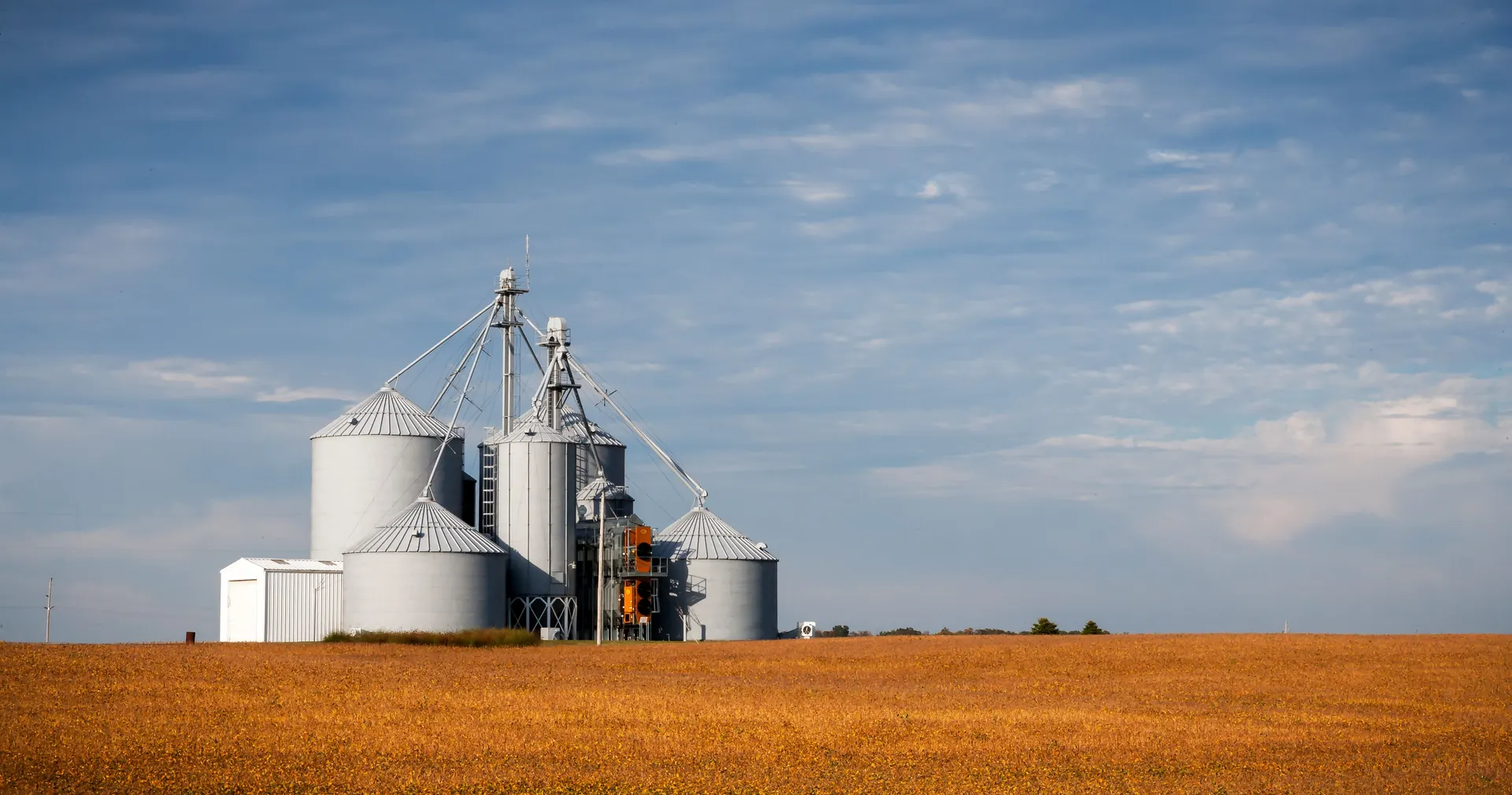
Complete Grain Silo Installation Guide: From Site Preparation to Commissioning
Complete Grain Silo Installation Guide: From Site Preparation to Commissioning | Manxing :root { -primary-color: #1a5276; -secondary-color: #2874a...
Read →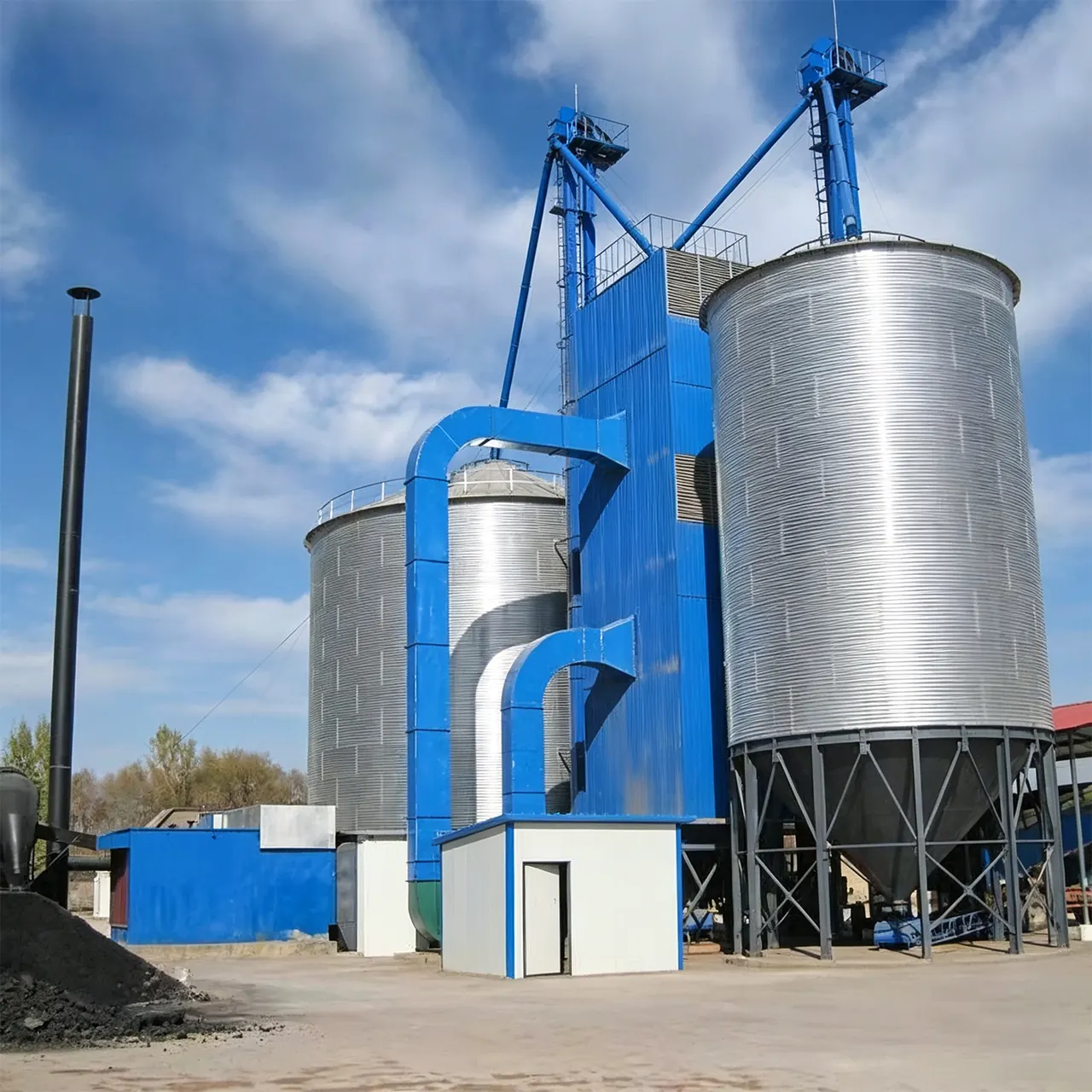
Comprehensive Silo Safety Checklist: Mitigating Hazards in Grain Storage Systems
Comprehensive Silo Safety Checklist: Mitigating Hazards in Grain Storage Systems Comprehensive Silo Safety Checklist: Mitigating Hazards in Grain Storage Systems Grain storage operations present...
Read →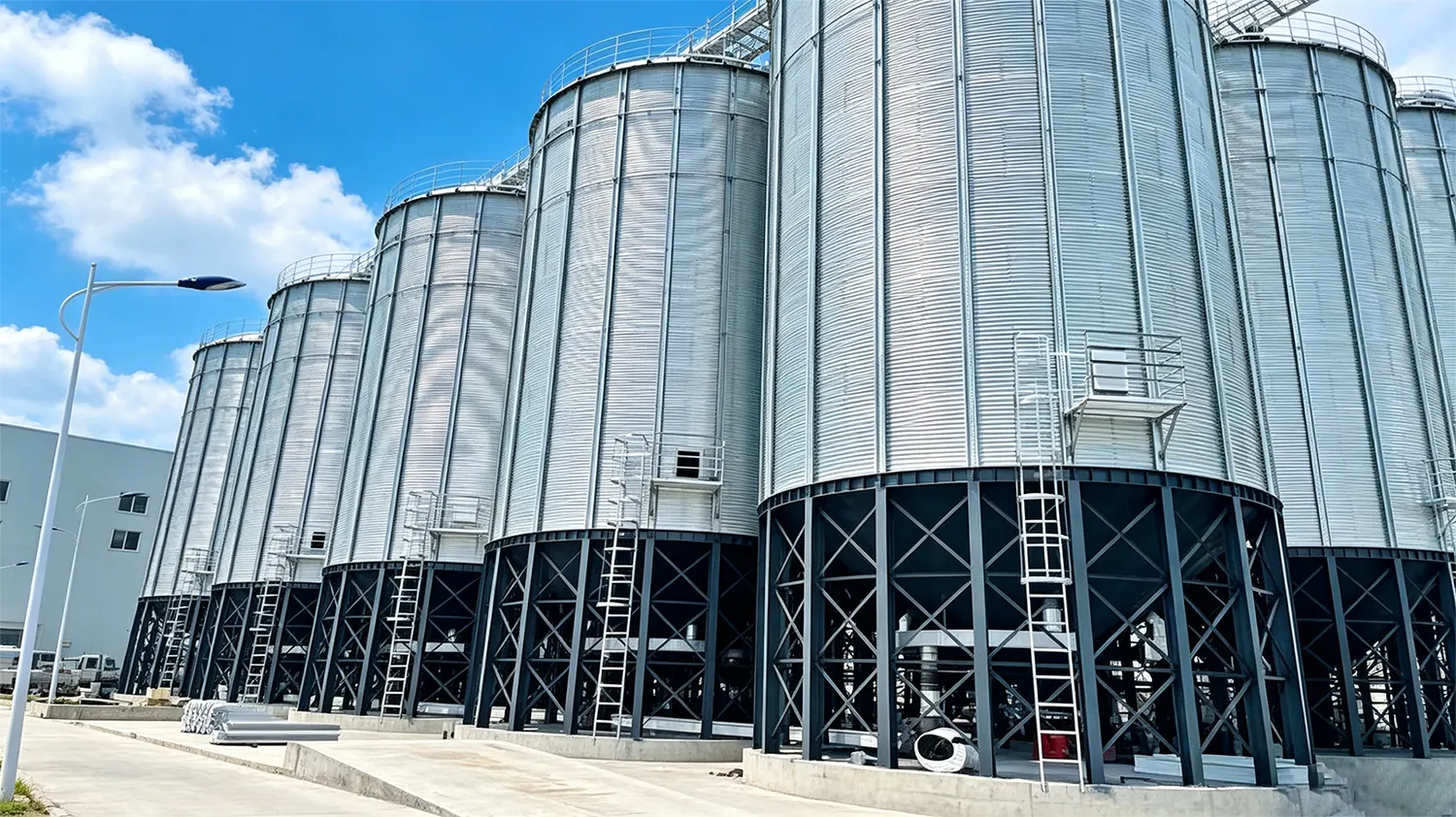
Erection Sequence of Steel Structure: Complete Spiral Silo Assembly Guide
Erection Sequence of Steel Structure: Complete Spiral Silo Assembly Guide Erection Sequence of Steel Structure: Complete Spiral Silo Assembly Guide The erection sequence of a spiral steel silo is...
Read →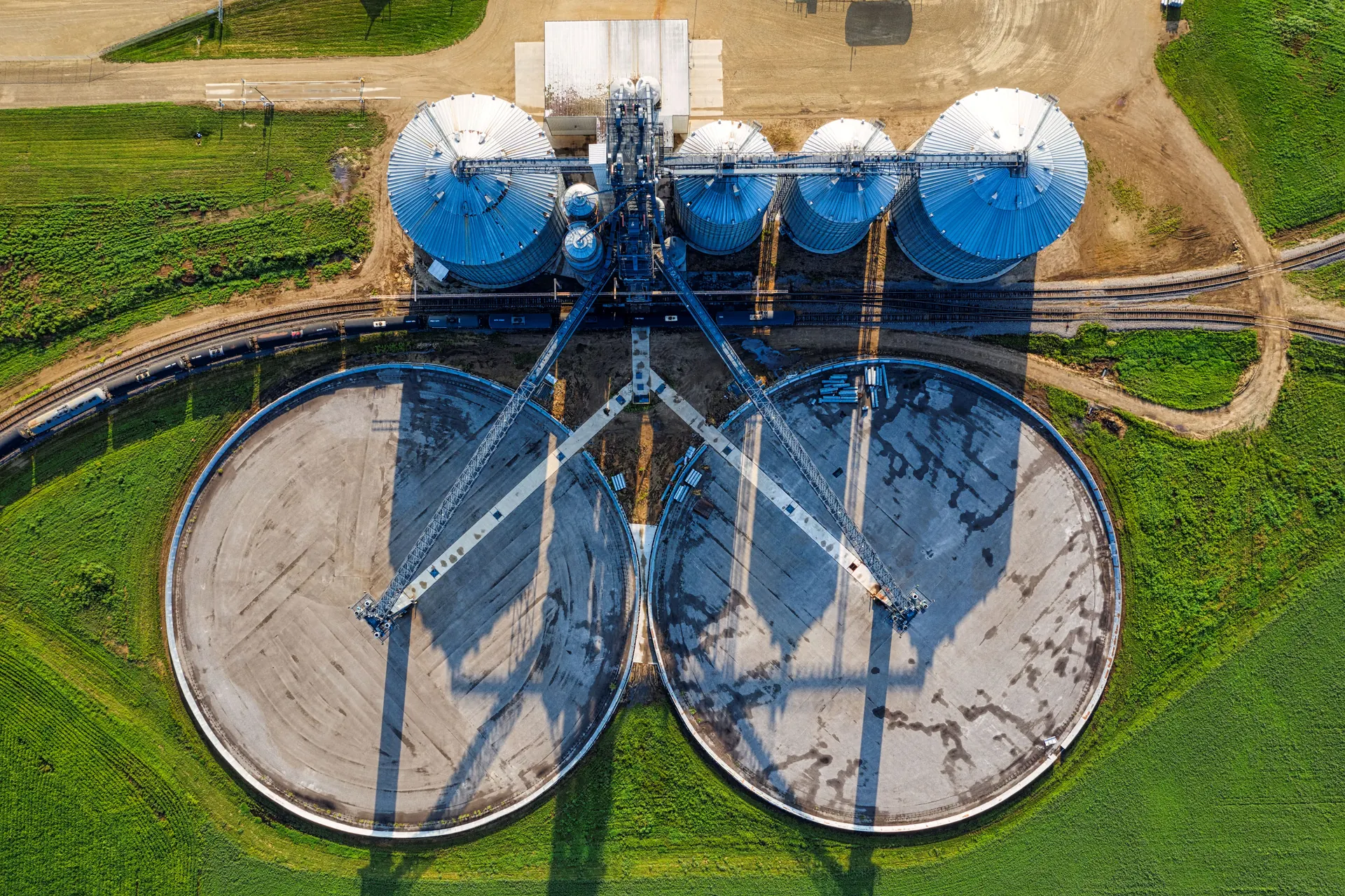
Installing Aeration Systems in Grain Bins: A Complete Engineering Guide
Installing Aeration Systems in Grain Bins | Manxing Grain Storage Installing Aeration Systems in Grain Bins: A Complete Engineering Guide Properly installing aeration systems in...
Read →
Tolerances and Alignment in Grain Bin Assembly: A Comprehensive Engineering Guide
Tolerances and Alignment in Grain Bin Assembly | Technical Guide Tolerances and Alignment in Grain Bin Assembly: A Comprehensive Engineering Guide Precision in grain bin assembly is not merely a...
Read →Equipment Mentioned in This Guide
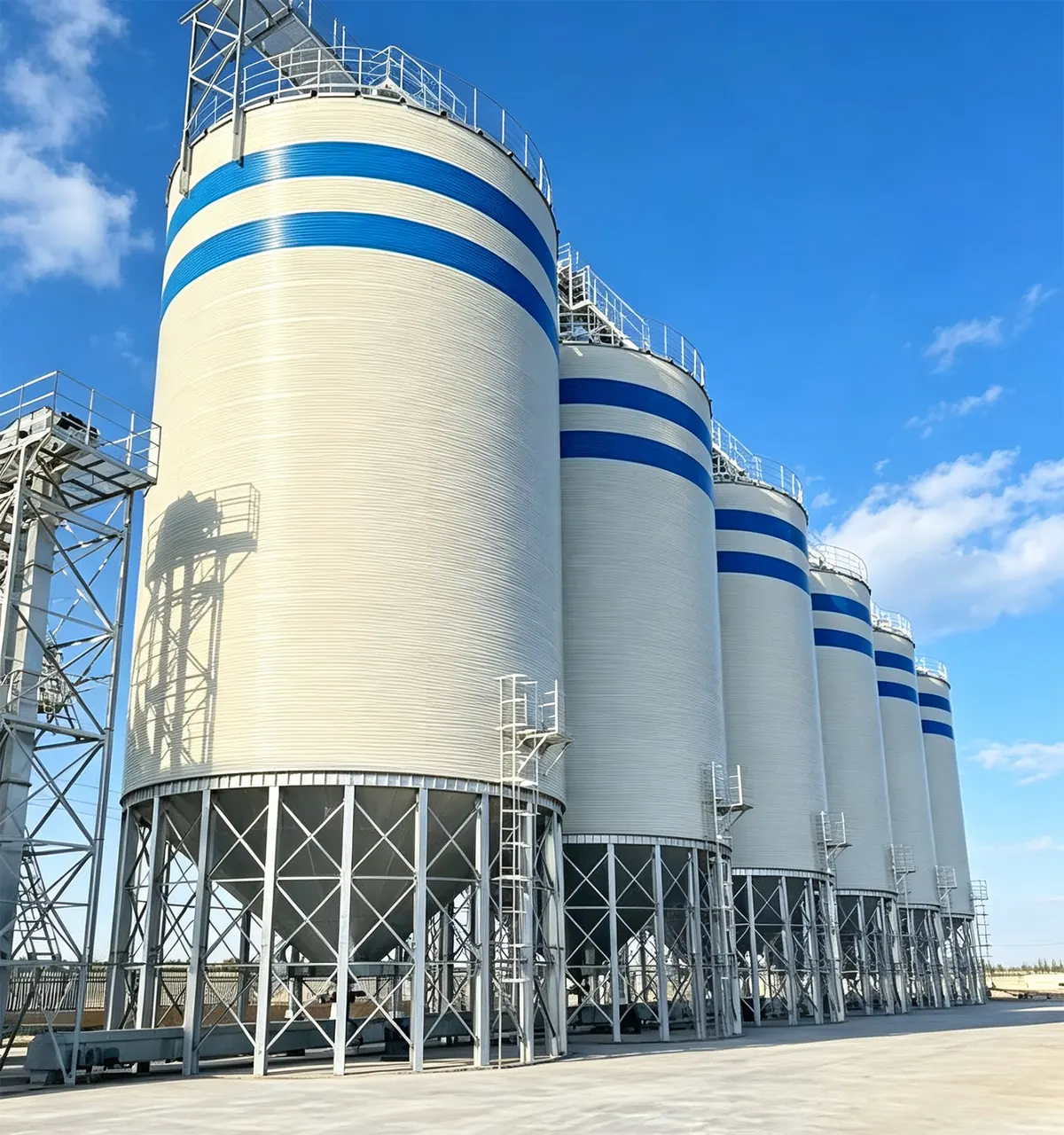
Wood Pellet Silo
Dust-controlled storage for biomass wood pellets
View Product →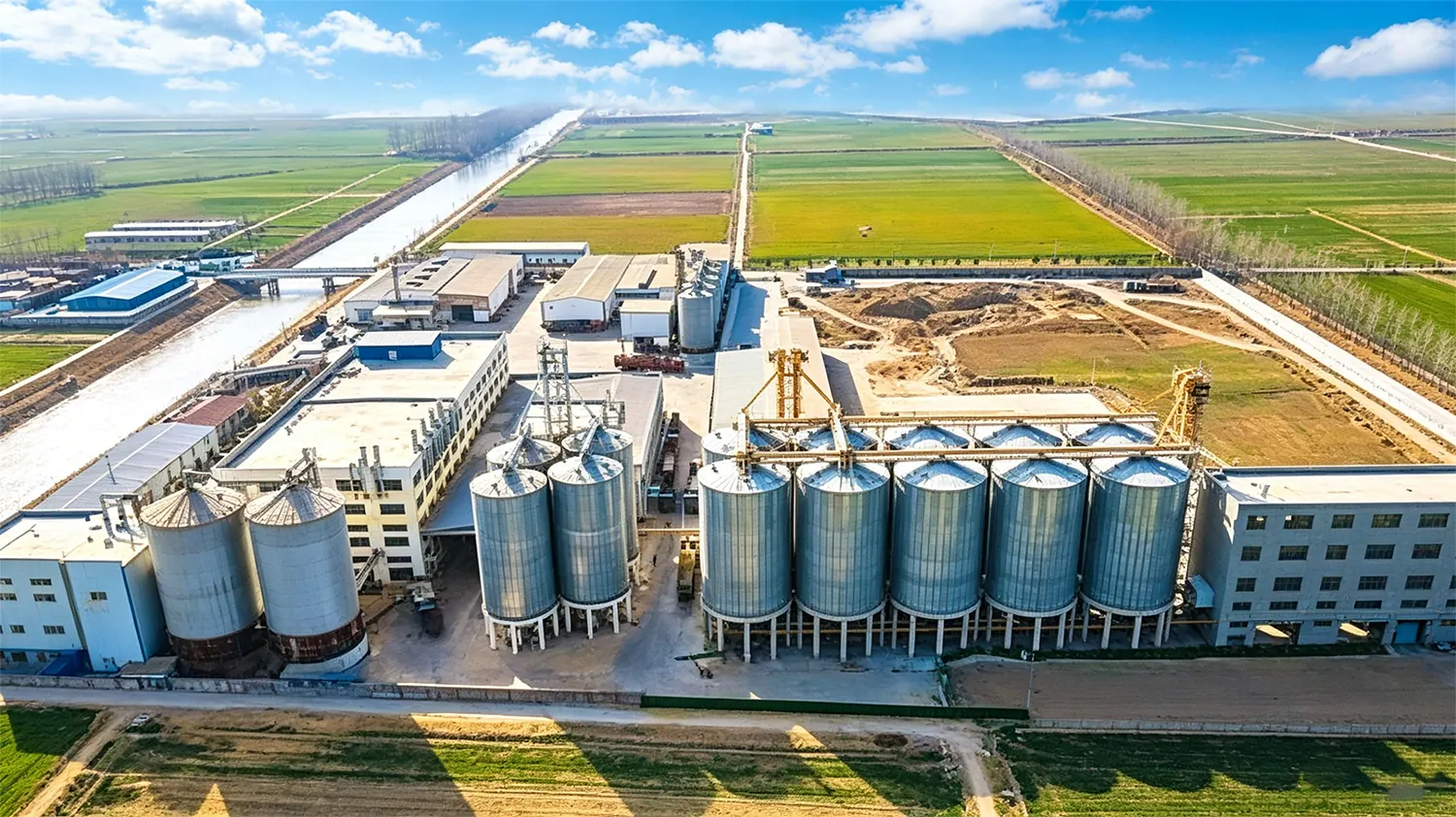
Commercial Silo
High-capacity storage for elevators, terminals and industrial users
View Product →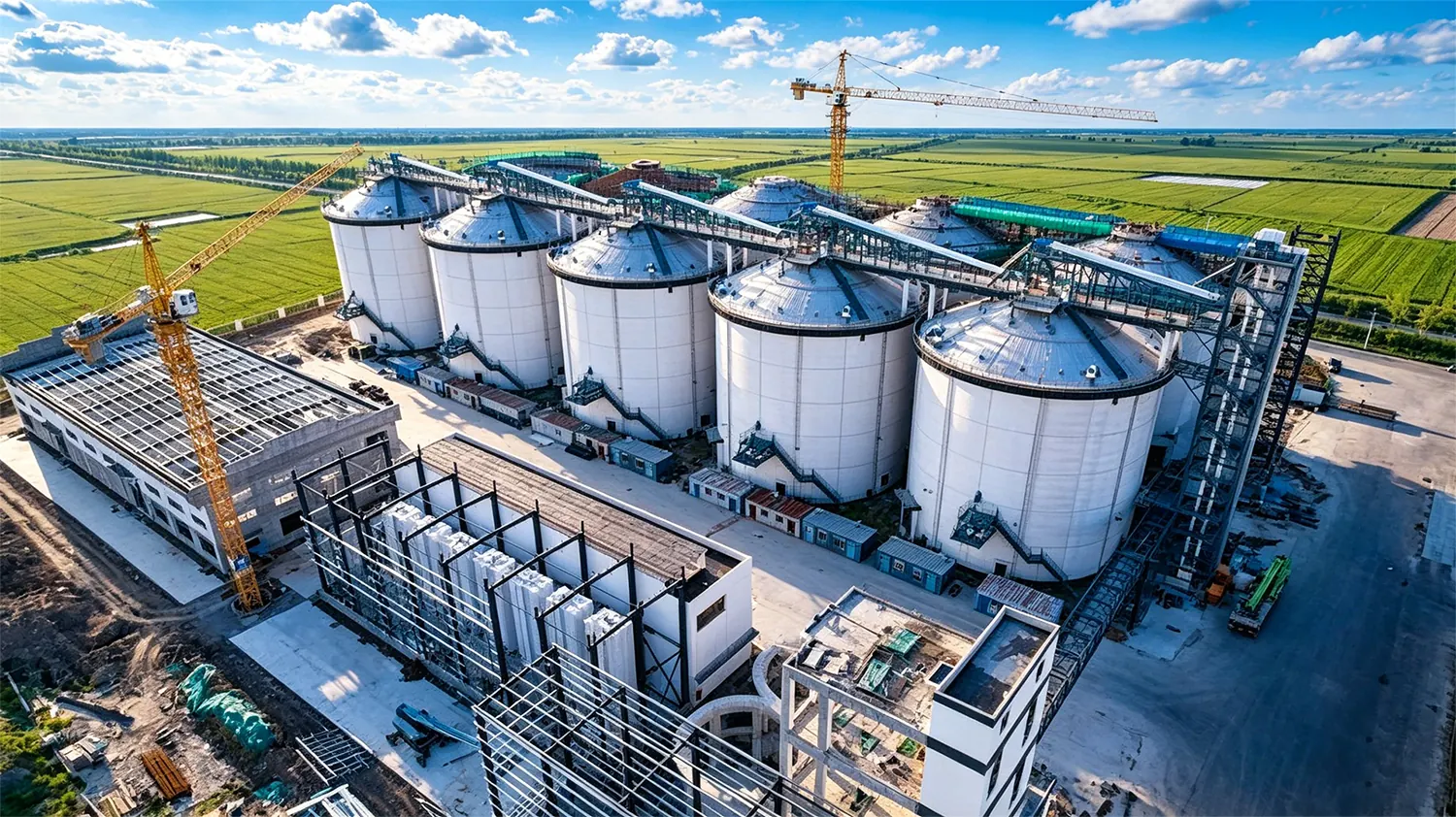
Feed Silo
Hygienic pellet & mash feed storage for feed mills and farms
View Product →Explore Storage Solutions
Corn Storage Solution
Complete storage systems for corn — from farm bins to export terminals
View Solution →
Wheat Storage Solution
Protect protein & milling quality with low-moisture storage
View Solution →Need help with grain bin foundation construction: concrete ring and pad systems explained?
Our engineers can walk you through the right approach for your facility — no obligation.
Talk to an Engineer Try the CalculatorOn This Page
- Why Concrete Ring and Pad Foundations Are Critical for Grain Bin Longevity
- Ringwall vs. Full Pad: Selecting the Optimal Grain Bin Foundation System
- Subgrade Preparation and Soil Mechanics for Grain Bin Foundations
- Concrete Mix Design and Reinforcement Strategies for Ringwall Foundations
- The Steel-Concrete Interface: Anchor Bolts and Base Angle Integration
- Managing Hydrostatic Pressure and Drainage Beneath Grain Bin Pads
- Step-by-Step Construction Process for Concrete Ring and Pad Foundations
- Quality Control, Curing, and Load Testing Best Practices
- Long-Term Maintenance and Structural Inspection of Bin Foundations
- Cost Factors and ROI Analysis for Grain Bin Foundation Construction
- Frequently Asked Questions