
Properly installing aeration systems in grain bins is one of the most critical investments a storage facility can make for preserving grain quality, preventing spoilage, and extending safe storage life. This comprehensive guide covers everything from fundamental design principles to field-proven installation techniques that ensure uniform airflow distribution throughout your Mycotoxin Dust Dust Explosion Prevention in Grain Storage Facilities: En... Prevention in Grain Storage Facilities: En... in Stored Grain: An Engineering Syst... grain mass.
Key Takeaway: Industry research demonstrates that properly designed and installed aeration systems can reduce Dust Dust Explosion Prevention in Grain Storage Facilities: En... Prevention in Grain Storage Facilities: En... spoilage rates from 3-5% down to less than 0.5%, while maintaining moisture content within safe storage thresholds for 6-12 months or longer. The return on investment for a well-engineered aeration system typically occurs within the first two storage cycles.
The Critical Role of Aeration Systems in Grain Bin Preservation
Dust Dust Explosion Prevention in Grain Storage Facilities: En... Prevention in Grain Storage Facilities: En... is a living biological organism that continues to respire after harvest. This respiration process generates heat and moisture, creating microclimates within the grain mass that accelerate mold growth, insect activity, and quality degradation. Installing aeration systems in grain bins addresses these challenges by forcing controlled ambient air through the grain pile, effectively managing temperature and moisture profiles throughout the entire storage volume.
Without proper aeration, temperature differentials between the grain mass and external environment create convection currents that migrate moisture into the upper center of the bin—a phenomenon known as moisture migration. This process can cause crusting, condensation on the interior roof surface, and catastrophic spoilage within weeks. A properly engineered aeration system eliminates these convection currents by maintaining uniform grain temperatures within 10°F (5.5°C) of the average ambient temperature.

How Aeration Fundamentally Works
Aeration operates on the principle of slow convective heat and mass transfer. Ambient air is forced through the grain mass at low flow rates—typically between 0.1 and 1.0 cubic foot per minute per bushel (CFM/bu)—allowing sufficient contact time for thermal equilibration. The cooling front advances through the grain mass gradually, and the goal is not to dry the grain but to reduce and stabilize its temperature to inhibit biological activity.
The cooling front moves from the bottom of the bin upward (in positive pressure systems) or from top to bottom (in negative pressure systems). Operators monitor the progress of this front using temperature cable systems installed within the grain mass. When the cooling front reaches the grain surface, the entire mass has been successfully conditioned and can be maintained with periodic fan operation.
Technical Specifications and Design Considerations
Successful aeration system installation begins with accurate engineering calculations. Undersized systems fail to provide adequate cooling rates, while oversized systems waste energy and can cause uneven moisture distribution. The following technical parameters must be carefully evaluated during the design phase.
Airflow Rate Requirements by Grain Type
Different grain types present varying resistance to airflow due to differences in kernel size, shape, test weight, and foreign material content. The static pressure that the fan must overcome increases dramatically with grain depth, making accurate resistance calculations essential for proper fan selection.
| Grain Type | Recommended Airflow (CFM/bu) | Approx. Static Pressure at 30ft Depth (in. w.c.) | Bulk Density (lb/bu) |
|---|---|---|---|
| Wheat | 0.1 – 0.2 | 6.5 – 8.0 | 60 |
| Corn (Shelled) | 0.1 – 0.25 | 5.5 – 7.5 | 56 |
| Soybeans | 0.1 – 0.2 | 7.0 – 9.0 | 60 |
| Rice (Rough) | 0.2 – 0.5 | 8.0 – 12.0 | 45 |
| Sorghum | 0.1 – 0.2 | 6.0 – 8.0 | 56 |
| Barley | 0.1 – 0.2 | 7.5 – 10.0 | 48 |
Fan Selection: Centrifugal vs. Axial
The two primary fan types used in grain bin aeration are centrifugal and axial flow fans. Centrifugal fans are preferred for most grain bin applications because they deliver relatively constant airflow despite varying static pressure conditions. This characteristic is essential when grain depth changes during filling and emptying cycles. Axial fans, while more energy-efficient at lower static pressures, experience dramatic airflow reduction as resistance increases, making them suitable only for shallow grain depths or high-flow, low-pressure applications.
When selecting fans, engineers must calculate the total static pressure at maximum grain depth, accounting for grain resistance, ductwork losses, floor perforation resistance, and any additional system components such as transition ducts. A properly selected centrifugal fan should operate within its stable performance range at the calculated system resistance point, typically achieving motor efficiency above 65%.
Aeration Duct Design and Configuration
The ductwork distribution system is arguably the most critical component when installing aeration systems in grain bins. Poor duct design creates dead zones—areas of the grain mass that receive insufficient airflow—leading to localized spoilage even when the total fan capacity appears adequate.
Common duct configurations include:
- Full perforated floor: Provides the most uniform airflow distribution, with air entering the grain mass across the entire bin floor area. Ideal for bins up to 60 feet in diameter storing high-value grain.
- Radial duct systems: Straight or T-shaped ducts extending from the bin wall to the center, typically spaced to achieve a maximum travel distance of 15-17 feet from any duct to the nearest wall or adjacent duct.
- Ring duct systems: A circular duct installed near the perimeter with radial branches extending toward the center. Effective for larger diameter bins where full perforated floors are cost-prohibitive.
- Single or double hopper-bottom channels: Used in cone-bottom bins where gravity flow is required for discharge.
The maximum recommended travel distance for air through grain is 15 feet. Exceeding this distance results in insufficient airflow at the midpoint between ducts, creating stagnant zones where spoilage can initiate.

Step-by-Step Installation Process
Proper installation of aeration systems in grain bins requires careful sequencing and attention to structural, electrical, and mechanical details. The following process reflects industry best practices developed through decades of field experience.
Site Preparation and Foundation Requirements
The bin foundation must be designed to support the total weight of the grain, the bin structure, and all ancillary equipment. For aeration systems, the foundation must also incorporate the aeration floor or duct trenches. Concrete foundations should be finished to a tolerance of ±3mm over any 3-meter span to ensure proper sealing between the bin wall and the aeration floor perimeter.
When installing perforated aeration floors, the sub-floor or plenum chamber must be properly sloped to facilitate drainage in the event of water intrusion. A minimum slope of 1:120 toward the nearest drain point is recommended. All plenum chambers should be sealed to prevent air leakage that would reduce system efficiency.
Duct Installation and Sealing
Duct sections must be properly aligned and sealed at all joints to prevent air leakage. Field experience shows that unsealed duct joints can lose 15-25% of total system airflow, dramatically reducing aeration effectiveness. Use manufacturer-approved gasket materials or food-grade silicone sealant at all connection points.
For radial duct systems, the center riser or collection manifold must be sized to handle the total airflow velocity without excessive pressure drop. The velocity through the manifold should not exceed 1,500 feet per minute to maintain reasonable static pressure losses.
Fan Connection and Transition Ducting
The transition between the fan and the plenum or duct system requires careful design to minimize turbulence and pressure losses. Eccentric reducers should be used when transitioning from the fan outlet to the duct diameter, with the flat side oriented to prevent air pocket formation. All transitions should maintain a taper angle of no more than 15 degrees on the diverging side.
Flexible connections between the fan and rigid ductwork are essential to prevent vibration transmission and to accommodate minor misalignment during installation. These connections must be rated for the operating static pressure and should be inspected annually for deterioration.
Electrical Integration and Controls
Modern aeration systems integrate with PLC-based control platforms that automate fan operation based on ambient temperature, humidity, and grain temperature feedback. Variable frequency drives (VFDs) allow operators to modulate fan speed to match seasonal conditions, reducing energy consumption by 30-50% compared to fixed-speed systems.
Electrical installations must comply with local codes and hazardous area classifications. In grain dust environments, all electrical components must meet appropriate ingress protection ratings and Dust Explosion Prevention in Grain Storage Facilities: En...-proof requirements as specified by applicable standards.
Common Installation Mistakes to Avoid
After decades of evaluating aeration system performance across thousands of installations, certain recurring mistakes consistently compromise system effectiveness. Avoiding these pitfalls during the installation phase prevents costly retrofits and grain quality losses.
Undersized Ductwork
Reducing duct diameter to cut material costs is one of the most damaging compromises in aeration system installation. The static pressure loss through ductwork increases with the fifth power of the velocity increase—meaning that doubling the air velocity through undersized ducts increases pressure losses by a factor of 32. Always size ducts to maintain air velocities below 2,000 feet per minute under maximum airflow conditions.
Inadequate Perforated Floor Area
Perforated aeration floors must provide sufficient open area to distribute airflow uniformly across the grain mass. The minimum recommended open area is 10-15% of the total floor area. Using solid or minimally perforated flooring creates concentrated airflow paths that leave large portions of the grain mass unaerated.
Ignoring Variable Grain Depth Effects
Aeration systems must perform effectively at both maximum and minimum grain depths. During partial bin filling, the reduced grain depth lowers system resistance, causing the fan to operate at a higher flow rate on its performance curve. Conversely, when the bin is full, increased resistance reduces airflow. Proper fan selection accounts for both operating scenarios to ensure adequate airflow across all fill levels.
Maintenance and System Optimization
Installing aeration systems in grain bins is only the beginning. Ongoing maintenance and seasonal optimization ensure sustained performance throughout the system's operational life.
Inspect all ductwork, transitions, and connections annually for corrosion, grain dust accumulation, and seal deterioration. Clean fan blades and housings to maintain balance and efficiency. Verify temperature cable integrity and calibration before each storage season. Monitor fan amperage as an indicator of system resistance changes that may signal duct blockage or floor perforation clogging.
Track aeration hours and grain temperature trends to optimize fan scheduling. Running fans during periods of high ambient humidity can actually introduce moisture into the grain mass. Modern control systems use dewpoint comparisons to automatically select the most favorable operating windows.
Frequently Asked Questions
The required airflow depends on your grain type, bin diameter, and grain depth. For most cereal grains like wheat and corn, a minimum of 0.1 CFM per bushel is recommended for temperature management, while high-moisture storage or drying applications may require 0.5-1.0 CFM per bushel. A qualified engineer should calculate the specific requirements based on your storage parameters and local climate conditions.
Yes, aeration systems can be retrofitted into existing bins, though the approach depends on the bin's current floor configuration. Bins with solid concrete floors can accommodate radial duct systems installed on top of the floor, though this reduces usable storage volume slightly. Bins with existing perforated floors may only need fan and transition upgrades. A site assessment by an experienced engineer is recommended to determine the most cost-effective retrofit strategy.
Fan run time depends on your objective. For cooling grain after harvest, continuous operation until the cooling front reaches the grain surface is typically required—this may take 100-200 hours depending on airflow rate and grain depth. For seasonal maintenance, running fans 50-100 hours per month during cool, dry weather is generally sufficient. Automated control systems that respond to ambient conditions optimize both grain quality and energy consumption.
Aeration systems use low airflow rates (0.1-1.0 CFM/bu) to cool and temperature-equalize grain without significantly changing its moisture content. Drying systems use much higher airflow rates (1-5 CFM/bu) combined with heated air to actively remove moisture from grain. While both systems share some mechanical components, they serve distinct purposes and require different engineering calculations. Some facilities install both systems for maximum flexibility in managing grain quality.
Monitor temperature readings from cables installed within the grain mass. A properly functioning system will show uniform temperatures throughout the bin, with no localized hot spots exceeding 10°F above the average. Additionally, measure fan static pressure and compare it to the design specifications—significant deviations indicate duct blockage, floor perforation clogging, or fan performance issues that require investigation.
Professional Aeration System Design and Installation
Properly installing aeration systems in grain bins requires specialized engineering expertise that accounts for grain type, bin geometry, local climate, and operational requirements. Our engineering team provides complete turnkey solutions—from initial airflow calculations and duct design through installation supervision and commissioning. Every system is
Written by: Manxing Engineering Team
Reviewed by: Senior Engineer
Related Articles
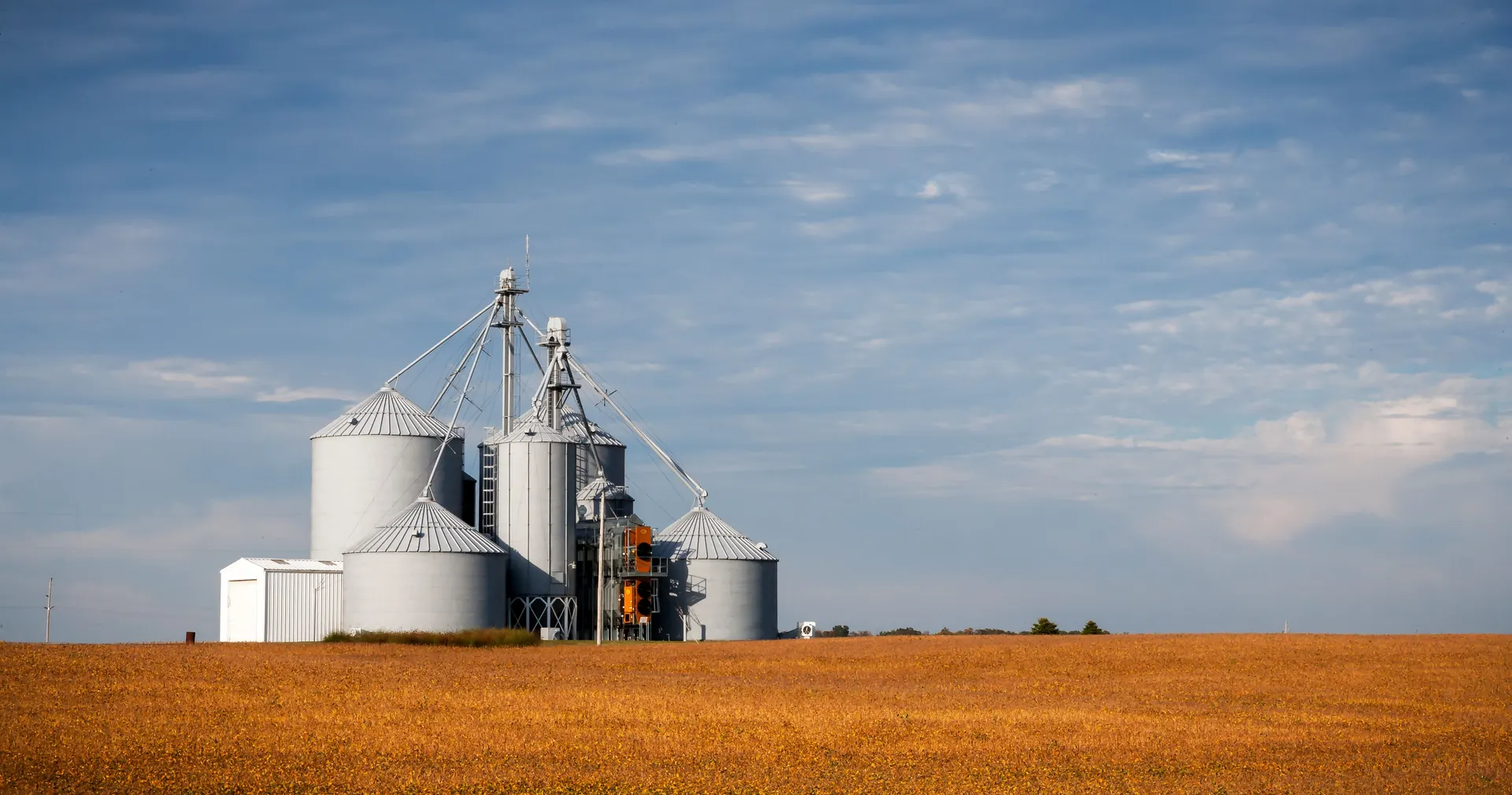
Complete Grain Silo Installation Guide: From Site Preparation to Commissioning
Complete Grain Silo Installation Guide: From Site Preparation to Commissioning | Manxing :root { -primary-color: #1a5276; -secondary-color: #2874a...
Read →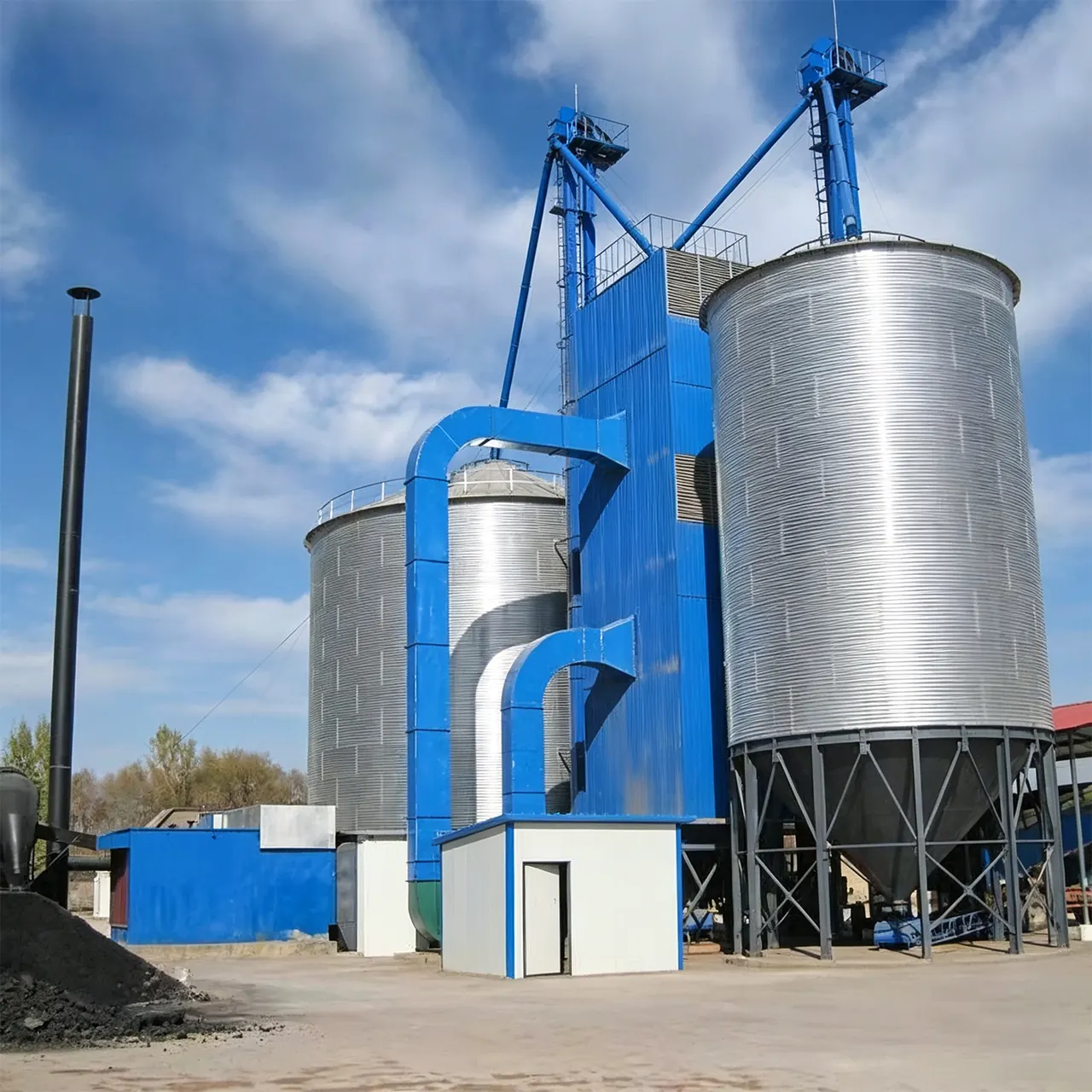
Comprehensive Silo Safety Checklist: Mitigating Hazards in Grain Storage Systems
Comprehensive Silo Safety Checklist: Mitigating Hazards in Grain Storage Systems Comprehensive Silo Safety Checklist: Mitigating Hazards in Grain Storage Systems Grain storage operations present...
Read →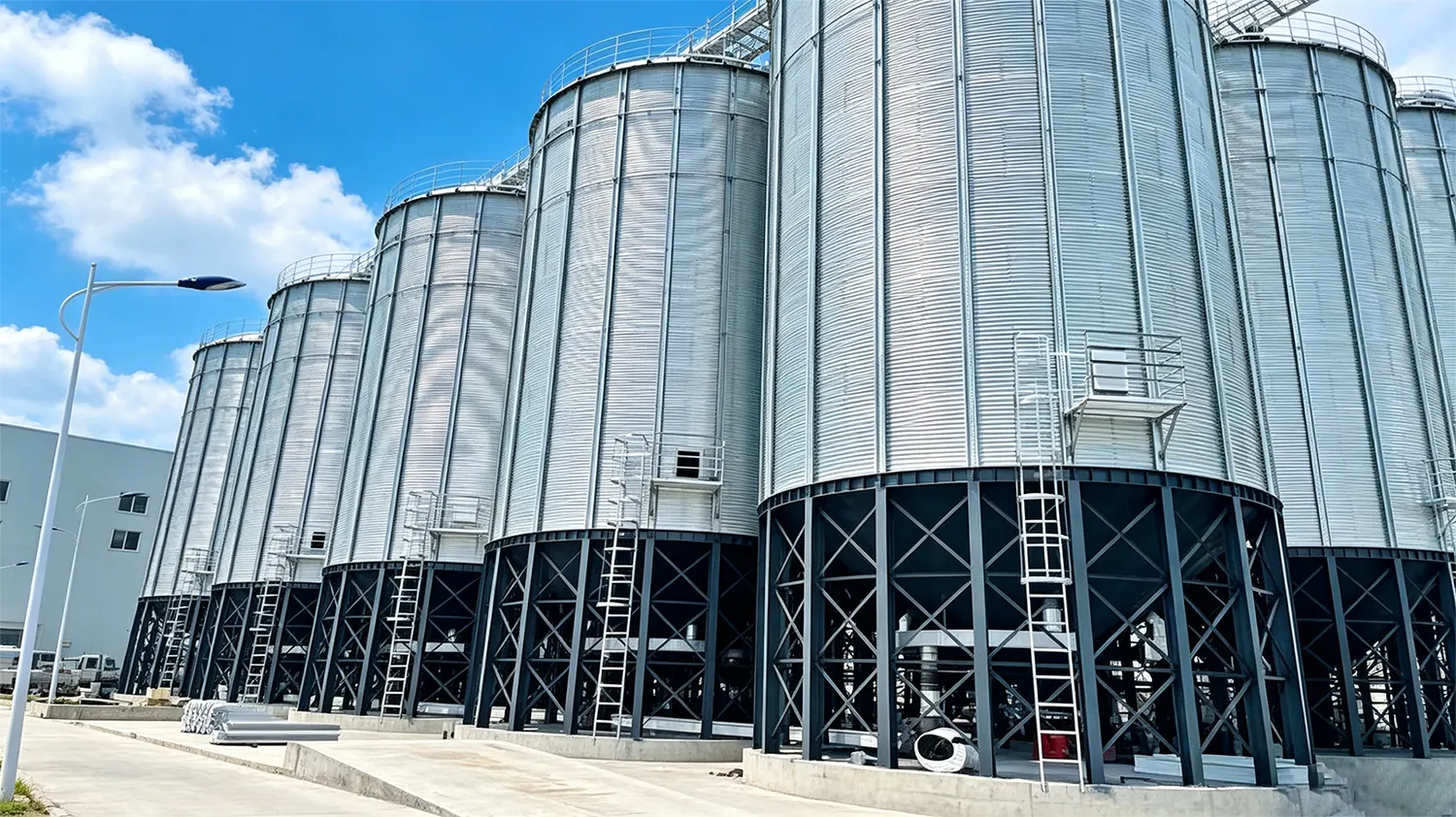
Erection Sequence of Steel Structure: Complete Spiral Silo Assembly Guide
Erection Sequence of Steel Structure: Complete Spiral Silo Assembly Guide Erection Sequence of Steel Structure: Complete Spiral Silo Assembly Guide The erection sequence of a spiral steel silo is...
Read →
Grain Bin Foundation Construction: Concrete Ring and Pad Systems Explained
Grain Bin Foundation Construction: Concrete Ring and Pad | Expert Guide Grain Bin Foundation Construction: Concrete Ring and Pad Systems Explained A properly engineered grain bin foundation is...
Read →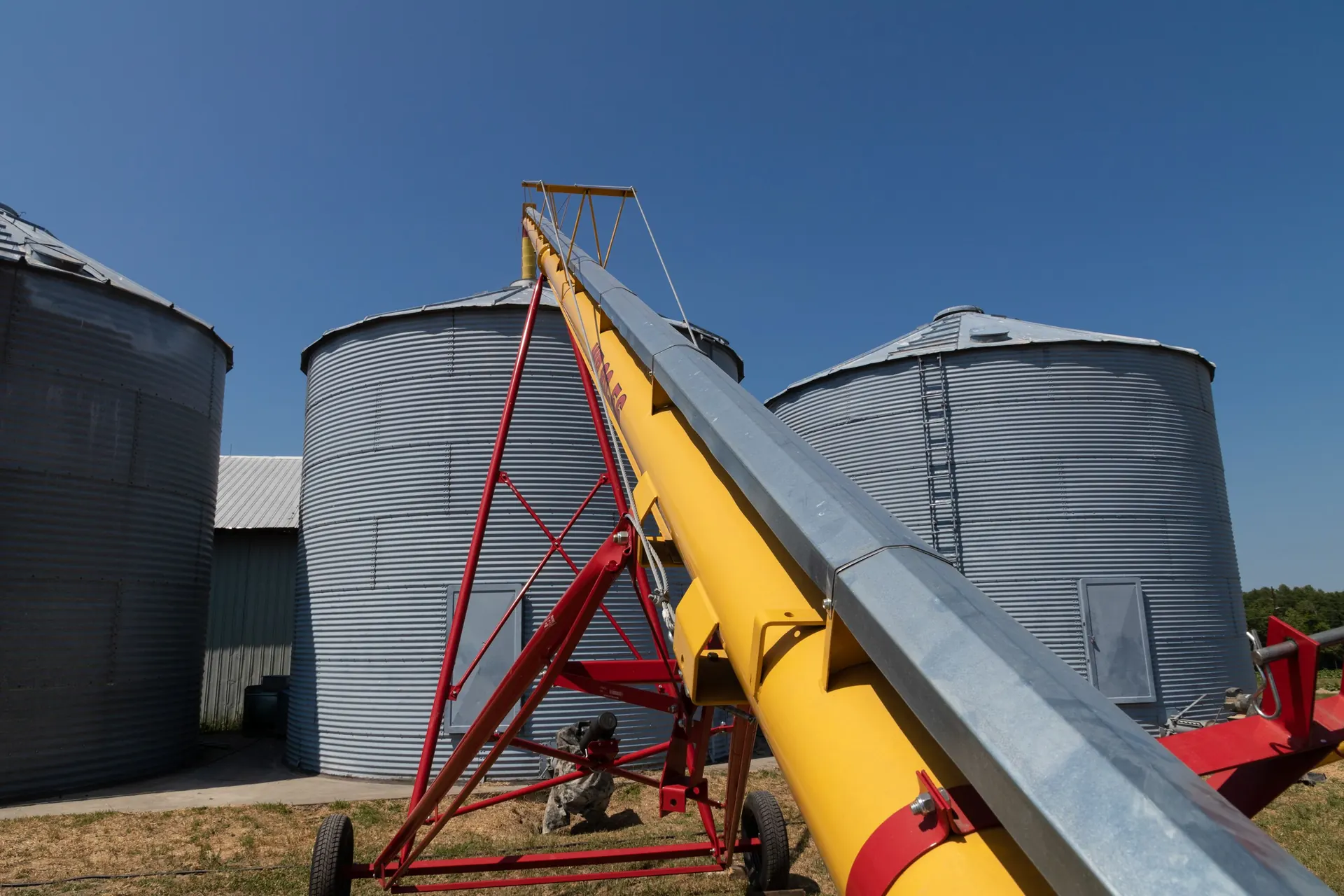
Tolerances and Alignment in Grain Bin Assembly: A Comprehensive Engineering Guide
Tolerances and Alignment in Grain Bin Assembly | Technical Guide Tolerances and Alignment in Grain Bin Assembly: A Comprehensive Engineering Guide Precision in grain bin assembly is not merely a...
Read →Equipment Mentioned in This Guide
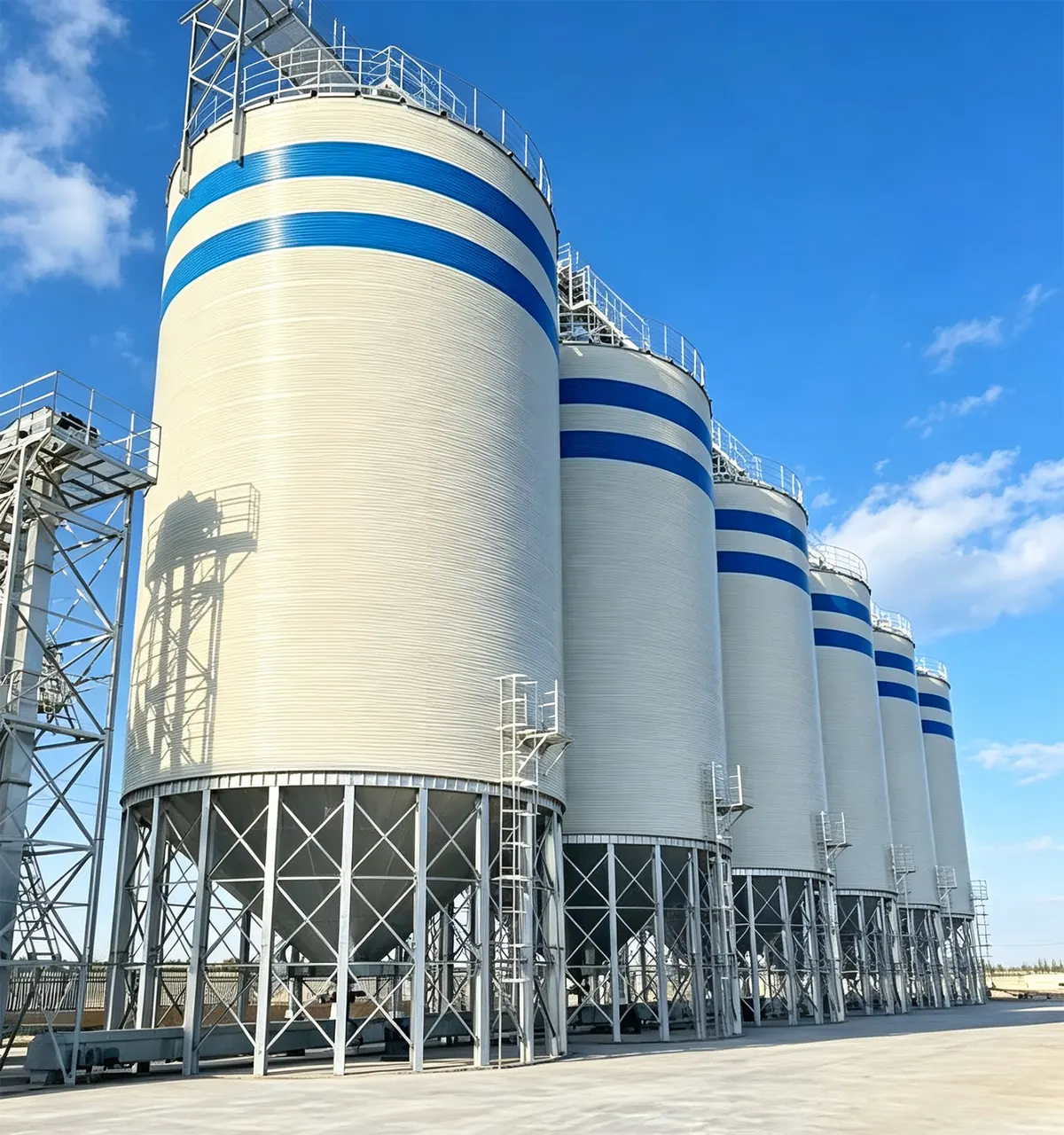
Wood Pellet Silo
Dust-controlled storage for biomass wood pellets
View Product →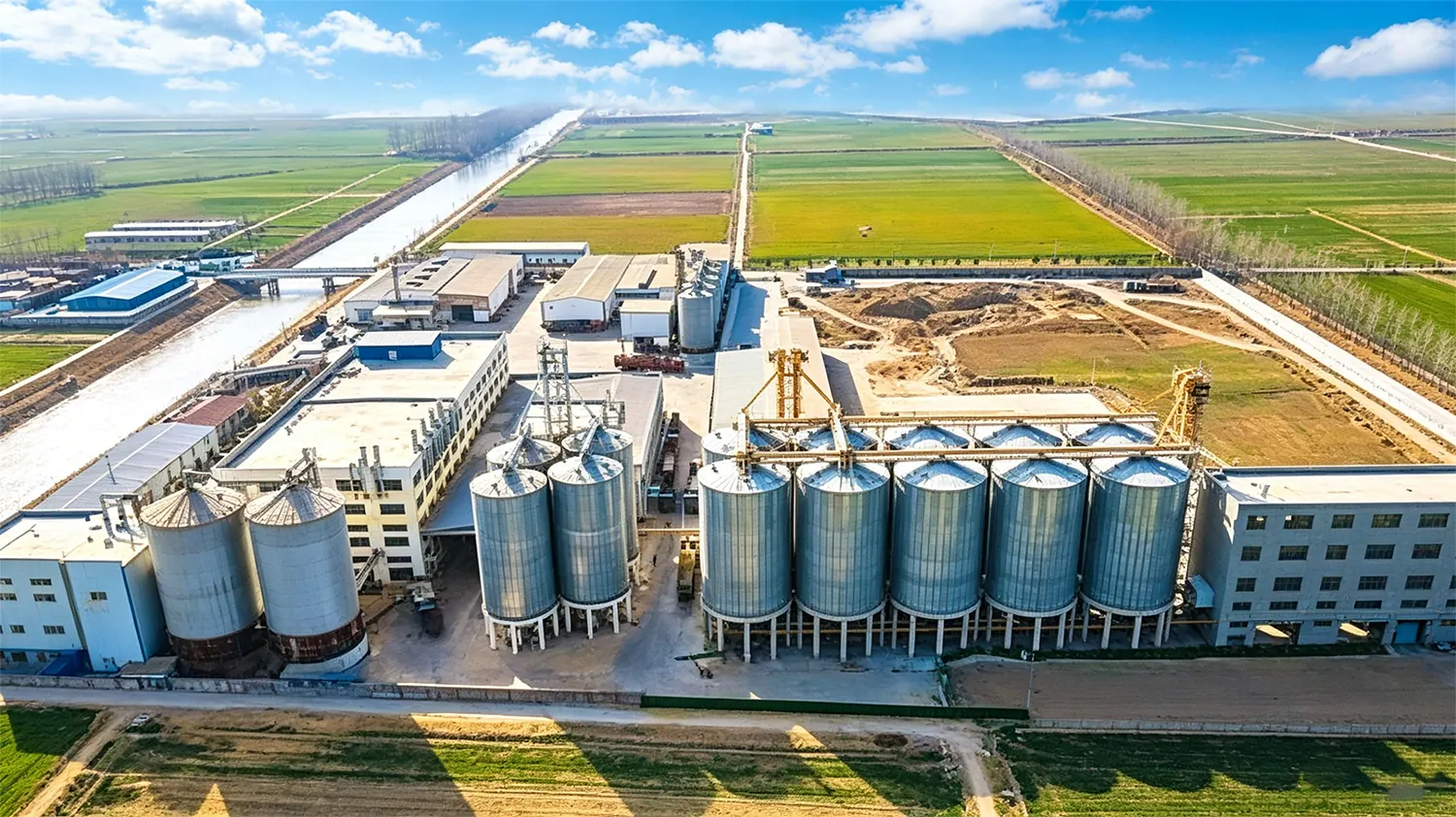
Commercial Silo
High-capacity storage for elevators, terminals and industrial users
View Product →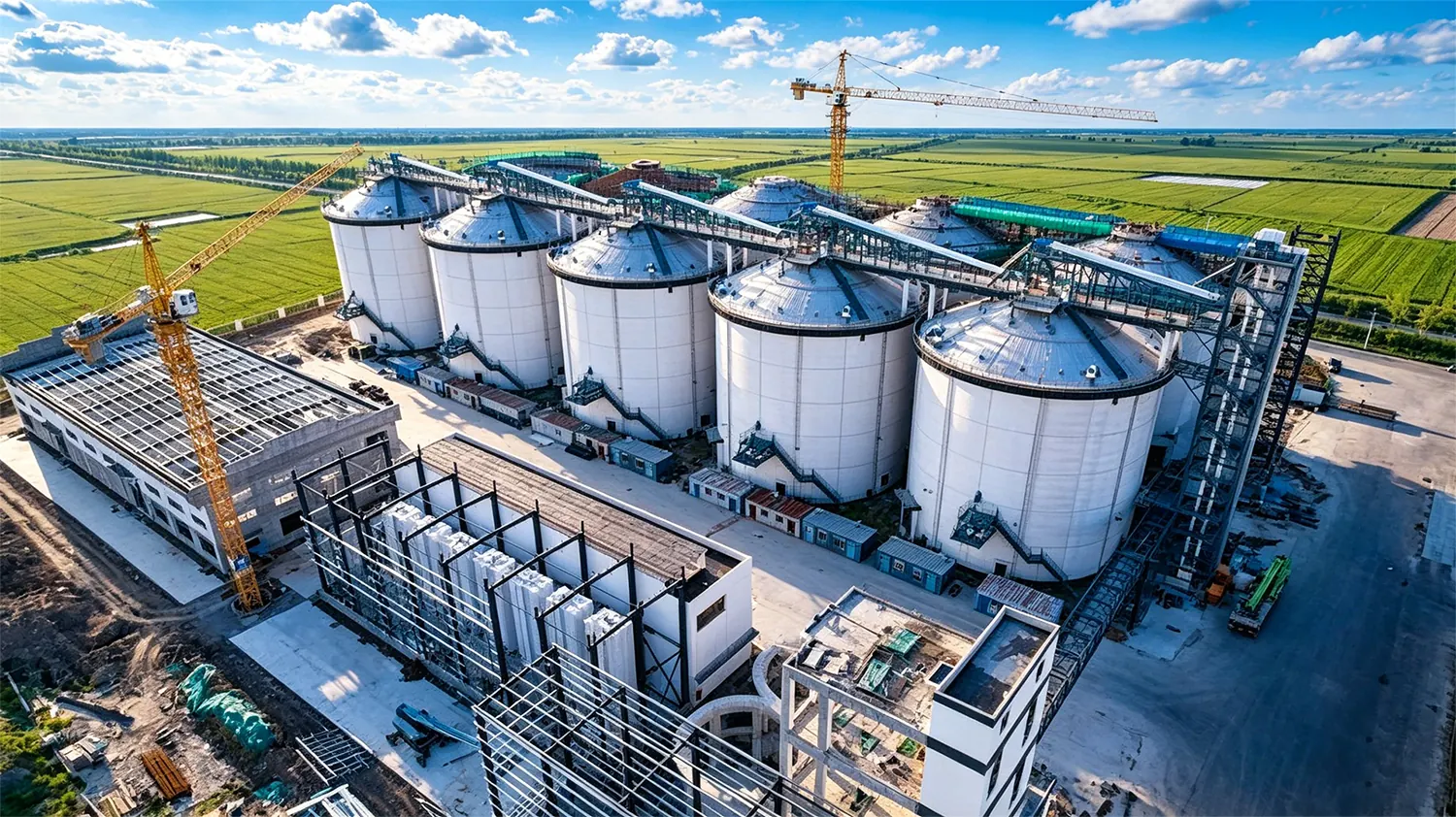
Feed Silo
Hygienic pellet & mash feed storage for feed mills and farms
View Product →Explore Storage Solutions
Corn Storage Solution
Complete storage systems for corn — from farm bins to export terminals
View Solution →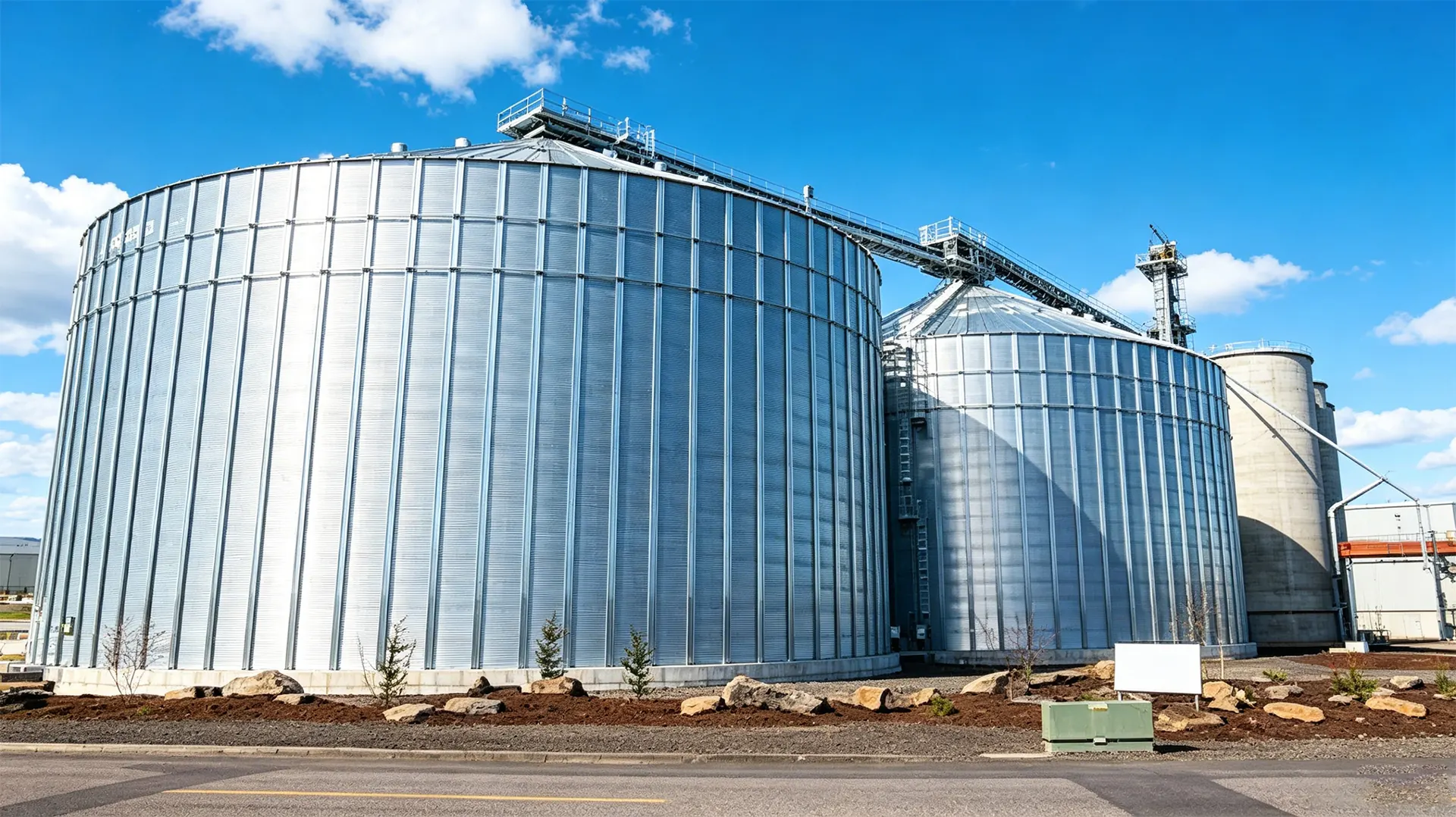
Wheat Storage Solution
Protect protein & milling quality with low-moisture storage
View Solution →Need help with installing aeration systems in grain bins: a complete engineering guide?
Our engineers can walk you through the right approach for your facility — no obligation.
Talk to an Engineer Try the Calculator