
A comprehensive silo inspection checklist is the cornerstone of safe, efficient Dust Dust Explosion Prevention in Grain Storage Facilities: En... Prevention in Grain Storage Facilities: En... storage operations. Whether managing flat-bottom silos for grain or cement silos for industrial materials, systematic inspection protocols prevent catastrophic failures, minimize spoilage, and extend asset lifespan by decades.
The Critical Role of Silo Inspection Checklists in Grain Storage
Dust Dust Explosion Prevention in Grain Storage Facilities: En... Prevention in Grain Storage Facilities: En... storage silos represent significant capital investments, often exceeding hundreds of thousands of dollars per unit. Unlike general warehouse facilities, silos are subject to unique stressors: internal pressure from stored materials, thermal cycling, moisture infiltration, and dynamic loading during filling and discharge cycles. A structured inspection checklist system—implemented as a standardized procedural framework with defined checkpoints and documentation requirements—ensures no critical component is overlooked.
From an engineering perspective, the inspection checklist serves multiple functions beyond simple maintenance tracking. It establishes baseline conditions for structural comparison over time, documents corrosion progression, and provides traceable records for insurance and regulatory compliance. For operations managing multiple silos across distributed Dust Dust Explosion Prevention in Grain Storage Facilities: En... Prevention in Grain Storage Facilities: En..., standardized inspection protocols enable consistent data collection and meaningful trend analysis.

Daily and Regular Inspection Checklist: Ensuring Air-Tightness and Structural Integrity
Daily inspections form the first line of defense against gradual degradation. These checks require minimal downtime but deliver maximum risk reduction when performed consistently by trained personnel.
Air-Tightness and Connection Points
Air infiltration is the silent enemy of grain storage. Even minor breaches at connection points—flange joints, manhole covers, and inlet/outlet transitions—can introduce moisture that promotes mold growth, insect activity, and grain spoilage. During daily rounds, inspectors should verify seal integrity at all bolted connections, paying particular attention to areas where thermal expansion and contraction cycles are most pronounced.
For hermetically sealed silos used in controlled atmosphere storage, air-tightness verification takes on additional significance. Pressure decay tests should be conducted according to manufacturer specifications, with results logged systematically in your inspection checklist PDF for longitudinal comparison.
Level Gauge Functionality and Overload Dust Explosion Prevention in Grain Storage Facilities: En...
Overloading remains one of the most common causes of structural distress in grain silos. Daily verification of level gauge accuracy—whether using continuous level sensors, point-level switches, or manual sounding—prevents dangerous overfilling scenarios. Inspectors should cross-reference automated readings with physical measurements at regular intervals to detect sensor drift or malfunction.
Vent Holes, Fan Plugs, and Silo Top Components
The silo top platform houses critical ventilation infrastructure that requires regular attention. Vent holes and fan plugs must remain unobstructed to maintain proper airflow dynamics during aerodynamics cooling cycles. Bird nests, debris accumulation, and ice formation during winter months can compromise ventilation efficiency and create pressure differentials that stress the silo shell.
Wall Deformation and Stiffener Bolt Connections
Visual inspection of the silo shell for wall deformation—bulging, denting, or panel distortion—provides early warning of structural issues. Stiffener bolt connections should be checked for looseness, corrosion, or missing hardware. These structural elements resist external wind loads and internal material pressures; their integrity is non-negotiable for safe operation.
Door , Adjacent Panels, and Cone Joints
The discharge cone and access door frames experience concentrated stress during material flow. Inspectors should examine these areas for cracking, deformation, and weld seam integrity. Cone joints and welding seams at the hopper transition are particularly susceptible to fatigue cracking from cyclic loading during discharge operations.
Scheduled Maintenance: Deep Structural Inspections Upon Emptying
While daily inspections address surface-level conditions, scheduled deep inspections—conducted when silos are emptied—provide access to internal surfaces that are otherwise inaccessible. These comprehensive evaluations should occur at minimum annually, or more frequently for silos storing corrosive or abrasive materials.
Internal Surface Assessment Protocol
Upon emptying, inspectors gain full access to the silo interior. This opportunity must be maximized through systematic assessment of all internal surfaces. Key evaluation areas include: wall panel condition and coating integrity, floor-to-wall junction seals, internal stiffener surfaces, and the complete discharge cone interior.
For grain storage specifically, internal inspection should focus on evidence of moisture migration patterns, condensation points, and any biological growth that may indicate chronic air infiltration issues. Cement and fly ash silos require additional attention to material buildup patterns that indicate flow obstruction risks.
Process Hole and Penetration Inspection
All process holes—manholes, thermometer ports, pressure relief vents, and sampling points—represent potential leak paths and corrosion initiation sites. During deep inspections, each penetration should be removed, cleaned, and evaluated for seal degradation. Anti-corrosive treatment should be applied to flange faces and sealing surfaces before reassembly with new gasket materials.
Integrating Cement Silo Cleaning with Comprehensive Inspection Protocols
Cement silo cleaning is essential for efficient production and hazard prevention. The process generally involves five critical steps: isolation, ventilation, inspection, material removal, and surface cleaning. Regular cleaning prevents material buildup and potential structural issues that compromise storage capacity and material quality.
The integration of cleaning operations with inspection protocols creates synergistic efficiency. While the silo is emptied and accessible for cleaning, inspectors can simultaneously evaluate structural conditions that would otherwise require separate downtime. This combined approach reduces total maintenance windows and maximizes operational availability.
Material buildup in cement silos—commonly referred to as "rat holing" or "arching"—creates asymmetric loading conditions that stress the silo shell unevenly. Post-cleaning inspection should verify complete material removal and assess any surface irregularities caused by hardened material adhesion or mechanical removal processes.

Designing for Inspectability: Access Points, Stiffeners, and Ventilation
Optimal inspection outcomes begin at the design phase. Silos engineered with inspectability in mind incorporate generous access points, adequate internal lighting provisions, and structural configurations that facilitate thorough evaluation without requiring specialized equipment or confined space entry for routine checks.
Strategic Access Point Placement
Manhole placement should enable inspectors to reach all internal zones without excessive confined space risks. Multiple access points at different elevations allow targeted inspection of specific shell sections without requiring complete silo emptying. External access platforms with appropriate safety railings facilitate visual inspection of upper shell sections and roof components.
Stiffener Configuration for Inspection Access
Stiffener design significantly impacts inspectability. Vertical stiffeners positioned on the external shell provide structural reinforcement while maintaining clear internal surfaces for visual and instrumental inspection. Horizontal ring stiffeners, while structurally efficient, can create shadow zones where moisture accumulates and visual access is limited. The optimal configuration balances structural requirements with inspection accessibility.
Material Selection and Construction for Long-Term Durability
The longevity of grain storage silos depends fundamentally on material selection and construction quality. Hot-dip galvanized steel remains the industry standard for grain silo construction, offering superior corrosion resistance with expected service lives exceeding 25 years when properly maintained.
| Material/Coating | Typical Thickness | Expected Service Life | Primary Application |
|---|---|---|---|
| Hot-Dip Galvanized Steel | 275 g/m² zinc coating | 25-40 years | General grain storage |
| Epoxy-Coated Steel | 250-400 μm DFT | 15-25 years | Corrosive material storage |
| Stainless Steel 304/316 | 2.0-6.0 mm | 40+ years | Food-grade applications |
| Aluminum Alloy | 3.0-8.0 mm | 30-50 years | Specialty grain storage |
Construction quality during initial fabrication directly impacts long-term inspection outcomes. Consistent weld quality, proper coating application, and dimensional accuracy during assembly reduce the likelihood of stress concentrations that initiate premature failure. Establishing baseline documentation during commissioning—including weld maps, coating thickness measurements, and dimensional surveys—provides invaluable reference data for future inspections.
Corrosion Mapping and Anti-Corrosive Treatment Based on Inspection Data
Systematic corrosion mapping transforms inspection data into actionable maintenance intelligence. Rather than applying uniform anti-corrosive treatment across entire silos, targeted intervention based on actual condition assessment optimizes maintenance spending and extends protection effectiveness.
Understanding Corrosion Patterns
Corrosion in grain silos follows predictable patterns driven by environmental exposure and operational conditions. The most aggressive corrosion typically occurs at: the silo base where moisture wicks from foundations, roof-to-shell junctions where condensation concentrates, discharge zones experiencing abrasive material flow, and any areas where coating damage has exposed base metal.
Anti-Corrosive Treatment Protocols
Based on inspection findings, treatment protocols should be scaled to match condition severity. Minor coating damage may require only surface preparation and spot repair. Moderate corrosion progression warrants broader coating system renewal. Advanced corrosion with section loss requires engineering evaluation to determine if structural reinforcement or panel replacement is necessary before protective treatment application.
Installation, Commissioning, and Establishing Baseline Inspections
The commissioning phase establishes the baseline against which all future inspections are measured. Comprehensive baseline documentation should include: complete photographic records of all surfaces, coating thickness measurements at defined grid points, dimensional surveys of shell roundness and plumbness, bolt torque verification for all structural connections, and pressure test results for airtight silos.
This baseline inspection checklist PDF becomes the reference document for evaluating degradation rates and determining maintenance priorities. Without accurate baseline data, subsequent inspection findings lack context for meaningful trend analysis.

How to Choose a Reliable Silo Inspection Checklist Supplier
Selecting a qualified inspection service provider requires evaluation beyond simple cost comparison. The ideal partner combines domain expertise in grain storage engineering with practical field experience across diverse silo types and operating conditions.
Key evaluation criteria include: demonstrated experience with your specific silo type and stored materials, certified inspection personnel with relevant qualifications, comprehensive reporting capabilities including photographic documentation and trend analysis, availability of specialized inspection equipment such as ultrasonic thickness gauges and drone inspection platforms, and references from comparable operations with verifiable track records.
The most valuable inspection partners deliver not just condition assessments but actionable maintenance recommendations prioritized by risk and cost-effectiveness. They understand that inspection data must translate into practical maintenance decisions that operators can implement within operational and budgetary constraints.
Cost Factors and ROI of Proactive Silo Maintenance
The economics of proactive silo maintenance are compelling. Industry analysis consistently demonstrates that every dollar invested in preventive inspection and maintenance saves between five and ten dollars in avoided emergency repairs, product losses, and operational disruptions.
Primary Cost Drivers
Inspection and maintenance costs vary based on silo size, accessibility, stored material characteristics, and geographic location. Routine daily inspections require minimal direct cost but demand consistent labor allocation. Scheduled deep inspections involve more significant costs including potential production downtime, specialized equipment, and professional engineering services.
Calculating Return on Investment
ROI calculation for inspection programs should account for: avoided emergency repair costs (typically 5-10x preventive maintenance costs), prevented product losses from contamination or spoilage, extended asset service life delaying capital replacement, reduced insurance premiums from demonstrated risk management, and regulatory compliance avoiding fines and operational restrictions.
Frequently Asked Questions About Silo Inspection Checklists
A comprehensive silo inspection checklist should encompass structural integrity assessment (wall deformation, stiffener connections, weld seam evaluation), seal and gasket integrity at all connection points, corrosion condition mapping with thickness measurements, level gauge and instrumentation verification, ventilation system functionality, access structure safety (ladders, platforms, guardrails), and foundation condition assessment. For grain storage specifically, the checklist should also address aerodynamics system performance, temperature monitoring accuracy, and evidence of moisture infiltration or biological activity.
The seven-step silo inspection process comprises: 1) Pre-inspection planning and documentation review, 2) External visual assessment of shell, roof, and structural elements, 3) Internal visual and instrumental assessment during empty conditions, 4) Non-destructive testing of critical welds and structural connections, 5) Coating and corrosion evaluation with thickness measurements, 6) Instrumentation and safety system functional verification, and 7) Comprehensive reporting with prioritized maintenance recommendations. Each step should be documented with photographic evidence and quantitative measurements for trend analysis.
Critical failure conditions include: structural deformation exceeding design tolerances, crack propagation in primary welds or shell plates, section loss from corrosion beyond allowable limits, compromised seal integrity in airtight silos, foundation settlement or deterioration affecting structural support, non-functional safety systems (pressure relief, level monitoring), and missing or damaged structural stiffeners. Any condition presenting imminent safety risk or threatening stored material integrity constitutes an inspection failure requiring immediate corrective action.
Written by: Maintenance Team
Related Articles
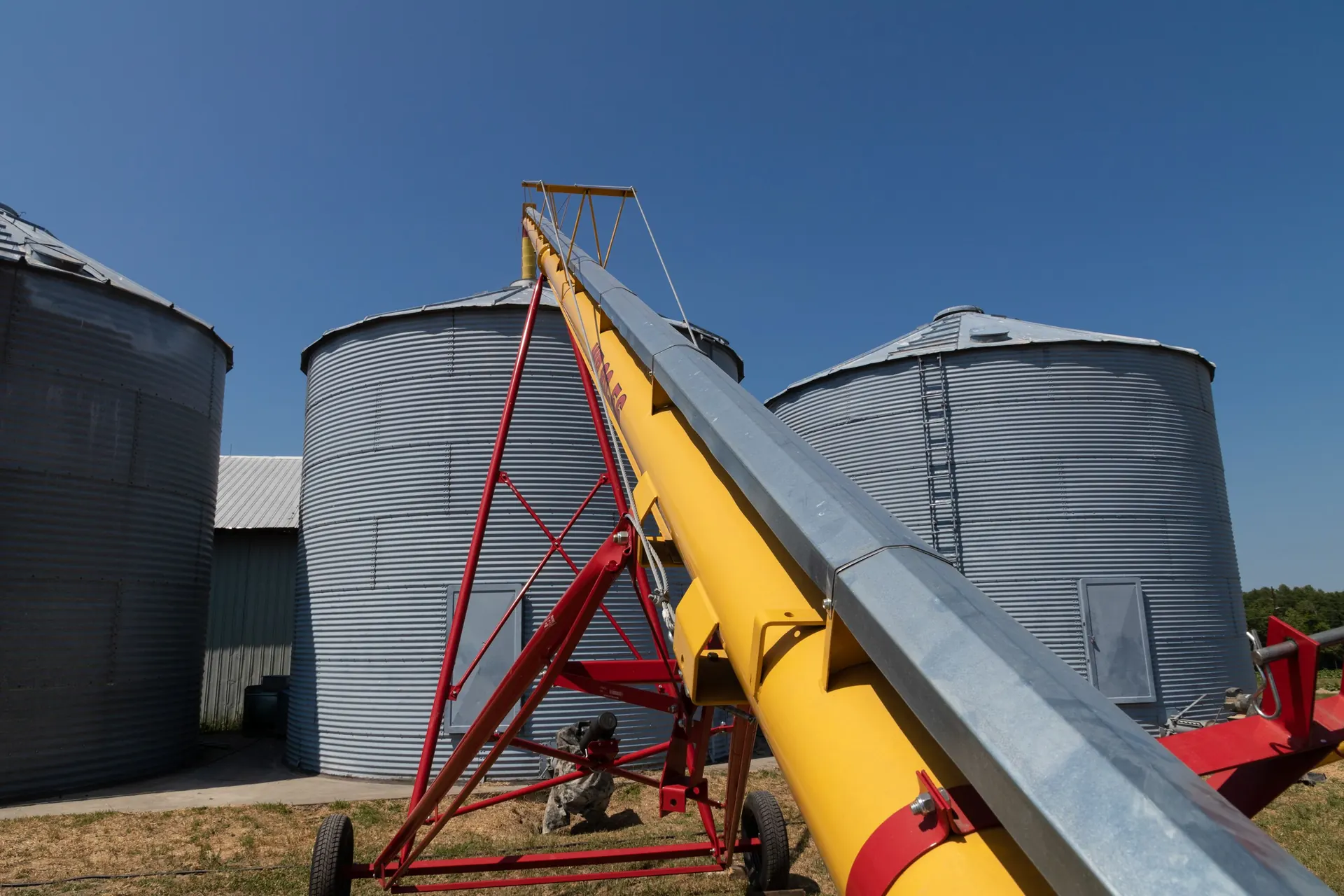
Preventive Maintenance: The Complete Guide for Grain Storage Systems
Preventive Maintenance for Grain Storage Systems | Manxing Preventive Maintenance: The Complete Guide for Grain Storage Systems Grain storage infrastructure represents one of the most signifi...
Read →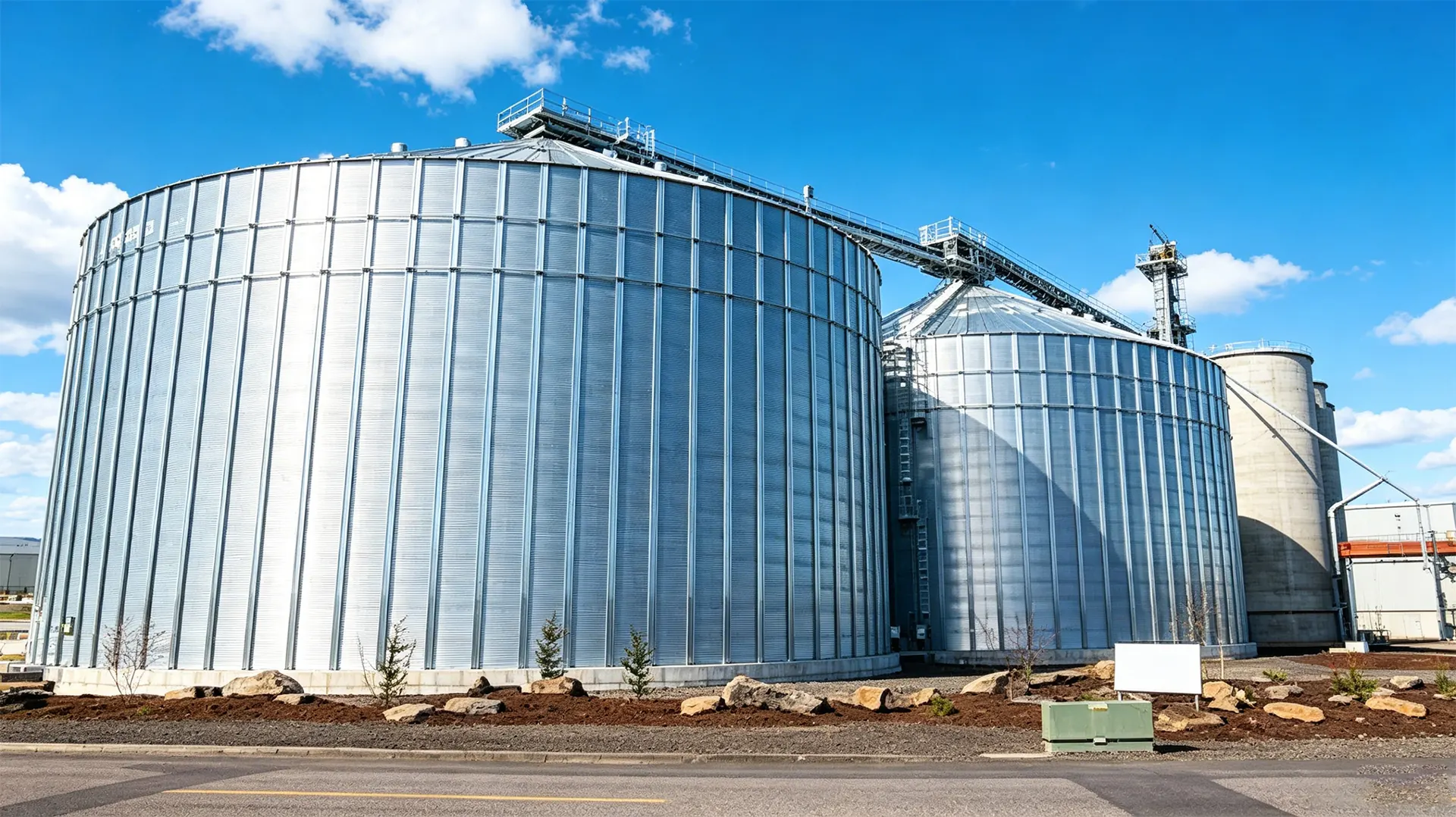
Understanding Grain Bridging & Crusting: Prevention and Solutions
Understanding Grain Bridging & Crusting: Prevention and Solutions Grain bridging and crusting represent two of the most persistent and dangerous challenges in bulk material storage. While a s...
Read →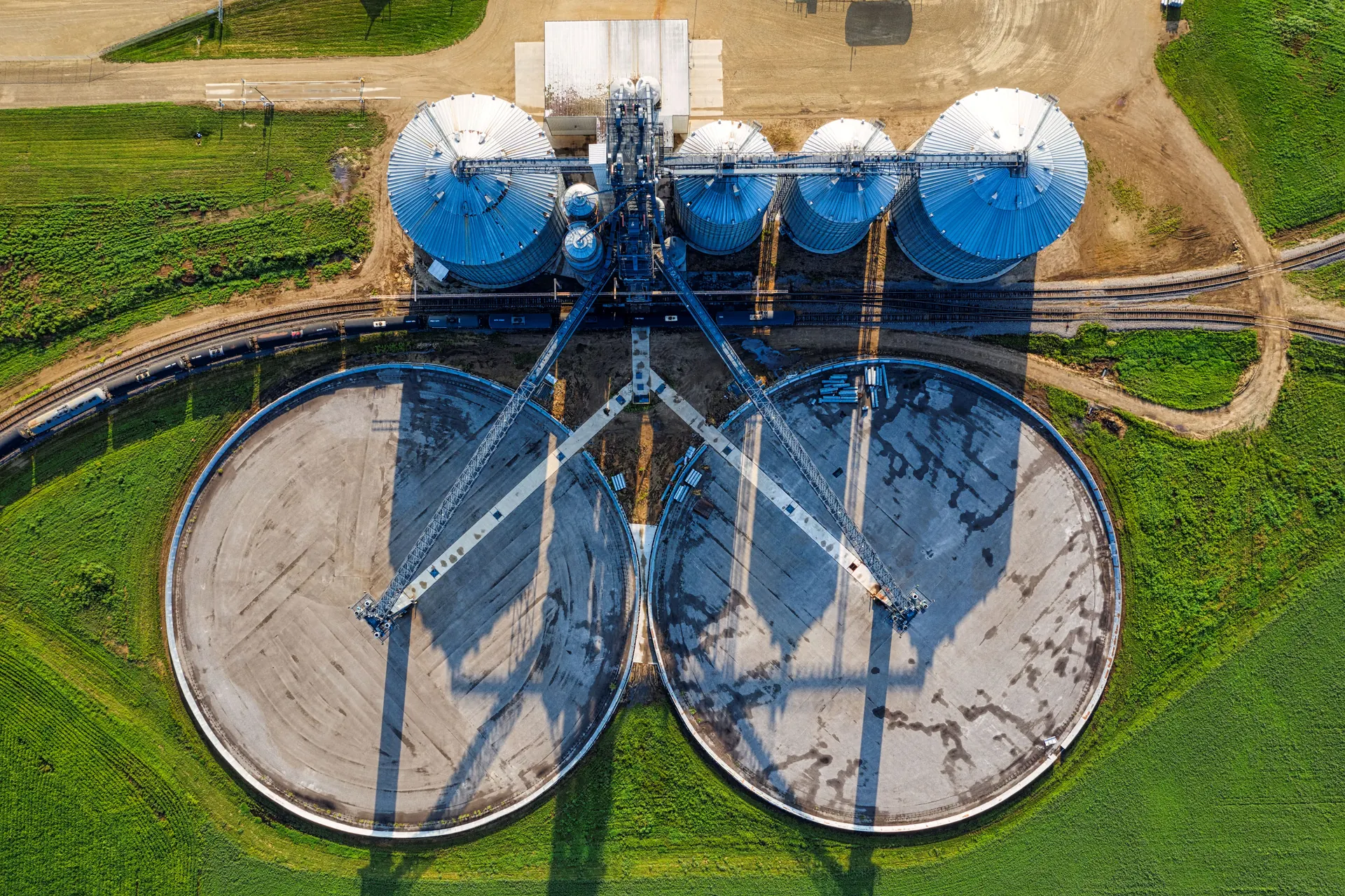
Corrosion Prevention and Coating Maintenance for Steel Bins: A Complete Engineering Guide
Corrosion Prevention and Coating Maintenance for Steel Bins: A Complete Engineering Guide Corrosion remains the single greatest threat to the structural integrity and service life of steel grain bins...
Read →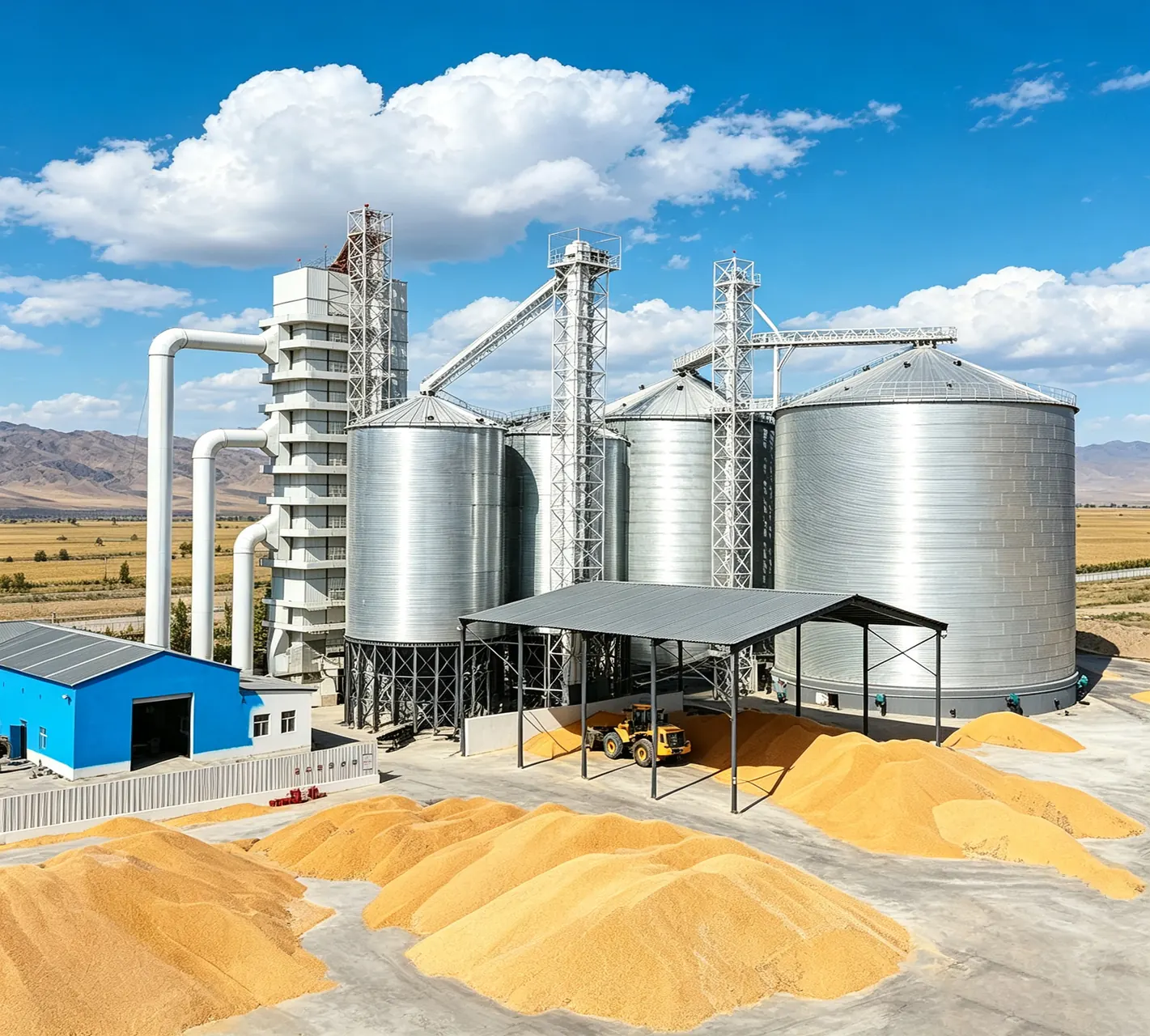
Maintaining Grain Dryers: Essential Burner, Fan and Sensor Care
Maintaining Grain Dryers: Essential Burner, Fan and Sensor Care Maintaining Grain Dryers: Essential Burner, Fan and Sensor Care Grain dryers represent one of the most critical capital...
Read →
Complete Seasonal Maintenance Checklist for Grain Storage Facilities
Complete Seasonal Maintenance Checklist for Grain Storage Facilities Grain preservation is a science that demands rigorous attention to detail and proactive equipment management. As a veteran engineer...
Read →Equipment Mentioned in This Guide
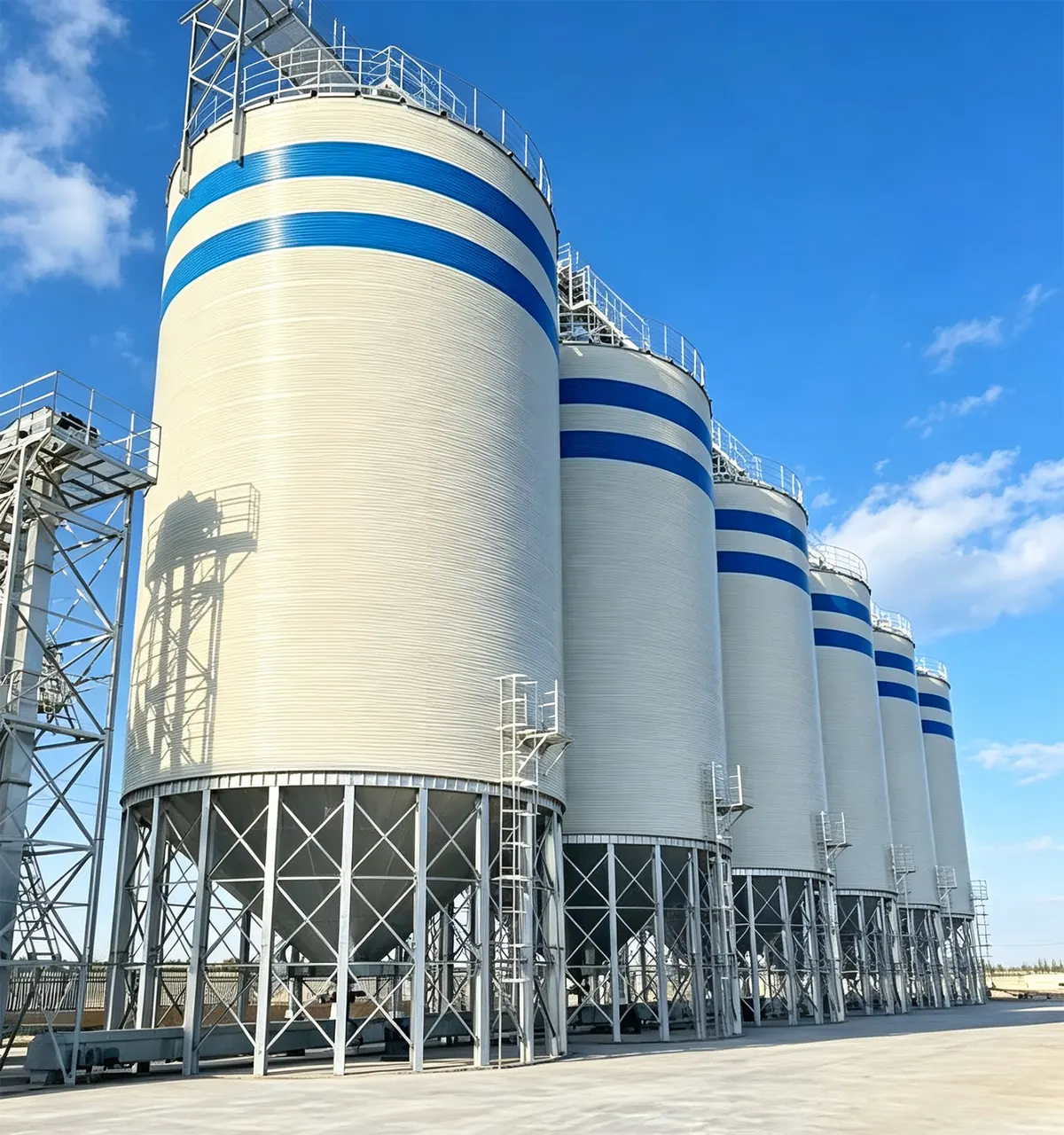
Wood Pellet Silo
Dust-controlled storage for biomass wood pellets
View Product →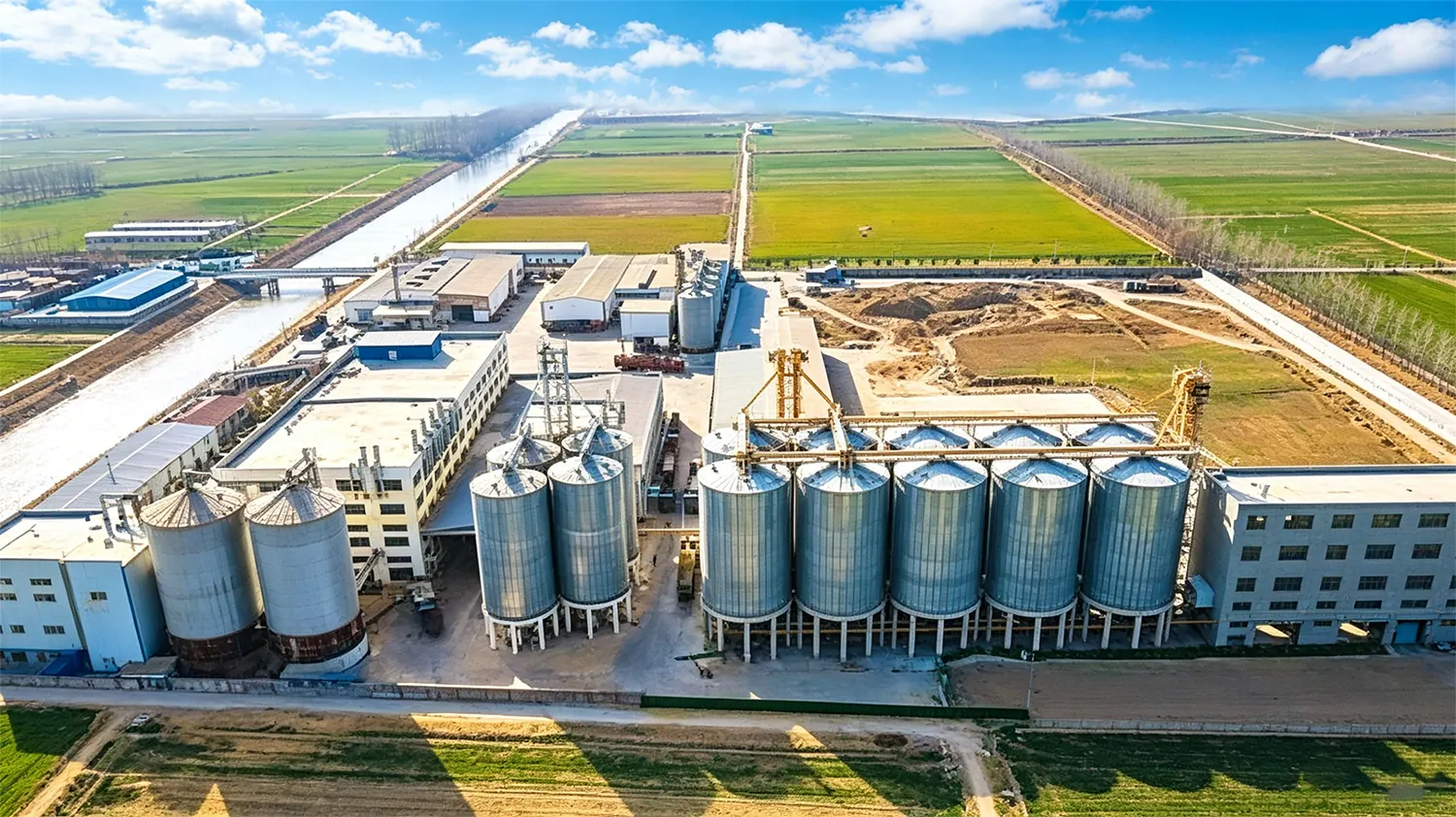
Commercial Silo
High-capacity storage for elevators, terminals and industrial users
View Product →
Feed Silo
Hygienic pellet & mash feed storage for feed mills and farms
View Product →Explore Storage Solutions
Corn Storage Solution
Complete storage systems for corn — from farm bins to export terminals
View Solution →
Wheat Storage Solution
Protect protein & milling quality with low-moisture storage
View Solution →Need help with the definitive silo inspection checklist: protecting your grain storage investment?
Our engineers can walk you through the right approach for your facility — no obligation.
Talk to an Engineer Try the CalculatorOn This Page
- The Critical Role of Silo Inspection Checklists in Grain Storage
- Daily and Regular Inspection Checklist: Ensuring Air-Tightness and Structural Integrity
- Scheduled Maintenance: Deep Structural Inspections Upon Emptying
- Integrating Cement Silo Cleaning with Comprehensive Inspection Protocols
- Designing for Inspectability: Access Points, Stiffeners, and Ventilation
- Material Selection and Construction for Long-Term Durability
- Corrosion Mapping and Anti-Corrosive Treatment Based on Inspection Data
- Installation, Commissioning, and Establishing Baseline Inspections
- How to Choose a Reliable Silo Inspection Checklist Supplier
- Cost Factors and ROI of Proactive Silo Maintenance
- Frequently Asked Questions About Silo Inspection Checklists