
Dust Dust Explosion Prevention in Grain Storage Facilities: En... Prevention in Grain Storage Facilities: En... preservation is a science that demands rigorous attention to detail and proactive equipment management. As a veteran engineer with over two decades of experience designing and Maintaining Grain Dryers: Essential Burner, Fan and Senso... grain storage systems, I can attest that seasonal maintenance is not merely a recommendation—it is the structural and operational backbone of profitable grain handling. This comprehensive guide provides an actionable seasonal maintenance checklist for grain storage facilities to safeguard your inventory, protect your capital investment, and ensure operational continuity.
Introduction to Seasonal Grain Storage Maintenance: Why It Matters
Dust Dust Explosion Prevention in Grain Storage Facilities: En... Prevention in Grain Storage Facilities: En... storage is a dynamic process. The transition between harvest, storage, and out-loading seasons subjects equipment to extreme thermal cycling, moisture migration, and mechanical fatigue. Without a disciplined maintenance schedule, microscopic vulnerabilities escalate into costly failures. Whether you are operating a large commercial complex requiring a seasonal maintenance checklist for grain storage facilities near charlotte, nc, or managing family farms utilizing a seasonal maintenance checklist for grain storage facilities near rock hill, sc, the fundamental engineering principles remain identical. Climate dictates the schedule, but physics dictates the maintenance.
Operators who rely on outdated or generic schedules often overlook the specific interplay between their equipment and local environmental stressors. For instance, facilities in humid, subtropical zones face accelerated Corrosion Dust Dust Explosion Prevention in Grain Storage Facilities: En... Prevention in Grain Storage Facilities: En... and Coating Maintenance for Steel Bi... and condensation issues compared to arid regions. Documenting these checks is vital; many operations managers choose to formalize their protocols into a Seasonal maintenance checklist for grain storage facilities pdf to ensure traceability, standardize crew training, and maintain compliance with insurance requirements.
The economic implications of neglecting seasonal maintenance are staggering. According to industry studies, grain spoilage due to inadequate facility maintenance accounts for losses exceeding $2.3 billion annually in the United States alone. Beyond direct product loss, unplanned equipment failures during peak harvest windows create cascading delays that ripple through the entire supply chain. A single seized bearing on a primary leg elevator during corn harvest can idle an entire operation for 48 hours or more, costing tens of thousands of dollars in demurrage, missed delivery windows, and accelerated grain deterioration in waiting trucks. Conversely, facilities that implement rigorous seasonal maintenance protocols consistently report equipment uptime rates above 97%, with mean time between failures extending well beyond manufacturer projections. The return on investment for preventive maintenance is not theoretical—it is measurable, repeatable, and substantial.

Pre-Storage Season Prep: Inspecting Grain Bin Structural Integrity
Before a single bushel enters the silo, the vessel must be verified as structurally sound. The pre-storage season is the most critical window for structural inspections, as empty bins allow for unobstructed visual and physical access to all interior surfaces.
Foundation and Anchor Bolts
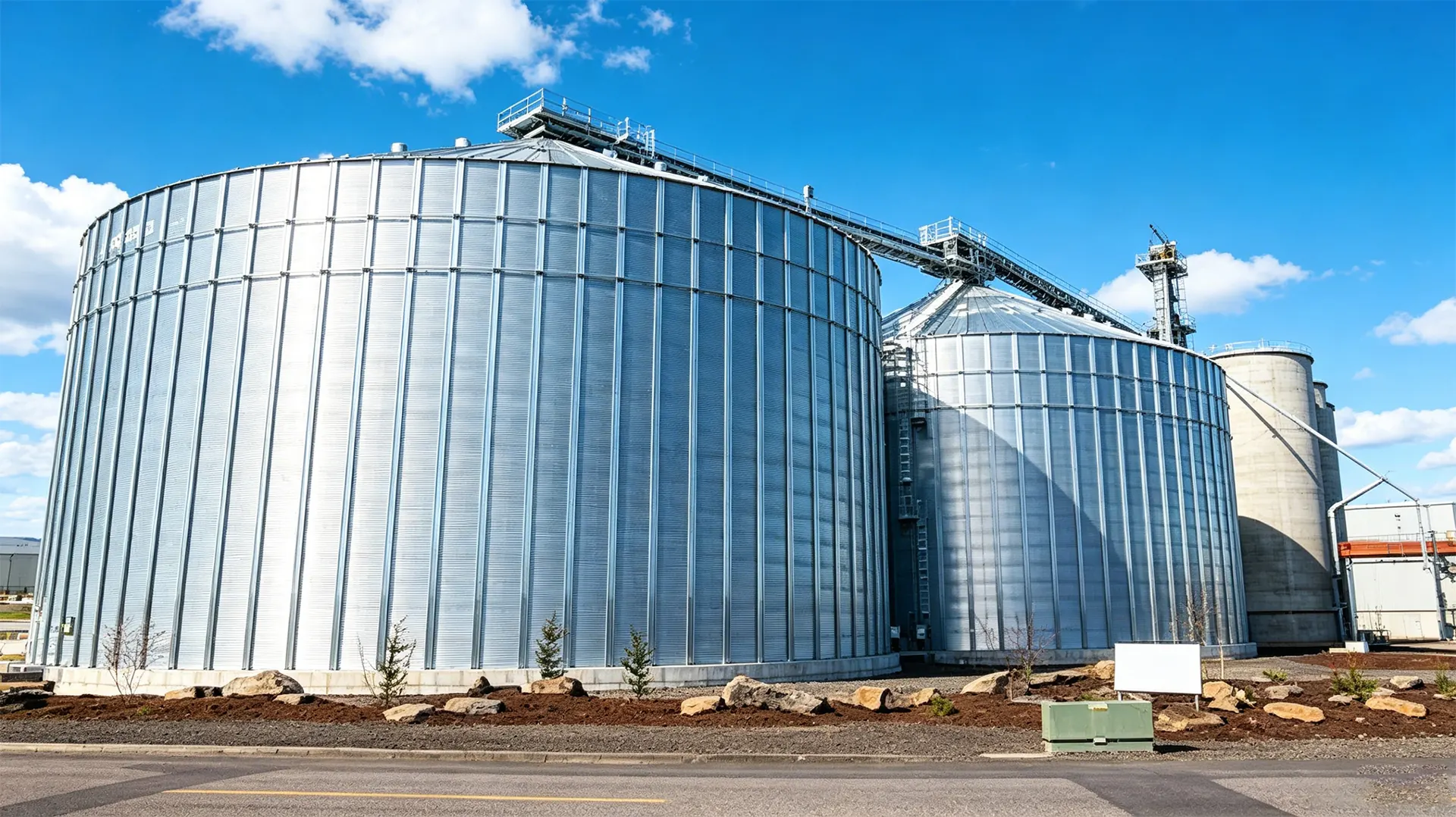
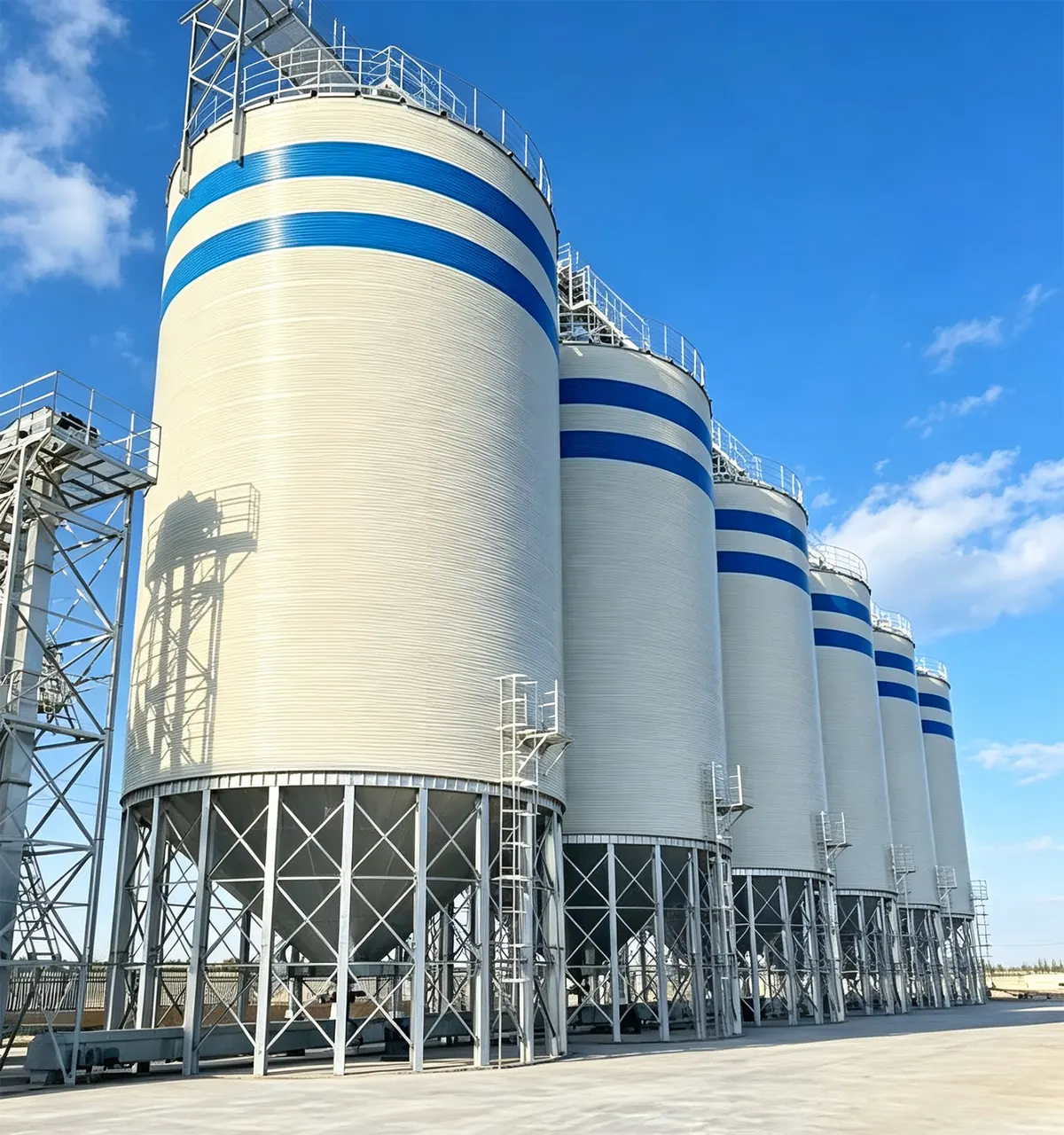
The foundation is the literal bedrock of your storage system. Begin by inspecting the concrete pad for radial or concentric cracking, which often indicates settling or thermal stress. Drainage systems must be cleared of debris to prevent hydrostatic pressure against the foundation during heavy rains. Next, check the anchor bolts using a calibrated torque wrench. Bolts on hopper silos and tall flat-bottom silos are subjected to immense wind-loading shear forces. Loose anchor bolts compromise the structural envelope and can lead to catastrophic bin failure during severe weather events.
For flat-bottom silos exceeding 60 feet in diameter, foundation settlement should be measured using a precision laser level or optical surveying equipment. Differential settlement exceeding 1 inch across the foundation diameter warrants immediate engineering evaluation. Anchor bolt torque specifications vary by manufacturer and bin diameter, but typical values range from 150 to 350 foot-pounds for M24 and M30 grade bolts on large-capacity silos. Always reference the original equipment manufacturer specifications and re-torque in a star-pattern sequence to ensure uniform loading. Apply a thread-locking compound rated for outdoor use to prevent self-loosening from vibration during aeration fan operation.
Wall Panels and Roof Structures
Examine the interior and exterior wall panels for signs of corrosion, mechanical damage, or compromised galvanizing. Pay close attention to the bottom rings of flat-bottom silos, where grain dust and moisture accumulate, creating a highly corrosive micro-environment. On the roof, inspect the lid seal, roof vents, and manways. A compromised roof seal is an open invitation for moisture intrusion, which leads to grain spoilage and internal condensation. Ensure the roof vent screens are intact to prevent pest entry while maintaining proper pressure relief during filling and aeration.
When inspecting wall panels, use a magnetic thickness gauge to measure remaining galvanizing thickness on steel silos. Areas where zinc coating has degraded to less than 1 mil should be treated with a zinc-rich cold galvanizing compound to restore sacrificial protection. Inspect all bolt connections in corrugated wall panels for signs of elongation or necking in the bolt shank, which indicates overloading or fatigue. On bolted silos, any bolt showing more than 5% reduction in shank diameter should be replaced immediately. Roof structures require particular attention to the cap flashing and eave interfaces—these junctions are the most common entry points for water and should be sealed with a high-quality polyurethane sealant rated for UV exposure and thermal cycling.
Aeration and Drying Systems: Calibrating for Optimal Moisture Control
Aeration is the lungs of any grain storage facility. Proper airflow management—typically maintained at rates between 0.1 and 1.0 CFM per bushel depending on grain type and storage duration—is what maintains grain temperature within the safe storage window and prevents moisture migration that leads to hot spots and spoilage. Seasonal maintenance of aeration systems is non-negotiable for preserving grain quality.
Fan and Motor Inspection
Centrifugal and axial-flow aeration fans must be inspected for impeller balance, bearing condition, and motor performance. Start by checking fan blades for grain dust buildup, which causes vibration and reduces aerodynamic efficiency. Clean impellers thoroughly and check for blade erosion, particularly on fans that have been operating in high-dust environments. Motor bearings should be lubricated according to the manufacturer schedule—typically every 500 operating hours or annually, whichever comes first. Use only the specified grease type; mixing lithium-complex and polyurea-based greases can cause chemical incompatibility and premature bearing failure.
Measure motor amperage draw under full-load conditions and nameplate values. A motor drawing more than 110% of rated amperage indicates impeller misalignment, bearing degradation, or electrical supply issues. Check all electrical connections at the motor junction box for corrosion or thermal discoloration. Loose connections create resistance heating, which accelerates insulation breakdown and can arc into surrounding grain dust—a serious explosion hazard. Verify that all fan housings and ductwork transitions are grain-tight, as even small leaks reduce static pressure and compromise airflow distribution within the grain mass.
Ductwork and Perforated Floor Systems
Inspect all aeration ductwork for structural integrity, corrosion, and obstructions. Perforated floors and half-round ducts should be checked for blockages caused by fine material accumulation or rodent nesting. For full-floor aeration systems, remove inspection panels at multiple points to verify that the plenum chamber is clear. Use a borescope camera to inspect sections of ductwork that are not easily accessible. Verify that transition pieces between fans and main ducts are secure and that flexible connections have not deteriorated or pulled away.
On facilities utilizing tunnel aeration with raised perforated floors, check the floor panels for deflection or sagging that could create uneven airflow distribution. Panels showing permanent deformation under light foot traffic should be replaced before the storage season. Inspect the sealing gaskets between floor panel sections—degraded gaskets allow air to short-circuit through gaps rather than passing through the grain mass, dramatically reducing cooling efficiency. For corrugated sheet aeration floors, verify that the corrugations remain open and have not been crushed by previous grain loads or maintenance foot traffic.
Grain Dryer Maintenance and Calibration
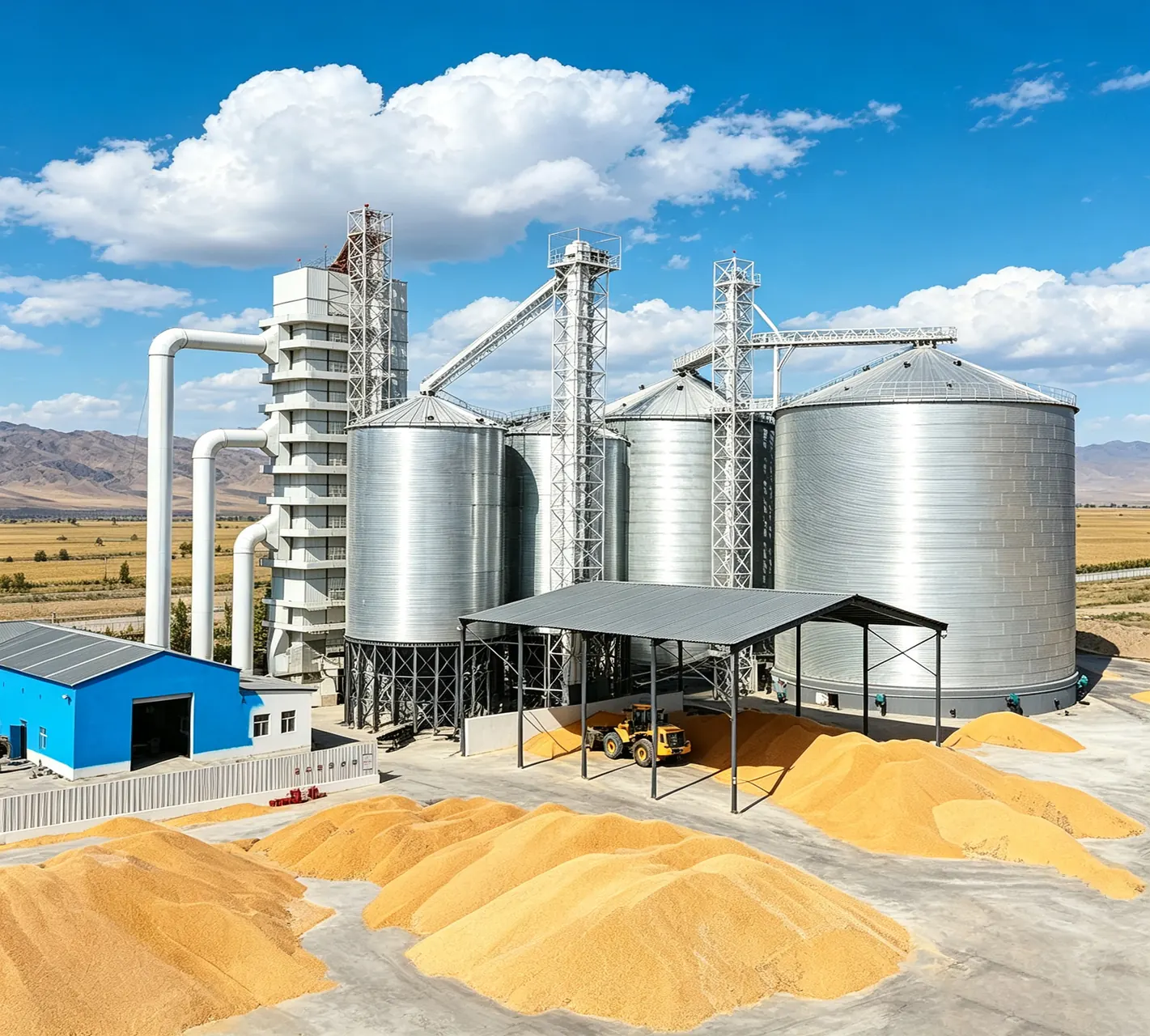
For facilities equipped with continuous-flow or batch grain dryers, pre-storage maintenance is especially critical. Inspect burner assemblies, fuel lines, and ignition systems for safe operation. Clean all grain columns, screens, and discharge mechanisms. Verify the accuracy of moisture sensors and temperature controllers using calibrated reference instruments. A dryer operating with a miscalibrated moisture sensor can over-dry grain—reducing test weight and profit margins—or under-dry grain, creating conditions favorable for mold growth during storage.
Check all safety controls including high-temperature limit switches, grain flow sensors, and flame detection systems. Test each safety interlock by simulating a fault condition and verifying that the dryer shuts down appropriately. Inspect the fuel train for leaks using a calibrated combustible gas detector, paying particular attention to flexible hose connections and valve packing glands. On propane systems, verify that vaporizers are functioning correctly and that liquid carryover has not damaged regulator diaphragms. Document all calibration readings and safety test results in your maintenance log—this documentation is often required by insurance carriers and regulatory inspectors.
Conveying and Material Handling Equipment: Ensuring Reliable Throughput
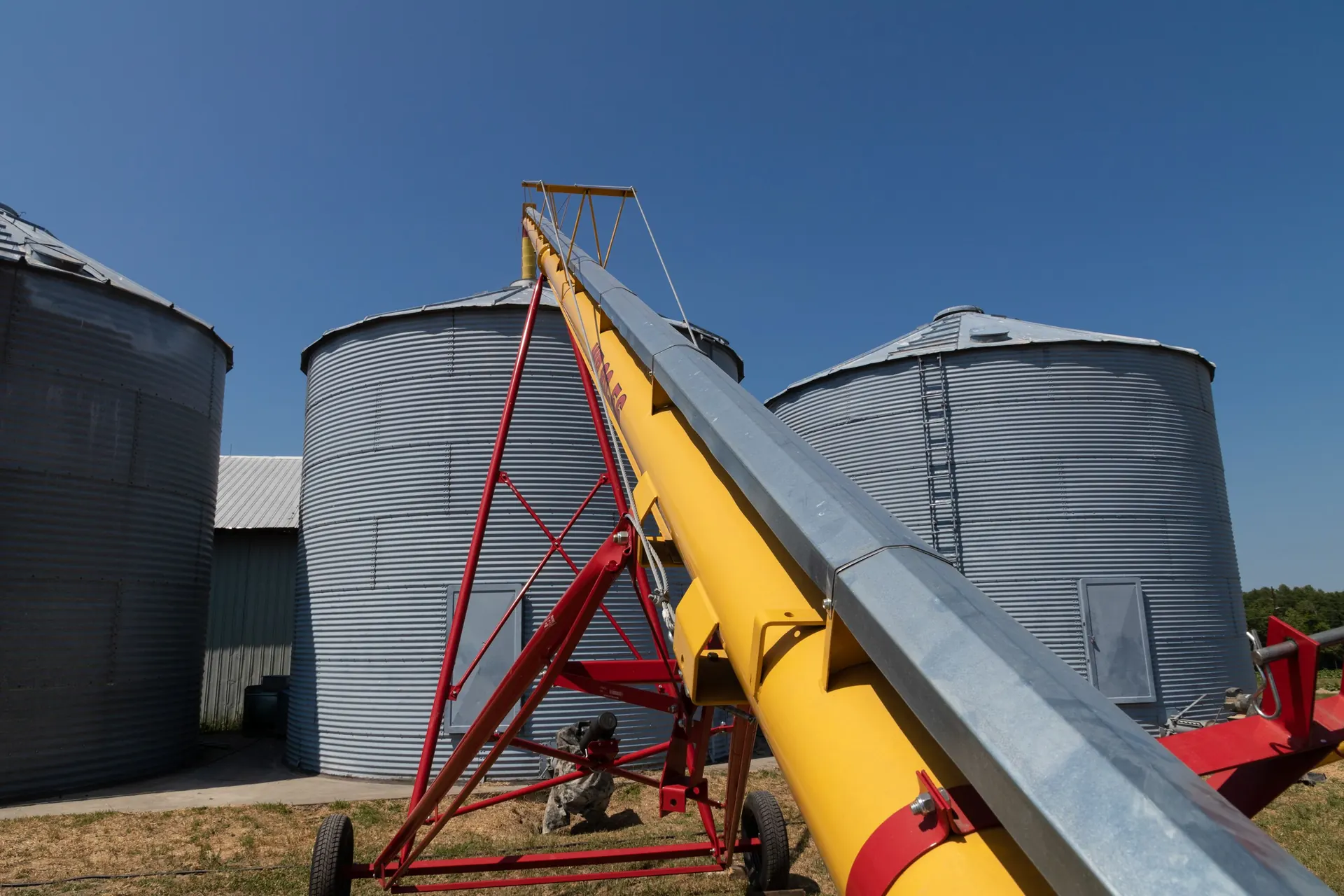
Material handling equipment—including belt conveyors, bucket elevators, drag conveyors, and screw augers—represents the circulatory system of your grain facility. Seasonal maintenance ensures that these components can handle peak harvest throughput without unplanned downtime.
Bucket Elevator Inspection
Bucket elevators are among the most maintenance-intensive components in any grain facility. Remove the inspection head boot and thoroughly clean accumulated grain dust and debris from the boot section. Inspect the elevator belt for cracking, fraying, or excessive stretching. Check all bucket bolts for tightness—loose bolts allow grain to leak between buckets, reducing capacity and creating dust hazards. The elevator head should be inspected for pulley alignment, lagging wear, and bearing condition. Misaligned pulleys cause belt tracking issues that accelerate edge wear and can lead to catastrophic belt failure.
Measure belt tension and adjust to manufacturer specifications. An under-tensioned belt slips on the drive pulley, causing accelerated lagging wear and reduced throughput. An over-tensioned belt overloads bearings and increases power consumption. Use a belt tension frequency meter for precise adjustment. Inspect the belt splice—whether mechanical or vulcanized—for signs of deterioration. Mechanical splices should show no cracked or deformed fasteners, and vulcanized splices should exhibit no delamination or edge lifting. Verify that the elevator leg is plumb; a leaning leg creates uneven belt loading and accelerates wear on one side.
Conveyor Systems
Inspect belt conveyor systems for belt condition, idler roller operation, and pulley alignment. Replace any seized or noisy idler rollers immediately—a single failed idler can abrade a conveyor belt within hours. Check belt splices for integrity and verify that belt