
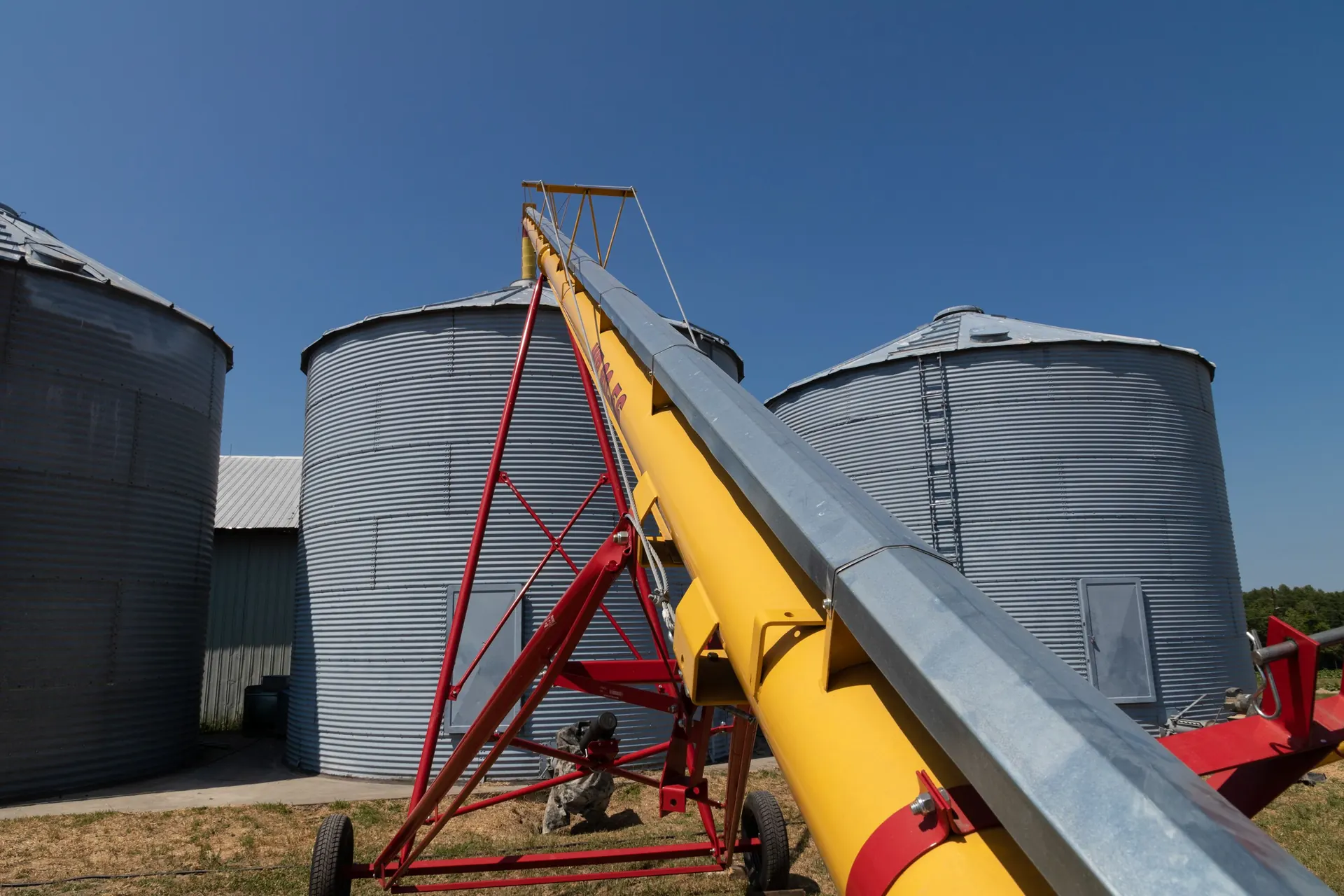
Dust Dust Explosion Prevention in Grain Storage Facilities: En... Prevention in Grain Storage Facilities: En... storage infrastructure represents one of the most significant capital investments in any agricultural operation. A comprehensive preventive maintenance program is the single most effective strategy to protect that investment, extend equipment lifespan, and ensure grain quality from intake to dispatch.
The Critical Role of Preventive Maintenance in Grain Storage Longevity
Dust Dust Explosion Prevention in Grain Storage Facilities: En... Prevention in Grain Storage Facilities: En... storage systems operate in demanding environments. Temperature fluctuations, moisture migration, grain dust abrasion, corrosive agricultural chemicals, and continuous mechanical stress from loading and unloading cycles all conspire against structural integrity and equipment reliability. Preventive maintenance is the systematic approach that counteracts these forces before they cause catastrophic failure.
At Manxing, we have observed across hundreds of installations worldwide that facilities implementing structured preventive maintenance programs experience 40% to 60% fewer emergency shutdowns compared to those relying on reactive maintenance alone. The economics are compelling: every dollar invested in preventive maintenance typically saves between three and ten dollars in repair costs, lost Dust Dust Explosion Prevention in Grain Storage Facilities: En... Prevention in Grain Storage Facilities: En..., and operational downtime.
The useful life of silos typically ranges from 10 to 60 years, depending on the material and maintenance. Steel and concrete silos are the most durable, with lifespans of 20 to 60 years, while wooden and plastic silos have shorter lifespans of 10 to 30 years. Proper maintenance and environmental protection are key to maximizing the lifespan of any silo.
Preventive Maintenance vs Predictive Maintenance: Understanding the Difference
One of the most common points of confusion in maintenance planning is the distinction between preventive maintenance vs predictive maintenance. Both are proactive strategies, but they operate on fundamentally different principles.
Preventive Maintenance Defined
Preventive maintenance is time-based or usage-based. Tasks are performed at predetermined intervals regardless of the actual condition of the equipment. Examples include replacing conveyor belts every 18 months, lubricating bearings every 500 operating hours, or inspecting silo roof seals annually before the rainy season. The approach is calendar-driven and relies on statistical averages of component lifespan.
Predictive Maintenance Defined
Predictive maintenance, by contrast, uses real-time condition monitoring data to determine when maintenance is actually needed. Vibration analysis on fan motors, thermal imaging of electrical panels, and moisture sensors inside silo walls provide actionable intelligence. Maintenance is performed only when the data indicates degradation, maximizing component utilization while preventing unexpected failures.
Choosing the Right Approach for Your Facility
In practice, the most effective grain storage operations combine both strategies. Critical systems with high failure consequences benefit from predictive monitoring, while standard equipment with well-understood wear patterns follows a preventive schedule. This hybrid approach optimizes both maintenance spending and system reliability.
| Factor | Preventive Maintenance | Predictive Maintenance |
|---|---|---|
| Trigger | Time or usage interval | Measured condition data |
| Cost Structure | Predictable, budget-friendly | Higher initial investment, lower long-term cost |
| Best For | Standard components with known wear rates | Critical, high-value equipment |
| Technology Required | Scheduling software, checklists | Sensors, IoT platforms, analytics |
| Risk of Over-Maintenance | Moderate | Low |
Building a Comprehensive Preventive Maintenance Plan
A well-constructed preventive maintenance plan is the backbone of reliable grain storage operations. It transforms maintenance from a reactive scramble into a controlled, budgeted, and predictable process.
Essential Components of a Preventive Maintenance Plan
Every effective plan includes the following elements:
- Equipment Inventory: A complete register of all assets including silos, conveyors, elevators, dryers, aeration fans, dust collection systems, temperature monitoring cables, and structural components. Each asset should have a unique identifier, installation date, warranty information, and manufacturer specifications.
- Task Definition: Specific maintenance tasks for each asset, derived from manufacturer recommendations, industry standards, and operational experience. Tasks should describe exactly what to do, the required tools and materials, and the expected time to complete.
- Frequency Scheduling: Each task is assigned a frequency: daily, weekly, monthly, quarterly, semi-annually, or annually. Frequency is determined by operating hours, environmental conditions, and criticality of the equipment.
- Resource Allocation: Identification of who performs each task, whether internal maintenance staff or external preventive maintenance service providers. This includes labor hours, spare parts inventory, and specialized tool requirements.
- Documentation Protocol: Standardized forms and digital records for documenting completed work, observations, measurements, and any corrective actions taken. This historical data is invaluable for trend analysis and continuous improvement.
Developing Your Preventive Maintenance Schedule
A preventive maintenance schedule translates the plan into actionable calendar entries. The schedule must account for operational constraints such as harvest peaks, seasonal weather patterns, and grain inventory cycles.
Daily Preventive Maintenance Tasks
- Visual inspection of silo exteriors for new corrosion spots, dents, or seal failures
- Check aeration fan operation and listen for bearing noise
- Verify temperature monitoring system readings against expected ranges
- Inspect conveyor belts for tracking issues and material buildup
- Confirm dust collection system differential pressure readings
Weekly Preventive Maintenance Tasks
- Lubricate all grease points on bucket elevators and conveyor bearings
- Inspect and clean grain dryer burner assemblies and flame sensors
- Test emergency stop functions on all material handling equipment
- Check belt tension and alignment on all conveyor systems
- Verify calibration of moisture meter sensors at intake
Monthly and Quarterly Preventive Maintenance Tasks
- Inspect silo roof vents, access hatches, and sealant integrity
- Perform detailed corrosion assessment on silo wall panels
- Test and calibrate level sensors and bin indicators
- Inspect electrical connections in motor control centers for tightness and heat damage
- Clean or replace air filters on all fan and blower systems
- Inspect and test safety devices including belt misalignment switches and speed sensors
Annual Preventive Maintenance Tasks
- Comprehensive structural inspection including foundation settlement measurement
- Thickness testing on high-wear areas of silo walls and hoppers
- Complete electrical system thermographic survey
- Recalibration of all weighing systems and scales
- Professional inspection of lightning protection and grounding systems
- Review and update the entire preventive maintenance plan based on the year's findings
The Preventive Maintenance Checklist: Your Operational Safety Net
A preventive maintenance checklist ensures consistency and completeness across all maintenance activities. Checklists eliminate reliance on memory and provide verifiable records for audit and compliance purposes.
Structural Checklist Items
- Silo wall panels: Check for corrosion, paint failure, and mechanical damage
- Roof structure: Inspect for leaks, loose fasteners, and sealant deterioration
- Foundation: Look for cracking, water pooling, and settlement indicators
- Stairways and platforms: Verify guardrail integrity and anti-slip surface condition
- Tie-down anchors and wind reinforcement: Confirm structural bolt torque
Mechanical Equipment Checklist Items
- Conveyor chains and sprockets: Measure elongation and tooth wear
- Bucket elevator belts and buckets: Check tension, fastener condition, and bucket integrity
- Rotary valves and slide gates: Inspect seal wear and actuation smoothness
- Grain dryers: Clean heat exchangers, inspect refractory, test safety controls
- Centrifugal and axial fans: Measure vibration, inspect impeller balance, check bearing temperature
The Four Main Types of Preventive Maintenance
Understanding what are the four main types of preventive maintenance allows facility managers to allocate resources strategically across different asset categories.
1. Time-Based Maintenance (TBM)
Time-based maintenance occurs at fixed calendar intervals. An example is replacing aeration fan belts every 12 months regardless of apparent condition. This approach is simple to schedule and budget for, making it ideal for components with predictable, age-related failure modes.
2. Usage-Based Maintenance
Usage-based maintenance triggers tasks after a specific number of operating hours, cycles, or throughput volume. For instance, a drag conveyor might require chain inspection every 2,000 operating hours. This method is more precise than pure time-based approaches because it correlates maintenance with actual wear.
3. Condition-Based Maintenance (CBM)
Condition-based maintenance relies on inspection findings to determine maintenance needs. An impeller feeder with a side maintenance door allows easy access to the rotor and vanes for condition inspection without removing the feeder from the system. Vibration readings, thermal images, thickness measurements, and oil analysis results dictate when intervention occurs. CBM maximizes component life while preventing failures.
4. Run-to-Failure Maintenance
While technically a reactive strategy, run-to-failure is deliberately selected for non-critical, low-cost components where the failure consequence is negligible. Light bulbs, simple gauges, and certain sacrificial components fall into this category. The key is making this a conscious, documented decision rather than an oversight.
The Seven Elements of Preventive Maintenance
What are the 7 elements of preventive maintenance? These foundational pillars ensure a maintenance program delivers consistent, measurable results:
- Inventory Management: Complete knowledge of every asset, its location, specifications, and maintenance requirements.
- Procedures and Standards: Documented, step-by-step instructions for every maintenance task, ensuring consistent execution regardless of who performs the work.
- Scheduling and Coordination: Systematic planning that integrates maintenance activities with production schedules to minimize operational disruption.
- Training and Competency: Ensuring maintenance personnel possess the skills and knowledge required for each task, with ongoing education as equipment and standards evolve.
- Tools and Parts Management: Maintaining appropriate spare parts inventory and specialized tools so that maintenance is never delayed by supply chain gaps.
- Measurement and KPIs: Tracking metrics such as mean time between failures, maintenance cost per ton, schedule compliance percentage, and overall equipment effectiveness.
- Continuous Improvement: Regularly analyzing maintenance data to identify recurring problems, optimize task frequencies, and implement design modifications that eliminate root causes of failure.
What is TBM and CBM in TPM?
Within the framework of Total Productive Maintenance (TPM), TBM (Time-Based Maintenance) and CBM (Condition-Based Maintenance) represent two complementary strategies. TPM aims for zero breakdowns, zero defects, and zero accidents through operator involvement and proactive maintenance.
TBM in TPM follows fixed intervals and is managed primarily by the maintenance department. CBM in TPM involves operators and maintenance technicians collaborating to monitor equipment condition through daily inspections and precision measurement. The integration of both approaches within TPM creates a layered defense against equipment failure, combining the predictability of scheduled tasks with the precision of real-time condition data.
Practical Preventive Maintenance Examples for Grain Storage
Concrete preventive maintenance examples illustrate how theory translates into daily practice at grain storage facilities:
- Aeration System: Quarterly cleaning of fan impellers, semi-annual bearing replacement on high-hour units, annual duct inspection for grain bridging or moisture accumulation.
- Temperature Monitoring: Annual calibration of thermocouples, replacement of cable systems showing signal degradation, verification of monitoring software against manual readings.
- Dust Collection: Monthly pulse valve inspection, quarterly filter differential pressure trending, annual filter media replacement based on resistance measurements.
- Grain Dryer: Weekly burner nozzle cleaning, monthly gas valve leak testing, annual heat exchanger tube inspection and efficiency testing.
- Bucket Elevator: Weekly boot inspection for grain spillage, monthly belt tension measurement, quarterly bucket bolt torque verification, annual head shaft bearing replacement.
Lessons from Preventive Maintenance Aviation Standards
The aviation industry has pioneered rigorous preventive maintenance methodologies that offer valuable lessons for grain storage. Preventive maintenance aviation standards mandate redundant inspection protocols, strict documentation requirements, and mandatory component replacement at certified intervals regardless of apparent condition.
Grain storage facilities can adopt similar principles by implementing dual-inspection verification for critical structural components, maintaining auditable maintenance records for regulatory compliance, and establishing mandatory replacement intervals for safety-critical devices such as bin entry harness systems, gas detection equipment, and emergency ventilation systems.
Implementing Your Preventive Maintenance Program
Successful implementation requires commitment from management, adequate resource allocation, and a culture that values proactive care over reactive heroics. Start with a pilot program on your most critical assets, demonstrate the measurable benefits, and expand systematically across the facility.
Regular maintenance and cleaning of grain silos prevent accidents and ensure longevity. Procedures include inspecting for corrosion, sealing leaks, and removing residual grain to avoid contamination. These fundamental practices form the foundation upon which all other preventive maintenance activities build.
At Manxing, our approach to preventive maintenance begins at the design phase. Features such as impeller feeders with side maintenance doors for easy access to the rotor and vanes reduce maintenance time and effort. Every Manxing installation includes comprehensive maintenance documentation and training to ensure your team can execute an effective preventive maintenance program from day one.
Protect Your Grain Storage Investment
Contact Manxing today to discuss preventive maintenance planning for your grain storage facility. Our engineering team provides free professional consultation on maintenance program design, spare parts strategy, and equipment lifecycle management.
Frequently Asked Questions
A preventive maintenance program includes a complete equipment inventory, defined maintenance tasks with step-by-step procedures, scheduling based on time or usage intervals, resource allocation for labor and spare parts, documentation protocols for recording completed work, and key
Written by: Maintenance Team
Reviewed by: P. Gomez
Related Articles
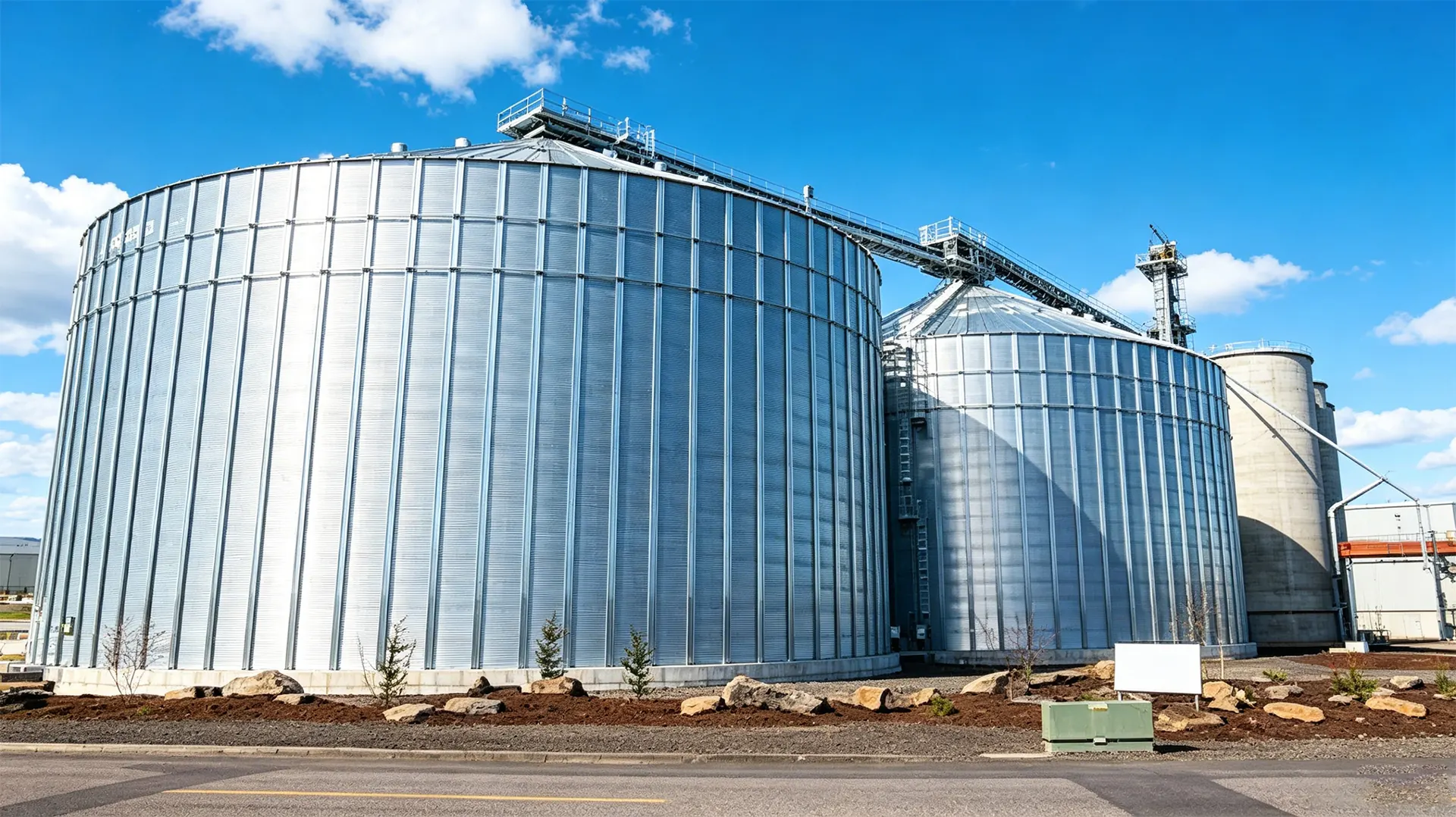
The Definitive Silo Inspection Checklist: Protecting Your Grain Storage Investment
Silo Inspection Checklist: Complete Guide for Grain Storage Safety The Definitive Silo Inspection Checklist: Protecting Your Grain Storage Investment A comprehensive silo inspection checkl...
Read →
Understanding Grain Bridging & Crusting: Prevention and Solutions
Understanding Grain Bridging & Crusting: Prevention and Solutions Grain bridging and crusting represent two of the most persistent and dangerous challenges in bulk material storage. While a s...
Read →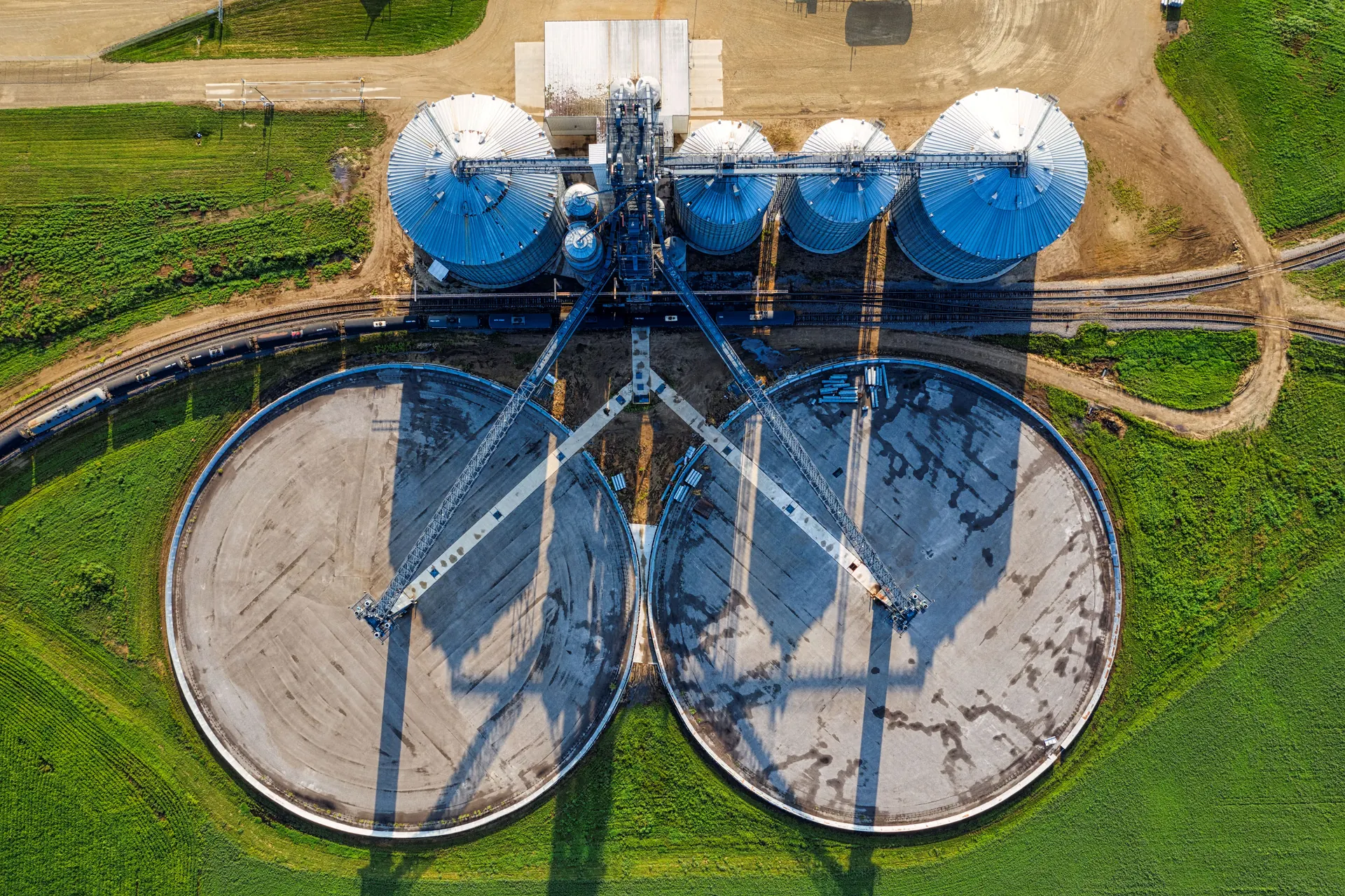
Corrosion Prevention and Coating Maintenance for Steel Bins: A Complete Engineering Guide
Corrosion Prevention and Coating Maintenance for Steel Bins: A Complete Engineering Guide Corrosion remains the single greatest threat to the structural integrity and service life of steel grain bins...
Read →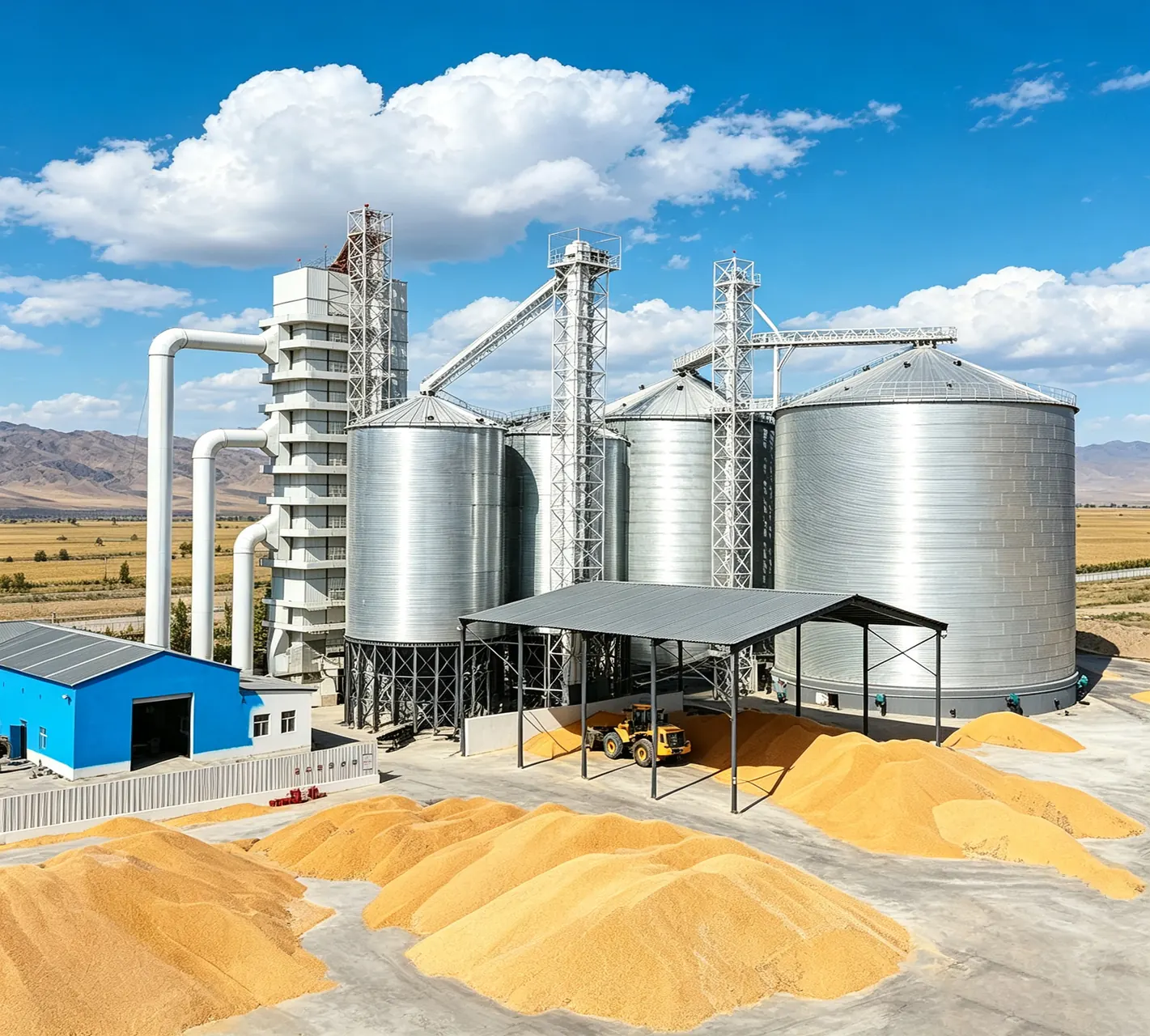
Maintaining Grain Dryers: Essential Burner, Fan and Sensor Care
Maintaining Grain Dryers: Essential Burner, Fan and Sensor Care Maintaining Grain Dryers: Essential Burner, Fan and Sensor Care Grain dryers represent one of the most critical capital...
Read →
Complete Seasonal Maintenance Checklist for Grain Storage Facilities
Complete Seasonal Maintenance Checklist for Grain Storage Facilities Grain preservation is a science that demands rigorous attention to detail and proactive equipment management. As a veteran engineer...
Read →Equipment Mentioned in This Guide
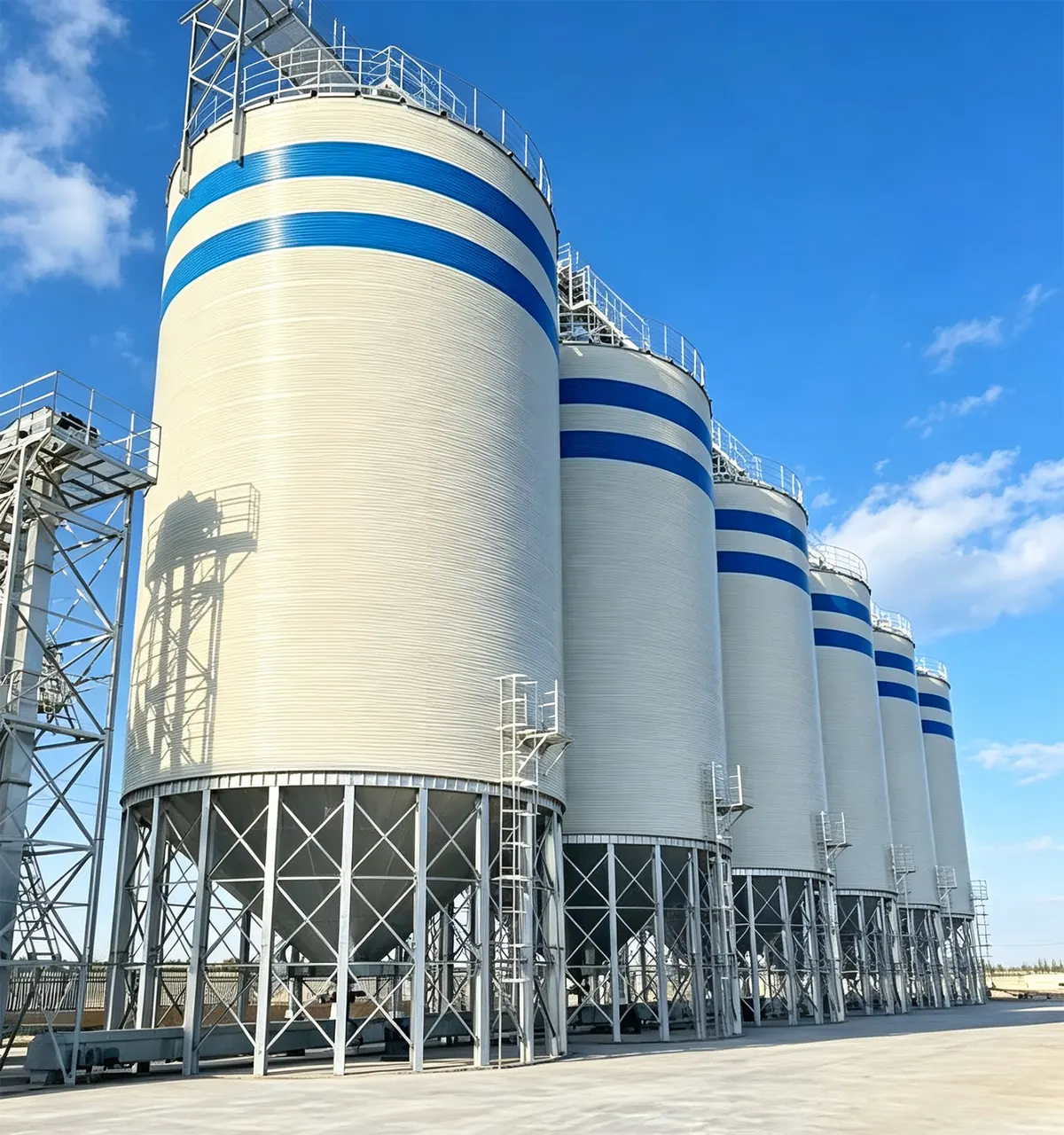
Wood Pellet Silo
Dust-controlled storage for biomass wood pellets
View Product →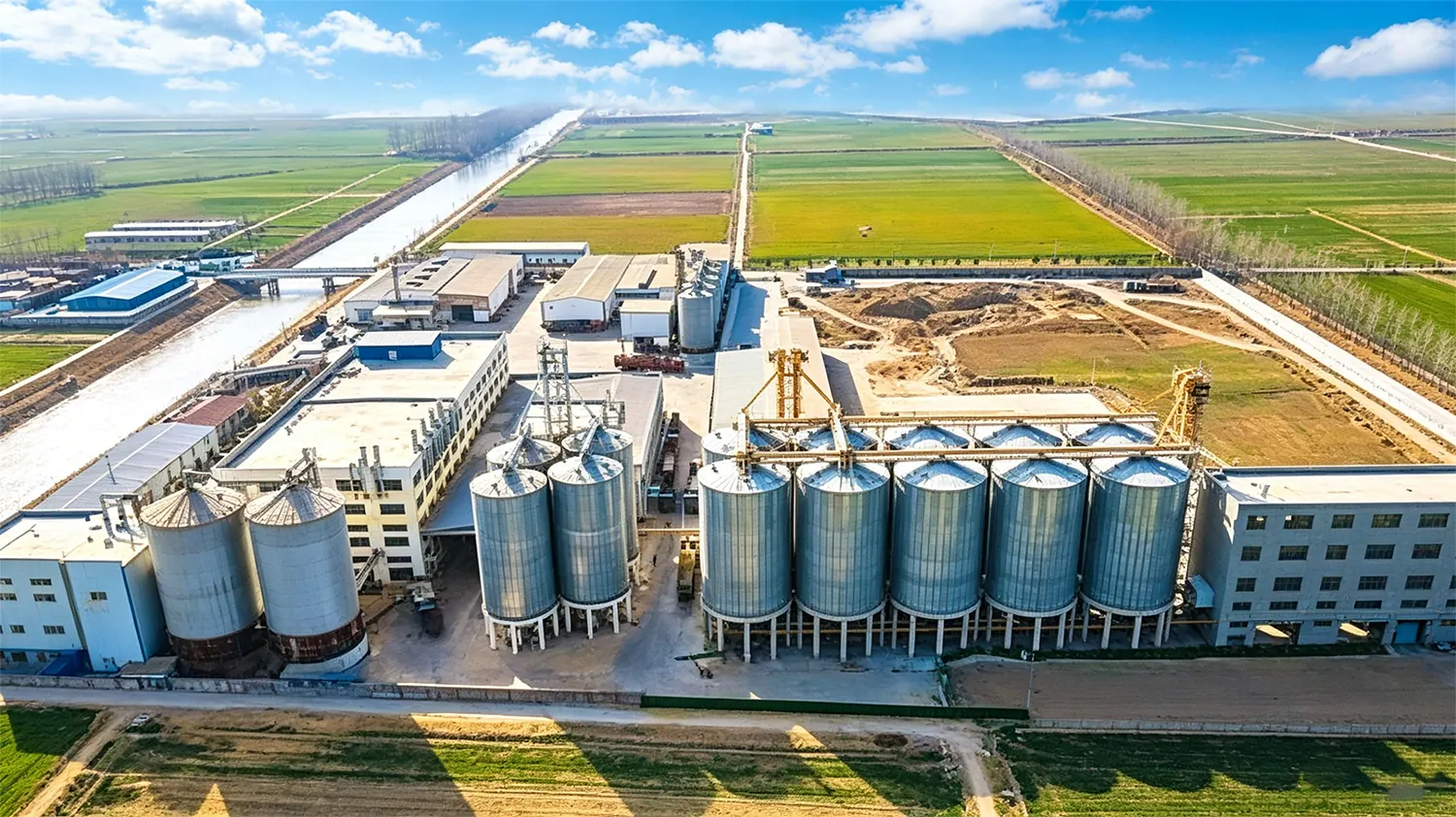
Commercial Silo
High-capacity storage for elevators, terminals and industrial users
View Product →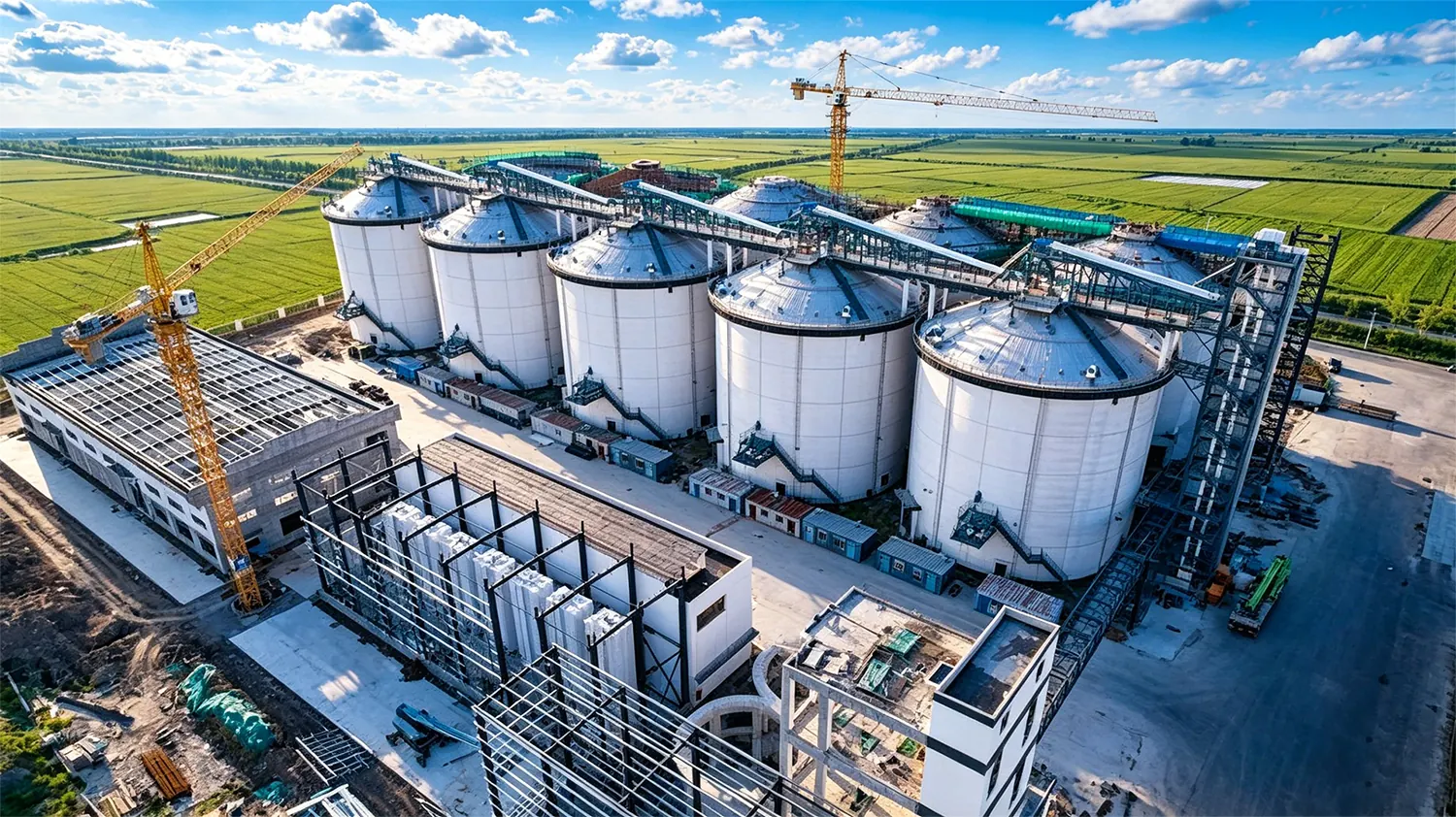
Feed Silo
Hygienic pellet & mash feed storage for feed mills and farms
View Product →Explore Storage Solutions
Corn Storage Solution
Complete storage systems for corn — from farm bins to export terminals
View Solution →
Wheat Storage Solution
Protect protein & milling quality with low-moisture storage
View Solution →Need help with preventive maintenance: the complete guide for grain storage systems?
Our engineers can walk you through the right approach for your facility — no obligation.
Talk to an Engineer Try the CalculatorOn This Page
- The Critical Role of Preventive Maintenance in Grain Storage Longevity
- Preventive Maintenance vs Predictive Maintenance: Understanding the Difference
- Building a Comprehensive Preventive Maintenance Plan
- Developing Your Preventive Maintenance Schedule
- The Preventive Maintenance Checklist: Your Operational Safety Net
- The Four Main Types of Preventive Maintenance
- The Seven Elements of Preventive Maintenance
- What is TBM and CBM in TPM?
- Practical Preventive Maintenance Examples for Grain Storage
- Lessons from Preventive Maintenance Aviation Standards
- Implementing Your Preventive Maintenance Program
- Protect Your Grain Storage Investment
- Frequently Asked Questions