Every Dust Explosion Prevention in Grain Storage Facilities: En... silo standing in the field today carries a structural debt to a formula published by H. A. Janssen in 1895. Understanding how to apply the Janssen equation correctly is the difference between a bin that quietly serves thirty harvests and one that buckles under a load nobody predicted.
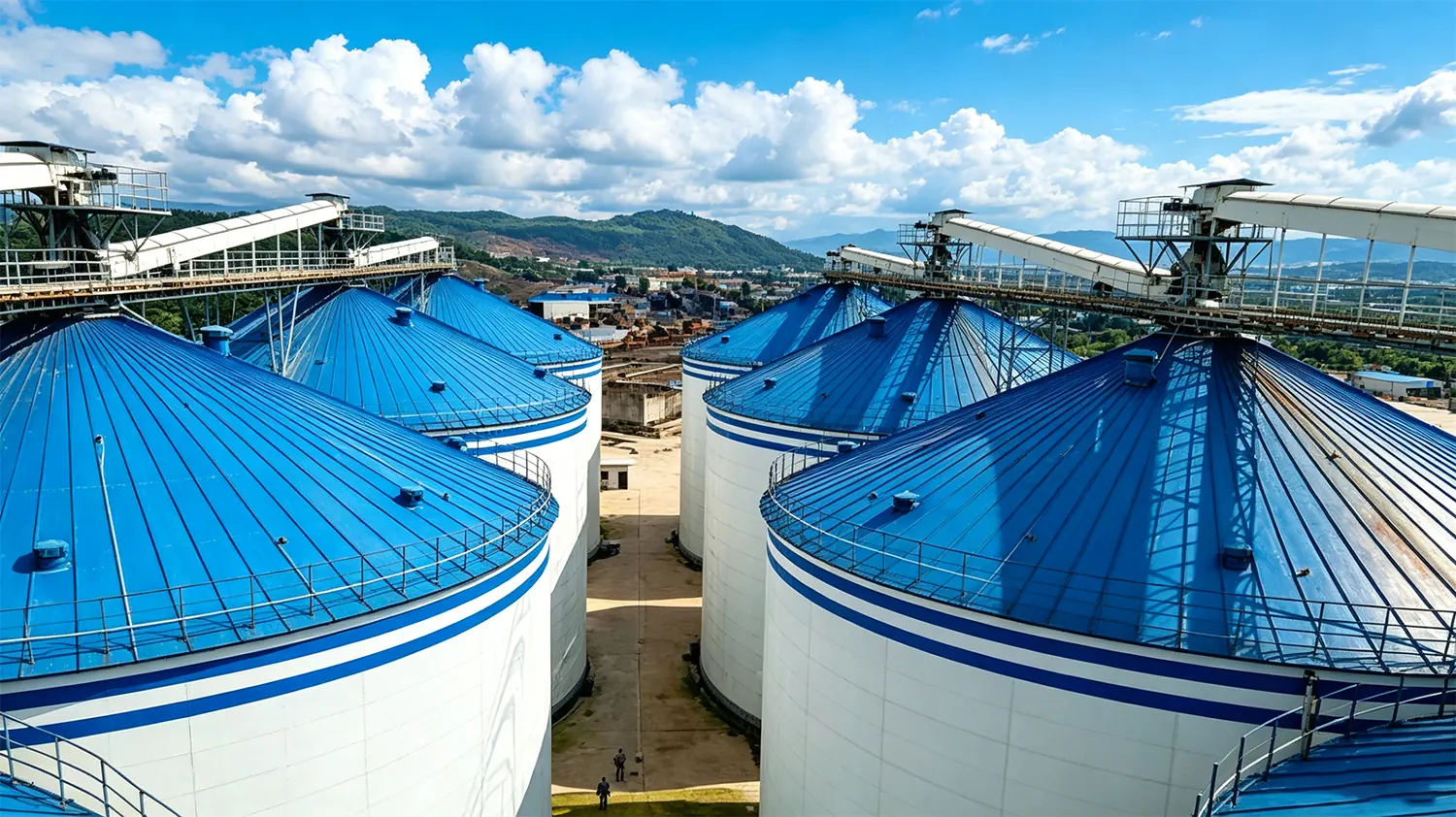
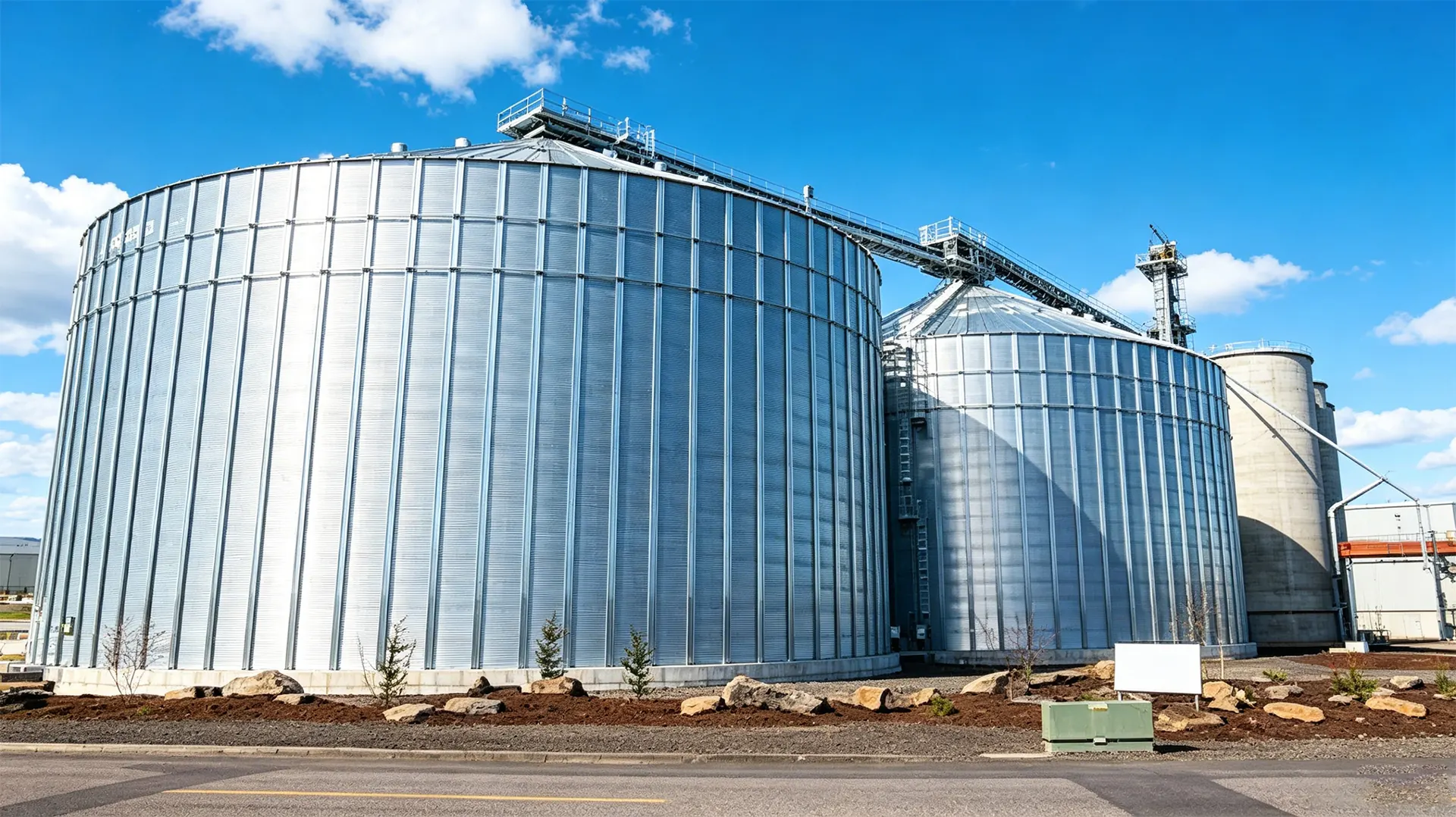
Key takeaway: In a 24 ft (7.3 m) diameter corrugated bin holding corn at 27.5 ft (8.4 m) depth, the Janssen lateral pressure at the wall is roughly 16.2 kPa (2.35 psi). A naive hydrostatic calculation would predict 59.3 kPa (8.6 psi) — a 73% overestimate that drives needless Purchase High-Quality Steel Silo: An Engineer's Guide into every ring, yet still fails to capture the discharge overpressures that actually crack bins.
Grain is not a liquid, and treating it as one is the single most common error we see when reviewing failed or over-built storage structures. Grain arches, bridges, drags on the wall, and transmits a substantial share of its own weight downward through friction rather than outward through pressure. The Janssen equation is the classic analytical model that captures this behaviour, and despite a century of finite element refinement, it remains the backbone of Eurocode