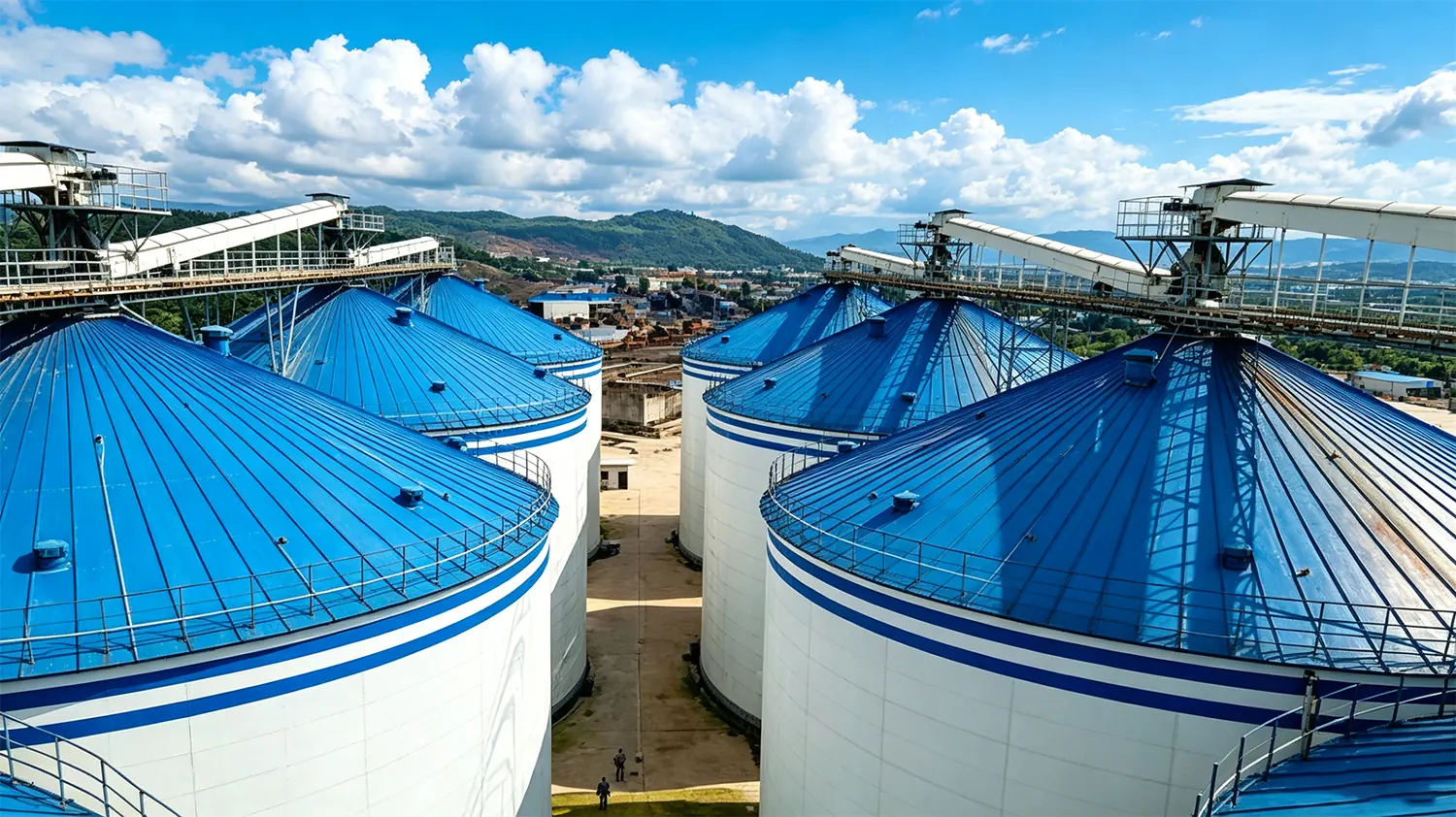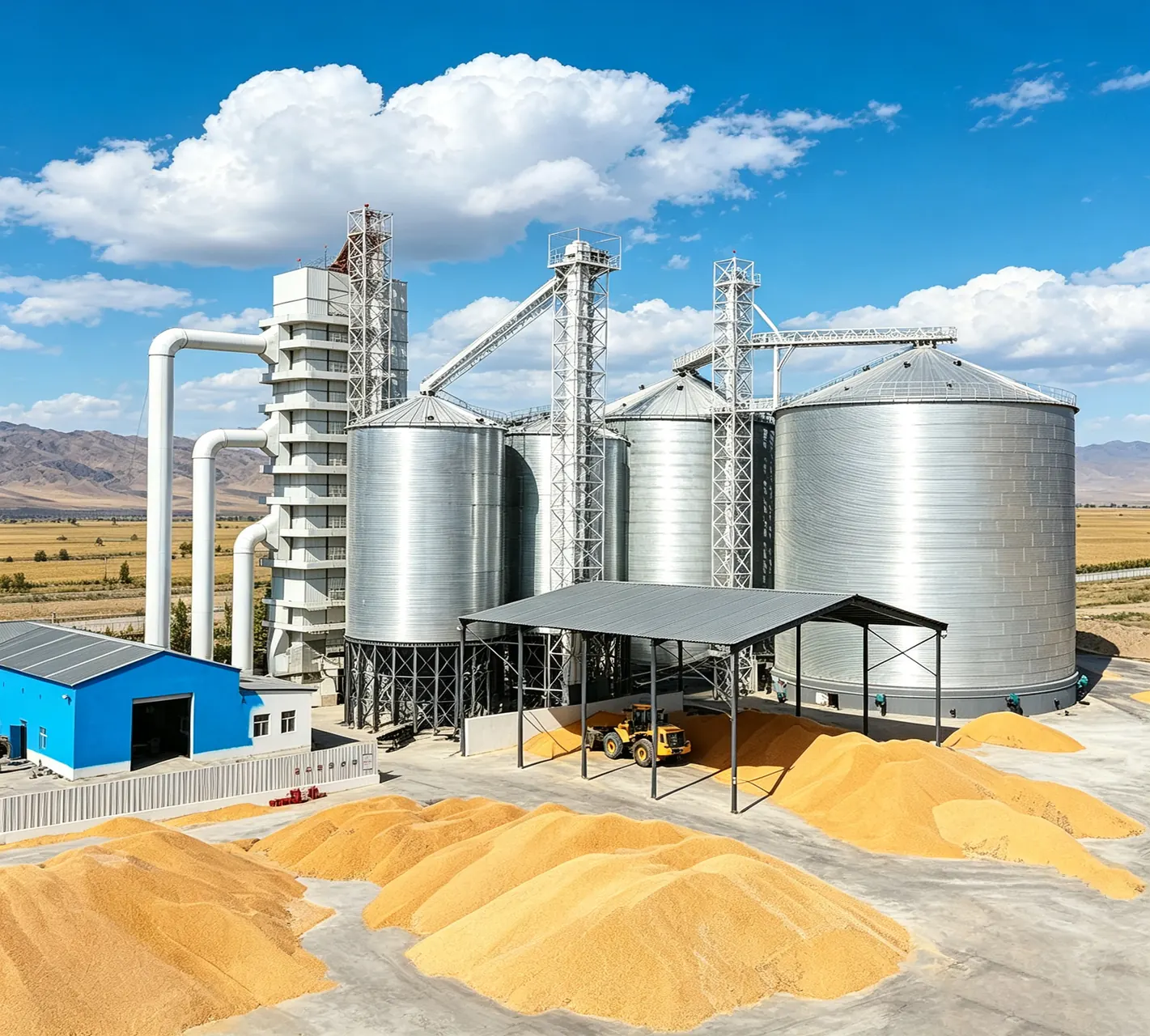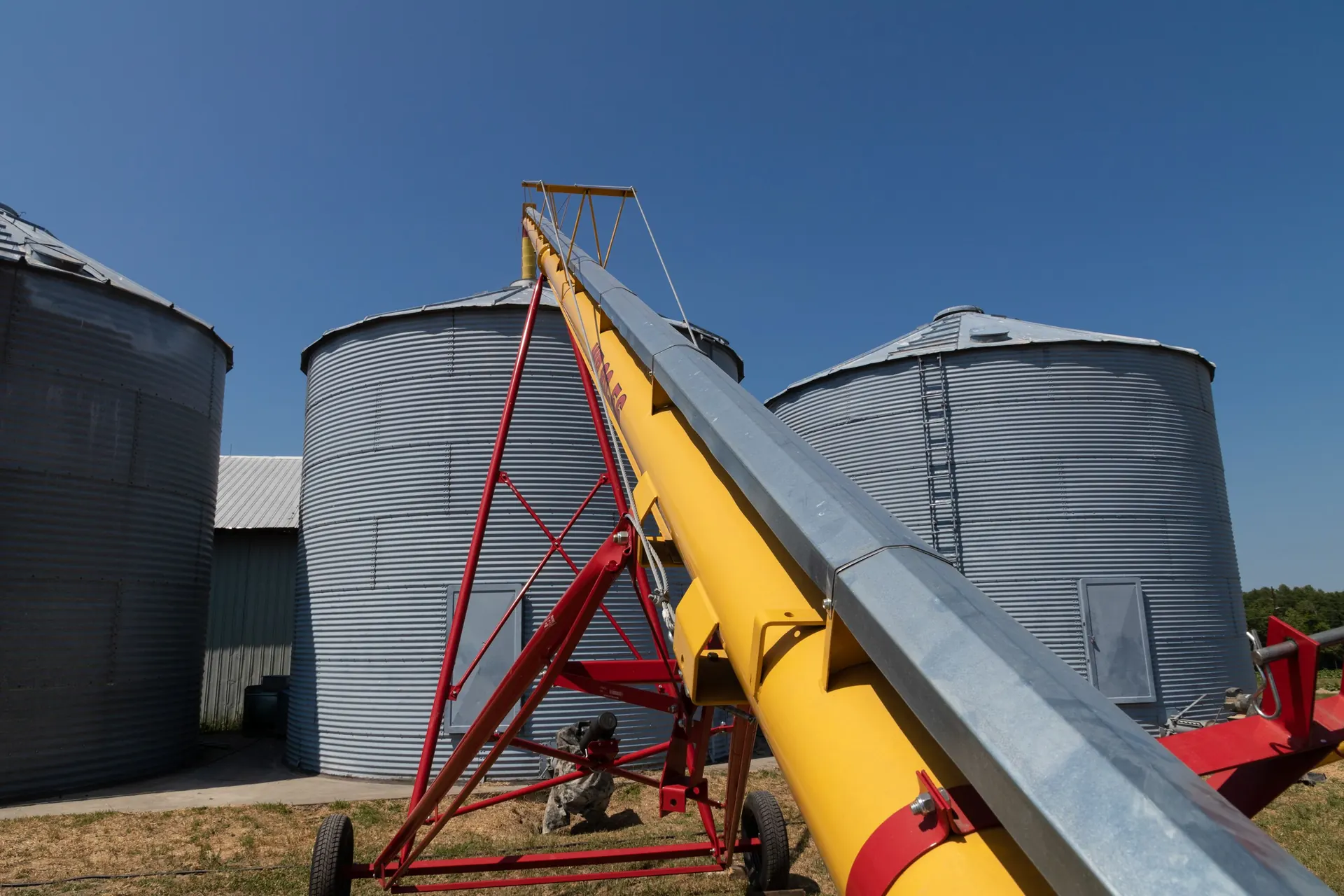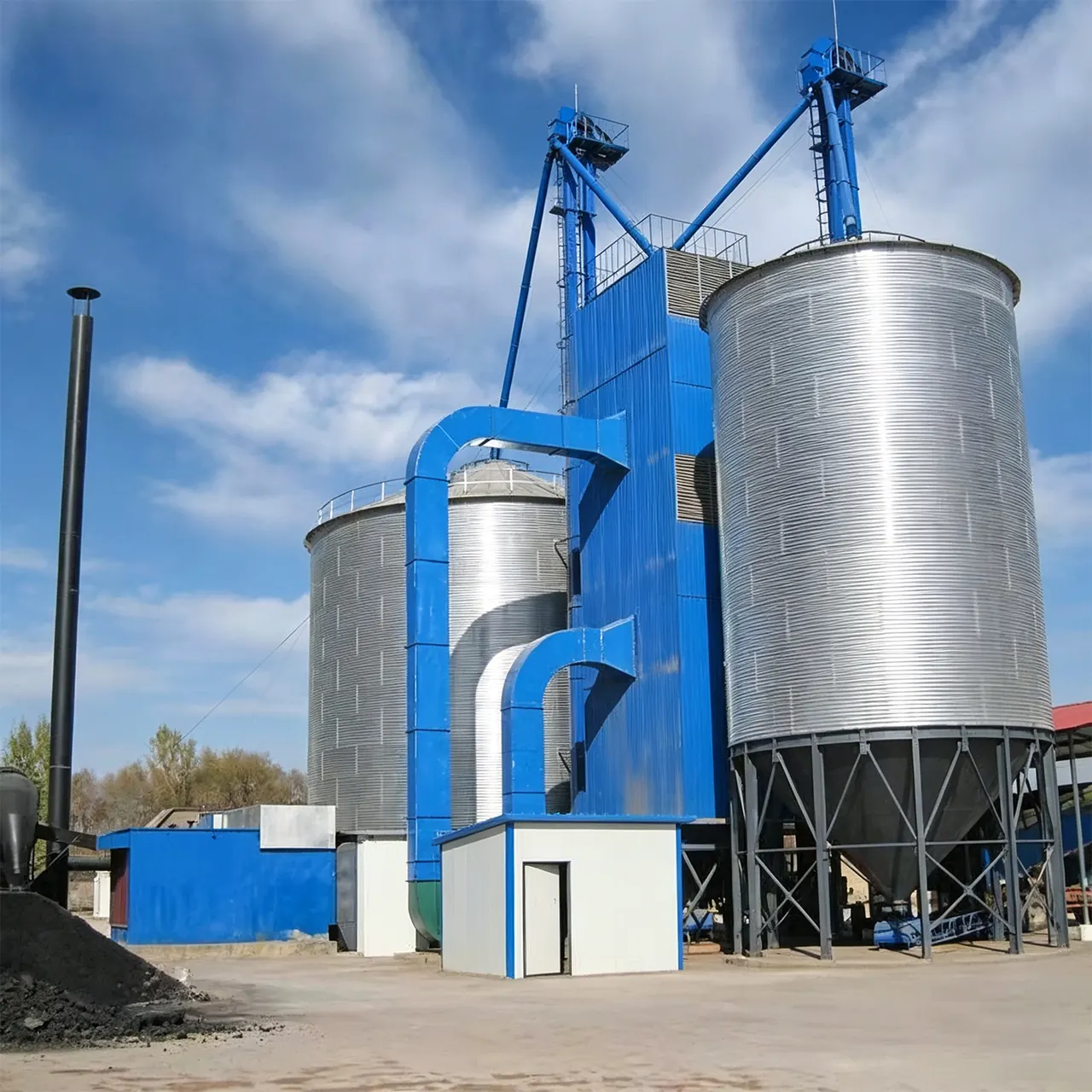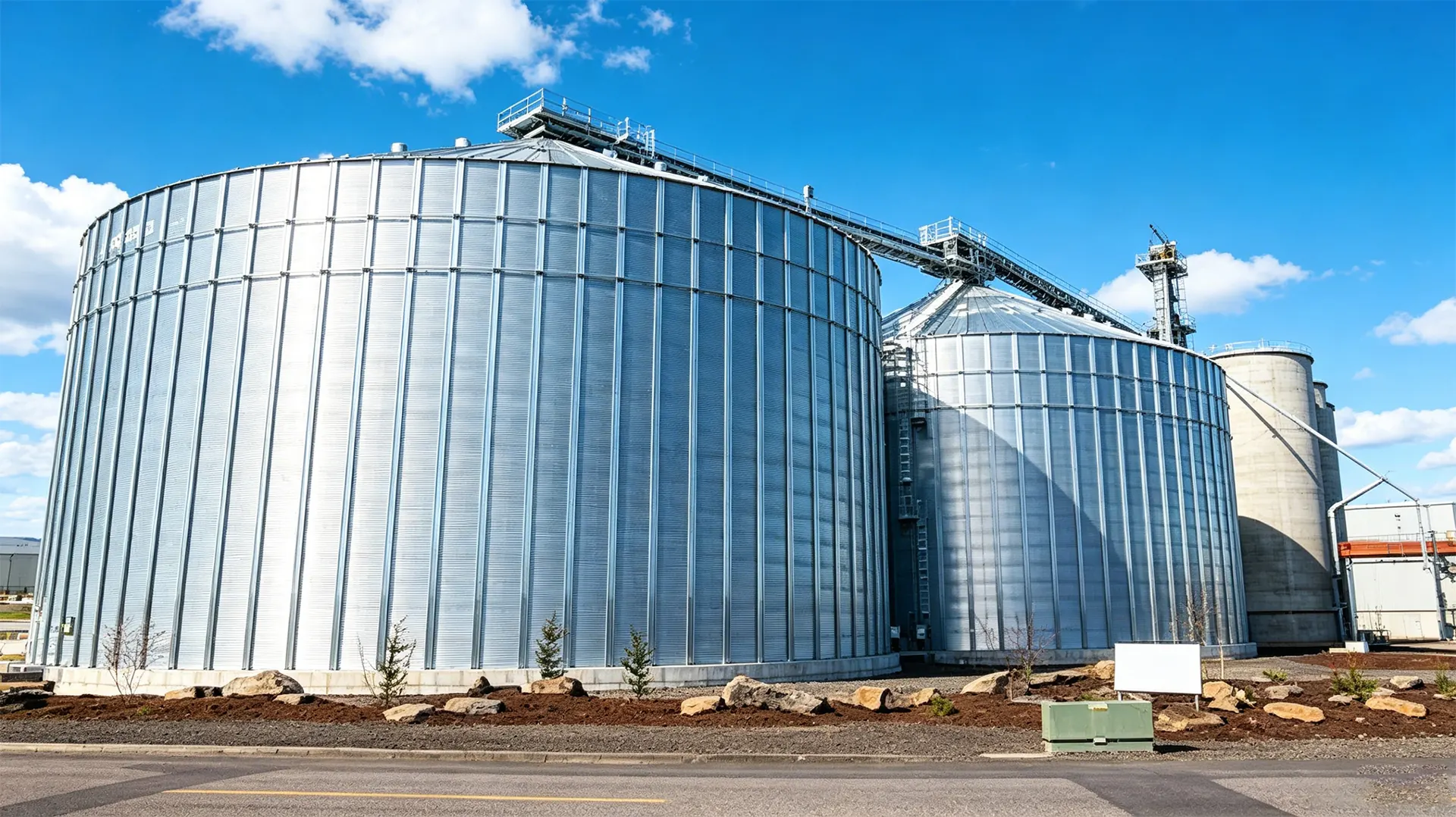
Silo lifting and jacking turns one of the most expensive problems in Dust Explosion Prevention in Grain Storage Facilities: En... storage — a settled, cracked, or under-capacity silo — into a controlled engineering operation measured in millimetres rather than months. When a 1,000-tonne flat-bottom silo is raised off its foundation by a synchronized hydraulic jacking system, the entire structure becomes a live load case that must be calculated, monitored, and documented from the first survey through to the final seating and grout cure.
What Is Silo Jacking? How Hydraulic Lifting Systems Raise a Standing Silo Safely
Silo jacking is the process of lifting an entire, intact silo — shell, stiffeners, roof, and internal equipment — off its Grain Bin Foundation Settlement: Prevention and Remediati... using a ring of synchronized hydraulic jacks acting on purpose-built jacking brackets attached to the structure. Unlike slip-form jacking used during concrete construction, silo jacking deals with a completed, freestanding structure that already carries its own dead load and, in most cases, has been in service for years.
The principle is straightforward: the shell of a flat-bottom silo is already an efficient axial load path. Dust Explosion Prevention in Grain Storage Facilities: En... pressure pushes outward on the wall, and the wall carries the vertical load of the grain plus the roof down to the foundation. A jacking system simply inserts controlled, temporary point loads into that same load path, at a ring of locations around the circumference, and lifts the structure in small increments while the original foundation is repaired, replaced, or extended underneath.

Typical lift heights fall into three bands. Re-leveling and foundation repair generally require 50–300 mm (2–12 in). Relocation lifts may reach 1–3 m to clear obstacles, trucks, or new civil works. Height extension projects — where a new ring course or concrete plinth is inserted beneath the shell to increase storage volume — can exceed 3 m, and are always treated as a full structural redesign rather than a simple lift.
Two conditions are non-negotiable. First, the silo must be empty. Second, the shell must be structurally capable of carrying concentrated jacking loads, which is why a pre-jacking survey and structural assessment come before any equipment arrives on site.
Why Jack Instead of Rebuild? Cost, Downtime, and Capacity Expansion Compared
The commercial case for jacking rests on three levers: capital cost, out-of-service time, and the value of the existing asset. A silo that has settled differentially is usually otherwise sound. The shell, roof, aeration floor, sweep auger, discharge system, and safety equipment are all intact. Demolishing it destroys that embedded value and restarts the permitting, fabrication, and commissioning clock.
| Factor | Jacking & Re-Leveling | Demolish & Rebuild |
|---|---|---|
| Typical site duration | 3–10 working days | 8–16 weeks |
| Relative project cost | Baseline | 1.4×–2.5× baseline |
| Existing shell, roof & floor | Retained | Scrapped and replaced |
| Foundation work | Repair or partial replacement | Full demolition and new pour |
| Capacity change | Can be increased via ring insertion | Only if a larger silo is purchased |
| Permitting exposure | Low to moderate | High — new structure approvals |
| Grain handling disruption | Single silo offline | Often the whole receiving line |
Height extension deserves special mention because it is where jacking delivers a capability that rebuilding cannot match economically. By lifting the shell and inserting an additional course — or a taller concrete ring beam — beneath the existing bottom ring, an operator gains usable capacity without changing the footprint, the roof, or the discharge arrangement. For sites where land is constrained or where planning approval for a taller structure is difficult, this is often the only viable growth path.
Types of Silo Lifting Projects: Foundation Repair, Re-Leveling, Relocation, and Height Extension
Foundation Repair and Re-Seating
Differential settlement, frost heave, groundwater movement, and inadequate original bearing capacity all show up the same way: a tilted silo, a cracked ring beam, a floor that no longer drains, and a sweep auger that cannot reach the last few tonnes of grain. Jacking allows the shell to be raised clear, the failing foundation demolished and recast to a proper design bearing pressure, and the silo set back down onto new anchor bolts and a level grout bed.
Re-Leveling Without Foundation Replacement
Where the foundation is sound but the silo has tilted — often after a partial load-out on soft ground, or after a seismic event — a precision re-leveling lift can restore plumbness to within the manufacturer's tolerance. Re-leveling demands finer control than a repair lift because the goal is not simply height but angular correction, which means individual jack points must travel different distances under closed-loop control.
Relocation
Relocating a silo — to a new pad, a new site, or simply across a yard to make room for a dryer or a new leg — combines jacking with skidding or transport. The lift is followed by a controlled transfer onto a skid system, SPMTs, or a purpose-built cradle. Relocation adds geotechnical work at both ends, and the transport route becomes a structural load case in its own right.
Height Extension and Capacity Upgrade
Height extension requires the most rigorous engineering of the four categories. Adding shell height increases the axial load at the base, raises the centre of gravity, increases wind overturning moment, and changes the natural frequency of the structure. The foundation, anchor bolts, and bottom course must all be re-verified against the new load case before a single jack is pressurised.

How Synchronous Hydraulic Jacking Works: Jack Towers, Load Cells, and PLC Control Explained
The heart of a modern silo jacking system is not the cylinders — it is the control loop that keeps them synchronized. A typical installation comprises:
- Jack towers or climbing frames — vertical steel columns anchored to a base plate, carrying a hydraulic cylinder and a mechanical lock-off collar. Each tower is positioned under a welded or bolted jacking bracket on the silo shell.
- Double-acting hydraulic cylinders — typically 50–200 tonne capacity each, with stroke lengths matched to the lift stages. Number of jack points commonly ranges from 8 on a small corrugated bin to 24 or more on a large flat-bottom silo.
- Load cells — one per jack