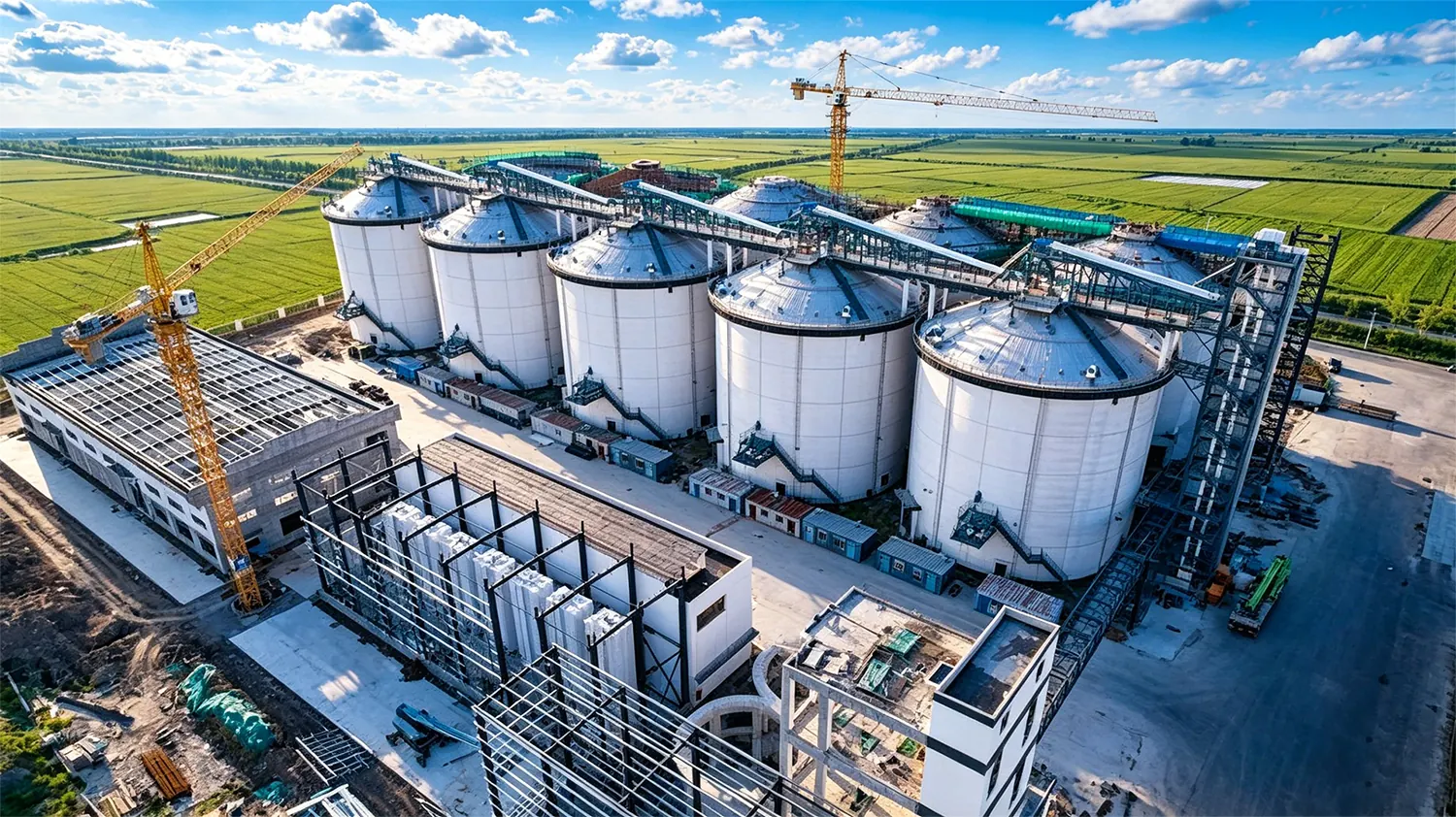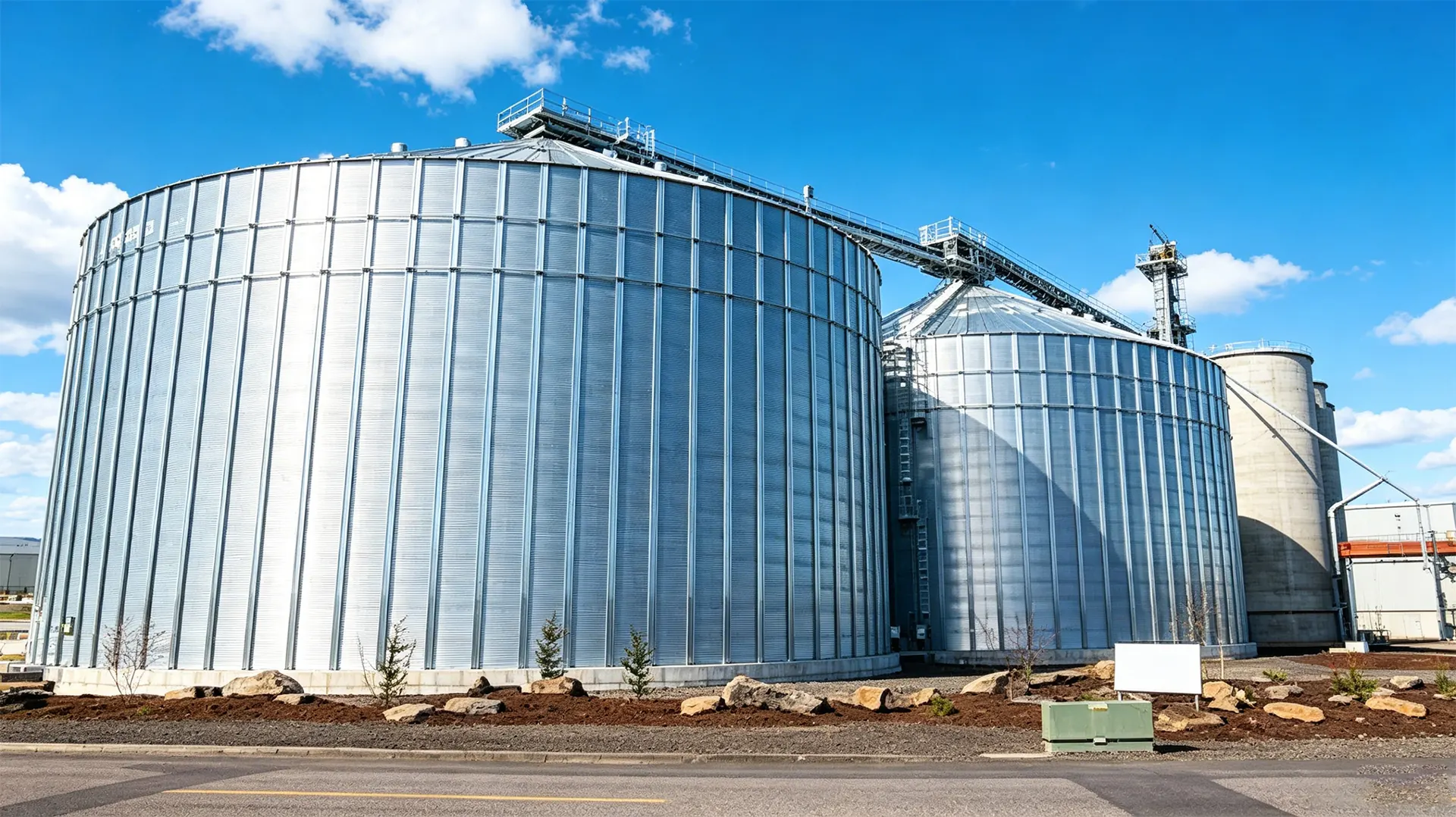
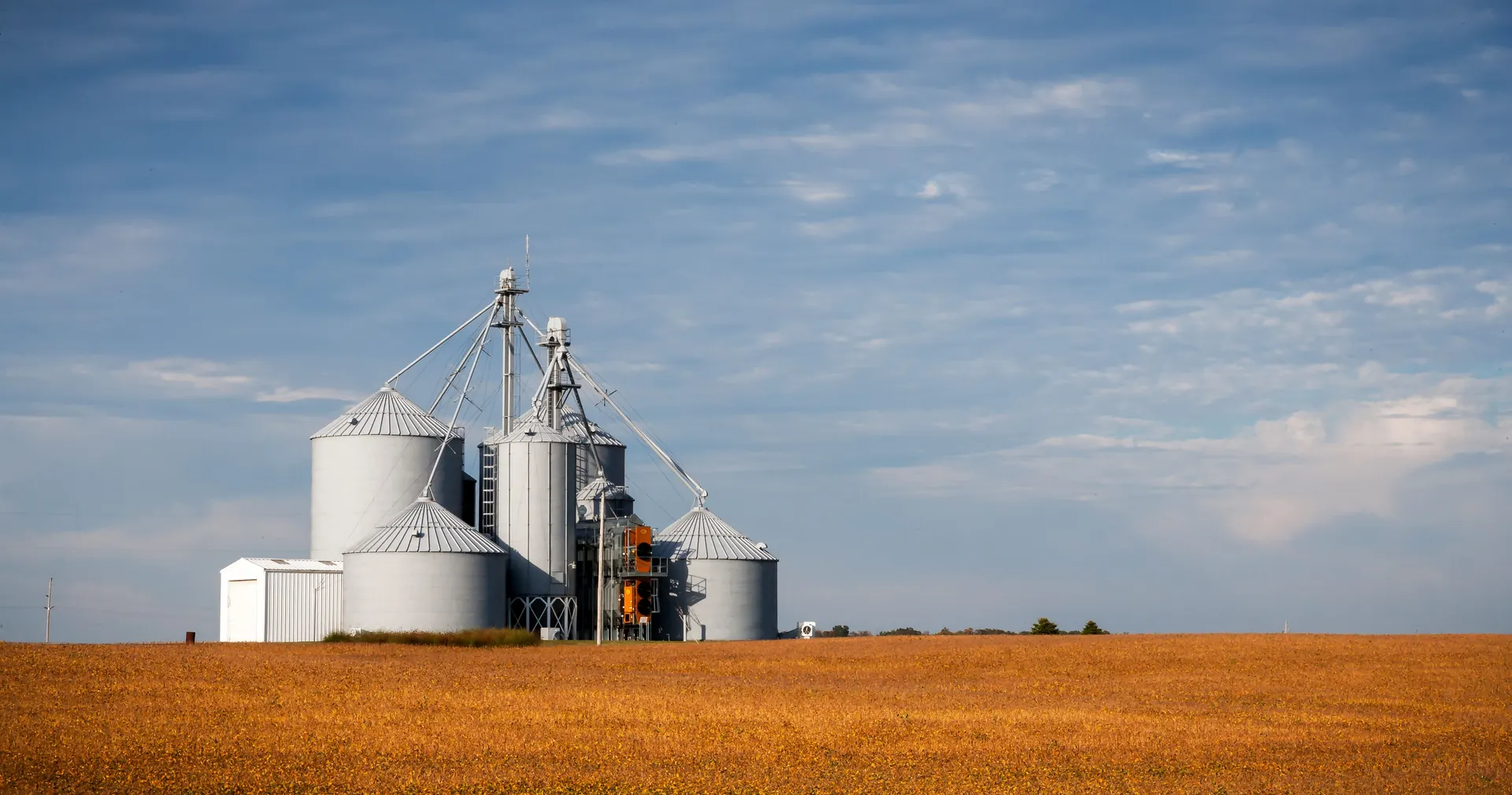
The steel grade you choose for Dust Dust Explosion Prevention in Grain Storage Facilities: En... Prevention in Grain Storage Facilities: En... bin construction directly determines structural integrity, service life, and total cost of ownership. With grain storage facilities expected to perform reliably for 25-40 years, understanding the metallurgical properties behind your material selection is not optional—it is essential engineering due diligence.
The Critical Role of Steel Grade Selection in Grain Bin Longevity and Performance
Dust Dust Explosion Prevention in Grain Storage Facilities: En... Prevention in Grain Storage Facilities: En... bins operate under some of the most demanding conditions in agricultural infrastructure. Unlike static storage vessels, grain bins experience dynamic loading patterns during filling, settling, aeration, and discharge. The stored grain exerts both vertical pressure and lateral wall forces that vary with commodity type, moisture content, bin geometry, and fill rate. These forces create a complex stress environment that demands careful material specification.
When selecting steel for Dust Dust Explosion Prevention in Grain Storage Facilities: En... Prevention in Grain Storage Facilities: En... bin construction, engineers must evaluate the structure against hoop tension—the circumferential stress created by lateral grain pressure against bin walls. This is the primary structural consideration for corrugated grain bins, where wall panels must resist outward forces without excessive deformation or buckling. Higher yield strength steels allow thinner gauge materials while maintaining safety margins, but they also present challenges in formability and welding characteristics.
Beyond structural loads, grain bins face persistent environmental challenges. Internal condensation cycles caused by temperature differentials between stored grain and ambient air create corrosive conditions. External exposure to wind-driven rain, UV radiation, agricultural chemicals, and airborne contaminants further accelerates material degradation. The steel grade and protective coating system must work in concert to address these dual threats.

Grain Silos vs. Grain Bins: How Structural Type Dictates Steel Requirements
Understanding the distinction between grain silos and grain bins is fundamental to proper material selection. While both serve the same fundamental purpose of bulk grain storage, their structural designs impose different demands on steel components.
Structural Configuration Differences
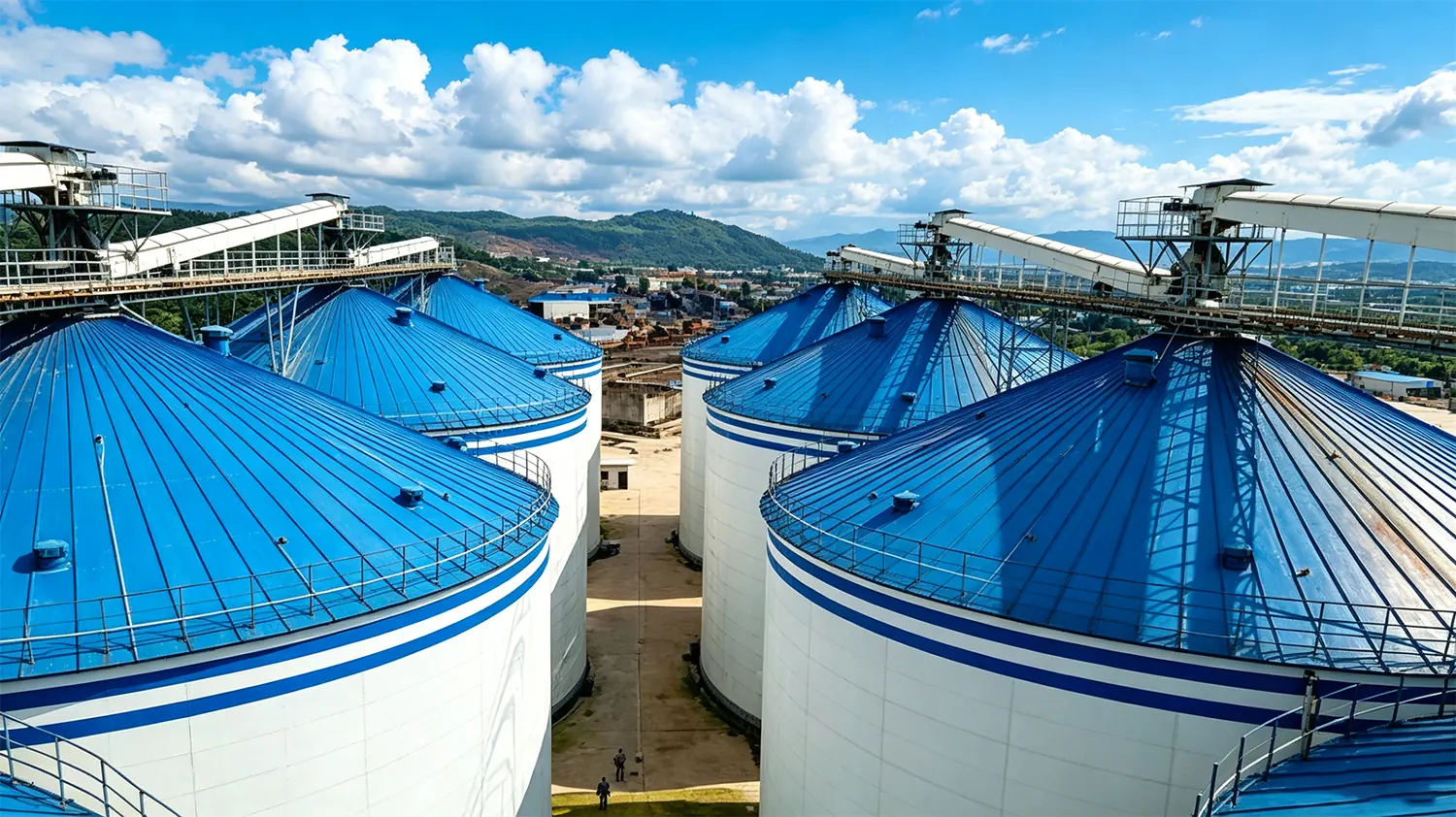
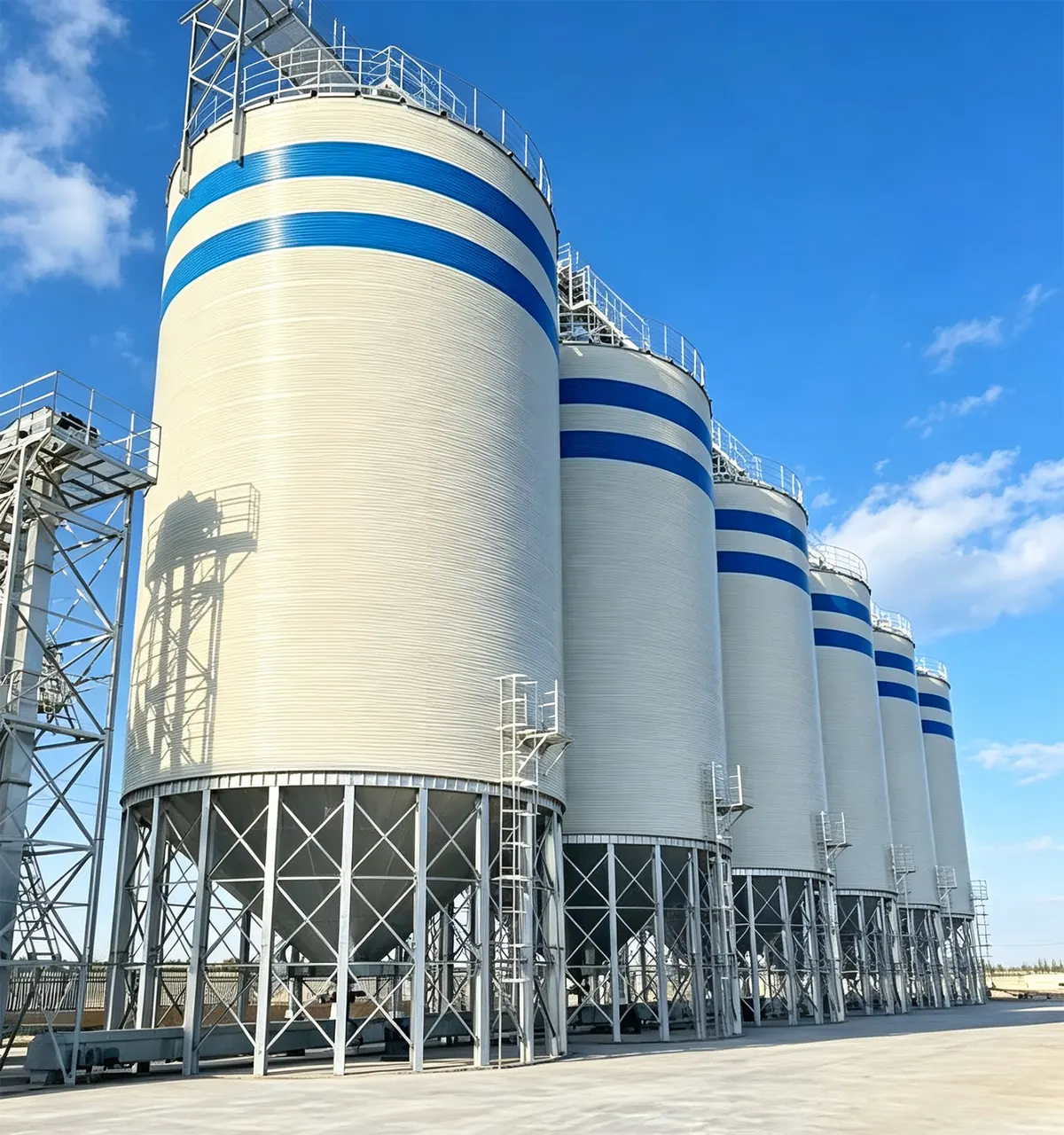
Grain silos typically refer to taller, larger-diameter structures—often exceeding 30 meters in height and 20 meters in diameter—used for commercial-scale storage operations. These structures frequently employ reinforced concrete construction or heavy-gauge welded steel designs. The steel grades used in large silo construction generally require higher yield strength ratings, typically 350 MPa or above, to manage the substantial hoop tensions generated by deep grain columns.
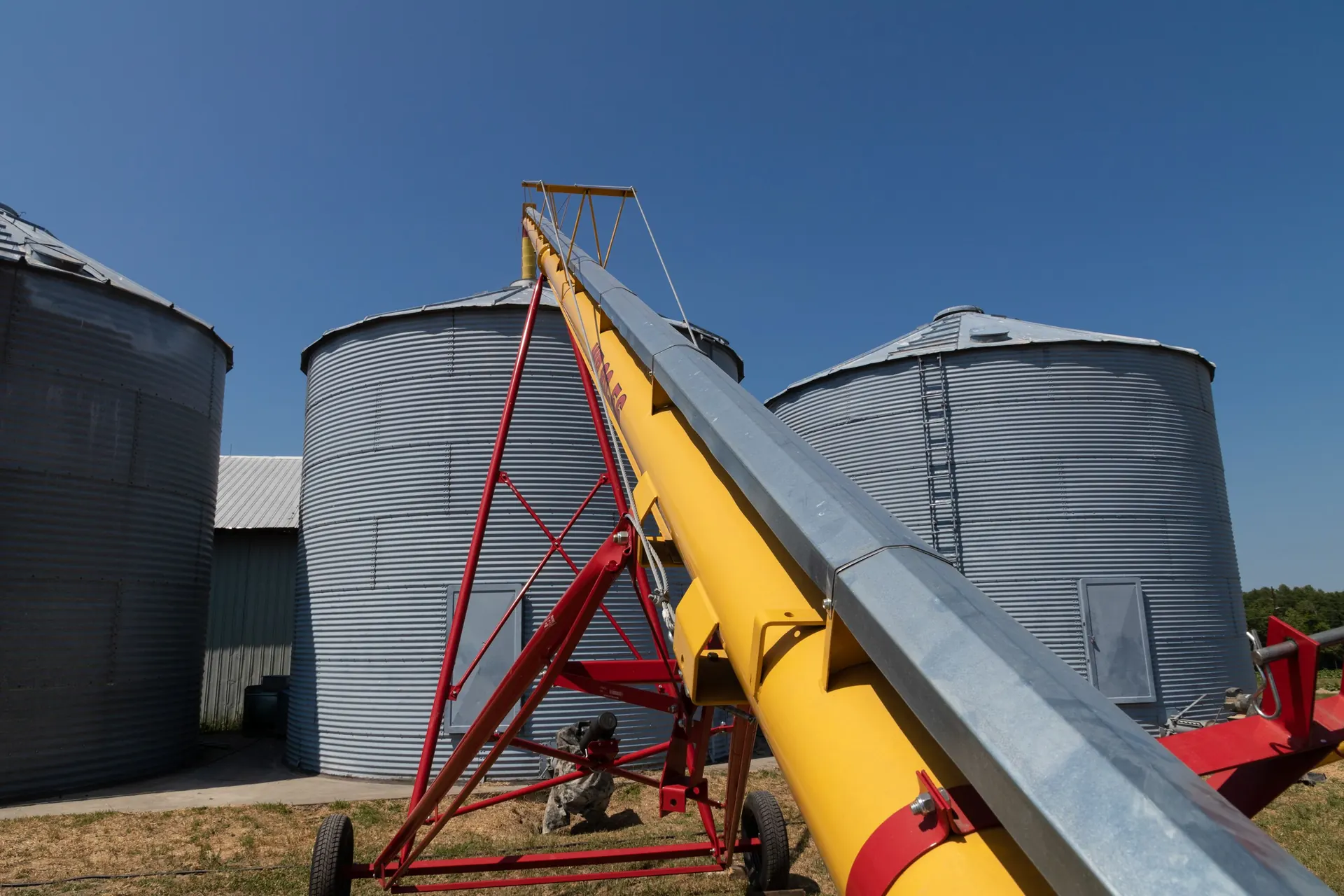
Grain bins, by contrast, encompass a broader range of sizes and are more commonly found on farms and at regional grain elevators. Modern grain bins predominantly utilize corrugated steel wall panels bolted together, with wall thicknesses ranging from 0.8mm to 4.0mm depending on bin diameter and height. The corrugation profile itself provides structural rigidity, allowing the use of thinner gauge steels than would be possible with flat wall construction.
Loading Pattern Variations
The structural type directly influences how loads are distributed and which steel properties become most critical. Tall silo structures experience significant bending moments at the base and require steels with excellent weldability and fatigue resistance. Shorter grain bins primarily resist hoop tension, making tensile strength and elongation properties more important selection criteria.
Discharge patterns also differ between structure types. Silos often employ central discharge with mass flow characteristics, creating symmetrical pressure distribution. Grain bins may use multiple discharge points or sweep augers, introducing asymmetric loading conditions that can create localized stress concentrations in wall panels.
| Parameter | Grain Silo (Large Scale) | Grain Bin (Farm/Regional) |
|---|---|---|
| Typical Height | 25-45 meters | 6-20 meters |
| Primary Material | Reinforced concrete or heavy steel | Corrugated galvanized steel |
| Steel Yield Strength | 350-550 MPa | 250-450 MPa |
| Wall Thickness Range | 6-20 mm (welded steel) | 0.8-4.0 mm (corrugated) |
| Primary Stress Type | Hoop tension + bending moment | Hoop tension (dominant) |
Decoding Steel Specifications: Yield Strength, Tensile Strength, and Corrosion Resistance
Selecting the right steel grade requires understanding the mechanical properties that govern structural performance. Three specifications deserve particular attention: yield strength, tensile strength, and elongation at break.
Yield Strength: The Primary Design Parameter
Yield strength represents the stress at which steel begins to deform permanently. For grain bin design, this is the critical threshold—once exceeded, wall panels will not return to their original shape, potentially compromising structural integrity and creating gaps at bolt connections. Common yield strength grades for grain bin construction include:
- Q235 (235 MPa): Suitable for smaller bins with limited grain depth and non-corrosive storage applications
- Q345 (345 MPa): The workhorse grade for medium to large grain bins, offering an optimal balance of strength and formability
- Q390-Q460 (390-460 MPa): High-strength options for large-diameter bins where wall thickness reduction is economically advantageous
The relationship between yield strength and wall thickness is inversely proportional. A bin designed with Q345 steel can use approximately 30% thinner walls compared to Q235 while maintaining equivalent hoop tension Capacity Planning by Crop Type. This translates directly to material cost savings, reduced foundation loads, and easier handling during installation.
Tensile Strength and Elongation: Safety Margins and Ductility
While yield strength governs normal operating conditions, tensile strength—the maximum stress steel can withstand before fracture—provides the safety margin against unexpected overloads. The ratio between tensile and yield strength (yield ratio) indicates how much plastic deformation occurs before failure. For grain bin applications, a yield ratio between 0.65 and 0.85 is generally preferred, ensuring adequate ductility.
Elongation at break measures how much steel can stretch before fracturing. Higher elongation values indicate greater ductility, which is crucial for corrugated wall panels that must be formed into tight radii without cracking. Steels with elongation values below 18% may present forming challenges and are generally avoided for corrugated bin construction.
Corrosion Resistance: The Hidden Performance Factor
Mechanical properties tell only part of the story. Corrosion resistance determines long-term service life and maintenance requirements. Grain storage environments present several corrosion mechanisms:
- Atmospheric corrosion: General oxidation from humidity and oxygen exposure
- Condensation corrosion: Moisture formation on internal walls during temperature cycling
- Galvanic corrosion: Electrochemical reactions between dissimilar metals at connections
- Chemical corrosion: Exposure to grain treatment chemicals, fertilizers, or cleaning agents

Galvanized vs. Stainless Steel: Matching Material to Your Stored Commodity
The choice between galvanized carbon steel and stainless steel represents one of the most consequential decisions in grain bin material selection. Each option offers distinct advantages depending on the stored commodity, climate conditions, and economic considerations.
Galvanized Steel: The Industry Standard
Hot-dip galvanized steel dominates grain bin construction for good reason. The zinc coating provides both barrier protection and sacrificial (cathodic) protection to the underlying steel. When the coating is scratched or damaged, the zinc corrodes preferentially, protecting the exposed steel from rust formation.
Coating weight is specified in grams per square meter (g/m²) and directly correlates with service life. Common galvanized coating designations include:
- Z275 (275 g/m²): Standard protection for moderate climate grain storage
- Z350 (350 g/m²): Enhanced protection for humid or coastal environments
- Z450+ (450+ g/m²): Maximum protection for aggressive chemical exposure or tropical climates
For most agricultural grain storage applications, Z275 galvanized coating on Q345 steel provides 25-35 years of reliable service with proper maintenance. This combination delivers the best balance of initial cost, structural performance, and longevity.
Stainless Steel: Specialized Applications
Stainless steel grain bins find application in specific scenarios where galvanized coatings prove inadequate. Food-grade grain storage, particularly for products requiring HACCP compliance or organic certification, often specifies stainless steel to prevent metallic contamination and simplify sanitation procedures.
The most common stainless steel grades for grain storage include:
- 304 Stainless: Excellent corrosion resistance for food-grade applications; withstands cleaning chemicals and high-moisture commodities
- 316 Stainless: Superior resistance to chloride exposure; recommended for coastal installations or salt-contaminated grain
- 430 Stainless: Cost-effective option for dry storage with minimal corrosion risk
The primary limitation of stainless steel is cost—typically 3-5 times more expensive than equivalent galvanized carbon steel structures. This premium is justified only when regulatory requirements, commodity value, or environmental conditions demand the enhanced corrosion resistance.
Commodity-Specific Material Selection
Different stored commodities impose varying demands on steel components:
- Corn, wheat, soybeans: Standard galvanized steel (Z275) provides adequate protection for these relatively non-corrosive grains
- Rice, paddy: Higher moisture content increases condensation risk; consider Z350 coating or enhanced ventilation design
- Fertilizer, chemical-treated grain: Aggressive chemical exposure may require stainless steel or specialized polymer coatings
- Food-grade products: Stainless steel (304 minimum) ensures compliance with food safety regulations
Frequently Asked Questions
Grain bins are primarily constructed from hot-dip galvanized carbon steel, with Q345 (345 MPa yield strength) being the most common grade for commercial applications. The galvanized coating, typically Z275 or Z350 designation, provides corrosion protection while the carbon steel substrate delivers structural strength. Smaller bins may use Q235 steel, while large-diameter or high-capacity bins often specify Q390 or Q460 high-strength grades to optimize wall thickness and material costs.
A 10,000 bushel grain bin typically ranges from $15,000 to $35,000 depending on diameter, roof design, foundation type, and included accessories. The steel grade and coating specification significantly influence pricing—bins constructed with Q345 steel and Z275 galvanized coating represent the standard cost baseline, while upgrades to Z350 coating or premium accessories increase investment. Installation, foundation preparation, and material handling equipment are additional costs to consider in total project budgeting.
Selecting the appropriate grain bin size requires analyzing annual throughput volume, peak harvest quantities, storage duration requirements, and future expansion plans. Calculate total storage needs by multiplying daily harvest rate by desired storage days, then add 15-20% capacity buffer for operational flexibility. Bin diameter determines storage volume per meter of height—larger diameters provide exponentially more capacity. Consider also the relationship between bin height and foundation requirements, as taller structures demand more robust foundation engineering.
Grain size does not directly affect the strength of steel used in bin construction, but it significantly influences the loading patterns that steel must resist. Smaller grain particles (such as sorghum or millet) exert higher lateral pressure per unit volume compared to larger kernels (such as corn or soybeans) due to increased packing density and reduced internal friction. Additionally, finer materials create greater dust explosion risks and may require enhanced sealing systems. The steel grade selection must account for these pressure differentials—bins storing high-density, small-particle commodities may require higher yield strength ratings or reduced wall thicknesses to manage increased hoop tension loads.
Conclusion: Engineering Confidence Through Informed Material Selection
Selecting the right steel grade for grain bin construction is a multidisciplinary decision that balances structural engineering requirements, environmental exposure conditions, commodity characteristics, and economic constraints. The optimal choice delivers decades of reliable performance while minimizing total lifecycle costs.
Successful material selection begins with thorough site assessment, accurate load calculations, and clear understanding of stored commodity properties. Partnering with experienced grain storage engineers who understand both the metallurgical science and practical field performance ensures your investment delivers expected returns throughout its service life.
Whether specifying standard galvanized carbon steel for routine grain storage or investing in stainless steel for specialized applications, the fundamental principle remains: match material properties to actual operating conditions, not minimum cost targets alone.
Ready to Specify the Right Steel Grade for Your Grain Storage Project?
Our engineering team provides comprehensive material selection guidance tailored to your specific storage requirements, climate conditions, and budget parameters. Contact us today to discuss your project specifications and receive a detailed technical proposal.
Contact Our Engineering Team