
Commercial Grain Elevator
High-throughput storage for elevators and marketers
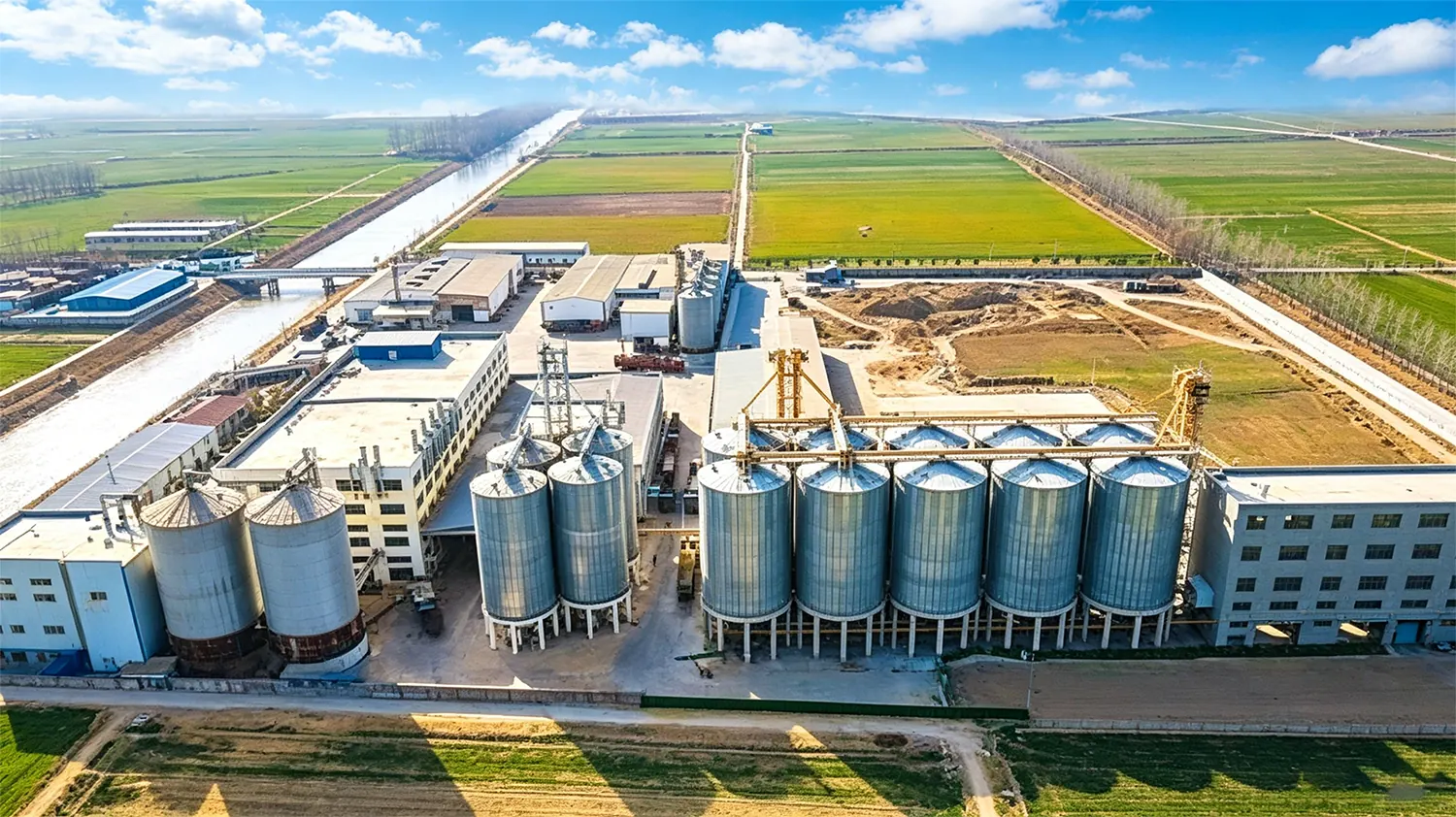
Industry Overview
Why Operators Choose ManXing
Engineered Throughput
Capacity matched to your daily intake and dispatch volume.
Grain Quality Protection
Aeration, monitoring and drying preserve moisture and grade.
Turnkey Delivery
Design, manufacture, ship, install and commission — one partner.
Global References
Proven across tropical, arid and cold-climate operations.
Detailed Application Notes
Commercial Grain Elevator Systems: Engineering for Scale, Speed, and Reliability
Commercial grain elevators occupy a critical position in the global grain supply chain. Positioned at the intersection of farm production and end-user demand, these facilities must receive, dry, clean, blend, store, and ship grain at volumes and speeds that leave no margin for error. A single commercial elevator may handle 50,000 to 500,000 metric tons of grain annually, serving multiple commodities including corn, wheat, soybeans, rice, and barley. The engineering decisions made at the design phase directly determine whether that facility operates profitably or becomes a bottleneck that costs its operators thousands of dollars per hour in demurrage, spoilage, and missed market windows.
With over 20 years of experience designing and manufacturing complete grain storage and handling systems, Manxing has developed deep expertise in the specific demands placed on commercial elevator operations. This article examines the core requirements of modern commercial elevators, the challenges operators face, and the engineered solutions that deliver measurable returns on investment.
The Commercial Elevator Operating Environment
Unlike on-farm storage, which typically handles a single harvest window and a limited number of commodities, commercial elevators operate as continuous-flow facilities. Trains, trucks, and barges arrive around the clock during peak intake periods. Grain must be received, weighed, sampled, cleaned, dried if necessary, graded, and placed into storage — all within a matter of hours. During shipping season, the same grain must be reclaimed, blended to precise quality specifications, and loaded onto outbound transport at rates that meet rail and vessel scheduling requirements.
This continuous-cycle model places extraordinary demands on every component in the system. Storage bins must withstand repeated filling and emptying cycles. Drying equipment must process grain at rates that match or exceed peak intake. Conveying systems must move thousands of tons per hour without bottlenecks. And the entire facility must maintain grain quality through precise temperature and moisture management from the moment of receipt to the moment of shipment.
Core Challenges in Commercial Elevator Operations
Harvest Pressure and Intake Throughput
The most visible challenge at any commercial elevator is the harvest rush. Depending on the region and commodity, a facility may need to receive 30 to 60 percent of its total annual volume in a window of just four to eight weeks. During this period, truck lines can stretch for kilometers, and every hour of downtime translates directly into producer frustration and potential loss of business to competing facilities.
To manage this pressure, intake systems must be engineered for sustained peak throughput. A mid-size commercial elevator handling corn in a major producing region might need to receive 2,000 to 5,000 metric tons per day during peak harvest. This requires truck dump pits, receiving legs, and overhead conveyors sized not for average demand but for the maximum hourly rate the facility is likely to encounter. Manxing engineers intake systems with peak capacities of 150 to 600 metric tons per hour, ensuring that even the busiest days move grain quickly from truck to storage.
Moisture Management and Drying Capacity
Grain arriving at commercial elevators frequently exceeds safe storage moisture content. Corn harvested at 20 to 25 percent moisture must be dried to 12.5 to 14 percent for long-term storage. Wheat arriving at 15 to 18 percent moisture must be brought below 13 percent. The drying system is therefore not a supplementary component — it is a core production asset that must keep pace with intake.
Under-sizing a dryer is one of the most costly mistakes in elevator design. A dryer that cannot process grain as fast as it arrives creates a queue that backs up through the entire intake system. Manxing continuous-flow tower dryers are available in capacities ranging from 20 to 200 metric tons per hour, with drying air temperatures precisely controlled between 60°C and 120°C depending on commodity and target moisture reduction. These dryers are engineered for continuous 24-hour operation during peak season, with robust combustion systems and grain flow management that ensures uniform moisture removal across the entire column.
Grain Quality Preservation
Commercial elevators hold grain for periods ranging from a few days to more than 12 months. During that time, the facility must protect against insect infestation, mold growth, hot spots, and moisture migration. Temperature monitoring is not optional — it is a fundamental requirement for safe storage. Grain held at temperatures above 20°C with moisture content above safe levels can begin to deteriorate within days, leading to grade reductions, weight loss, and in severe cases, total cargo rejection.
Manxing addresses this challenge through full-floor aeration systems on every flat-bottom bin, combined with comprehensive temperature monitoring cables suspended from bin roofs. Aeration fans deliver 0.1 to 0.3 cubic meters of air per minute per cubic meter of grain, sufficient to maintain uniform temperature throughout the grain mass and prevent the moisture migration that leads to crusting and spoilage. Temperature data is collected continuously and displayed on central monitoring screens, with automated alarms triggered when any sensor detects a deviation from the safe range.
Blending and Quality Consistency
Commercial elevators do not simply store grain — they blend it to meet the precise quality specifications demanded by end users. A flour mill may require wheat with a minimum 12.5 percent protein content. An ethanol plant may specify corn with maximum 15 percent moisture and minimum 56-pound test weight. Meeting these specifications consistently requires the ability to reclaim grain from multiple bins simultaneously, blend it in controlled proportions, and verify quality before shipment.
This demands a conveying and distribution system with the flexibility to route grain from any bin to any destination — dryer, cleanout, storage, or loadout. Manxing designs its elevator distribution networks with this requirement at the center, using network-style distributor configurations that provide maximum routing flexibility with minimum mechanical complexity.
Manxing Engineered Solutions for Commercial Elevators
Large-Capacity Flat-Bottom Bin Banks
The storage bin is the most fundamental component of any commercial elevator, and its design determines the facility's total capacity, operational flexibility, and long-term maintenance costs. Manxing manufactures flat-bottom storage bins with diameters ranging from 4.5 meters to 36 meters and capacities from 50 metric tons to over 50,000 metric tons per bin. These bins are constructed from high-tensile galvanized steel with 275 grams per square meter zinc coating, providing corrosion resistance that ensures a service life exceeding 25 years even in aggressive agricultural environments.
Every Manxing flat-bottom bin intended for commercial elevator service is equipped with full-floor aeration, heavy-duty center unloading systems, and temperature monitoring cable support structures. Bin roofs are designed with 30-degree slopes, internal rafter structures rated for full wind and snow loads, and sufficient access points for inspection and cable maintenance. For facilities storing multiple commodities, Manxing provides bin configurations that segregate grain by type, grade, and moisture content while maintaining the conveying flexibility to move grain between compartments as market conditions require.
Continuous-Flow Tower Dryers
Manxing continuous-flow tower dryers are purpose-built for the commercial elevator environment. Unlike batch dryers, which process grain in discrete loads, continuous-flow dryers receive wet grain at the top and discharge dried grain at the bottom in a steady stream. This design is inherently better suited to elevator operations because it can run 24 hours a day without
Recommended Storage Solutions
Corn Storage Solution
Complete storage systems for corn — from farm bins to export terminals
View Solution →Wheat Storage Solution
Protect protein & milling quality with low-moisture storage
View Solution →Equipment Used in Commercial Grain Elevator
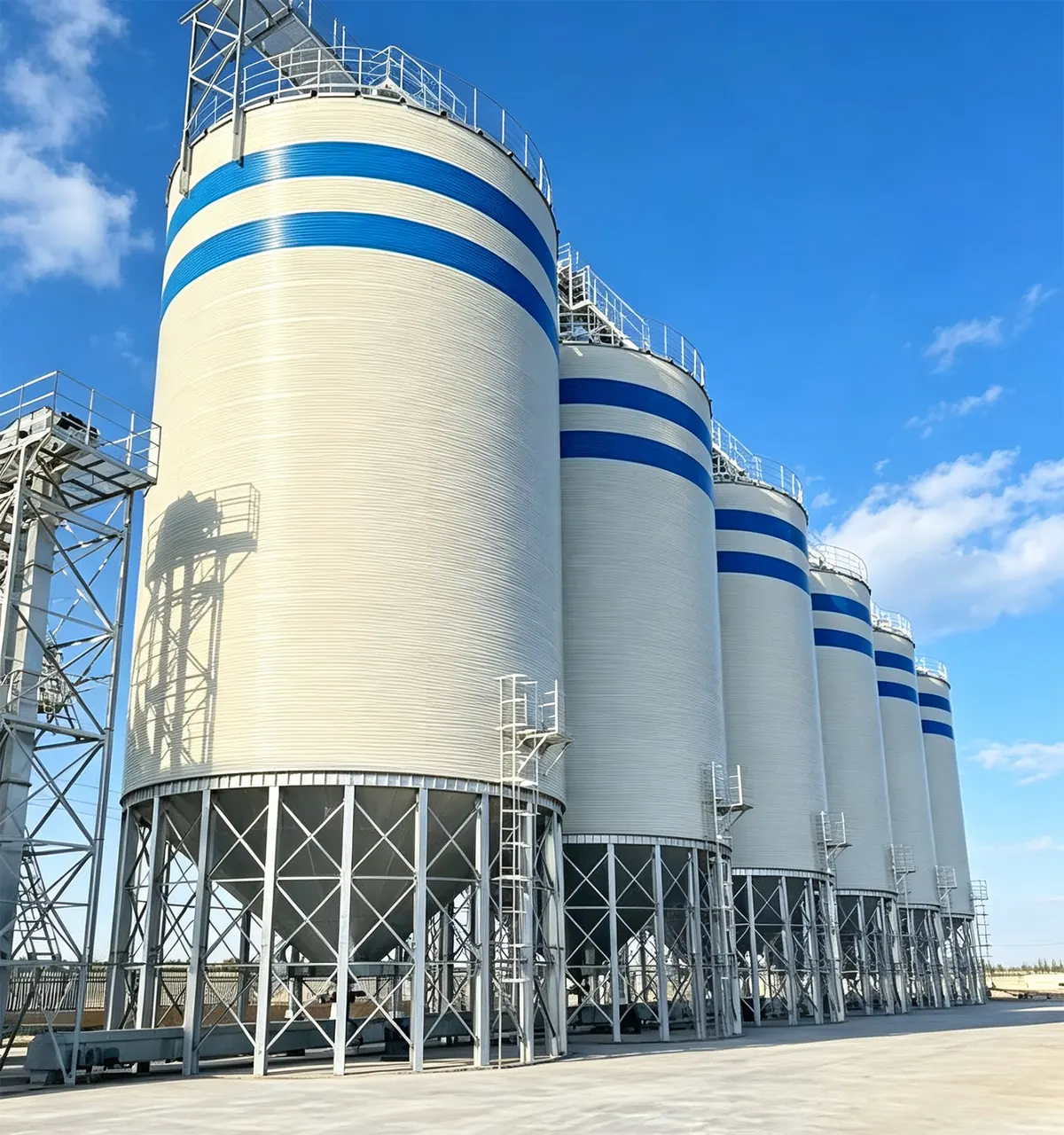
Wood Pellet Silo
Dust-controlled storage for biomass wood pellets
View Product →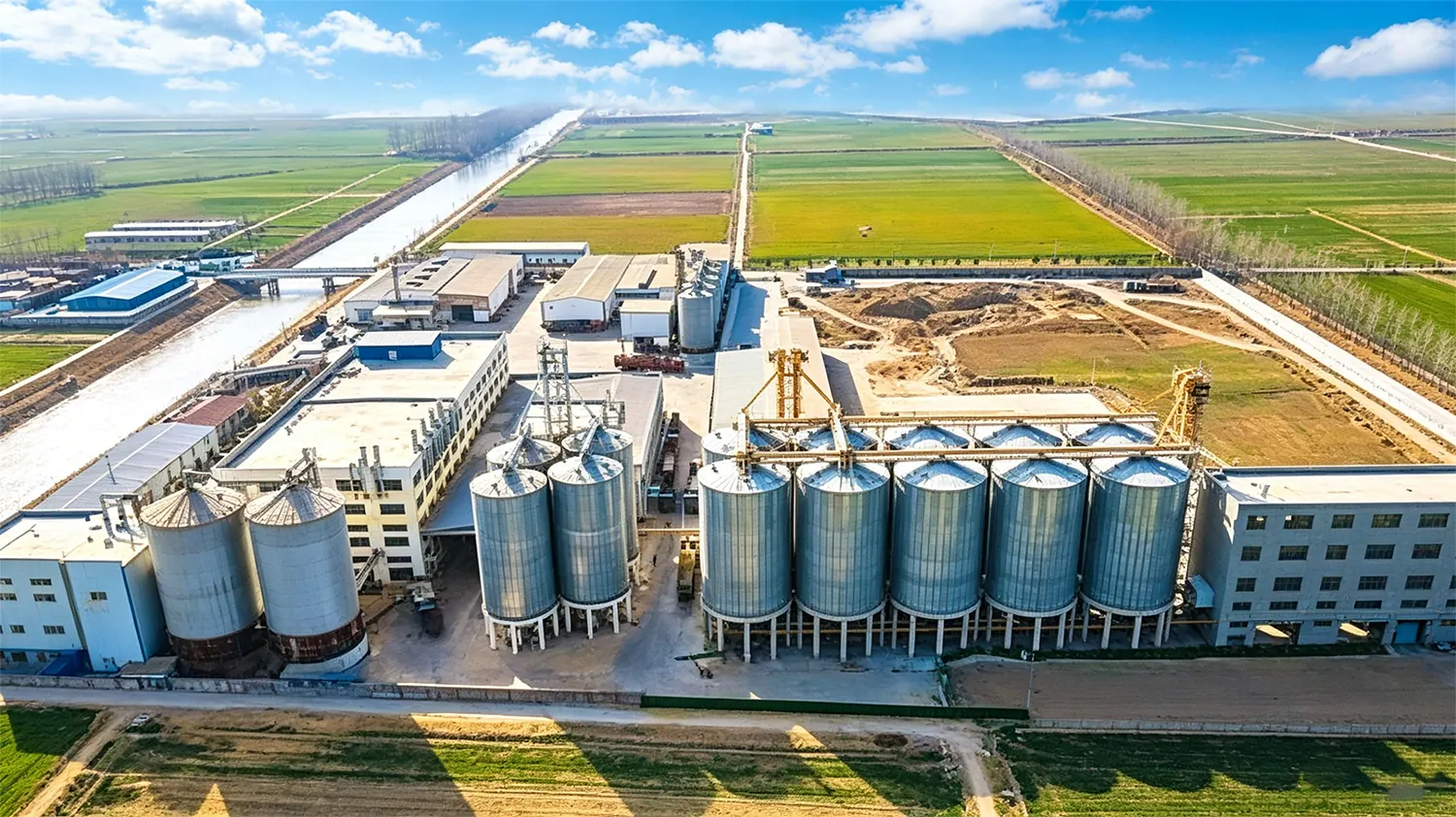
Commercial Silo
High-capacity storage for elevators, terminals and industrial users
View Product →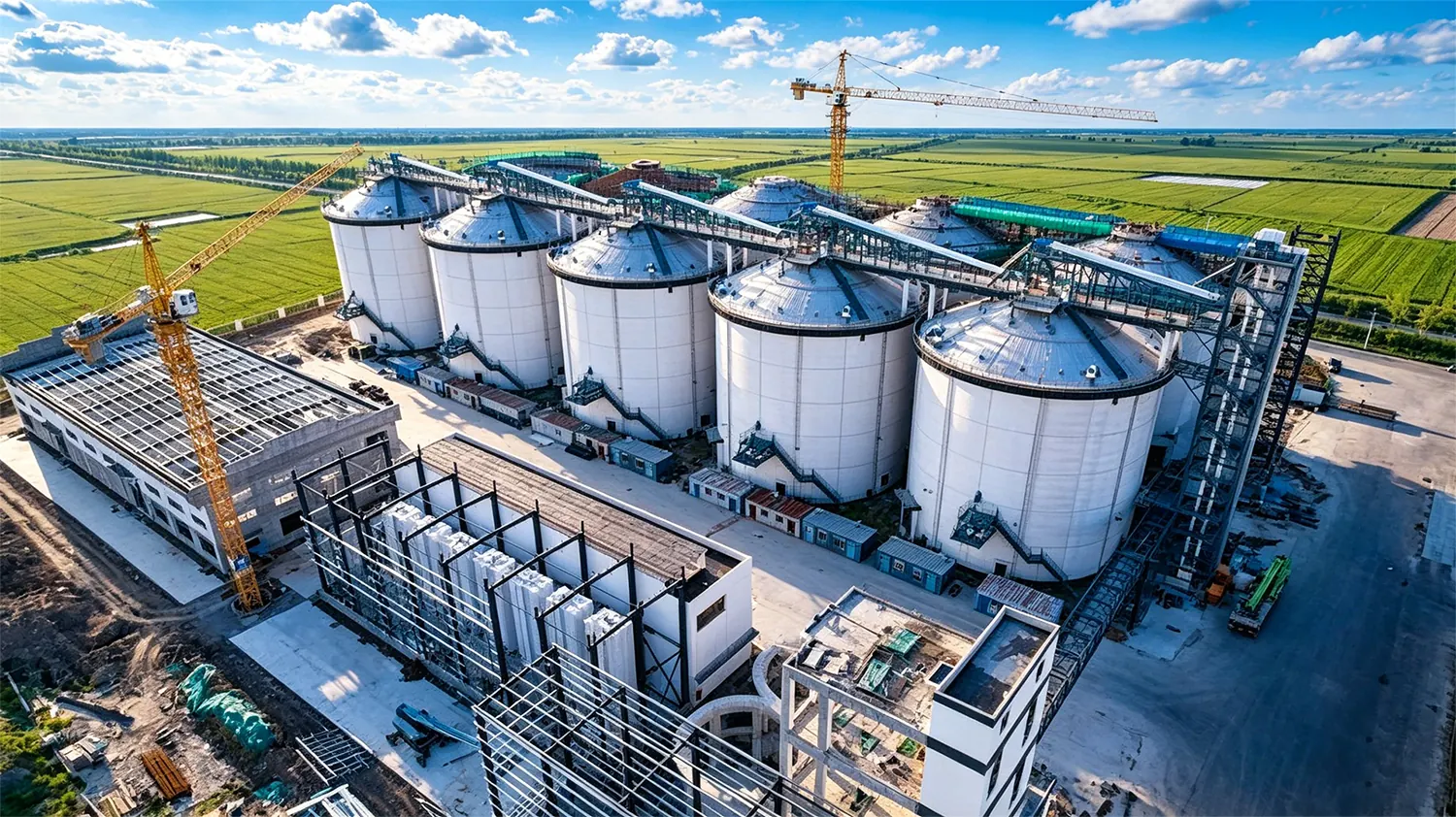
Feed Silo
Hygienic pellet & mash feed storage for feed mills and farms
View Product →Related Case Studies
6×5000Ton Grain Storage for Grain Traders — Nigeria
Nigeria · Commercial Grain Depot
Read Case Study →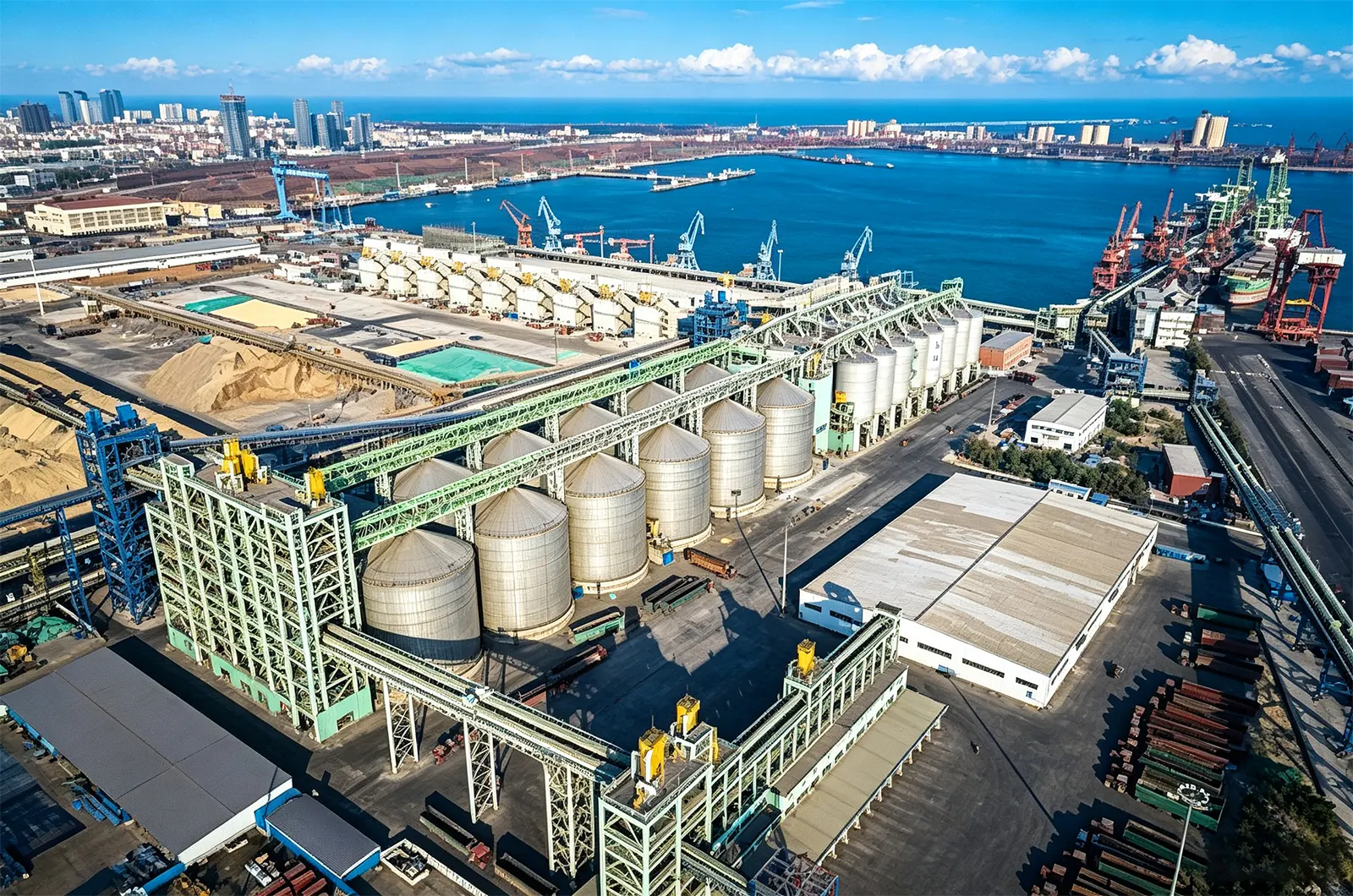
5×2000T Grain Silos Project — Philippines
Philippines · Agricultural Processing & Feed Production
Read Case Study →
4×2500T High-Capacity Maize Grain Handling & Storage Facility — Rwanda
Eastern Province, Rwanda · Commercial Grain Elevator & Feed Mill
Read Case Study →Related Knowledge Articles
Mastering Grain Bin Capacity Calculation: Precision Storage Formulas
Mastering Grain Bin Capacity Calculation: Precision Storage Formulas Mastering Grain Bin Capacity Calculation: Precision Storage Formulas Accurate grain bin...
Read Article →Foundation Design for Grain Bins: A Complete Engineering Guide
Foundation Design for Grain Bins: A Complete Engineering Guide When evaluating grain storage bins for sale, the structural integrity of the foundation is the most critical factor in ensuring long-term...
Read Article →Solutions for Commercial Grain Elevator
Let us help you design the right storage system for your operation.
Get a Quote Try the CalculatorOther Industries
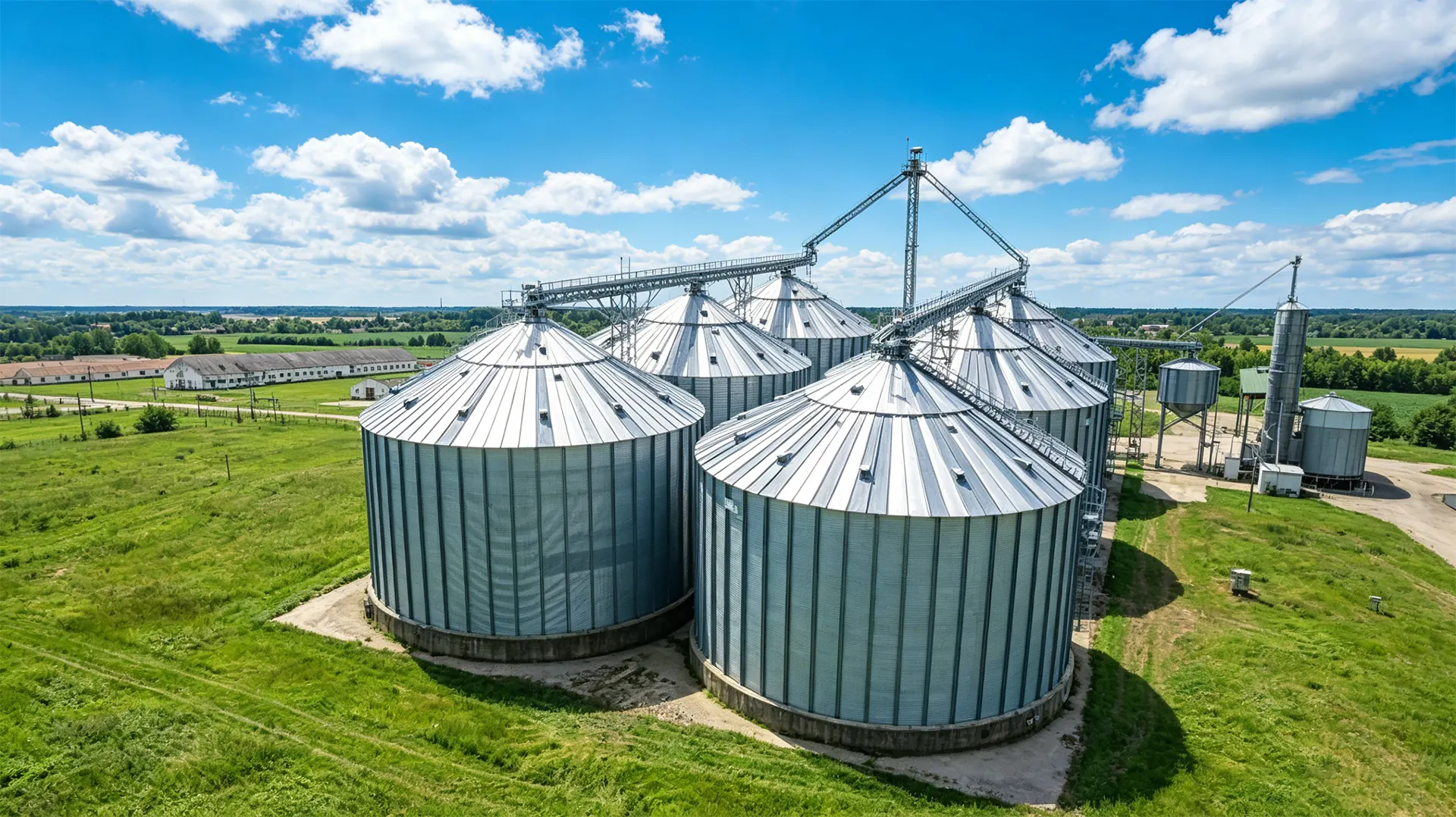
On-Farm Storage
Practical, cost-effective storage for growers
View Industry →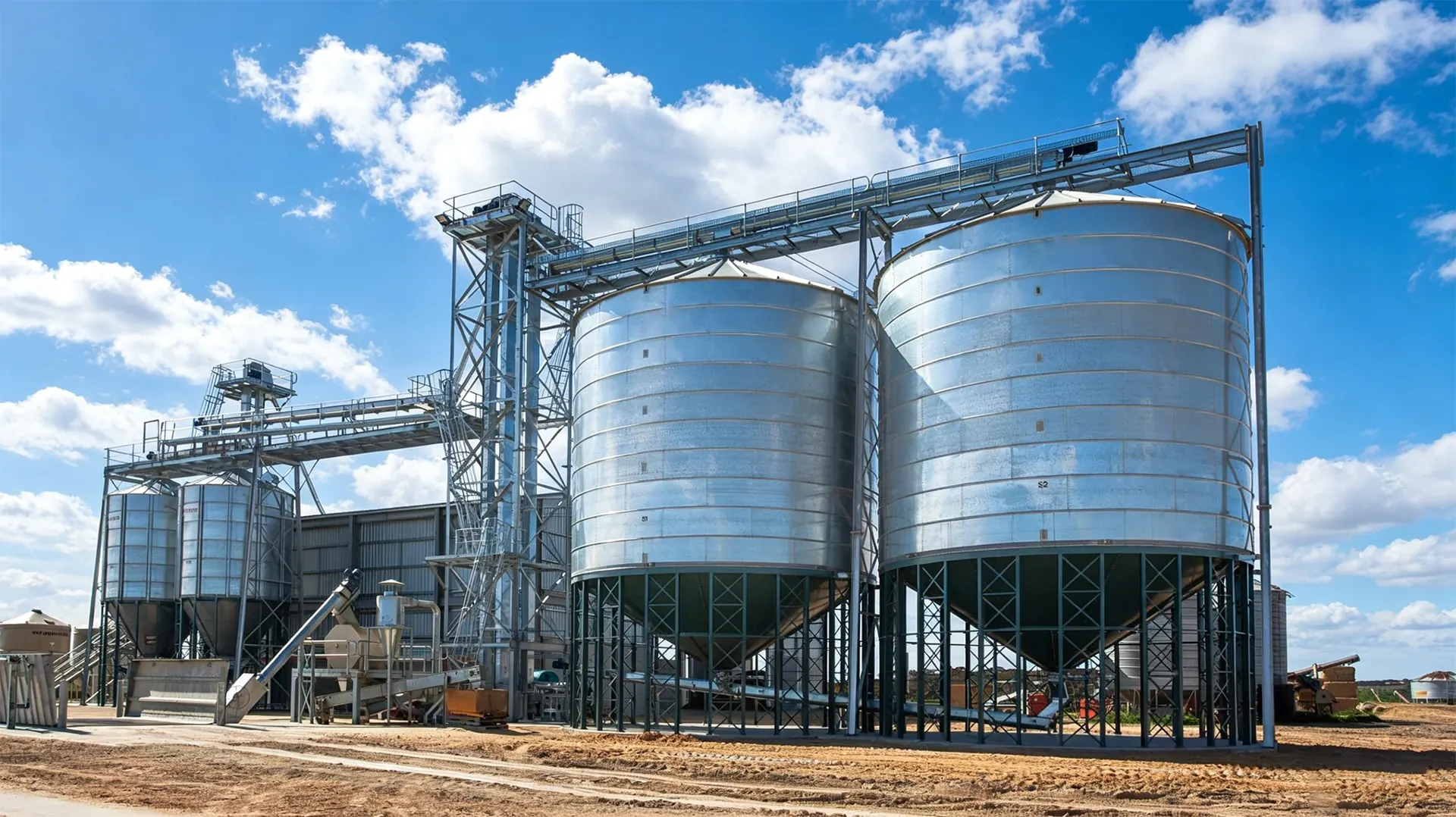
Agricultural Cooperative
Shared storage that serves many members
View Industry →
Export Terminal
Large-scale storage for bulk export markets
View Industry →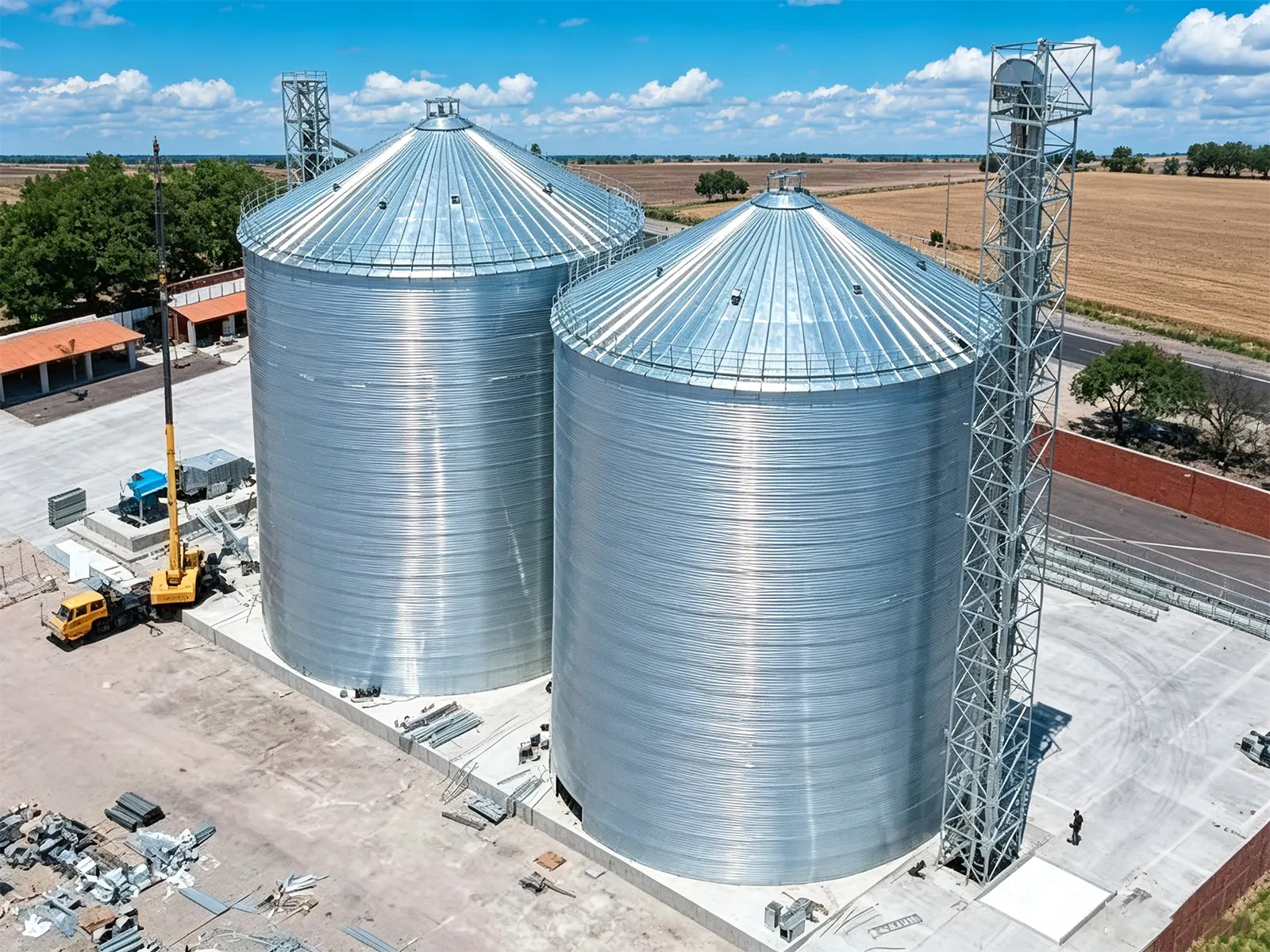
Food & Feed Processing
Clean, controlled storage for processors
View Industry →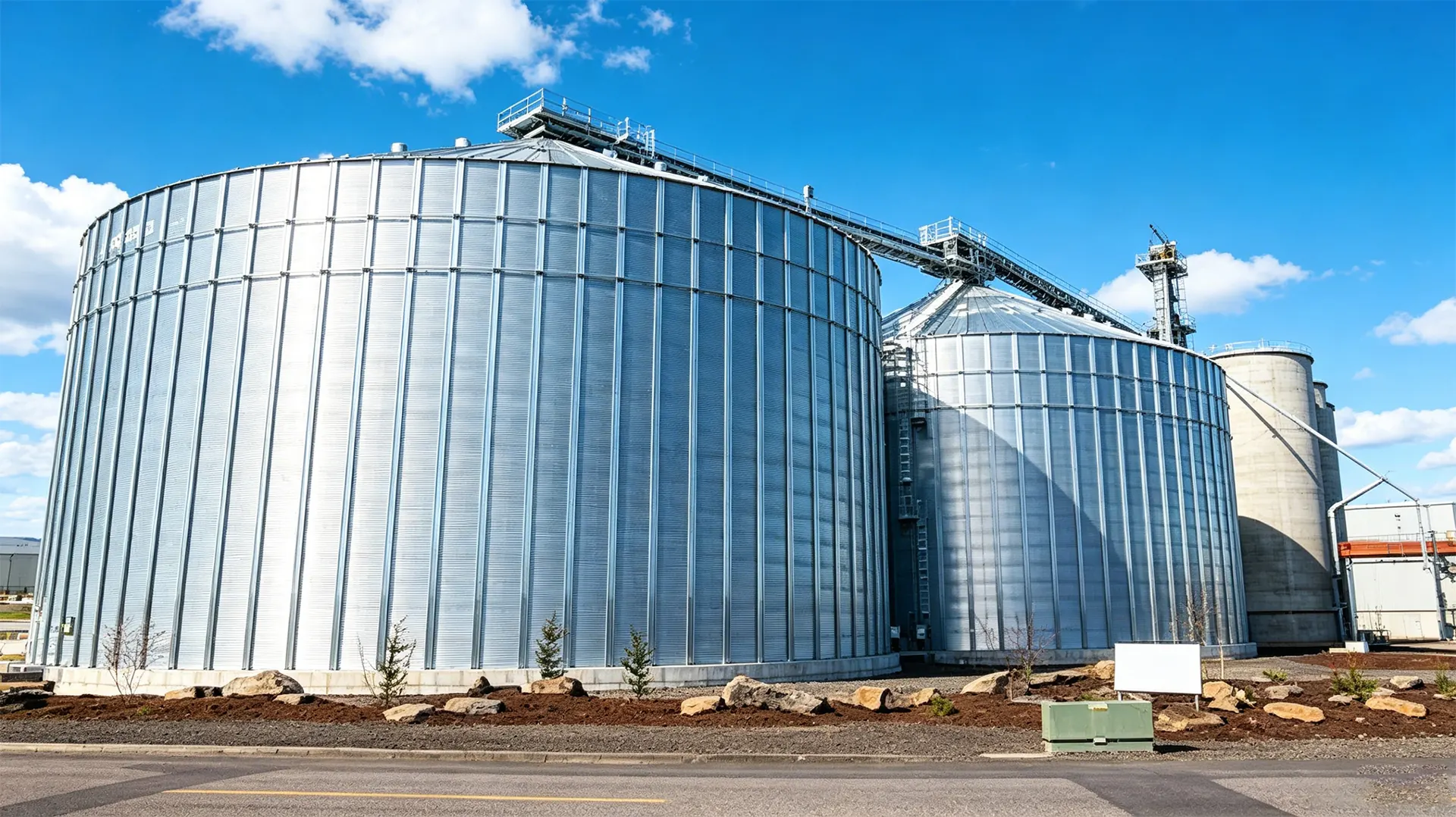
Seed Storage
Precision storage that protects seed viability
View Industry →