
East Africa Grain Drying & Storage Project — Tanzania, Kenya, Uganda — Tanzania · Kenya · Uganda
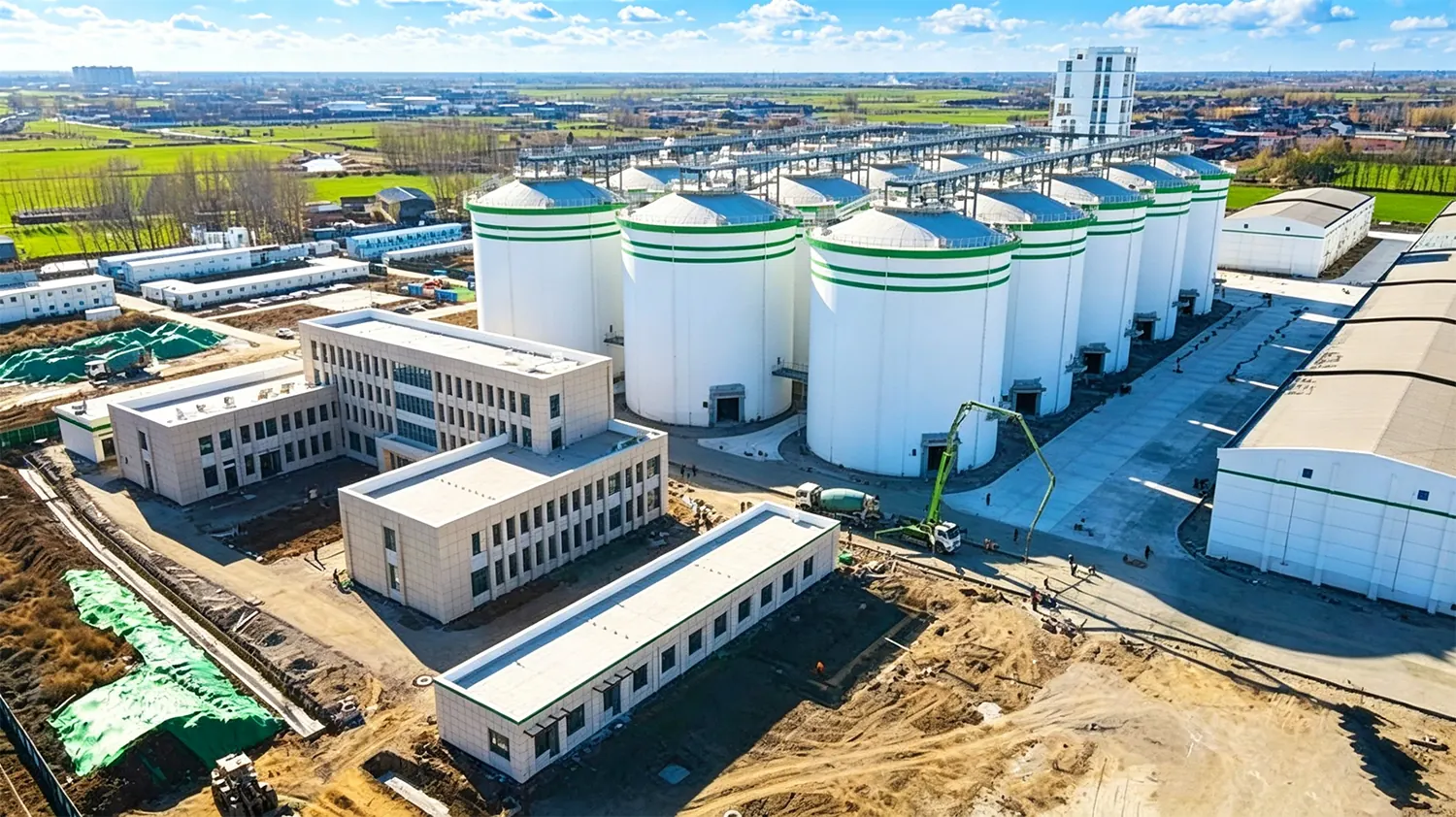
Project Summary
The challenge: Across East Africa, maize producers face critical post-harvest losses driven by a combination of high ambient humidity, unpredictable rainfall during harvest windows, and limited access to modern drying infrastructure. In Tanzania, freshly harvested maize frequently arrives at collection points with moisture content exceeding 22-25%, well above the 13-14% threshold required for safe long-term storage. Without rapid drying capacity, grain sits in piles or open piles where mold growth begins within 48-72 hours, and insect infestation compounds quality degradation. In Kenya, small and medium-scale maize processors rely almost exclusively on open-air sun drying on tarpaulins or bare ground — a method that is entirely weather-dependent, slow, and exposes grain to contamination from dust, animal droppings, and fungal spores that elevate aflatoxin levels beyond acceptable limits. Uganda presents a different but equally pressing challenge: manual drying before storage creates highly inconsistent moisture levels across batches, with some pockets reaching safe levels while others remain dangerously wet. This inconsistency makes it nearly impossible to meet the strict export standards required by regional and international buyers, leaving farmers and processors unable to access premium markets and forcing them into low-margin local sales.
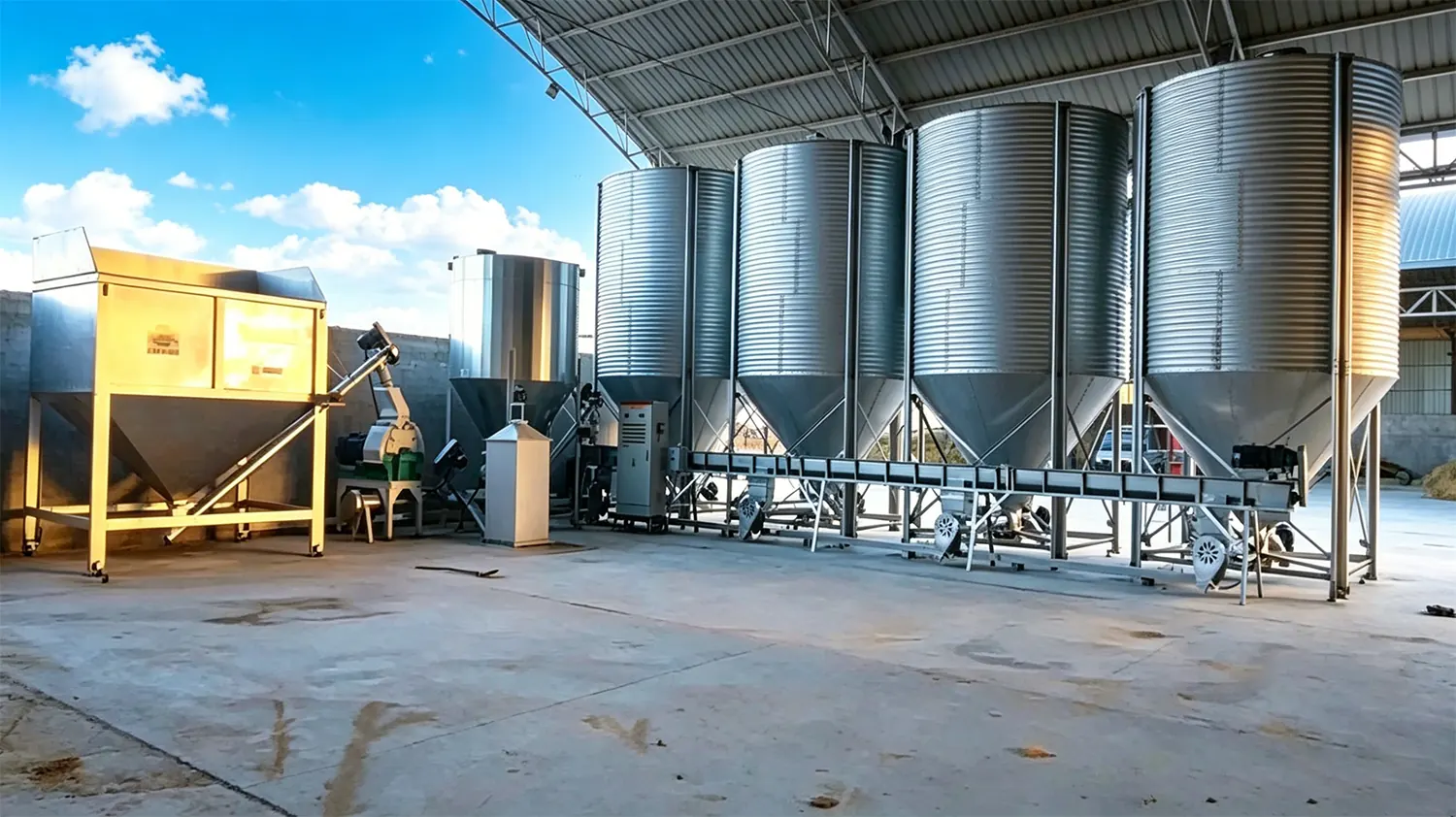
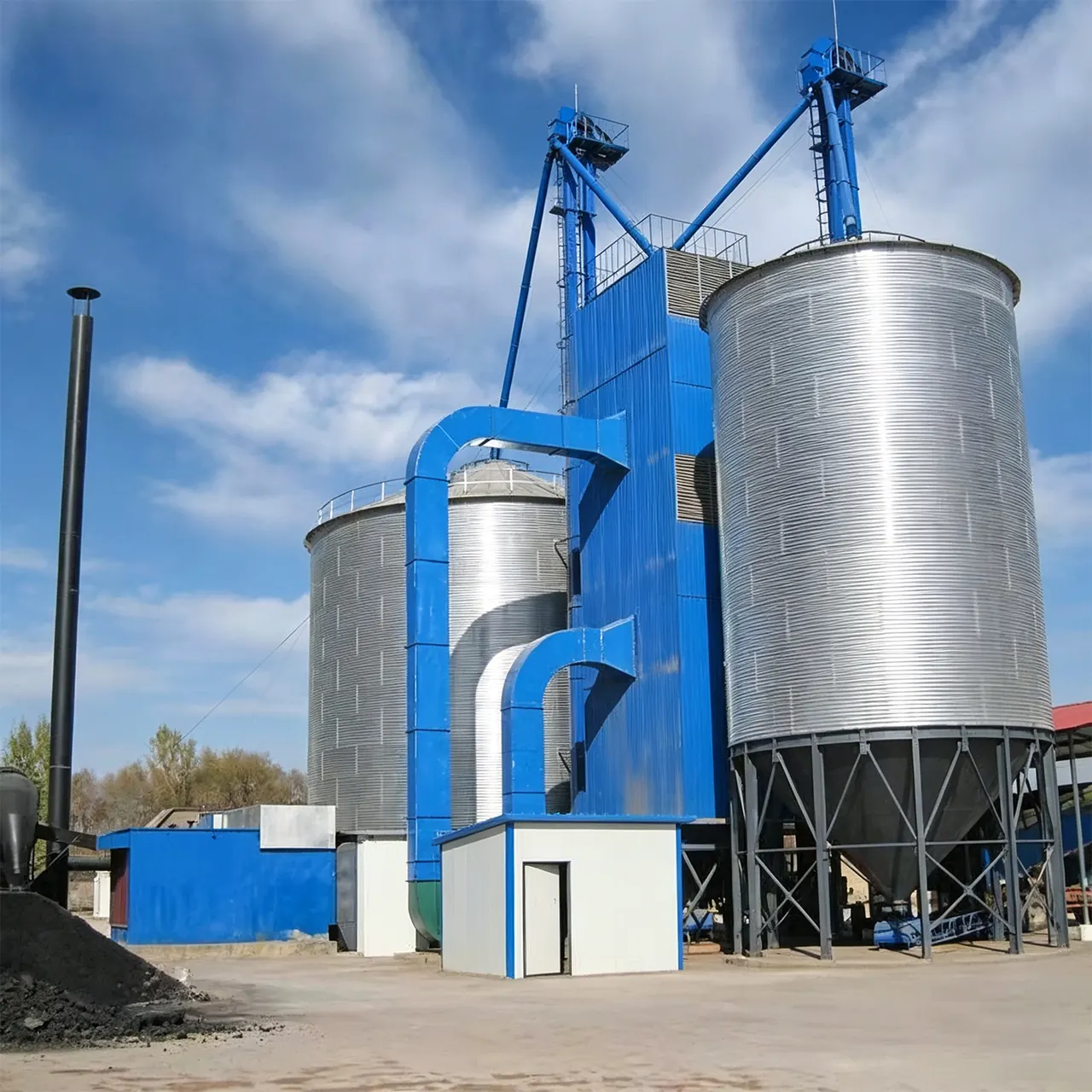
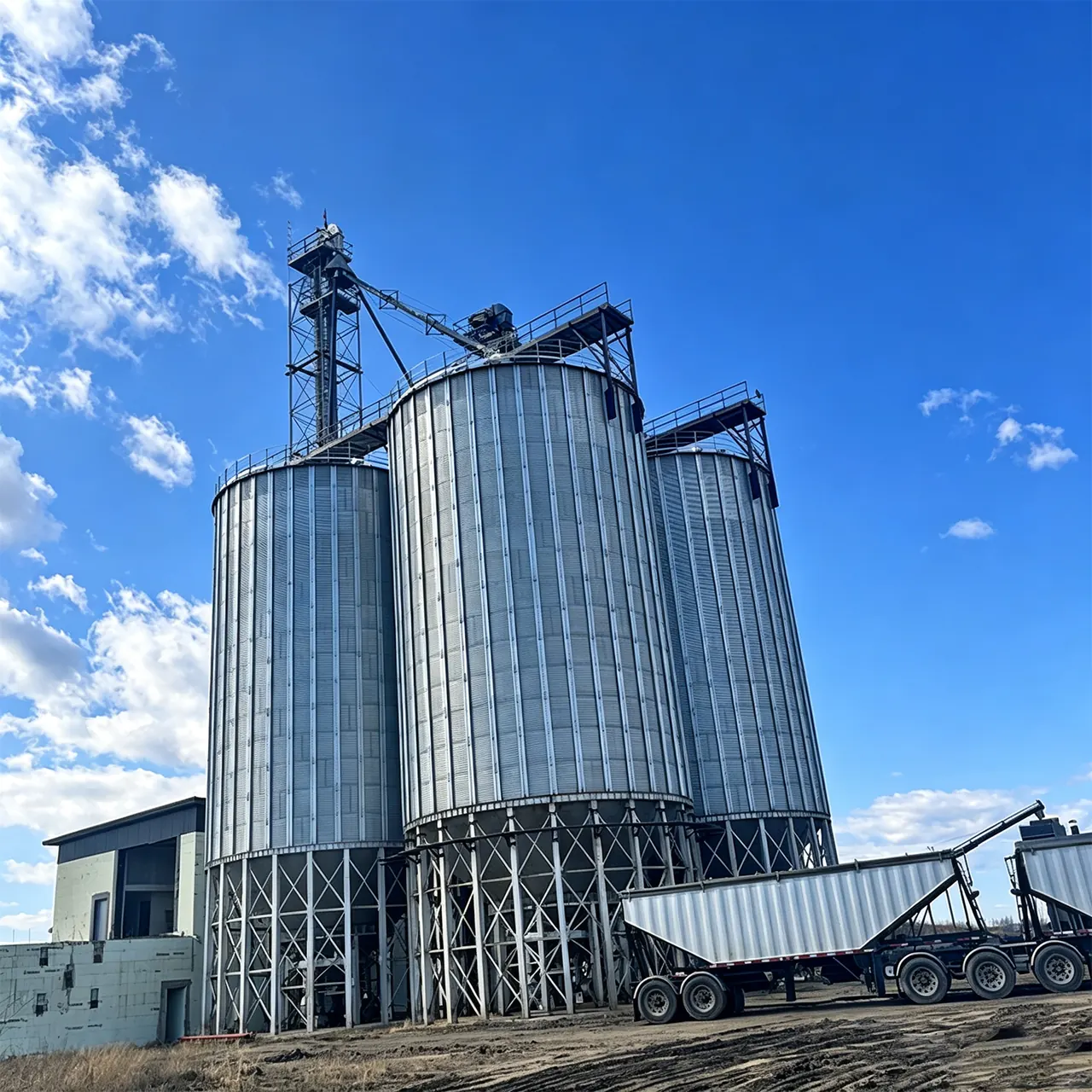
Our solution: Manxing engineered a tailored, integrated approach for each country's specific operational context, climate conditions, and processing requirements. For Tanzania, we designed and installed a 30 tonnes-per-hour continuous drying tower paired with flat-bottom silos configured for commercial grain collection. The continuous-flow design ensures that high-moisture maize entering at 25% or above is brought down to the safe storage range of 13-14% in a single pass, with precise temperature control preventing kernel stress cracking that would otherwise reduce market grade. For Kenya, we supplied a 20 tonnes-per-hour continuous dryer integrated with a hot air furnace, a full grain cleaning system, and dust collection equipment — creating a complete maize processing line that eliminates the contamination risks inherent in open-air drying while delivering consistent throughput regardless of weather conditions. For Uganda, we deployed a 15 tonnes-per-hour batch dryer coupled with two 1000-tonne flat-bottom silos equipped with comprehensive temperature monitoring and automated aeration systems. The batch dryer allows precise control over drying curves, which is essential for achieving the uniform moisture content required for export certification. Across all three installations, each system was integrated with bucket elevators for seamless material transport, grain cleaners to remove impurities before drying, and a centralized PLC automatic control system that enables operators to monitor and adjust drying parameters in real time from a single interface. The PLC architecture also supports remote diagnostics and data logging, giving each client full traceability over every batch processed.
The outcome: All three projects delivered measurable, transformative outcomes within the first harvest season of operation. Continuous drying during peak harvest periods reduced post-harvest losses by approximately 50%, preserving thousands of tonnes of maize that would otherwise have been lost to mold, insects, or aflatoxin contamination. Moisture content across all processed grain was stabilized at the 13-14% target range, a critical threshold that prevents fungal growth during storage and maintains kernel integrity for milling. In Kenya, the integrated cleaning and dust collection system reduced foreign matter content to below 1%, while aflatoxin levels dropped well within the limits set by the East African Community standards and Codex Alimentarius requirements. In Uganda, the batch drying and temperature-monitored silo system achieved moisture uniformity of ±0.5% across full silo volumes — a level of consistency that enabled the client to secure export contracts for the first time. Automated PLC control reduced manual labor requirements by an estimated 60% compared to previous operations, and the reliability of the systems meant that drying continued uninterrupted through peak harvest windows that previously would have been lost to weather or equipment downtime. Clients across all three countries now consistently meet export-grade quality standards and have reported commanding premium prices of 10-15% above local market rates for their maize.
Project at a Glance
| Location | Tanzania · Kenya · Uganda |
| Country | Tanzania/Kenya/Uganda |
| Crop(s) | corn |
| Facility Type | Grain Collection Center & Feed Mill |
| Total Storage | 2,000 tonnes |
| Number of Bins | 2 |
| Total Equipment Units | 21 |
| Completion Year | 2025 |
Equipment Provided
Grain Dryers
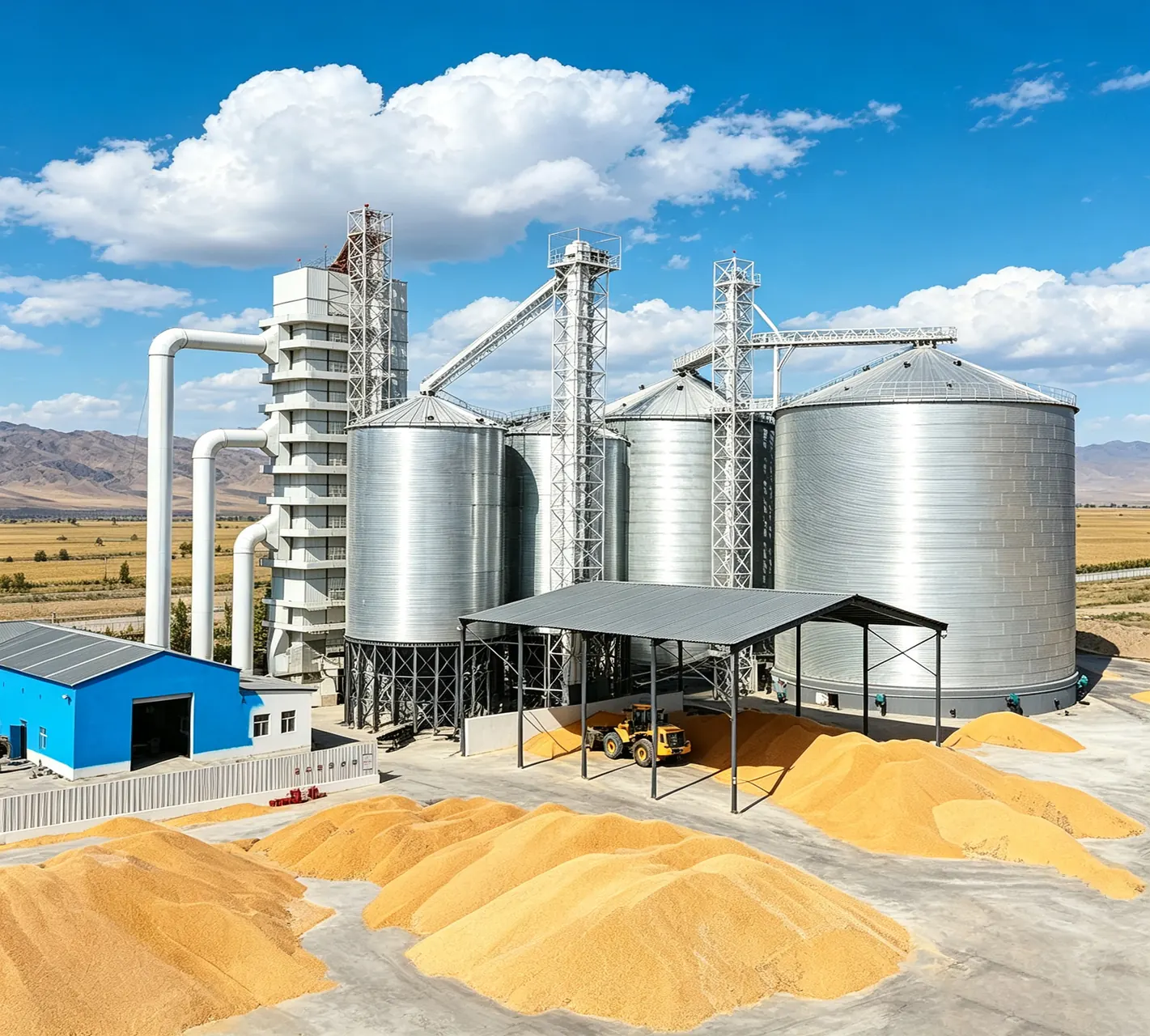
Continuous Grain Drying Tower
Model: CT-30
Quantity: 1
30 t/h continuous drying for Tanzania project
View Product →
Continuous Grain Drying Tower
Model: CT-20
Quantity: 1
20 t/h continuous drying for Kenya project
View Product →
Batch Grain Dryer Tower
Model: BT-15
Quantity: 1
15 t/h batch drying for Uganda project
View Product →Grain Bins
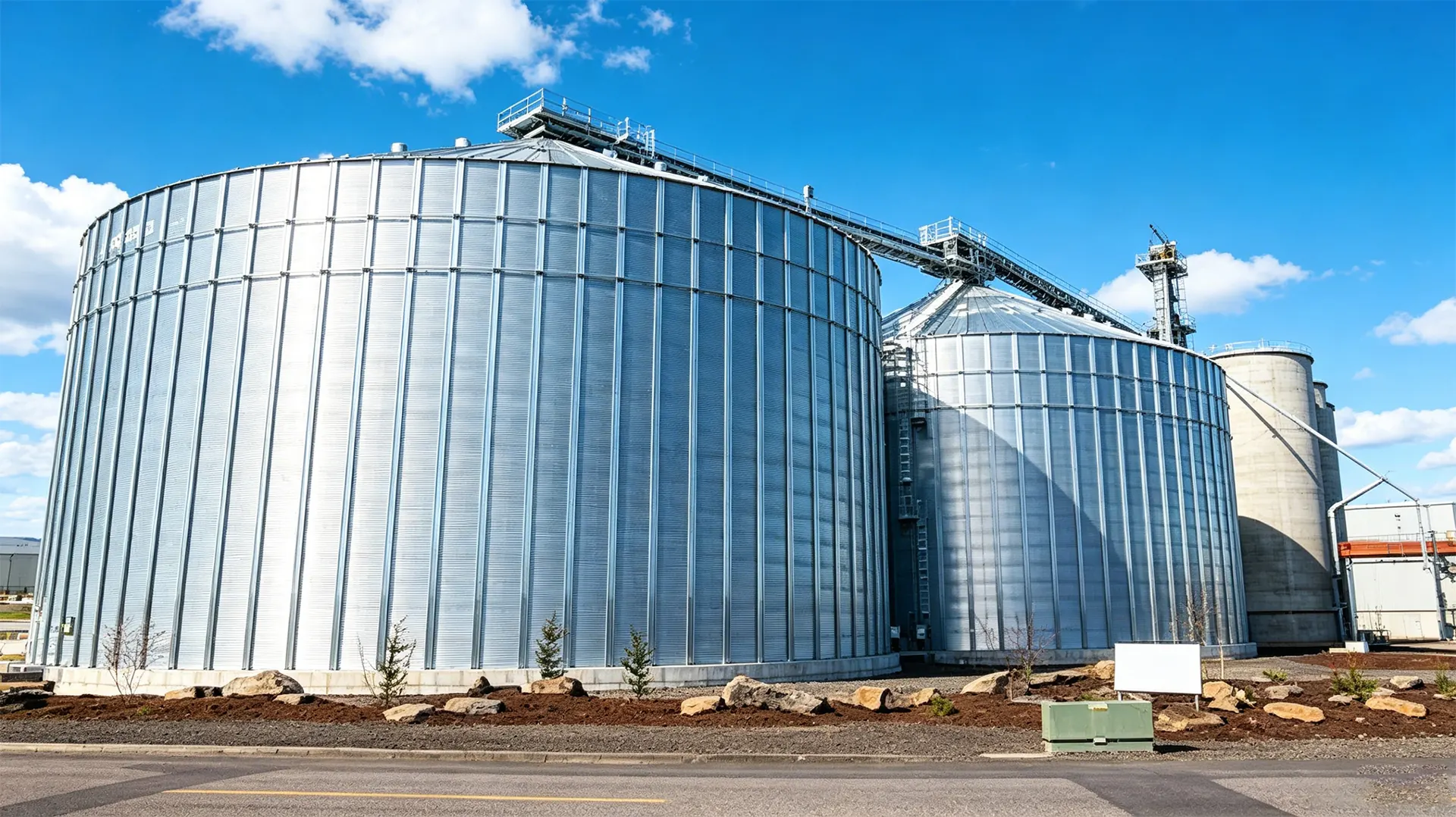
Handling Equipment
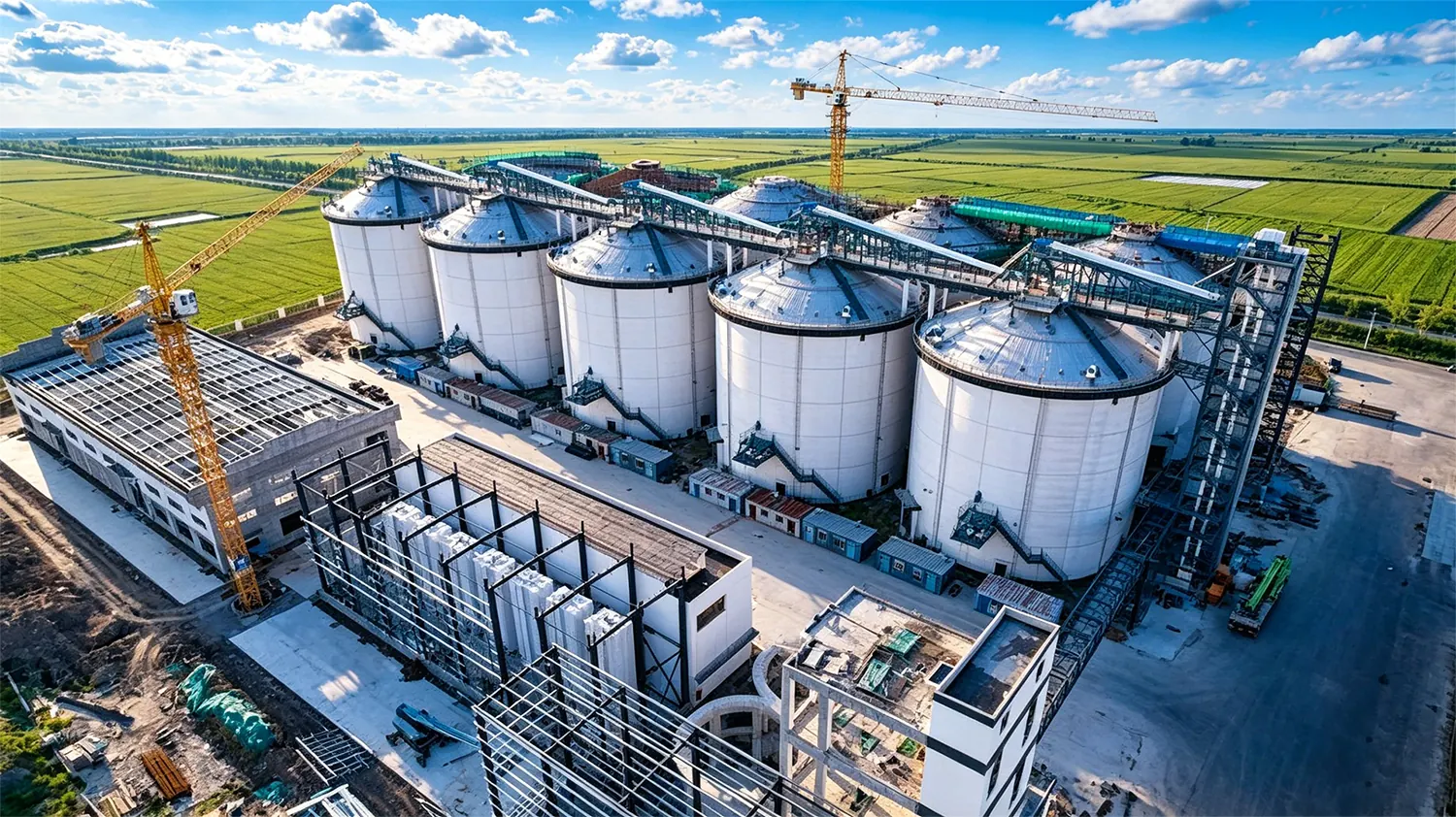
Grain Cleaning & Grading
Aeration & Monitoring
Project Gallery
Project Timeline
Design
Fabrication
Shipping
Installation
Commissioning
Results
- ✓ All three projects delivered measurable, transformative outcomes within the first harvest season of operation. Continuous drying during peak harvest periods reduced post-harvest losses by approximately 50%, preserving thousands of tonnes of maize that would otherwise have been lost to mold, insects, or aflatoxin contamination. Moisture content across all processed grain was stabilized at the 13-14% target range, a critical threshold that prevents fungal growth during storage and maintains kernel integrity for milling. In Kenya, the integrated cleaning and dust collection system reduced foreign matter content to below 1%, while aflatoxin levels dropped well within the limits set by the East African Community standards and Codex Alimentarius requirements. In Uganda, the batch drying and temperature-monitored silo system achieved moisture uniformity of ±0.5% across full silo volumes — a level of consistency that enabled the client to secure export contracts for the first time. Automated PLC control reduced manual labor requirements by an estimated 60% compared to previous operations, and the reliability of the systems meant that drying continued uninterrupted through peak harvest windows that previously would have been lost to weather or equipment downtime. Clients across all three countries now consistently meet export-grade quality standards and have reported commanding premium prices of 10-15% above local market rates for their maize.
- ✓ Delivered on schedule with full commissioning
- ✓ 2,000 tonnes total storage capacity
"ManXing provided the right drying solution for each of our East Africa operations. From Tanzania's commercial collection center to Kenya's maize processor and Uganda's grain trader, the results have been transformative — reduced losses, better quality, and higher profits."
Regional Operations Manager — East Africa Grain Trading Group
- Manxing Project Delivery Record (ISO 9001)
Want a similar solution for your facility?
Get a personalized quote or talk to our projects team.
Get Quote Talk to Projects TeamRelated Solutions
Corn Storage Solution
Complete storage systems for corn — from farm bins to export terminals
View Solution →Wheat Storage Solution
Protect protein & milling quality with low-moisture storage
View Solution →Learn about on-farm storage storage →
Related Projects
20,000-Tonne Corn Storage Facility — Mato Grosso, Brazil
Mato Grosso, Brazil · Commercial Grain Elevator
Read Case Study →
2×3000T Feed Mill Corn Storage & Drying Facility — Thailand
Nakhon Ratchasima Province (Korat), Thailand · Feed Mill & Grain Storage
Read Case Study →
Wheat & Soybean Cooperative Storage — Iowa, USA
Iowa, USA · Agricultural Cooperative
Read Case Study →
4×2500T High-Capacity Maize Grain Handling & Storage Facility — Rwanda
Eastern Province, Rwanda · Commercial Grain Elevator & Feed Mill
Read Case Study →
Rice Mill Storage Expansion — Mekong Delta, Vietnam
Mekong Delta, Vietnam · Food & Feed Processing
Read Case Study →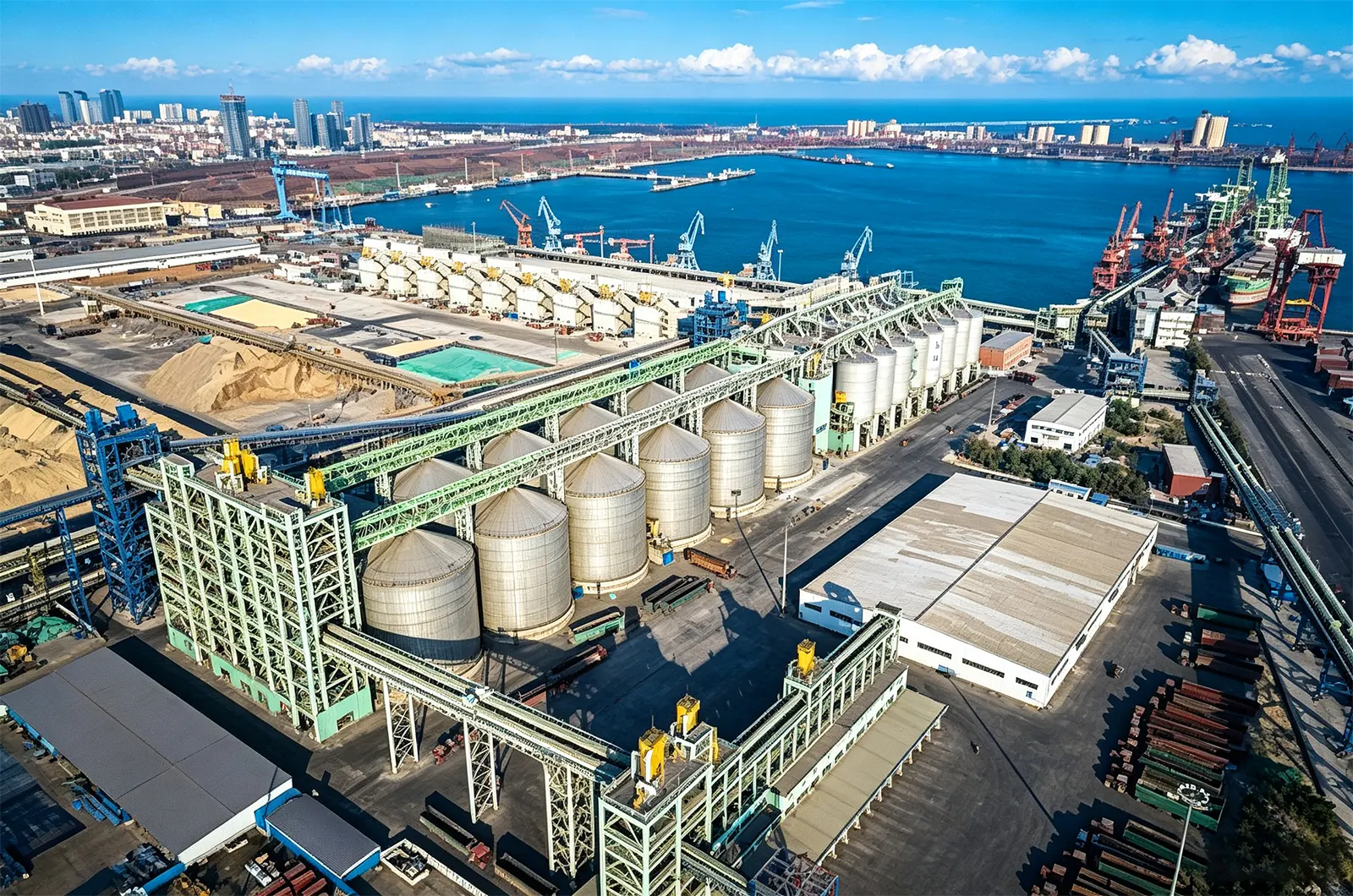
5×2000T Grain Silos Project — Philippines
Philippines · Agricultural Processing & Feed Production
Read Case Study →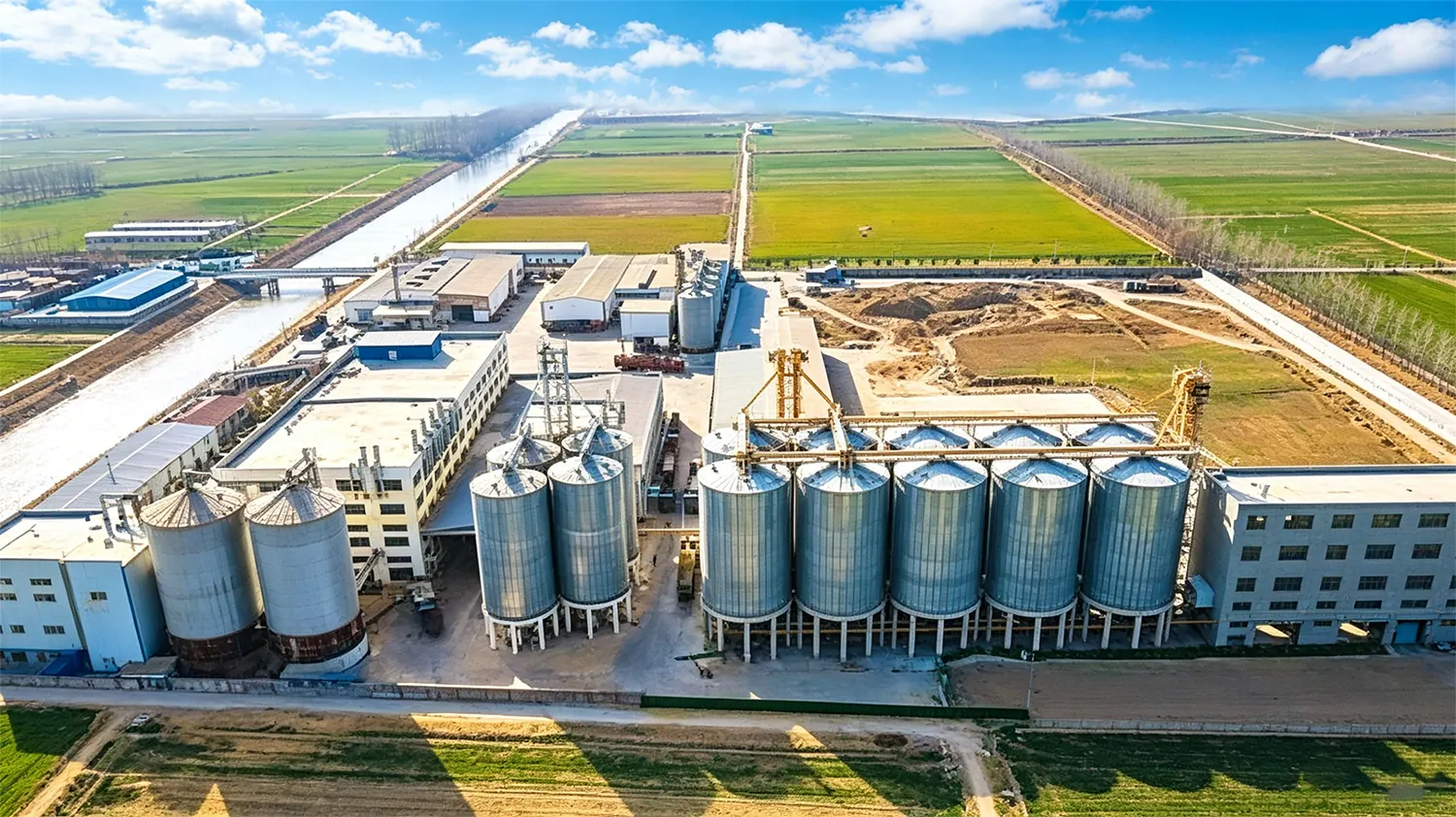
Export Terminal Grain Storage — North Africa
North Africa · Export Terminal
Read Case Study →
6×5000Ton Grain Storage for Grain Traders — Nigeria
Nigeria · Commercial Grain Depot
Read Case Study →
3×2000Ton Storage System for Rice Mill Plant — Bolivia
Bolivia · Rice Processing & Milling Plant
Read Case Study →
2000-ton Grain Silo Project for Feed Mill — Vietnam
Vietnam · Feed Mill & Livestock Feed Production
Read Case Study →