
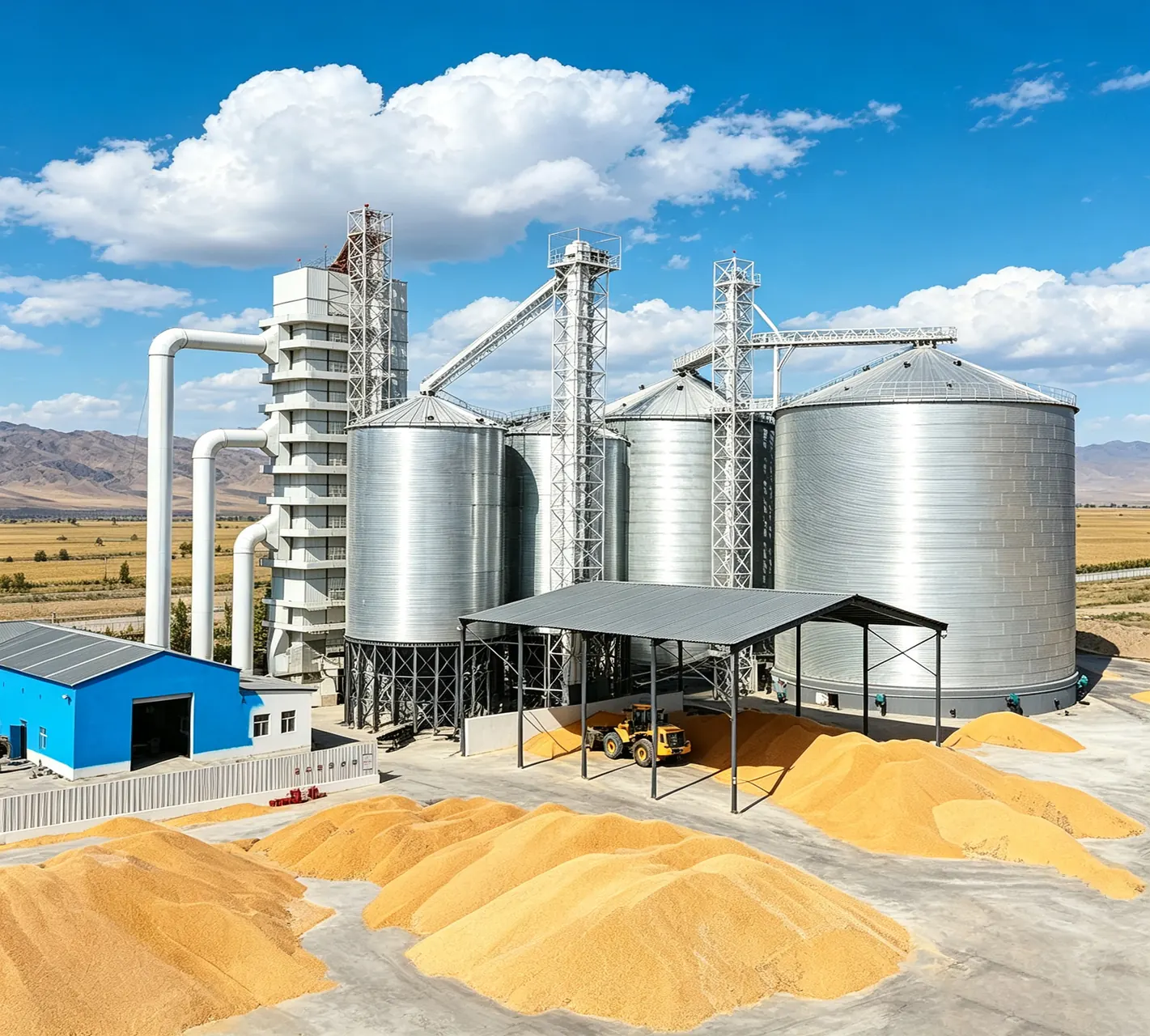
Choosing the right Grain Bin Foundation Settlement: Dust Dust Explosion Prevention in Grain Storage Facilities: En... Prevention in Grain Storage Facilities: En... and Remediati... drying system is one of the most consequential decisions a grain storage operator will make. This comprehensive engineering analysis compares tower dryers and portable dryers across critical performance metrics, helping you make an informed investment decision.
1. Understanding Tower Dryers: Design and Operation
Tower dryers are permanent, vertical-column drying systems engineered for high-capacity Dust Dust Explosion Prevention in Grain Storage Facilities: En... Prevention in Grain Storage Facilities: En... processing operations. These systems utilize a gravity-fed design where grain descends through a column of heated air, achieving moisture reduction in a continuous flow process.
How Tower Dryers Work
A tower dryer operates on the principle of counter-flow or cross-flow heat exchange. Dust Dust Explosion Prevention in Grain Storage Facilities: En... Prevention in Grain Storage Facilities: En... enters at the top of the cylindrical structure and moves downward through a series of perforated screens or louvers. Heated air is forced through the grain column by centrifugal or axial fans, extracting moisture as the grain descends. The dried grain is then discharged at the bottom via a metering roll system that controls flow rate and residence time.
The vertical configuration provides several inherent engineering advantages. Gravity assists grain movement, reducing mechanical complexity compared to horizontal systems. The column design creates a natural compression effect that promotes uniform airflow distribution, which is critical for achieving consistent moisture content across the entire batch.
Technical Specifications and Capacities
Modern tower dryers typically range from 200 to 10,000 bushels per hour in throughput capacity. Column diameters commonly span 12 to 36 feet, with heights reaching 60 feet or more for larger installations. Heat sources include natural gas, propane, or diesel burners, with thermal outputs ranging from 2 to 50 million BTU per hour depending on model size.
The drying temperature is carefully controlled to prevent thermal damage to grain quality. Most tower dryers operate with air temperatures between 140°F and 220°F, with precise modulation based on grain type and initial moisture content. Advanced PLC control systems monitor inlet and outlet grain temperatures, automatically adjusting burner output and fan speed to maintain optimal drying conditions.
Advantages of Tower Dryers
Tower dryers offer several compelling advantages for high-volume grain operations. The vertical design minimizes footprint requirements, making them ideal for facilities with limited ground space. The continuous-flow operation enables processing of large volumes without batch cycling, maximizing throughput during critical harvest windows.
Drying uniformity is a standout characteristic of well-engineered tower dryers. The column design ensures that all grain particles receive similar heat exposure, resulting in moisture variation of less than 1% across the dried batch. This consistency is essential for meeting commercial grain quality standards and preventing spoilage during storage.
Energy efficiency represents another significant advantage. Tower dryers typically achieve thermal efficiency ratings of 1,200 to 1,600 BTU per pound of water removed, compared to 1,800 to 2,500 BTU for many portable configurations. Over a full harvest season processing thousands of bushels, this efficiency differential translates to substantial fuel cost savings.
2. Understanding Portable Dryers: Flexibility and Mobility
Portable grain dryers are self-contained, mobile drying systems designed for transport between locations. These units are typically mounted on trailers or skids, allowing operators to move equipment between farms, elevators, or contract drying sites as needed.
Design Features of Portable Grain Dryers
A typical portable grain dryer incorporates a drying column, burner system, fan assembly, and discharge auger in a single transportable package. The compact design prioritizes road transportability, with most units conforming to standard highway width and height restrictions. Setup time at each location is minimized through integrated leveling jacks, quick-connect electrical systems, and pre-plumbed fuel lines.
Modern portable dryers feature sophisticated control systems despite their mobile design. Touchscreen interfaces allow operators to program drying recipes for different grain types, monitor real-time moisture readings, and receive automated alerts for system anomalies. Some advanced models incorporate wireless connectivity for remote monitoring via smartphone applications.
Capacity Range and Applications
Portable grain dryers typically offer throughput capacities ranging from 50 to 2,000 bushels per hour. Small grain dryer models in the 50 to 200 BPH range serve individual farm operations, while larger portable units compete with smaller tower dryers in commercial applications. The modular nature of portable systems allows operators to deploy multiple units for increased capacity when needed.
The versatility of portable dryers makes them particularly valuable for custom drying operations. Operators can transport equipment to client farms, eliminating the need for grain transportation to a central drying facility. This service model reduces grain handling, minimizes transportation costs, and allows farmers to dry grain immediately after harvest when field moisture levels are highest.
Advantages of Portable Dryers
The primary advantage of portable dryers is operational flexibility. Unlike permanent installations, portable units can be relocated to wherever drying demand exists. This mobility is especially valuable for operators managing multiple storage facilities or providing custom drying services across a geographic region.
Lower initial capital investment makes portable dryers accessible to smaller operations. A portable grain dryer for sale typically costs 30% to 50% less than a comparable-capacity tower dryer installation, factoring in site preparation, foundation, and permanent utility connections required for tower systems. This lower barrier to entry allows smaller operators to add drying capability without major capital expenditure.
Scalability represents another advantage. Operators can start with a single portable unit and add capacity as business grows, rather than making a large upfront investment in a tower dryer that may exceed near-term needs. This incremental approach reduces financial risk and allows capacity to align with actual demand.
3. Tower Dryer vs Portable Dryer: Head-to-Head Comparison
When evaluating tower dryer vs portable dryer options, operators must consider multiple factors beyond simple purchase price. The following comparison examines critical performance and economic metrics that influence long-term operational success.
Performance and Drying Quality
Tower dryers generally deliver superior drying uniformity due to their consistent column geometry and controlled grain flow. The vertical design minimizes channeling and ensures even air distribution throughout the grain mass. Portable dryers, while capable of producing acceptable results, often exhibit slightly higher moisture variation due to less uniform airflow patterns in their more compact column designs.
Throughput consistency favors tower dryers in continuous operation. Tower systems maintain steady-state conditions that optimize drying efficiency, while portable dryers may experience more frequent cycling as operators adjust to varying grain conditions. However, modern portable dryers with advanced controls have significantly narrowed this performance gap.
Operating Cost Analysis
Energy consumption represents the largest ongoing operating cost for any grain drying system. Tower dryers typically achieve 15% to 25% better fuel efficiency than portable dryers of equivalent capacity. For an operation processing 50,000 bushels of corn from 25% to 15% moisture, this efficiency advantage can save $3,000 to $8,000 per season in fuel costs alone.
Labor costs differ significantly between the two configurations. Tower dryers, once commissioned, require minimal operator attention during operation. Portable dryers demand more hands-on management, including setup, leveling, connection, and monitoring at each location. For operations running multiple portable units, labor costs can substantially offset the lower equipment investment.
Maintenance costs tend to be higher for portable dryers due to the wear associated with frequent transport and setup. Road vibration, repeated assembly and disconnection, and exposure to varying field conditions accelerate component fatigue. Tower dryers, installed in permanent facilities with controlled environments, typically experience longer component life and lower maintenance frequency.
Tower Dryer vs Portable Dryer Cost Comparison
| Cost Factor | Tower Dryer | Portable Dryer |
|---|---|---|
| Equipment Purchase Price | Higher ($150K - $500K+) | Lower ($50K - $200K) |
| Installation and Foundation | Significant ($30K - $100K) | Minimal ($2K - $5K) |
| Annual Fuel Cost (per 10K bu) | Lower efficiency advantage | Higher consumption rate |
| Labor Requirements | Lower (automated operation) | Higher (setup and monitoring) |
| Maintenance (annual) | Moderate | Higher (transport wear) |
| Expected Service Life | 25-35 years | 15-20 years |
4. Safety Considerations: Grain Dryer Fire Dust Explosion Prevention in Grain Storage Facilities: En...
Grain dryer fire represents one of the most serious hazards in grain processing operations. Both tower and portable dryers generate high temperatures in proximity with combustible grain dust and residue, creating conditions where fires can ignite and propagate rapidly.
Fire Risk Factors in Grain Drying
The primary fire risk factors include excessive drying temperatures, accumulation of fines and dust in the drying column, burner malfunction, and inadequate monitoring. Tower dryers, with their larger grain columns and longer residence times, can accumulate significant quantities of combustible material if not properly maintained. Portable dryers, while smaller, may be operated by less experienced personnel who may not recognize early warning signs of fire conditions.
Fire Prevention and Mitigation
Both dryer types require comprehensive fire prevention systems. Temperature monitoring at multiple points within the drying column enables early detection of hot spots before ignition occurs. Automatic shutdown systems that activate when temperatures exceed safe limits are essential safety features. Regular cleaning protocols to remove grain dust and fines from the column, plenum, and exterior surfaces significantly reduce fuel load available to sustain a fire.
Modern drying systems incorporate spark detection and extinguishing technology. Optical sensors detect sparks or embers in the exhaust airstream, triggering water mist suppression systems within milliseconds. These automated systems provide protection even when operators are not actively monitoring the equipment.
Operator training remains the most critical fire prevention measure. Personnel must understand safe operating procedures, recognize warning signs of potential fire conditions, and respond appropriately to emergency situations. Both tower and portable dryer operators should conduct regular fire drills and maintain accessible fire suppression equipment at all drying locations.
5. Making the Right Choice: Decision Framework
Selecting between a tower dryer and portable dryer requires careful analysis of your specific operational requirements, growth plans, and financial considerations. The following decision framework helps guide this important investment decision.
When to Choose a Tower Dryer
A tower dryer is the optimal choice when your operation processes large volumes of grain at a single location. If your annual throughput exceeds 100,000 bushels and you have a permanent facility with adequate space and utility infrastructure, the efficiency advantages and lower operating costs of a tower dryer will deliver superior long-term value.
Tower dryers are also preferred when drying quality is paramount. Operations supplying grain to premium markets with strict moisture uniformity specifications benefit from the consistent drying performance that tower systems provide. The ability to maintain tight moisture tolerances reduces quality discounts and enhances marketability.
Operations planning for long-term growth should consider tower dryers as permanent infrastructure investments. The 25 to 35 year service life of a well-maintained tower dryer provides decades of reliable service, with capacity upgrades possible through column extensions or control system enhancements.
When to Choose a Portable Dryer
A portable dryer is the right choice when operational flexibility is your primary requirement. If you operate multiple storage facilities, provide custom drying services, or anticipate changes in your operational footprint, the mobility of portable dryers provides strategic advantages that permanent installations cannot match.
Smaller operations with annual throughput below 50,000 bushels often find portable dryers more economically practical. The lower capital investment preserves working capital for other operational needs, and the ability to share equipment across multiple enterprises can further improve return on investment.
Seasonal operations that only require drying capability during harvest periods benefit from portable dryers that can be stored during off-season months. This approach eliminates the carrying costs associated with permanent equipment that sits idle for much of the year.
6. Installation and Commissioning Considerations
Proper installation is critical to achieving optimal performance from any grain drying system. Tower dryers require substantial site preparation, including reinforced concrete foundations engineered to support the structure's weight and resist wind loads. Electrical service must be sized for the burner, fans, and control systems, with backup power recommended for uninterrupted operation during critical drying periods.
Portable dryers require minimal site preparation but demand attention to proper leveling and stabilization at each location. An unlevel dryer creates uneven grain flow that compromises drying uniformity and can cause structural stress. Operators should establish standardized setup procedures and verify level at each deployment to ensure consistent performance.
Commissioning should include comprehensive testing of all safety systems, calibration of moisture and temperature sensors, and verification of control system functionality. Professional commissioning by experienced technicians ensures that the system operates within design parameters and achieves specified performance metrics from the first day of operation.
Frequently Asked Questions
Written by: Buying Guide Team
Reviewed by: P. Gomez
Related Articles
How to Choose Grain Bin Size: The Ultimate Engineering Guide
How to Choose Grain Bin Size: The Ultimate Engineering Guide Selecting the appropriate grain bin size is a critical engineering and financial decision that directly impacts your operational efficiency...
Read →
Flat-Bottom vs. Hopper-Bottom Bin: A Complete Engineering Guide for Grain Storage
Flat-Bottom vs. Hopper-Bottom Bin: Engineering Guide for Grain Storage body { font-family: 'Segoe UI', Tahoma, Geneva, Verdana, sans-serif; line-height: 1.7; color: #333; max-wi...
Read →
Capacity Planning by Crop Type: Engineering Guide for Optimal Grain Storage Design
Capacity Planning by Crop Type: Engineering Guide for Grain Storage Systems Capacity Planning by Crop Type: Engineering Guide for Optimal Grain Storage Design Effective capacity planning by crop...
Read →
Galvanized vs Coated Steel: Which Is Right for Your Silo
Galvanized vs Coated Steel: Which Is Right for Your Silo Galvanized vs Coated Steel: Which Is Right for Your Silo Choosing the right steel protection system is one of the most consequential de...
Read →
How to Choose a Grain Storage Manufacturer for Long-Term Success
How to Choose a Grain Storage Manufacturer | Expert Guide How to Choose a Grain Storage Manufacturer for Long-Term Success Selecting the right grain storage manufacturer is one of...
Read →Equipment Mentioned in This Guide
Wood Pellet Silo
Dust-controlled storage for biomass wood pellets
View Product →
Commercial Silo
High-capacity storage for elevators, terminals and industrial users
View Product →
Feed Silo
Hygienic pellet & mash feed storage for feed mills and farms
View Product →Explore Storage Solutions
Corn Storage Solution
Complete storage systems for corn — from farm bins to export terminals
View Solution →
Wheat Storage Solution
Protect protein & milling quality with low-moisture storage
View Solution →Need help with tower dryer vs portable dryer: pros, cons & cost comparison?
Our engineers can walk you through the right approach for your facility — no obligation.
Talk to an Engineer Try the CalculatorOn This Page
- 1. Understanding Tower Dryers: Design and Operation
- 2. Understanding Portable Dryers: Flexibility and Mobility
- 3. Tower Dryer vs Portable Dryer: Head-to-Head Comparison
- 4. Safety Considerations: Grain Dryer Fire Dust Explosion Prevention in Grain Storage Facilities: En...
- 5. Making the Right Choice: Decision Framework
- 6. Installation and Commissioning Considerations
- Frequently Asked Questions