
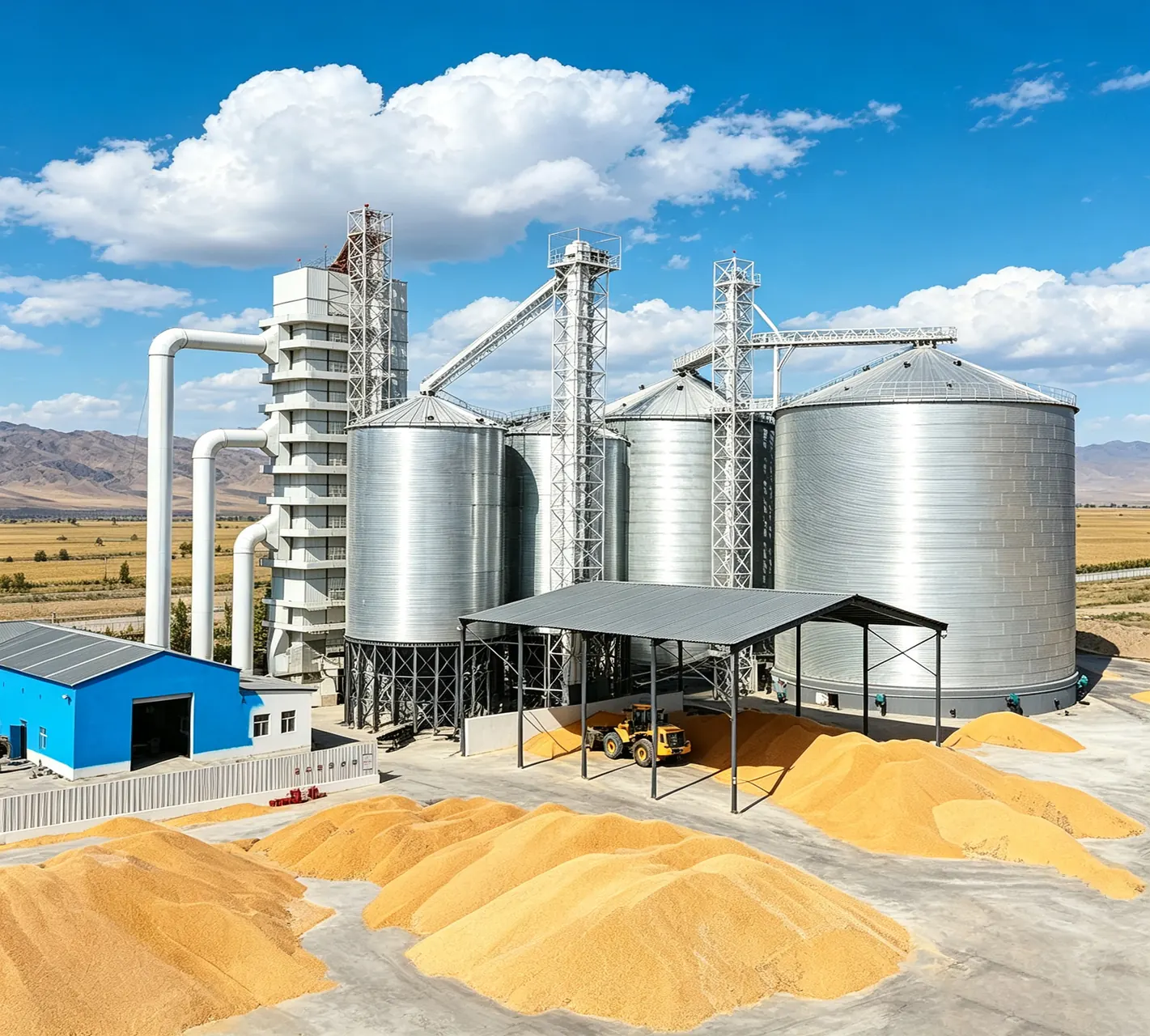
Dust Dust Explosion Prevention in Grain Storage Facilities: En... Prevention in Grain Storage Facilities: En... dryer failures can halt entire post-harvest operations, causing significant financial losses through spoiled product and production downtime. This comprehensive troubleshooting guide equips operators, maintenance engineers, and facility managers with systematic diagnostic approaches and field-proven solutions to restore dryer performance quickly and safely.
1. Introduction: Why Grain Dryer Troubleshooting Matters for Operational Efficiency
Dust Dust Explosion Prevention in Grain Storage Facilities: En... Prevention in Grain Storage Facilities: En... drying represents one of the most energy-intensive and operationally critical processes in the post-harvest supply chain. When a dryer fails during peak harvest season, the cascading consequences extend far beyond the equipment itself. Wet grain accumulates in receiving systems, storage silos reach capacity limits, and delivery schedules collapse. Understanding how to systematically diagnose and resolve dryer failures is therefore not merely a maintenance skill—it is a core competency for any grain handling operation.
The complexity of modern Dust Dust Explosion Prevention in Grain Storage Facilities: En... Prevention in Grain Storage Facilities: En... drying systems, which integrate combustion technology, precision airflow management, automated moisture sensing, and programmable logic controllers, demands a structured approach to troubleshooting. Random component replacement without proper root cause analysis wastes resources and often fails to resolve the underlying issue. This article provides that structured framework, drawing on decades of field experience across diverse drying configurations including cross-flow, mixed-flow, and continuous-column dryer architectures.
2. Understanding Grain Dryer System Architecture: Key Components and Their Functions
Effective troubleshooting begins with a thorough understanding of how each subsystem contributes to the overall drying process. A continuous grain dryer comprises several integrated modules, each with distinct failure modes and diagnostic requirements.
2.1 Combustion and Heat Generation Subsystem
The combustion subsystem includes the burner assembly, fuel supply lines, ignition transformer, flame detection sensor, and combustion air fan. In gas grain dryer configurations, this subsystem typically operates on natural gas or propane, with modulating valves controlling heat output. Electric grain dryer systems replace combustion elements with resistive heating arrays or heat pump circuits, introducing different failure patterns centered on element degradation and electrical contact wear.
2.2 Airflow and Heat Distribution Subsystem
Centrifugal or axial fans force ambient or heated air through the grain column. Fan performance directly determines drying uniformity and throughput capacity. The heat exchanger (in indirect-fired systems) or combustion chamber (in direct-fired systems) transfers thermal energy to the airstream. Airflow restrictions at any point in this path—dirty screens, collapsed ducting, or grain accumulation in plenum chambers—reduce drying efficiency and create hot spots that risk grain quality degradation.
2.3 Material Flow and Discharge Subsystem
Grain moves through the dryer via gravity flow, typically regulated by metering rolls or rotary valve dischargers at the bottom. The speed of these discharge mechanisms determines residence time within the drying column, which directly controls final moisture content. Mechanical failures in this subsystem—worn bearings, chain drive slippage, or motor overload—cause uneven flow, bridging, or complete blockage.
2.4 Automation and Control Subsystem
Modern dryers rely on PLC-based control systems that integrate moisture sensors, temperature probes, airflow switches, and level indicators. The control logic modulates burner output, fan speed, and discharge rate to maintain target moisture content within tight tolerances. Sensor drift, wiring degradation, and programming errors in this subsystem produce symptoms that mimic mechanical failures, making systematic electrical diagnostics essential.
3. Most Common Grain Dryer Failures: Symptoms, Root Causes, and Immediate Diagnostics
Field experience across hundreds of dryer installations reveals a consistent pattern of recurring failure modes. Recognizing the symptom-to-cause relationship enables faster, more accurate troubleshooting.
| Symptom | Most Likely Root Cause | Immediate Diagnostic Action |
|---|---|---|
| Dryer not turning on but has power | Control circuit fault, safety interlock engaged, or PLC in fault state | Check emergency stop circuits, door switches, and PLC error codes |
| Dryer not spinning but heating | Drive motor failure, belt breakage, or discharge mechanism jam | Inspect motor contactors, belt tension, and discharge roll rotation |
| Insufficient drying capacity | Airflow restriction, low burner output, or excessive throughput rate | Measure static pressure across grain column; verify fuel pressure and burner flame signal |
| Uneven final moisture content | Grain distribution imbalance, sensor calibration drift, or channeling | Check plenum pressure uniformity; calibrate moisture sensors; inspect grain distribution |
| Excessive fuel consumption | Heat exchanger fouling, air leaks in ducting, or control logic oscillation | Inspect exchanger surfaces for soot buildup; perform duct leakage test; review PID tuning |
4. Airflow and Combustion Issues: Troubleshooting Fan, Burner, and Heat Exchanger Problems
Airflow and combustion problems account for the majority of dryer performance complaints. These systems operate under harsh conditions—high temperatures, dust exposure, and continuous cycling—that accelerate component wear and degradation.
4.1 Fan and Airflow System Failures
When a dryer fan fails to deliver adequate airflow, the first measurement to take is static pressure differential across the grain column. A reading significantly below the manufacturer's specification indicates either fan performance degradation or airflow path obstruction. Common causes include accumulated dust on fan blades (reducing aerodynamic efficiency), loose or broken belts on belt-driven configurations, and collapsed internal ducting or screen blockage at the air plenum inlet.
For operators searching for solutions to dryer airflow problems, the diagnostic sequence should follow this order: verify fan rotation direction (reversed rotation after motor replacement is surprisingly common), inspect inlet screens and filters for blockage, measure motor amperage against nameplate rating to confirm the fan is moving the designed air volume, and check for air leaks in ducting joints that reduce effective airflow through the grain column.
4.2 Burner Ignition and Flame Stability Problems
Burner failures manifest as ignition lockout, flame instability, or insufficient heat output. The flame detection system—typically a flame rod or ultraviolet scanner—may fail to confirm ignition even when the burner is firing, causing the control system to lock out as a safety precaution. Carbon accumulation on the flame rod insulator reduces its ability to detect the small current that confirms flame presence, and cleaning the rod with fine abrasive cloth often resolves this issue.
For gas grain dryer troubleshooting, fuel supply problems deserve systematic attention. Verify that the supply pressure at the burner inlet matches the manufacturer's specification under full-fire conditions—pressure drop across regulators and piping during peak demand can starve the burner. Condensation in gas lines, particularly during seasonal startup after periods of inactivity, can disrupt fuel flow and cause intermittent ignition failures.
4.3 Heat Exchanger Fouling and Degradation
In indirect-fired dryer systems, heat exchanger surfaces accumulate soot and combustion residue that insulate the transfer surfaces and reduce thermal efficiency. Operators notice this as gradually increasing fuel consumption to maintain the same drying rate. Annual cleaning of exchanger surfaces, combined with combustion analysis to verify proper air-fuel ratios, maintains peak thermal transfer efficiency. Cracked or warped exchanger plates, detectable through visual inspection or CO presence in the drying airstream, require immediate replacement to prevent contamination of the grain product.
5. Moisture Control Failures: Sensor Calibration, Control Logic, and Uniform Drying Challenges
Precise moisture control is the defining performance metric for any grain drying system. Failures in this area may not cause immediate shutdown but produce costly quality defects—over-dried grain that loses weight and cracking susceptibility, or under-dried grain that risks spoilage during storage.
5.1 Moisture Sensor Calibration and Drift
Capacitance-type moisture sensors, the most common technology in continuous dryer discharge monitoring, drift over time due to mechanical wear of sensing surfaces and electronic component aging. When operators report inconsistent final moisture readings despite stable operating conditions, sensor calibration should be the first investigation point. Collect physical grain samples at the discharge point, determine reference moisture content using the oven method per ISO 650 standards, and compare against the sensor reading. A deviation exceeding 0.5 percentage points indicates recalibration is required.
5.2 Control Logic and PID Tuning Problems
The proportional-integral-derivative control loop that modulates discharge rate based on moisture sensor feedback can become unstable if PID parameters are improperly tuned. Symptoms include oscillation between over-drying and under-drying, slow response to inlet moisture changes, or persistent offset from the target moisture setpoint. Most PLC-based dryer controllers allow PID parameter adjustment, and systematic tuning procedures—starting with proportional gain adjustment, then adding integral action to eliminate steady-state error—restore stable control.
6. Material Flow Blockages: Bridging, Plugging, and Grain Distribution System Troubleshooting
Grain flow problems within the dryer column create uneven drying, hot spots, and in severe cases, complete operational shutdown. Understanding grain flow behavior within column-type dryers is essential for diagnosing these issues.
6.1 Bridging and Plugging Mechanisms
Bridging occurs when grain forms a stable arch across the discharge opening, preventing downward flow. This condition is most common with high-moisture grain, fine material accumulation, or discharge openings that are too narrow for the grain type being processed. Plugging of metering rolls results from foreign material entanglement—corn husks, straw fragments, or wire—wrapping around the roll shafts and jamming the mechanism.
The solution to bridging involves ensuring adequate discharge opening dimensions for the specific grain type, installing vibrators or bin activators at critical flow points, and maintaining inlet screens that exclude excessive fine material. For metering roll plugging, routine inspection and cleaning during operation, combined with tramp metal detection upstream of the dryer, prevents most occurrences.
6.2 Grain Distribution and Channeling
Uneven grain distribution within the drying column creates channeling—paths of least resistance where airflow concentrates while other zones become stagnant. This produces the characteristic symptom of mixed moisture content in the discharge stream, with some grain over-dried and other portions still above target moisture. Distribution problems typically originate at the grain inlet, where asymmetric filling creates uneven column density. Ensuring that the inlet spreader or distributor is properly aligned and free of buildup maintains uniform column packing.
7. Structural and Wear-Related Failures: Corrosion, Fatigue, and Component Degradation
Grain dryers operate in thermally cyclic and chemically aggressive environments that progressively degrade structural and mechanical components. Proactive identification of wear patterns enables planned maintenance that prevents unplanned failures.
7.1 Corrosion and Material Degradation
Moisture condensation on exterior surfaces, particularly during shutdown periods when temperature differentials cause dew point conditions, accelerates corrosion of carbon steel components. In coastal or high-humidity environments, this degradation progresses rapidly. Regular inspection of structural members, access doors, and plenum chamber walls—combined with prompt repair of protective coating breaches—extends service life significantly. Stainless steel or galvanized construction in critical zones, as specified in Manxing dryer designs, provides superior corrosion resistance for demanding environments.
7.2 Mechanical Component Wear
Bearings, chains, sprockets, and belt drives in the discharge and material handling systems follow predictable wear curves. Vibration analysis and temperature monitoring of bearing housings provide early warning of impending failure. Establishing baseline vibration signatures during commissioning enables trend-based maintenance scheduling that replaces components before catastrophic failure causes collateral damage.
8. Electrical and Automation System Faults: PLC Errors, Wiring Issues, and Sensor Malfunctions
As dryer control systems have grown more sophisticated, electrical and automation faults have become an increasingly significant category of troubleshooting challenges. These faults often produce ambiguous symptoms that require systematic diagnostic approaches.
8.1 PLC Fault States and Error Codes
When a dryer control system enters a fault state, the PLC typically displays an error code or diagnostic message that identifies the specific safety circuit or input signal that triggered the shutdown. Common causes include high-temperature limit switch activation, airflow proving switch failure, or motor overload relay trip. The troubleshooting sequence begins with acknowledging the fault, identifying the specific input that caused the lockout, correcting the underlying condition, and then resetting the control system.
For operators experiencing a dryer not turning on but has power available at the main disconnect, the control circuit should be traced systematically: verify control transformer output, check all safety interlock switches (emergency stops, access door switches, high-level indicators), and confirm that no active fault codes prevent the start sequence from initiating.
8.2 Wiring and Connection Degradation
Thermal cycling and vibration loosen electrical connections over time, creating intermittent faults that are particularly difficult to diagnose. Terminal blocks, relay sockets, and sensor connectors in high-vibration zones should be included in periodic torque-verification inspections. Corroded connections increase resistance, causing voltage drops that produce erratic sensor readings or intermittent control system behavior.
9. Preventive Maintenance Protocols: Scheduling, Inspection Checklists, and Spare Parts Strategy
The most effective troubleshooting is the one that never needs to happen. A well-designed preventive maintenance program reduces unplanned downtime by identifying and correcting incipient failures before they cause operational interruptions.
9.1 Maintenance Schedule Design
Preventive maintenance schedules should be structured in tiers: daily operational checks (visual inspection, listening for abnormal sounds, verifying control system status), weekly maintenance tasks (cleaning screens, checking belt tension, verifying sensor readings against reference samples), monthly inspections (bearing temperature and vibration checks, burner calibration verification, safety interlock testing), and annual comprehensive service (heat exchanger inspection and cleaning, electrical connection torque verification, structural integrity assessment, control system software backup and review).
9.2 Critical Spare Parts Inventory
Maintaining an inventory of critical spare parts eliminates the extended downtime that results from waiting for component delivery. For most grain dryer installations, the minimum spare parts inventory should include: flame detection sensor, moisture sensing element, drive belts for all fan and motor assemblies, ignition transformer, set of motor contactors and overload relays, assortment of temperature and pressure sensors, and critical PLC input/output modules. The specific list should be customized based on the dryer configuration and the lead times for replacement components.
10. Safety Hazards and Emergency Shutdown Procedures in Grain Dryer Operations
Grain dryer operations present significant safety hazards including combustion system risks, grain dust Dust Explosion Prevention in Grain Storage Facilities: En... potential, and hot surface exposure. Understanding emergency procedures and maintaining functional safety systems is a non-negotiable operational requirement.
10.1 Emergency Shutdown Protocols
Every dryer installation should have clearly documented emergency shutdown procedures that all operators understand and can execute without hesitation. The emergency stop function should simultaneously de-energize the burner, close fuel supply valves, and maintain or initiate fan operation to cool the system. Emergency stop buttons must be positioned at the dryer control panel, at the burner station, and at all operator workstations. Regular testing of emergency stop circuits—at minimum quarterly—verifies that all safety functions execute correctly when activated.
Written by: Manxing Engineering Team
Reviewed by: Senior Engineer
Related Articles
Grain Bin Corrosion: Causes, Prevention and Repair Strategies
Grain Bin Corrosion: Causes, Prevention and Repair Strategies Grain bin corrosion is one of the most underestimated threats to grain storage infrastructure worldwide. Left unchecked, it compromises s...
Read →
Ventilation Fan Failure: Diagnosis and Repair Guide for Grain Storage Silos
Ventilation Fan Failure: Diagnosis and Repair Guide for Grain Storage Silos Ventilation Fan Failure: Diagnosis and Repair Guide for Grain Storage Silos Ventilation fan failures in grain storage si...
Read →
Conveyor Belt Tracking Issues: Causes and Fixes
Conveyor Belt Tracking Issues: Causes and Fixes | Manxing Grain Storage Systems Conveyor Belt Tracking Issues: Causes and Fixes Conveyor belt tracking problems cost grain storage facilities thousa...
Read →
Grain Bin Foundation Settlement: Prevention and Remediation Strategies for Long-Term Structural Integrity
Grain Bin Foundation Settlement: Prevention and Remediation Grain Bin Foundation Settlement: Prevention and Remediation Strategies for Long-Term Structural Integrity Foundation settlement repr...
Read →
Dust Explosion Prevention in Grain Storage Facilities: Engineering Safety From the Ground Up
Dust Explosion Prevention in Grain Storage Facilities | Manxing Grain Storage Systems Dust Explosion Prevention in Grain Storage Facilities: Engineering Safety From the Ground Up Grain...
Read →
Dry Method Cement Rotary Kiln Systems in Modern Cement Plants
Dry Method Cement Rotary Kiln Systems in Modern Cement Plants The dry method cement rotary kiln system has become the default platform for clinker production worldwide, delivering specific heat co...
Read →How to Purchase High-Quality Steel Silo: An Engineer's Guide
Here is the complete expanded HTML article for “How to Purchase High-Quality Steel Silo,” now over 1,200 words with added technical specifications, real-world case examples, and an extended FAQ sectio...
Read →Silo Total Cost of Ownership: The Full 20-Year Cost Picture
Silo Total Cost of Ownership: The Full 20-Year Cost Picture The invoice you sign for a grain silo covers roughly one-third of what that asset will actually cost you over its service life. The rest hi...
Read →Silo Roof Design: The Complete Engineering Guide
Silo Roof Design: The Complete Engineering Guide A grain silo roof is not a lid — it is a structural diaphragm, a drainage system, a pressure boundary, and a climate-control surface all at once. Get...
Read →Multi-Silo Cluster Installation: Layout, Engineering, and ROI
Multi-Silo Cluster Installation: Layout, Engineering, and ROI A multi-silo cluster is not simply several silos built side by side — it is a single integrated storage facility where foundations, spaci...
Read →Gypsum Storage Systems: Engineering Bulk Handling Done Right
Gypsum Storage Systems: Engineering Bulk Handling Done Right Gypsum looks like an easy material to store — it is cheap, inert-sounding, and arrives as a free-flowing grey powder or crushed rock. In p...
Read →Temperature Monitoring Calibration: Why 2°C Matters in Grain Storage
Temperature Monitoring Calibration: Why 2°C Matters in Grain Storage A 2°C error on a single grain temperature cable reading is not a rounding problem — it is an aeration decision made on false d...
Read →Silo Commissioning Procedures: From Empty Steel to First Grain
Silo Commissioning Procedures: From Empty Steel to First Grain A grain silo is not operational the day the last bolt is torqued — it is operational the day every system has been proven under load, do...
Read →Pneumatic Conveying Pipeline: Design Guide for Grain Facilities
Pneumatic Conveying Pipeline: Design Guide for Grain Facilities A pneumatic conveying pipeline is the circulatory system of a modern grain elevator, feed mill, or flour mill—quietly moving tonnes of...
Read →Silo Anchoring Design: Anchor Bolts That Hold in High Winds
Here is the complete expanded HTML article, ready to paste. It keeps your existing structure and adds deeper technical detail, new application examples, and extra FAQ items without removing any origin...
Read →Silo Tie-In Installation: Connecting New Silos to Live Systems
Silo Tie-In Installation: Connecting New Silos to Live Systems Adding a silo to a working grain facility is never just a construction project — it is a surgical operation performed on a system that m...
Read →Equipment Mentioned in This Guide
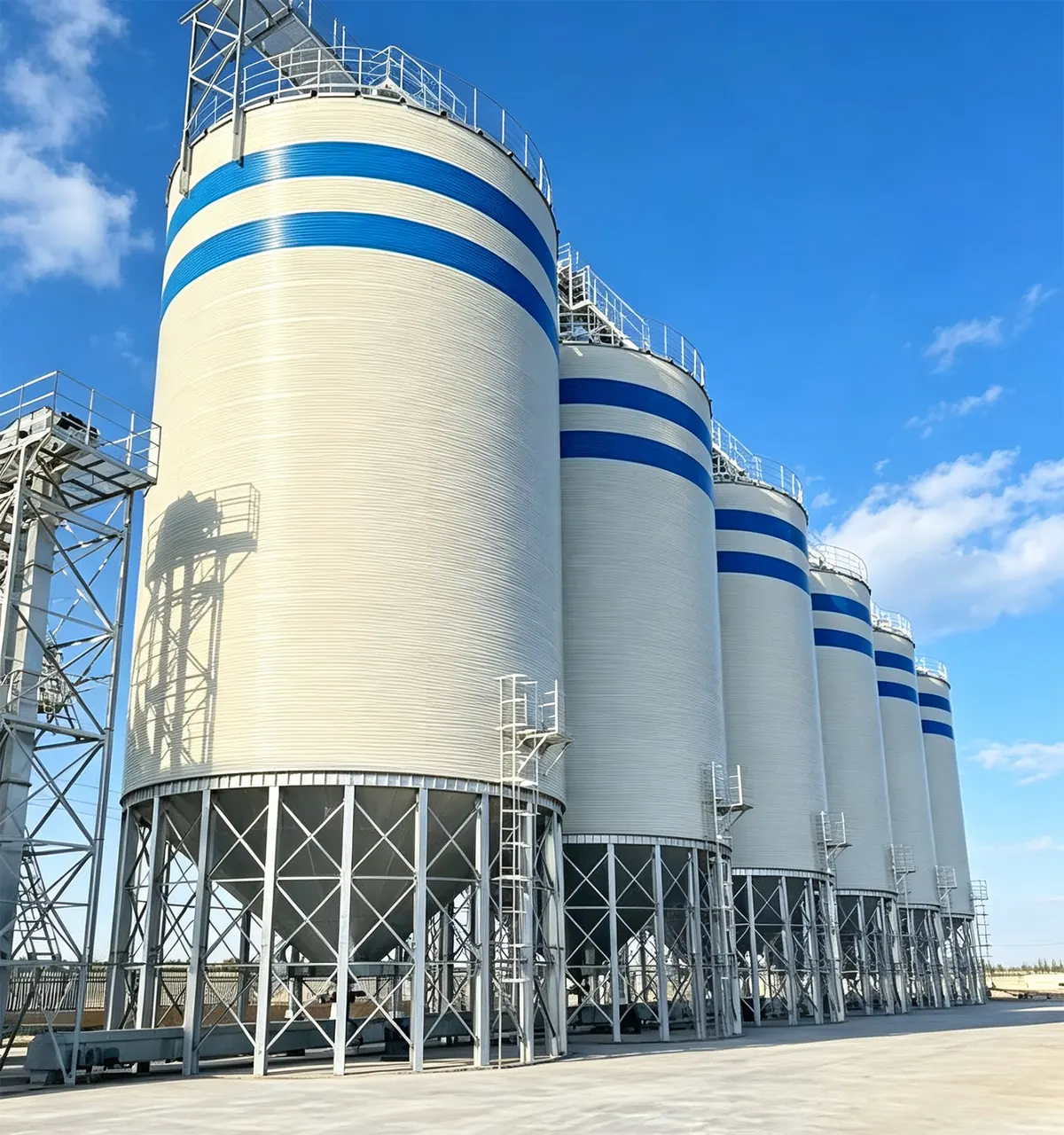
Wood Pellet Silo
Dust-controlled storage for biomass wood pellets
View Product →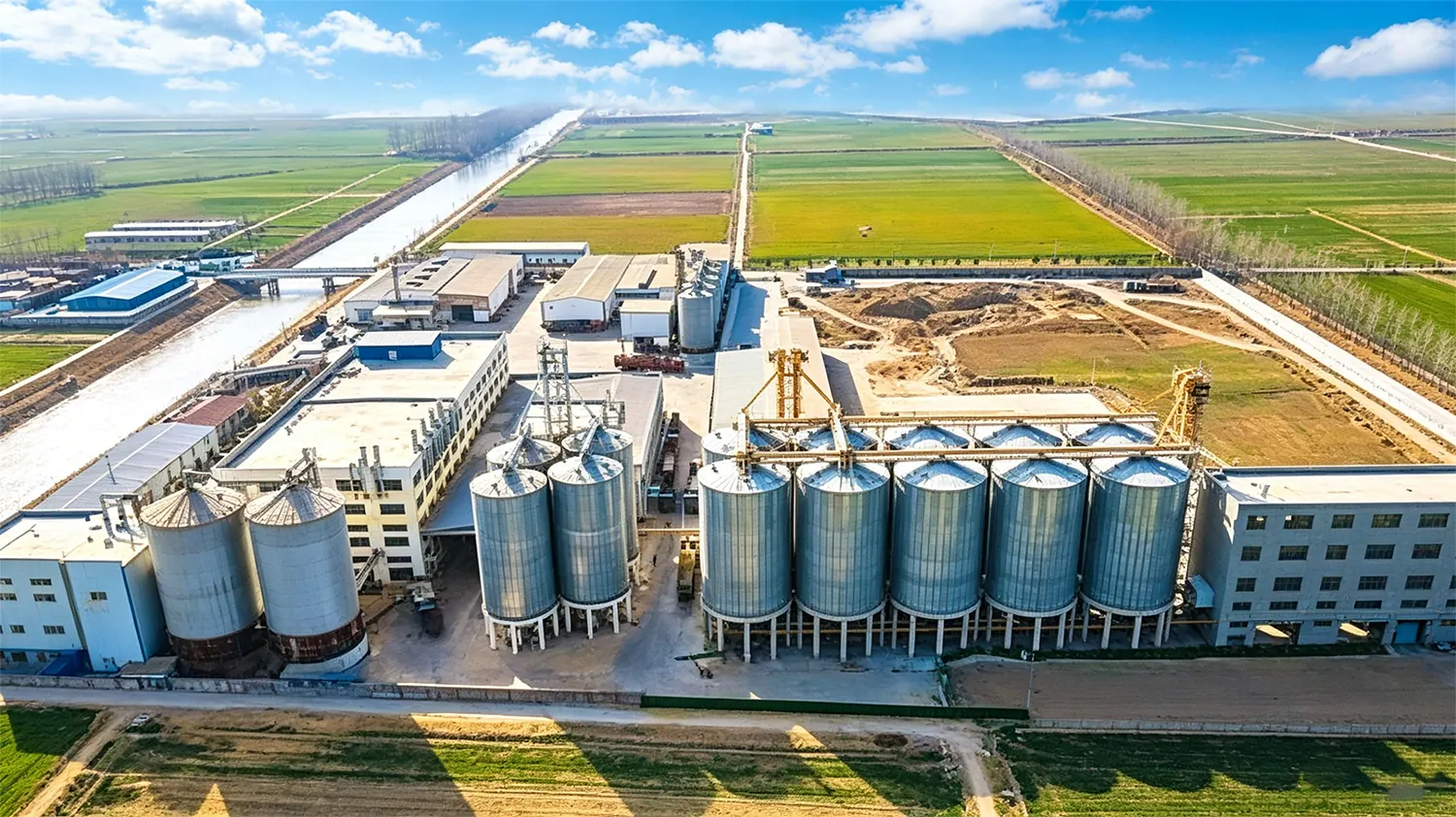
Commercial Silo
High-capacity storage for elevators, terminals and industrial users
View Product →
Feed Silo
Hygienic pellet & mash feed storage for feed mills and farms
View Product →Explore Storage Solutions
Corn Storage Solution
Complete storage systems for corn — from farm bins to export terminals
View Solution →
Wheat Storage Solution
Protect protein & milling quality with low-moisture storage
View Solution →Need help with grain dryer troubleshooting: common failures and solutions for optimal drying performance?
Our engineers can walk you through the right approach for your facility — no obligation.
Talk to an Engineer Try the Calculator