
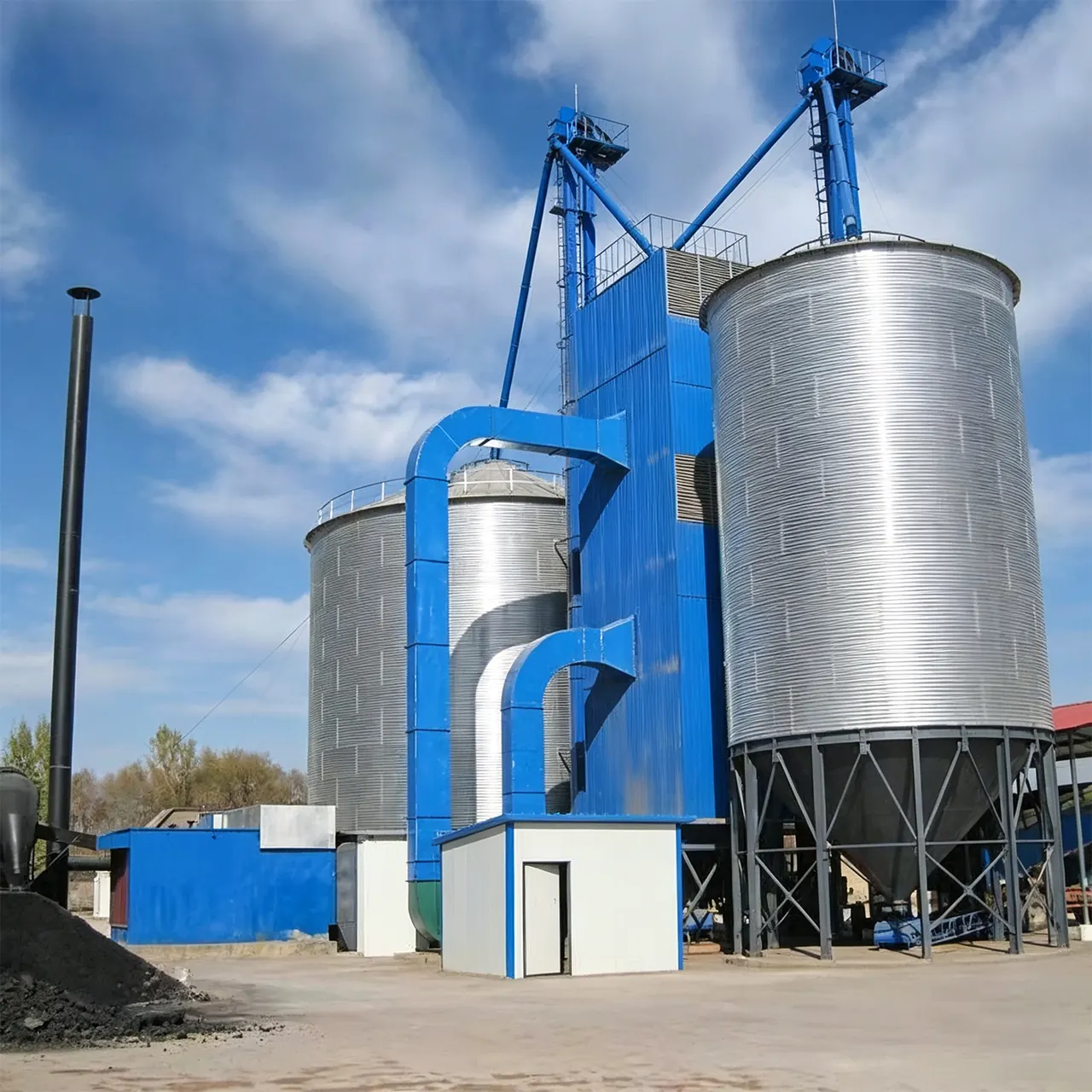
Grain Bin Foundation Settlement: Prevention and Remediati... Bin Foundation Settlement: Prevention and Remediati... dust explosions remain one of the most devastating and preventable hazards in agricultural storage operations. Understanding the science behind grain dust explosions—and implementing layered engineering controls—can mean the difference between a safe facility and a catastrophic loss of life and infrastructure.
The Hidden Danger: Understanding Grain Dust Explosions in Storage Facilities
When most people think of explosive materials, they picture volatile gases or industrial chemicals. Few realize that something as ordinary as corn dust or wheat flour can produce a blast powerful enough to level a multi-story Grain Bin Foundation Settlement: Prevention and Remediati... Bin Foundation Settlement: Prevention and Remediati... elevator. Yet grain dust explosions are a well-documented, scientifically understood phenomenon that continues to threaten storage facilities worldwide—from large commercial terminals in the Midwest to smaller farm operations serving communities near Brooklyn and across New York State.
The Five Elements of a Dust Explosion
A Grain Bin Foundation Settlement: Prevention and Remediati... Bin Foundation Settlement: Prevention and Remediati... explosion requires five simultaneous conditions, commonly referred to as the "dust explosion pentagon":
| Element | Source in Grain Facilities |
|---|---|
| Combustible Dust (Fuel) | Grain particles, husks, fines generated during handling |
| Oxygen | Ambient air within silos, conveyors, and elevators |
| Dispersion | Dust suspended in air at explosive concentrations (20–200 g/m³) |
| Confinement | Silos, bucket elevators, dust collectors, enclosed conveyors |
| Ignition Source | Hot bearings, static electricity, welding sparks, friction, spontaneous heating |
Remove any one of these five elements, and an explosion cannot occur. The most practical approach in grain storage design is eliminating ignition sources and controlling dust accumulation, since oxygen and confinement are inherent to the storage process.
Why Grain Dust Is So Dangerous
Grain dust—particularly corn dust, wheat dust, and soybean dust—has a low minimum ignition energy (MIE), often between 10 and 30 millijoules. To put that in perspective, a static discharge from a human hand can reach 20 millijoules. This means that something as routine as a worker walking across a non-conductive surface can generate enough energy to ignite a dust cloud.
The Kst value (deflagration index) for grain dust typically ranges from 50 to 150 bar·m/s, classifying it as a St-1 dust—moderate in explosive severity. However, in confined spaces like bucket elevators and silo headhouses, even St-1 dust can produce pressure waves exceeding 10 bar, far beyond the structural capacity of standard equipment.
When operators search for a grain silo explosion video or review footage of a grain elevator explosion 1977, they consistently observe a pattern: a primary explosion inside confined equipment dislodges accumulated dust from surfaces, which then ignites in a far more destructive secondary explosion. The secondary event is responsible for the majority of fatalities and structural damage.
NFPA 652 & ATEX Compliance: Navigating Dust Hazard Analysis (DHA) Standards
Regulatory compliance is not optional—it is the foundation of any credible dust explosion prevention strategy. Two primary frameworks govern grain storage facilities: NFPA 652 (Standard on the Fundamentals of Combustible Dust) in North America, and the ATEX Directive 2014/34/EU for facilities operating in or exporting to European markets.
Dust Hazard Analysis (DHA): The Cornerstone of Compliance
NFPA 652, updated in its 2019 edition, mandates that facility owners conduct a Dust Hazard Analysis (DHA) for all operations involving combustible dust. The DHA must be completed by a qualified professional and reviewed at least every five years. For grain storage operations near Brooklyn, New York, NY, and across the country, this requirement applies to everything on the spectrum—from small farm bins to large commercial grain elevators.
A comprehensive DHA for a grain facility addresses the following:
- Identification of dust hazard areas: Classifying zones based on the likelihood of a combustible dust atmosphere (analogous to ATEX zoning for gases).
- Inventory of combustible dust sources: Cataloging every point where grain dust is generated—receiving pits, Conveyor Belt Tracking Issues: Causes and Fixes transfers, drying systems, bucket elevators, and silo fill/discharge points.
- Assessment of existing controls: Evaluating whether current housekeeping, ventilation, and suppression systems adequately mitigate identified hazards.
- Action items and remediation timeline: Prioritizing corrective measures based on risk severity and probability.
Many facility managers look for a dust explosion prevention in grain storage facilities pdf as a reference document. While published guides are valuable starting points, they cannot replace a site-specific DHA conducted by qualified engineers who understand the unique configuration of your equipment and processes.
ATEX Equipment Classification for Grain Facilities
For facilities operating under ATEX requirements, equipment must be selected based on the zone classification of the environment:
- Zone 20: Areas where combustible dust clouds are present continuously or for long periods (e.g., inside silos during filling, inside dust collectors). Equipment rated Category 1D is required.
- Zone 21: Areas where dust clouds are likely to occur occasionally during normal operation (e.g., around bucket elevator heads, conveyor transfer points). Equipment rated Category 2D is required.
- Zone 22: Areas where dust clouds are unlikely to occur, and if they do, will persist only briefly (e.g., storage rooms with minor dust accumulation). Equipment rated Category 3D is required.
Selecting ATEX-rated equipment—motors, junction boxes, sensors, and level indicators—is a critical specification step during the design phase. Retrofitting standard equipment to meet ATEX requirements after construction is exponentially more expensive and disruptive.
Housekeeping: The Most Overlooked Explosion Prevention Measure
Engineering controls alone cannot prevent grain dust explosions. Housekeeping is the single most impactful—and most frequently neglected—element of any dust management program. OSHA's Grain Handling Standard (29 CFR 1910.272) establishes that dust accumulations exceeding 1/8 inch (3.2 mm) on floors and surfaces in grain elevators constitute a hazard.
Effective housekeeping protocols include:
- Scheduled vacuuming using Class II, Division 1 rated vacuum systems (never compressed air blowing, which creates dangerous dust clouds)
- Daily inspection and cleaning of bucket elevator boots and heads
- Weekly cleaning of dust collector hoppers and filter housings
- Monthly inspection of cable trays, conduit runs, and overhead surfaces where dust accumulates unseen
- Documented cleaning logs as part of the DHA compliance record
Facility Layout and Equipment Interfaces: Designing Out Ignition
The most effective dust explosion prevention strategies are those engineered into the facility from the earliest design stages. Once a facility is constructed, retrofitting explosion protection systems is costly and often compromises operational efficiency. At Manxing Grain Storage Systems, our engineering team integrates explosion prevention principles into every phase of silo and material handling system design.
Silo Design and Explosion Venting
Modern grain silos must be designed with explosion venting as a primary structural consideration. Explosion vents (also called flameless vents or rupture panels) are engineered weak points in the silo shell or roof that open at a predetermined pressure (typically Pstat = 0.1–0.2 bar), directing the pressure wave and flame safely outward rather than allowing the vessel to rupture catastrophically.
Key design parameters for explosion venting include:
- Vent area calculation: Per NFPA 68, the required vent area depends on the silo volume, the Kst value of the stored material, and the enclosure strength.
- Vent placement: Vents should be located on the roof and upper cylinder sections, away from personnel access points and adjacent structures.
- Flameless vent devices: In urban or confined settings—such as facilities near Brooklyn or densely populated areas of New York, NY—flameless vents quench the flame front before it exits the vent, preventing secondary fires in the surrounding area.
Our spiral steel silo and bolted steel silo product lines are engineered with standardized vent mounting provisions, ensuring that explosion protection systems can be integrated seamlessly during initial installation rather than retrofitted later.
Bucket Elevator: The Highest-Risk Equipment
Bucket elevators consistently appear as the ignition point in grain explosion incident investigations. The combination of high-speed belt operation, friction from misalignment, bearing failure, and the confined vertical enclosure creates an environment where all five elements of the explosion pentagon converge.
Engineering controls for bucket elevator explosion prevention include:
- Bearing temperature monitoring: Continuous RTD or thermocouple monitoring of all bearings with automatic shutdown alarms at threshold temperatures (typically 70–80°C for warning, 90°C for shutdown).
- Belt alignment sensors: Proximity switches that detect belt mistracking before friction-generated heat reaches dangerous levels.
- Explosion suppression systems: High-rate discharge (HRD) suppressants mounted at the head and boot sections, activated by pressure detectors within milliseconds of a pressure rise.
- Anti-static belting: Conductive belt materials that dissipate static charges, preventing spark generation at the discharge point.
- Explosion venting at head and boot: Dedicated vent panels on both the headhouse and boot section, sized per NFPA 68 for the specific elevator geometry.
Dust Collection System Design
Centralized dust collection systems are essential for controlling airborne grain dust, but they also represent a confined space hazard. A well-designed dust collection system for grain storage facilities must incorporate:
- Explosion isolation: Chemical isolation barriers or mechanical isolation valves on ductwork that prevent flame propagation between the collector and downstream equipment.
- Spark detection and extinguishment: Infrared spark detectors installed on inlet ductwork, coupled with water mist or nitrogen extinguishment systems that activate before sparks reach the filter media.
- Conductive filter media: Filter bags or cartridges with anti-static properties and grounding connections to prevent electrostatic discharge inside the collector.
- Rotary valve isolation: Airlock valves at the hopper discharge that maintain a pressure seal, preventing an explosion inside the collector from propagating back into the facility.
Conveyor Transfer Points and Material Flow Design
Every transfer point where grain moves from one conveyor to another is a dust generation point. The design of transfer chutes, rock boxes, and gravity spouts directly influences the volume of dust liberated during operation. At Manxing, we engineer transfer points with the following principles:
- Enclosed transfers: Fully sealed transfer housings with gasketed access doors and dust-tight construction.
- Velocity matching: Designing transfer geometry so that material lands on the receiving belt at approximately the same speed and direction, minimizing turbulence and dust liberation.
- Dedicated dust pickups: Ventilation connections at each transfer point tied to the central dust collection system, maintaining negative pressure inside the enclosure.
- Wear-resistant liners: Abrasion-resistant steel or ceramic liners that maintain seal integrity over time, preventing dust leakage through worn holes.
Strategic Facility Layout for Explosion Containment
The physical layout of a grain storage facility plays a critical role in limiting the consequences of a dust explosion. Key layout principles include:
- Separation distances: Maintaining adequate distance between high-risk structures (bucket elevator towers, dryer buildings) and occupied offices, control rooms, and adjacent properties. NFPA 61 provides guidance on separation distances based on dust hazard classification.
- Deflection walls: Reinforced concrete or masonry walls positioned to redirect explosion pressure waves away from occupied areas.
- Outdoor equipment placement: Where feasible, locating dust collectors, bucket elevator heads, and other high-risk equipment in open-air structures rather than enclosed buildings.
- Egress planning: Ensuring that personnel have clear, unobstructed escape routes from all areas of the facility, with exits positioned away from likely explosion venting directions.
Frequently Asked Questions
Written by: Manxing Engineering Team
Reviewed by: Senior Engineer
Related Articles
Grain Bin Corrosion: Causes, Prevention and Repair Strategies
Grain Bin Corrosion: Causes, Prevention and Repair Strategies Grain bin corrosion is one of the most underestimated threats to grain storage infrastructure worldwide. Left unchecked, it compromises s...
Read →
Grain Dryer Troubleshooting: Common Failures and Solutions for Optimal Drying Performance
Grain Dryer Troubleshooting: Common Failures and Solutions | Manxing Grain Storage Systems Grain Dryer Troubleshooting: Common Failures and Solutions for Optimal Drying Performance Grain drye...
Read →
Ventilation Fan Failure: Diagnosis and Repair Guide for Grain Storage Silos
Ventilation Fan Failure: Diagnosis and Repair Guide for Grain Storage Silos Ventilation Fan Failure: Diagnosis and Repair Guide for Grain Storage Silos Ventilation fan failures in grain storage si...
Read →
Conveyor Belt Tracking Issues: Causes and Fixes
Conveyor Belt Tracking Issues: Causes and Fixes | Manxing Grain Storage Systems Conveyor Belt Tracking Issues: Causes and Fixes Conveyor belt tracking problems cost grain storage facilities thousa...
Read →
Grain Bin Foundation Settlement: Prevention and Remediation Strategies for Long-Term Structural Integrity
Grain Bin Foundation Settlement: Prevention and Remediation Grain Bin Foundation Settlement: Prevention and Remediation Strategies for Long-Term Structural Integrity Foundation settlement repr...
Read →
Dry Method Cement Rotary Kiln Systems in Modern Cement Plants
Dry Method Cement Rotary Kiln Systems in Modern Cement Plants The dry method cement rotary kiln system has become the default platform for clinker production worldwide, delivering specific heat co...
Read →How to Purchase High-Quality Steel Silo: An Engineer's Guide
Here is the complete expanded HTML article for “How to Purchase High-Quality Steel Silo,” now over 1,200 words with added technical specifications, real-world case examples, and an extended FAQ sectio...
Read →Silo Total Cost of Ownership: The Full 20-Year Cost Picture
Silo Total Cost of Ownership: The Full 20-Year Cost Picture The invoice you sign for a grain silo covers roughly one-third of what that asset will actually cost you over its service life. The rest hi...
Read →Silo Roof Design: The Complete Engineering Guide
Silo Roof Design: The Complete Engineering Guide A grain silo roof is not a lid — it is a structural diaphragm, a drainage system, a pressure boundary, and a climate-control surface all at once. Get...
Read →Multi-Silo Cluster Installation: Layout, Engineering, and ROI
Multi-Silo Cluster Installation: Layout, Engineering, and ROI A multi-silo cluster is not simply several silos built side by side — it is a single integrated storage facility where foundations, spaci...
Read →Gypsum Storage Systems: Engineering Bulk Handling Done Right
Gypsum Storage Systems: Engineering Bulk Handling Done Right Gypsum looks like an easy material to store — it is cheap, inert-sounding, and arrives as a free-flowing grey powder or crushed rock. In p...
Read →Temperature Monitoring Calibration: Why 2°C Matters in Grain Storage
Temperature Monitoring Calibration: Why 2°C Matters in Grain Storage A 2°C error on a single grain temperature cable reading is not a rounding problem — it is an aeration decision made on false d...
Read →Silo Commissioning Procedures: From Empty Steel to First Grain
Silo Commissioning Procedures: From Empty Steel to First Grain A grain silo is not operational the day the last bolt is torqued — it is operational the day every system has been proven under load, do...
Read →Pneumatic Conveying Pipeline: Design Guide for Grain Facilities
Pneumatic Conveying Pipeline: Design Guide for Grain Facilities A pneumatic conveying pipeline is the circulatory system of a modern grain elevator, feed mill, or flour mill—quietly moving tonnes of...
Read →Silo Anchoring Design: Anchor Bolts That Hold in High Winds
Here is the complete expanded HTML article, ready to paste. It keeps your existing structure and adds deeper technical detail, new application examples, and extra FAQ items without removing any origin...
Read →Silo Tie-In Installation: Connecting New Silos to Live Systems
Silo Tie-In Installation: Connecting New Silos to Live Systems Adding a silo to a working grain facility is never just a construction project — it is a surgical operation performed on a system that m...
Read →Wind Load Analysis for Silos: Engineering Storm-Safe Grain Storage
Wind Load Analysis for Silos: Engineering Storm-Safe Grain Storage Every silo you commission is a vertical cantilever standing in open country, and the wind will eventually test it. Wind load analysi...
Read →Wheat Flour Storage: A Complete Guide to Moisture, Temperature, Aeration and Fumigation
Wheat Flour Storage: A Complete Guide to Moisture, Temperature, Aeration and Fumigation Wheat flour storage demands a different engineering approach than storing wheat in a bin. Flour is a...
Read →Equipment Mentioned in This Guide
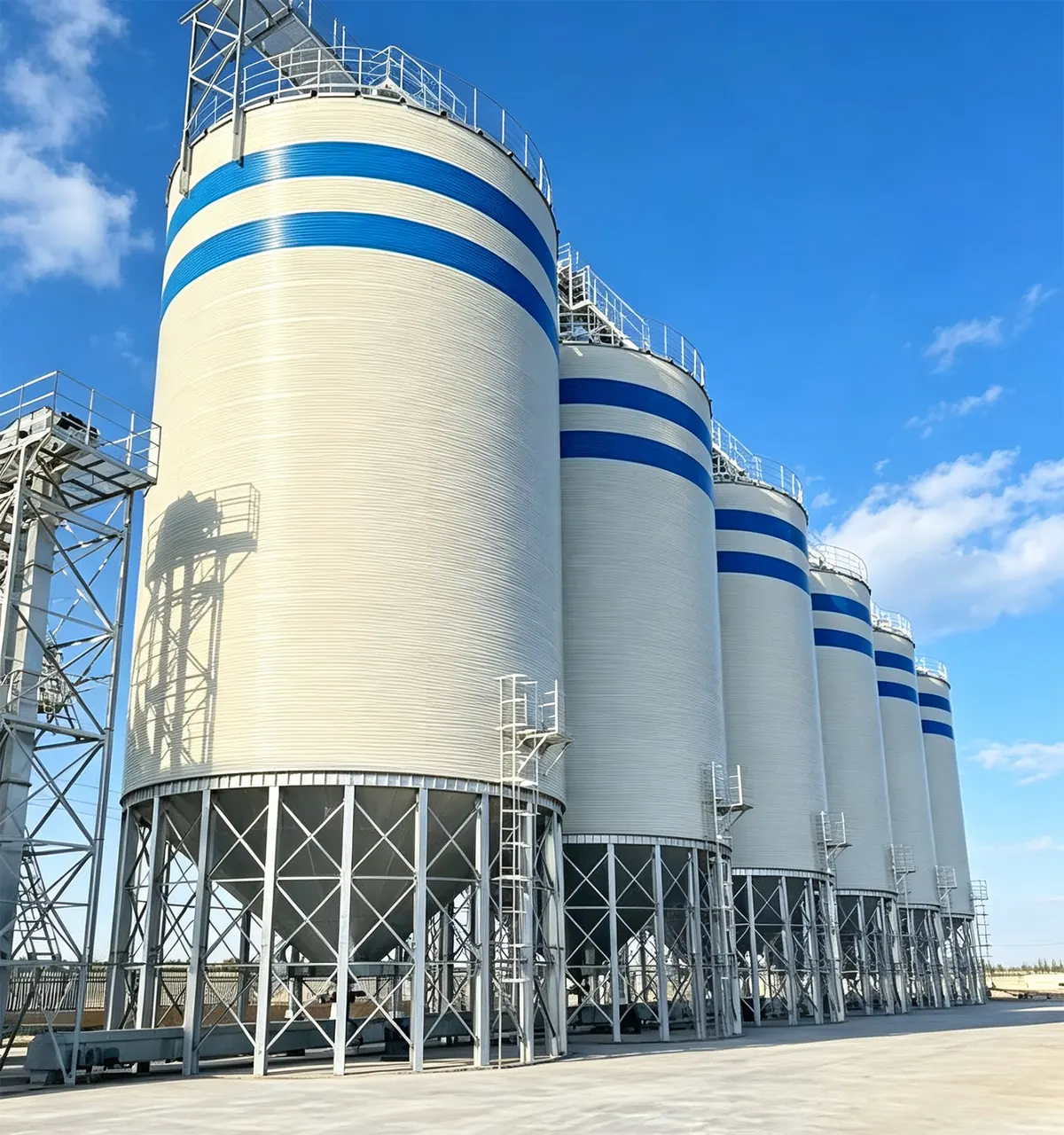
Wood Pellet Silo
Dust-controlled storage for biomass wood pellets
View Product →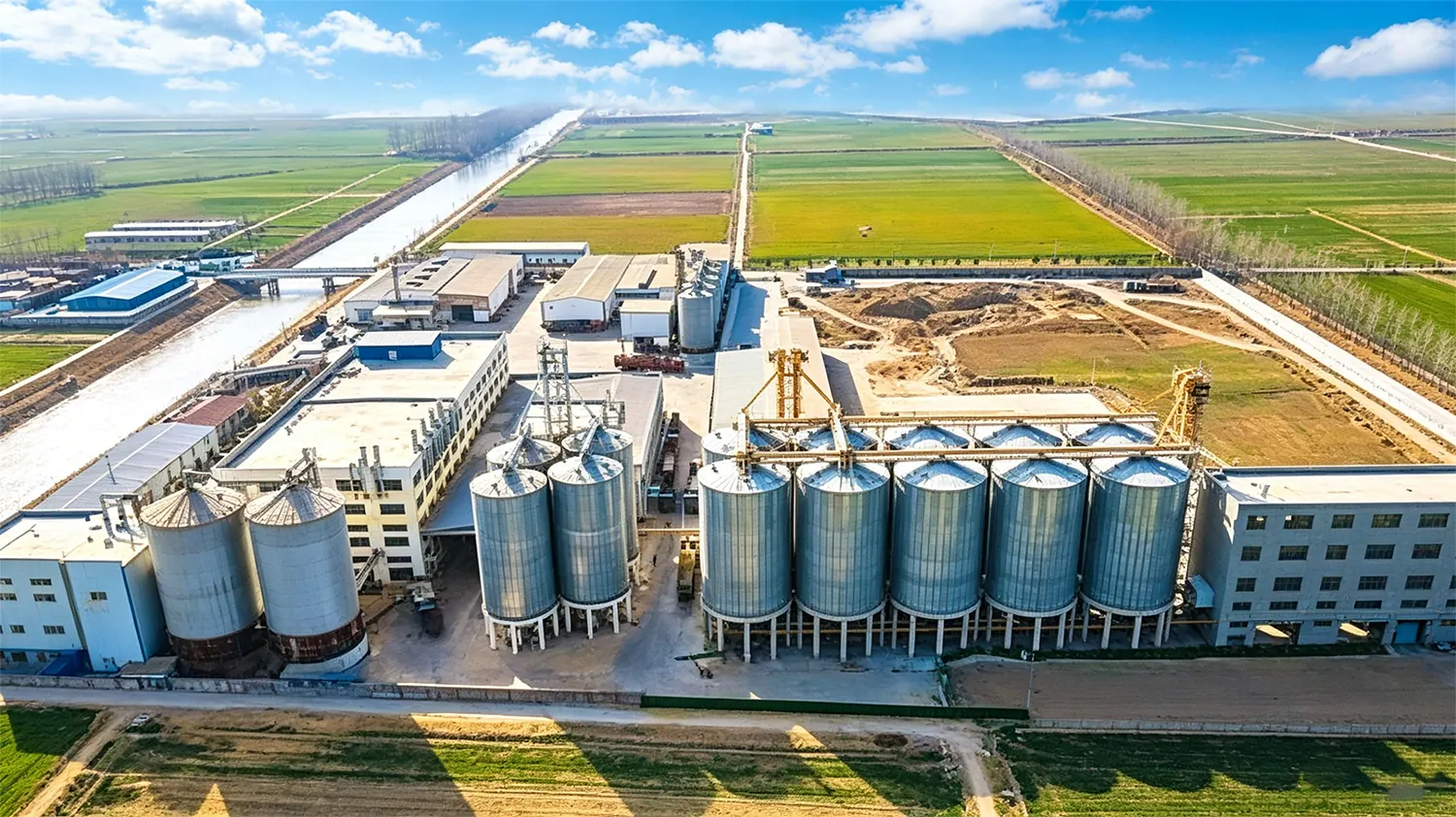
Commercial Silo
High-capacity storage for elevators, terminals and industrial users
View Product →
Feed Silo
Hygienic pellet & mash feed storage for feed mills and farms
View Product →Explore Storage Solutions
Corn Storage Solution
Complete storage systems for corn — from farm bins to export terminals
View Solution →
Wheat Storage Solution
Protect protein & milling quality with low-moisture storage
View Solution →Need help with dust explosion prevention in grain storage facilities: engineering safety from the ground up?
Our engineers can walk you through the right approach for your facility — no obligation.
Talk to an Engineer Try the Calculator