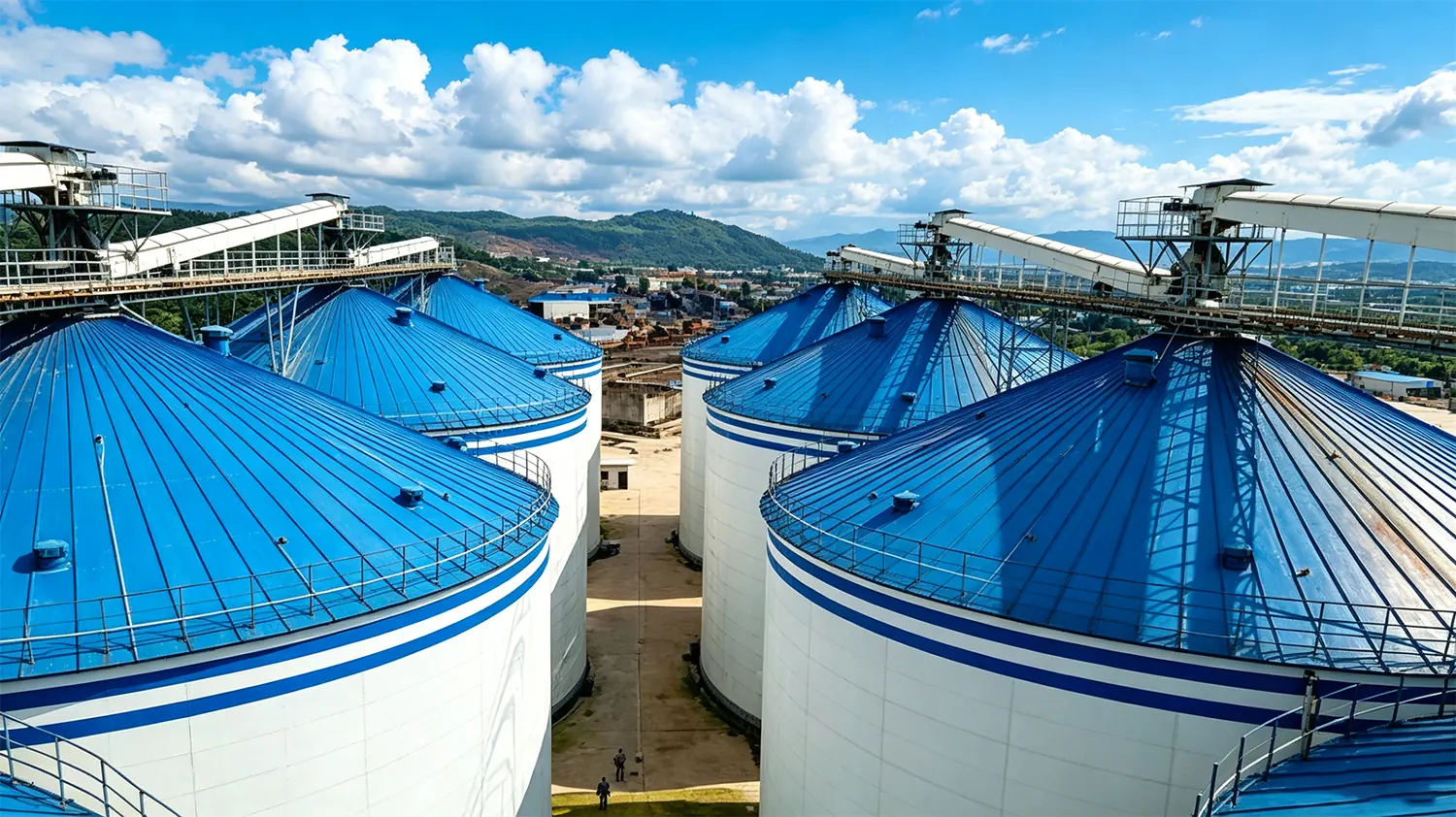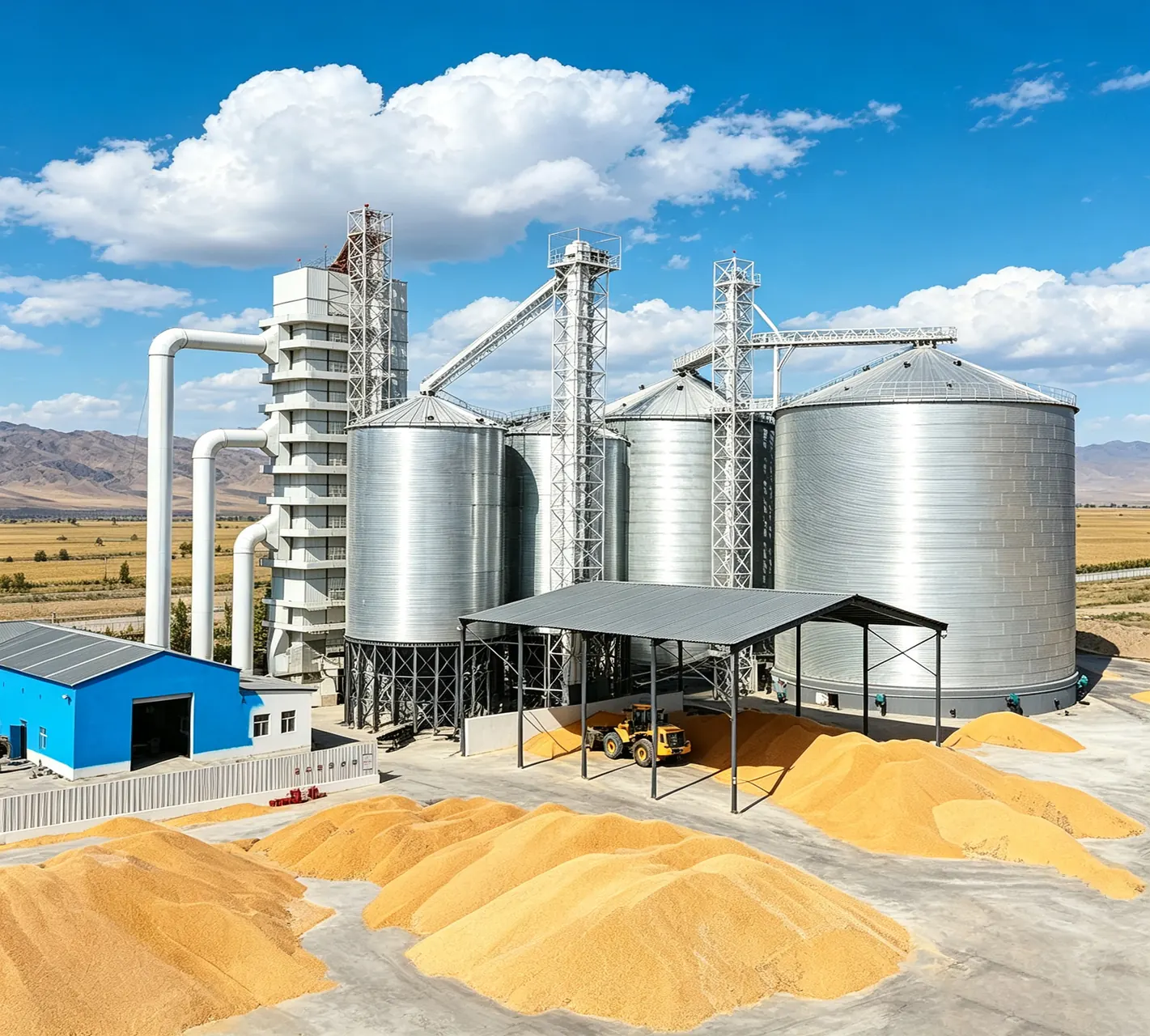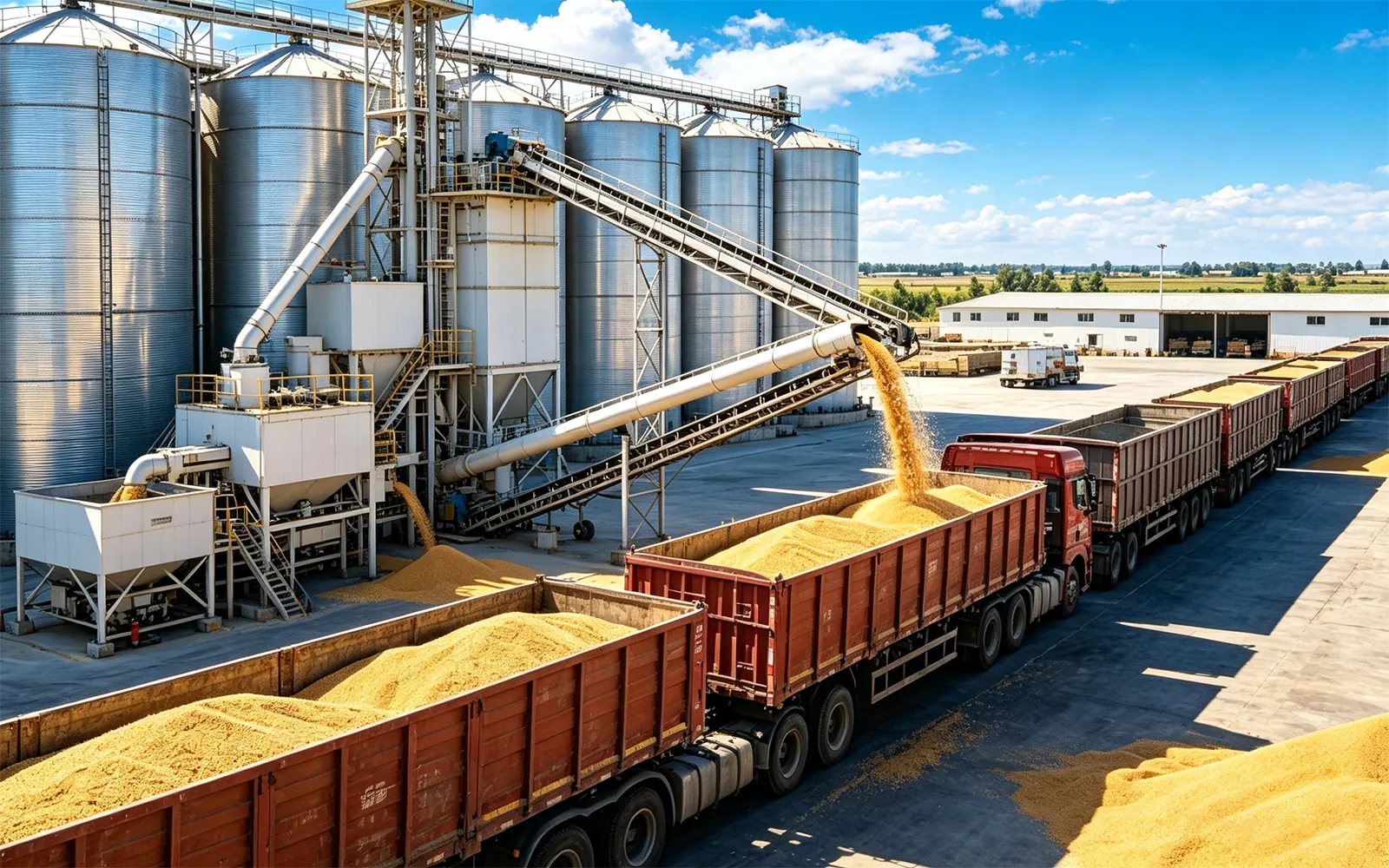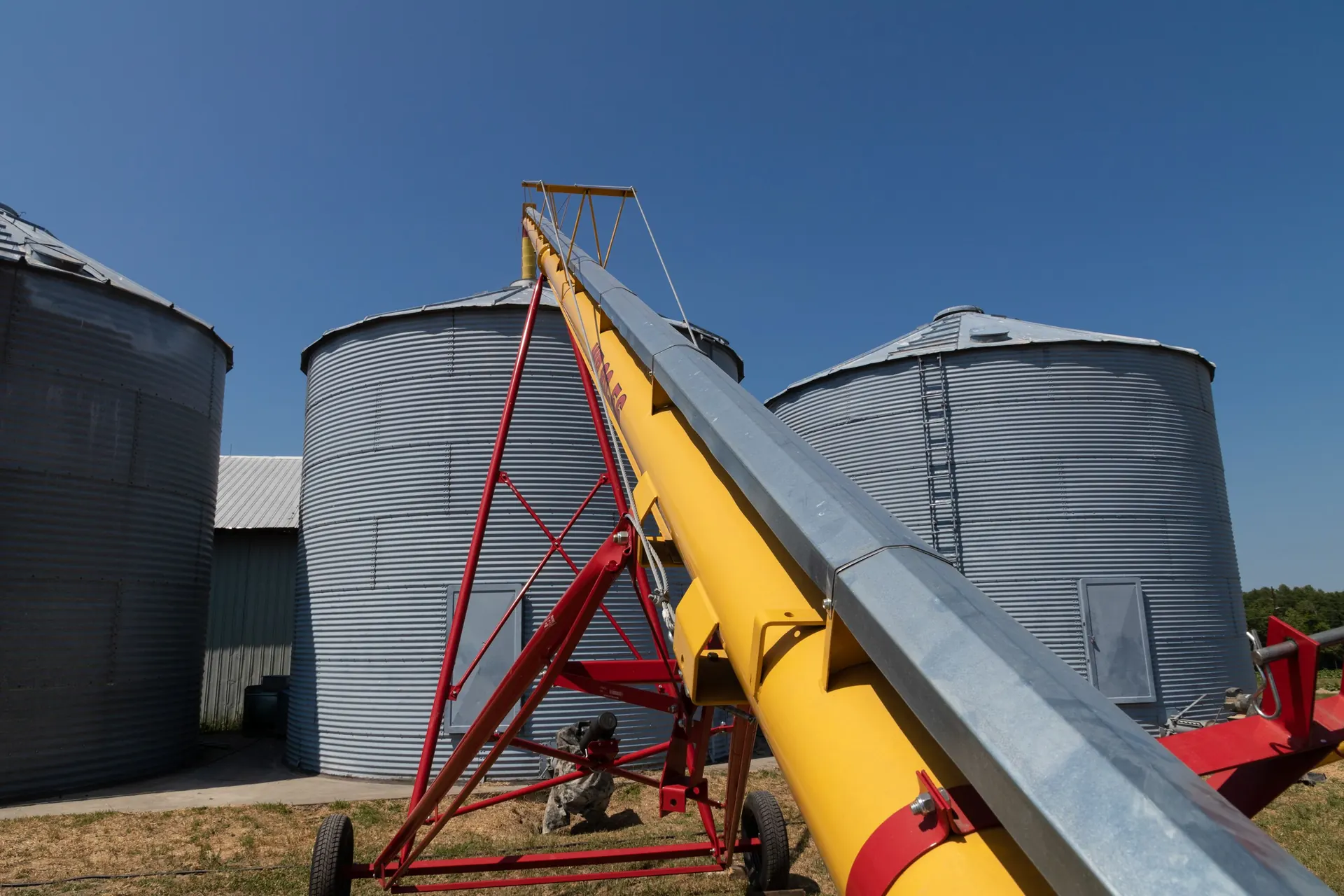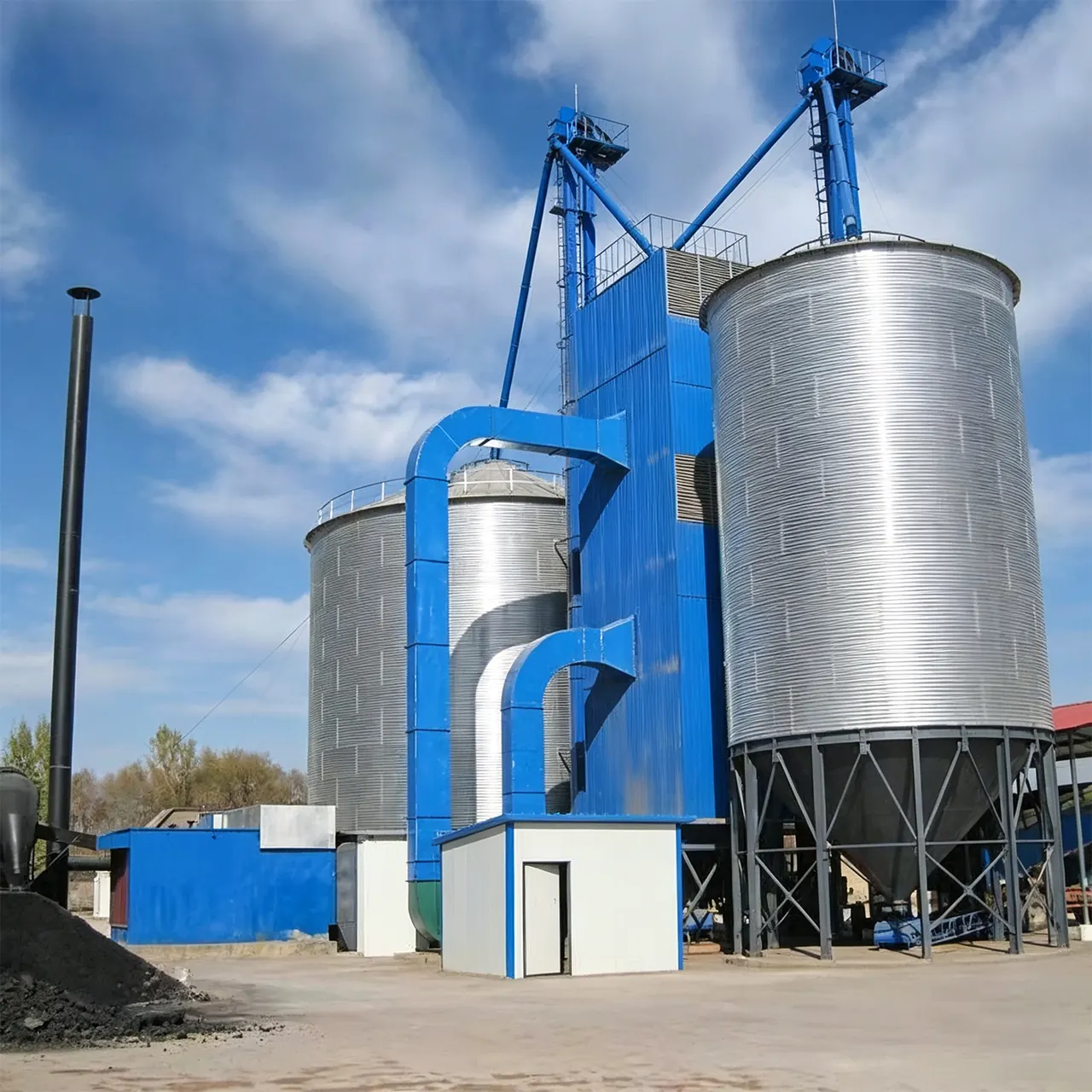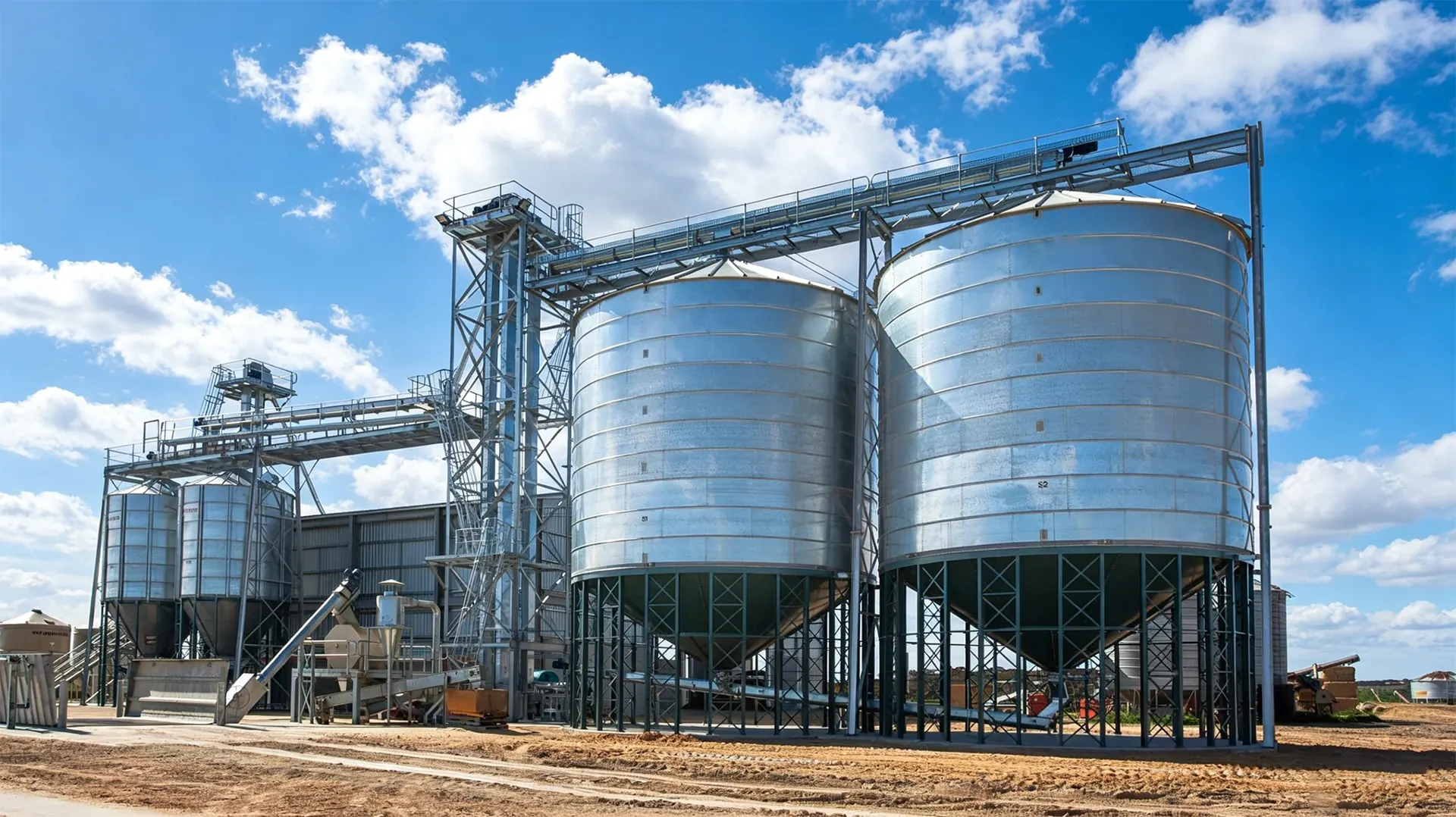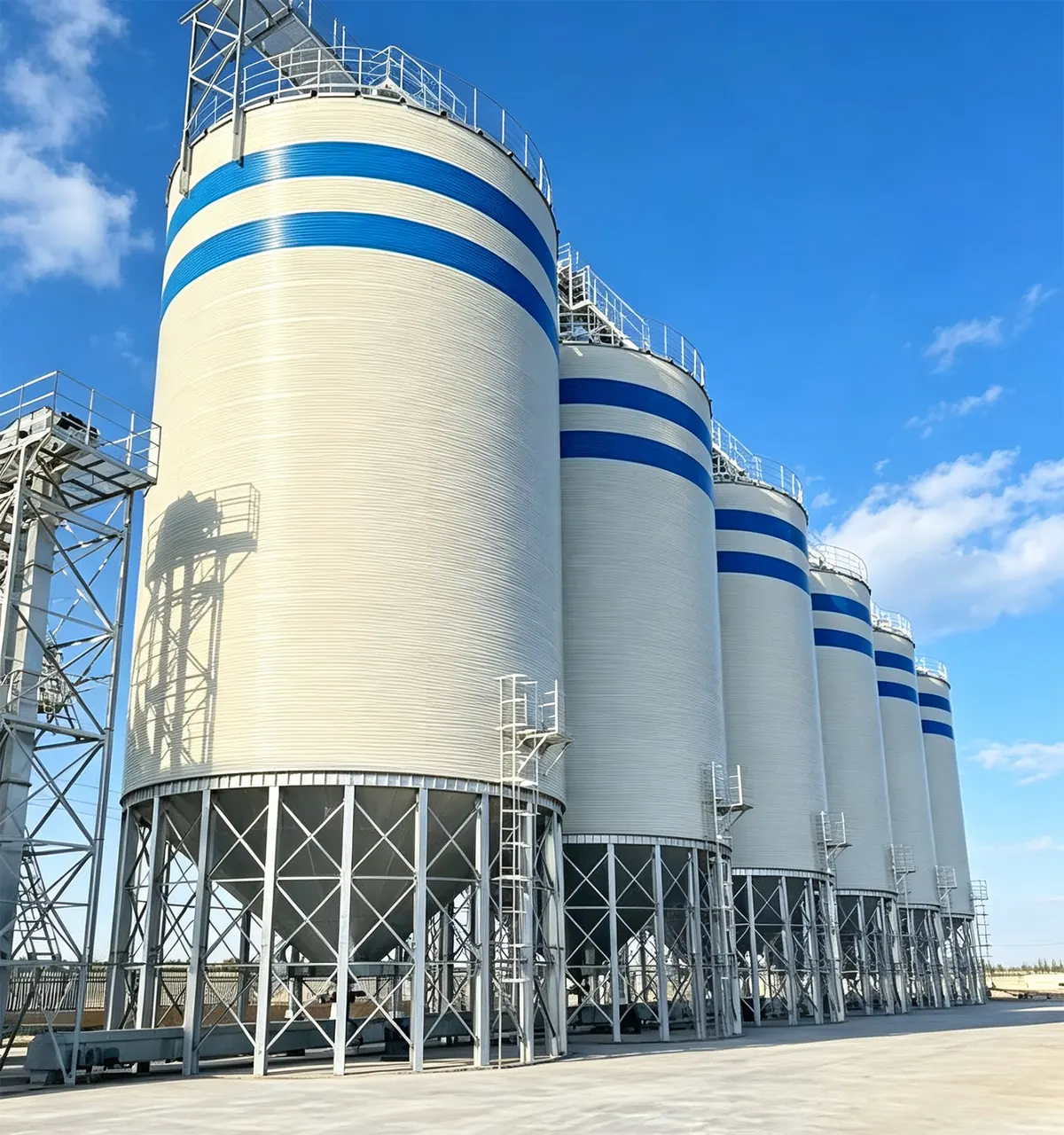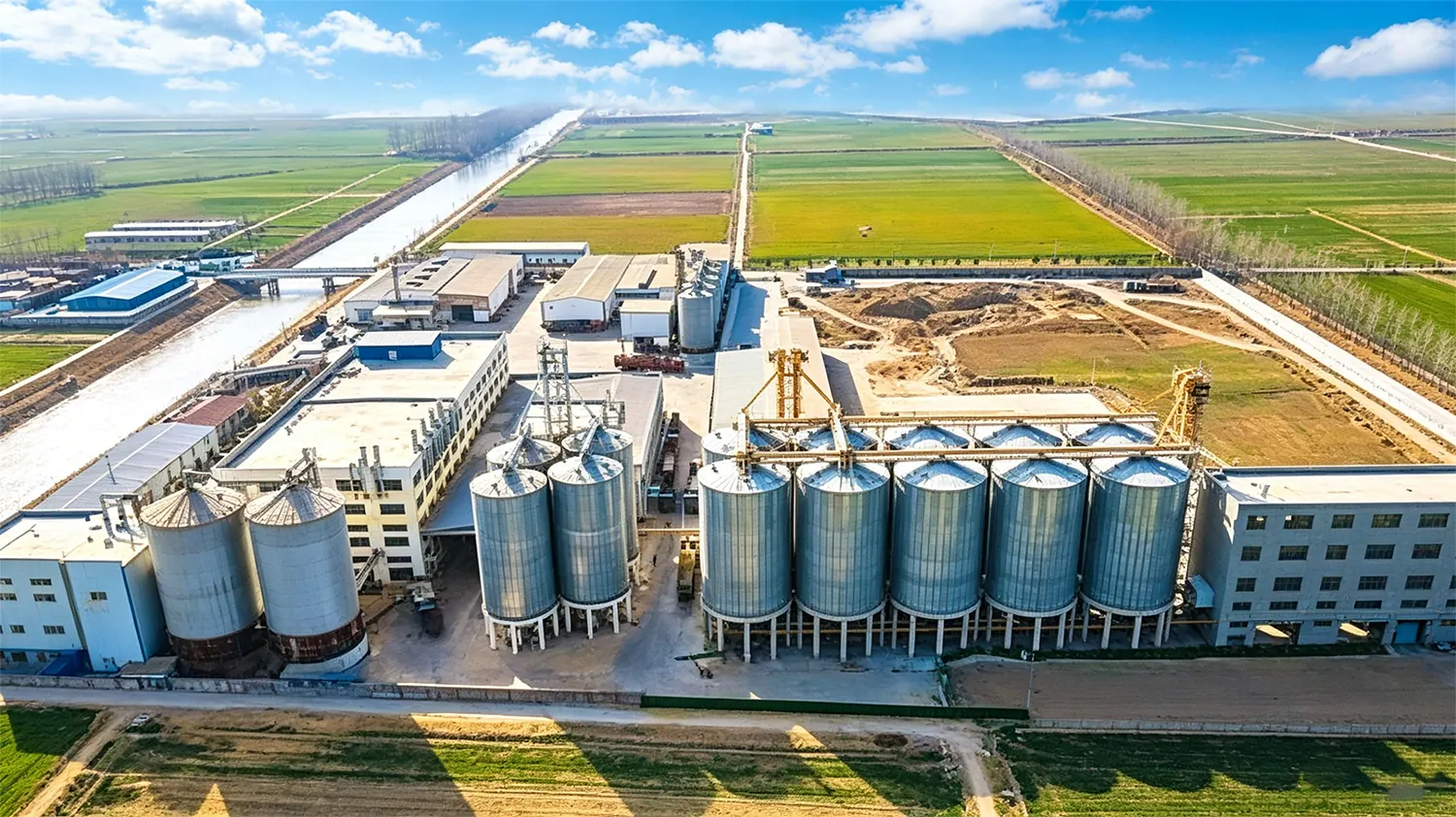
Ventilation fan failures in Dust Dust Explosion Prevention in Grain Storage Facilities: En... Prevention in Grain Storage Facilities: En... storage silos can trigger catastrophic spoilage within hours, transforming high-quality grain into worthless waste. This comprehensive guide delivers field-tested diagnostic procedures, repair protocols, and preventive maintenance strategies that keep your silo ventilation systems operating at peak efficiency.
Why Ventilation Fan Failure in Grain Storage Silos Demands Immediate Attention
Dust Dust Explosion Prevention in Grain Storage Facilities: En... Prevention in Grain Storage Facilities: En... stored in steel silos is a living, respiring biological mass. Without continuous airflow, moisture migration creates hot spots where mold colonies proliferate and insect populations explode. The ventilation fan serves as the primary defense against these degradation mechanisms, forcing ambient air through the grain mass to equalize temperature and remove excess moisture.
When a ventilation fan fails, the consequences escalate rapidly. Within 24 hours, temperature differentials between the Dust Dust Explosion Prevention in Grain Storage Facilities: En... Prevention in Grain Storage Facilities: En... core and silo walls create convection currents that concentrate moisture in critical zones. By 48 hours, visible mold growth may begin. At the 72-hour mark, mycotoxin contamination becomes a genuine risk, potentially rendering entire grain batches unsaleable for human or animal consumption.
For operators managing flat-bottom and cone-bottom steel silos, understanding the urgency of fan failure is not merely a maintenance concern—it is a financial imperative. The cost of emergency repairs pales in comparison to the value of compromised grain inventory.
Common Failure Modes of Centrifugal and Axial Fans in Steel Silo Applications
Grain storage ventilation fans operate in exceptionally harsh environments. Abrasive grain dust, corrosive moisture, temperature extremes, and continuous duty cycles conspire to degrade fan components through multiple failure mechanisms.
Motor Failings and Electrical System Breakdowns
Electric motors powering silo ventilation fans face unique challenges. Overheating is the primary killer, typically caused by inadequate ventilation around the motor housing, voltage imbalances in three-phase supply systems, or bearing seizure creating excessive load. Motor winding insulation degrades rapidly when operating temperatures exceed rated thresholds, leading to short circuits and complete motor failure.
Moisture ingress represents another critical motor failure pathway. Condensation forms during temperature cycling, particularly in outdoor installations where fans operate intermittently. This moisture corrodes winding connections and creates ground faults that trip protective devices.
Blade Damage and Impeller Imbalance
Fan blades in grain storage applications suffer from erosion caused by airborne grain dust and chaff. This abrasive wear thins blade profiles, reducing airflow efficiency and creating dangerous imbalances. An imbalanced impeller generates vibration that accelerates bearing wear, loosens mounting hardware, and can cause catastrophic blade failure at operating speeds.
Corrosion attacks impeller surfaces in silos storing treated grain or in coastal environments. Pitting and surface roughness disrupt aerodynamic profiles, diminishing fan performance even when mechanical integrity remains intact.
Bearing Degradation and Lubrication Failures
Fan bearings rank among the most frequently replaced components in silo ventilation systems. Inadequate lubrication, contamination by grain dust, and moisture infiltration all contribute to premature bearing failure. Symptoms include elevated operating temperatures, increased noise levels, and visible vibration.
Step-by-Step Diagnostic Procedures for Troubleshooting Grain Storage Ventilation Fans
Systematic diagnosis prevents unnecessary component replacement and minimizes downtime. Follow this structured approach when a ventilation fan exhibits abnormal behavior or complete failure.
Phase 1: Initial Visual Inspection
Begin with a comprehensive visual examination of the fan assembly. Look for obvious physical damage including cracked blades, loose mounting bolts, deteriorated flexible connectors, and corroded housings. Check belt condition and tension on belt-driven units—slipping belts reduce airflow by up to 40% while generating dangerous heat.
Inspect electrical connections for corrosion, loose terminals, or burned insulation. Verify that all safety guards are properly secured and that no foreign objects obstruct the impeller rotation path.
Phase 2: Electrical System Testing
Using a calibrated multimeter, verify supply voltage at the motor terminals. Three-phase systems should show balanced voltages within 3% across all phases. Significant imbalance indicates supply-side problems requiring electrician intervention.
Test motor winding resistance with the power disconnected and locked out. Compare readings against manufacturer specifications and between phases. Resistance deviations exceeding 5% suggest winding damage. Measure insulation resistance to ground using a megohmmeter—values below 1 megohm indicate moisture ingress or insulation breakdown requiring motor rewinding or replacement.
Phase 3: Mechanical Assessment
With power locked out, manually rotate the impeller to detect bearing roughness, rubbing, or seizure. Smooth, free rotation indicates healthy bearings. Grinding, catching, or excessive play demands bearing replacement.
Check impeller balance by observing coast-down behavior. An imbalanced impeller exhibits wobble or hunting during deceleration. Measure vibration levels during operation using a portable vibration analyzer—velocities exceeding 7 mm/s RMS typically indicate bearing replacement urgency.
Repair Protocols and Critical Component Replacement for Silo Ventilation Systems
Effective repair requires adherence to manufacturer specifications and use of genuine replacement parts. Substandard components compromise system reliability and may void equipment warranties.
Motor Replacement Procedures
When motor failure necessitates replacement, verify that the new unit matches original specifications exactly— size, horsepower, voltage, frequency, and service factor must align. Install motors with appropriate weather protection ratings (minimum IP55 for outdoor silo installations) and ensure adequate cooling airflow around the motor body.
Align direct-coupled motors precisely using laser alignment tools. Misalignment exceeding 0.05 mm per 100 mm of coupling diameter accelerates bearing and coupling failure dramatically.
Bearing Replacement Best Practices
Always replace bearings in pairs on double-bearing motors. Use bearings with appropriate sealing arrangements—contact seals or labyrinth shields provide superior protection against grain dust contamination compared to open designs.
Apply lubricant quantities precisely as specified. Over-greasing causes churning, overheating, and seal failure that is equally destructive as under-greasing. For most silo ventilation fan bearings, fill only 30-50% of the free space in the bearing cavity.
Preventive Maintenance Schedules That Extend Fan Lifespan in Harsh Grain Environments
Structured preventive maintenance transforms fan reliability from unpredictable to dependable. Implement these schedules based on operating hours and seasonal demands.
Monthly Inspection Tasks
Conduct visual inspections of all fan components, checking for corrosion, loose fasteners, and belt condition. Measure and record vibration levels at bearing housings. Verify that airflow delivery matches baseline performance data—declining airflow signals developing problems requiring investigation.
Quarterly Service Interventions
Perform detailed electrical testing including insulation resistance measurements and connection torque verification. Clean fan blades and housings to remove dust accumulation that disrupts balance and reduces efficiency. Inspect flexible duct connections for cracks or deterioration that cause air leakage.
Annual Overhaul Protocols
Schedule comprehensive fan overhauls during low-demand periods. Replace bearings proactively based on operating hours regardless of apparent condition. Inspect impellers for erosion and corrosion, recoating or replacing as necessary. Recalibrate all instrumentation and verify control system functionality.
Selecting the Right Ventilation Fan: Technical Specifications for Flat-Bottom and Cone-Bottom Silos
Fan selection directly impacts ventilation effectiveness and energy consumption. Matching fan performance characteristics to silo geometry and grain type ensures optimal results.
Flat-Bottom Silo Ventilation Requirements
Flat-bottom silos storing grain depths exceeding 6 meters require high-static-pressure centrifugal fans capable of overcoming substantial airflow resistance. Typical specifications demand static pressures of 2,000-3,500 Pa with airflow rates of 8-15 m³/h per tonne of stored grain.
Cone-Bottom Silo Considerations
Cone-bottom configurations generally present lower airflow resistance due to reduced grain depth and the natural distribution cone. Axial fans often provide adequate ventilation for these applications, offering higher airflow volumes at lower static pressures with superior energy efficiency.
Seasonal Ventilation Strategies: Managing Airflow During Harvest and Long-Term Grain Storage
Ventilation requirements vary dramatically across the storage cycle. Harvest period demands maximum airflow for cooling freshly deposited grain that often arrives at elevated temperatures and moisture levels. Long-term storage shifts focus to maintaining uniform grain temperature and preventing moisture migration.
During autumn harvest, operate ventilation fans continuously until grain temperatures stabilize below 15°C. Transition to intermittent operation during winter, running fans only when ambient conditions favor further cooling. Spring and summer operations require careful humidity management—avoid ventilating when ambient relative humidity exceeds 70% to prevent moisture addition to the grain mass.
Optimizing Airflow Distribution and Energy Efficiency in Steel Silo Ventilation Networks
Proper airflow distribution ensures uniform grain conditioning throughout the silo. Uneven airflow creates stagnant zones where spoilage initiates. Design ventilation duct networks with balanced resistance across all outlets, using computational flow modeling for large-diameter silos.
Variable frequency drives (VFDs) enable precise airflow modulation, reducing energy consumption by 30-50% compared to fixed-speed operation during periods of reduced ventilation demand. VFDs also provide soft-start capability that reduces mechanical stress on fan components during startup.
Proper Installation and Commissioning Practices to Prevent Premature Fan Failure
Many ventilation fan failures originate from installation deficiencies rather than component defects. Ensure that fan foundations provide rigid, vibration-free support. Misaligned duct connections impose loads on fan housings that distort casings and cause impeller rubbing.
Commissioning procedures must include verification of rotation direction, measurement of operating current against nameplate ratings, and documentation of baseline vibration and temperature readings. These baseline measurements enable accurate condition monitoring throughout the equipment lifecycle.
Calculating the True Cost of Fan Downtime: Grain Spoilage Risk vs. Maintenance Investment
The financial analysis overwhelmingly favors proactive maintenance investment. Consider a 5,000-tonne corn silo valued at $200 per tonne—total inventory value of $1,000,000. A ventilation fan failure causing even 5% grain degradation represents $50,000 in direct losses, excluding disposal costs, transportation disruptions, and contractual penalties.
Annual preventive maintenance costs for a typical silo ventilation system range from $500-2,000 depending on system complexity. This investment protects inventory values fifty to two hundred times the maintenance expenditure, delivering exceptional return on investment.
How to Evaluate and Partner with a Reliable Grain Storage Ventilation Equipment Supplier
Selecting the right equipment supplier impacts long-term operational success. Evaluate suppliers based on engineering capability, manufacturing quality, technical support infrastructure, and parts availability. Request references from comparable installations and verify that suppliers maintain adequate inventory of critical spare parts for rapid emergency response.
Prioritize suppliers who provide comprehensive documentation including installation manuals, maintenance procedures, and troubleshooting guides. Technical training programs for your maintenance personnel represent additional value that enhances self-sufficiency and reduces long-term support costs.
Frequently Asked Questions About Diagnosing and Repairing Silo Ventilation Fan Systems
Diagnosing a faulty ventilation fan requires systematic evaluation beginning with visual inspection for physical damage, followed by electrical testing of motor windings and insulation resistance, and concluding with mechanical assessment of bearings and impeller condition. Measure operating current against nameplate ratings and compare vibration levels against baseline data. Declining airflow performance, unusual noise, or excessive vibration all indicate developing faults requiring intervention.
Common ventilation fan problems in grain storage applications include motor burnout from overheating or moisture ingress, bearing failure due to dust contamination and inadequate lubrication, blade erosion from abrasive grain dust, belt deterioration on belt-driven units, electrical connection corrosion, and impeller imbalance causing destructive vibration. Environmental factors including temperature extremes and humidity accelerate all these failure mechanisms.
Intermittent fan operation typically indicates thermal overload protection cycling, loose electrical connections that make and break contact, or failing bearings that seize when cold but free up as temperature rises. Capacitor degradation in single-phase motors causes intermittent starting failures. These conditions demand immediate investigation before complete failure occurs, as continued operation accelerates damage and risks catastrophic component destruction.
Verify fan operation through multiple confirmation methods. Confirm rotation direction matches the indicator arrow on the housing. Measure airflow at duct outlets using an anemometer—compare readings against design specifications. Check motor operating current; significantly reduced current suggests belt slippage or reversed rotation. Monitor grain temperature trends; properly functioning ventilation should produce measurable cooling within 24 hours of operation initiation.
Protect Your Grain Investment with Expert Ventilation Solutions
Our engineering team specializes in designing, manufacturing, and supporting ventilation systems for flat-bottom and cone-bottom steel silos worldwide. From initial system design through commissioning and ongoing maintenance support, we deliver reliable grain preservation solutions backed by decades of field experience.
Contact our technical team today to discuss your ventilation requirements, request a system assessment, or schedule a maintenance consultation. Visit our contact page to connect with a grain storage specialist in your region.