
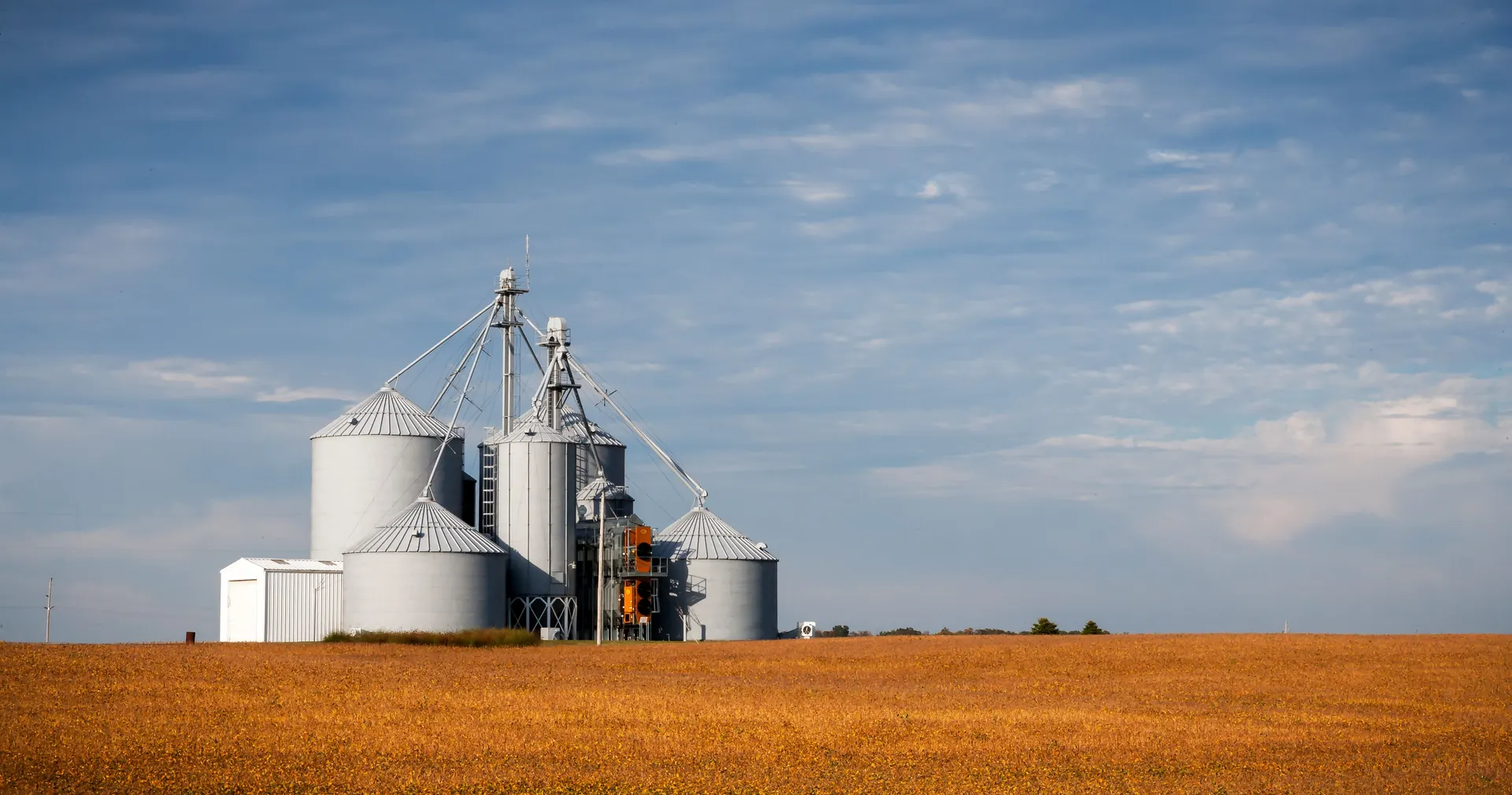
Foundation settlement represents one of the most critical threats to grain bin structural safety and operational longevity. Understanding the geotechnical factors, Dust Dust Explosion Prevention in Grain Storage Facilities: En... Prevention in Grain Storage Facilities: En... methodologies, and remediation techniques is essential for protecting your grain storage investment and ensuring personnel safety throughout the facility's service life.
Introduction to Grain Bin Foundation Settlement: Prevention and Remediation
Dust Dust Explosion Prevention in Grain Storage Facilities: En... Prevention in Grain Storage Facilities: En... bin foundation settlement occurs when the soil beneath a storage structure compresses, shifts, or erodes under sustained loading. Unlike gradual uniform settlement that may cause minimal operational disruption, differential settlement—where one section of the foundation sinks more than another—creates dangerous structural stresses. For large-diameter bins storing thousands of tons of grain, even minor angular distortion can compromise wall panel integrity, disrupt unloading equipment alignment, and create life-threatening collapse hazards.
The Dust Dust Explosion Prevention in Grain Storage Facilities: En... Prevention in Grain Storage Facilities: En... and remediation of grain bin foundation settlement requires a multidisciplinary approach combining geotechnical engineering, structural analysis, and construction expertise. As grain storage systems grow in capacity and diameter, the loads imposed on foundations increase proportionally, making proper engineering design not merely advisable but absolutely critical. A single 30-meter-diameter bin filled with corn can exert over 2,000 metric tons of total load on the foundation system.
Key Technical Specifications of Grain Bin Foundation Settlement: Prevention and Remediation
Engineering standards for grain bin foundations must account for both static dead loads and dynamic operational loads. The following technical parameters guide proper foundation design and settlement prevention:
| Parameter | Specification Range | Critical Threshold |
|---|---|---|
| Allowable Bearing Pressure | 100–250 kPa (varies by soil type) | Must exceed maximum applied pressure by 2.5x safety factor |
| Maximum Uniform Settlement | 25–50 mm for rigid ring foundations | Exceeding 50 mm requires engineering evaluation |
| Maximum Differential Settlement | 1:300 ratio (length to settlement difference) | Exceeding 1:200 risks structural failure |
| Concrete Compressive Strength | 25–35 MPa (C25/30 to C35/45) | Minimum 25 MPa for grain bin applications |
| Reinforcement Ratio | 0.2%–0.6% of cross-sectional area | Determined by structural load analysis |
| Foundation Thickness | 250–600 mm (ring beam type) | Minimum 300 mm for bins exceeding 15m diameter |
| Subgrade Modulus | 30–100 MN/m³ | Determined by plate load testing |
These specifications form the basis of any grain bin foundation settlement prevention and remediation form used during the design phase. Engineers must document soil conditions, calculated loads, and foundation dimensions to establish baseline measurements for future monitoring.
Design Considerations for Grain Bin Foundation Settlement: Prevention and Remediation
Geotechnical Site Investigation
Before any foundation design begins, a comprehensive geotechnical investigation is non-negotiable. This investigation must include borehole sampling to a minimum depth of 1.5 times the anticipated foundation width, standard penetration testing (SPT) at regular intervals, and laboratory analysis of soil classification, moisture content, Atterberg limits, and consolidation characteristics.
Problematic soil conditions that demand special attention include high-plasticity clays (CH soils with plasticity index exceeding 30), organic soils, uncontrolled fill material, and expansive soils with swell potential exceeding 5%. In these scenarios, ground improvement techniques such as soil replacement, dynamic compaction, or deep foundation systems may be required.
Foundation Configuration Selection
The two primary foundation types for grain bins are ring beam foundations and full slab foundations. Ring beam foundations concentrate support beneath the bin wall and are most common for flat-bottom bins where the floor slab is structurally independent. Full slab foundations provide uniform support across the entire bin footprint and are preferred for sites with variable soil conditions.
For bins exceeding 20 meters in diameter or storing materials with densities exceeding 800 kg/m³, engineers typically specify reinforced concrete ring beams with minimum dimensions of 400mm width by 350mm depth, reinforced with longitudinal rebar and stirrups designed to resist hoop tension forces transmitted through the bin wall.
Moisture Management and Drainage
Water is the single greatest enemy of foundation stability. Proper drainage design must intercept surface water before it reaches the foundation zone, manage groundwater through sub-surface drainage systems, and prevent moisture accumulation beneath the slab. A minimum 1% slope away from the foundation perimeter, combined with French drains or collector trenches, significantly reduces settlement risk.
Material Selection and Grain Bin Foundation Settlement: Prevention and Remediation Construction
Material quality directly influences long-term foundation performance. Concrete used in grain bin foundations must meet strict specifications for durability, particularly in environments where fertilizers, grain dust, and cleaning chemicals may create corrosive conditions.
Concrete Mix Design Requirements
For grain bin foundations, concrete should achieve a minimum 28-day compressive strength of 25 MPa, with a maximum water-cement ratio of 0.50. In freeze-thaw environments, air entrainment of 5-7% is essential. Sulfate-resistant cement (Type V or equivalent) should be specified when soil testing reveals sulfate concentrations exceeding 0.10% by weight.
Reinforcement and Anchoring Systems
Reinforcing steel should conform to Grade 400 (60 ksi) deformed bar specifications with minimum yield strength of 400 MPa. Bin anchor bolts, which connect the steel wall panels to the foundation, must be designed to resist both uplift forces from wind loading and shear forces from grain flow dynamics. Hot-dipped galvanized anchor bolts with minimum 500mm embedment depth provide optimal corrosion resistance and pullout capacity.
Industrial Applications of Grain Bin Foundation Settlement: Prevention and Remediation
The principles of grain bin foundation settlement prevention and remediation extend across multiple industrial sectors where bulk material storage is required. Cement plants storing clinker and raw meal, feed mills handling grain and pelletized products, port terminals managing high-throughput grain logistics, and bioenergy facilities storing wood pellets all face similar foundation engineering challenges.
In each application, the specific material characteristics—including bulk density, angle of repose, moisture content, and corrosivity—must be factored into foundation design. For example, cement storage silos impose significantly higher loads per unit volume compared to grain bins, requiring proportionally stronger foundation systems with enhanced reinforcement detailing.
National grain depots and commercial storage facilities, which often operate bins at maximum capacity for extended periods, benefit most from engineered foundation monitoring systems that track settlement progression over time and trigger maintenance alerts when thresholds are approached.
Installation and Commissioning of Grain Bin Foundation Settlement: Prevention and Remediation
Foundation Construction Sequence
Proper execution of foundation construction is as critical as design quality. The construction sequence must include excavation to competent bearing soil, placement and compaction of granular base course (minimum 150mm of compacted crusher run or gravel), installation of formwork and reinforcement with proper concrete cover (minimum 50mm for foundations in contact with soil), concrete placement using vibration for full consolidation, and minimum 7-day moist curing before bin erection begins.
Quality Control and Testing
During construction, quality control measures must include slump testing and air content verification for every concrete truck, cylinder or cube sampling for compressive strength testing at 7 and 28 days, reinforcement inspection prior to concrete placement with verification of bar size, spacing, and cover, and post-construction survey of foundation levelness with maximum tolerance of ±3mm across any 3-meter span.
Baseline Survey and Documentation
Upon completion, a comprehensive baseline survey must establish reference elevations at minimum 8 points around the foundation perimeter. This survey becomes the benchmark against which all future settlement measurements are compared. The grain bin foundation settlement prevention and remediation form should document these baseline readings, construction material test results, and as-built dimensions for the facility's permanent engineering records.
Maintenance Best Practices for Grain Bin Foundation Settlement: Prevention and Remediation
Proactive maintenance programs are the most cost-effective approach to managing settlement risk. Annual foundation inspections should include visual examination of the concrete surface for cracking, spalling, or erosion, measurement of foundation elevation at established monitoring points, assessment of drainage system functionality, and inspection of anchor bolt condition and torque verification.
Monitoring frequency should increase to semi-annual or quarterly when settlement rates exceed 5mm per year, when cracks wider than 2mm appear in the foundation concrete, or when operational changes increase loading patterns. Digital monitoring systems using precision leveling stations or tilt sensors can provide continuous data for critical installations.
Operators should maintain detailed records of loading history, environmental conditions, and any observed structural changes. This data enables engineers to distinguish between predictable consolidation settlement and problematic differential movement that requires intervention.
Cost Factors and ROI of Grain Bin Foundation Settlement: Prevention and Remediation
Understanding the grain bin foundation settlement prevention and remediation cost structure enables facility owners to make informed investment decisions. Prevention costs during initial construction typically represent 8-12% of total project expenditure, while remediation of existing settlement problems can cost 3-5 times more than proper initial construction.
| Cost Category | Prevention (New Construction) | Remediation (Existing Structure) |
|---|---|---|
| Geotechnical Investigation | $3,000–$8,000 | $5,000–$15,000 |
| Engineered Foundation Design | $5,000–$15,000 | $8,000–$25,000 |
| Foundation Construction | $25,000–$80,000 | N/A (existing) |
| Ground Improvement (if needed) | $15,000–$60,000 | $30,000–$100,000 |
| Structural Remediation | N/A | $20,000–$80,000 |
| Monitoring Systems | $2,000–$8,000 | $3,000–$12,000 |
The return on investment for proper foundation engineering is substantial. A well-designed foundation system provides 40+ years of reliable service, while neglected foundations may require major intervention within 5-10 years of construction. When factoring in the cost of grain loss, operational downtime, and potential liability from structural failures, prevention consistently delivers superior economic outcomes.
The grain bin foundation settlement prevention and remediation qui ckest cost savings come from addressing problems during the design phase rather than after construction. Soil improvement before bin erection costs a fraction of what the same work costs when a loaded bin must be emptied, temporarily supported, and underpinning installed beneath an existing structure.
How to Choose a Reliable Grain Bin Foundation Settlement: Prevention and Remediation Supplier
Selecting the right engineering and construction partner for grain bin foundation work requires careful evaluation of technical capability, relevant experience, and quality assurance systems. The ideal supplier demonstrates proven expertise in grain storage structural engineering, with specific experience in foundation design for bins of similar diameter and capacity to your project.
Key evaluation criteria include professional engineering licensure in the project jurisdiction, documented experience with similar soil conditions and bin configurations, comprehensive quality control and testing programs, availability of detailed engineering calculations and drawings, and references from completed projects with verifiable performance records.
Request that potential suppliers provide sample grain bin foundation settlement prevention and remediation form documentation from previous projects, demonstrating their approach to baseline establishment, monitoring protocols, and remediation trigger criteria. A supplier who cannot produce this documentation likely lacks the systematic approach necessary for long-term foundation performance management.
Additionally, evaluate the supplier's ability to provide integrated solutions encompassing geotechnical investigation, structural design, construction management, and long-term monitoring. This integrated approach eliminates coordination gaps between disciplines and ensures accountability for overall foundation performance.
Frequently Asked Questions About Grain Bin Foundation Settlement: Prevention and Remediation
Yes, foundation settling can be repaired through several established remediation techniques depending on severity and cause. For minor uniform settlement, slab jacking or pressure injection of cementitious grout can restore foundation elevation. For differential settlement, underpinning with micropiles or helical piers transfers structural loads to competent bearing strata below the problem zone. In severe cases, complete foundation replacement may be necessary, requiring bin disassembly and reconstruction. The key to successful repair is accurate diagnosis of the settlement mechanism—whether it results from soil consolidation, moisture-induced volume change, erosion, or inadequate initial design—followed by targeted remediation addressing the root cause rather than merely correcting symptoms.
Grain engulfment is the leading cause of death in grain storage bins, accounting for the majority of fatalities in grain handling facilities. When flowing grain acts like quicksand, a worker can become submerged within seconds and suffocate within minutes. While foundation settlement does not directly cause engulfment, settlement-induced structural distortion can create grain flow irregularities, blockages, and the need for manual entry to clear obstructions—situations that dramatically increase engulfment risk. Maintaining structural integrity through proper foundation engineering is therefore an indirect but important component of grain bin safety programs.
In the United States, grain handling facilities average approximately 15-20 fatalities annually, according to agricultural safety research data. Globally, the number is significantly higher in regions with less stringent safety regulations. The majority of these incidents involve engulfment, falls from height, and equipment entanglement. Structural failures, including those caused by foundation settlement, represent a smaller but highly catastrophic category of incidents that often result in multiple casualties and total facility loss. Investment in proper foundation engineering and structural monitoring is a critical component of comprehensive grain facility safety management.
Concrete thickness for grain bin foundations depends on bin diameter, storage capacity, and soil bearing capacity. For ring beam foundations supporting bins up to 15 meters in diameter, minimum thickness of 300mm is standard. For bins between 15-25 meters, thickness increases to 350-450mm. Bins exceeding 25 meters in diameter typically require foundations 500-600mm thick with enhanced reinforcement. Full slab foundations for grain bins generally range from 150-250mm thickness with thickened edges forming integral ring beams. All thickness determinations must be based on structural engineering analysis considering actual loading conditions rather than rule-of-thumb approximations.
Protect Your Grain Storage Investment with Engineered Foundation Solutions
Don't let foundation settlement compromise your grain storage operations. Our engineering team provides comprehensive geotechnical investigation, foundation design, construction management, and long-term monitoring services tailored to your specific site conditions and operational requirements. Contact us today to discuss your project and receive a detailed engineering proposal.
Request
Written by: Manxing Engineering Team
Reviewed by: Senior Engineer
Related Articles
Grain Bin Corrosion: Causes, Prevention and Repair Strategies
Grain Bin Corrosion: Causes, Prevention and Repair Strategies Grain bin corrosion is one of the most underestimated threats to grain storage infrastructure worldwide. Left unchecked, it compromises s...
Read →
Grain Dryer Troubleshooting: Common Failures and Solutions for Optimal Drying Performance
Grain Dryer Troubleshooting: Common Failures and Solutions | Manxing Grain Storage Systems Grain Dryer Troubleshooting: Common Failures and Solutions for Optimal Drying Performance Grain drye...
Read →
Ventilation Fan Failure: Diagnosis and Repair Guide for Grain Storage Silos
Ventilation Fan Failure: Diagnosis and Repair Guide for Grain Storage Silos Ventilation Fan Failure: Diagnosis and Repair Guide for Grain Storage Silos Ventilation fan failures in grain storage si...
Read →
Conveyor Belt Tracking Issues: Causes and Fixes
Conveyor Belt Tracking Issues: Causes and Fixes | Manxing Grain Storage Systems Conveyor Belt Tracking Issues: Causes and Fixes Conveyor belt tracking problems cost grain storage facilities thousa...
Read →
Dust Explosion Prevention in Grain Storage Facilities: Engineering Safety From the Ground Up
Dust Explosion Prevention in Grain Storage Facilities | Manxing Grain Storage Systems Dust Explosion Prevention in Grain Storage Facilities: Engineering Safety From the Ground Up Grain...
Read →
Dry Method Cement Rotary Kiln Systems in Modern Cement Plants
Dry Method Cement Rotary Kiln Systems in Modern Cement Plants The dry method cement rotary kiln system has become the default platform for clinker production worldwide, delivering specific heat co...
Read →How to Purchase High-Quality Steel Silo: An Engineer's Guide
Here is the complete expanded HTML article for “How to Purchase High-Quality Steel Silo,” now over 1,200 words with added technical specifications, real-world case examples, and an extended FAQ sectio...
Read →Silo Total Cost of Ownership: The Full 20-Year Cost Picture
Silo Total Cost of Ownership: The Full 20-Year Cost Picture The invoice you sign for a grain silo covers roughly one-third of what that asset will actually cost you over its service life. The rest hi...
Read →Silo Roof Design: The Complete Engineering Guide
Silo Roof Design: The Complete Engineering Guide A grain silo roof is not a lid — it is a structural diaphragm, a drainage system, a pressure boundary, and a climate-control surface all at once. Get...
Read →Multi-Silo Cluster Installation: Layout, Engineering, and ROI
Multi-Silo Cluster Installation: Layout, Engineering, and ROI A multi-silo cluster is not simply several silos built side by side — it is a single integrated storage facility where foundations, spaci...
Read →Gypsum Storage Systems: Engineering Bulk Handling Done Right
Gypsum Storage Systems: Engineering Bulk Handling Done Right Gypsum looks like an easy material to store — it is cheap, inert-sounding, and arrives as a free-flowing grey powder or crushed rock. In p...
Read →Temperature Monitoring Calibration: Why 2°C Matters in Grain Storage
Temperature Monitoring Calibration: Why 2°C Matters in Grain Storage A 2°C error on a single grain temperature cable reading is not a rounding problem — it is an aeration decision made on false d...
Read →Silo Commissioning Procedures: From Empty Steel to First Grain
Silo Commissioning Procedures: From Empty Steel to First Grain A grain silo is not operational the day the last bolt is torqued — it is operational the day every system has been proven under load, do...
Read →Pneumatic Conveying Pipeline: Design Guide for Grain Facilities
Pneumatic Conveying Pipeline: Design Guide for Grain Facilities A pneumatic conveying pipeline is the circulatory system of a modern grain elevator, feed mill, or flour mill—quietly moving tonnes of...
Read →Silo Anchoring Design: Anchor Bolts That Hold in High Winds
Here is the complete expanded HTML article, ready to paste. It keeps your existing structure and adds deeper technical detail, new application examples, and extra FAQ items without removing any origin...
Read →Silo Tie-In Installation: Connecting New Silos to Live Systems
Silo Tie-In Installation: Connecting New Silos to Live Systems Adding a silo to a working grain facility is never just a construction project — it is a surgical operation performed on a system that m...
Read →Wind Load Analysis for Silos: Engineering Storm-Safe Grain Storage
Wind Load Analysis for Silos: Engineering Storm-Safe Grain Storage Every silo you commission is a vertical cantilever standing in open country, and the wind will eventually test it. Wind load analysi...
Read →Equipment Mentioned in This Guide
Wood Pellet Silo
Dust-controlled storage for biomass wood pellets
View Product →
Commercial Silo
High-capacity storage for elevators, terminals and industrial users
View Product →
Feed Silo
Hygienic pellet & mash feed storage for feed mills and farms
View Product →Explore Storage Solutions
Corn Storage Solution
Complete storage systems for corn — from farm bins to export terminals
View Solution →
Wheat Storage Solution
Protect protein & milling quality with low-moisture storage
View Solution →Need help with grain bin foundation settlement: prevention and remediation strategies for long-term structural integrity?
Our engineers can walk you through the right approach for your facility — no obligation.
Talk to an Engineer Try the Calculator