
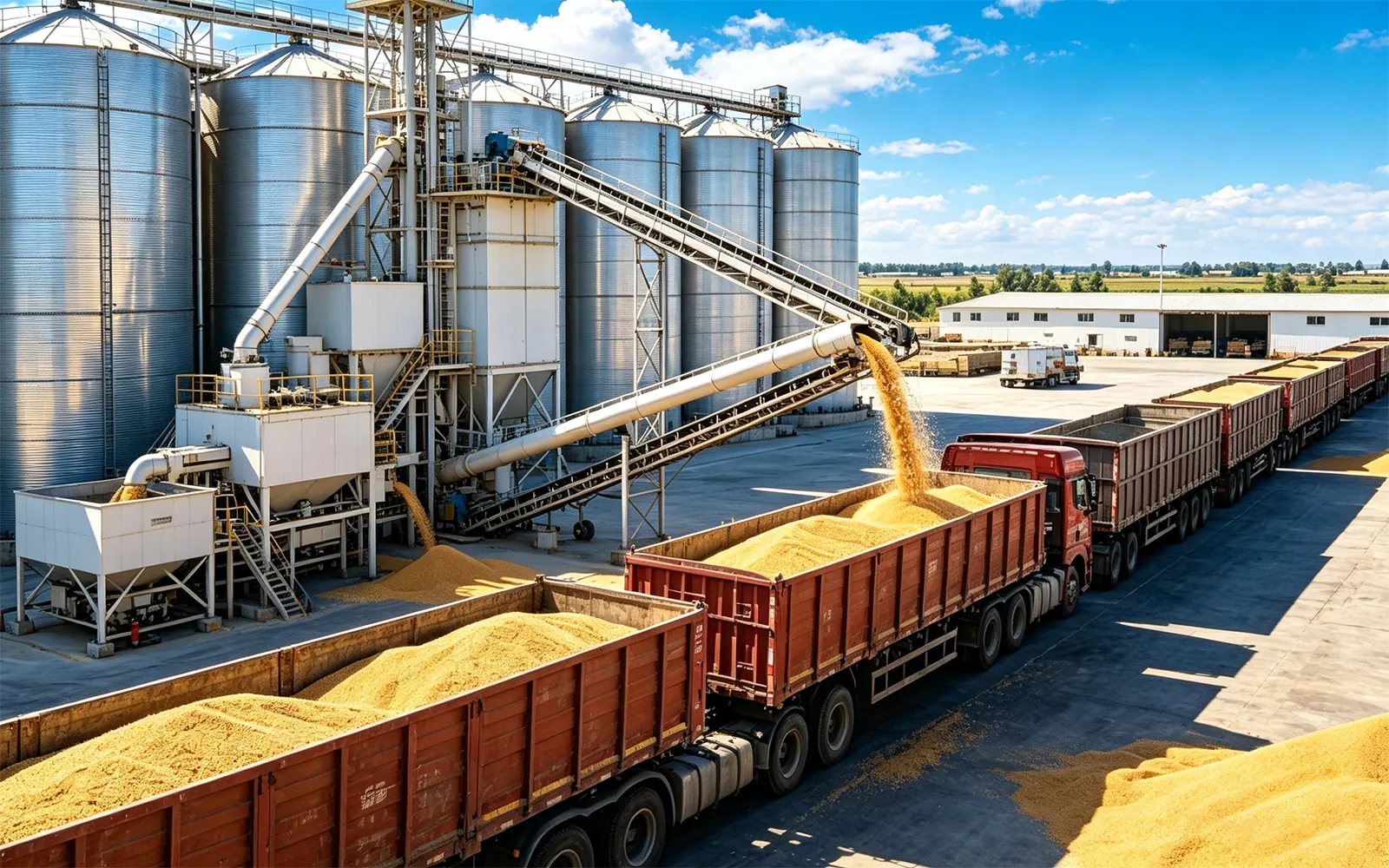
Storing canola and rapeseed presents unique engineering challenges that demand specialized silo systems, precision aeration, and rigorous temperature management. With oil content exceeding 40%, these high-value seeds require storage infrastructure fundamentally different from conventional Grain Bin Foundation Settlement: Dust Dust Explosion Prevention in Grain Storage Facilities: En... Prevention in Grain Storage Facilities: En... and Remediati... silos. This comprehensive guide examines the critical design parameters, material specifications, and operational protocols that preserve seed quality and protect your investment.
1. Why Canola and Rapeseed Demand Specialized High-Oil Storage
Understanding the fundamental biological and chemical properties of canola and rapeseed is the first step in designing appropriate Dust Dust Explosion Prevention in Grain Storage Facilities: En... Prevention in Grain Storage Facilities: En... infrastructure. While many people ask is rapeseed and canola the same, the distinction matters for storage planning. Canola is a specific cultivar of rapeseed bred to contain less than 2% erucic acid and low glucosinolates, but both share the same high-oil characteristics that complicate long-term storage.
The oil content in these seeds creates several Dust Dust Explosion Prevention in Grain Storage Facilities: En... Prevention in Grain Storage Facilities: En... challenges:
- High respiration rates: Oilseeds metabolize oxygen faster than cereal grains, generating heat and moisture internally.
- Oxidative rancidity: Unsaturated fatty acids react with oxygen, producing off-flavors and reducing oil quality.
- Low bulk density: At approximately 600–650 kg/m³, canola requires different structural load calculations than wheat or corn.
- Small seed size: Seeds measuring 1.5–2.5mm create dense, cohesive masses that resist airflow and promote bridging.
These properties mean that storing canola in silos designed for wheat or corn will inevitably result in quality degradation, bridging, and potential spoilage. The question of is rapeseed oil healthy or why is rapeseed oil bad for you often stems from improper storage conditions that cause oxidation and degradation of the oil before it even reaches processing. Proper storage infrastructure is the foundation of oil quality preservation.
2. Critical Aeration and Temperature Control for Oilseed Preservation
Aeration is the single most critical factor in successful canola storage. Unlike cereal grains that tolerate wider temperature fluctuations, canola requires continuous, precisely controlled airflow to manage both temperature and moisture migration.
Aeration System Design Parameters
For canola storage, engineers recommend specific airflow rates that exceed those used for cereal grains:
| Parameter | Canola/Rapeseed Requirement | Cereal Grain (Wheat) Comparison |
|---|---|---|
| Minimum airflow rate | 0.5–1.0 L/s/m³ | 0.1–0.2 L/s/m³ |
| Target storage temperature | Below 15°C | Below 25°C |
| Maximum safe moisture | 8% (short-term), 7% (long-term) | 12–14% |
| Aeration fan runtime | Continuous during first 4 weeks | Intermittent |
The aeration system must be designed with sufficient fan capacity to deliver uniform airflow through the dense seed mass. Uneven aeration creates hot spots where respiration accelerates, generating localized heating that can cascade into widespread spoilage. Manxing silo systems incorporate perforated floor aeration or duct-based distribution networks engineered specifically for oilseed applications.
Temperature Monitoring and Alarm Systems
Installing thermocable temperature monitoring systems is non-negotiable for canola storage. These systems use sensors spaced at 1–2 meter intervals vertically through the seed mass to detect temperature rises before they become visible. A temperature increase of more than 2°C within 24 hours signals active respiration and requires immediate intervention through increased aeration or silo discharge.
3. Silo Design Strategies to Prevent Bridging and Spoilage
Canola's small seed size and high oil content create severe flow problems that standard silo designs cannot address. Bridging occurs when seeds interlock and form a stable arch above the discharge opening, preventing material flow. Rat-holing occurs when material flows only in the center, leaving stagnant seeds along the walls where spoilage develops.
Hopper Geometry and Wall Surface Treatments
To ensure mass flow discharge, canola silos require steep hopper angles of 60–70 degrees from horizontal, compared to 45–55 degrees for cereal grains. The hopper outlet must be sized to prevent arching, with minimum openings of 200mm for canola versus 150mm for wheat.
Wall surface treatments significantly impact flow characteristics. Electropolished stainless steel or specialized epoxy coatings reduce wall friction coefficients to below 0.3, promoting consistent material flow. Manxing engineers calculate the required wall finish based on the specific flow properties of the stored canola variety and expected storage duration.
Anti-Bridging and Flow-Promotion Devices
For larger silos exceeding 100-ton capacity, mechanical agitators or fluidization systems may be necessary. These devices disrupt seed-to-seed bonding and ensure complete discharge. Vibratory bin activators mounted on the hopper section provide controlled vibration that breaks bridges without compacting the seed mass.
4. Corrosion-Resistant Materials and Construction for Rapeseed Silos
The fatty acids released during canola storage create a mildly corrosive environment that accelerates degradation of standard galvanized steel. Over time, moisture condensation on silo walls combines with volatile organic compounds from the seeds to form acidic solutions that penetrate protective coatings.
Material Specifications and Coating Systems
For canola storage, engineers recommend the following material specifications:
- Hot-dip galvanized steel: Minimum zinc coating of 275 g/m² (Z275) for structural components, providing 20+ year corrosion resistance.
- Stainless steel contact surfaces: 304 or 316 grade stainless steel for hopper sections, aeration ducts, and discharge mechanisms where corrosion risk is highest.
- Epoxy coating systems: Food-grade epoxy coatings applied to interior walls, providing chemical resistance against fatty acid exposure.
- Aluminum alloys: For smaller silos or temporary storage, marine-grade aluminum provides excellent corrosion resistance at lower cost.
Manxing silo systems utilize hot-dip galvanized steel plates with high zinc content, ensuring structural integrity and long-term corrosion resistance even in aggressive oilseed environments. All fasteners, bolts, and connection hardware must be stainless steel to prevent galvanic corrosion at contact points.
5. Managing Spontaneous Heating and Fire Risks in High-Oil Seeds
Canola and rapeseed present elevated fire risks that operators must understand and mitigate. The combination of high oil content, respiration heat, and dust generation creates conditions where spontaneous combustion can occur under specific circumstances.
Fire Prevention and Suppression Protocols
Key fire prevention measures include:
- Dust control: Canola dust is combustible at concentrations above 50 g/m³. All transfer points must include dust collection systems with Dust Explosion Prevention in Grain Storage Facilities: En... venting.
- Temperature limits: If internal temperatures exceed 35°C, the fire risk increases exponentially. Automated alarm systems must trigger at 30°C to allow preventive action.
- CO monitoring: Carbon monoxide detection in the silo headspace provides early warning of smoldering before visible smoke appears.
- Spark detection: Material handling equipment must include spark detection and extinguishment systems, particularly at grinding and transfer points.
The question of does rapeseed oil cause inflammation or rapeseed oil side effects often relates to oxidation products formed during improper storage. When seeds overheat, the oil undergoes thermal degradation, producing polar compounds and free fatty acids that compromise oil quality and safety. Preventing spontaneous heating is therefore both a safety and quality imperative.
6. Integrating Drying Systems with Canola Storage Infrastructure
Harvested canola frequently arrives at the silo with moisture content between 10–14%, well above the safe storage threshold of 8%. Effective drying is essential before storage, and the drying system must be integrated with the silo infrastructure from the design phase.
Drying Temperature Limits and Seed Quality
Canola is extremely heat-sensitive. Drying air temperatures must not exceed 60°C (140°F) to prevent damage to the seed coat and oil-bearing tissues. Higher temperatures cause:
- Cracking of the seed coat, increasing susceptibility to fungal invasion
- Denaturation of proteins, reducing meal quality
- Increase in oil acidity, reducing oil grade
Continuous-flow dryers with automatic temperature control and moisture monitoring are preferred for canola applications. The dryer must be positioned upstream of the silo with appropriate conveying equipment that minimizes seed damage.
Energy Efficiency Considerations
Drying canola consumes significant energy, typically 3,000–4,000 kJ per kilogram of water removed. Heat recovery systems that capture waste heat from the dryer exhaust can reduce energy consumption by 20–30%. Manxing integrated drying and storage systems incorporate heat recovery modules that pre-heat incoming air using exhaust energy.
7. Efficient Material Handling and Discharge Solutions for Oilseeds
Canola's small seed size and low bulk density require specialized handling equipment that minimizes seed damage while maintaining throughput capacity. Cracked seeds spoil faster and produce more dust, compounding storage and safety challenges.
Conveyor Selection and Design
Belt conveyors are preferred over augers for canola handling because they operate at lower speeds with less mechanical impact. When augers are necessary, they must operate at reduced RPM with full-flighting to minimize seed breakage. Bucket elevators require specially designed buckets with gentle discharge characteristics.
The comparison of is rapeseed oil better than sunflower oil or rapeseed oil vs olive oil often overlooks the fact that oil quality begins at the storage stage. Seeds that are cracked or damaged during handling oxidize faster, producing lower-grade oil regardless of the original seed quality.
Discharge Systems and Throughput
For canola silos, discharge systems must handle the material's low bulk density while preventing segregation and dust generation. Mass flow discharge bins with live-bottom systems provide consistent flow rates and complete emptying. Screw conveyors with variable speed drives allow operators to match discharge speed to downstream processing capacity.
8. Maintenance Best Practices to Preserve Seed Quality and Oil Integrity
Regular maintenance of canola storage systems is essential to prevent quality degradation and equipment failure. The following maintenance schedule has proven effective in commercial operations:
Daily and Weekly Maintenance Tasks
- Daily: Check temperature monitoring systems, verify fan operation, inspect for condensation on silo walls.
- Weekly: Sample seed from multiple depths to check moisture and temperature, inspect aeration ducts for blockage, verify dust collection system operation.
- Monthly: Calibrate temperature sensors, inspect hopper walls for corrosion or coating damage, test emergency discharge systems.
- Annually: Complete silo inspection including structural integrity, coating condition, and fan performance testing.
Residual canola in the silo between batches creates a contamination risk and can harbor insects or mold that infects new deliveries. Complete silo cleaning between different seed lots is recommended, using vacuum systems that remove all residual material without damaging protective coatings.
9. Cost Factors and ROI of High-Oil Seed Storage Systems
Canola storage systems require higher initial investment than conventional grain silos, but the return on investment is substantial when quality preservation is factored into the equation.
Capital Cost Breakdown
Typical cost factors for a 500-ton canola storage silo include:
- Silo structure: 40–45% of total cost, including specialized hopper design and corrosion-resistant materials
- Aeration system: 15–20% of total cost, including fans, ducts, and controls
- Temperature monitoring: 5–8% of total cost, including sensors and alarm systems
- Drying equipment: 20–25% of total cost, including heat recovery systems
- Material handling: 10–15% of total cost, including conveyors and elevators
Quality Premium and ROI Calculation
Canola that maintains oil content above 40% and acid value below 2 mg KOH/g commands significant price premiums. Storage losses of 2–3% are common in improperly designed systems, representing thousands of dollars in lost revenue per silo per year. A properly engineered canola storage system typically achieves payback within 2–3 harvest seasons through reduced losses and quality premiums.
Written by: Manxing Engineering Team
Reviewed by: Senior Engineer
Related Articles
Complete Corn Storage Guide: From Harvest to Long-Term Storage
Complete Corn Storage Guide: From Harvest to Long-Term Storage Ensuring the long-term viability of harvested corn requires a precise intersection of agricultural timing, structural engineering, and e...
Read →
Wheat Storage Best Practices: Moisture, Temperature and Quality
Wheat Storage Best Practices: Moisture, Temperature and Quality | Manxing Grain Storage Systems Wheat Storage Best Practices: Moisture, Temperature and Quality Proper wheat storage is the cor...
Read →
The Ultimate Guide to Soybean Storage: Preventing Cracking and Oil Degradation
Soybean Storage Guide: Preventing Cracking and Oil Degradation The Ultimate Guide to Soybean Storage: Preventing Cracking and Oil Degradation Soybean quality preservation demands...
Read →
Rice Paddy Storage: Maintaining Quality in Tropical Climates
Rice Paddy Storage: Maintaining Quality in Tropical Climates Rice Paddy Storage: Maintaining Quality in Tropical Climates Tropical rice production regions face uniquely aggressive storage cha...
Read →
Sunflower Seed Storage: Preventing Heating and Mold
Sunflower Seed Storage: Preventing Heating and Mold | Manxing Grain Storage Systems Sunflower Seed Storage: Preventing Heating and Mold Sunflower seeds present unique challenges in bul...
Read →
How to Measure Your Cement Mill and Cement Classifier
Here is the complete expanded HTML article, ready to use. It preserves the original H1 and meta information while adding technical specifications, measurement procedures, two real-world examples, a de...
Read →Equipment Mentioned in This Guide
Wood Pellet Silo
Dust-controlled storage for biomass wood pellets
View Product →
Commercial Silo
High-capacity storage for elevators, terminals and industrial users
View Product →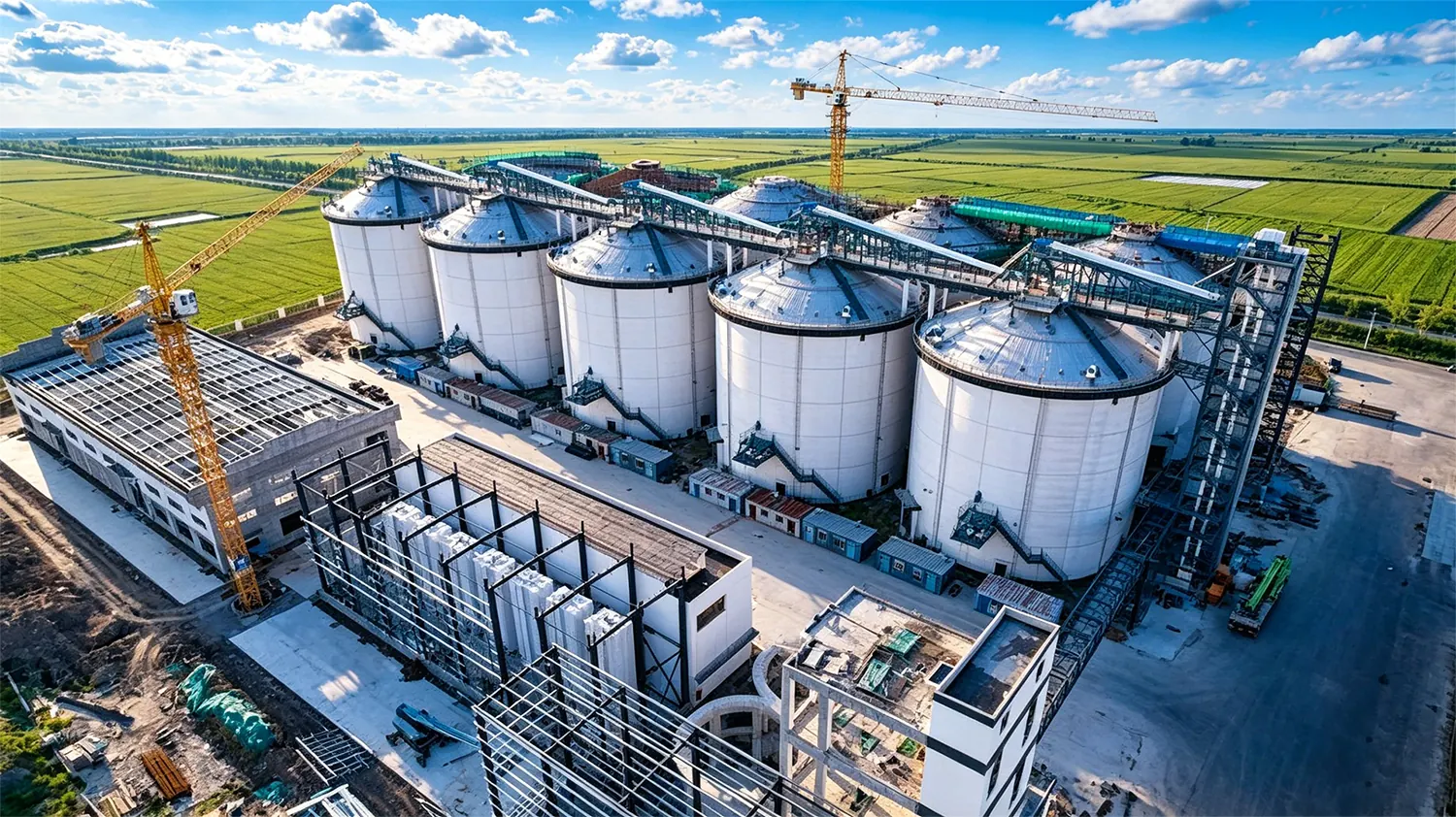
Feed Silo
Hygienic pellet & mash feed storage for feed mills and farms
View Product →Explore Storage Solutions
Corn Storage Solution
Complete storage systems for corn — from farm bins to export terminals
View Solution →
Wheat Storage Solution
Protect protein & milling quality with low-moisture storage
View Solution →Need help with canola and rapeseed storage: handling high oil content?
Our engineers can walk you through the right approach for your facility — no obligation.
Talk to an Engineer Try the Calculator