
Tropical rice production regions face uniquely aggressive Dust Dust Explosion Prevention in Grain Storage Facilities: En... Prevention in Grain Storage Facilities: En... challenges where high ambient temperatures, relentless humidity, and rapid moisture migration can degrade paddy quality within days of harvest. This comprehensive engineering guide examines the critical systems and material specifications required to protect rice paddy integrity from field to milling, ensuring that every rice crop retains its full commercial value.

The Unique Challenges of Rice Paddy Storage in Tropical Climates
Tropical and subtropical rice-growing regions—spanning Southeast Asia, Sub-Saharan Africa, South Asia, and parts of Central America—present a convergence of environmental stressors that make paddy Dust Dust Explosion Prevention in Grain Storage Facilities: En... Prevention in Grain Storage Facilities: En... fundamentally more demanding than in temperate zones. The rice crop in these regions is typically harvested at moisture contents between 20% and 28%, well above the safe storage threshold of 12–14%. When ambient temperatures consistently exceed 30°C and relative humidity hovers above 80%, the window for safe drying and stabilization narrows dramatically.
The biological activity within a paddy storage mass intensifies exponentially with temperature. Respiration rates of paddy grains double approximately for every 10°C increase in temperature, generating additional heat and moisture within the silo. This self-reinforcing cycle—often referred to as the "heat-moisture spiral"—can create localized hot spots exceeding 40°C deep within the Dust Dust Explosion Prevention in Grain Storage Facilities: En... Prevention in Grain Storage Facilities: En... mass, even when ambient conditions appear manageable.
Beyond temperature and humidity, tropical storage environments accelerate insect proliferation. Primary storage pests such as the rice weevil (Sitophilus oryzae) and the lesser grain borer (Rhyzopertha dominica) complete their reproductive cycles in as little as 25 days under optimal tropical conditions. A single unmated female rice weevil can lay 300–400 eggs during her lifetime, meaning that without proactive pest management protocols, an infestation can reach economically damaging levels within a single storage cycle.
Fungal contamination represents perhaps the most insidious threat. Aspergillus, Penicillium, and Fusarium species thrive in tropical paddy storage environments, producing mycotoxins—including aflatoxin and ochratoxin—that render entire batches unsuitable for human consumption. Regulatory limits for aflatoxin in rice intended for cooked rice production are strictly enforced in most import markets, making contamination a direct threat to export eligibility and rice price realization.

Understanding Moisture Migration: The Hidden Threat to Paddy Quality
Moisture migration is the single most underestimated phenomenon in tropical paddy storage. Unlike uniform moisture distribution, migration creates concentrated zones of elevated moisture content that become epicenters for biological deterioration. Understanding the physics of this process is essential for designing effective storage systems.
Convection Currents Within the Grain Mass
In a tall silo storing paddy in a tropical environment, a natural convection loop establishes itself. The grain near the silo wall absorbs heat from solar radiation during daytime hours, warming the adjacent paddy and reducing its density. This warmer, lighter grain and air mixture rises along the silo wall. At the surface, the air cools through contact with the headspace atmosphere, increases in density, and descends through the cooler central grain mass. This continuous circulation pattern transports moisture from the warm perimeter to the cooler core, gradually accumulating moisture at the silo center—often reaching levels 3–5% above the original storage moisture content.
The RICE method of moisture management—standing for Reduce, Inspect, Circulate, and Evaluate—provides a practical framework that storage operators can implement systematically. This approach emphasizes proactive intervention rather than reactive response, aligning with modern grain storage best practices endorsed by agricultural engineering institutions worldwide.
Equilibrium Moisture Content in Tropical Conditions
Paddy grain is hygroscopic, continuously exchanging moisture with the surrounding air until equilibrium is reached. At 35°C and 85% relative humidity—conditions common in tropical storage environments—the equilibrium moisture content of paddy approaches 15–16%, which is dangerously close to the threshold for fungal growth. This means that even paddy dried to a safe 13% moisture content can reabsorb moisture from the atmosphere if stored without adequate sealed or conditioned storage.
The relationship between temperature, relative humidity, and equilibrium moisture content is described by sorption isotherms specific to each grain variety. Declan Rice, a prominent agricultural researcher in post-harvest systems, has contributed significantly to modeling these relationships for tropical paddy varieties, demonstrating that varietal differences in husk permeability can shift safe storage thresholds by as much as 1.5 percentage points.
Advanced Aeration and Temperature Control Systems for Tropical Silos
Aeration is the backbone of quality preservation in tropical paddy storage. Unlike simple ventilation, aeration delivers controlled volumes of ambient or conditioned air through the grain mass at specific rates and intervals, managing both temperature and moisture profiles within the silo.
Aeration System Design Parameters
Proper aeration system design begins with airflow rate calculation. For paddy storage in tropical climates, the minimum recommended aeration rate is 1.0–2.0 cubic feet per minute per bushel (CFM/bu), equivalent to approximately 12–24 cubic meters per hour per cubic meter of grain. Higher rates of up to 4.0 CFM/bu may be required during the initial cooling phase immediately after loading warm paddy into the silo.
The duct configuration must ensure uniform air distribution across the entire grain cross-section. Full-floor aeration systems with perforated or channel-type ducts provide the most uniform airflow, reducing the risk of dead zones where moisture can accumulate. Duct spacing should not exceed the grain depth to ensure that air travels no more than half the distance between ducts in any direction.
| Parameter | Minimum Specification | Optimal Specification |
|---|---|---|
| Airflow Rate | 1.0 CFM/bu | 2.0–4.0 CFM/bu |
| Duct Spacing | Equal to grain depth | Half of grain depth |
| Fan Static Pressure | 3–5 inches WC | 5–8 inches WC |
| Temperature Monitoring | Manual readings weekly | Continuous cable sensors |
| Cooling Target | Within 10°C of ambient | Below 20°C |
Automated Temperature Monitoring and Control
Modern tropical paddy storage facilities employ thermocouple or digital temperature cable systems suspended vertically within the grain mass at regular intervals. These cables, typically spaced 2–3 meters apart, provide real-time temperature data at multiple depths, enabling operators to detect the earliest signs of thermal anomalies.
Advanced systems integrate temperature data with automated fan controllers that activate aeration when grain temperatures exceed preset thresholds. Some facilities employ ambient air conditioning or desiccant dehumidification to precondition aeration air, though this approach requires careful cost-benefit analysis given the energy demands in tropical environments.
Research in rice medical science—specifically the study of mycotoxin exposure pathways in agricultural communities—has reinforced the importance of maintaining grain temperatures below 20°C, as this threshold significantly suppresses both insect reproductive rates and fungal metabolic activity. The health implications of mycotoxin contamination in stored rice extend far beyond economic loss, affecting communities that depend on rice as a dietary staple.
Integrated Paddy Drying and Storage: Bridging the Post-Harvest Gap
The interval between harvest and safe storage is the most critical period for paddy quality preservation. In tropical climates, paddy may remain at dangerous moisture levels for hours or even days before drying capacity becomes available. Integrated drying and storage systems address this gap by combining rapid initial drying with long-term conditioned storage in a single engineered solution.
Continuous-Flow Dryers for Tropical Applications
Continuous-flow column dryers are the workhorse of tropical paddy processing, capable of reducing moisture content from 25% to 13–14% in a single pass. These dryers operate on the principle of forced hot air passing through a moving column of paddy, with typical drying air temperatures of 50–65°C for paddy intended for seed or premium-grade cooked rice production.
The critical engineering parameter is the drying rate itself. Exceeding 1.0–1.5 percentage points of moisture removal per hour can induce stress cracking in the grain kernel, reducing head rice yield during milling. Multi-pass drying systems address this by splitting the total moisture removal across two or three stages with tempering intervals between passes, allowing moisture to equilibrate within the kernel before additional drying.
Tempering and Cooling Stages
Immediately after drying, paddy enters a tempering hold section where grain rests without airflow for 4–8 hours. This period allows moisture gradients within individual kernels to equalize, preparing the grain for safe transfer to the cooling stage. The cooling stage then reduces grain temperature to within 5°C of ambient using ambient air aeration, preventing condensation upon storage.

Material Selection: Corrosion-Resistant Silos for Tropical Paddy Storage
The combination of high humidity, warm temperatures, and the mildly acidic nature of paddy husk creates an aggressive corrosion environment for storage structures. Material selection directly impacts silo longevity, maintenance costs, and grain safety.
High-Galvanized-Coating Steel Silos
Hot-dip galvanized steel silos remain the industry standard for tropical paddy storage, offering an optimal balance of structural strength, corrosion resistance, and cost-effectiveness. The zinc coating provides both barrier protection and sacrificial cathodic protection to the underlying steel. For tropical applications, a minimum galvanized coating weight of 275 g/m² (Z275) is recommended, with coastal or high-humidity installations benefiting from coatings of 350 g/m² or higher.
Spiral steel silos, manufactured using the Lipp double-seam construction method, offer particular advantages for tropical paddy storage. The continuous spiral forming process creates a structurally uniform cylinder without welded joints—the most common initiation points for corrosion. The double-seam interlock provides a hermetic seal that supports both aeration pressure integrity and fumigation containment.
Bolted Steel Silos for Flexible Deployment
Bolted steel silos offer advantages for operations requiring modular capacity expansion or relocation. Each panel is individually galvanized and coated, with factory-applied gaskets ensuring airtight seams between panels. For tropical paddy storage, bolted silos should specify EPDM or silicone gaskets rated for continuous exposure to temperatures above 40°C and UV radiation.
The bolted design also facilitates the integration of internal temperature cable systems, aeration ducting, and level sensors during initial assembly, reducing installation time and ensuring proper system calibration from day one.
Comprehensive Pest Management in Tropical Paddy Storage
Effective pest management in tropical storage environments requires a multi-barrier approach combining physical, biological, and chemical control methods. The goal is Dust Explosion Prevention in Grain Storage Facilities: En... rather than eradication, as established infestations are significantly more difficult and costly to eliminate.
Hermetic Storage and Controlled Atmospheres
Sealed silo systems that maintain oxygen levels below 5% through natural biological respiration (grain and insect respiration) or nitrogen injection provide highly effective insect control without chemical residues. This approach is particularly valuable for organic rice production and for markets with strict maximum residue limits on phosphine and other fumigants.
Phosphine Fumigation Protocols
Where chemical fumigation is necessary, phosphine remains the primary tool for tropical paddy storage. Effective fumigation requires gas-tight silo construction, adequate concentration maintenance (minimum 200 ppm for 7 days at temperatures above 20°C), and proper sealing verification. Temperature monitoring during fumigation is essential, as phosphine efficacy decreases significantly at lower temperatures.
Economic Considerations and Return on Investment
The capital investment in engineered tropical paddy storage systems must be evaluated against the measurable losses prevented. Post-harvest losses in tropical rice systems without proper storage infrastructure routinely reach 15–25% of total production. Reducing these losses to 3–5% through integrated drying, aeration, and quality-monitored storage represents a direct improvement in revenue that typically delivers full return on investment within 2–4 harvest cycles.
For a rice player operating at commercial scale, the ability to store paddy under quality-controlled conditions also provides strategic market timing advantages. Rather than selling immediately after harvest when market prices are typically at seasonal lows, operators with proper storage can time sales to capture price premiums, directly improving the effective rice price realized per metric ton.
Engineer Your Tropical Paddy Storage Solution
Every rice crop deserves storage infrastructure that matches the scale of your investment. Our engineering team specializes in designing integrated paddy drying, aeration, and storage systems optimized for tropical climate conditions. From initial capacity analysis through commissioning and operator training, we deliver turnkey solutions backed by decades of grain storage expertise.
Contact our engineering team today to discuss your tropical paddy storage requirements and receive a customized system proposal.
Frequently Asked Questions
The RICE method—Rest, Ice, Compression, and Elevation—is a well-established first-aid protocol for acute soft tissue injuries such as sprains and strains. It is important to
Written by: Manxing Engineering Team
Reviewed by: Senior Engineer
Related Articles

Complete Corn Storage Guide: From Harvest to Long-Term Storage
Complete Corn Storage Guide: From Harvest to Long-Term Storage Ensuring the long-term viability of harvested corn requires a precise intersection of agricultural timing, structural engineering, and e...
Read →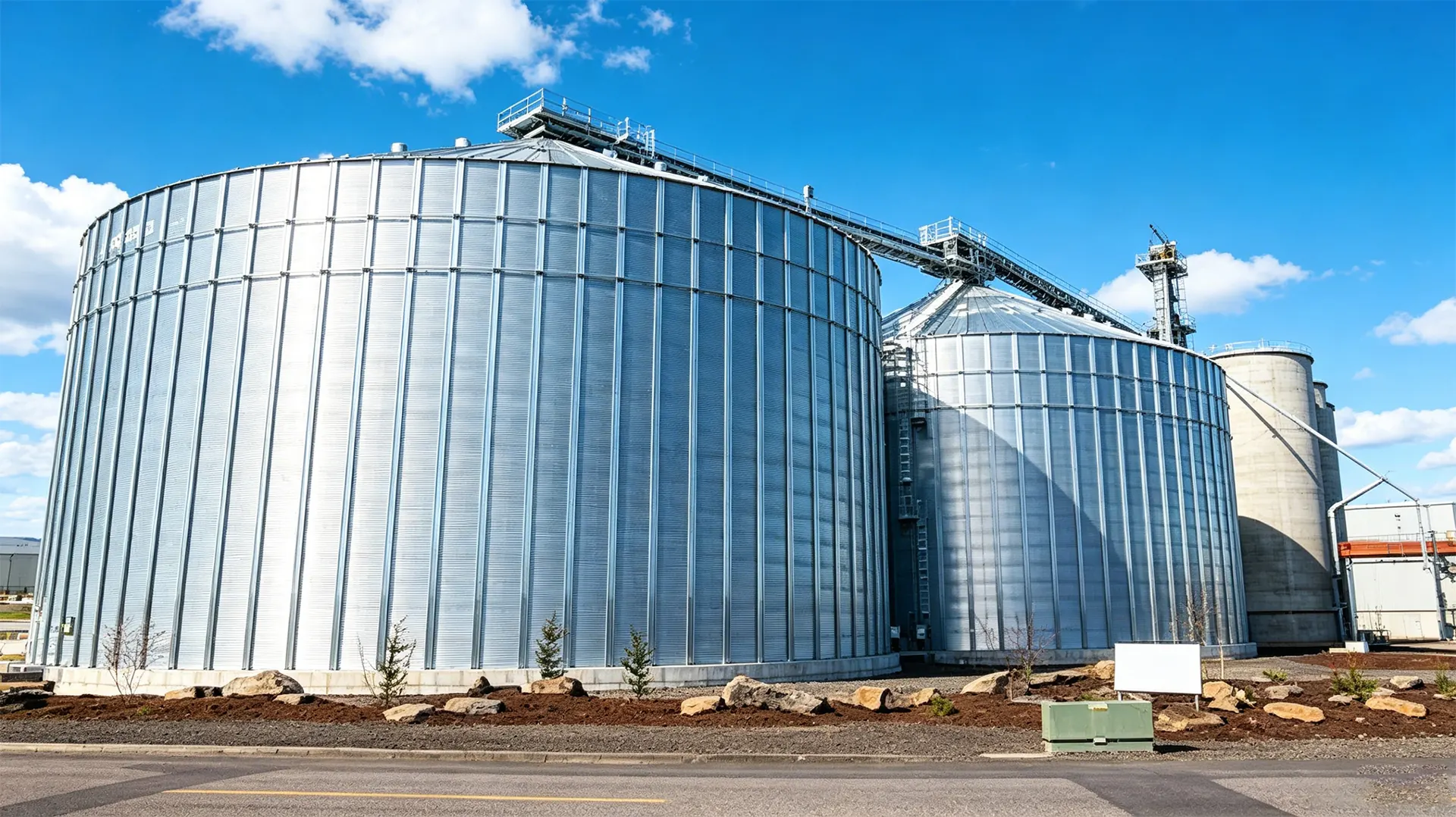
Wheat Storage Best Practices: Moisture, Temperature and Quality
Wheat Storage Best Practices: Moisture, Temperature and Quality | Manxing Grain Storage Systems Wheat Storage Best Practices: Moisture, Temperature and Quality Proper wheat storage is the cor...
Read →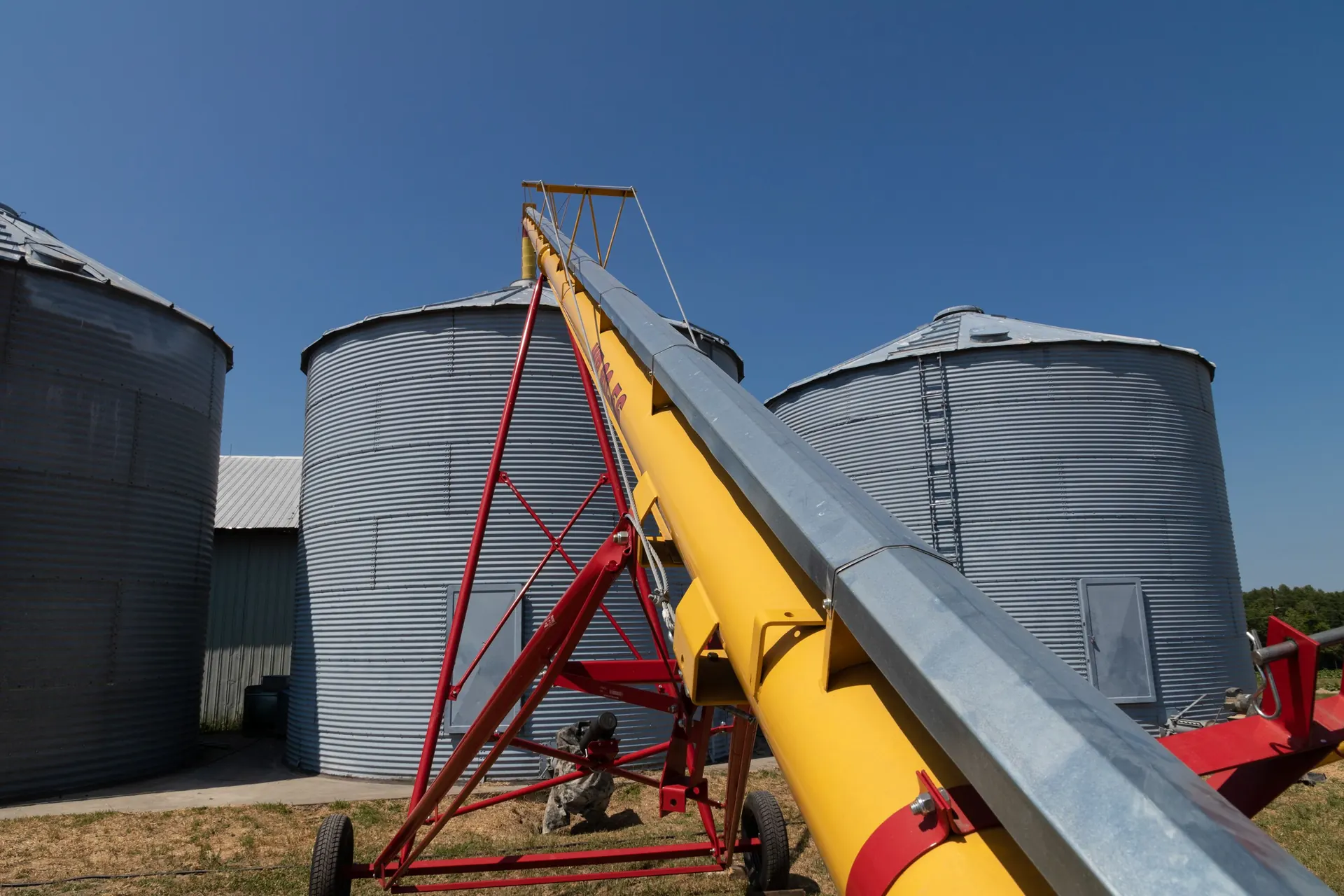
The Ultimate Guide to Soybean Storage: Preventing Cracking and Oil Degradation
Soybean Storage Guide: Preventing Cracking and Oil Degradation The Ultimate Guide to Soybean Storage: Preventing Cracking and Oil Degradation Soybean quality preservation demands...
Read →
Canola and Rapeseed Storage: Handling High Oil Content
Canola and Rapeseed Storage: Handling High Oil Content | Manxing Grain Storage Systems Canola and Rapeseed Storage: Handling High Oil Content Storing canola and rapeseed presents unique eng...
Read →
Sunflower Seed Storage: Preventing Heating and Mold
Sunflower Seed Storage: Preventing Heating and Mold | Manxing Grain Storage Systems Sunflower Seed Storage: Preventing Heating and Mold Sunflower seeds present unique challenges in bul...
Read →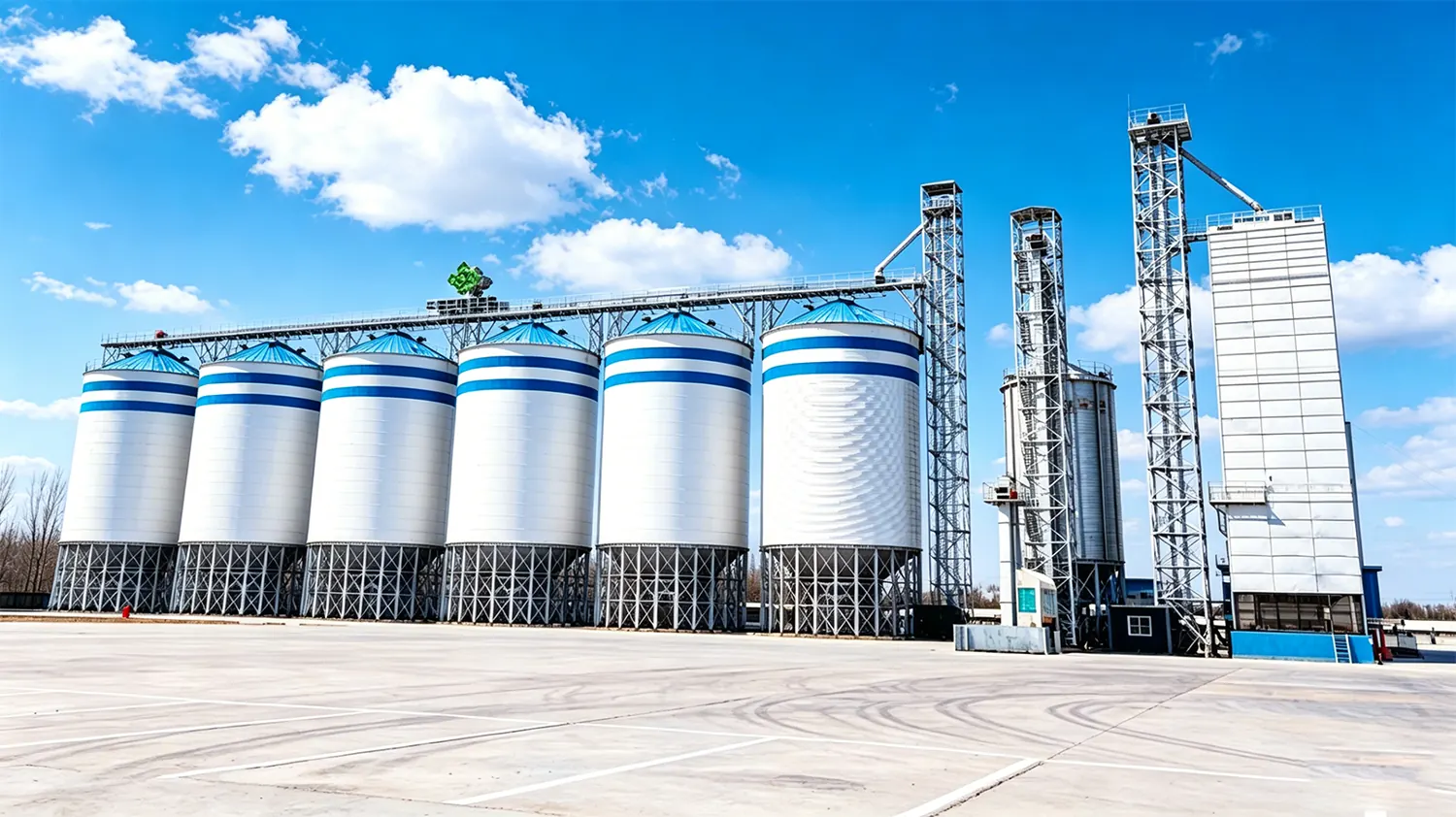
How to Measure Your Cement Mill and Cement Classifier
Here is the complete expanded HTML article, ready to use. It preserves the original H1 and meta information while adding technical specifications, measurement procedures, two real-world examples, a de...
Read →Equipment Mentioned in This Guide
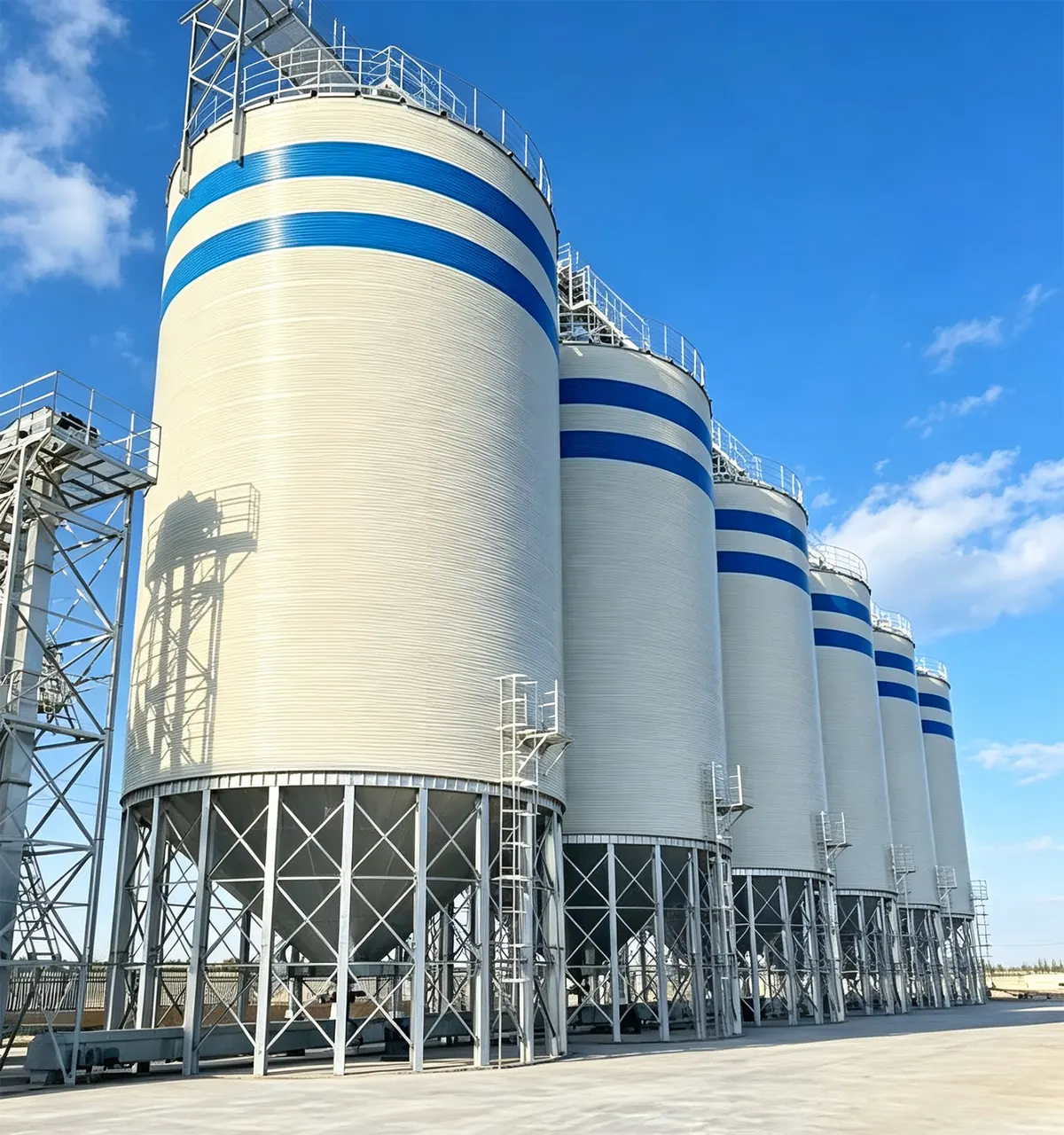
Wood Pellet Silo
Dust-controlled storage for biomass wood pellets
View Product →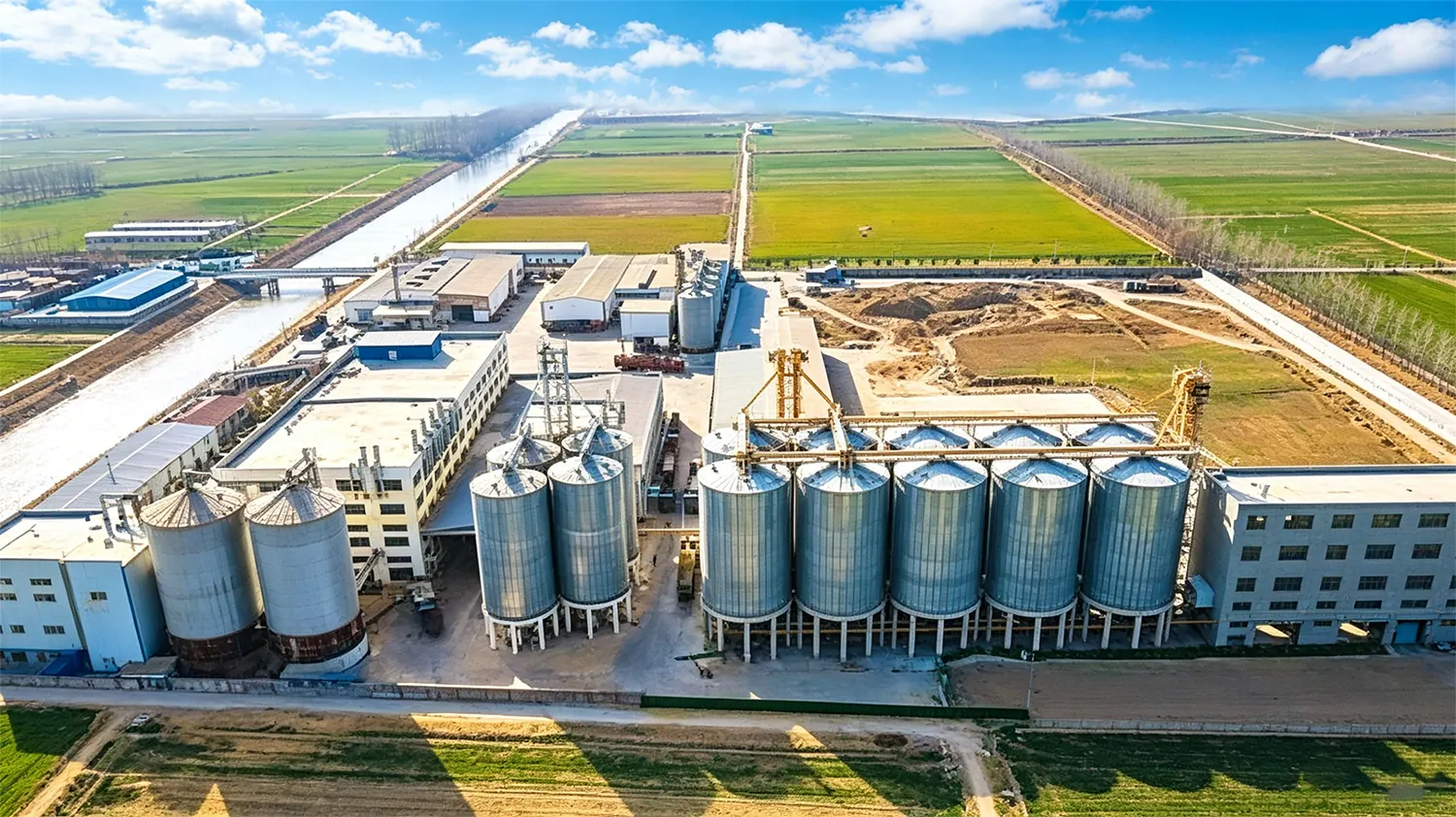
Commercial Silo
High-capacity storage for elevators, terminals and industrial users
View Product →
Feed Silo
Hygienic pellet & mash feed storage for feed mills and farms
View Product →Explore Storage Solutions
Corn Storage Solution
Complete storage systems for corn — from farm bins to export terminals
View Solution →
Wheat Storage Solution
Protect protein & milling quality with low-moisture storage
View Solution →Need help with rice paddy storage: maintaining quality in tropical climates?
Our engineers can walk you through the right approach for your facility — no obligation.
Talk to an Engineer Try the CalculatorOn This Page
- The Unique Challenges of Rice Paddy Storage in Tropical Climates
- Understanding Moisture Migration: The Hidden Threat to Paddy Quality
- Advanced Aeration and Temperature Control Systems for Tropical Silos
- Integrated Paddy Drying and Storage: Bridging the Post-Harvest Gap
- Material Selection: Corrosion-Resistant Silos for Tropical Paddy Storage
- Comprehensive Pest Management in Tropical Paddy Storage
- Economic Considerations and Return on Investment
- Engineer Your Tropical Paddy Storage Solution
- Frequently Asked Questions