
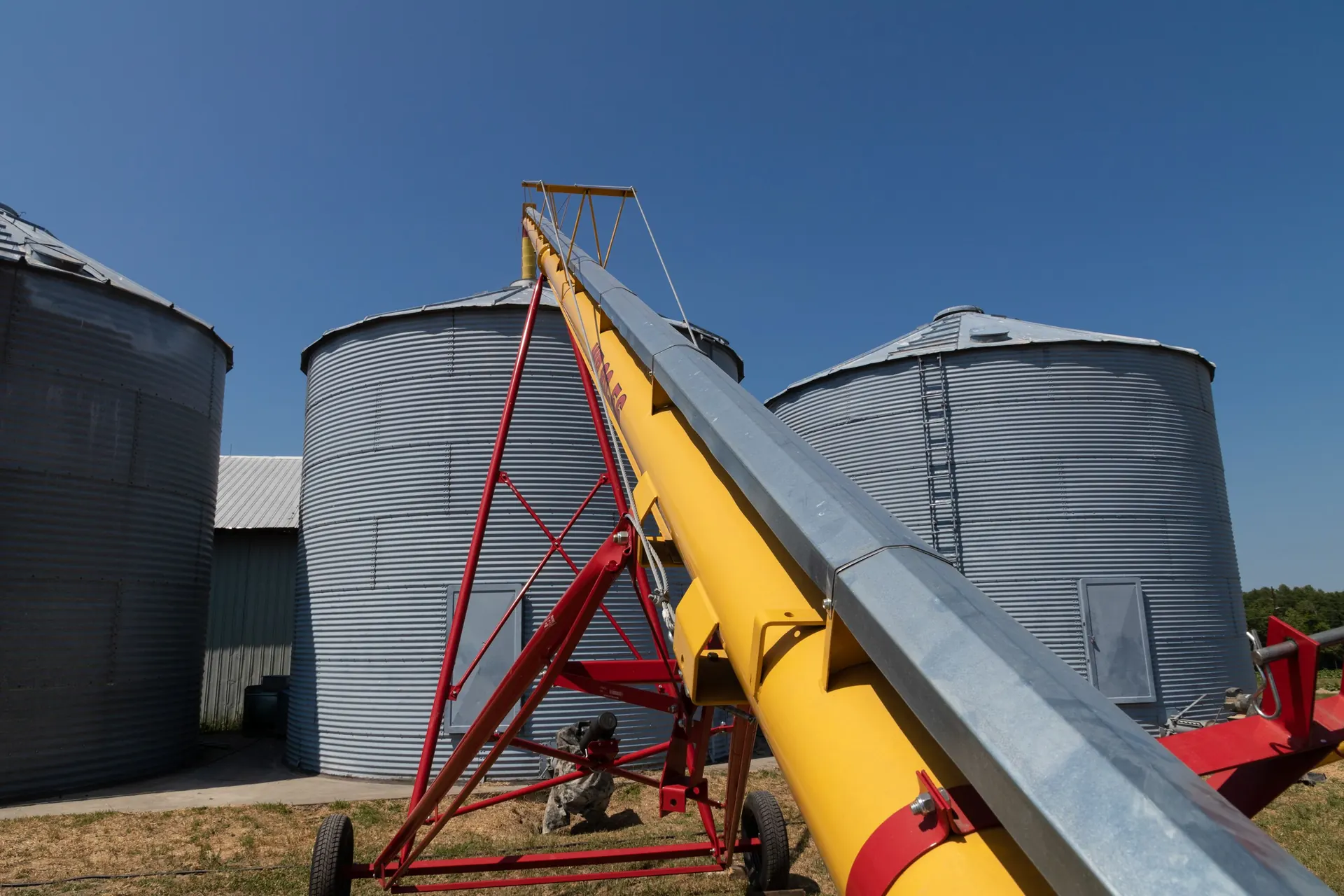
Dust Dust Explosion Prevention in Grain Storage Facilities: En... Prevention in Grain Bin Foundation Settlement: Prevention and Remediati... Storage Facilities: En... respiration is a biological process that continues long after harvest, silently degrading nutritional value, generating heat and moisture, and creating conditions favorable to mold and pest infestation. Understanding the science behind Grain Bin Foundation Settlement: Prevention and Remediati... respiration is the first step toward designing storage systems that preserve grain quality from harvest through delivery.
Understanding Grain Respiration: The Hidden Threat to Storage Quality
Dust Dust Explosion Prevention in Grain Storage Facilities: En... Prevention in Grain Storage Facilities: En... respiration is the metabolic process by which stored grains consume oxygen and break down stored carbohydrates to produce energy, carbon dioxide, water, and heat. Even after harvest, grain kernels remain living organisms. As long as moisture and temperature conditions permit, enzymatic activity within the kernel continues, driving the fundamental respiration equation:
C₆H₁₂O₆ + 6O₂ → 6CO₂ + 6H₂O + Energy (heat)
At low levels, respiration is a natural and relatively harmless process. However, when moisture content and storage temperatures rise, respiration rates increase exponentially. This accelerated metabolism depletes the grain's nutritional reserves, generates additional moisture and heat within the grain mass, and creates a self-reinforcing cycle that rapidly escalates into spoilage.
From an engineering perspective, the critical threshold occurs when grain moisture exceeds 13–14% (depending on grain type) and temperatures rise above 15°C (59°F). At these conditions, field fungi and storage fungi begin colonizing the grain mass, dramatically increasing respiration rates and producing mycotoxins that render grain unfit for human or animal consumption.

How Grain Respiration Compromises Stored Grain Quality and Safety
The consequences of uncontrolled grain respiration extend far beyond simple weight loss. For grain storage operators and procurement managers, understanding these cascading effects is essential for making informed decisions about storage infrastructure investments.
Nutritional and Economic Value Loss
Respiration directly consumes the starches, sugars, and oils that give grain its nutritional and commercial value. Research demonstrates that for every 1% reduction in dry matter caused by respiration, feed grain loses approximately 1% of its metabolizable energy content. For food-grade grains, respiration-induced quality degradation can trigger price discounts or outright rejection at the point of sale.
Heat and Moisture Cascading Effects
The heat and water vapor produced by respiration do not remain localized. Within a grain mass, temperature differentials drive convection currents that migrate moisture from warm zones to cooler areas. This moisture migration creates localized pockets of high humidity where mold growth accelerates, further increasing respiration rates in a dangerous positive feedback loop.
Mycotoxin Formation and Food Safety Risks
Elevated respiration temperatures (25–40°C) create ideal conditions for Aspergillus and Penicillium species to produce aflatoxins and ochratoxin A. These mycotoxins are heat-stable and cannot be removed through processing. Grain contaminated above regulatory thresholds (typically 4–20 ppb for aflatoxin depending on the market) must be destroyed, representing a total loss of inventory value.
Key Environmental Factors Driving Post-Harvest Grain Respiration
Effective grain respiration management requires precise understanding of the environmental variables that govern metabolic activity within stored grain. Three primary factors determine respiration rates: moisture content, temperature, and grain condition at the time of storage.
Moisture Content: The Primary Driver
Grain moisture content is the single most influential factor controlling respiration rate. Each grain species has a safe storage moisture threshold below which respiration remains negligible:
| Grain Type | Safe Storage Moisture (%) | Maximum Storage Duration | Critical Respiration Threshold (%) |
|---|---|---|---|
| Corn (Maize) | 13.0 | 12 months | 14.5 |
| Wheat | 12.5 | 12 months | 14.0 |
| Rice (Paddy) | 13.5 | 8 months | 15.0 |
| Soybeans | 12.0 | 10 months | 13.5 |
| Barley | 12.5 | 12 months | 14.0 |
| Sorghum | 13.0 | 12 months | 14.5 |
Temperature and Its Compounding Effect
Temperature influences respiration rate through its effect on enzymatic activity and microbial growth. For most grain types, respiration rates approximately double for every 10°C increase in temperature within the 10–30°C range. This relationship makes temperature control through aeration one of the most cost-effective respiration management strategies available.
Harvest Condition and Mechanical Damage
Mechanically damaged kernels, broken grains, and foreign material concentrations create zones of elevated respiration. Cracked kernels expose endosperm to microbial invasion, while fine material concentrations restrict airflow channels, creating hotspots where respiration accelerates unchecked. Pre-storage cleaning to remove broken kernels and foreign material is an essential engineering control for managing respiration risk.

Engineering Aeration Design to Halt Grain Respiration and Preserve Quality
Aeration is the engineered delivery of controlled airflow through a grain mass to maintain uniform temperature and moisture conditions that suppress respiration. A properly designed aeration system represents the most fundamental engineering control for managing grain respiration in storage silos.
Airflow Rate Requirements
Minimum aeration airflow rates vary based on grain type, storage duration, and climate. For respiration suppression in temperate climates, engineers typically design for airflow rates of 0.1–0.2 CFM per bushel for cereal grains. In tropical or subtropical climates, or for high-moisture grain storage, rates of 0.2–0.5 CFM per bushel are recommended to provide adequate respiratory heat removal.
Duct Design and Airflow Distribution
Uniform airflow distribution is critical for preventing respiration hotspots. Full-floor aeration systems provide the most uniform airflow distribution, with perforated floors allowing air to enter the grain mass evenly across the entire cross-section. For retrofit applications, radial duct systems and half-round floor ducts offer effective alternatives when properly engineered for the specific silo diameter and grain depth.
Fan Selection and Energy Efficiency
Aeration fan selection must balance adequate static pressure capability with energy efficiency. Centrifugal fans with backward-curved blades offer the best combination of pressure capability and energy efficiency for grain aeration applications. Variable frequency drives (VFDs) on aeration fans allow operators to modulate airflow based on real-time grain conditions, reducing energy consumption by 30–50% compared to fixed-speed operation.
Smart Sensor Technology: Real-Time Monitoring of Grain Respiration
Modern grain storage engineering has moved beyond manual monitoring to continuous, automated sensing systems that detect the early signs of elevated respiration before visible quality degradation occurs.
Temperature Cable Monitoring Systems
Temperature sensing cables suspended within the grain mass at regular vertical intervals provide continuous temperature monitoring with resolution of ±0.5°C. These cables detect the heat generated by respiration activity days or weeks before surface inspection would reveal any problem. Modern systems feature cables spaced every 1.5–2 meters vertically, providing a three-dimensional temperature map of the grain mass.
Carbon Dioxide Monitoring
CO₂ concentration monitoring provides a direct measurement of cumulative respiration activity. Baseline CO₂ levels in properly stored grain remain near atmospheric concentrations (~400 ppm). Elevated CO₂ levels (above 600–800 ppm) indicate increasing respiration activity, often triggered by localized moisture migration or insect activity before temperature changes become detectable.
Wireless IoT Integration and Automated Alerts
Contemporary grain storage systems integrate sensor data through wireless IoT platforms that provide real-time dashboards accessible from any connected device. Automated alert systems notify operators when temperature or CO₂ thresholds are exceeded, enabling rapid intervention before respiration cascades into quality loss. These systems also generate historical data logs essential for quality traceability and insurance documentation.
Pre-Storage Drying and Material Handling for Respiration Mitigation
The most effective respiration management strategy begins before grain ever enters the silo. Proper drying and handling practices establish the foundation for safe, long-term storage.
Drying System Selection and Operation
Grain drying reduces moisture content to levels that suppress both grain respiration and microbial activity. Continuous-flow column dryers and mixed-flow dryers are the most common systems for commercial operations, offering throughput capacities from 100 to over 10,000 bushels per hour. Key engineering parameters include drying air temperature (limited to 63°C for seed grain and 82°C for feed grain to prevent kernel damage), retention time, and cooling section efficiency.
Material Handling Best Practices
Every mechanical transfer point in the handling system represents an opportunity for kernel damage that increases respiration susceptibility. Bucket elevators should be properly sized and adjusted to minimize impact damage. Belt conveyors cause less mechanical damage than screw conveyors at equivalent capacities. Drop heights should be minimized through the use of grain spreaders or cascade chutes, and all handling equipment should be regularly inspected for worn components that increase kernel breakage.
Pre-Storage Cleaning and Grading
Removing broken kernels, fines, and foreign material before storage is one of the most cost-effective respiration management strategies. Grain cleaning systems using aspiration and screening can reduce fine material content from 5–8% to below 2%, dramatically improving airflow uniformity and reducing the concentrated respiration zones that initiate spoilage.

Best Practices for Long-Term Grain Storage Quality Maintenance
Long-term grain storage (exceeding 6 months) requires a systematic approach that integrates multiple engineering controls into a comprehensive management protocol.
Silo Preparation and Sanitation
Before loading new grain, storage silos must be thoroughly inspected and cleaned. Residual grain from previous storage harbors insect populations and mold spores that will infest new grain immediately upon loading. All interior surfaces should be inspected for corrosion, seal damage, or structural defects that could allow moisture ingress. Aeration floors and ducts must be verified clear of obstructions.
Grain Loading Protocols
Proper loading procedures prevent the segregation of fine materials that creates uneven airflow resistance. Grain spreaders should be used to distribute kernels and fines uniformly across the silo cross-section. Loading should occur only when ambient conditions minimize moisture condensation risk, and grain temperature at loading should be recorded as the baseline for subsequent monitoring.
Aeration Management Schedule
Aeration should be initiated within 24 hours of loading to remove field heat and equilibrate grain temperature throughout the mass. During the initial cooling phase, fans should run continuously until grain temperatures are uniform. Thereafter, aeration should be managed based on seasonal temperature patterns: cooling grain to below 15°C for winter storage and maintaining temperatures below 20°C during spring and summer months.
Regular Inspection and Quality Testing
Even with automated monitoring systems, regular physical inspection remains essential. Monthly grain samples should be drawn from multiple depths and locations for moisture content analysis, temperature verification, and mold spore counting. CO₂ trending data should be reviewed weekly to identify developing hotspots before they become critical.
Calculating the ROI of Advanced Grain Respiration Management Systems
Investing in engineered respiration management systems delivers measurable financial returns through quality preservation, reduced shrinkage, and market timing advantages.
Loss Prevention Value
For a commercial storage facility holding 500,000 bushels of corn valued at $5.50 per bushel, even a 2% respiration-related quality loss represents $55,000 in degraded value. Comprehensive aeration and monitoring systems that reduce losses to below 0.5% preserve $41,250 annually compared to basic storage infrastructure.
Energy Cost Optimization
Smart aeration management using VFD-controlled fans and automated scheduling based on real-time grain conditions reduces aeration energy costs by 30–50% compared to continuous fixed-speed operation. For a typical commercial facility with 50 HP of aeration fan capacity, annual energy savings range from $3,000 to $8,000 depending on local electricity rates and climate conditions.
Market Timing Advantage
Grain stored in facilities with engineered respiration management systems maintains quality specifications longer, enabling operators to capture seasonal price premiums. Quality preservation of even $0.10–$0.20 per bushel across a full storage season generates returns that typically exceed total system operating costs within the first year.
Selecting the Right Grain Storage Equipment for Respiration Control
Equipment selection for effective respiration management requires matching system capabilities to specific operational requirements, grain types, and climate conditions.
Silo Construction and Insulation
Galvanized steel silos with proper insulation systems provide the most effective barrier against external temperature fluctuations that drive respiration. Spiral-folded steel silo construction offers superior airtightness compared to traditional bolted designs, reducing the infiltration of warm, moist air that triggers respiration spikes. Insulation values of R-11 to R-25 are recommended for climates with significant seasonal temperature variation.
Aeration System Sizing
Aeration system capacity must be engineered for the specific silo diameter, grain type, and maximum grain depth. Undersized aeration systems cannot deliver sufficient airflow to suppress respiration during peak summer temperatures. Engineering calculations should account for static pressure requirements that increase with grain depth, with typical values ranging from 2 inches of water column for shallow wheat storage to over 12 inches for deep corn storage.
Integrated Control Systems
Modern grain storage facilities benefit from integrated control platforms that coordinate aeration fans, temperature monitoring, and environmental sensors through a single interface. These systems enable automated aeration scheduling based on real-time grain conditions and ambient weather data, optimizing both respiration suppression and energy efficiency without requiring constant manual operator attention.
Frequently Asked Questions About Grain Respiration and Storage Quality
Grain storage quality is affected by five primary factors: moisture content, temperature, grain condition at harvest, storage structure integrity, and pest pressure. Moisture content and temperature are the most critical because they directly control the rate of grain respiration and microbial growth. Grain with mechanical damage,
Written by: Manxing Engineering Team
Reviewed by: Senior Engineer
Related Articles

Moisture Content & Safe Storage: The Definitive Engineering Guide
Moisture Content & Safe Storage: Expert Guide for Grain Systems Moisture Content & Safe Storage: The Definitive Engineering Guide Moisture content is the single most critical factor determin...
Read →
Grain Spoilage Prevention: Engineering Solutions for Long-Term Storage Safety
Grain Spoilage Prevention: Complete Technical Guide for Safe Storage Grain Spoilage Prevention: Engineering Solutions for Long-Term Storage Safety Grain spoilage prevention is the corn...
Read →
Aeration Principles: Grain Storage Airflow Engineering Guide
Aeration Principles: Grain Storage Airflow Engineering Guide Proper aeration is the single most critical factor in preserving grain quality during long-term storage. Understanding the engineering pri...
Read →
Insect & Pest Management: Protecting Grain Integrity in Modern Silo Systems
Comprehensive Insect & Pest Management for Grain Storage Silos Insect & Pest Management: Protecting Grain Integrity in Modern Silo Systems Grain storage losses due to insect infestat...
Read →
Mycotoxin Prevention in Stored Grain: An Engineering Systems Approach
Mycotoxin Prevention in Stored Grain: An Engineering Systems Approach Mycotoxin contamination poses one of the most insidious threats to global grain supplies, rendering vast quantities of harvests u...
Read →
Different Types of Silos Used in Cement, Mining & Agriculture
Different Types of Silos Used in Cement, Mining & Agriculture A silo is never just a steel cylinder — it is a pressure vessel, a flow channel, and a structural system all at once. Choose the...
Read →Equipment Mentioned in This Guide
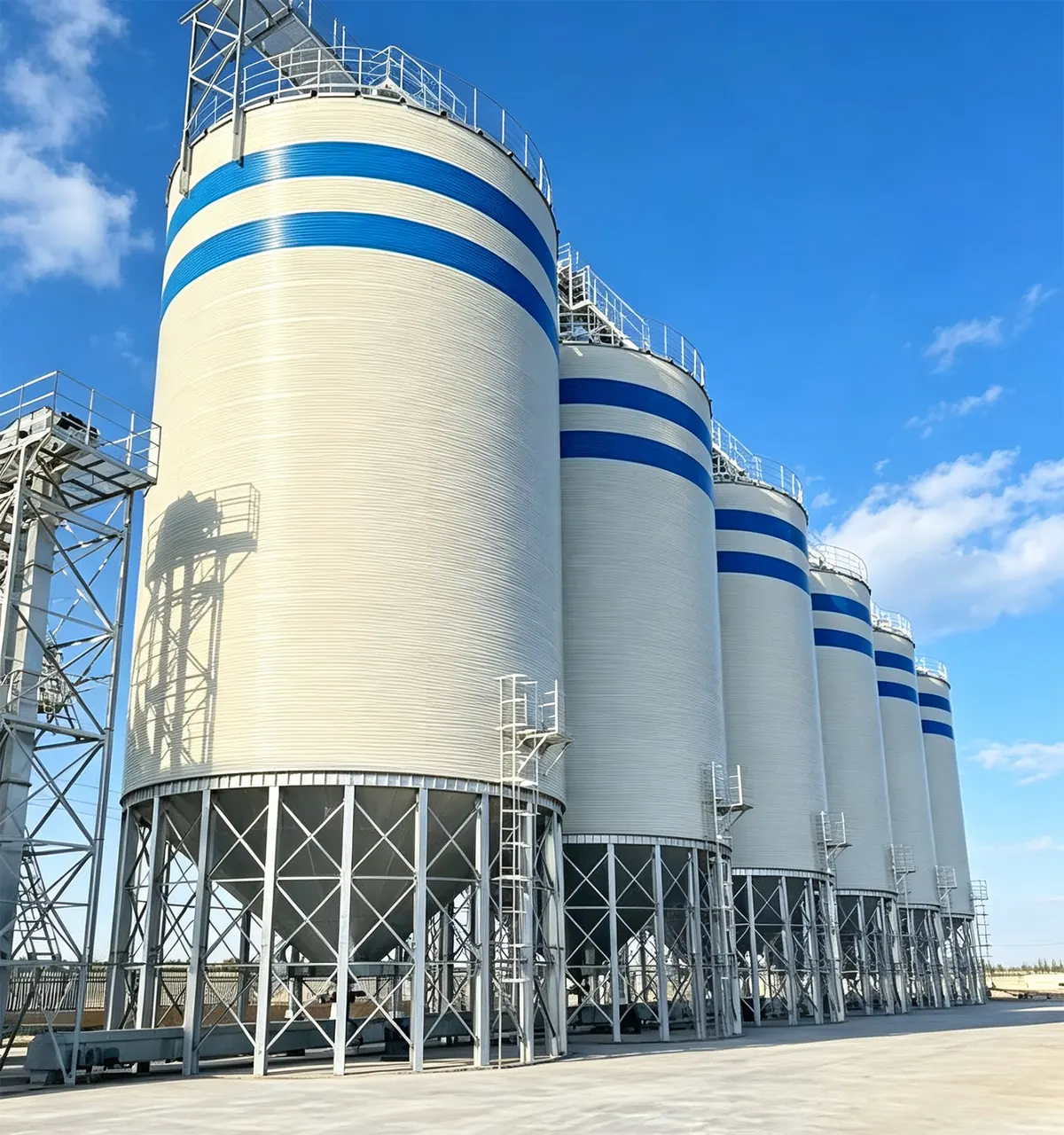
Wood Pellet Silo
Dust-controlled storage for biomass wood pellets
View Product →
Commercial Silo
High-capacity storage for elevators, terminals and industrial users
View Product →
Feed Silo
Hygienic pellet & mash feed storage for feed mills and farms
View Product →Explore Storage Solutions
Corn Storage Solution
Complete storage systems for corn — from farm bins to export terminals
View Solution →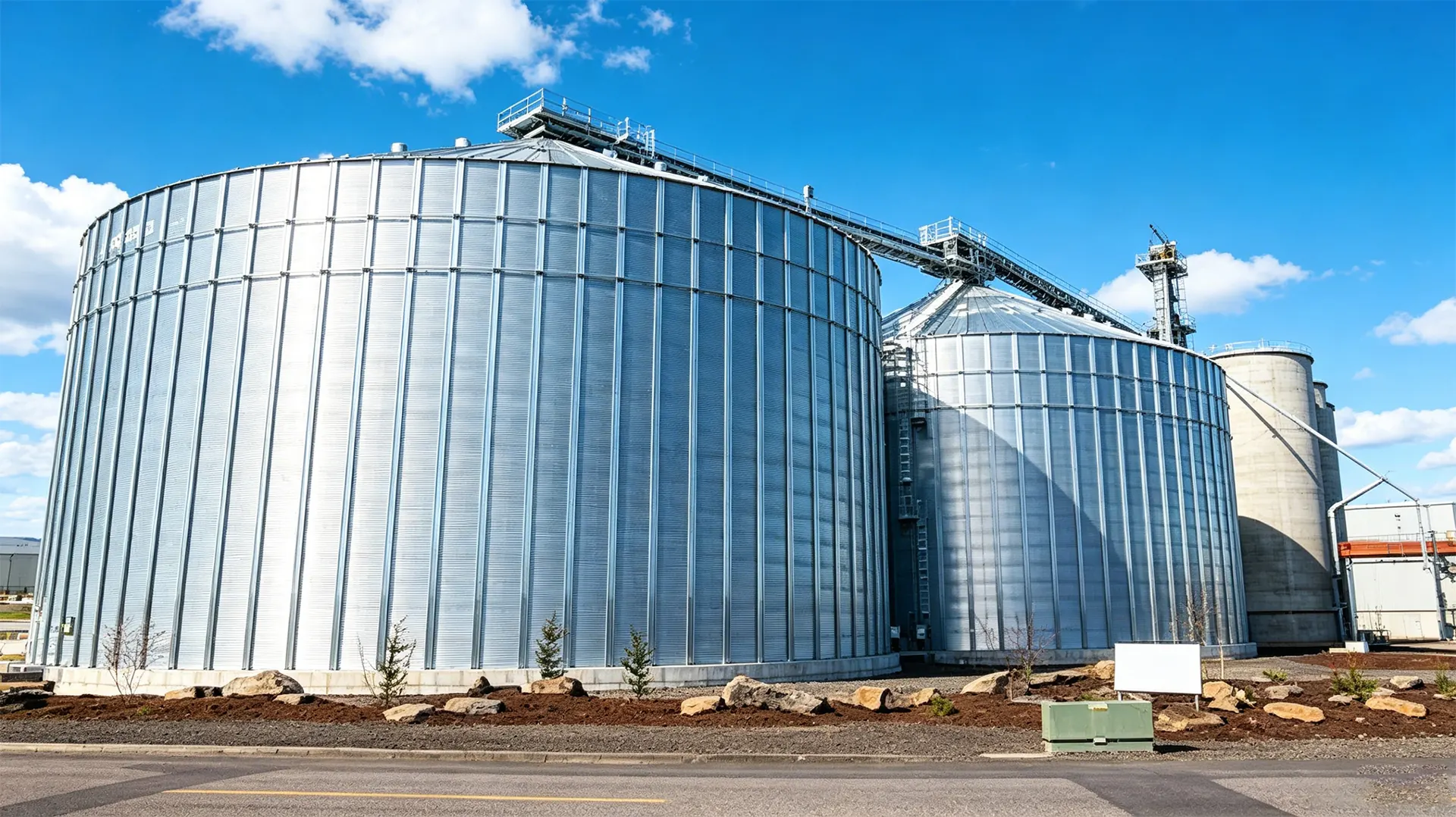
Wheat Storage Solution
Protect protein & milling quality with low-moisture storage
View Solution →Need help with grain respiration and its impact on storage quality: an engineering guide?
Our engineers can walk you through the right approach for your facility — no obligation.
Talk to an Engineer Try the CalculatorOn This Page
- Understanding Grain Respiration: The Hidden Threat to Storage Quality
- How Grain Respiration Compromises Stored Grain Quality and Safety
- Key Environmental Factors Driving Post-Harvest Grain Respiration
- Engineering Aeration Design to Halt Grain Respiration and Preserve Quality
- Smart Sensor Technology: Real-Time Monitoring of Grain Respiration
- Pre-Storage Drying and Material Handling for Respiration Mitigation
- Best Practices for Long-Term Grain Storage Quality Maintenance
- Calculating the ROI of Advanced Grain Respiration Management Systems
- Selecting the Right Grain Storage Equipment for Respiration Control
- Frequently Asked Questions About Grain Respiration and Storage Quality