
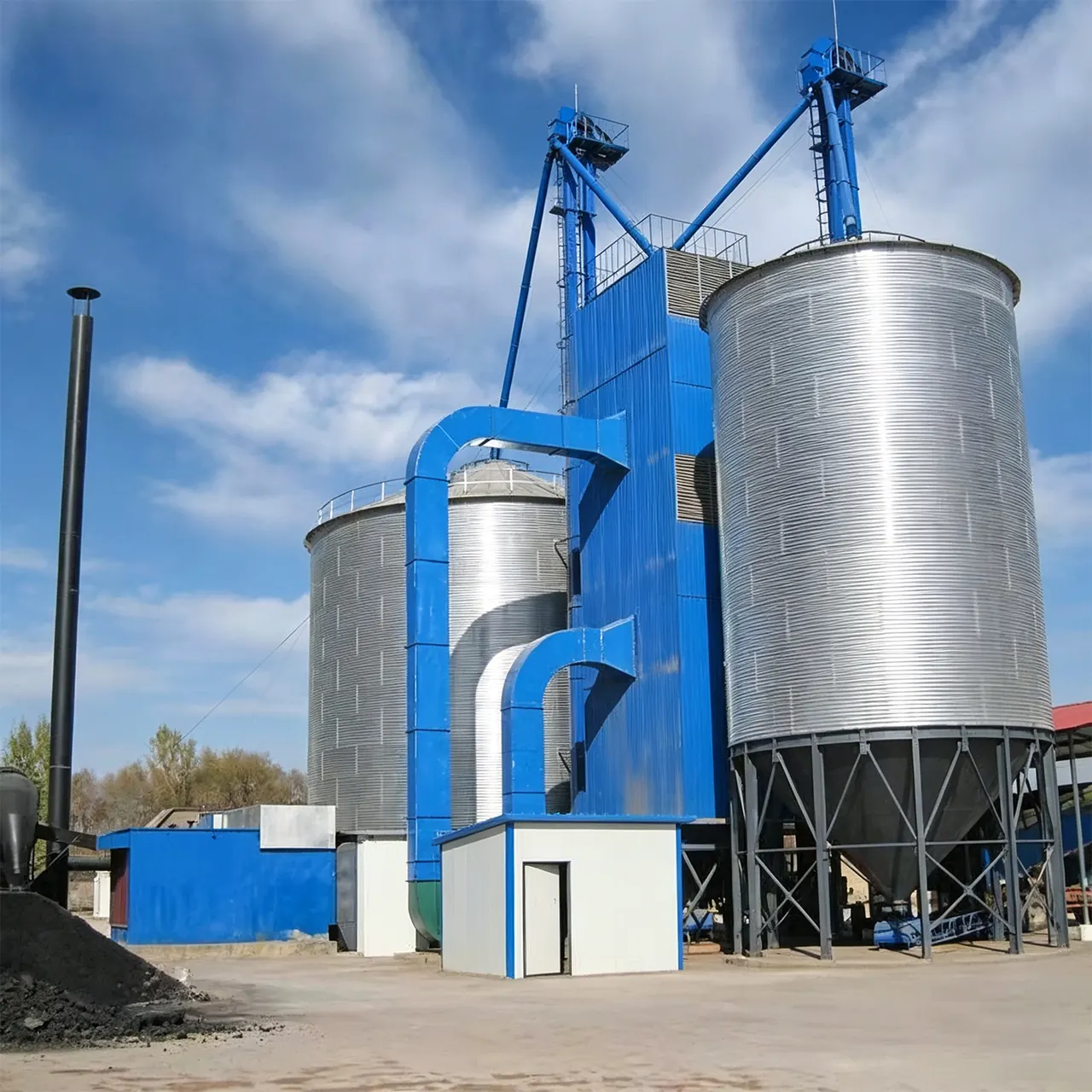
Grain spoilage Dust Dust Explosion Prevention in Grain Storage Facilities: En... Prevention in Grain Storage Facilities: En... is the cornerstone of post-harvest food security, directly impacting global food supply chains and farm profitability. With proper engineering controls—including precision temperature monitoring, moisture management, and intelligent aeration systems—operators can reduce storage losses from 20% to under 1%, preserving grain quality for years rather than months.
Understanding the Science Behind Grain Spoilage
Grain spoilage Dust Dust Explosion Prevention in Grain Storage Facilities: En... Prevention in Grain Storage Facilities: En... begins with understanding the biological and chemical processes that degrade stored grain. Three primary factors drive spoilage: moisture migration, temperature fluctuations, and biological activity from insects, molds, and bacteria. When grain is stored at moisture content above 14%, microbial activity accelerates exponentially, producing heat, moisture, and carbon dioxide that create self-reinforcing spoilage cycles.
The critical threshold for safe Dust Dust Explosion Prevention in Grain Storage Facilities: En... Prevention in Grain Storage Facilities: En... storage is maintaining moisture content below 13% for long-term storage and keeping grain temperatures below 15°C (59°F). For wheat storage temperature specifically, research demonstrates that every 10°C increase in grain temperature doubles the respiration rate of both the grain itself and associated microorganisms, dramatically accelerating quality degradation.
Key Technical Specifications of Grain Spoilage Prevention Systems
Effective grain spoilage prevention relies on engineered systems with precise technical parameters. Modern steel silo systems integrate multiple subsystems designed to maintain optimal storage conditions throughout the entire storage period.
Aeration System Specifications
Aeration is the primary defense against moisture migration and heat buildup. Proper aeration systems deliver ambient air through the grain mass at rates between 0.1-1.0 cubic feet per minute per bushel (CFM/bu), depending on grain type and storage duration. For wheat storage temperature management, aeration controllers should activate fans when ambient temperatures are at least 5°C below grain temperature, maximizing cooling effectiveness while minimizing energy consumption.
Temperature Monitoring Requirements
Cable-based temperature monitoring systems with sensors spaced 1.5-2.0 meters vertically provide real-time thermal mapping of the grain mass. Temperature differentials exceeding 3°C between adjacent sensors indicate active spoilage zones requiring immediate intervention. Modern systems transmit data to cloud-based platforms, enabling remote monitoring and automated alerts when conditions deviate from safe parameters.
Moisture Control Parameters
Grain spoilage prevention at home and in commercial operations both depend on maintaining equilibrium moisture content (EMC) within safe ranges. For cereal grains stored at 25°C, the critical EMC is approximately 14.5% at 65% relative humidity. Steel silos with hermetic sealing can maintain internal humidity levels below 50%, effectively preventing moisture absorption even in tropical climates.
Design Considerations for Grain Spoilage Prevention
The structural design of storage facilities directly impacts spoilage prevention effectiveness. Engineers must account for thermal bridging, air infiltration, and condensation risks when designing grain storage systems.
Thermal Bridging and Condensation Prevention
Steel silo walls create thermal bridges between external ambient conditions and stored grain. In regions with significant diurnal temperature variations, condensation forms on interior wall surfaces, creating localized moisture zones that trigger mold growth. Effective designs incorporate external insulation systems with minimum R-values of 10-15, combined with internal air barriers that prevent moisture migration into the grain mass.
Silo Geometry and Airflow Patterns
The height-to-diameter ratio significantly affects aeration efficiency. Tall, narrow silos (height-to-diameter ratios of 2:1 to 3:1) promote uniform airflow distribution, while short, wide silos create preferential airflow channels that leave dead zones susceptible to spoilage. Center cone designs with perforated floors ensure complete air distribution across the entire grain cross-section.
Natural Ventilation Design
Roof vents and eave openings create natural convection currents that passively remove heat and moisture from the grain headspace. Properly designed ventilation systems provide 1-2 air changes per hour in the headspace, preventing condensation on the underside of the roof deck. Louvered ridge vents with insect screens maintain airflow while preventing pest entry.
Material Selection and Grain Spoilage Prevention Construction
The choice of construction materials fundamentally determines a silo's ability to prevent grain spoilage over its operational lifespan. Material selection must balance structural requirements, corrosion resistance, and thermal performance.
Hot-Dip Galvanized Steel Construction
Premium grain storage silos utilize hot-dip galvanized steel with zinc coating weights of 275-600 g/m², providing 30-50 years of corrosion protection in agricultural environments. The galvanized layer creates a sacrificial barrier that protects the underlying steel from moisture, grain acids, and cleaning chemicals. For grain spoilage prevention food-grade applications, additional epoxy or polyurethane coatings ensure compliance with food safety regulations.
Stainless Steel Applications
High-moisture grain storage and specialty applications require stainless steel construction, particularly for floors, discharge hoppers, and aeration plenums where moisture accumulation is greatest. Grade 304 stainless steel provides excellent corrosion resistance for most grain types, while Grade 316 is recommended for salt-treated grains or coastal installations.
Sealing and Gasket Materials
Airtight sealing is critical for hermetic storage and fumigation effectiveness. Silicone and EPDM gaskets maintain flexibility across temperature ranges of -40°C to +80°C, ensuring consistent compression seals at all panel joints. Food-grade silicone sealants provide additional protection against moisture infiltration at penetrations and access points.
Industrial Applications of Grain Spoilage Prevention
Grain spoilage prevention strategies vary significantly across different storage scales and grain types, requiring tailored engineering solutions for each application.
Commercial Granary Operations
Large-scale grain elevators handling 10,000-100,000+ tons require sophisticated automation systems that integrate aeration, temperature monitoring, and grain turning systems. Automated grain turning equipment redistributes grain between silos to break up hot spots and equalize moisture content, reducing spoilage risk during extended storage periods of 12-36 months.
On-Farm Storage Systems
Farm-scale operations typically store 500-5,000 tons for periods of 6-18 months. These installations prioritize cost-effective aeration systems with manual or semi-automatic controls. Grain spoilage prevention at home and farm levels benefits from smaller silo diameters that promote natural airflow and simplify temperature monitoring.
Seed Grain Preservation
Seed storage demands the highest level of spoilage prevention, as even minor quality reductions destroy germination viability. Seed silos maintain grain temperatures below 10°C with moisture content 1-2% below commercial storage levels. Nitrogen-modified atmosphere systems reduce oxygen concentrations below 5%, effectively eliminating insect activity and oxidative degradation.
Installation and Commissioning of Grain Spoilage Prevention Systems
Proper installation and commissioning ensure that designed spoilage prevention systems perform to specification from day one. Cutting corners during installation creates latent defects that manifest as spoilage problems months or years later.
Foundation and Base Preparation
Silo foundations must provide uniform support with maximum differential settlement of 1:500 to prevent structural distortion that compromises sealing integrity. Reinforced concrete ring beams or slab foundations incorporate moisture barriers that prevent ground moisture from migrating into the grain through the floor. Aeration duct systems are installed with precise level tolerances of ±3mm to ensure uniform airflow distribution.
Electrical and Control System Commissioning
All temperature monitoring cables are tested for continuity and calibration accuracy before grain loading begins. Aeration fans are verified for correct rotation direction, airflow volume, and static pressure performance. Control systems undergo functional testing of all alarm setpoints, including high temperature alerts, fan failure notifications, and emergency shutdown sequences.
Initial Loading Procedures
The first grain loading establishes the baseline for long-term storage performance. Grain is cleaned to remove broken kernels and foreign material that create airflow restrictions and spoilage hotspots. Initial aeration cycles begin within 24 hours of loading to establish uniform temperature profiles and remove field heat. Temperature monitoring continues at 6-hour intervals during the first two weeks to detect any early spoilage indicators.
Maintenance Best Practices for Grain Spoilage Prevention
Preventive maintenance programs extend equipment life and ensure continuous spoilage protection throughout the storage season and beyond.
Aeration System Maintenance
Fan housings and intake screens require monthly cleaning to remove dust and debris that restrict airflow. Belt tension on direct-drive fans is checked quarterly, with replacement recommended every 2-3 years. Air distribution ducts are inspected annually for moisture accumulation or blockage, with compressed air cleaning performed as needed.
Monitoring System Calibration
Temperature monitoring cables are calibrated annually against certified reference thermometers. Moisture measurement equipment requires calibration before each harvest season using grain samples tested by oven-drying methods. Wireless data transmission systems are tested for signal strength and battery condition at the beginning of each storage cycle.
Structural Integrity Inspections
Silo exteriors are inspected semi-annually for coating damage, corrosion, or mechanical damage that could compromise sealing. Roof seals, wall panel joints, and door gaskets are checked for compression set and replaced when sealing effectiveness diminishes. Lightning protection systems are tested annually to ensure compliance with safety standards.
Cost Factors and ROI of Grain Spoilage Prevention
Investing in engineered grain spoilage prevention systems delivers measurable returns through reduced losses, improved grain quality, and extended marketing flexibility.
Capital Investment Analysis
Complete grain storage systems with integrated spoilage prevention typically represent $25-45 per ton of storage capacity for basic aeration-equipped silos, and $45-80 per ton for fully automated systems with temperature monitoring and climate control. While initial costs exceed flat storage or temporary pile systems, the long-term loss reduction justifies the investment within 2-3 storage seasons.
Operating Cost Considerations
Aeration energy consumption represents the primary operating cost, typically ranging from $0.50-1.50 per ton per season depending on climate and storage duration. Automated systems optimize fan operation to minimize energy use while maintaining safe storage conditions. Temperature monitoring systems add $0.10-0.25 per ton annually for data services and maintenance.
Loss Prevention Value
Reducing spoilage from 5% to 1% on 10,000 tons of wheat at $250/ton represents $100,000 in preserved value annually. Premium quality maintenance from proper storage conditions often commands $5-15 per ton price advantages over degraded grain, adding further return on investment.
How to Choose a Reliable Grain Spoilage Prevention Supplier
Selecting the right equipment supplier is as important as the technical specifications themselves. The best partners provide comprehensive engineering support from initial design through decades of operational service.
Engineering Capability Assessment
Qualified suppliers maintain in-house engineering teams capable of structural analysis, aeration system design, and control system integration. Look for suppliers who perform site-specific calculations rather than offering generic solutions. Computational fluid dynamics (CFD) modeling of airflow patterns demonstrates advanced engineering capability.
Manufacturing Quality Standards
ISO 9001 certification provides baseline quality assurance, but grain storage-specific certifications indicate deeper industry expertise. Automated coil processing and precision punching ensure consistent panel fit-up that maintains sealing integrity. Factory witness testing of critical components verifies performance before shipment.
After-Sales Service and Support
Comprehensive warranty programs covering 10-20 years on structural components demonstrate manufacturer confidence in product longevity. Local service availability ensures rapid response to operational issues. Training programs for operators maximize the effectiveness of installed systems and prevent operator-induced spoilage events.
Frequently Asked Questions About Grain Spoilage Prevention
Ten proven grain spoilage prevention methods include: (1) Proper drying to safe moisture content before storage, (2) Thorough cleaning to remove broken kernels and foreign material, (3) Temperature monitoring with automated alerts, (4) Controlled aeration to maintain uniform cool temperatures, (5) Hermetic sealing to prevent moisture and pest entry, (6) Regular grain turning to break up hot spots, (7) Fumigation or modified atmosphere for insect control, (8) Insulation to reduce thermal bridging and condensation, (9) Foundation moisture barriers to prevent ground moisture migration, and (10) Comprehensive operator training on early spoilage detection.
Protect Your Grain Investment with Engineered Storage Solutions
Our engineering team designs custom grain storage systems with
Written by: Grain Science Team
Related Articles

Moisture Content & Safe Storage: The Definitive Engineering Guide
Moisture Content & Safe Storage: Expert Guide for Grain Systems Moisture Content & Safe Storage: The Definitive Engineering Guide Moisture content is the single most critical factor determin...
Read →
Aeration Principles: Grain Storage Airflow Engineering Guide
Aeration Principles: Grain Storage Airflow Engineering Guide Proper aeration is the single most critical factor in preserving grain quality during long-term storage. Understanding the engineering pri...
Read →
Insect & Pest Management: Protecting Grain Integrity in Modern Silo Systems
Comprehensive Insect & Pest Management for Grain Storage Silos Insect & Pest Management: Protecting Grain Integrity in Modern Silo Systems Grain storage losses due to insect infestat...
Read →
Grain Respiration and Its Impact on Storage Quality: An Engineering Guide
Grain Respiration and Its Impact on Storage Quality: An Engineering Guide Grain respiration is a biological process that continues long after harvest, silently degrading nutritional value, generating...
Read →
Mycotoxin Prevention in Stored Grain: An Engineering Systems Approach
Mycotoxin Prevention in Stored Grain: An Engineering Systems Approach Mycotoxin contamination poses one of the most insidious threats to global grain supplies, rendering vast quantities of harvests u...
Read →
Different Types of Silos Used in Cement, Mining & Agriculture
Different Types of Silos Used in Cement, Mining & Agriculture A silo is never just a steel cylinder — it is a pressure vessel, a flow channel, and a structural system all at once. Choose the...
Read →Equipment Mentioned in This Guide
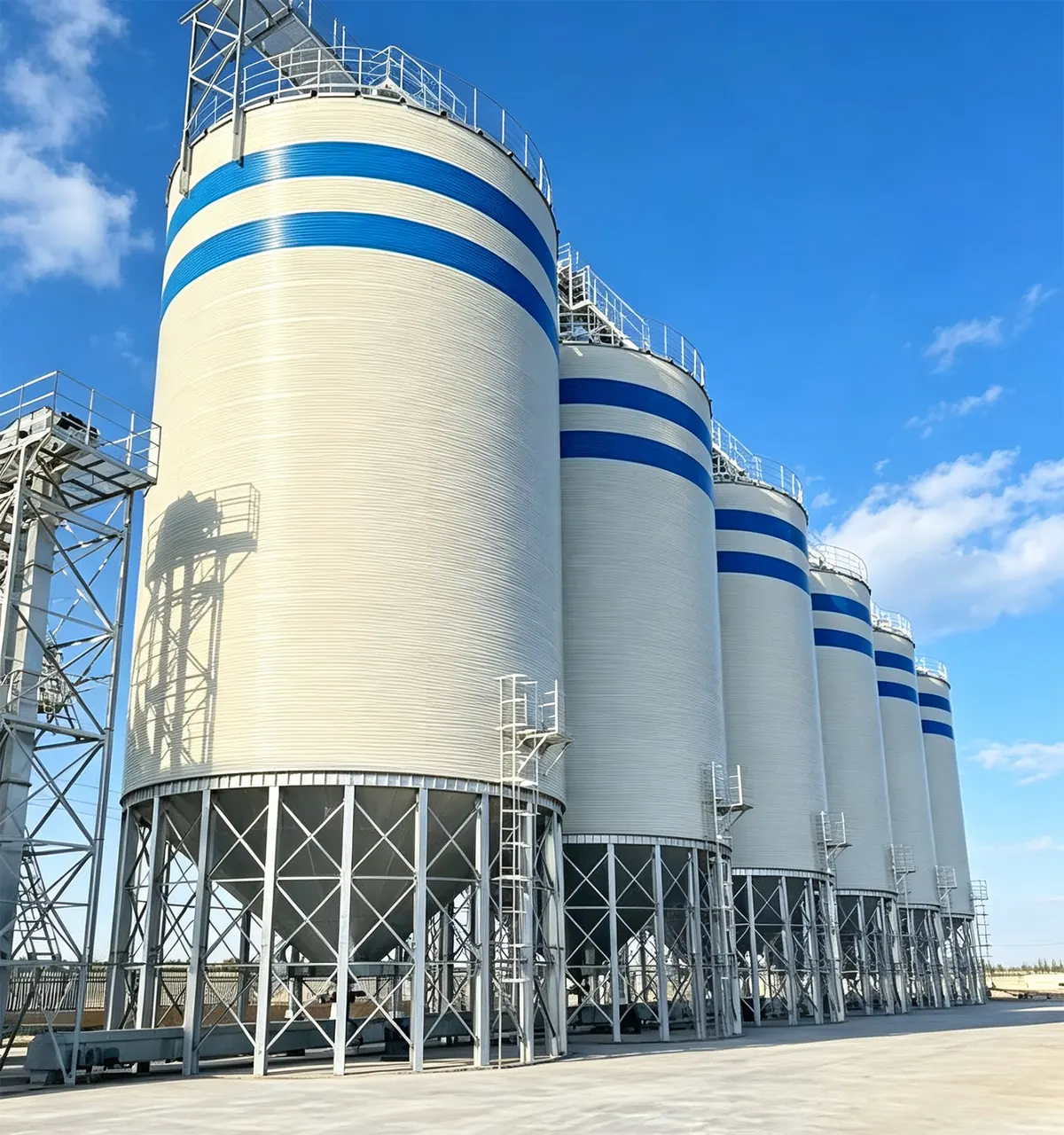
Wood Pellet Silo
Dust-controlled storage for biomass wood pellets
View Product →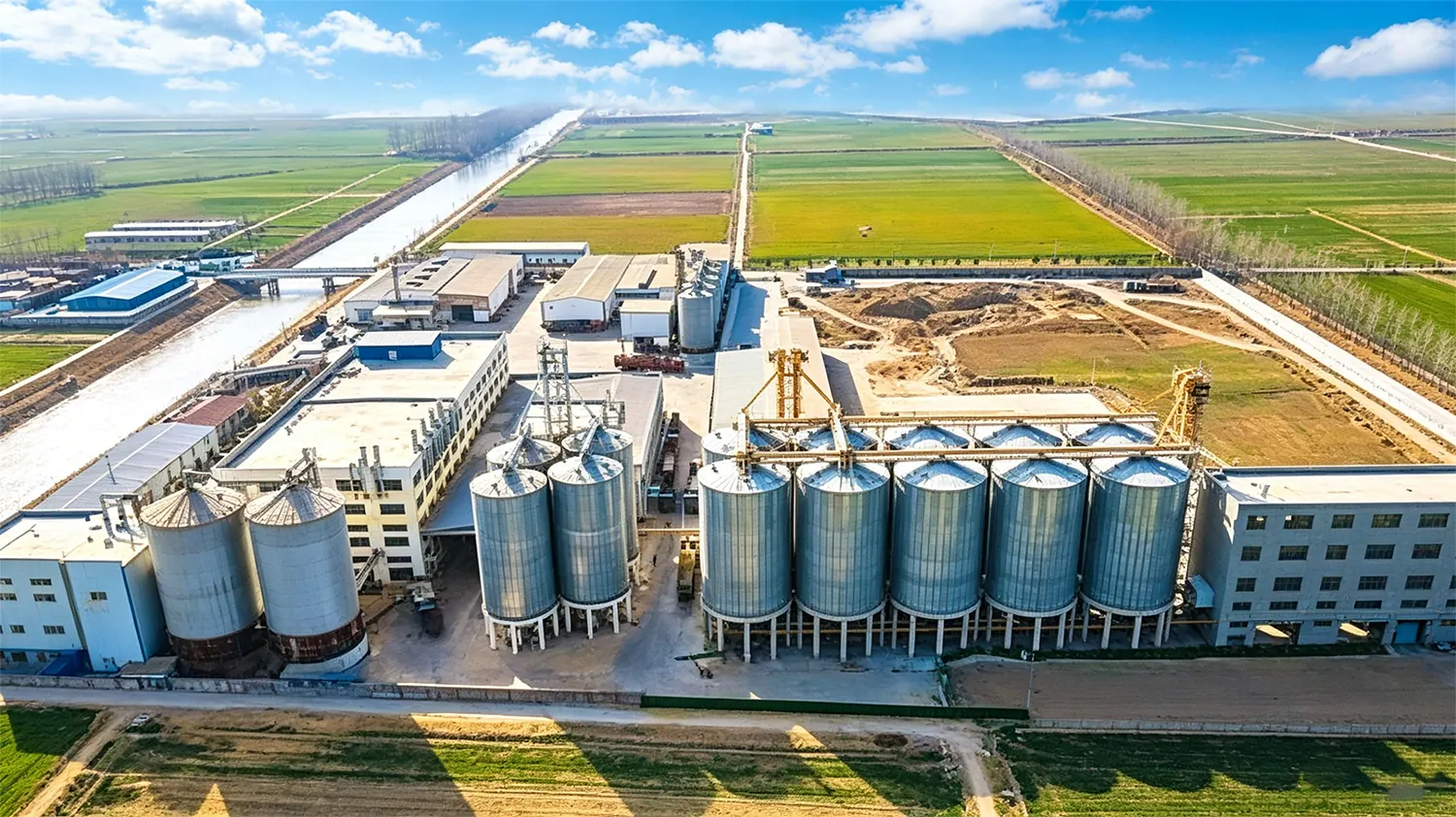
Commercial Silo
High-capacity storage for elevators, terminals and industrial users
View Product →
Feed Silo
Hygienic pellet & mash feed storage for feed mills and farms
View Product →Explore Storage Solutions
Corn Storage Solution
Complete storage systems for corn — from farm bins to export terminals
View Solution →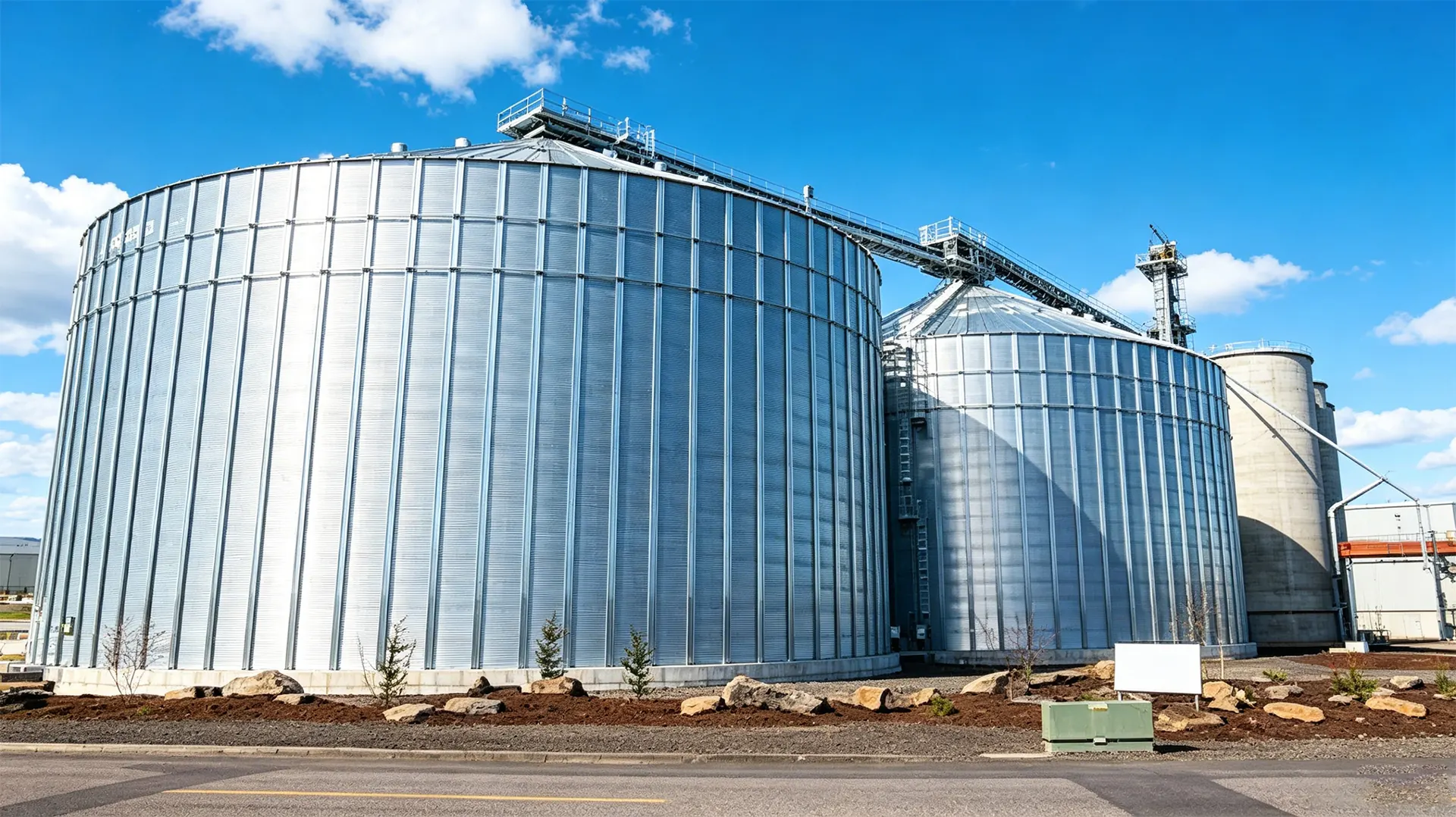
Wheat Storage Solution
Protect protein & milling quality with low-moisture storage
View Solution →Need help with grain spoilage prevention: engineering solutions for long-term storage safety?
Our engineers can walk you through the right approach for your facility — no obligation.
Talk to an Engineer Try the Calculator