Mycotoxin contamination poses one of the most insidious threats to global Grain Bin Foundation Settlement: Prevention and Remediati... Bin Foundation Settlement: Prevention and Remediati... supplies, rendering vast quantities of harvests unfit for human and animal consumption. As a grain storage engineer with over two decades of experience, I have witnessed firsthand how a systems-engineered approach to silo design, environmental control, and structural integrity is the definitive defense against these toxic metabolites. From the grain elevators of the American Midwest to the bulk storage terminals of Southeast Asia, the principles of mycotoxin Dust Dust Explosion Prevention in Grain Storage Facilities: En... Prevention in Grain Storage Facilities: En... remain universally applicable—yet their implementation demands precise engineering tailored to local climate conditions, grain varieties, and operational capacities. This comprehensive Ventilation Fan Failure: Diagnosis and Repair Guide for G... Fan Failure: Diagnosis and Repair Guide for G... examines the critical intersection of structural engineering, environmental science, and operational discipline that forms the backbone of effective mycotoxin management in stored grain systems.
Key Takeaway: Over 25% of the world's crops are contaminated by mycotoxins annually. However, engineered grain storage systems that maintain water activity below 0.70 and temperatures under 10°C (50°F) can reduce fungal proliferation risks by over 90%.
The Silent Threat: Why Mycotoxin Prevention in Stored Grain Demands a Systems Approach
Mycotoxins are secondary metabolites produced by specific fungal species, primarily Aspergillus, Fusarium, and Penicillium. Unlike visible spoilage, mycotoxin contamination is often invisible, odorless, and tasteless, making it a formidable threat to global food security and livestock health. Aflatoxins, ochratoxins, and fumonisins can render entire batches of grain unfit for consumption, leading to severe economic losses and regulatory penalties. Preventing mycotoxin proliferation is not a single-step intervention; it requires a holistic, systems-engineered approach that begins at the structural design phase and extends through operational protocols. When operators search for comprehensive resources like a
mycotoxin prevention in stored grain pdf, they are looking for this exact integration of structural, environmental, and operational controls. A silo is not merely a container; it is a highly calibrated environmental chamber. The economic impact of mycotoxin contamination extends far beyond the immediate loss of grain. In the United States alone, the annual economic burden of aflatoxin contamination in corn is estimated at over $1.68 billion when accounting for crop losses, regulatory testing costs, livestock productivity reductions, and trade disruptions. In developing nations, where engineered storage infrastructure may be limited, the human health consequences are even more severe—chronic aflatoxin exposure is directly linked to liver cancer, immune suppression, and stunted growth in children. These staggering figures underscore why mycotoxin prevention must be treated not as an afterthought, but as a foundational design criterion in any grain storage facility.
Grain Silos vs. Grain Bins: Structural Differences and Their Impact on Mycotoxin Prevention
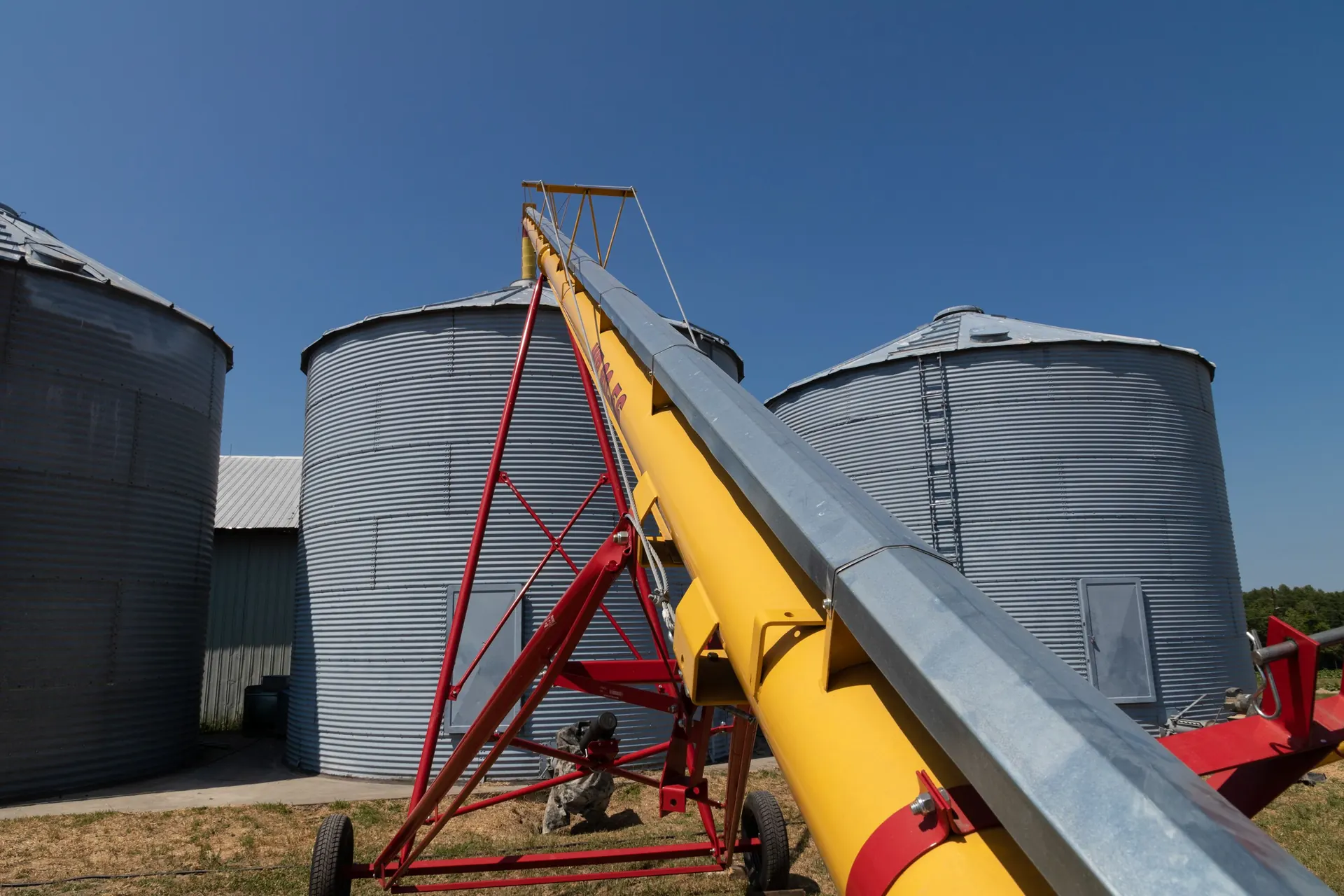
Understanding the distinction between grain silos and grain bins is fundamental to designing an effective mycotoxin mitigation strategy. While both serve as storage vessels, their structural characteristics dictate their suitability for long-term, high-value grain preservation. Grain bins are typically smaller, flat-bottom structures suited for short-term holding and frequent turnover. Grain silos, by contrast, are engineered for long-term storage with superior sealing, Aeration Floor Design: Perforated Floors and Air Distribu..., and temperature monitoring capabilities. The critical difference lies in their ability to maintain a controlled internal environment—a prerequisite for mycotoxin prevention.
Structural Specifications for Mycotoxin-Resistant Storage
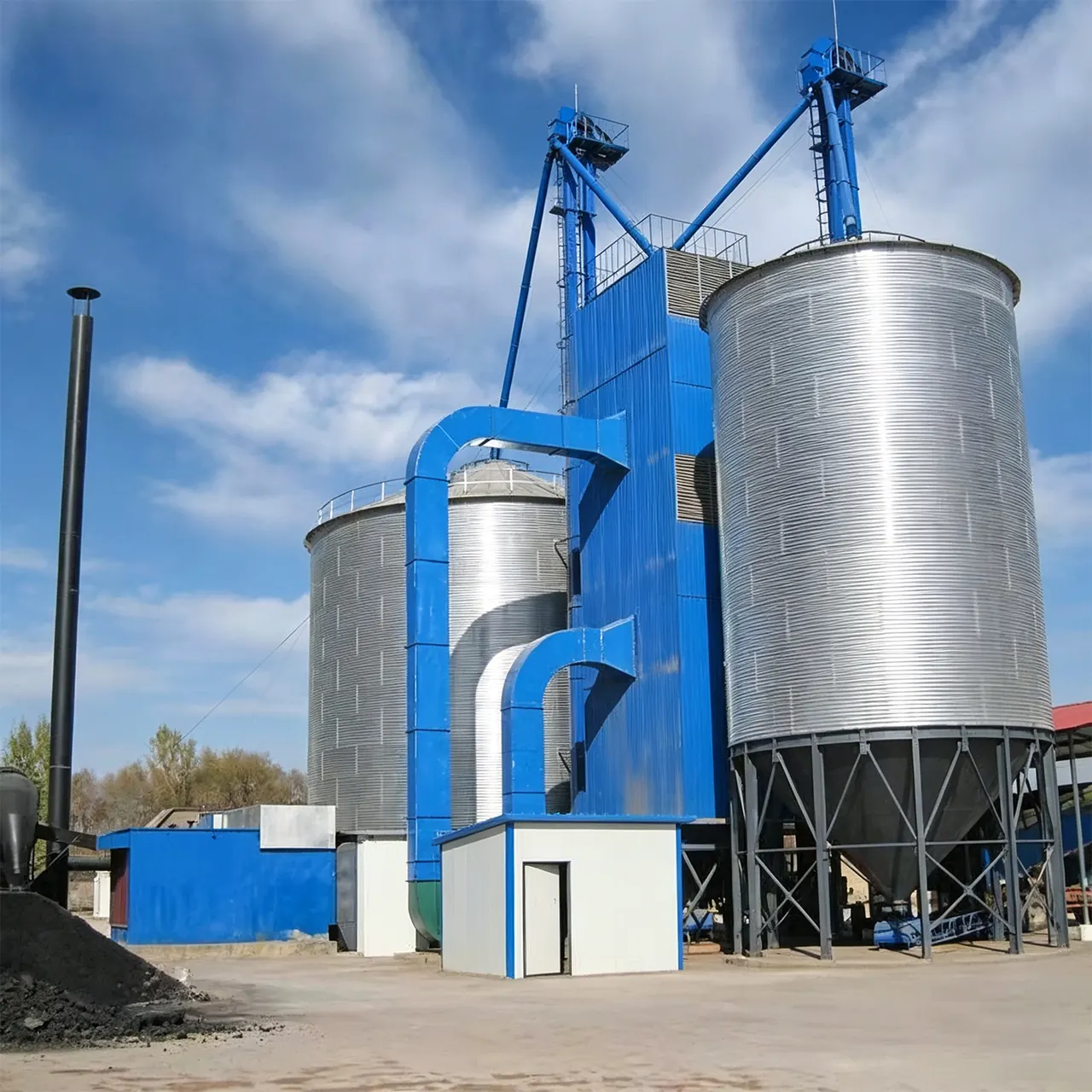
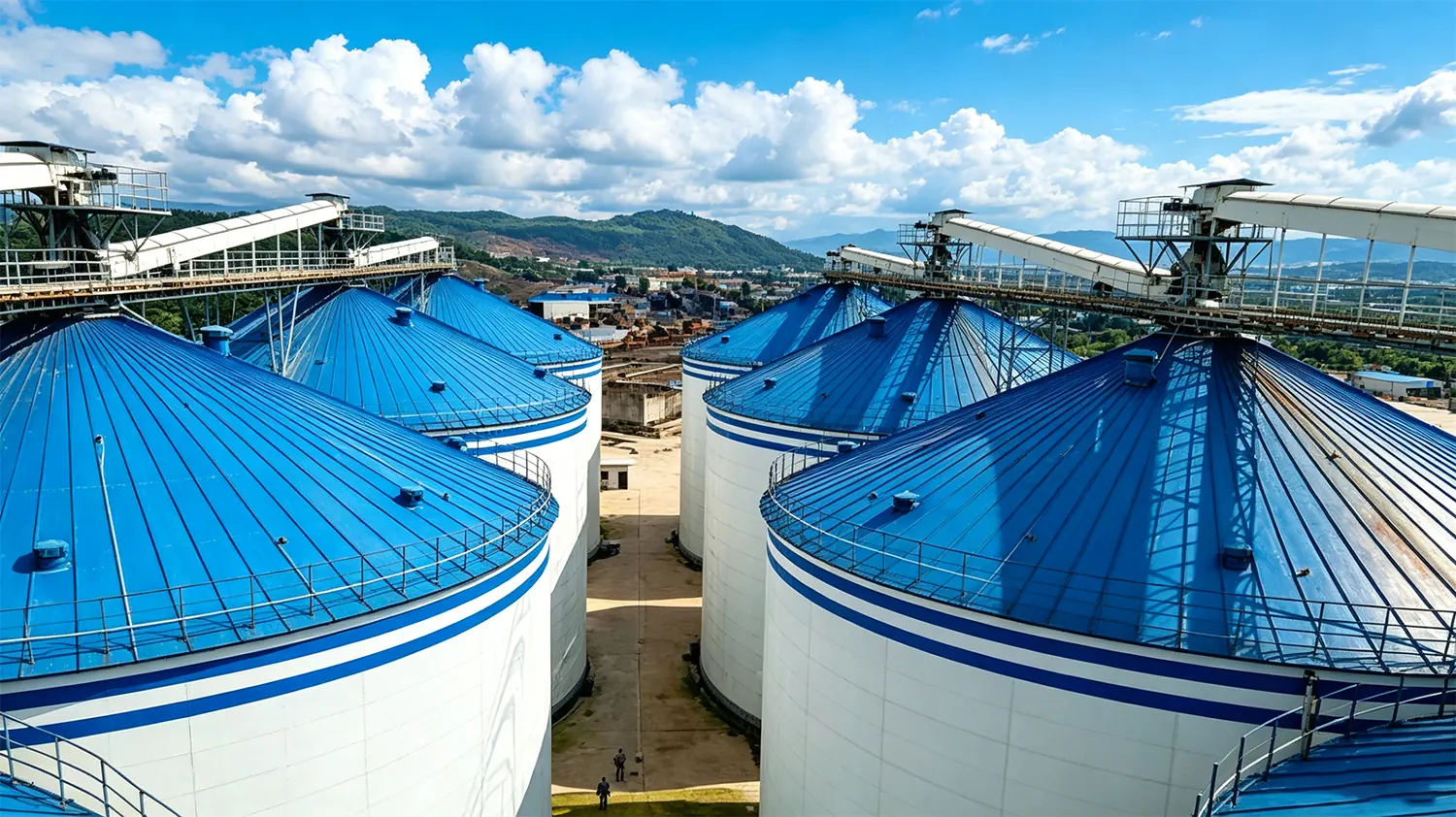
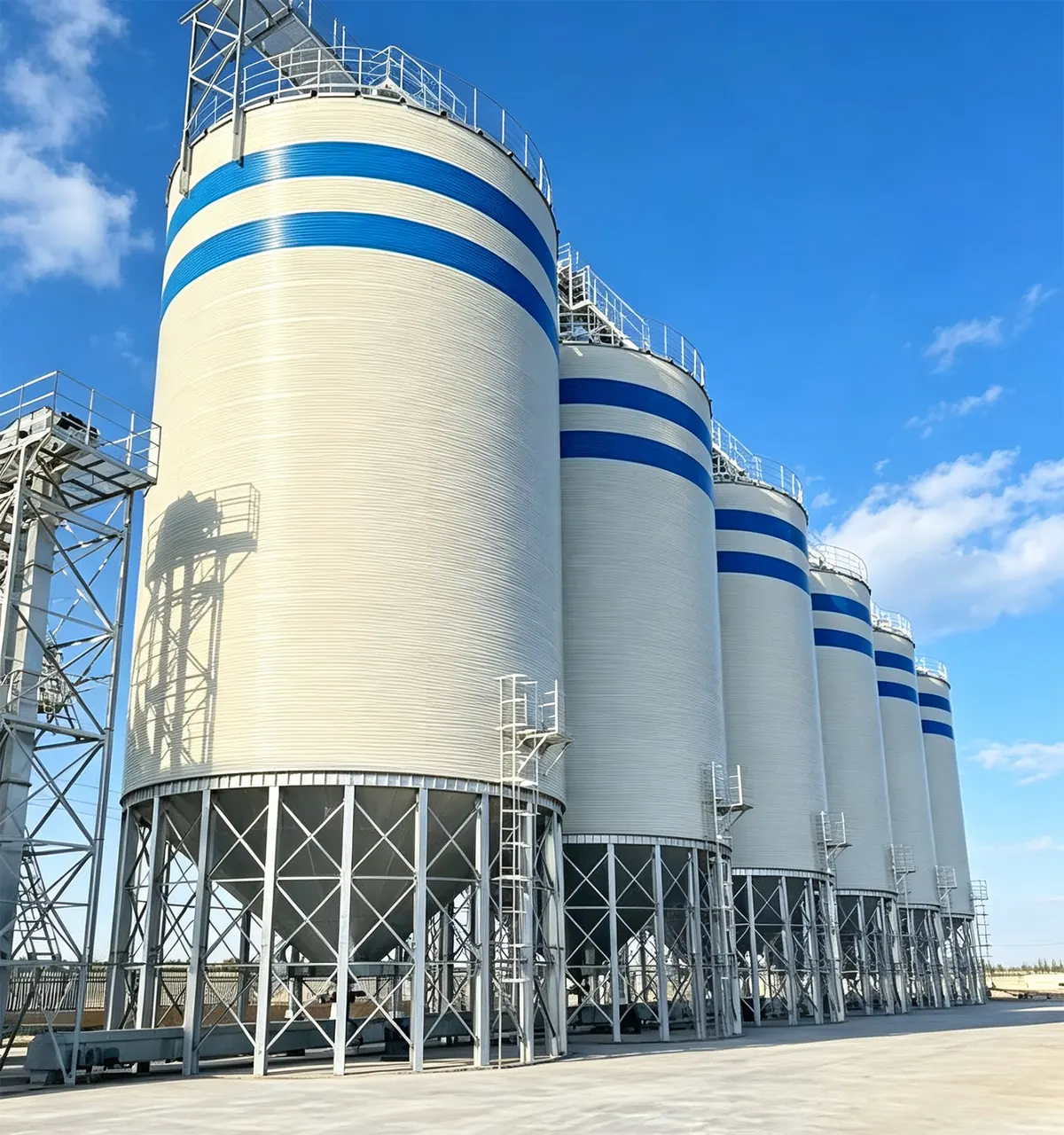
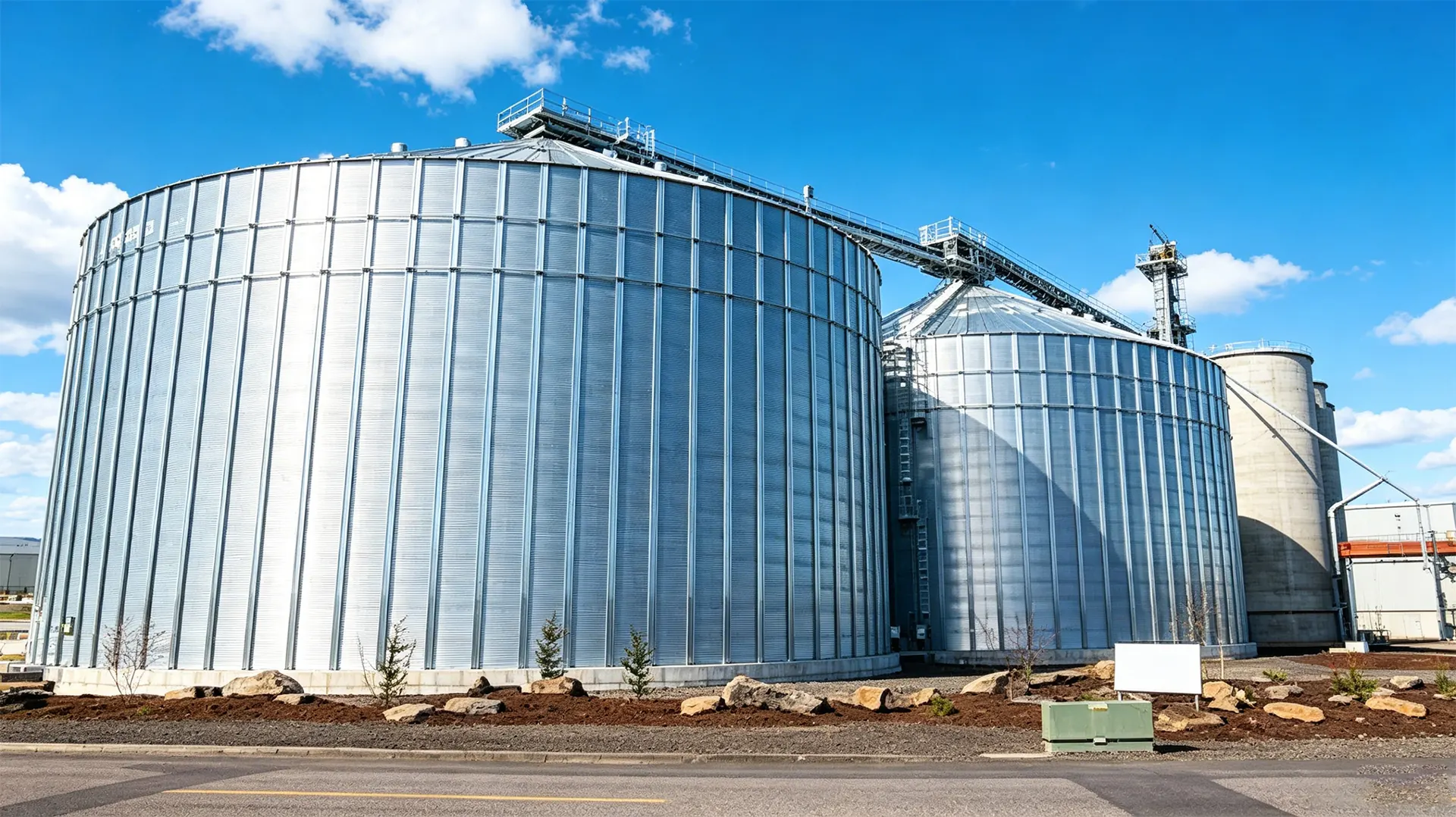
Modern grain silos designed for mycotoxin prevention incorporate several key engineering features. The wall-to-floor junction is sealed with food-grade silicone or polyurethane gaskets rated for continuous compression, preventing moisture ingress at the most vulnerable structural point. Roof designs incorporate pressure-relief valves calibrated to maintain a slight positive internal pressure of 250–500 Pa, which prevents humid external air from infiltrating through micro-gaps in the cladding. The aeration system represents perhaps the most critical engineering component. Properly designed silos feature fully perforated floors with a minimum open area of 15–20%, delivering uniform airflow rates of 0.1–0.2 cubic feet per minute per bushel (CFM/bu). This airflow capacity enables operators to systematically cool grain masses in response to seasonal temperature shifts, maintaining the thermal uniformity that prevents condensation zones—the primary catalyst for fungal growth.
Environmental Control Systems: The Engineering Backbone of Mycotoxin Prevention
The relationship between environmental conditions and mycotoxin production is well-documented and quantifiable. Aspergillus flavus, the primary aflatoxin producer, requires water activity (aw) levels above 0.78 and temperatures between 13°C and 37°C (55°F–99°F) for active growth. Fusarium graminearum, responsible for deoxynivalenol (DON) contamination, thrives at slightly cooler temperatures but similarly elevated moisture levels. These precise thresholds inform every aspect of silo environmental control system design.
Aeration Engineering and Thermal Management
Effective aeration is not simply about moving air through grain—it is about strategic thermal management. The goal is to reduce the grain mass temperature to below 10°C (50°F) within the first 20–30 days of storage, then maintain it below 15°C (59°F) throughout the storage season. This thermal regime effectively halts fungal metabolic activity without requiring chemical treatments. Ambient air aeration controllers must be equipped with temperature and relative humidity sensors that automatically activate fans only when external conditions are favorable. Modern systems utilize programmable logic controllers (PLCs) with algorithms that calculate the equilibrium relative humidity (ERH) of incoming air against the grain's current moisture content, ensuring that aeration never inadvertently introduces moisture into the silo. For facilities in tropical or subtropical climates, mechanical refrigeration-assisted aeration systems may be necessary, delivering chilled air at 8–12°C (46–54°F) to overcome persistently high ambient temperatures.
Moisture Migration and Condensation Prevention
Temperature differentials within a grain mass create convective air currents that drive moisture migration—a phenomenon that is particularly dangerous during seasonal transitions. When warm grain meets cold silo walls, moisture evaporates from the warm zone, migrates outward, and condenses against the cooler steel surface. This condensation zone creates a localized environment with water activity levels exceeding 0.85, providing ideal conditions for Aspergillus colonization. Engineered solutions include insulated silo walls with minimum R-values of R-13 to R-20 depending on climate zone, internal temperature cable arrays spaced at 1.5-meter vertical intervals, and automated fan cycling protocols that equalize grain mass temperatures before critical seasonal transitions. Temperature monitoring cables, typically consisting of digital sensors at 1.2-meter (4-foot) intervals along steel cables suspended from the roof, provide real-time thermal mapping of the entire grain mass with an accuracy of ±0.5°C (±0.9°F).
Real-World Application Examples
Case Study 1: Brazilian Soybean Export Terminal
A major soybean export terminal in Paraná, Brazil, faced chronic aflatoxin contamination issues during the humid summer storage period, with rejection rates exceeding 8% at European Union border inspections. The engineering team implemented a comprehensive retrofit of their 50,000-metric-ton flat-storage warehouse, installing a forced-aeration system with 45 centrifugal fans delivering 0.15 CFM/bu through a fully perforated floor system. Additionally, they installed 120 temperature monitoring cables and implemented a PLC-controlled aeration protocol that prioritized nighttime fan operation when relative humidity dropped below 65%. Within the first full storage season, rejection rates fell below 0.5%, representing an annual savings of approximately $2.3 million in avoided demurrage, re-testing, and diversion costs.
Case Study 2: Australian Wheat Belt Cooperative
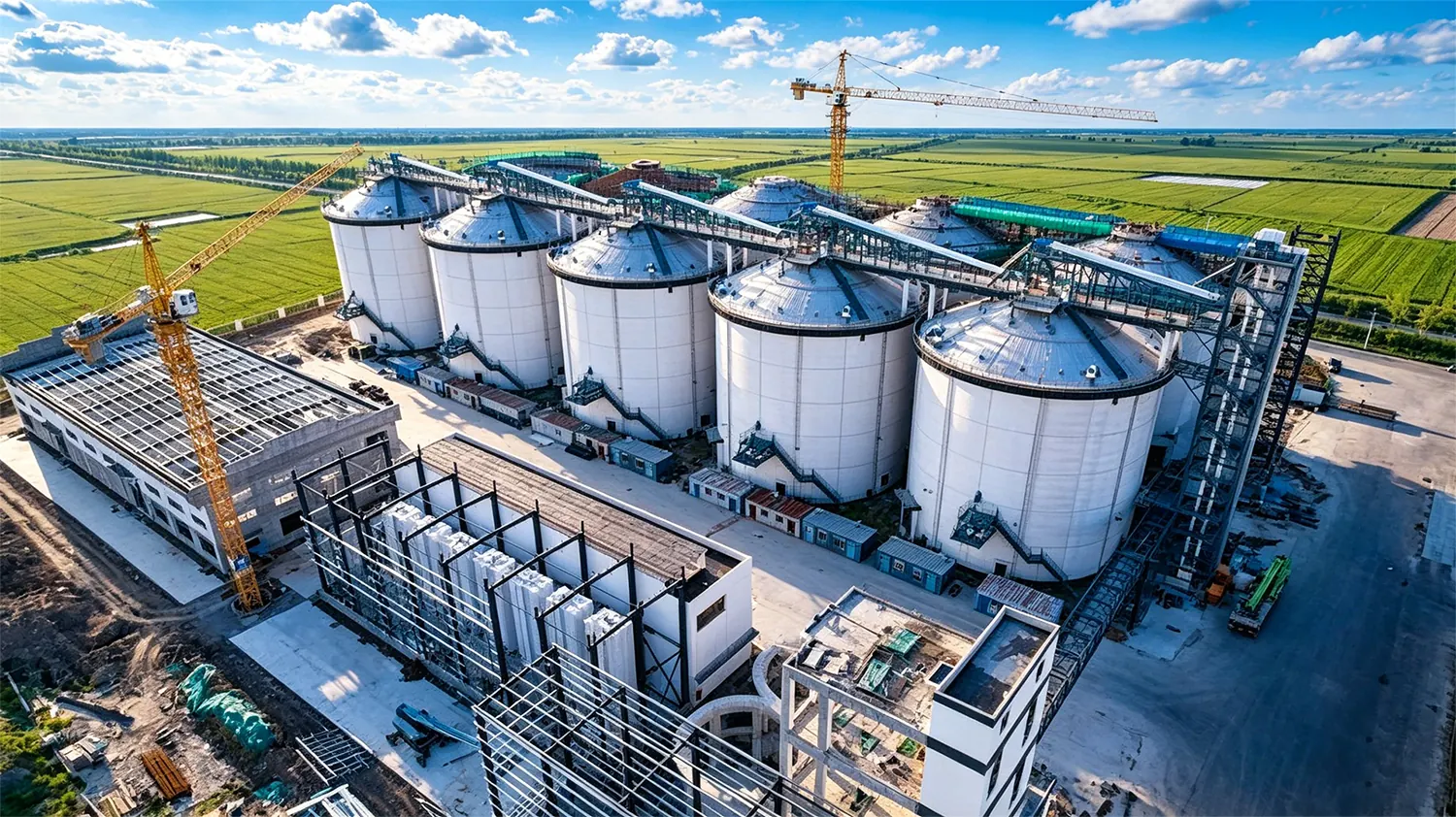
A grain handling cooperative in Western Australia's wheat belt, handling over 200,000 metric tons of wheat annually, struggled with ochratoxin A contamination in stored grain during the region's hot, dry summers followed by sudden autumn rainfall events. The engineering solution involved the construction of six new 10,000-metric-ton bolted steel silos with fully welded floor-to-wall junctions, food-grade silicone gasket sealing, and roof-mounted pressure-relief valves. The silos were equipped with variable-frequency drive (VFD) aeration fans capable of modulating airflow from 0.05 to 0.25 CFM/bu based on real-time grain temperature and ambient humidity data. A supervisory control and data acquisition (SCADA) system provided operators with 24/7 remote monitoring capabilities, including automated alerts when any sensor detected temperature deviations exceeding 3°C from the set point. Over three consecutive harvest seasons, the facility recorded zero mycotoxin-related rejections, and the cooperative secured premium pricing contracts with Japanese and South Korean buyers who require stringent mycotoxin testing protocols.
Case Study 3: Midwestern United States Corn Elevator Network
A grain elevator network operating 14 facilities across Iowa and Illinois implemented a coordinated mycotoxin prevention program following a severe DON contamination event that resulted in the rejection of 12,000 metric tons of corn. The program included the installation of high-capacity aeration systems (minimum 0.12 CFM/bu) across all facilities, the deployment of grain temperature monitoring systems with cloud-based data analytics, and the establishment of mandatory grain drying protocols ensuring all corn entered storage at or below 15.5% moisture content. The network also implemented a first-in-first-out inventory management system with maximum storage durations of 120 days for corn exceeding 14% moisture. Within two years, the network's average DON test results decreased from 2.8 parts per million to below 0.5 parts per million, well within the FDA advisory level of 1.0 ppm for human consumption.
Monitoring and Testing Protocols Engineering controls alone are insufficient without rigorous monitoring protocols. A comprehensive mycotoxin prevention program must integrate both preventive engineering and diagnostic testing at multiple stages of the storage cycle. Pre-Storage Assessment
Before grain enters storage, it must be tested for baseline moisture content, temperature, and existing mycotoxin levels. Near-infrared (NIR) spectroscopy analyzers, calibrated for specific grain types, can provide rapid moisture and protein readings within 30 seconds per sample. For mycotoxin screening, enzyme-linked immunosorbent assay (ELISA) test kits offer on-site detection of aflatoxins, DON, zearalenone, and ochratoxin A at detection limits as low as 2 parts per billion (ppb) for aflatoxin B1. Grain lots exceeding regulatory thresholds must be diverted to non-food uses or subjected to remediation before storage. In-Storage Monitoring
Once grain is in storage, continuous environmental monitoring serves as the primary early warning system. Temperature monitoring cables should be read at minimum weekly intervals during the first 60 days of storage—the critical period when residual field heat and moisture equilibration create the highest risk of hot spot formation. Any temperature increase exceeding 3–5°C (5–9°F) above the ambient grain mass temperature warrants immediate investigation and targeted aeration or grain movement. Gas monitoring represents an emerging technology in mycotoxin prevention. Carbon dioxide (CO2) sensors installed in the silo headspace can detect the elevated CO2 levels associated with early fungal respiration, often providing warning 48–72 hours before temperature changes become detectable. Modern CO2 monitoring systems can detect concentrations as low as 0.1% above ambient baseline, enabling operators to intervene before visible mold growth occurs. Operational Protocols for Long-Term Mycotoxin Prevention
Grain Cleaning and Preparation
Foreign material and broken kernels are disproportionately susceptible to fungal colonization due to their higher surface-area-to-volume ratios and elevated moisture content. Pre-storage cleaning to reduce fines content below 2% by weight is a critical first step. Modern aspiration cleaning systems and rotary screen separators can achieve this standard efficiently, removing dust, chaff, and broken kernels that would otherwise serve as nucleation points for fungal growth. Grain Turning and Redistribution
Periodic grain turning—the process of transferring grain from one silo to another—serves multiple mycotoxin prevention functions. It breaks up compaction zones that restrict airflow, redistributes moisture that may have migrated to peripheral zones, and exposes the grain mass to fresh aeration. For long-term storage exceeding 90 days, grain should be turned at intervals of 30–45 days, with each turn accompanied by moisture and temperature testing of the discharged grain. Chemical and Biological Controls
While engineering controls form the foundation of mycotoxin prevention, supplementary chemical treatments may be warranted in high-risk scenarios. Propionic acid and its salts, applied at rates of 0.5–1.5% by weight, provide effective mold inhibition for grain stored at moisture levels between 14% and 18%. Biological control agents, such as non-toxigenic Aspergillus flavus strains (e.g., AF3