
Quicklime is not a passive bulk commodity — it is a chemically active, hygroscopic, exothermic material that begins degrading the moment it meets humid air. This Purchase High-Quality Steel Silo: An Engineer's Guide covers the silo geometry, sealing strategy, handling equipment, and inspection routines that keep calcium oxide at full reactivity from delivery to discharge.
Quicklime Storage 101: Why Calcium Oxide Demands a Different Playbook Than Any Other Bulk Material
Calcium oxide (CaO) is produced by calcining limestone at 900–1,100 °C, driving off carbon dioxide and leaving a highly porous, chemically hungry solid. That porosity is precisely what makes quicklime valuable in steelmaking, water treatment, flue-gas desulphurisation, soil stabilisation, and construction mortars — and it is also what makes it difficult to store.
Unlike grain, Different Types of Silos Used in Cement, Mining & Agr..., or sand, quicklime reacts with two things that are always present in ambient air: water vapour and carbon dioxide. Both reactions are irreversible and both destroy value. A grain silo Purchase High-Quality Steel Silo: An Engineer's Guide instincts are useful here — segregation, moisture migration, caking, and wall build-up are familiar problems — but the failure mechanisms are chemical rather than biological, and the consequences include heat generation and pressure build-up, not just spoilage.
Three physical properties shape every storage decision:
- Hygroscopicity: Quicklime will pull moisture from air at relative humidities well below saturation, hydrating to calcium hydroxide with a large volume expansion and a heat release of roughly 1,140 kJ per kilogram of CaO.
- Abrasiveness and friability: Pebble lime is hard on steel chutes and screw flights, while fine, reactive grades generate aggressive dust and degrade mechanically when dropped.
- Variable bulk behaviour: Bulk density typically ranges from 800 to 1,100 kg/m³ for pebble lime and 700 to 950 kg/m³ for ground lime, while the effective angle of internal friction shifts with particle size distribution, moisture pick-up, and the proportion of fines.

The Chemistry Behind the Clock: How Moisture, CO2, and Heat Silently Degrade Stored Quicklime
Hydration: The Fast, Exothermic Threat
The primary degradation pathway is hydration:
CaO + H2O → Ca(OH)2 + heat
This reaction is fast, strongly exothermic, and accompanied by a volume increase of roughly 90–100% at the particle level. In an open silo headspace, the visible symptoms are caking, crust formation, and a rise in headspace temperature. In an enclosed, poorly vented vessel, the same reaction can generate enough heat and steam pressure to distort a silo roof or bulge a wall panel.
Carbonation: The Slow, Silent Thief
The second pathway is carbonation:
CaO + CO2 → CaCO3 + heat
Carbonation is slower but relentless. It consumes the free lime that customers pay for, converting reactive CaO into inert limestone. The rate depends strongly on CO2 partial pressure, temperature, and — critically — on whether moisture is present, because a thin water film catalyses the reaction. In a dry, nitrogen-blanketed silo, carbonation is a nuisance measured over months. In a damp, air-permeable silo, it is measurable over weeks.
Why the Two Reactions Reinforce Each Other
Hydration releases heat. Heat drives moisture from the bulk into the headspace. That moisture migrates to cooler wall surfaces, condenses, and creates localised wet zones. Those wet zones hydrate further, generate more heat, and the cycle repeats — this is the classic moisture-migration loop that grain engineers know well, but with a chemical driver rather than a biological one. Every design decision that breaks this loop pays for itself.
| Mechanism | Reaction | Primary Driver | Observable Symptom |
|---|---|---|---|
| Hydration | CaO + H2O → Ca(OH)2 | Humidity, condensation, liquid water ingress | Caking, crust, heat, steam |
| Carbonation | CaO + CO2 → CaCO3 | CO2 partial pressure, moisture film | Falling available lime, dull reactivity |
| Fines generation | Mechanical attrition | Drop heights, screw conveying, vibration | Dust, poor flow, segregation |
| Wall build-up | Consolidation + partial reaction | Funnel flow, wall friction, temperature cycling | Reduced capacity, rat-holing |
Silo Design for Quicklime: Mass Flow, Cone Angles, and Beating Arching, Ratholing, and Bridging
Mass Flow Versus Funnel Flow
Quicklime should always be stored in a mass-flow silo. In mass flow, all material moves whenever the discharge is opened, producing a first-in-first-out pattern that prevents stagnant zones from aging while fresh lime is drawn off. In funnel flow, a central channel drains while material along the walls sits motionless for months, hydrating, carbonating, and consolidating into a hard shell that eventually collapses into the discharge as a lump.
The practical consequence: a funnel-flow quicklime silo effectively has a storage life equal to the residence time of its slowest-moving material — which may be the entire campaign.
Hopper Geometry and Discharge Sizing
Hopper angles should be established from measured wall-friction and internal-friction data rather than rules of thumb. As a starting point for preliminary layout, a conical mass-flow hopper for pebble quicklime typically requires a half-angle of 60–70° from horizontal, with a minimum outlet diameter of 300–400 mm for coarse pebble product and larger for sticky or high-fines grades. For fine, highly reactive grades, mass-flow transition hoppers with a shallower wall angle but a steep, low-friction insert often outperform plain cones.
Design inputs to confirm by shear testing:
- Effective angle of internal friction (δ) at the actual moisture content and compaction pressure
- Wall friction angle against the specific liner material
- Cohesive strength and unconfined yield strength to size the outlet against arching
- Time consolidation — a 30-day or 90-day consolidation test reveals the strength gain that causes "set like concrete" blockages
Liners, Wear, and Surface Finish
Quicklime is abrasive. Carbon steel hoppers with 3–6 mm wear plates in the cone and at the outlet transition will last far longer than bare 3 mm sheet. Where product purity matters, 304 or 316 stainless steel in the cone and discharge zone avoids iron contamination and rust staining. Abrasion-resistant polymer or ceramic liners reduce wall friction, which lowers the required hopper angle and improves flow reliability — but the liner must be rated for the alkaline environment and for the temperature of freshly calcined lime, which can arrive at 80–150 °C.

Humidity Control and Sealing Strategies That Keep Quicklime at Full Reactivity
Every kilogram of water vapour that enters the silo is a kilogram of lime waiting to be ruined. The engineering objective is to hold the internal dew point below the coldest surface temperature in the vessel at all times.
The Sealing Hierarchy
- Pressure and vacuum relief: A correctly sized bin vent with a pressure/vacuum relief valve prevents both over-pressure during pneumatic filling and in-breathing of humid air during discharge. Undersized vents are the single most common cause of chronic moisture ingress.
- Gasketed, bolted construction: Silo joints, manways, and inspection hatches need continuous gaskets, not sealant beads. Manway gaskets should be inspected annually and replaced on a scheduled basis, not on failure.
- Discharge-side airlocks: Rotary valves and double-flap valves at the outlet prevent free air exchange up through the discharge chute.
- Vent conditioning: Where ambient humidity is high year-round, drying the vent air or replacing in-breathing air with dry gas is the only reliable long-term answer.
- Positive headspace pressure: A small, continuous flow of dry gas at 2–10 mbar keeps the silo slightly positive and eliminates uncontrolled in-breathing entirely.
Dew Point Targets
For general-purpose quicklime, maintaining headspace dew point below −10 °C is a practical target in temperate climates. For high-purity or high-reactivity grades intended for long storage, −20 °C to −40 °C is typical, achieved with desiccant or membrane dryers or with nitrogen generated on site.
Bulk vs. Packaged Quicklime Storage: Silos, Supersacks, Bulk Bags, and Drums Compared
| Format | Typical Capacity | Moisture Protection | Handling Cost | Best Application |
|---|---|---|---|---|
| Sealed storage silo | 20–2,000 t | Excellent when vented and blanketed | Lowest per tonne | High-volume continuous users |
| Supersack (1 t) | 1 t per bag | Good if lined and palletised indoors | High | Small plants, specialty grades |
| Bulk bag (500 kg) | 0.5 t per bag | Moderate | High | Jobsite dosing, small batches |
| Sealed steel drum | 25–200 kg | Very good | Highest | Laboratory, reagent, export |
| Covered flat store (bulk pile) | Variable | Poor | Low | Short-term only, not recommended |
Silos win on economics whenever annual throughput exceeds roughly 500 tonnes. Below that, supersacks stored in a dry, sealed warehouse offer better capital efficiency — but they must never be stored on damp concrete floors or against external walls where condensation forms.
Temperature Swings, Condensation, and "Silo Sweating": Preventing Crust, Caking, and Wall Build-Up
Written by: Manxing Engineering Team
Reviewed by: Senior Engineer
Related Articles
Grain Bin Corrosion: Causes, Prevention and Repair Strategies
Grain Bin Corrosion: Causes, Prevention and Repair Strategies
Grain bin corrosion is one of the most underestimated threats to grain storage infrastructure worldwide. Left unchecked, it compromises s...
Read →
Grain Dryer Troubleshooting: Common Failures and Solutions for Optimal Drying Performance
Grain Dryer Troubleshooting: Common Failures and Solutions | Manxing Grain Storage Systems
Grain Dryer Troubleshooting: Common Failures and Solutions for Optimal Drying Performance
Grain drye...
Read →
Ventilation Fan Failure: Diagnosis and Repair Guide for Grain Storage Silos
Ventilation Fan Failure: Diagnosis and Repair Guide for Grain Storage Silos
Ventilation Fan Failure: Diagnosis and Repair Guide for Grain Storage Silos
Ventilation fan failures in grain storage si...
Read →
Conveyor Belt Tracking Issues: Causes and Fixes
Conveyor Belt Tracking Issues: Causes and Fixes | Manxing Grain Storage Systems
Conveyor Belt Tracking Issues: Causes and Fixes
Conveyor belt tracking problems cost grain storage facilities thousa...
Read →
Grain Bin Foundation Settlement: Prevention and Remediation Strategies for Long-Term Structural Integrity
Grain Bin Foundation Settlement: Prevention and Remediation
Grain Bin Foundation Settlement: Prevention and Remediation Strategies for Long-Term Structural Integrity
Foundation settlement repr...
Read →
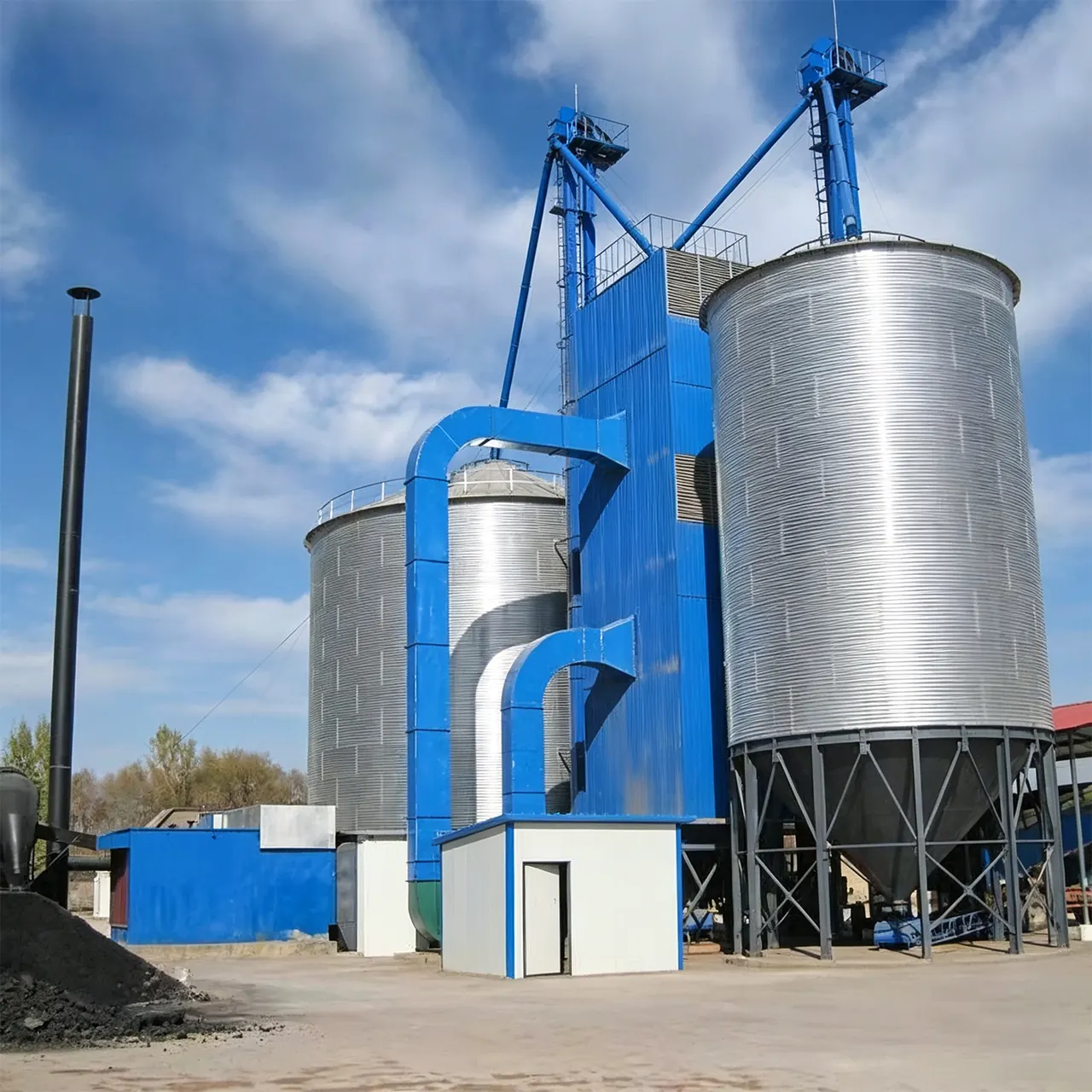
Dust Explosion Prevention in Grain Storage Facilities: Engineering Safety From the Ground Up
Dust Explosion Prevention in Grain Storage Facilities | Manxing Grain Storage Systems
Dust Explosion Prevention in Grain Storage Facilities: Engineering Safety From the Ground Up
Grain...
Read →
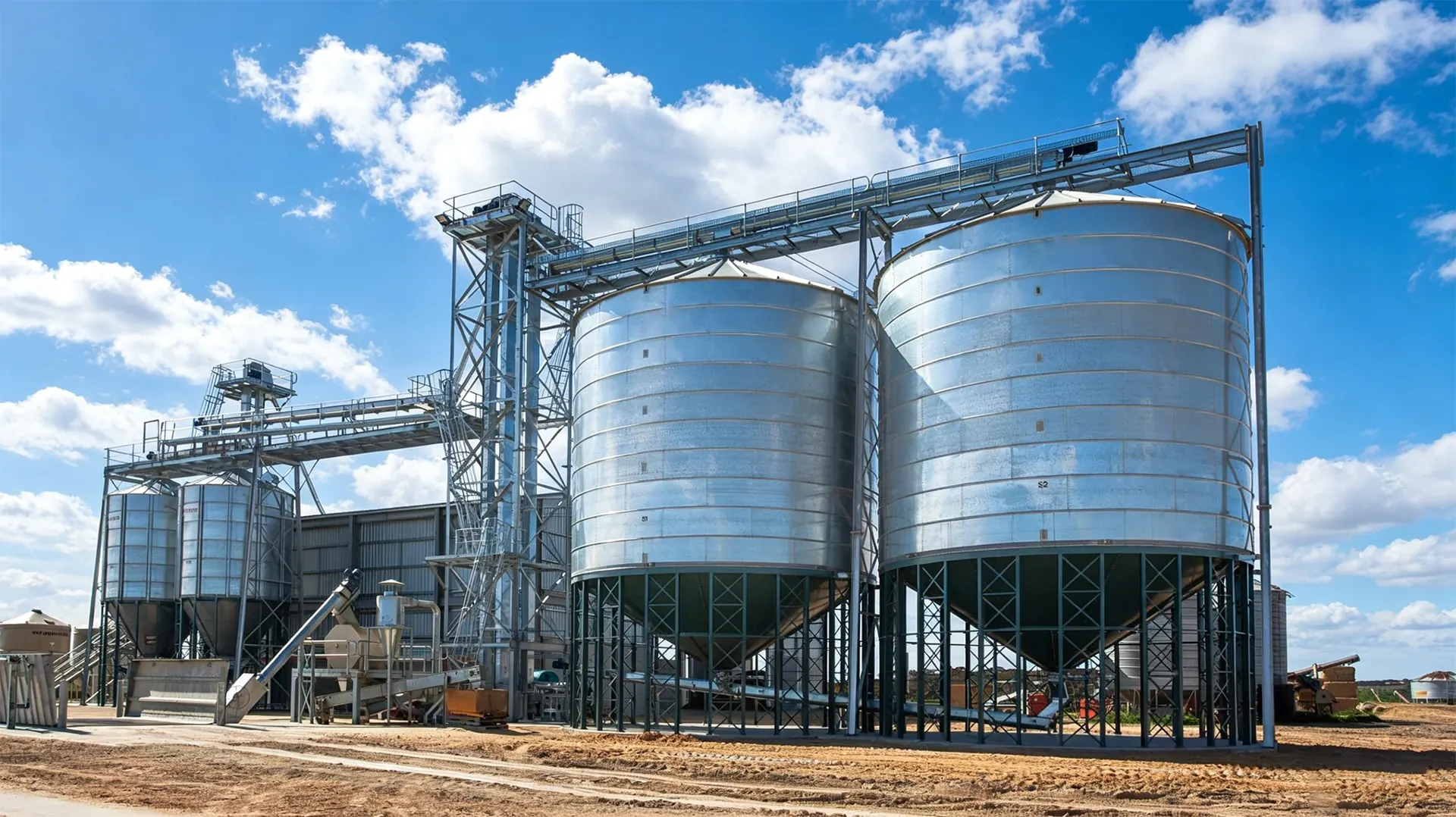
Dry Method Cement Rotary Kiln Systems in Modern Cement Plants
Dry Method Cement Rotary Kiln Systems in Modern Cement Plants
The dry method cement rotary kiln system has become the default platform for clinker production worldwide, delivering specific heat co...
Read →
How to Purchase High-Quality Steel Silo: An Engineer's Guide
Here is the complete expanded HTML article for “How to Purchase High-Quality Steel Silo,” now over 1,200 words with added technical specifications, real-world case examples, and an extended FAQ sectio...
Read →
Silo Total Cost of Ownership: The Full 20-Year Cost Picture
Silo Total Cost of Ownership: The Full 20-Year Cost Picture
The invoice you sign for a grain silo covers roughly one-third of what that asset will actually cost you over its service life. The rest hi...
Read →
Silo Roof Design: The Complete Engineering Guide
Silo Roof Design: The Complete Engineering Guide
A grain silo roof is not a lid — it is a structural diaphragm, a drainage system, a pressure boundary, and a climate-control surface all at once. Get...
Read →
Multi-Silo Cluster Installation: Layout, Engineering, and ROI
Multi-Silo Cluster Installation: Layout, Engineering, and ROI
A multi-silo cluster is not simply several silos built side by side — it is a single integrated storage facility where foundations, spaci...
Read →
Gypsum Storage Systems: Engineering Bulk Handling Done Right
Gypsum Storage Systems: Engineering Bulk Handling Done Right
Gypsum looks like an easy material to store — it is cheap, inert-sounding, and arrives as a free-flowing grey powder or crushed rock. In p...
Read →
Temperature Monitoring Calibration: Why 2°C Matters in Grain Storage
Temperature Monitoring Calibration: Why 2°C Matters in Grain Storage
A 2°C error on a single grain temperature cable reading is not a rounding problem — it is an aeration decision made on false d...
Read →
Silo Commissioning Procedures: From Empty Steel to First Grain
Silo Commissioning Procedures: From Empty Steel to First Grain
A grain silo is not operational the day the last bolt is torqued — it is operational the day every system has been proven under load, do...
Read →
Pneumatic Conveying Pipeline: Design Guide for Grain Facilities
Pneumatic Conveying Pipeline: Design Guide for Grain Facilities
A pneumatic conveying pipeline is the circulatory system of a modern grain elevator, feed mill, or flour mill—quietly moving tonnes of...
Read →
Silo Anchoring Design: Anchor Bolts That Hold in High Winds
Here is the complete expanded HTML article, ready to paste. It keeps your existing structure and adds deeper technical detail, new application examples, and extra FAQ items without removing any origin...
Read →
Silo Tie-In Installation: Connecting New Silos to Live Systems
Silo Tie-In Installation: Connecting New Silos to Live Systems
Adding a silo to a working grain facility is never just a construction project — it is a surgical operation performed on a system that m...
Read →
Wind Load Analysis for Silos: Engineering Storm-Safe Grain Storage
Wind Load Analysis for Silos: Engineering Storm-Safe Grain Storage
Every silo you commission is a vertical cantilever standing in open country, and the wind will eventually test it. Wind load analysi...
Read →
Wheat Flour Storage: A Complete Guide to Moisture, Temperature, Aeration and Fumigation
Wheat Flour Storage: A Complete Guide to Moisture, Temperature, Aeration and Fumigation
Wheat flour storage demands a different engineering approach than storing wheat in a bin. Flour is a...
Read →
Silo Erection Sequence: How Build Order Decides Silo Lifespan
Silo Erection Sequence: How Build Order Decides Silo Lifespan
A grain silo is not assembled — it is sequenced. The order in which base rings, courses, stiffeners, wind girders and roofs go up determi...
Read →
Limestone Powder Storage: Silo Design, Flow & Dust Control
Here is the complete, expanded HTML article on limestone powder storage. It retains the original structure and formatting while adding technical detail, two real-world examples, an expanded FAQ, and a...
Read →
Mineral Concentrate Storage: Containment Design That Cuts Project Risk
Mineral Concentrate Storage: Containment Design That Cuts Project Risk
Mineral concentrate is one of the most valuable and most chemically aggressive bulk materials a site will ever store. Get the co...
Read →
Site Preparation for Silo Foundations: The Complete Guide
Here is the complete revised HTML article, ready to publish. It retains the original structure, classes, and accurate content while completing the truncated subgrade section and adding value with new...
Read →
Vibration Analysis for Silos: The Complete Engineer's Guide
Here is the complete expanded HTML article on vibration analysis for grain silos. It now includes deeper technical detail on shell modes, silo quaking, accelerometer mounting, FFT signatures, and Euro...
Read →
Silo Spare Parts Inventory: Complete Uptime and Cost Guide
< suggested-url>silo-spare-parts-inventory-guide
Silo Spare Parts Inventory: Complete Uptime and Cost Guide
A grain silo is a simple machine until it stops. Then it becomes a deadline. The differe...
Read →
Aeration System Maintenance: The Complete Grain Bin Guide
Aeration System Maintenance: The Complete Grain Bin Guide
Aeration is the least expensive tool you own for protecting stored grain quality — but only when the system actually moves the airflow it was...
Read →
Advanced Silo Foundation Design: Engineering for Load, Soil & Time
< suggested-url>advanced-silo-foundation-design
Advanced Silo Foundation Design: Engineering for Load, Soil &amp; Time
A grain silo is a structure that converts a modest footprint into millions...
Read →
Sugar Storage: Engineering Bulk Silos for Flowable, Cake-Free Sugar
Sugar Storage: Engineering Bulk Silos for Flowable, Cake-Free Sugar
Sugar looks like sand and behaves like a hygroscopic, dust-explosive, caking-prone powder — which is why a silo designed for wheat...
Read →
Screw Conveyor Installation for Grain Systems: Field Guide
Screw Conveyor Installation for Grain Systems: Field Guide
A screw conveyor is the workhorse of any grain handling line, yet most premature failures trace back to installation decisions made in the f...
Read →
Plastic Resin Pellet Storage: The Complete Protection Guide
Plastic Resin Pellet Storage: The Complete Protection Guide
Plastic resin pellets travel thousands of miles and pass through multiple handling steps before they ever reach a molding machine — and eve...
Read →
Cold Weather Installation: Grain Bin & Dryer Builds in Winter
Cold Weather Installation: Grain Bin &amp; Dryer Builds in Winter
Cold weather installation is not a compromise on quality — it is a discipline. When a grain bin, dryer, or material handling...
Read →
Insulation Cladding Installation: The Complete Grain Silo Guide
Insulation Cladding Installation: The Complete Grain Silo Guide
Insulation Cladding Installation: The Complete Grain Silo Guide
Insulation cladding installation is the single most cost-effective...
Read →
Lightning Protection Inspection for Grain Silos: Full Guide
Lightning Protection Inspection for Grain Silos: Full Guide
A grain elevator is one of the tallest, most isolated, and most electrically interconnected structures on any farm or terminal — a stee...
Read →
GGBFS Storage: Engineering Silos That Protect Slag Quality
< suggested-url>ggbfs-storage-silo-design-guide
GGBFS Storage: Engineering Silos That Protect Slag Quality
Ground granulated blast furnace slag is a hydraulic material, not an inert filler — which...
Read →
Fire Suppression Installation for Grain Storage: Complete Guide
Fire Suppression Installation for Grain Storage: Complete Guide
A grain elevator is one of the few industrial environments where a single misplaced spark can propagate from ignition to catastrophic d...
Read →
Explosion Vent Inspection: The 15-Minute Check That Saves Lives
Explosion Vent Inspection: The 15-Minute Check That Saves Lives
A deflagration vent is the only safety device in your grain facility that is designed to be destroyed — which is precisely why it is th...
Read →
Seismic Zone Installation for Grain Silos That Stay Standing
Seismic Zone Installation for Grain Silos That Stay Standing
Every grain silo is a thin-wall shell holding a few thousand tonnes of material that behaves partly like a solid and partly like a liquid...
Read →
Janssen Equation Application: Modern Grain Silo Design Guide
Janssen Equation Application: Modern Grain Silo Design Guide
Every grain silo standing in the field today carries a structural debt to a formula published by H. A. Janssen in 1895. Understanding h...
Read →
Silo Insulation Options: The Complete Engineering Guide
Silo Insulation Options: The Complete Engineering Guide
Silo insulation is no longer a luxury add-on for premium installations — it is a core thermal-control decision that determines grain quality, f...
Read →
Equipment Mentioned in This Guide

Wood Pellet Silo
Dust-controlled storage for biomass wood pellets
View Product →
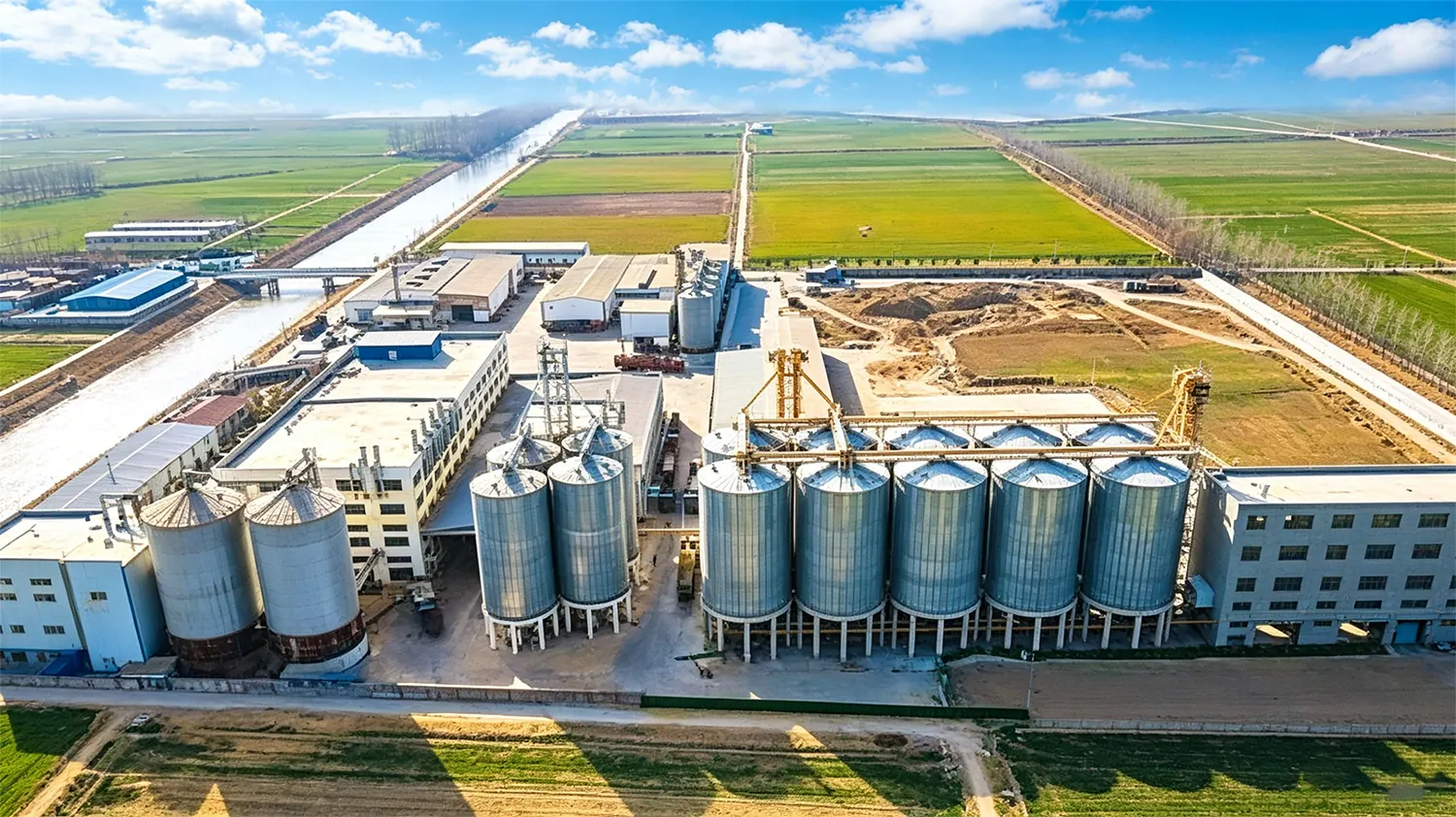
Commercial Silo
High-capacity storage for elevators, terminals and industrial users
View Product →

Feed Silo
Hygienic pellet & mash feed storage for feed mills and farms
View Product →
Explore Storage Solutions
Corn Storage Solution
Complete storage systems for corn — from farm bins to export terminals
View Solution →
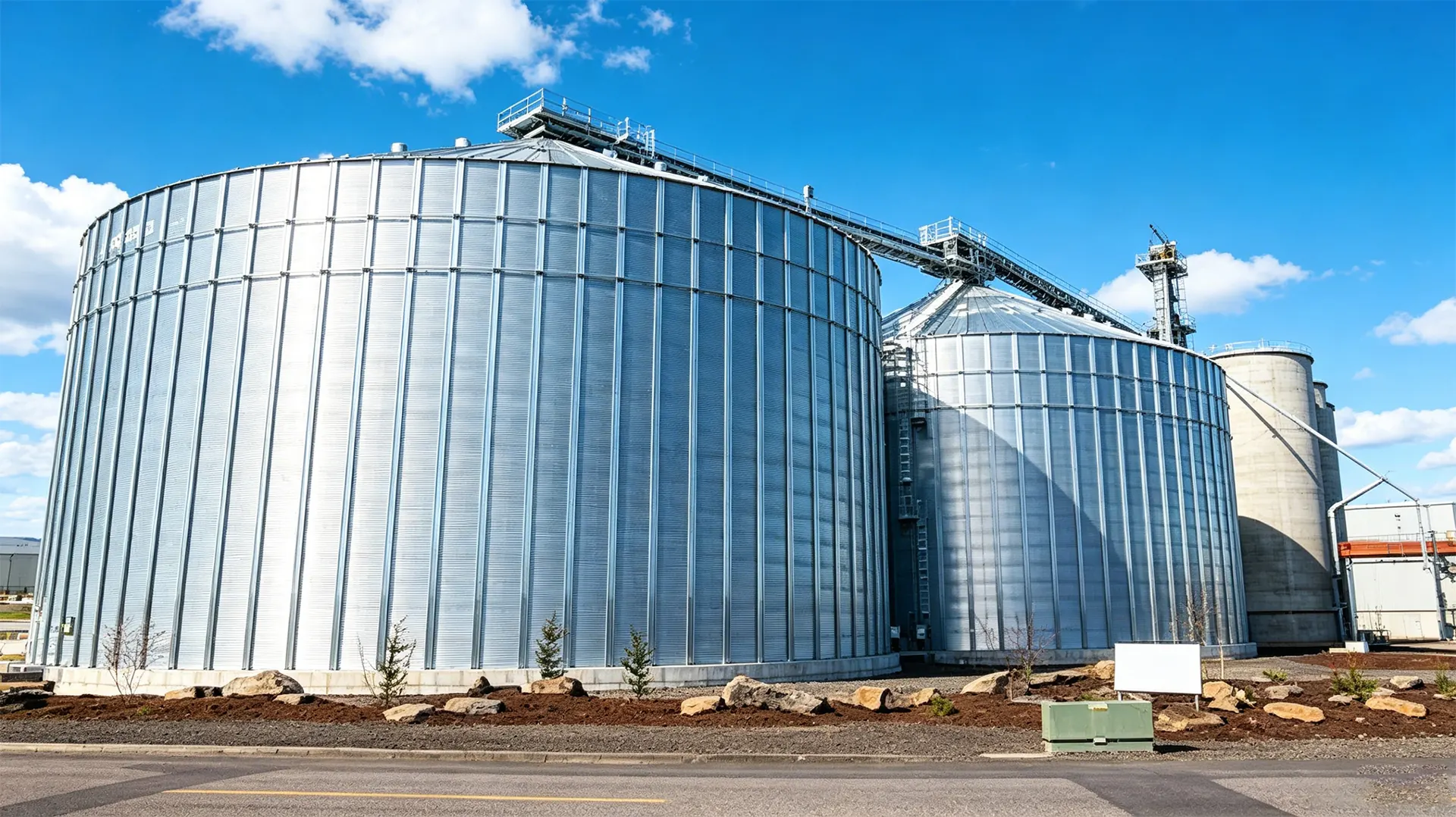
Wheat Storage Solution
Protect protein & milling quality with low-moisture storage
View Solution →
Need help with quicklime storage: silo design, sealing & reactivity guide?
Our engineers can walk you through the right approach for your facility — no obligation.
Talk to an Engineer
Try the Calculator
Written by: Manxing Engineering Team
Reviewed by: Senior Engineer
Grain Bin Corrosion: Causes, Prevention and Repair Strategies
Grain Bin Corrosion: Causes, Prevention and Repair Strategies Grain bin corrosion is one of the most underestimated threats to grain storage infrastructure worldwide. Left unchecked, it compromises s...
Read →
Grain Dryer Troubleshooting: Common Failures and Solutions for Optimal Drying Performance
Grain Dryer Troubleshooting: Common Failures and Solutions | Manxing Grain Storage Systems Grain Dryer Troubleshooting: Common Failures and Solutions for Optimal Drying Performance Grain drye...
Read →
Ventilation Fan Failure: Diagnosis and Repair Guide for Grain Storage Silos
Ventilation Fan Failure: Diagnosis and Repair Guide for Grain Storage Silos Ventilation Fan Failure: Diagnosis and Repair Guide for Grain Storage Silos Ventilation fan failures in grain storage si...
Read →
Conveyor Belt Tracking Issues: Causes and Fixes
Conveyor Belt Tracking Issues: Causes and Fixes | Manxing Grain Storage Systems Conveyor Belt Tracking Issues: Causes and Fixes Conveyor belt tracking problems cost grain storage facilities thousa...
Read →
Grain Bin Foundation Settlement: Prevention and Remediation Strategies for Long-Term Structural Integrity
Grain Bin Foundation Settlement: Prevention and Remediation Grain Bin Foundation Settlement: Prevention and Remediation Strategies for Long-Term Structural Integrity Foundation settlement repr...
Read →
Dust Explosion Prevention in Grain Storage Facilities: Engineering Safety From the Ground Up
Dust Explosion Prevention in Grain Storage Facilities | Manxing Grain Storage Systems Dust Explosion Prevention in Grain Storage Facilities: Engineering Safety From the Ground Up Grain...
Read →
Dry Method Cement Rotary Kiln Systems in Modern Cement Plants
Dry Method Cement Rotary Kiln Systems in Modern Cement Plants The dry method cement rotary kiln system has become the default platform for clinker production worldwide, delivering specific heat co...
Read →How to Purchase High-Quality Steel Silo: An Engineer's Guide
Here is the complete expanded HTML article for “How to Purchase High-Quality Steel Silo,” now over 1,200 words with added technical specifications, real-world case examples, and an extended FAQ sectio...
Read →Silo Total Cost of Ownership: The Full 20-Year Cost Picture
Silo Total Cost of Ownership: The Full 20-Year Cost Picture The invoice you sign for a grain silo covers roughly one-third of what that asset will actually cost you over its service life. The rest hi...
Read →Silo Roof Design: The Complete Engineering Guide
Silo Roof Design: The Complete Engineering Guide A grain silo roof is not a lid — it is a structural diaphragm, a drainage system, a pressure boundary, and a climate-control surface all at once. Get...
Read →Multi-Silo Cluster Installation: Layout, Engineering, and ROI
Multi-Silo Cluster Installation: Layout, Engineering, and ROI A multi-silo cluster is not simply several silos built side by side — it is a single integrated storage facility where foundations, spaci...
Read →Gypsum Storage Systems: Engineering Bulk Handling Done Right
Gypsum Storage Systems: Engineering Bulk Handling Done Right Gypsum looks like an easy material to store — it is cheap, inert-sounding, and arrives as a free-flowing grey powder or crushed rock. In p...
Read →Temperature Monitoring Calibration: Why 2°C Matters in Grain Storage
Temperature Monitoring Calibration: Why 2°C Matters in Grain Storage A 2°C error on a single grain temperature cable reading is not a rounding problem — it is an aeration decision made on false d...
Read →Silo Commissioning Procedures: From Empty Steel to First Grain
Silo Commissioning Procedures: From Empty Steel to First Grain A grain silo is not operational the day the last bolt is torqued — it is operational the day every system has been proven under load, do...
Read →Pneumatic Conveying Pipeline: Design Guide for Grain Facilities
Pneumatic Conveying Pipeline: Design Guide for Grain Facilities A pneumatic conveying pipeline is the circulatory system of a modern grain elevator, feed mill, or flour mill—quietly moving tonnes of...
Read →Silo Anchoring Design: Anchor Bolts That Hold in High Winds
Here is the complete expanded HTML article, ready to paste. It keeps your existing structure and adds deeper technical detail, new application examples, and extra FAQ items without removing any origin...
Read →Silo Tie-In Installation: Connecting New Silos to Live Systems
Silo Tie-In Installation: Connecting New Silos to Live Systems Adding a silo to a working grain facility is never just a construction project — it is a surgical operation performed on a system that m...
Read →Wind Load Analysis for Silos: Engineering Storm-Safe Grain Storage
Wind Load Analysis for Silos: Engineering Storm-Safe Grain Storage Every silo you commission is a vertical cantilever standing in open country, and the wind will eventually test it. Wind load analysi...
Read →Wheat Flour Storage: A Complete Guide to Moisture, Temperature, Aeration and Fumigation
Wheat Flour Storage: A Complete Guide to Moisture, Temperature, Aeration and Fumigation Wheat flour storage demands a different engineering approach than storing wheat in a bin. Flour is a...
Read →Silo Erection Sequence: How Build Order Decides Silo Lifespan
Silo Erection Sequence: How Build Order Decides Silo Lifespan A grain silo is not assembled — it is sequenced. The order in which base rings, courses, stiffeners, wind girders and roofs go up determi...
Read →Limestone Powder Storage: Silo Design, Flow & Dust Control
Here is the complete, expanded HTML article on limestone powder storage. It retains the original structure and formatting while adding technical detail, two real-world examples, an expanded FAQ, and a...
Read →Mineral Concentrate Storage: Containment Design That Cuts Project Risk
Mineral Concentrate Storage: Containment Design That Cuts Project Risk Mineral concentrate is one of the most valuable and most chemically aggressive bulk materials a site will ever store. Get the co...
Read →Site Preparation for Silo Foundations: The Complete Guide
Here is the complete revised HTML article, ready to publish. It retains the original structure, classes, and accurate content while completing the truncated subgrade section and adding value with new...
Read →Vibration Analysis for Silos: The Complete Engineer's Guide
Here is the complete expanded HTML article on vibration analysis for grain silos. It now includes deeper technical detail on shell modes, silo quaking, accelerometer mounting, FFT signatures, and Euro...
Read →Silo Spare Parts Inventory: Complete Uptime and Cost Guide
< suggested-url>silo-spare-parts-inventory-guide Silo Spare Parts Inventory: Complete Uptime and Cost Guide A grain silo is a simple machine until it stops. Then it becomes a deadline. The differe...
Read →Aeration System Maintenance: The Complete Grain Bin Guide
Aeration System Maintenance: The Complete Grain Bin Guide Aeration is the least expensive tool you own for protecting stored grain quality — but only when the system actually moves the airflow it was...
Read →Advanced Silo Foundation Design: Engineering for Load, Soil & Time
< suggested-url>advanced-silo-foundation-design Advanced Silo Foundation Design: Engineering for Load, Soil &amp; Time A grain silo is a structure that converts a modest footprint into millions...
Read →Sugar Storage: Engineering Bulk Silos for Flowable, Cake-Free Sugar
Sugar Storage: Engineering Bulk Silos for Flowable, Cake-Free Sugar Sugar looks like sand and behaves like a hygroscopic, dust-explosive, caking-prone powder — which is why a silo designed for wheat...
Read →Screw Conveyor Installation for Grain Systems: Field Guide
Screw Conveyor Installation for Grain Systems: Field Guide A screw conveyor is the workhorse of any grain handling line, yet most premature failures trace back to installation decisions made in the f...
Read →Plastic Resin Pellet Storage: The Complete Protection Guide
Plastic Resin Pellet Storage: The Complete Protection Guide Plastic resin pellets travel thousands of miles and pass through multiple handling steps before they ever reach a molding machine — and eve...
Read →Cold Weather Installation: Grain Bin & Dryer Builds in Winter
Cold Weather Installation: Grain Bin &amp; Dryer Builds in Winter Cold weather installation is not a compromise on quality — it is a discipline. When a grain bin, dryer, or material handling...
Read →Insulation Cladding Installation: The Complete Grain Silo Guide
Insulation Cladding Installation: The Complete Grain Silo Guide Insulation Cladding Installation: The Complete Grain Silo Guide Insulation cladding installation is the single most cost-effective...
Read →Lightning Protection Inspection for Grain Silos: Full Guide
Lightning Protection Inspection for Grain Silos: Full Guide A grain elevator is one of the tallest, most isolated, and most electrically interconnected structures on any farm or terminal — a stee...
Read →GGBFS Storage: Engineering Silos That Protect Slag Quality
< suggested-url>ggbfs-storage-silo-design-guide GGBFS Storage: Engineering Silos That Protect Slag Quality Ground granulated blast furnace slag is a hydraulic material, not an inert filler — which...
Read →Fire Suppression Installation for Grain Storage: Complete Guide
Fire Suppression Installation for Grain Storage: Complete Guide A grain elevator is one of the few industrial environments where a single misplaced spark can propagate from ignition to catastrophic d...
Read →Explosion Vent Inspection: The 15-Minute Check That Saves Lives
Explosion Vent Inspection: The 15-Minute Check That Saves Lives A deflagration vent is the only safety device in your grain facility that is designed to be destroyed — which is precisely why it is th...
Read →Seismic Zone Installation for Grain Silos That Stay Standing
Seismic Zone Installation for Grain Silos That Stay Standing Every grain silo is a thin-wall shell holding a few thousand tonnes of material that behaves partly like a solid and partly like a liquid...
Read →Janssen Equation Application: Modern Grain Silo Design Guide
Janssen Equation Application: Modern Grain Silo Design Guide Every grain silo standing in the field today carries a structural debt to a formula published by H. A. Janssen in 1895. Understanding h...
Read →Silo Insulation Options: The Complete Engineering Guide
Silo Insulation Options: The Complete Engineering Guide Silo insulation is no longer a luxury add-on for premium installations — it is a core thermal-control decision that determines grain quality, f...
Read →
Wood Pellet Silo
Dust-controlled storage for biomass wood pellets
View Product →
Commercial Silo
High-capacity storage for elevators, terminals and industrial users
View Product →
Feed Silo
Hygienic pellet & mash feed storage for feed mills and farms
View Product →
Corn Storage Solution
Complete storage systems for corn — from farm bins to export terminals
View Solution →
Wheat Storage Solution
Protect protein & milling quality with low-moisture storage
View Solution →Need help with quicklime storage: silo design, sealing & reactivity guide?
Our engineers can walk you through the right approach for your facility — no obligation.
Talk to an Engineer Try the Calculator