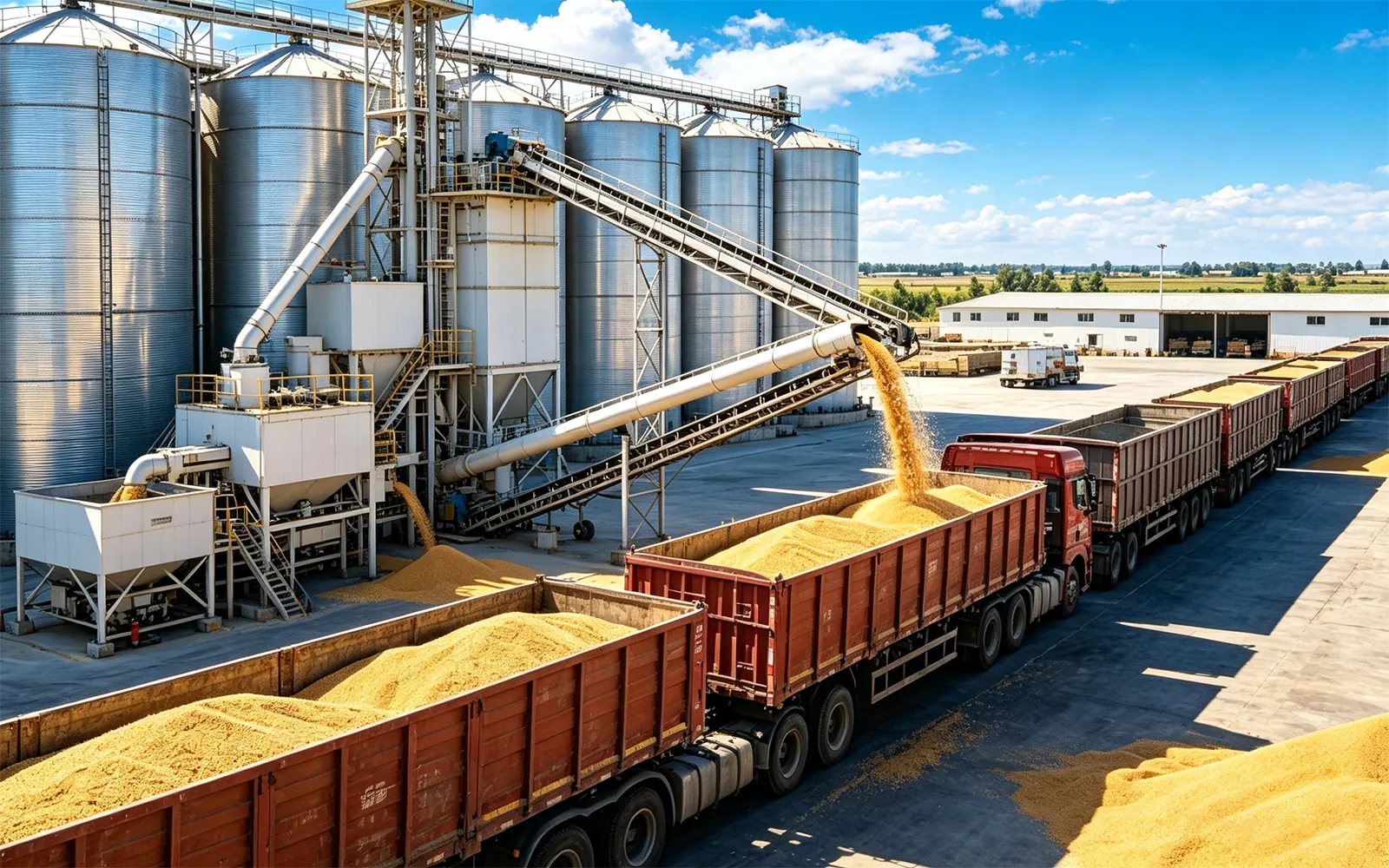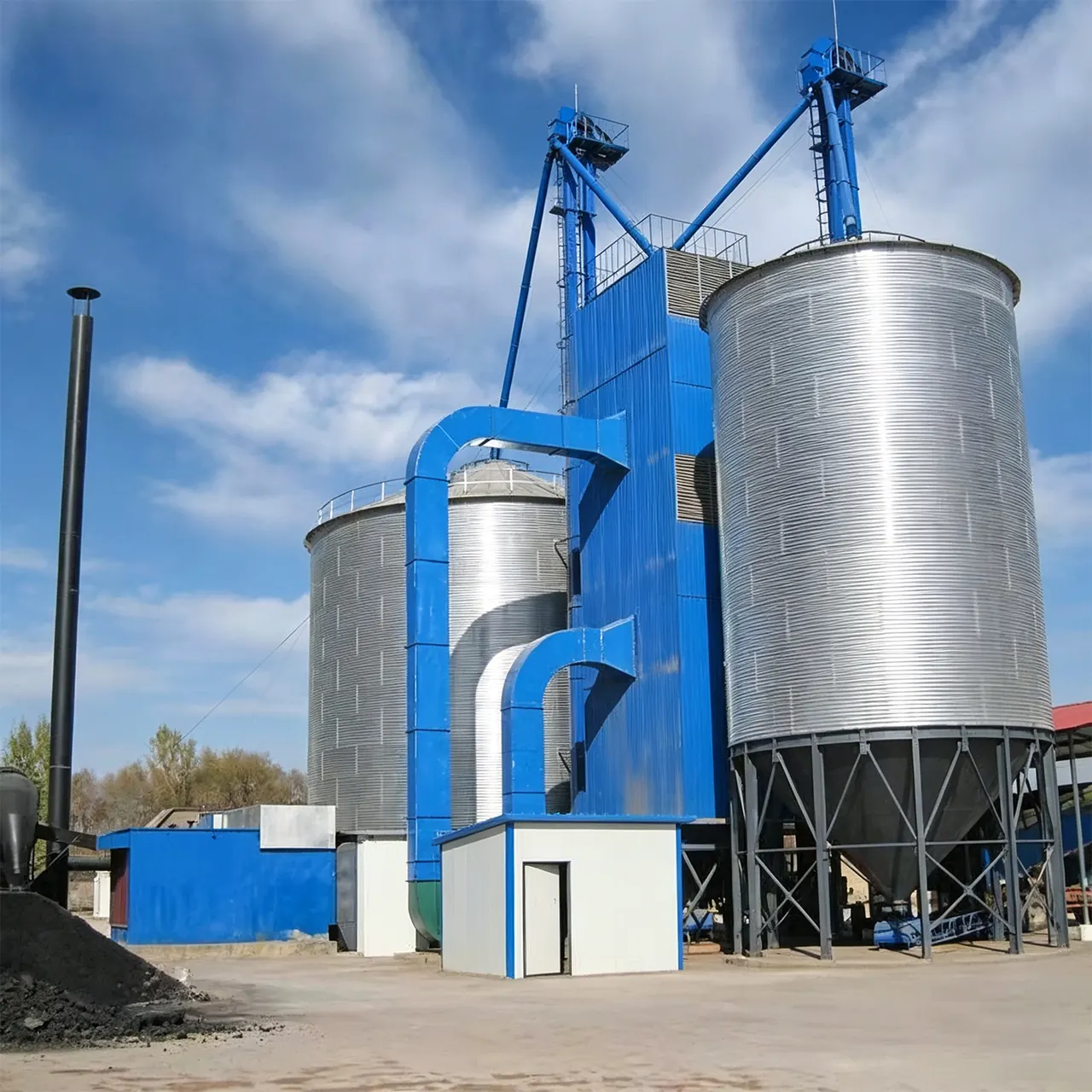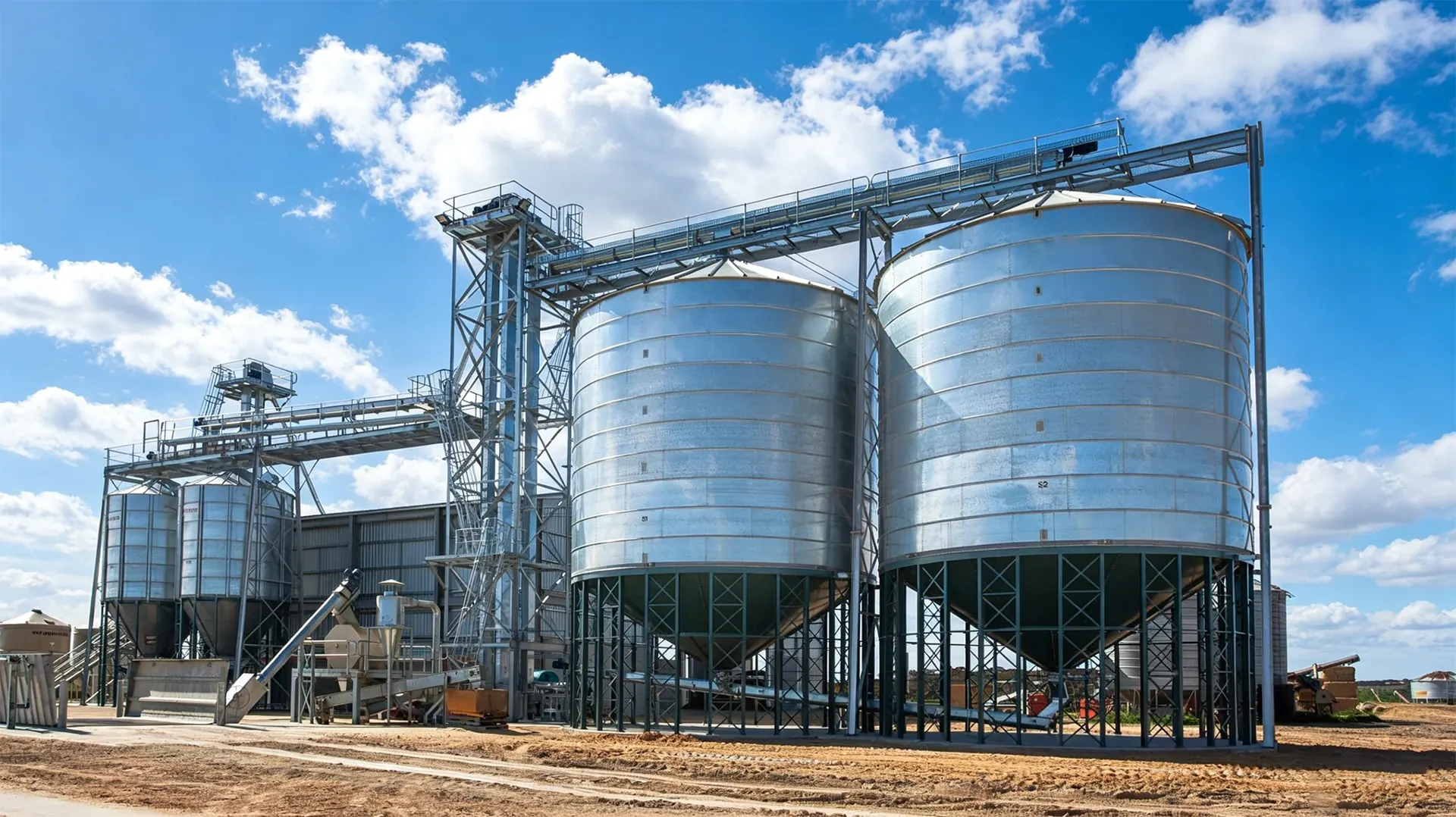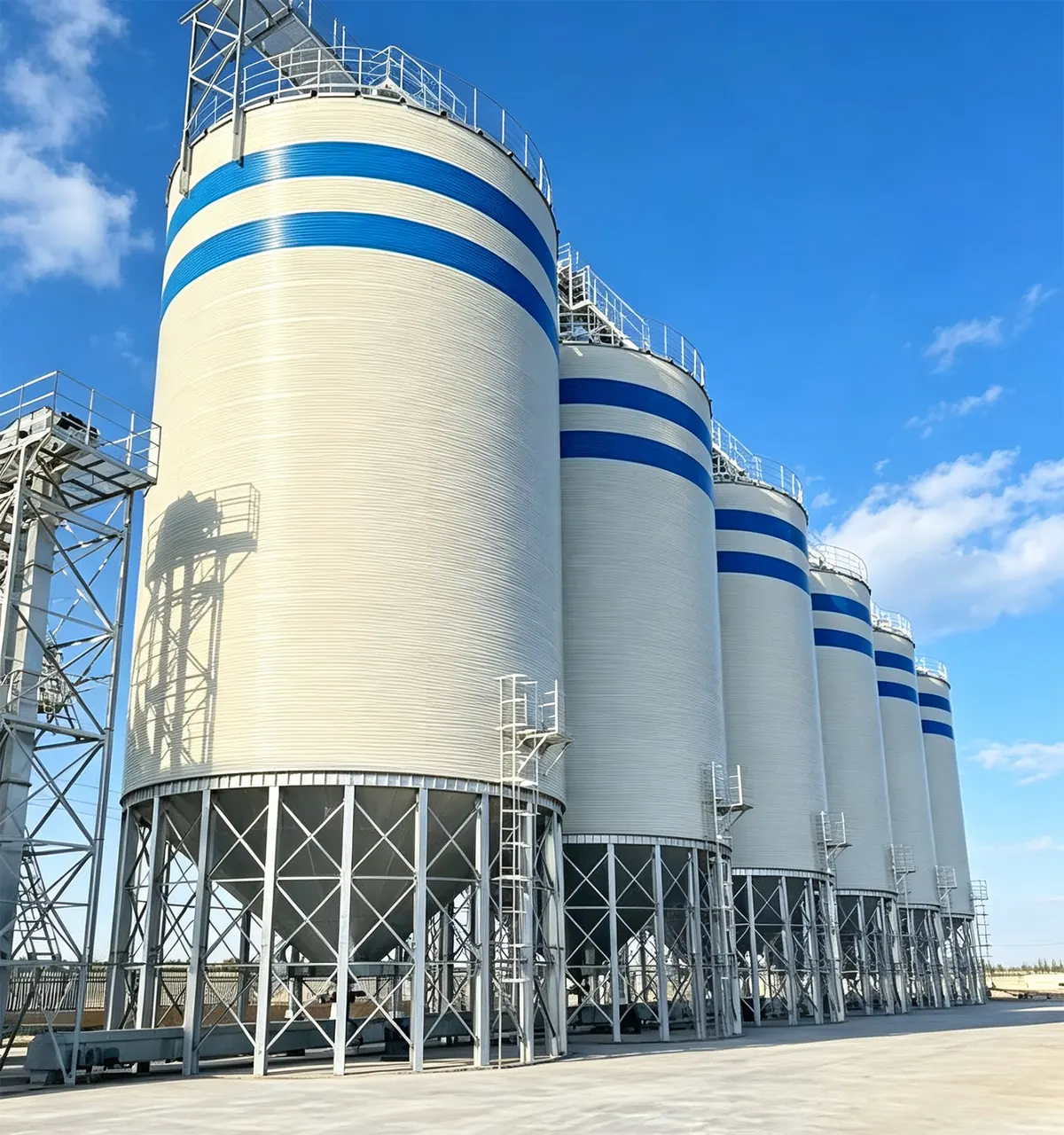
Silo material selection is one of the few early design decisions that permanently locks in corrosion risk, maintenance cost, and structural service life. Choose the wrong Purchase High-Quality Steel Silo: An Engineer's Guide grade, coating system, or wall thickness and you will pay for it every harvest for the next thirty years.
Key takeaway: In most Dust Explosion Prevention in Grain Storage Facilities: En... storage projects, the material and coating system represents only 25–35% of total installed cost but drives 70–80% of lifetime maintenance expenditure. A single upgrade from a light galvanized coating (Z275) to a heavy coating (Z450) or 55% Al-Zn typically adds under 6% to capital cost while extending repaint-free service life by 10–15 years in humid or coastal climates.
Silo Material Selection: The Hidden Decisions That Make or Break Grain Storage
Grain storage Different Types of Silos Used in Cement, Mining & Agr... look simple from the outside: a cylinder, a cone, a roof, and a discharge. Inside the engineering, every one of those elements is a materials problem. The wall must resist hoop tension from several thousand tonnes of grain, the hopper must survive decades of abrasive outflow, the roof must shed rain and resist wind uplift, and the entire structure must tolerate phosphine fumigation, wet grain contact, and 40 °C diurnal swings without cracking, pitting, or perforating.
Material selection therefore is not a purchasing formality. It is a systems decision that connects structural design codes, local climate data, grain moisture profiles, fumigation practice, and the operator's maintenance budget. This guide walks through the engineering logic behind each decision so that engineers, procurement teams, and farm owners can specify with confidence rather than habit.
It helps to understand that material choice does not stay contained within the silo shell. It cascades outward and downward through the entire project. A heavier steel grade changes panel thickness, which changes bolt spacing and stiffener geometry, which changes the ring beam load, which changes the foundation design. A decision to use concrete instead of steel alters the construction schedule by months, shifts the foundation from a ring beam to a mat or pile cap, and removes the possibility of factory-applied coil coatings altogether. Choosing a 55% Al-Zn coating rather than standard galvanizing may look like a minor line item in a bill of materials, but it changes the maintenance calendar for the next two decades.
Grain type matters as much as climate. Wheat at 12% moisture behaves very differently from high-moisture corn at 20% or oilseed rape with a high oil content and a low angle of internal friction. Bulk densities range from roughly 600 kg/m³ for oats and barley up to 850 kg/m³ for dense wheat and over 900 kg/m³ for some pulse crops, and those figures directly scale the hoop stress acting on the wall. Wall friction angles determine how much of the vertical load is shed to the wall rather than carried to the floor, which in turn affects the horizontal pressure distribution described in EN 1991-4. A materials specification that ignores the stored product is a specification built on sand.
Finally, material selection must anticipate operations that the original designer may never have imagined. A silo built for dry wheat storage that later receives wet grain straight off the combine, or that is repurposed for fertilizer blending or feed ingredient storage, will experience a completely different corrosion environment. Designing with a margin of coating performance and a generous hopper thickness is one of the cheapest forms of future-proofing available.

Carbon Steel vs Stainless Steel vs Aluminum vs Concrete: Core Silo Materials Compared
Four material families dominate commercial grain storage. Each has a distinct performance envelope, and choosing between them is rarely about which is "best" — it is about which failure mode you are willing to engineer around.
Carbon Steel (Galvanized or Coated)
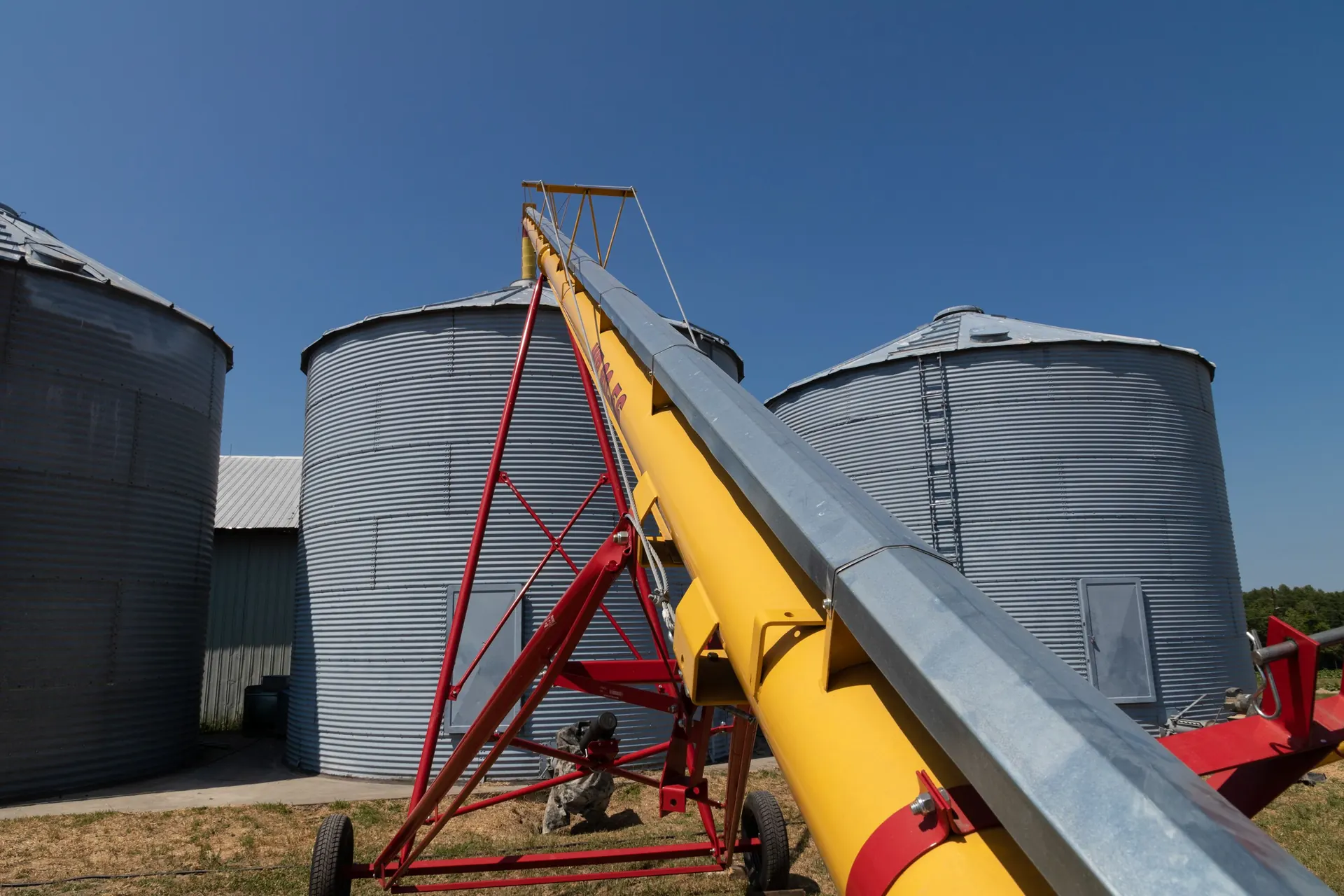
Carbon steel is the workhorse of the industry. Rolled sheet in the 1.5–4.0 mm range is cold-formed into corrugated or flat wall panels, with structural grades such as S250GD, S350GD, and S550GD (EN 10346) or ASTM A653 SS Grades 33–50. Higher yield grades let engineers reduce sheet thickness while maintaining hoop strength, which lowers freight and erection weight but demands careful handling to avoid local buckling during assembly.
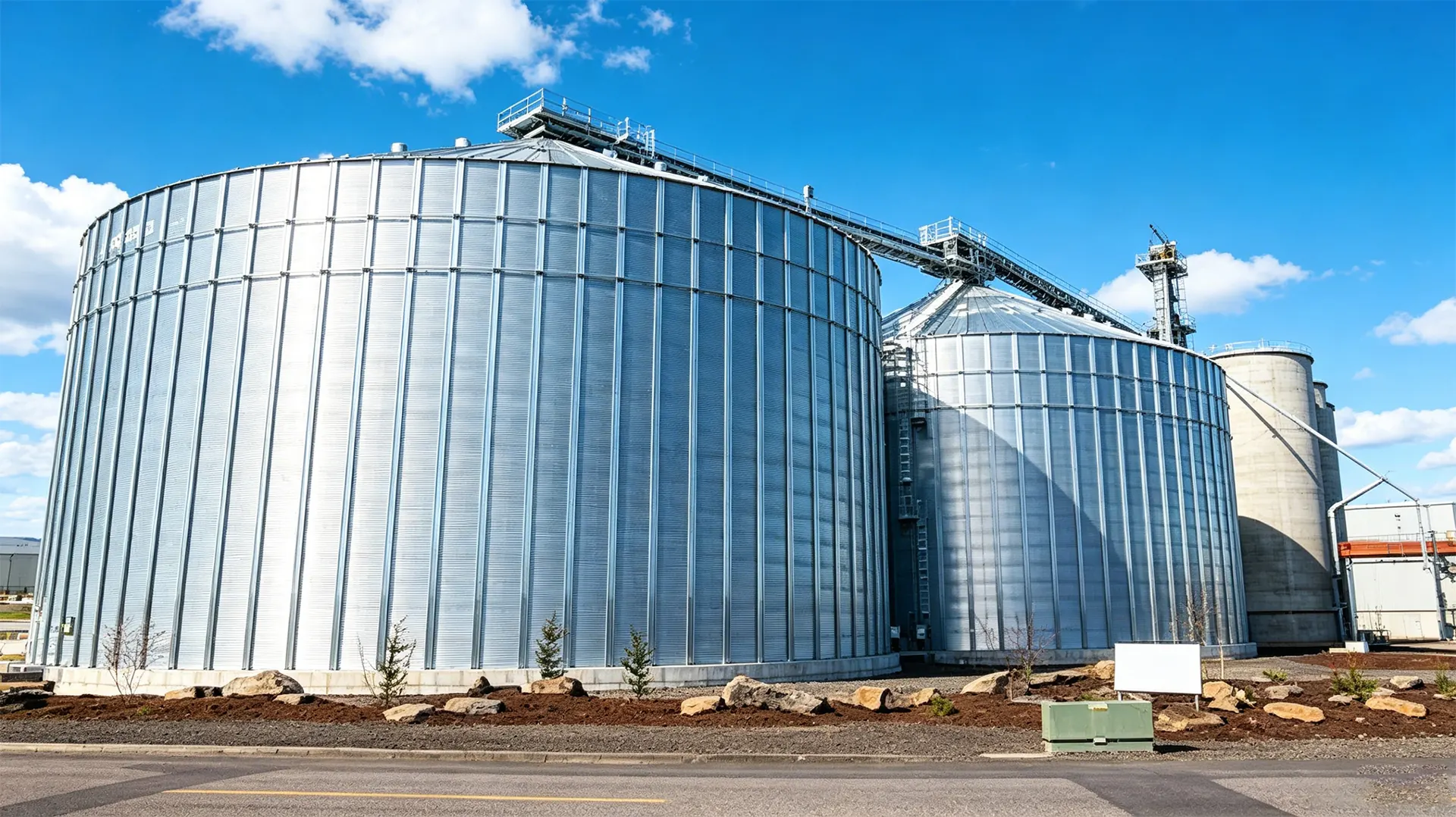
Corrugation geometry is not cosmetic. Trapezoidal and sinusoidal profiles add effective depth to a thin sheet, raising its section modulus in bending and improving resistance to local buckling under vertical compression. Corrugation pitch and depth are optimised together with panel width and stiffener spacing so that a 2.0 mm sheet can carry loads that would otherwise require 3.0 mm flat plate. The trade-off is that corrugations trap dust and moisture in the valleys, so drainage detailing at the base ring and around penetrations becomes critical.
Where very large diameters are required, designers often move to bolted flat-panel construction with external vertical stiffeners, or to welded site-fabricated shells. Welded construction eliminates thousands of bolt holes — each one a potential corrosion initiation site — but introduces heat-affected zones, residual stresses, and a need for post-weld surface restoration. For most farm and commercial grain installations up to about 10,000 tonnes, bolted corrugated galvanized steel remains the most cost-effective solution by a wide margin.
Stainless Steel
Austenitic 304 and 316L, and increasingly duplex 2205, are specified where chloride exposure, aggressive cleaning chemicals, or food-contact hygiene requirements exceed what a coating can deliver. Stainless costs three to five times more per tonne than galvanized carbon steel, so it is normally reserved for hopper cones,